
Nutrition comparison
Apple vs Grapes: Which is Healthier for Weight Loss and Blood Sugar?
Compare Apple vs Grapes nutrition. Discover which fruit is better for weight loss, blood sugar control, and daily snacking based on fiber, sugar, and satiety.
Overall winner · Apple
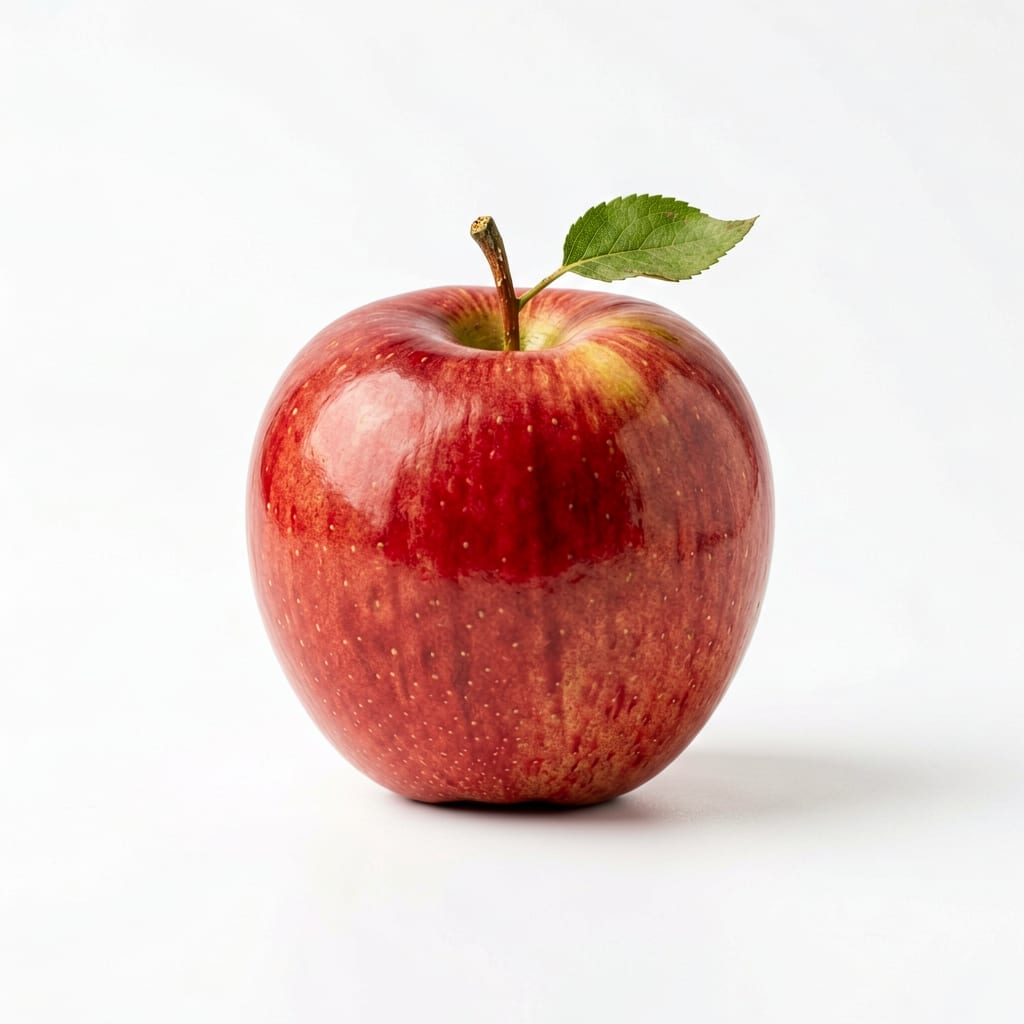
Apple
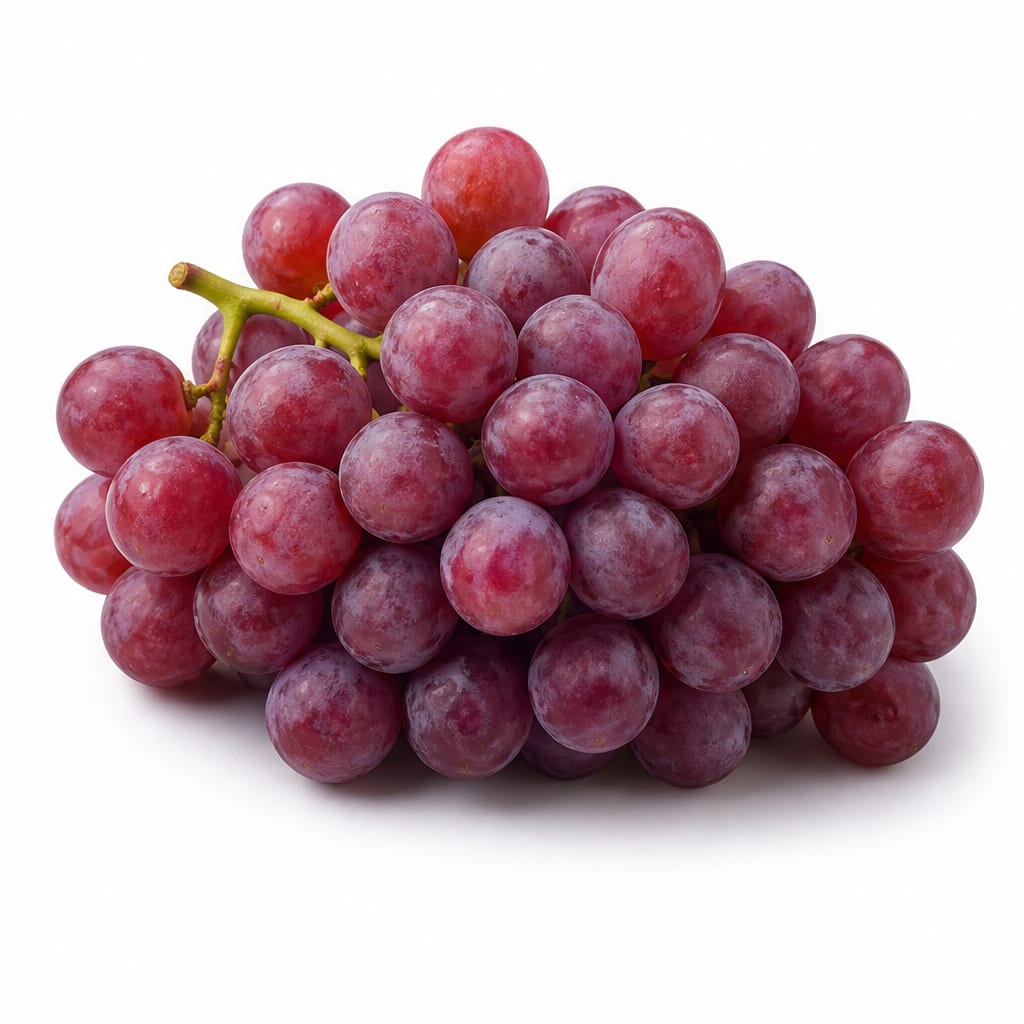
Grapes
Apples win for satiety and blood sugar stability, while grapes offer a lighter, more convenient snacking experience.
Apple scores higher due to superior fiber content, better satiety, and lower risk of overconsumption. Grapes score well for convenience and hydration but lose points for sugar density and easy overeating.
Satiety and steady energy from an Apple versus the quick, hydrating sweetness of Grapes.
At a glance
Executive summary
Overall
Apple
Healthier
Apple
More practical
Grapes
Daily use
Apple
Key comparison lenses
Blood sugar control and satiety
Apples provide significantly more fiber, leading to steadier energy and better fullness compared to the quick-digesting sugars in grapes.
Portion control and overeating risk
Grapes are bite-sized and easy to overconsume, while an apple is naturally portion-controlled and takes time to chew.
Pesticide exposure
Both fruits are commonly heavily sprayed, but grapes consistently rank higher on the Dirty Dozen list for pesticide residue.
Best choice for
Apple
- People aiming for weight loss or portion control
- Those needing steady, crash-free energy
- Anyone looking to improve daily fiber intake
Grapes
- Athletes needing quick, easily digestible carbs
- People wanting a hydrating, refreshing summer snack
- Those who struggle to chew hard fruits
Least suitable for
Apple
- People with severe jaw or dental issues who struggle with crunchy foods
- Anyone needing rapid blood sugar recovery during a hypoglycemic event
Grapes
- People who struggle with portion control and tend to eat mindlessly
- Those strictly monitoring their sugar intake
Deep comparison
Dimension by dimension
Each lens scores both foods and breaks down who each option suits.
- Dimension 1 · Priority 95Apple
Satiety and Fullness
Apple · 88Grapes · 55An Apple is far more filling than a bowl of Grapes.
Tradeoff
You get a heavier, more satisfying snack with an Apple, whereas Grapes feel light and may leave you hungry sooner.
Why it matters
Feeling full helps prevent overeating later in the day.
Real-world impact
Eating an Apple as an afternoon snack is more likely to hold you over until dinner than Grapes, which might leave you reaching for more food an hour later.
Apple
- Bridging long gaps between meals
- Preventing late-afternoon energy crashes
Better for
- Moments when you want a light, refreshing treat without feeling weighed down
Worse for
Grapes
- Light snacking right before a workout when you don't want a full stomach
Better for
- Curbing strong hunger pangs
Worse for
- Dimension 2 · Priority 90Apple
Blood Sugar Stability
Apple · 85Grapes · 60Apples provide steadier energy due to higher fiber, while Grapes cause a faster blood sugar rise.
Tradeoff
Apple offers slow-burning fuel, but Grapes deliver quick energy when you need it fast.
Why it matters
Rapid blood sugar spikes from Grapes can lead to crashes, increasing cravings and fatigue.
Real-world impact
A serving of Grapes can give you a quick sugar rush, but an Apple will give you sustained energy without the subsequent slump.
Apple
- Managing diabetes or insulin resistance
- Sustaining focus during long work sessions
Better for
- Situations requiring immediate, fast-acting carbohydrates
Worse for
Grapes
- Quick recovery after intense exercise
- Treating mild hypoglycemia
Better for
- Maintaining stable energy throughout the day
Worse for
- Dimension 3 · Priority 85Apple
Portion Control
Apple · 92Grapes · 45An Apple is naturally portioned, while Grapes are notoriously easy to overeat.
Tradeoff
Apple enforces built-in portion limits, but Grapes offer mindless, continuous eating.
Why it matters
Overeating Grapes can easily double or triple your intended sugar and calorie intake without realizing it.
Real-world impact
It is easy to accidentally eat an entire bag of Grapes while watching TV, whereas you typically stop after one Apple.
Apple
- Mindful eating practices
- Calorie tracking and weight management
Better for
- Sharing easily among a group without slicing
Worse for
Grapes
- Casual snacking where measuring isn't a priority
Better for
- Strict diets requiring precise macro tracking
Worse for
- Dimension 4 · Priority 80Grapes
Convenience and Snackability
Apple · 65Grapes · 90Grapes are bite-sized and mess-free, making them highly convenient.
Tradeoff
Grapes are easier to eat on the go and share, while Apples require chewing effort and leave a core.
Why it matters
Convenience often dictates whether you actually reach for the fruit or grab processed junk food instead.
Real-world impact
Tossing a handful of Grapes into a lunchbox or eating them while driving is far simpler than dealing with an Apple core.
Apple
- A satisfying, standalone snack that feels like a meal
Better for
- Eating while typing or working with your hands
Worse for
Grapes
- Quick snacking at your desk
- Sharing at parties or gatherings
- Packing in children's lunchboxes
Better for
- Situations where you need a snack to feel heavy and substantial
Worse for
- Dimension 5 · Priority 70Apple
Pesticide Residue
Apple · 60Grapes · 40Both carry pesticide risks, but Grapes typically have higher residue levels.
Tradeoff
Apple is somewhat easier to peel if you want to avoid pesticides, whereas Grapes are impractical to peel.
Why it matters
Chronic pesticide exposure can impact hormonal and neurological health over time.
Real-world impact
If you cannot buy organic, washing Grapes thoroughly is critical, but some residue will remain on the thin skin.
Apple
- Reducing chemical exposure when buying conventional produce
Better for
- Still a high-pesticide fruit if not organic
Worse for
Grapes
- No specific advantage; both require careful washing
Better for
- Consistently ranks near the top of the Dirty Dozen list for pesticide load
Worse for
Timeline
Health impact over time
Short-term
Hours to days
Apple
- Provides steady, crash-free energy for 1-2 hours
- Promotes a feeling of fullness that reduces immediate snacking
Grapes
- Delivers a quick burst of energy and hydration
- May trigger hunger soon after eating due to rapid digestion
Long-term
Months to years
Apple
- Supports healthy digestion and gut microbiome through consistent pectin intake
- Linked to lower risk of type 2 diabetes when consumed regularly
Grapes
- Provides beneficial antioxidants like resveratrol that support heart health
- Risk of excess sugar intake if portion control is not managed over time
Risk profile
Safety & processing
Both Apple and Grapes are whole, unprocessed foods. The only concern is agricultural chemicals rather than artificial additives.
Apple
Pesticide residue
mediumApples are often heavily sprayed; washing or peeling is recommended if not organic.
Choking hazard
lowWhole Apples can be a choking risk for toddlers; always slice for young children.
Grapes
Pesticide residue
highGrapes are a staple on the EWG's Dirty Dozen list with high pesticide detection; buying organic is strongly advised.
Choking hazard
mediumWhole Grapes are a leading choking hazard for children under 4 and must be sliced lengthwise.
Who wins for whom
Audience fit
Same foods, different winners depending on your goal.
children
GrapesKids love the sweet taste and fun, pop-in-mouth texture of Grapes, though they must be sliced for safety.
daily consumption
AppleThe satiety and blood sugar stability of an Apple make it a more sustainable daily habit without the risk of sugar creep.
diabetes
AppleApple's higher fiber content slows sugar absorption, resulting in a gentler impact on blood glucose levels.
elderly
AppleApple provides more dietary fiber to combat age-related digestive slowdowns, and the chewing action stimulates saliva.
muscle gain
GrapesGrapes provide quick, easily digestible carbohydrates that are ideal for post-workout glycogen replenishment.
weight loss
AppleApple's high fiber and built-in portion control make it much easier to manage calories and stay full.
Your move
Decision guide
Choose Apple
- You want a snack that actually keeps you full until your next meal
- You are watching your blood sugar or trying to lose weight
- You tend to overeat easy-to-grab snacks
Choose Grapes
- You need a quick, light pre-workout energy boost
- You want a refreshing, hydrating snack on a hot day
- You are packing a quick, mess-free snack for the road
Either works if
- You just want a natural, whole-food sweet treat
- You are pairing the fruit with a fat or protein source like cheese or nuts
Avoid both if
- You are on a strict ketogenic or very-low-carb diet
Final recommendation
Keep Apples as your everyday go-to for a filling, blood-sugar-friendly snack, and enjoy Grapes occasionally as a quick, hydrating treat—just watch your portions and buy organic when possible.
Practical
Consumer tips
- 1
Always wash both fruits thoroughly under running water, even if you plan to peel the Apple.
- 2
Slice Grapes lengthwise for children under 4 to eliminate the choking hazard.
- 3
Pre-portion Grapes into small bags or containers to prevent mindless overeating.
- 4
Pair either fruit with a handful of almonds or a slice of cheese to blunt the sugar spike and increase satiety.
- 5
If buying conventional, prefer Apples over Grapes, as Grapes tend to carry significantly more pesticide residue.