
Nutrition comparison
Apple vs Strawberries: Which Fruit Is Healthier for You?
Compare apples and strawberries on calories, sugar, vitamin C, fiber, and pesticide risk. Find out which fruit is better for weight loss, diabetes, and daily snacking.
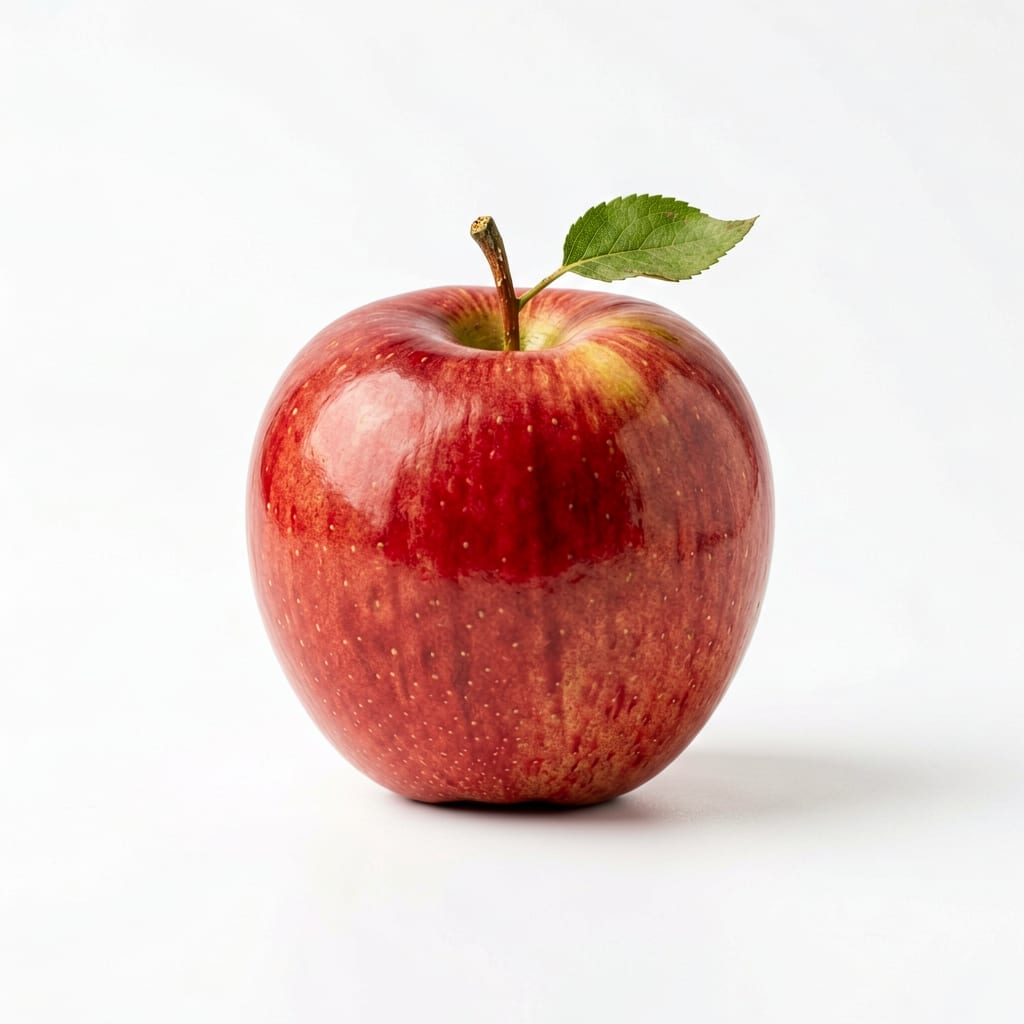
Apple
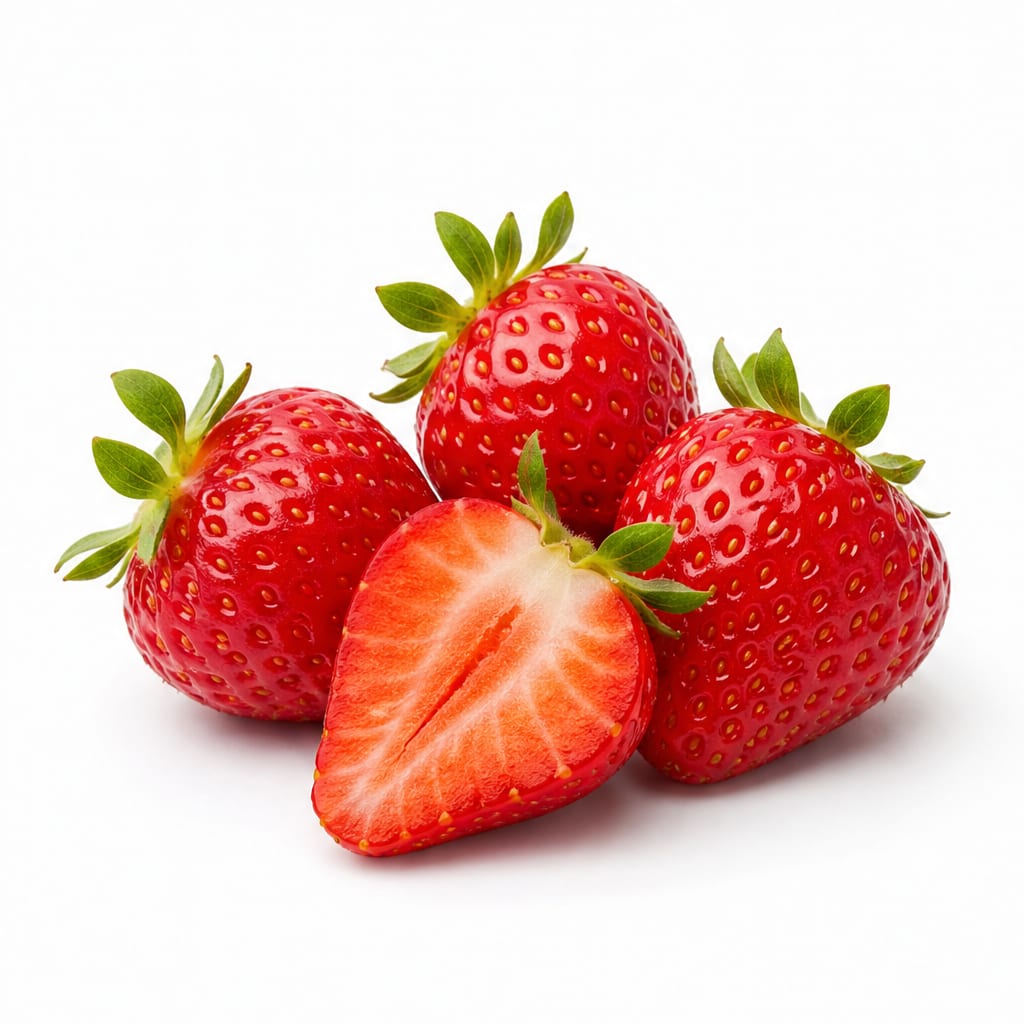
Strawberries
Apples win on satiety and convenience; strawberries win on vitamin C and lower calories. Both are excellent choices with different strengths.
Strawberries edge ahead slightly due to superior micronutrient density and lower sugar per calorie, but apples remain competitive thanks to fiber content and unmatched convenience. The close scores reflect that both are genuinely healthy whole foods.
Sustained fullness and portability from apples versus a bigger nutrient punch and fewer calories from strawberries.
At a glance
Executive summary
Overall
It depends
Healthier
It depends
More practical
Apple
Daily use
Apple
Key comparison lenses
Everyday fruit choice for snacking
Both are common snack fruits people choose between daily
Weight management and calorie control
Significant calorie and sugar density difference affects diet decisions
Antioxidant and vitamin C intake
Strawberries dramatically outperform apples in vitamin C
Pesticide exposure risk
Both appear on the EWG Dirty Dozen list, raising real consumer concern
Convenience and portability
Apples travel well; strawberries spoil quickly and bruise easily
Blood sugar management
Different sugar loads and glycemic impacts matter for diabetics and energy stability
Best choice for
Apple
- People who need a filling on-the-go snack
- Those prioritizing digestive regularity through fiber
- Anyone wanting a shelf-stable fruit for work or travel
- Active individuals needing sustained energy between meals
Strawberries
- People focused on calorie reduction and weight loss
- Anyone wanting to boost vitamin C intake naturally
- Those who prefer volume eating — more food for fewer calories
- People looking for anti-inflammatory antioxidant diversity
Least suitable for
Apple
- People strictly limiting sugar intake who want the lowest-sugar fruit option
- Those who find apples cause bloating due to FODMAPs
Strawberries
- People who need a non-perishable snack for travel or outdoor activities
- Those on a tight budget buying out-of-season produce
Deep comparison
Dimension by dimension
Each lens scores both foods and breaks down who each option suits.
- Dimension 1 · Priority 92Apple
Satiety and Fullness
Apple · 82Strawberries · 62Apples keep you fuller longer thanks to more fiber and a denser bite that takes more chewing.
Tradeoff
You get more staying power from an apple but also more calories and sugar per serving.
Why it matters
A snack that actually holds you over prevents overeating later in the day.
Real-world impact
An apple at 3pm can bridge you to dinner. Strawberries might leave you hunting for something else within an hour.
Apple
- Between-meal hunger control
- Sustained energy during long work stretches
Better for
- Right before a workout when you want something light
Worse for
Strawberries
- Light snacking without feeling heavy
- Post-meal sweet tooth satisfaction without fullness
Better for
- Replacing a meal or lasting through a long afternoon gap
Worse for
- Dimension 2 · Priority 90Strawberries
Vitamin C and Antioxidant Density
Apple · 35Strawberries · 93Strawberries deliver roughly 12 times more vitamin C per calorie than apples, making them an antioxidant powerhouse.
Tradeoff
You get dramatically more immune and skin-supporting nutrients from strawberries but less overall fiber.
Why it matters
Vitamin C supports immunity, collagen production, and iron absorption — and many people fall short.
Real-world impact
A cup of strawberries covers nearly your entire daily vitamin C needs. You would need to eat several apples to match that.
Apple
- Mild antioxidant support with more consistent daily intake
Better for
- Anyone relying on fruit as a primary vitamin C source
Worse for
Strawberries
- Immune system support during cold season
- Skin health and collagen support
- Boosting iron absorption from plant-based meals
Better for
- Situations where you need shelf-stable nutrition over days
Worse for
- Dimension 3 · Priority 85Strawberries
Blood Sugar and Sugar Load
Apple · 58Strawberries · 75Strawberries have roughly half the sugar per serving and a lower glycemic load, making them gentler on blood sugar.
Tradeoff
Apples provide more fiber to slow sugar absorption, but their total sugar content is still significantly higher.
Why it matters
Steadier blood sugar means fewer energy crashes and better cravings control throughout the day.
Real-world impact
A medium apple has about 19g of sugar versus roughly 7g in a cup of strawberries. That difference adds up over a week.
Apple
- Active people who burn through sugar quickly
- Pre-workout energy when you need accessible carbs
Better for
- Late-night snacking for blood sugar-sensitive individuals
Worse for
Strawberries
- Managing prediabetes or insulin resistance
- Reducing overall daily sugar without giving up fruit
- Evening snacking when you want something sweet without a glucose spike
Better for
- Fueling intense exercise when you need quick carbohydrate energy
Worse for
- Dimension 4 · Priority 80Apple
Convenience and Practicality
Apple · 92Strawberries · 55Apples are one of the most portable, durable fruits available. Strawberries are fragile, perishable, and require careful handling.
Tradeoff
You trade nutrient density for grab-and-go reliability with apples.
Why it matters
The healthiest food only works if you actually eat it. Convenience often determines consistency.
Real-world impact
Toss an apple in your bag Monday morning and it is fine on Friday. Strawberries might not survive the car ride home.
Apple
- Commuting and travel snacking
- Desk drawer or car snack stashing
- Hiking and outdoor activities
- Meal prep for the week ahead
Better for
- Adding to delicate dishes like yogurt parfaits where texture matters
Worse for
Strawberries
- At-home snacking with immediate refrigeration
- Adding to breakfast bowls or smoothies when fresh
Better for
- Any situation requiring more than a day of unrefrigerated storage
Worse for
- Dimension 5 · Priority 78It depends
Pesticide Exposure Risk
Apple · 50Strawberries · 45Both apples and strawberries consistently rank on the EWG Dirty Dozen list, meaning both carry significant pesticide residue concerns when conventionally grown.
Tradeoff
Strawberries tend to test with slightly more residue types, but apples are treated with more chemicals overall including post-harvest coatings.
Why it matters
Chronic low-level pesticide exposure may affect hormonal and neurological health over time, especially for children.
Real-world impact
Buying organic matters more for these two fruits than almost any other produce. If budget forces a choice, prioritize organic strawberries first.
Apple
- Slightly fewer pesticide types detected in testing
- Thicker skin provides a modest barrier
Better for
- Post-harvest chemical treatments and wax coatings are common
- Peeling removes pesticides but also most fiber and nutrients
Worse for
Strawberries
- Easier to wash thoroughly due to surface area
- Shorter growing season may mean fewer cumulative treatments in some regions
Better for
- Consistently rank as the number one most pesticide-contaminated fruit
- Porous surface absorbs and holds residues more readily
Worse for
- Dimension 6 · Priority 76Strawberries
Calorie Efficiency and Volume Eating
Apple · 55Strawberries · 88Strawberries let you eat more volume for fewer calories — roughly 32 calories per 100g versus 52 for apples.
Tradeoff
You get a bigger visual portion with strawberries but may feel less satisfied than after eating an apple.
Why it matters
For weight loss, volume eating helps you feel psychologically satisfied while staying in a calorie deficit.
Real-world impact
A heaping cup of strawberries costs about 50 calories. A medium apple runs about 95. Both feel like a snack, but one is nearly half the calories.
Apple
- When calories are not a concern and you want lasting fuel
Better for
- Strict calorie-counting phases of weight loss
Worse for
Strawberries
- Cutting calories without feeling deprived
- Building large snack bowls or dessert portions cheaply in calories
- Replacing higher-calorie sweets with generous fruit portions
Better for
- Situations where you need caloric density for energy balance
Worse for
Timeline
Health impact over time
Short-term
Hours to days
Apple
- Provides steady energy for 1-2 hours due to fiber-slowed sugar absorption
- Chewing an apple stimulates saliva and may reduce immediate hunger cues
- Can cause bloating in FODMAP-sensitive individuals due to sorbitol and fructose
Strawberries
- Quick vitamin C boost supporting immediate immune function
- Very light on the stomach, unlikely to cause digestive discomfort
- High water content provides quick hydration and a refreshing feeling
Long-term
Months to years
Apple
- Consistent fiber intake supports gut microbiome diversity and regularity
- Daily apple consumption is associated with lower cardiovascular disease risk in observational studies
- Pectin from apples may help modestly lower LDL cholesterol over time
Strawberries
- High anthocyanin and vitamin C intake may reduce oxidative stress and inflammation markers
- Regular berry consumption is linked to slower cognitive decline in aging populations
- Low sugar load over years supports better insulin sensitivity maintenance
Risk profile
Safety & processing
Both apples and strawberries are whole, unprocessed foods as typically consumed. The main concern is agricultural chemical residues rather than additives. Apples may have post-harvest wax or fungicide coatings applied for shelf life, which strawberries do not receive.
Apple
Pesticide residue
mediumApples consistently rank in the top 5 on the EWG Dirty Dozen. Diphenylamine, a post-harvest treatment, has been banned in the EU but is still permitted in the US.
Wax coatings
lowConventional apples are often coated with shellac or carnauba wax to improve appearance and shelf life. These are generally recognized as safe but may trap pesticide residues underneath.
Strawberries
Pesticide residue
highStrawberries have ranked as the number one most pesticide-contaminated produce item by the EWG for multiple consecutive years, often testing positive for 10 or more different pesticide residues.
Mold and spoilage
mediumStrawberries spoil rapidly and can harbor mold within 1-2 days. Mold on berries can produce mycotoxins. Inspect carefully and discard any soft or fuzzy berries.
Foodborne illness
lowOutbreaks of E. coli and hepatitis A have been linked to strawberries, typically from contaminated irrigation water or handling. Washing reduces but does not eliminate risk.
Who wins for whom
Audience fit
Same foods, different winners depending on your goal.
children
AppleApples are easier to pack, less messy, and more durable for school lunches. Strawberries are more perishable and more likely to spoil before being eaten, though kids often love their sweetness.
daily consumption
AppleApples are more practical for consistent daily intake due to long shelf life and portability. The best fruit for daily use is the one you can actually keep stocked and grab easily.
diabetes
StrawberriesStrawberries have roughly half the sugar and a lower glycemic load, creating less demand on insulin response. Their polyphenols may also improve insulin sensitivity.
elderly
StrawberriesStrawberries are softer and easier to chew for those with dental issues. Their anti-inflammatory compounds and vitamin C also support joint and immune health in aging.
muscle gain
AppleApples provide more carbohydrate energy per serving, which supports training intensity and glycogen replenishment better than the very low calorie density of strawberries.
weight loss
StrawberriesStrawberries offer more volume per calorie and significantly less sugar, making it easier to maintain a deficit while still enjoying generous portions.
Your move
Decision guide
Choose Apple
- You need a reliable snack that survives in your bag all day
- You want something filling that bridges you between meals
- You are active and need moderate carbohydrate fuel
- You shop once a week and need produce that lasts
- You struggle to eat enough fiber for digestion regularity
Choose Strawberries
- You are actively cutting calories or managing blood sugar
- You want maximum vitamin C and antioxidant bang per bite
- You primarily eat at home with refrigeration available
- You enjoy volume eating — large portions that feel indulgent
- You want anti-inflammatory benefits from anthocyanins
Either works if
- You simply want a whole-food sweet snack instead of processed treats
- You are meeting general fruit intake goals of 2-3 servings daily
- You are rotating produce for dietary diversity
Avoid both if
- You have a severe oral allergy syndrome triggered by birch pollen, which can cross-react with both apples and strawberries
- You are on a strict very-low-carb or ketogenic diet and cannot afford the carbohydrate content of either
Final recommendation
Eat both. Apples are your workhorse everyday fruit — reliable, filling, and always ready. Strawberries are your nutrient-dense power fruit — lower in sugar, richer in vitamin C, and ideal when fresh and in season. If budget forces a choice, buy conventional apples and organic strawberries, since strawberries carry significantly more pesticide risk. The best fruit is always the one you will actually eat consistently.
Practical
Consumer tips
- 1
If buying conventional, wash apples in warm water with a pinch of baking soda to help remove wax and surface pesticide residues more effectively than water alone.
- 2
Soak strawberries in a 1:4 vinegar-to-water solution for 5 minutes, then rinse and dry thoroughly. This extends shelf life by several days and reduces surface contaminants.
- 3
Freeze strawberries that are about to spoil. They blend perfectly into smoothies and oatmeal later, eliminating waste entirely.
- 4
Choose smaller apples when possible — they tend to have a better skin-to-flesh ratio, meaning more fiber per bite and less sugar overall.
- 5
Buy strawberries in season locally during late spring and early summer. Out-of-season imported berries are more expensive, less flavorful, and carry higher pesticide loads.
- 6
If organic is too expensive for both, prioritize organic strawberries and feel fine with conventional apples after a thorough wash.