
Nutrition comparison
Apple vs Blueberries: Which Is Healthier for Daily Snacking?
Compare apples and blueberries on antioxidants, fiber, blood sugar impact, and cost. Find out which fruit is better for weight loss, brain health, and everyday nutrition.
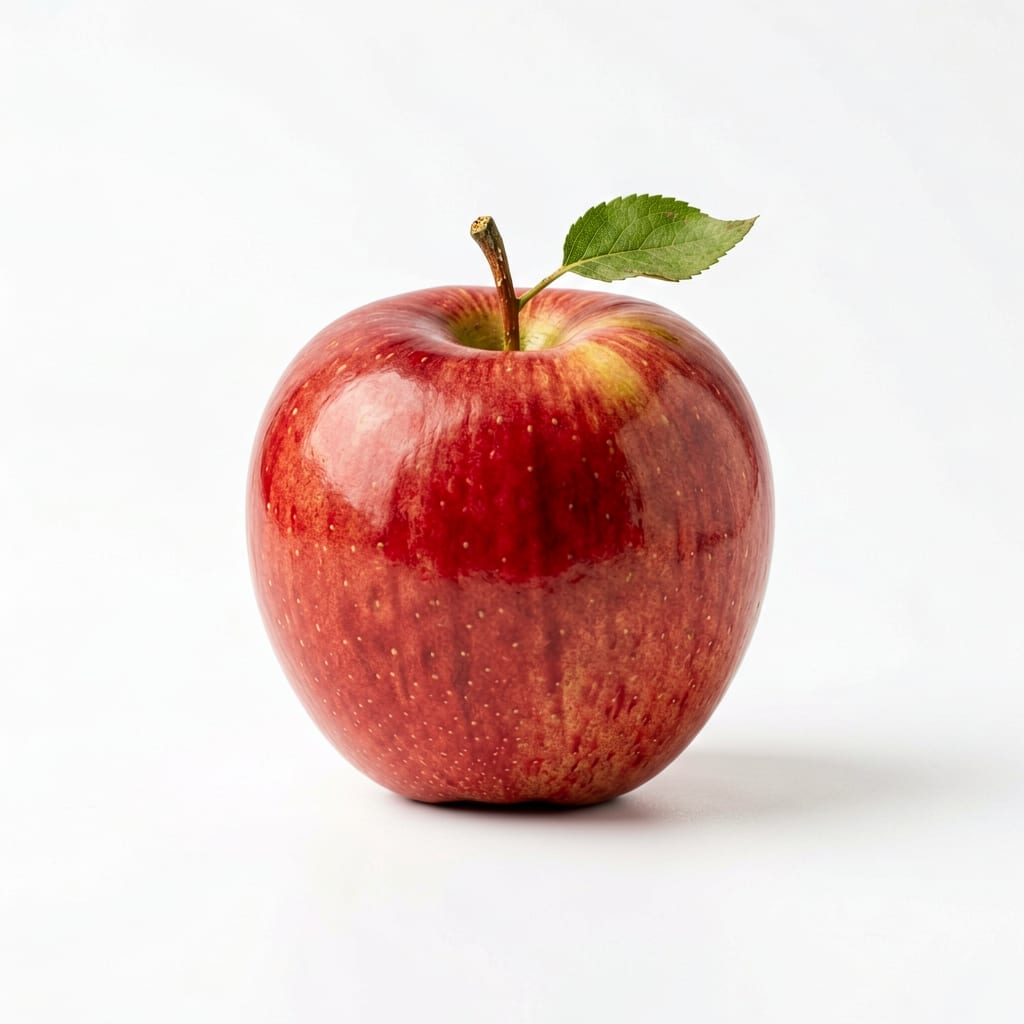
Apple
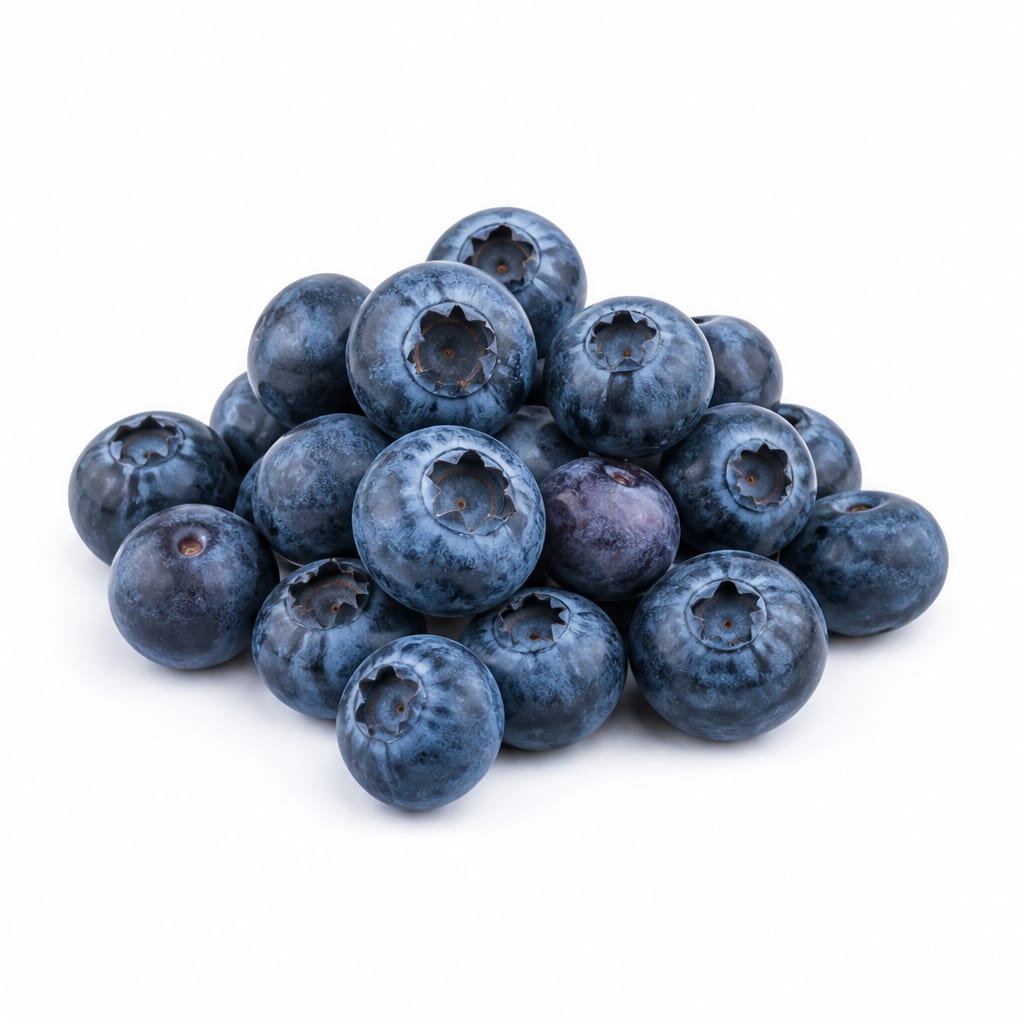
Blueberries
Blueberries deliver superior antioxidants and brain-protective compounds, while apples win on satiety, fiber, and everyday practicality.
Blueberries edge ahead on micronutrient density and antioxidant capacity, but apples remain competitive through superior satiety, affordability, and convenience. The gap is modest because both are genuinely healthy whole foods.
Antioxidant powerhouse vs filling everyday snack — blueberries give you more micronutrient density per bite, apples keep you fuller longer and cost far less.
At a glance
Executive summary
Overall
It depends
Healthier
Blueberries
More practical
Apple
Daily use
Apple
Key comparison lenses
antioxidant density
Blueberries are renowned for anthocyanin content; users often compare these fruits specifically for antioxidant benefits
satiety and fullness
Apples provide more chewing resistance and fiber volume, making them more filling per calorie
blood sugar management
Both are moderate-sugar fruits but users with diabetes or insulin resistance often weigh which is safer
convenience and portability
Apples travel well; blueberries are delicate and perishable, affecting real-world daily use
pesticide exposure
Both appear on EWG's Dirty Dozen list, raising safety concerns for health-conscious consumers
Best choice for
Apple
- People who want a filling snack that curbs hunger between meals
- Budget-conscious shoppers needing affordable daily fruit
- Anyone needing portable fruit that survives a backpack or car commute
- Those prioritizing digestive regularity through higher fiber intake
Blueberries
- People focused on cognitive health and aging well
- Those seeking maximum antioxidant density per calorie
- Anyone wanting lower sugar content per serving
- Post-workout recovery snackers wanting anti-inflammatory benefits
Least suitable for
Apple
- People strictly limiting carbohydrate intake
- Those with oral allergy syndrome triggered by raw apples
- Anyone seeking peak antioxidant density per serving
Blueberries
- People on tight grocery budgets needing daily fruit
- Those needing a shelf-stable fruit that lasts weeks
- Anyone bothered by delicate produce that spoils quickly
Deep comparison
Dimension by dimension
Each lens scores both foods and breaks down who each option suits.
- Dimension 1 · Priority 92Blueberries
antioxidant_capacity
Apple · 55Blueberries · 95Blueberries dominate with anthocyanins that apples simply cannot match.
Tradeoff
You pay a premium price for blueberries' antioxidant edge, while apples deliver adequate but unremarkable polyphenol content.
Why it matters
Anthocyanins support brain health, vascular function, and reduce oxidative stress — benefits that compound over decades of regular consumption.
Real-world impact
Eating blueberries regularly may help maintain memory sharpness and reduce age-related cognitive decline more effectively than apples alone.
Apple
- General polyphenol intake from quercetin in apple skins
Better for
- Lower total antioxidant capacity per serving
Worse for
Blueberries
- Brain health and cognitive preservation
- Anti-inflammatory protection
- Cardiovascular antioxidant support
- Eye health maintenance
Better for
- Antioxidant benefits diminish with cooking or prolonged storage
Worse for
- Dimension 2 · Priority 85Apple
satiety_and_fullness
Apple · 88Blueberries · 62Apples are significantly more filling due to higher fiber content and the physical effort of chewing.
Tradeoff
Blueberries are easier to eat quickly but less likely to keep hunger at bay — you may reach for more food sooner.
Why it matters
Feeling full matters for weight management and preventing overeating at subsequent meals.
Real-world impact
An apple at 3pm can reliably bridge you to dinner; a cup of blueberries might leave you hunting for crackers 45 minutes later.
Apple
- Weight management through natural portion control
- Bridging long gaps between meals
- Reducing evening snacking urges
Better for
- Can feel too filling right before intense exercise
Worse for
Blueberries
- Light pre-workout fuel that won't feel heavy
Better for
- Easy to overeat without feeling full
- Less effective at curbing hunger between meals
Worse for
- Dimension 3 · Priority 78Blueberries
blood_sugar_impact
Apple · 68Blueberries · 78Blueberries have slightly less sugar per serving and a lower glycemic load, though both are moderate.
Tradeoff
The difference is real but modest — neither fruit causes dramatic blood sugar spikes in healthy people.
Why it matters
For people with insulin resistance or diabetes, even small glycemic differences matter for daily glucose management.
Real-world impact
Blueberries are the slightly safer bet for diabetics, but pairing either fruit with a protein or fat source matters far more than choosing between them.
Apple
- Soluble fiber from pectin slows sugar absorption
Better for
- Higher natural sugar content per medium apple
- Slightly higher glycemic index
Worse for
Blueberries
- Lower total sugar per serving
- Lower glycemic load
- Anthocyanins may improve insulin sensitivity over time
Better for
- Benefits are marginal if you eat large portions
Worse for
- Dimension 4 · Priority 72Apple
convenience_and_shelf_life
Apple · 90Blueberries · 55Apples are rugged, long-lasting, and travel-friendly; blueberries are fragile and spoil fast.
Tradeoff
Blueberries require careful storage and quick consumption, while an apple can sit in your bag for days without issue.
Why it matters
The best fruit is the one you actually eat consistently — convenience drives long-term adherence more than nutrient density.
Real-world impact
Apples are the reliable commuter fruit. Blueberries demand fridge space, gentle handling, and consumption within days of purchase.
Apple
- Desk drawer or car snack that lasts
- Week-long counter storage without refrigeration
- No prep needed — just bite and go
Better for
- Core disposal needed
- Can bruise in packed bags
Worse for
Blueberries
- Easy to add to yogurt, oatmeal, or smoothies without chopping
Better for
- Mold within 3-5 days of purchase
- Crush easily in containers
- Require refrigeration immediately
Worse for
- Dimension 5 · Priority 70Apple
cost_and_accessibility
Apple · 92Blueberries · 58Apples are consistently one of the most affordable fresh fruits; blueberries remain a premium item especially out of season.
Tradeoff
Blueberries' health benefits come at a noticeably higher price per serving, especially in winter months.
Why it matters
Cost determines whether a food becomes a daily habit or an occasional luxury for most households.
Real-world impact
A week of daily apples might cost $3-4; a week of daily blueberries can run $10-15 depending on season and location.
Apple
- Families feeding multiple people affordably
- Consistent daily fruit intake on a budget
- Year-round stable pricing
Better for
- Less nutrient density per dollar spent
Worse for
Blueberries
- Frozen blueberries offer better value with retained nutrients
Better for
- Fresh blueberries are expensive for daily consumption
- Out-of-season prices can be prohibitive
Worse for
- Dimension 6 · Priority 75Apple
fiber_content
Apple · 82Blueberries · 65Apples provide more fiber per serving, especially soluble pectin that supports gut health and cholesterol management.
Tradeoff
Blueberries offer respectable fiber but cannot match apples for sheer volume and the specific benefits of pectin.
Why it matters
Most people fall short on daily fiber intake, so choosing higher-fiber fruit has compounding digestive and metabolic benefits.
Real-world impact
A medium apple covers roughly 16% of daily fiber needs; a cup of blueberries covers about 13% — both helpful, but apples pull ahead meaningfully.
Apple
- Gut microbiome support from pectin
- Cholesterol management
- More regular digestion
Better for
- Most fiber is in the skin — peeling removes the advantage
Worse for
Blueberries
- Fiber plus antioxidants together support gut lining health
Better for
- Lower total fiber per serving
Worse for
Timeline
Health impact over time
Short-term
Hours to days
Apple
- Quick natural energy from easily digested carbohydrates
- Noticeable fullness that reduces between-meal snacking
- Mild blood sugar rise that stabilizes within an hour due to fiber
Blueberries
- Light, quick-digesting energy without feeling heavy
- Rapid antioxidant absorption supporting post-exercise recovery
- Minimal blood sugar disruption in typical serving sizes
Long-term
Months to years
Apple
- Consistent fiber intake supports cardiovascular health and regular digestion
- Quercetin from apple skin may reduce chronic disease risk over decades
- Habitual apple consumption associated with lower asthma risk in some studies
Blueberries
- Anthocyanin accumulation linked to slower cognitive decline with aging
- Regular consumption associated with lower blood pressure in long-term studies
- Potential reduction in urinary tract infections through anti-adhesive compounds
Risk profile
Safety & processing
Both apples and blueberries are whole, unprocessed foods as typically consumed. Neither requires additives or preservatives when fresh. The main concern is wax coatings on conventional apples, which is cosmetic rather than harmful.
Apple
Pesticide residue
mediumApples consistently rank near the top of EWG's Dirty Dozen list. Multiple pesticide residues are common on conventional apples. Washing helps but does not eliminate all residues. Peeling removes most but also removes fiber and nutrients.
Wax coating
lowConventional apples are often coated with shellac or carnauba wax to improve appearance and shelf life. These are generally recognized as safe but can trap pesticide residues beneath the coating.
Blueberries
Pesticide residue
mediumBlueberries also appear on the Dirty Dozen list. Their thin skin offers less barrier against pesticide absorption compared to thicker-skinned fruits. Organic options significantly reduce exposure.
Mold and spoilage
lowBlueberries can develop mold quickly, sometimes within days. While not typically dangerous in small amounts, consuming moldy berries can cause digestive upset. Inspect carefully before eating.
Who wins for whom
Audience fit
Same foods, different winners depending on your goal.
children
AppleApples are easier for small hands to hold, more filling for active kids, and less likely to create messy stains. Blueberries are a choking hazard for children under 4 unless cut.
daily consumption
AppleAffordability, shelf stability, and satiety make apples the more sustainable daily habit for most people. Blueberries are excellent but cost and perishability limit consistent daily use.
diabetes
BlueberriesBlueberries have lower sugar per serving and anthocyanins that may improve insulin sensitivity over time. However, both are acceptable in moderate portions.
elderly
BlueberriesBlueberries' cognitive protective benefits are especially valuable for aging brains, and their soft texture is easier to eat for those with dental issues.
muscle gain
It dependsNeither fruit is a meaningful protein source. Blueberries offer slightly better post-workout anti-inflammatory benefits, while apples provide more sustained energy for longer training sessions.
weight loss
AppleApples provide more satiety per calorie, making it easier to eat less overall. The chewing effort and fiber volume naturally slow consumption.
Your move
Decision guide
Choose Apple
- You want a filling snack that prevents overeating later
- Budget matters and you need affordable daily fruit
- You need fruit that survives commuting, travel, or desk storage
- Digestive regularity is a priority
Choose Blueberries
- Brain health and cognitive longevity are top concerns
- You want maximum antioxidant power per calorie
- You are managing blood sugar and want the lower-sugar option
- You eat fruit primarily in smoothies, yogurt, or oatmeal where texture matters
Either works if
- You simply want to eat more whole fruit and enjoy both
- You alternate between different fruits throughout the week for nutrient diversity
- You pair fruit with protein or fat for balanced snacks
Avoid both if
- You are on a strict very-low-carb ketogenic protocol
- You have a confirmed allergy to either fruit or related birch pollen
Final recommendation
Eat both if possible — they complement each other beautifully. Apples handle your daily hunger and fiber needs; blueberries deliver the antioxidant and brain-health benefits that apples cannot. If forced to choose one for daily use, apples win on practicality and cost. If you can afford blueberries a few times per week, add them for the micronutrient boost neither fruit alone provides.
Practical
Consumer tips
- 1
Buy organic for both if pesticide exposure concerns you — they are both Dirty Dozen regulars
- 2
Frozen blueberries retain nearly all antioxidant content and cost significantly less than fresh — ideal for smoothies and oatmeal
- 3
Never peel apples if you want the fiber and quercetin — just wash thoroughly
- 4
Store blueberries in the fridge with a paper towel to absorb moisture and extend shelf life by 2-3 days
- 5
Mix both into a fruit salad with a squeeze of lemon to prevent apple browning and create a nutrient-diverse snack