
Nutrition comparison
Apple vs Mango: Which Fruit Is Better for Daily Health?
Compare Apple and Mango on sugar, fiber, vitamins, and blood sugar impact. Discover which fruit is better for weight loss, diabetes, and everyday snacking.
Overall winner · Apple
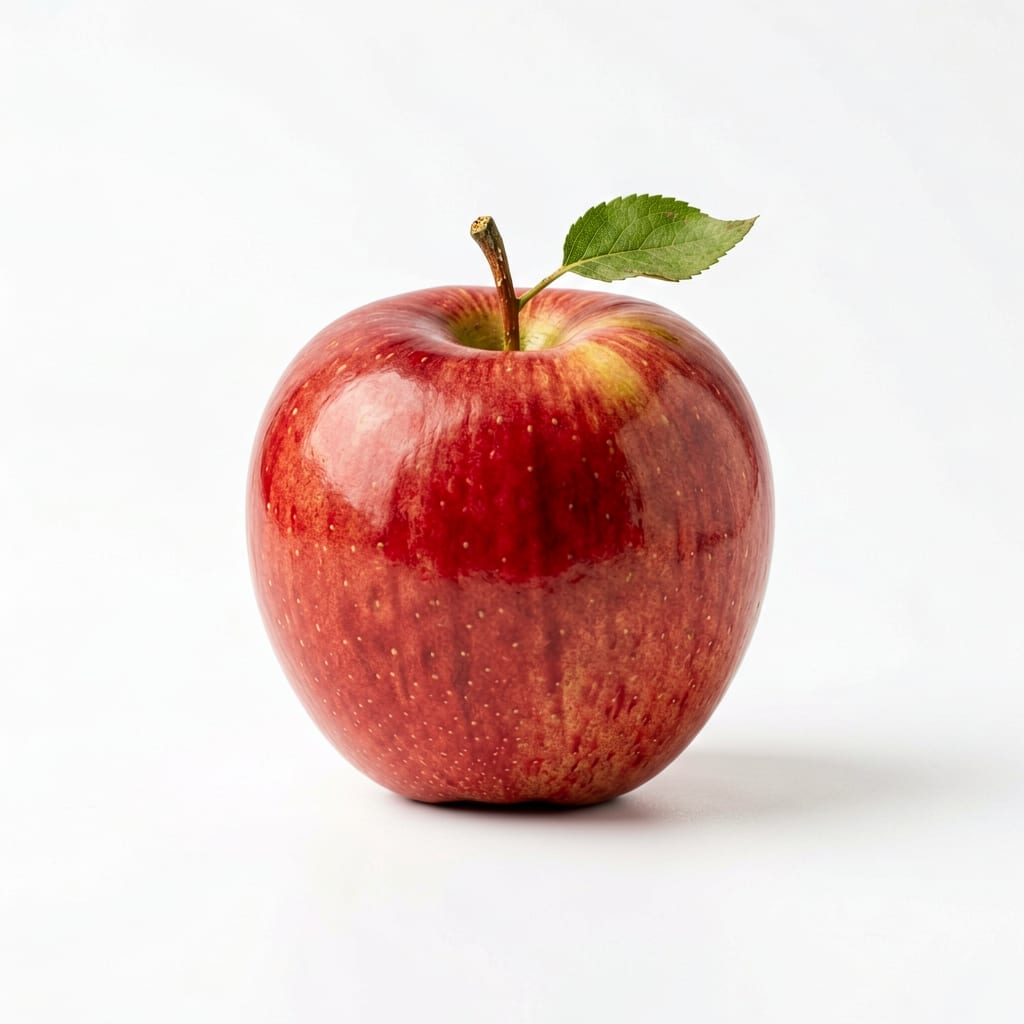
Apple
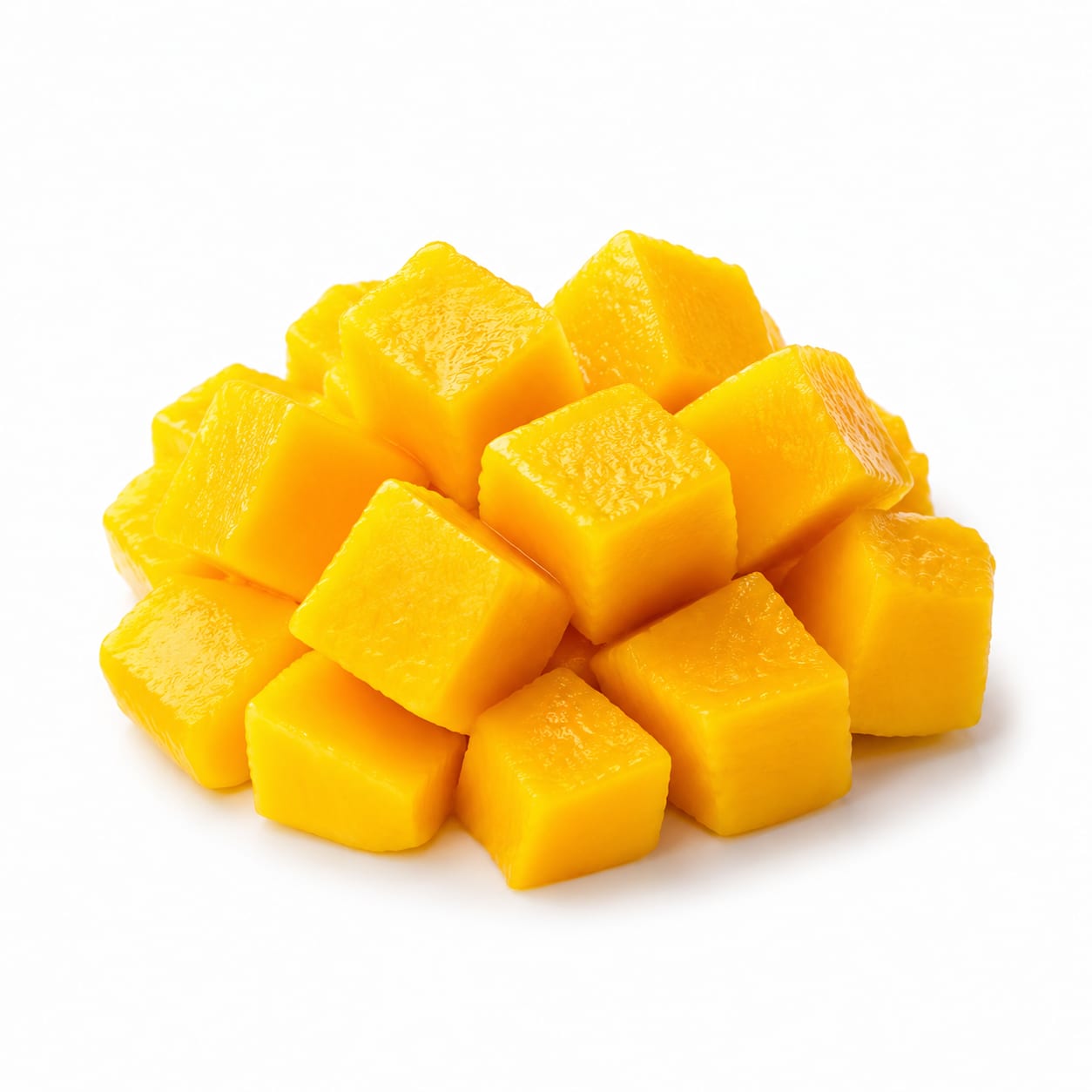
Mango
Apple wins for daily reliability with steadier energy and better satiety, while Mango is the vitamin C powerhouse best enjoyed in moderation.
Apple scores higher due to superior blood sugar stability, satiety, fiber content, and everyday practicality. Mango's vitamin C advantage and unique antioxidants are real but don't offset its higher sugar and lower fiber for most daily-use scenarios.
Apple gives you stable energy and fullness; Mango gives you a tropical vitamin boost but with a sugar hit that can spike cravings.
At a glance
Executive summary
Overall
Apple
Healthier
Apple
More practical
Apple
Daily use
Apple
Key comparison lenses
blood sugar and energy stability
Mango's higher sugar and lower fiber creates a steeper blood sugar curve, while Apple's pectin-rich fiber slows absorption significantly
daily snacking sustainability
Users choosing between these fruits are often deciding what to eat every day, making satiety, convenience, and sugar load critical
weight management and cravings
Sugar content difference and satiety response directly affect hunger cycles and calorie control
vitamin and antioxidant priorities
Mango delivers dramatically more vitamin C and unique antioxidants like mangiferin, while Apple offers different polyphenol benefits
practical convenience
Apple is grab-and-go; Mango requires peeling, pitting, and is messier to eat
Best choice for
Apple
- Steady energy without afternoon crashes
- Weight management and portion control
- Blood sugar sensitive individuals
- On-the-go snacking and commuting
- People who struggle with sugar cravings
Mango
- Vitamin C and immune support
- Tropical flavor satisfaction in small amounts
- Antioxidant diversity and skin health
- Post-workout natural sugar replenishment
- Adding vibrant flavor to meals and smoothies
Least suitable for
Apple
- Those needing high vitamin C from fruit alone
- People wanting intense natural sweetness
Mango
- Diabetics or insulin-resistant individuals
- Strict low-sugar or keto diets
- Anyone prone to sugar-triggered binge eating
- Convenience-focused grab-and-go snacking
Deep comparison
Dimension by dimension
Each lens scores both foods and breaks down who each option suits.
- Dimension 1 · Priority 92Apple
Blood Sugar Stability
Apple · 85Mango · 55Apple's high pectin fiber and lower sugar create a slow, steady energy release. Mango hits harder and faster.
Tradeoff
Mango gives quick energy when you need it, but risks a crash. Apple keeps you level but won't fuel intense activity.
Why it matters
Blood sugar spikes drive hunger returns, cravings, and fatigue. Stable energy means fewer snack attacks later.
Real-world impact
Eat an Apple at 3pm and you're fine until dinner. Eat Mango and you might be hunting for more food within an hour.
Apple
- Between-meal snacking
- Sustained focus during work
- Avoiding the afternoon energy dip
Better for
- Situations requiring rapid energy
Worse for
Mango
- Quick energy before exercise
- Replenishing glycogen post-workout
Better for
- Sitting at a desk for hours after eating
- Late-night snacking
- Managing diabetes or prediabetes
Worse for
- Dimension 2 · Priority 88Apple
Satiety and Fullness
Apple · 82Mango · 52Apple's crunch, fiber density, and chewing resistance make it significantly more filling per calorie.
Tradeoff
Mango is softer and sweeter — easier to overeat before feeling satisfied. Apple forces you to slow down.
Why it matters
Foods that don't fill you up lead to eating more overall, undermining weight and energy goals.
Real-world impact
One Apple often feels like enough. A whole Mango can disappear fast without the same fullness signal.
Apple
- Controlling portions naturally
- Staying full between meals
- Preventing mindless snacking
Better for
- When you need calorie-dense fuel
Worse for
Mango
- When you want something light that won't feel heavy
Better for
- Emotional eating situations
- Anyone who struggles with portion control
Worse for
- Dimension 3 · Priority 78Mango
Vitamin and Antioxidant Profile
Apple · 58Mango · 88Mango delivers roughly 8x more vitamin C and unique antioxidants like mangiferin. Apple offers quercetin but less overall vitamin density.
Tradeoff
Mango is a genuine micronutrient powerhouse. Apple's antioxidants are more about long-term protection than immediate vitamin delivery.
Why it matters
Vitamin C supports immunity, skin, and iron absorption. Mangiferin has emerging anti-inflammatory research.
Real-world impact
Half a Mango covers most of your daily vitamin C. You'd need several Apples to match that.
Apple
- Long-term polyphenol benefits from quercetin
- Gut health support from pectin
Better for
- Meeting daily vitamin C needs from fruit alone
Worse for
Mango
- Immune system support
- Skin health and collagen production
- Iron absorption when paired with iron-rich foods
- Anti-inflammatory antioxidant diversity
Better for
- Situations where sugar load negates the vitamin benefit
Worse for
- Dimension 4 · Priority 82Apple
Sugar Content and Cravings
Apple · 80Mango · 48Apple has about 10g sugar per 100g. Mango has roughly 14g — and it's easier to eat more Mango faster because of its texture.
Tradeoff
Mango's sweetness is part of its appeal but also its risk. The sugar hit can trigger wanting more sweet things.
Why it matters
Sugar drives the craving cycle. More sugar in one sitting means more insulin response and more hunger later.
Real-world impact
After Mango, you might reach for chocolate. After Apple, you're more likely to be done eating.
Apple
- Breaking the sugar craving cycle
- Low-sugar diet compliance
- Evening snacking without regret
Better for
- When only intense sweetness feels satisfying
Worse for
Mango
- Satisfying a sweet tooth with whole food instead of candy
Better for
- Prediabetes and insulin resistance
- Keto or very-low-carb diets
- People who find sweet foods trigger binges
Worse for
- Dimension 5 · Priority 70Apple
Convenience and Practicality
Apple · 92Mango · 50Apple is the ultimate portable fruit — no peeling, no mess, shelf-stable. Mango requires prep, is messy, and bruises easily.
Tradeoff
Mango rewards you with flavor for the effort. Apple rewards you with zero-fristraction nutrition.
Why it matters
The easier a healthy food is to eat, the more likely you'll actually choose it over processed alternatives.
Real-world impact
Throw an Apple in your bag and eat it anywhere. Mango needs a knife, a plate, and probably a napkin.
Apple
- Commuting and travel
- Office desk snacking
- Packing school lunches
- Hiking and outdoor activities
Better for
- Culinary versatility beyond raw snacking
Worse for
Mango
- Home meals where prep time is available
- Smoothies and recipe integration
Better for
- Any situation requiring one-handed eating
- Hot weather transport without refrigeration
Worse for
- Dimension 6 · Priority 65Apple
Digestive Tolerance
Apple · 75Mango · 62Apple's soluble fiber is gentler on most digestive systems. Mango's higher fructose can cause bloating in sensitive people.
Tradeoff
Apple is safer for IBS and fructose sensitivity. Mango is fine for most but risky for FODMAP-sensitive individuals.
Why it matters
A healthy food that causes bloating or discomfort undermines compliance and quality of life.
Real-world impact
Some people feel gassy after a large Mango. Apple rarely causes digestive complaints unless you have severe fructose malabsorption.
Apple
- Fructose-sensitive individuals
- Low-FODMAP diet phases
- People with IBS tendencies
Better for
- Severe fructose malabsorption (rare but real)
Worse for
Mango
- Those who tolerate fructose well and want softer fiber
Better for
- Fructose intolerance
- IBS flare-ups
- Post-meal bloating tendencies
Worse for
Timeline
Health impact over time
Short-term
Hours to days
Apple
- Steady energy for 2-3 hours without crash
- Mild appetite suppression from fiber and chewing
- Stable mood with no sugar spike-and-dip cycle
Mango
- Quick energy lift within 15-20 minutes
- Possible sugar crash within an hour if eaten alone
- Immediate vitamin C boost for immune support
Long-term
Months to years
Apple
- Better blood sugar regulation with daily consumption
- Consistent fiber intake supporting gut microbiome diversity
- Lower cumulative sugar exposure over years
- Quercetin-linked cardiovascular protection
Mango
- Higher antioxidant intake supporting skin and immune aging
- Mangiferin's emerging anti-inflammatory benefits
- Risk of higher cumulative sugar intake if eaten frequently
- Vitamin C support for collagen and joint health long-term
Risk profile
Safety & processing
Both are whole, unprocessed fruits. Neither contains additives. The main concern is pesticide residue on conventional Apple skins and potential chemical ripening agents on imported Mangoes.
Apple
Pesticide residue on skin
mediumApples consistently rank in the EWG Dirty Dozen. Peeling removes most residue but also removes fiber and polyphenols. Choose organic when possible.
Mango
Pesticide residue and chemical ripening
mediumImported Mangoes may be treated with ripening agents. Hot water dipping is standard for pest control. Organic or locally sourced Mangoes reduce this concern.
Urushiol exposure from mango skin
lowMango skin contains urushiol, the same compound as poison ivy. Most people are unaffected, but sensitive individuals can get contact dermatitis from handling the peel.
Who wins for whom
Audience fit
Same foods, different winners depending on your goal.
children
AppleApple is less messy, easier to portion, and has less sugar per serving. Mango is fine occasionally but the sweetness can reinforce sugar preference.
daily consumption
AppleApple's balanced sugar-fiber ratio, convenience, and lower cumulative sugar make it sustainable as a daily habit. Mango is better as a few-times-per-week treat.
diabetes
AppleLower glycemic impact, more fiber slowing glucose absorption, and less sugar per serving make Apple significantly safer for blood sugar management.
elderly
AppleApple's fiber supports regularity, the crunch is manageable, and steady energy suits less active metabolisms. Mango's softness is easier to chew but the sugar is less ideal.
muscle gain
MangoMango's faster-digesting carbs and vitamin C content make it a better post-workout option for glycogen replenishment and recovery support.
weight loss
AppleLower sugar, higher fiber, more satiety per calorie, and harder to overeat make Apple the stronger choice for fat loss.
Your move
Decision guide
Choose Apple
- You want steady energy without crashes
- You're managing weight or blood sugar
- You need a reliable desk or commute snack
- You're prone to sugar cravings and want to break the cycle
- You want a fruit you can eat every single day without overthinking it
Choose Mango
- You need a vitamin C boost, especially in winter
- You're eating it right after exercise for recovery
- You want intense tropical flavor satisfaction in a small portion
- You're making smoothies, salsas, or desserts where Mango shines
- You tolerate sugar well and don't struggle with cravings
Either works if
- You just want whole fruit instead of processed snacks
- You're rotating fruits for dietary diversity
- You have no blood sugar or weight concerns
Avoid both if
- You're on a strict ketogenic diet
- You have severe fructose malabsorption
- You need high protein and these would displace protein-rich foods
Final recommendation
Make Apple your daily default and treat Mango as your vitamin C-rich luxury a few times a week. This gives you the best of both: stable energy most days and antioxidant variety without the sugar creep of daily Mango consumption.
Practical
Consumer tips
- 1
Buy organic Apples when possible — they're consistently high in pesticide residue and you want to eat the skin for fiber
- 2
Pair Mango with protein or fat like Greek yogurt to blunt the sugar spike
- 3
Half a Mango is usually enough for one sitting — the whole fruit can deliver 30g of sugar
- 4
Leave Apple skin on — peeling removes half the fiber and most of the polyphenols
- 5
Freeze diced Mango for smoothies — it replaces ice and adds creaminess without added sugar
- 6
If Mango gives you bloating, try a smaller portion or stick with Apple — fructose sensitivity is more common than people think