
Nutrition comparison
Apple vs Banana: Which Fruit Is Better for Your Goals?
Compare apple vs banana on blood sugar, weight loss, workout fuel, and digestion. Find out which fruit fits your health goals and when each one is the smarter choice.
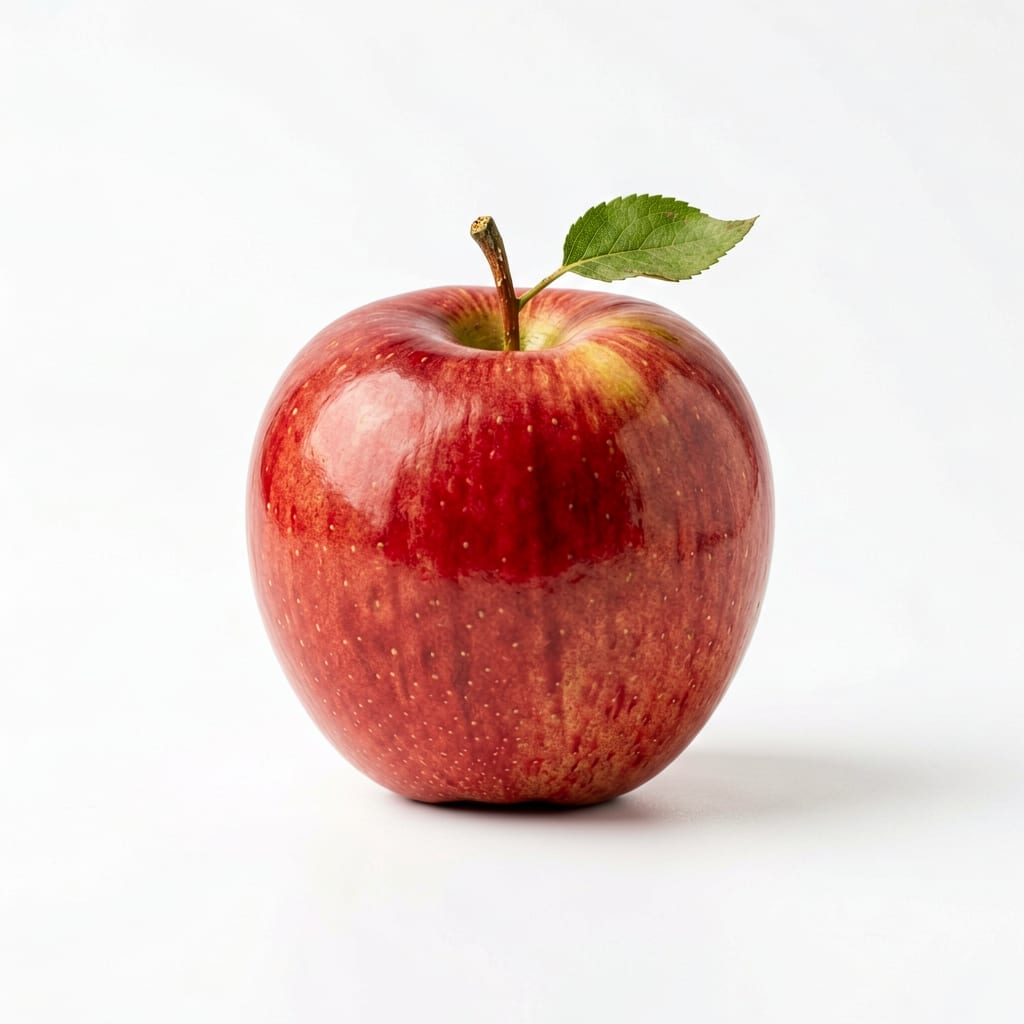
Apple
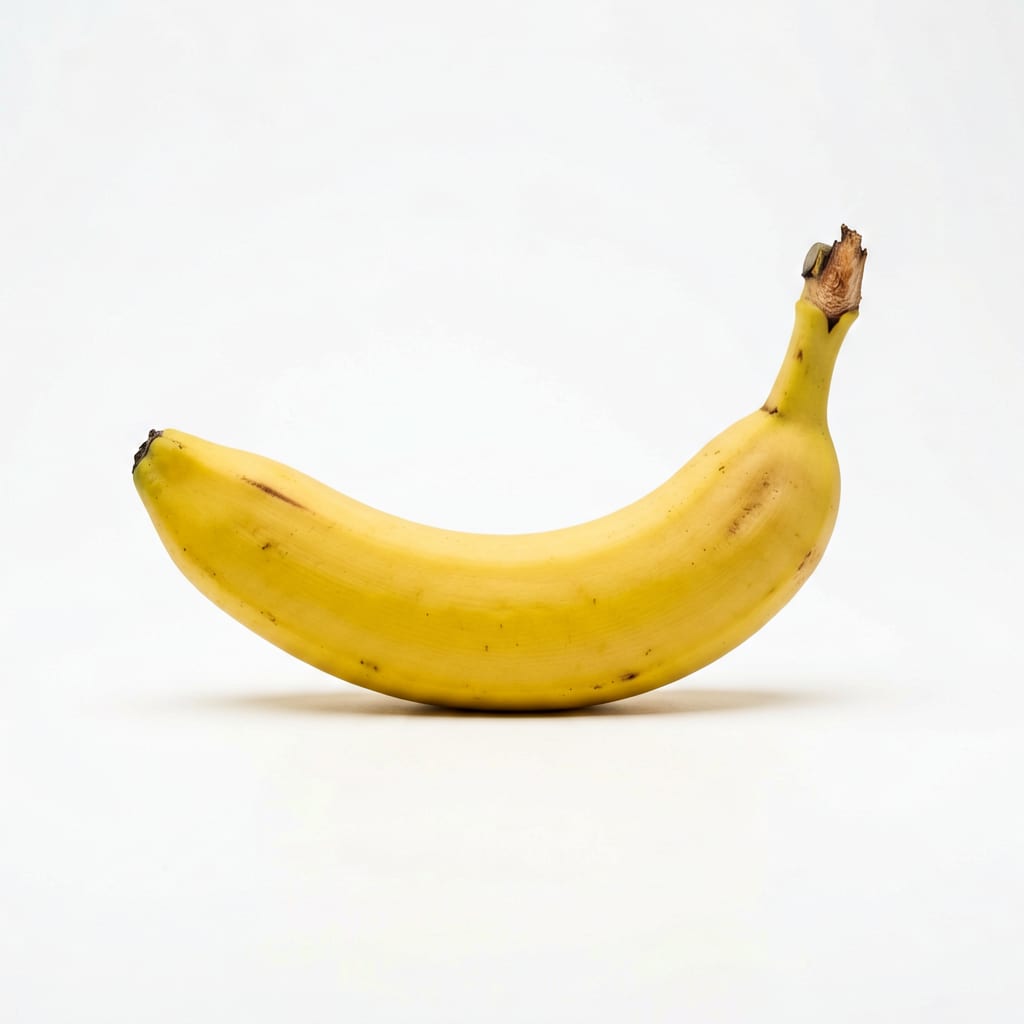
Banana
Apples edge ahead for steady energy and weight management; bananas win for quick fuel and potassium. Your best pick depends on when and why you are eating fruit.
Apples score moderately higher due to better blood sugar stability, lower calorie density, and stronger satiety per calorie. Bananas remain excellent for active people and potassium intake but carry a higher sugar load that narrows their advantage for sedentary or metabolically compromised users.
Sustained satiety and lower sugar versus faster energy and higher potassium
At a glance
Executive summary
Overall
It depends
Healthier
Apple
More practical
Banana
Daily use
Apple
Key comparison lenses
blood sugar management
Apples and bananas differ significantly in glycemic impact, making this the top concern for most people choosing between them
weight loss snacking
Both are classic snack fruits but differ in calorie density and satiety mechanics
pre or post workout fuel
Bananas are a go-to exercise fruit while apples offer slower-burning energy
digestive sensitivity
Fiber type and fructose content differ enough to matter for IBS or sensitive stomachs
everyday convenience
Both are portable staples but have different practical tradeoffs
Best choice for
Apple
- People managing blood sugar or insulin resistance
- Anyone trying to lose weight with filling snacks
- Those who want longer-lasting energy between meals
- People concerned about pesticide exposure who can buy organic more affordably
Banana
- Athletes needing fast carbs before or after exercise
- Anyone prone to muscle cramps or low potassium
- People with poor appetite who need easy-to-eat calories
- Those wanting a gentle, soft food for sensitive digestion
Least suitable for
Apple
- People with severe IBS who react to fructose and fermentable fiber
- Anyone needing rapid carbohydrate replenishment post-workout
- People with dental issues who struggle with crunchy textures
Banana
- People with diabetes or significant insulin resistance
- Anyone strictly limiting carbohydrate or sugar intake
- People trying to reduce calorie density in their diet
Deep comparison
Dimension by dimension
Each lens scores both foods and breaks down who each option suits.
- Dimension 1 · Priority 95Apple
blood sugar stability
Apple · 82Banana · 55Apples release sugar slowly thanks to polyphenols and pectin fiber. Bananas spike blood glucose faster, especially when ripe.
Tradeoff
You trade quick energy for steadier glucose when choosing apples over bananas.
Why it matters
Frequent blood sugar spikes drive cravings, fatigue, and long-term metabolic strain even in healthy people.
Real-world impact
An apple at 3pm keeps you steady until dinner. A ripe banana at 3pm may leave you hungry again by 4pm.
Apple
- Diabetics and prediabetics
- Anyone avoiding afternoon energy crashes
- People doing intermittent fasting who want minimal insulin response
Better for
- Situations demanding immediate carbohydrate refueling
Worse for
Banana
- Endurance athletes mid-run or ride
- Anyone hypoglycemic and needing fast recovery
- People who just finished intense exercise
Better for
- Sedentary snacking where rapid sugar release is counterproductive
- Late evening when blood sugar should stay low
Worse for
- Dimension 2 · Priority 90Apple
satiety and fullness
Apple · 80Banana · 65Apples are more filling per calorie due to higher fiber density and the physical effort of chewing. Bananas digest faster and feel less satiating despite being more calorie-dense.
Tradeoff
Apples keep you full longer but feel lighter. Bananas feel heavier initially but hunger returns sooner.
Why it matters
Satiety per calorie is one of the strongest predictors of whether a snack helps or hurts weight management.
Real-world impact
One medium apple at 95 calories can hold you 2-3 hours. One banana at 105 calories often leaves you snacking again within 90 minutes.
Apple
- Weight loss diets where feeling full matters
- People who snack to manage hunger between meals
- Anyone prone to overeating when snacks do not satisfy
Better for
- Situations where you want compact energy without feeling stuffed
Worse for
Banana
- Underweight individuals needing easy calories
- Recovery from illness when appetite is low
- Children who need calorie-dense, soft foods
Better for
- Emotional eaters who benefit more from high-volume low-calorie snacks
Worse for
- Dimension 3 · Priority 88Banana
exercise and recovery fuel
Apple · 50Banana · 88Bananas deliver fast-digesting carbs and potassium that directly support muscle function and cramp prevention. Apples digest too slowly to be useful during intense activity.
Tradeoff
You sacrifice nutrient breadth for speed of delivery when choosing bananas as workout fuel.
Why it matters
During exercise your body needs glucose in minutes not hours, and potassium losses through sweat need quick replacement.
Real-world impact
Half a banana at mile 10 of a run feels like a boost. An apple at mile 10 feels like a stomach ache waiting to happen.
Apple
- Low-intensity activities like hiking or walking where slow energy release is fine
Better for
- Mid-workout fueling during intense cardio
- Any situation requiring rapid glycogen replenishment
Worse for
Banana
- Runners, cyclists, and endurance athletes
- Anyone doing high-intensity interval training
- Post-workout recovery when glycogen is depleted
- People who sweat heavily and need potassium replacement
Better for
- Pre-workout for people who feel sluggish after eating before exercise
Worse for
- Dimension 4 · Priority 75Banana
micronutrient profile
Apple · 68Banana · 78Bananas deliver substantially more potassium, vitamin B6, and magnesium. Apples provide more diverse antioxidants including quercetin but in smaller total mineral quantities.
Tradeoff
Bananas win on electrolytes and B-vitamins. Apples win on antioxidant diversity.
Why it matters
Potassium deficiency is widespread and contributes to cramps, fatigue, and blood pressure issues. Antioxidants matter more for long-term cellular protection.
Real-world impact
A banana covers about 10 percent of your daily potassium. An apple covers about 5 percent but offers unique flavonoids that support vascular health over time.
Apple
- Long-term antioxidant and anti-inflammatory benefits
- People already getting enough potassium from other sources
Better for
- Acute electrolyte replenishment after heavy sweating
Worse for
Banana
- Anyone not meeting daily potassium needs
- People on low-sodium diets who need potassium balance
- Pregnant women who benefit from extra vitamin B6
Better for
- People seeking broad-spectrum antioxidant protection from fruit
Worse for
- Dimension 5 · Priority 72It depends
digestive tolerance
Apple · 65Banana · 70Bananas are gentler on the stomach due to their soft texture and lower acidity. Apples contain more fermentable fiber and fructose that can trigger IBS symptoms in sensitive people.
Tradeoff
Bananas are easier to digest but provide less prebiotic diversity. Apples feed gut bacteria more effectively but can cause bloating in sensitive individuals.
Why it matters
Digestive comfort determines whether someone actually eats a food regularly regardless of its nutritional merits.
Real-world impact
A banana sits comfortably in an upset stomach. An apple might cause gas and bloating for someone with IBS or fructose malabsorption.
Apple
- People with healthy digestion wanting prebiotic fiber for gut microbiome diversity
Better for
- Fructose malabsorbers
- People with active IBS flares
Worse for
Banana
- Anyone with IBS or fructose sensitivity
- Recovery from stomach illness when reintroducing food
- Elderly individuals with slower digestion
- Children with sensitive tummies
Better for
- People who need high-fiber stimulation for regular bowel movements
Worse for
- Dimension 6 · Priority 68Banana
convenience and portability
Apple · 70Banana · 78Both are highly portable whole foods. Bananas win slightly because they come in their own biodegradable wrapper, require no washing, and are easier to eat on the move. Apples need rinsing and leave a core.
Tradeoff
Bananas bruise easily in bags. Apples are more durable but less convenient to eat while walking or driving.
Why it matters
The best healthy snack is the one you actually grab when busy, not the one that is theoretically superior but inconvenient.
Real-world impact
Toss a banana in your bag and eat it one-handed at your desk. An apple needs two hands and a place to discard the core.
Apple
- Backpacking or situations where durability matters
- Hot weather when bananas turn mushy quickly
Better for
- Situations where you need one-handed eating
- Places without easy access to rinse or trash
Worse for
Banana
- Commuting and desk snacking
- Kids lunchboxes where peeling is easier than biting into hard fruit
- Pre-workout when you need something you can eat in 30 seconds
Better for
- Packed bags where bruising is likely
- Hot environments where rapid over-ripening occurs
Worse for
Timeline
Health impact over time
Short-term
Hours to days
Apple
- Steady energy release with minimal blood sugar spike
- Moderate fullness that lasts 2-3 hours
- Possible bloating or gas in fructose-sensitive individuals
- Mild appetite suppression from chewing and pectin
Banana
- Quick energy boost within 15-20 minutes of eating
- Shorter satiety window of roughly 60-90 minutes
- Comforting and easy on an upset stomach
- Possible blood sugar rise followed by mild dip in sedentary people
Long-term
Months to years
Apple
- Quercetin and flavonoids support vascular and cognitive health over decades
- Consistent pectin intake feeds beneficial gut bacteria and may lower cholesterol
- Lower lifetime glycemic load reduces metabolic disease risk
- Dental health benefit from crunchy texture stimulating saliva
Banana
- High potassium intake supports blood pressure regulation and stroke prevention
- Vitamin B6 contributes to brain health and mood regulation over time
- Consistent resistant starch intake from less-ripe bananas improves insulin sensitivity
- Higher cumulative sugar intake may be a concern if eaten multiple times daily by sedentary people
Risk profile
Safety & processing
Both apples and bananas are whole foods eaten in their natural state. Neither contains added ingredients. The only processing concern is wax coatings on conventional apples and ethylene ripening treatment for commercially shipped bananas.
Apple
Pesticide residue
mediumConventional apples consistently rank in the top 5 of the EWG Dirty Dozen list. Peeling reduces exposure but removes most fiber and antioxidants. Buying organic significantly lowers risk.
Wax coating
lowConventional apples are often coated with shellac or carnauba wax to improve appearance and shelf life. These are generally recognized as safe but can trap pesticide residue under the coating.
Banana
Pesticide residue
lowBananas have thick peels that are discarded, making pesticide exposure minimal even when conventionally grown.
Ethylene ripening
lowMost commercial bananas are harvested green and ripened with ethylene gas in warehouses. This is a natural ripening hormone and poses no health risk, but it means bananas are less tree-ripened than apples typically are.
Who wins for whom
Audience fit
Same foods, different winners depending on your goal.
children
BananaSofter texture, naturally sweet taste, and easy-to-peel packaging make bananas more kid-friendly. Apples can be a choking hazard for toddlers and are harder to bite for young teeth.
daily consumption
AppleLower sugar load and higher satiety make apples easier to eat daily without metabolic consequences. Bananas are fine daily for active people but may contribute excess sugar for sedentary individuals.
diabetes
AppleLower glycemic index and glycemic load. Polyphenols in apples may also improve insulin sensitivity over time. Ripe bananas can spike blood sugar significantly.
elderly
BananaSoft texture is easier on aging teeth and digestion. Potassium helps counteract age-related muscle loss and blood pressure issues.
muscle gain
BananaFaster-digesting carbs and higher potassium support training performance and recovery. Bananas pair well with protein for a balanced post-workout meal.
weight loss
AppleLower calorie density, more fiber per calorie, and stronger satiety make apples more effective for managing hunger on a calorie deficit.
Your move
Decision guide
Choose Apple
- You want a snack that keeps you full for hours without a crash
- You are managing blood sugar, insulin resistance, or diabetes
- You are trying to lose weight and need low-calorie volume
- You care about long-term antioxidant and anti-inflammatory benefits
- You tend to snack mindlessly and need something that naturally limits intake
Choose Banana
- You are an athlete or exercise regularly and need quick fuel
- You get muscle cramps or suspect low potassium
- You have a sensitive stomach or are recovering from illness
- You need easy calories and have a poor appetite
- You want a soft, comforting snack that requires zero effort to eat
Either works if
- You simply want a whole-food snack instead of processed junk
- You are healthy, active, and have no blood sugar concerns
- You are building a varied fruit intake across the week
- You want something portable that requires no preparation
Avoid both if
- You are on a strict very-low-carb or ketogenic diet
- You have severe fructose intolerance that reacts to both fruits
- You need high protein and these are replacing protein-rich snacks
Final recommendation
Keep both in your kitchen but assign them different jobs. Reach for an apple when you need sustained energy and hunger control between meals. Reach for a banana when you need quick fuel before or after exercise, or when your stomach wants something gentle. If you can only choose one for daily health, apples have a slight edge for most people because their lower sugar and higher satiety fit more lifestyles without downsides.
Practical
Consumer tips
- 1
Buy organic apples when possible since they top the Dirty Dozen list. Organic bananas are less critical because you discard the peel.
- 2
Choose slightly green bananas if you want slower sugar release and more resistant starch for gut health.
- 3
Pair either fruit with a handful of nuts or a spoonful of nut butter to blunt the blood sugar response and extend satiety.
- 4
Store apples in the refrigerator to preserve crispness and nutrient content for weeks. Bananas belong on the counter and can be frozen when overripe for smoothies.
- 5
Wash apples thoroughly under running water even if you plan to peel them, to avoid transferring residue from the skin during cutting.
- 6
If bananas ripen too fast, peel and freeze them for later use in oatmeal, smoothies, or as a base for dairy-free ice cream.