
Nutrition comparison
Apple vs Dried Apples: Nutrition, Satiety, and Health Comparison
Compare fresh apples vs dried apples for weight loss, blood sugar, and snacking. Learn which is healthier and when to choose each.
Overall winner · Apple
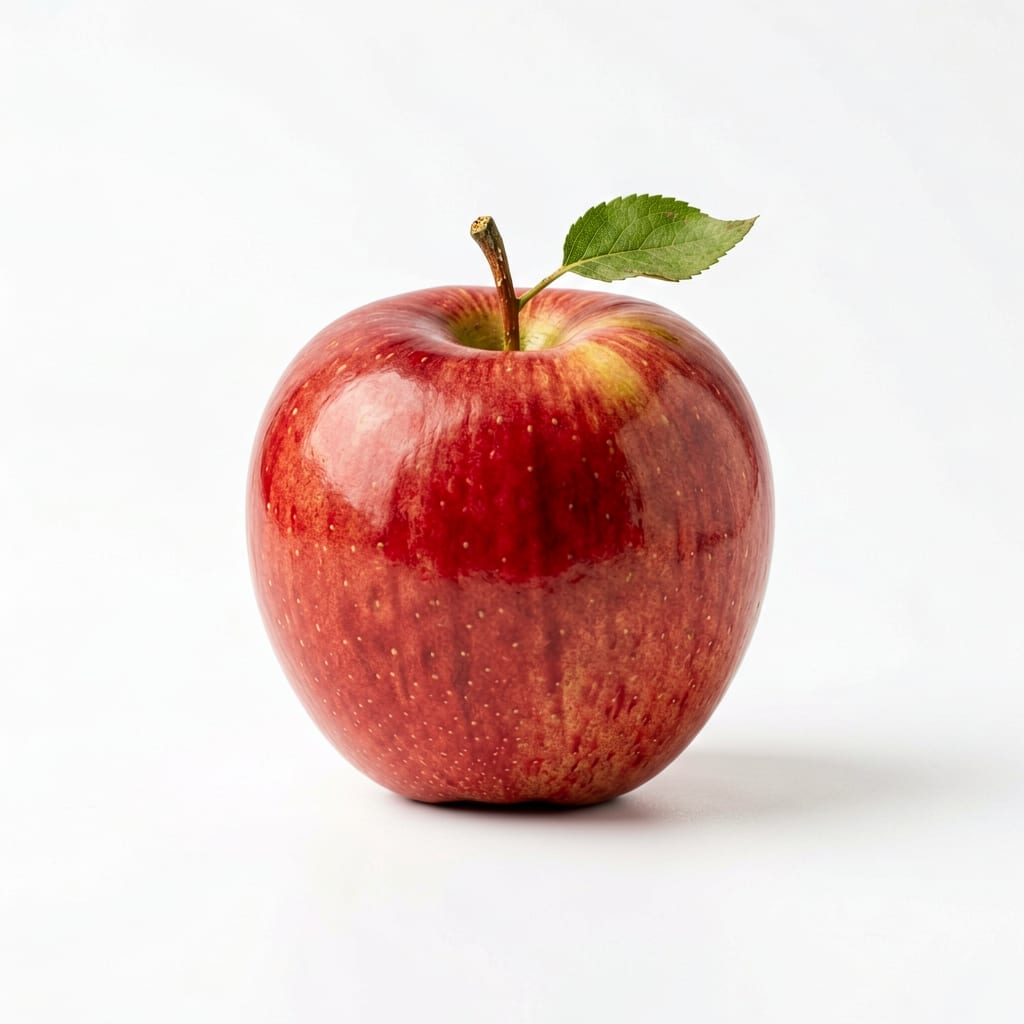
Apple
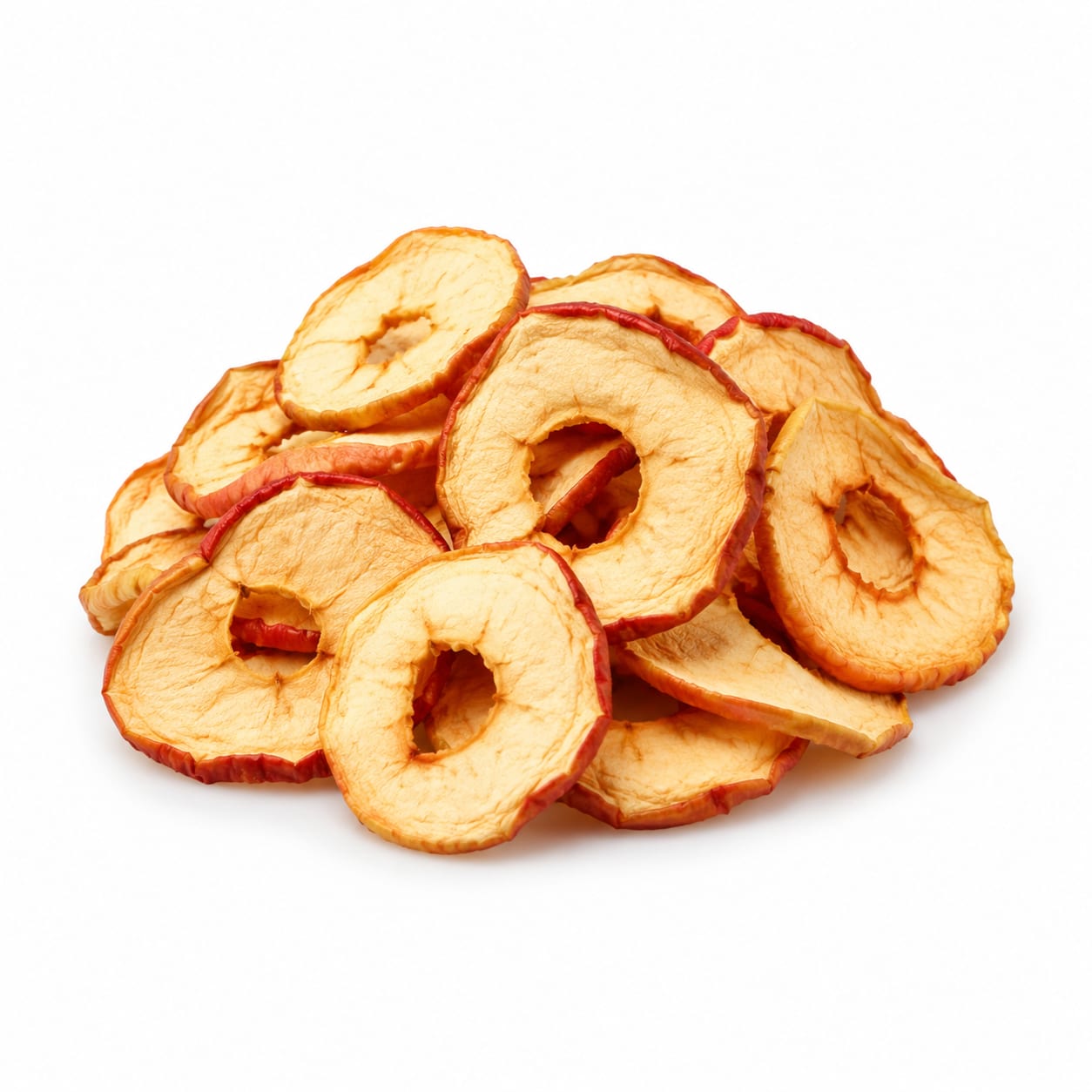
Dried Apples
Apples win for everyday snacking and fullness, while dried apples serve as a concentrated, portable energy source.
Apples score significantly higher due to superior satiety, lower sugar concentration, and better hydration, making them a safer daily choice. Dried apples lose points for high calorie density and overeating risk.
Hydration and satiety versus convenience and calorie density.
At a glance
Executive summary
Overall
Apple
Healthier
Apple
More practical
Dried Apples
Daily use
Apple
Key comparison lenses
Weight management and calorie density
Dried fruit concentrates calories and sugar, making portion control critical for weight goals.
Blood sugar impact
Removing water concentrates fructose, significantly altering the glycemic response compared to fresh fruit.
Satiety and snacking behavior
Volume and water content drastically affect how full you feel after eating.
Convenience and portability
Dehydration creates a shelf-stable, lightweight snack ideal for travel but easy to overconsume.
Additives and preservatives
Commercially dried fruit frequently contains sulfites or added sugars to preserve color and taste.
Best choice for
Apple
- Weight management
- Blood sugar control
- Daily hydration
Dried Apples
- Hiking and outdoor activities
- Calorie boosting for athletes
- Emergency food storage
Least suitable for
Apple
- Intense endurance sports where lightweight fuel matters
Dried Apples
- Overeaters
- Diabetics
- Strict weight loss diets
Deep comparison
Dimension by dimension
Each lens scores both foods and breaks down who each option suits.
- Dimension 1 · Priority 95Apple
Satiety and Fullness
Apple · 90Dried Apples · 40Apples are far more filling because of their high water content and physical volume.
Tradeoff
You get a larger, more satisfying snack with fresh apples, but dried apples offer concentrated energy in a tiny package.
Why it matters
Feeling full helps prevent overeating later in the day.
Real-world impact
Eating an apple can curb afternoon hunger, whereas a handful of dried apples might leave you reaching for more food shortly after.
Apple
- Curbing late-afternoon cravings
- Preventing late-night snacking
Better for
- Situations requiring lightweight, compact fuel
Worse for
Dried Apples
- Getting quick calories without feeling heavy
Better for
- People who struggle with portion control
Worse for
- Dimension 2 · Priority 90Apple
Blood Sugar Stability
Apple · 85Dried Apples · 45Fresh apples cause a slower, steadier rise in blood sugar compared to the concentrated sugars in dried apples.
Tradeoff
Fresh fruit provides steady energy, while dried fruit acts more like a quick sugar hit.
Why it matters
Avoiding blood sugar spikes prevents energy crashes and cravings.
Real-world impact
A fresh apple keeps you energized until dinner; dried apples might trigger a quick spike followed by a slump.
Apple
- Sustained desk-work focus
- Preventing the afternoon crash
Better for
- Severe hypoglycemia requiring immediate sugar
Worse for
Dried Apples
- Quick carb replenishment during a marathon
Better for
- Insulin resistance management
Worse for
- Dimension 3 · Priority 85Apple
Calorie Density and Weight Management
Apple · 92Dried Apples · 35Apples are low in calorie density, making them ideal for weight loss. Dried apples pack many calories into a small volume.
Tradeoff
It is very easy to overeat dried apples without feeling full, potentially hindering weight loss.
Why it matters
Volume eating helps control calorie intake naturally.
Real-world impact
You can eat two fresh apples for roughly the same calories as a small handful of dried apples, but the fresh fruit will feel like a much larger meal.
Apple
- Cutting calories without going hungry
- Mindless snacking replacement
Better for
- Trying to gain healthy weight
Worse for
Dried Apples
- Backpacking where calorie-to-weight ratio is crucial
Better for
- Fat loss phases
Worse for
- Dimension 4 · Priority 75Dried Apples
Convenience and Portability
Apple · 60Dried Apples · 95Dried apples are lightweight, shelf-stable, and require no refrigeration, making them perfect for on-the-go.
Tradeoff
You trade hydration and fullness for a snack that survives in a backpack without bruising.
Why it matters
Practicality often dictates whether a healthy snack is available when hunger strikes.
Real-world impact
Dried apples are ideal for hiking trails or keeping in a car; fresh apples can get bruised or heavy in a bag.
Apple
- A refreshing snack on a hot day
Better for
- Extreme outdoor excursions
Worse for
Dried Apples
- Long flights or road trips
- Desk drawer emergency snacks
Better for
- Situations where you are already dehydrated
Worse for
- Dimension 5 · Priority 70Apple
Additives and Processing
Apple · 98Dried Apples · 55Fresh apples are completely unprocessed. Dried apples often contain sulfites or added sugars to preserve color and taste.
Tradeoff
A truly whole food versus a shelf-stable product that may require preservatives.
Why it matters
Sulfites can trigger allergic reactions in sensitive individuals, and added sugars negate health benefits.
Real-world impact
Eating a fresh apple guarantees zero additives, whereas dried apples require careful label-reading to avoid unwanted chemicals.
Apple
- Clean-eating diets
- Sulfite-sensitive individuals
Better for
- None regarding additives
Worse for
Dried Apples
- Situations where spoilage is a risk
Better for
- People avoiding preservatives
Worse for
Timeline
Health impact over time
Short-term
Hours to days
Apple
- Immediate hydration
- Sustained, jitter-free energy
- Stomach fullness from volume
Dried Apples
- Quick energy boost
- Potential blood sugar spike
- Easy to overconsume without feeling stuffed
Long-term
Months to years
Apple
- Better weight management due to low calorie density
- Stable blood sugar levels
- Improved hydration habits
Dried Apples
- Risk of unintended weight gain if portions aren't controlled
- Potential increased sugar cravings from concentrated sweetness
Risk profile
Safety & processing
Apples are a whole, raw food straight from the tree. Dried apples undergo dehydration and frequently contain preservatives like sulfur dioxide to maintain color, moving them firmly into the processed category.
Apple
Pesticide residue
mediumConventionally grown apples often retain pesticide residue on the skin; washing thoroughly or choosing organic mitigates this.
Dried Apples
Sulfite sensitivity
mediumMany commercial dried apples use sulfur dioxide to preserve color, which can trigger asthma-like symptoms in sensitive people.
Added sugars
mediumSome brands coat dried apples in extra sugar or corn syrup, drastically increasing calorie content and negating natural benefits.
Who wins for whom
Audience fit
Same foods, different winners depending on your goal.
children
AppleFresh apples promote healthy chewing habits and hydration, whereas dried apples can stick to teeth, contributing to cavities, and are easy to overeat.
daily consumption
AppleThe satiety, hydration, and lack of preservatives make fresh apples a safer and more sustainable daily habit.
diabetes
AppleFresh apples have a lower glycemic load and are easier to portion control, preventing dangerous blood sugar spikes.
elderly
AppleFresh apples provide necessary hydration and easier portion control, though dried apples might be easier to chew for those with severe dental issues.
muscle gain
It dependsNeither is a primary muscle-building food, but dried apples offer quick, easily digestible carbs post-workout, while fresh apples provide lighter pre-workout energy.
weight loss
AppleThe high water content and low calorie density of fresh apples make them far more filling for fewer calories, preventing overeating.
Your move
Decision guide
Choose Apple
- You want to lose weight or maintain your current weight
- You need a filling afternoon snack to tide you over
- You are monitoring your blood sugar
- You want to avoid preservatives and added sugars
Choose Dried Apples
- You are hiking, camping, or need lightweight travel food
- You need concentrated calories for athletic endurance
- You want a shelf-stable emergency snack for your car or desk
Either works if
- You are craving something sweet and want a whole-food fruit source instead of candy
Avoid both if
- You have a severe fructose intolerance
Final recommendation
Make fresh apples your daily go-to for a satisfying, hydrating snack. Keep dried apples on hand strictly for situations where weight and shelf-life matter more than calorie density, like outdoor adventures.
Practical
Consumer tips
- 1
Always check the ingredient list on dried apples; the only ingredient should be apples.
- 2
Avoid dried apples with sulfur dioxide if you have asthma or sulfite sensitivities.
- 3
Pre-portion dried apples into small bags to prevent accidental overeating.
- 4
Wash fresh apples thoroughly under running water to reduce pesticide residue, or choose organic.