
Nutrition comparison
Apple vs Pear: Which Is Healthier? Nutrition Comparison and Expert Verdict
Apples vs pears compared on fiber, antioxidants, blood sugar impact, and digestion. Learn which fruit is better for weight loss, diabetes, and daily snacking.
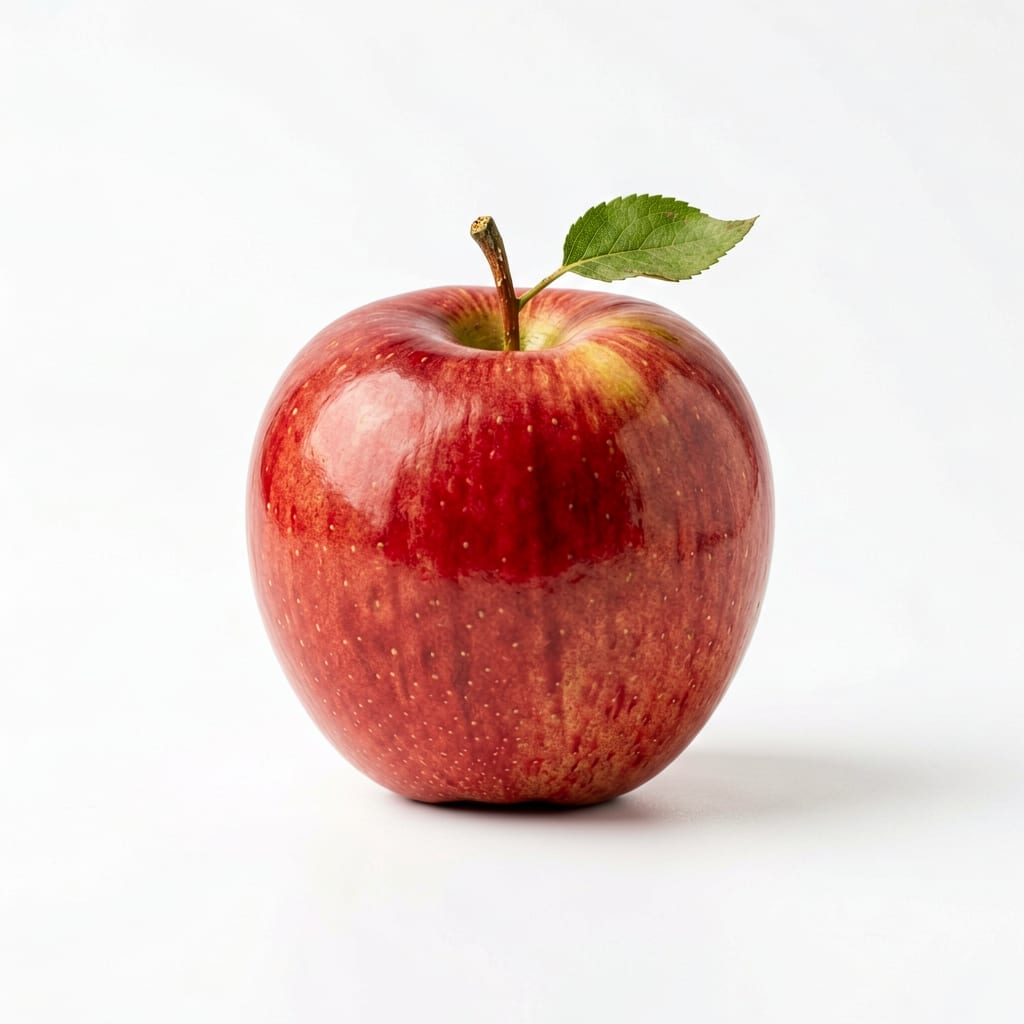
Apple
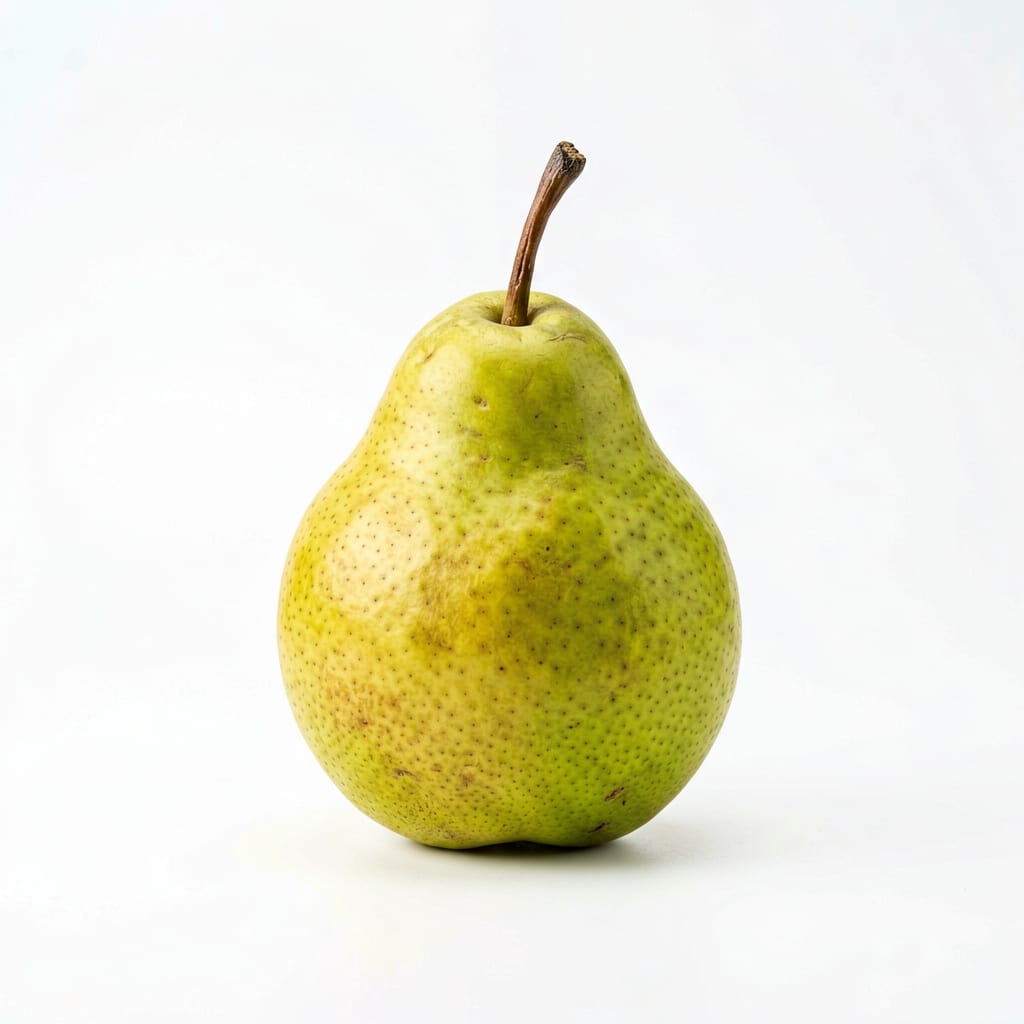
Pear
Apples edge ahead on antioxidants and blood sugar stability, while pears win on fiber and digestive comfort. The difference is small enough that preference and tolerance should guide your choice.
Apples score slightly higher due to stronger antioxidant content and better blood sugar stability, but pears are close behind with superior fiber and digestive gentleness. Neither is a clear winner for everyone.
More polyphenol protection with apples versus better fiber and gentler digestion with pears.
At a glance
Executive summary
Overall
It depends
Healthier
Apple
More practical
Apple
Daily use
It depends
Key comparison lenses
Everyday fruit choice for snacking
Both are common snack fruits people choose between at the grocery store
Digestive health and fiber intake
Fiber content differs meaningfully and affects gut health and satiety
Blood sugar management
Both contain natural sugars but differ in glycemic impact and fiber buffering
Pesticide and safety concerns
Apples consistently rank high on pesticide residue lists, pears less so but still notable
Allergy and sensitivity considerations
Birch pollen allergy cross-reactivity is more common with apples
Best choice for
Apple
- People managing blood sugar who want steadier energy
- Those seeking maximum antioxidant variety from a fruit
- Anyone who prefers a crunchier, more portable snack
Pear
- People prioritizing digestive regularity and gut health
- Those with sensitive stomachs or birch pollen allergy
- Anyone wanting a softer, easier-to-chew fruit option
Least suitable for
Apple
- People with birch pollen oral allergy syndrome
- Those who find raw apples bloating or uncomfortable
- Anyone needing a soft-texture fruit after dental work
Pear
- People wanting a crisp, refreshing bite experience
- Those who dislike grainy or mealy textures
- Anyone looking for maximum vitamin C from a single fruit
Deep comparison
Dimension by dimension
Each lens scores both foods and breaks down who each option suits.
- Dimension 1 · Priority 90Pear
Fiber and Digestive Health
Apple · 68Pear · 82Pears deliver noticeably more fiber per serving, especially soluble fiber, making them more effective for digestion and fullness.
Tradeoff
You get better gut support with pears but miss out on the pectin diversity that apples offer for gut microbiome health.
Why it matters
Fiber is the nutrient most people fall short on, and the difference here can meaningfully affect daily digestion and satiety.
Real-world impact
A pear at 3pm will likely keep you fuller until dinner than an apple, and may help more with next-day regularity.
Apple
- Gut microbiome diversity from varied pectin types
Better for
- Less total fiber per serving than pears
Worse for
Pear
- Daily fiber targets and bowel regularity
- Feeling fuller for longer between meals
- Gentler digestion for sensitive stomachs
Better for
- None significant in this dimension
Worse for
- Dimension 2 · Priority 85Apple
Antioxidant and Polyphenol Content
Apple · 84Pear · 62Apples contain significantly more diverse polyphenols, especially quercetin and catechin, which are largely absent in pears.
Tradeoff
You gain stronger cellular protection with apples but both fruits are moderate antioxidant sources compared to berries.
Why it matters
Polyphenols from fruit contribute to long-term disease protection and anti-inflammatory benefits that accumulate over years.
Real-world impact
Eating an apple daily gives your cells more defensive compounds than a pear, though neither matches a handful of blueberries.
Apple
- Quercetin for anti-inflammatory and immune support
- More diverse polyphenol profile overall
- Better long-term cellular protection
Better for
- Still modest compared to darker-colored fruits
Worse for
Pear
- Copper and vitamin K for different antioxidant pathways
Better for
- Narrower polyphenol range with less research backing
Worse for
- Dimension 3 · Priority 82Apple
Blood Sugar Stability
Apple · 76Pear · 68Apples have a slightly lower glycemic index and more blood-sugar-friendly polyphenols that slow glucose absorption.
Tradeoff
The difference is modest and both are solid choices compared to most snacks, but apples offer a small edge for metabolic control.
Why it matters
Even small differences in glycemic response affect afternoon energy crashes and long-term insulin sensitivity.
Real-world impact
An apple is slightly less likely to cause a post-snack energy dip, though both are far better than a granola bar.
Apple
- Lower glycemic index for steadier energy
- Polyphenols that slow carb absorption
- Better suited for prediabetic concerns
Better for
- None significant in this dimension
Worse for
Pear
- Higher fiber partially offsets the higher GI
Better for
- Slightly faster blood sugar rise than apples
Worse for
- Dimension 4 · Priority 70It depends
Texture and Eating Experience
Apple · 78Pear · 72Apples offer a satisfying crunch that feels more refreshing, while pears provide a softer, juicier bite that some find more comforting.
Tradeoff
Crunch versus softness is purely personal, but it affects whether you actually reach for the fruit day after day.
Why it matters
The fruit you enjoy eating is the fruit you will actually eat consistently, which matters more than marginal nutrient differences.
Real-world impact
If you want something refreshing after a workout, grab an apple. If you want something soothing mid-afternoon, a pear feels more comforting.
Apple
- Crunchy texture feels more satisfying and refreshing
- More durable for packing in lunches and bags
- Wider variety of cultivars with different textures
Better for
- Can be too hard for dental sensitivity or jaw issues
Worse for
Pear
- Softer texture is easier on teeth and jaw
- Juicier mouthfeel feels more hydrating
- Better for smoothies and purees due to natural softness
Better for
- Can become mealy or grainy when overripe
- Bruise more easily during transport
Worse for
- Dimension 5 · Priority 65Pear
Allergy and Sensitivity Risk
Apple · 55Pear · 78Apples are a top trigger for oral allergy syndrome due to birch pollen cross-reactivity, while pears cause fewer reactions.
Tradeoff
Pears are safer for allergy-prone individuals, though cooking apples reduces the allergenic proteins significantly.
Why it matters
Oral allergy syndrome affects up to 70% of birch pollen allergy sufferers and makes raw apples uncomfortable to eat.
Real-world impact
If your mouth itches or tingles after eating raw apples, pears are a reliable alternative that rarely triggers the same response.
Apple
- Cooked apples are well-tolerated even by most allergy sufferers
Better for
- Common trigger for oral allergy syndrome
- Can cause bloating in FODMAP-sensitive individuals
Worse for
Pear
- Much lower cross-reactivity with birch pollen
- Gentler on sensitive digestive systems overall
- Less likely to cause mouth or throat itching
Better for
- Still contains FODMAPs that may bother some people
Worse for
Timeline
Health impact over time
Short-term
Hours to days
Apple
- Provides steady energy with minimal blood sugar spike
- Crunchy texture promotes mindful eating and slower consumption
- May cause mouth itching in birch pollen allergy sufferers
Pear
- Higher fiber creates stronger feeling of fullness
- Softer texture makes it a gentle post-meal option
- Less likely to trigger allergic mouth reactions
Long-term
Months to years
Apple
- Quercetin and polyphenols support cardiovascular health over years
- Consistent pectin intake feeds beneficial gut bacteria
- May reduce stroke risk slightly more than other fruits in epidemiological studies
Pear
- Superior fiber intake supports long-term colorectal health
- Copper and vitamin K contribute to bone density maintenance
- Boron content may help preserve joint health with regular consumption
Risk profile
Safety & processing
Both apples and pears are whole, unprocessed fruits. The main concern is wax coatings on conventional apples, which are applied more frequently than on pears. Organic options eliminate this issue for both.
Apple
Pesticide residues
highApples consistently rank in the top 5 on the EWG Dirty Dozen list. Conventional apples frequently test positive for multiple pesticide residues including diphenylamine, a post-harvest treatment banned in the EU.
Wax coatings
mediumConventional apples are often coated with shellac or carnauba wax to improve appearance and shelf life. While generally recognized as safe, these trap pesticide residues under the surface.
Pear
Pesticide residues
mediumPears appear on the EWG Dirty Dozen list less consistently than apples but still show significant pesticide residues on conventional specimens.
Bruising and spoilage
lowPears bruise more easily than apples, creating entry points for mold. Damaged areas should be cut away before eating.
Who wins for whom
Audience fit
Same foods, different winners depending on your goal.
children
PearPears are gentler on small digestive systems, less likely to trigger allergies, and their softer texture is easier for young children to manage safely.
daily consumption
It dependsBoth are excellent daily fruits. Choose based on personal tolerance, taste preference, and whether you prioritize antioxidants or fiber slightly more.
diabetes
AppleApples have a lower glycemic index and polyphenols that slow glucose absorption, giving a small but meaningful edge for blood sugar management.
elderly
PearSofter texture is easier to chew for aging teeth and dental work, and the higher fiber helps with the constipation common in older adults.
muscle gain
It dependsNeither fruit is relevant for muscle gain. Both provide minimal protein and serve better as carb sources around workouts.
weight loss
PearPears have slightly more fiber per calorie, which creates stronger satiety signals and may reduce overall snacking frequency.
Your move
Decision guide
Choose Apple
- You want maximum antioxidant protection from your daily fruit
- You prefer a crunchy, refreshing snack that travels well
- Blood sugar management is a priority for you
- You enjoy variety through many available cultivars like Honeycrisp, Fuji, and Granny Smith
Choose Pear
- Digestive regularity and gut health are your top priorities
- Raw apples make your mouth itch or your stomach bloat
- You prefer a softer, juicier, more comforting texture
- You want a fruit that feels gentle after a heavy meal
Either works if
- You simply want a healthy whole fruit snack and enjoy both
- You rotate fruits throughout the week for nutrient diversity
- Cost and availability are your main decision drivers
Avoid both if
- You are on a strict low-FODMAP elimination diet and react to both
- You have fructose malabsorption that triggers symptoms from all high-fructose fruits
Final recommendation
Eat both. Apples and pears complement each other beautifully across the week. Apples give you more antioxidants and steadier blood sugar; pears give you more fiber and gentler digestion. If you must pick one, let your body decide: if apples make your mouth itch or your stomach uncomfortable, pears are your answer. Otherwise, an apple a day has slightly more evidence behind it, but a pear is never a wrong choice.
Practical
Consumer tips
- 1
Buy organic apples when possible, as they top pesticide residue lists and wax coatings trap chemicals under the skin
- 2
Wash both fruits thoroughly under running water even if you plan to peel them, since handling transfers residues
- 3
Eat the skin on both fruits, as roughly half the fiber and most polyphenols are concentrated there
- 4
If apples trigger mouth itching, try microwaving them for 30 seconds, as heat denatures the allergenic proteins
- 5
Pears ripen off the tree, so buy firm ones and let them soften at room temperature for 2-3 days for best flavor
- 6
Store apples in the refrigerator to maintain crispness and slow sugar conversion, which affects taste within a week at room temperature