
Nutrition comparison
Apple vs Watermelon: Which is Healthier?
Compare Apple vs Watermelon for weight loss, hydration, and blood sugar. Discover the nutritional tradeoffs and find out which fruit is best for your goals.
Overall winner · Apple
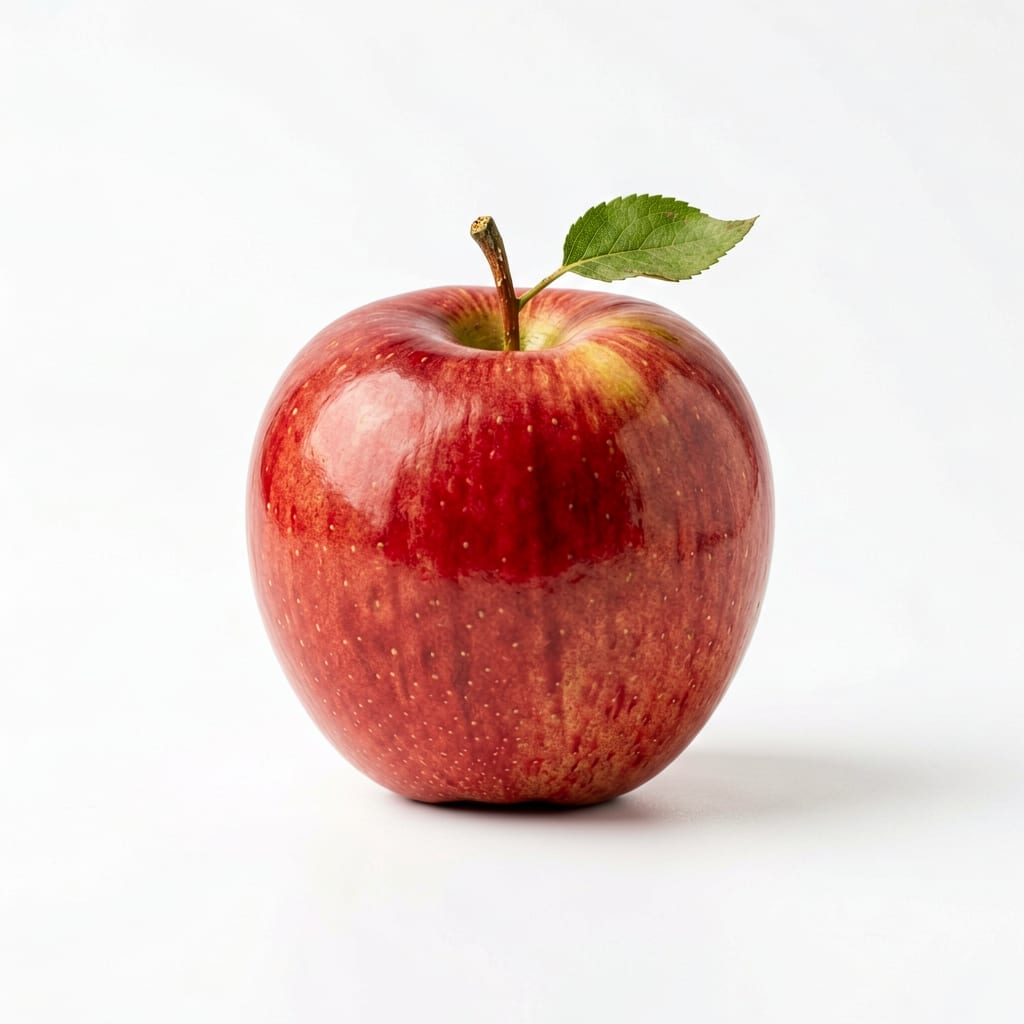
Apple
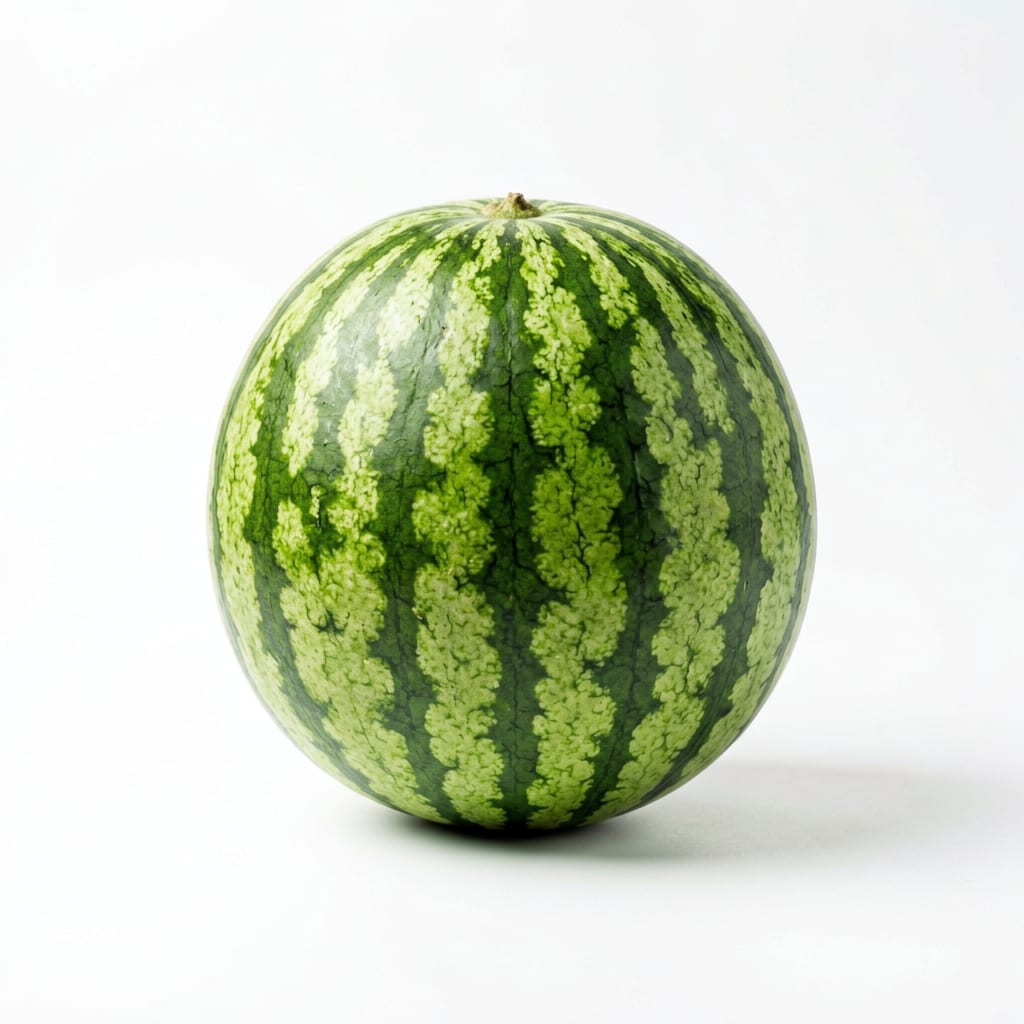
Watermelon
Apple offers more sustained energy and fullness, while Watermelon is a hydrating, refreshing treat that's easier to overeat.
Apple scores higher due to superior fiber content and blood sugar stability, making it a more reliable everyday snack. Watermelon is excellent for hydration but lacks the satiety factor needed to keep hunger at bay.
Fiber and satiety versus hydration and refreshment.
At a glance
Executive summary
Overall
Apple
Healthier
Apple
More practical
Apple
Daily use
Apple
Key comparison lenses
Satiety and weight management
Apple's fiber provides lasting fullness, while Watermelon's high water content offers volume without sustained satiety.
Blood sugar impact
Apple delivers steady energy, whereas Watermelon can cause a quicker blood sugar rise despite its high water content.
Hydration and refreshment
Watermelon is a superior hydrator, making it a go-to for hot weather and post-workout recovery.
Snack portability
Apple is durable and easy to carry; Watermelon requires refrigeration and prep, making it less convenient on the go.
Best choice for
Apple
- Weight management
- Sustained energy
- On-the-go snacking
Watermelon
- Hot summer days
- Post-workout hydration
- Large low-calorie volumes
Least suitable for
Apple
- Quick hydration
- People with severe IBS sensitive to fermentable fibers
Watermelon
- Strict low-carb diets
- Controlling portion sizes due to easy overconsumption
Deep comparison
Dimension by dimension
Each lens scores both foods and breaks down who each option suits.
- Dimension 1 · Priority 95Apple
Satiety & Fullness
Apple · 88Watermelon · 50Apple keeps you full much longer thanks to its dense pectin fiber, while Watermelon digests quickly.
Tradeoff
You get more immediate volume with Watermelon, but Apple provides lasting satisfaction.
Why it matters
Satiety prevents overeating and helps bridge the gap between meals without reaching for junk food.
Real-world impact
An Apple at 3 PM stops the pre-dinner fridge raid; Watermelon might leave you hungry an hour later.
Apple
- Curbing afternoon cravings
- Bridging meals without a crash
Better for
- When you want a light, non-heavy snack before a workout
Worse for
Watermelon
- Feeling stuffed on fewer calories immediately after a meal
Better for
- When you need energy that lasts through a long meeting
Worse for
- Dimension 2 · Priority 85Watermelon
Hydration & Refreshment
Apple · 40Watermelon · 98Watermelon is 92% water, making it incredibly hydrating and refreshing, whereas Apple is denser and drier.
Tradeoff
Watermelon excels at rehydration but lacks caloric density for sustained fuel.
Why it matters
Proper hydration affects energy levels, physical performance, and even mental clarity.
Real-world impact
After a hot run, Watermelon feels like a cold drink; Apple feels like a heavy snack.
Apple
- Winter snacking when hydration needs are lower
Better for
- Replenishing fluids after sweating
Worse for
Watermelon
- Post-workout recovery
- Summer heat relief
Better for
- Winter comfort snacking
Worse for
- Dimension 3 · Priority 90Apple
Blood Sugar Stability
Apple · 85Watermelon · 58Apple's soluble fiber slows sugar absorption, giving a steadier blood sugar response than Watermelon.
Tradeoff
Watermelon has a higher glycemic index, meaning its natural sugars hit the bloodstream faster.
Why it matters
Steady blood sugar prevents energy crashes, brain fog, and cravings.
Real-world impact
Eating Watermelon alone can cause a quick spike and dip, leaving you tired; Apple provides smoother, longer-lasting energy.
Apple
- Diabetics
- Steady focus at work
Better for
- Needing immediate energy during an athletic bonk
Worse for
Watermelon
- Quick carb refueling after intense exercise
Better for
- Insulin resistance management
Worse for
- Dimension 4 · Priority 70It depends
Antioxidant Profile
Apple · 80Watermelon · 82Apple offers quercetin and pectin, while Watermelon delivers lycopene and citrulline.
Tradeoff
Different antioxidant strengths: Apple supports heart health and inflammation, Watermelon supports muscle recovery and cellular protection.
Why it matters
Diverse antioxidants protect against different chronic diseases and aid recovery.
Real-world impact
Eating both covers your bases—Apple for daily inflammation defense, Watermelon for muscle soreness and prostate health.
Apple
- Daily anti-inflammatory support
Better for
- Post-workout muscle soreness
Worse for
Watermelon
- Muscle recovery
- Prostate health
Better for
- General daily cellular defense
Worse for
Timeline
Health impact over time
Short-term
Hours to days
Apple
- Steady energy boost
- Feeling physically full
- Sustained mental focus
Watermelon
- Quick hydration
- Rapid but short-lived energy
- Refreshing mouthfeel
Long-term
Months to years
Apple
- Improved gut health from fiber
- Better blood sugar regulation
- Lower LDL cholesterol
Watermelon
- Enhanced hydration habits
- Cellular protection from lycopene
- Potential for higher sugar intake if overeaten regularly
Risk profile
Safety & processing
Both Apple and Watermelon are whole, unprocessed fruits with no artificial additives when eaten fresh.
Apple
Pesticide residue
mediumApples consistently rank high on the EWG's Dirty Dozen list; washing thoroughly or choosing organic is advisable.
Wax coating
lowConventional Apples often have edible shellac wax applied for preservation, which is safe but can trap pesticides underneath.
Watermelon
Pesticide residue
lowWatermelon has a thick rind that protects the edible flesh from most pesticide exposure.
Foodborne illness
lowMelons grown on the ground can harbor bacteria on the rind; always wash the outside before cutting to prevent transferring bacteria to the flesh.
Who wins for whom
Audience fit
Same foods, different winners depending on your goal.
children
It dependsApple is a classic easy snack, but Watermelon is fun and hydrating for kids; both are great choices depending on the setting.
daily consumption
AppleApple's portability, shelf life, and blood sugar stability make it a more reliable daily staple than Watermelon.
diabetes
AppleApple's dense fiber slows sugar absorption, leading to more stable blood glucose levels compared to Watermelon.
elderly
AppleApple's fiber helps with common digestive slowdowns in older adults, though Watermelon is easier to chew for those with dental issues.
muscle gain
WatermelonWatermelon contains citrulline, which aids blood flow and muscle recovery, plus it offers quick carbs post-workout.
weight loss
AppleApple's high fiber content provides more satiety per calorie, making it easier to control overall daily intake.
Your move
Decision guide
Choose Apple
- You need a snack that keeps you full for hours
- You want steady energy without a crash
- You need something durable to toss in a bag
- You are actively managing blood sugar
Choose Watermelon
- You are hot and need serious hydration
- You just finished a sweaty workout
- You want a large volume of food for very few calories
- You crave something light and refreshing after a heavy meal
Either works if
- You just want a healthy, whole-food sweet treat
- You are trying to increase your daily fruit intake
Avoid both if
- You are on a strict very-low-carb or ketogenic diet
- You have a severe fructose intolerance
Final recommendation
Keep Apples as your everyday reliable snack for energy and fullness, and save Watermelon for hot days and post-workout refreshment. Both are excellent choices that beat processed snacks any day.
Practical
Consumer tips
- 1
Wash Apples thoroughly under running water to remove pesticide residue and wax.
- 2
Store Watermelon at room temperature until cut for better antioxidant retention, then refrigerate.
- 3
Pair Watermelon with a protein or fat source like Greek yogurt or feta to prevent the sugar crash.
- 4
Choose smaller Apples to naturally control portion sizes without thinking about it.
- 5
Always wash the Watermelon rind before slicing to avoid dragging soil bacteria into the flesh.