
Berry / Superfood
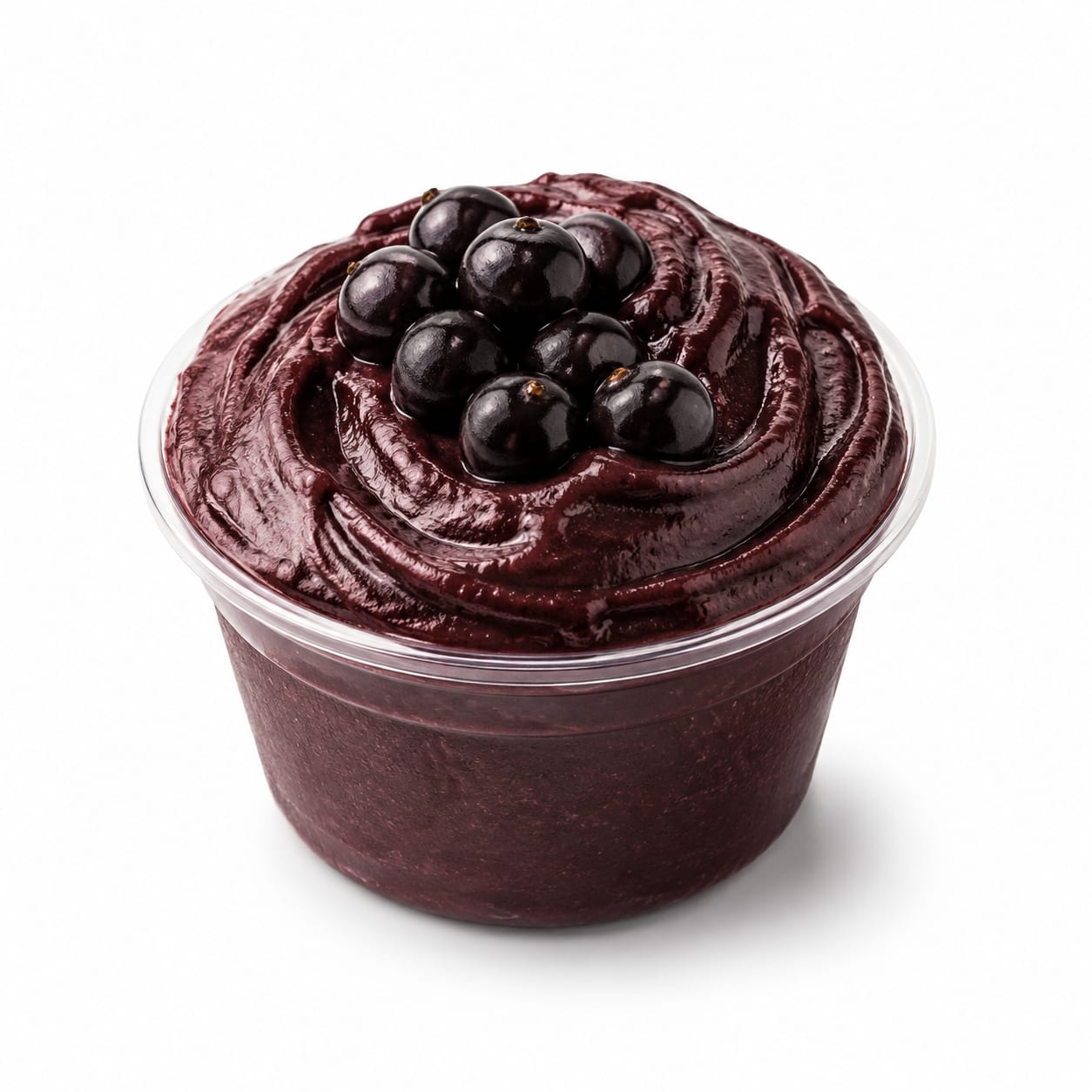
Açai Berry
A fat-rich, low-sugar Amazonian berry prized for its dense antioxidant content.
A small, dark purple berry from the Amazon rainforest known for its exceptionally high antioxidant levels and unique fatty acid profile, unlike most fruits.
high-antioxidant high-fat berry
Typical serving · 100g
Common varieties · purple açai, green açai, frozen açai puree, açai powder, açai juice
Overall context score across nutrition, safety, and diet fit
At a glance
Quick facts
Simple indicators based on nutrition, processing, and diet fit.
The story
What makes it unique
Açai berries are rich in anthocyanins and fatty acids, resulting in slow digestion, high satiety relative to other fruits, and a low glycemic impact. The macronutrient profile is unusually high in fat for a fruit, contributing to a creamy texture and sustained energy release.
Varieties: purple açai · green açai · frozen açai puree · açai powder · açai juice
Per 100g
Nutrition breakdown
Macro balance and key metrics at a glance.
Energy
Density 0.70 kcal/g
Protein
Carbs
Fat
Fiber
Sugar
0.5 g
Sodium
5 mg
Potassium
130 mg
Glycemic index
15
Glycemic load
1
Water content
85%
Standout compounds
Nutrient highlights
Anthocyanins
highPowerful antioxidants that reduce oxidative stress and inflammation
Omega-9 Fatty Acids
moderateSupports cardiovascular health and skin integrity
Dietary Fiber
moderatePromotes digestive regularity and gut microbiome health
Oleic Acid
highHeart-healthy monounsaturated fat also found in olive oil
Wellness map
Health scores & processing
NOVA processing scale
Minimally processed (frozen puree) · Whole food
Fresh açai spoils within 24 hours, so it is almost always sold as frozen puree, freeze-dried powder, or juice. Unsweetened purees are minimally processed, while sweetened bowls and juices can be ultra-processed.
Diet compatibility
- Weight loss
- Muscle gain
- Diabetes
- Gut health
- Low carb
- High protein
- Heart health
Relative standing
Food rankings
Qualitative ranks compared to similar whole foods.
- Satietygood
- Blood sugarexcellent
- Nutrient densityexcellent
- Fitness fuelmoderate
- Processing qualitygood
Eat with confidence
Food safety profile
Generally safe, but sourcing matters as soil quality in the Amazon can affect heavy metal content. Beware of misleading supplement claims and hidden sugars in bowls.
Evidence confidence 85%
- Pesticideslow
- Antibioticslow
- Heavy metalsmoderate
- Contaminationlow
Watch for
- heavy metals from soil
- added sugars in commercial bowls
Safer choices
Organic unsweetened frozen açai puree
Prep tips
If using powder, blend into smoothies; avoid pre-sweetened purees to control sugar intake.
Marketing claims often exaggerate weight loss benefits; FDA has issued warnings to some supplement manufacturers regarding unsupported medical claims.
Deep dive
Health analysis
How this food may fit different goals and preparation choices.
Weight loss
Low energy density and high fiber/fat content promote satiety, but calorie counts easily skyrocket when made into bowls with granola and honey.
Blood sugar
Extremely low sugar content for a fruit, resulting in a minimal glycemic impact, provided it is not sweetened.
Fitness & energy
Provides sustained energy from healthy fats rather than quick carbohydrates, making it better for endurance than high-intensity bursts.
Gut health
Dietary fiber supports healthy digestion and feeds beneficial gut bacteria.
Processing quality
Pure frozen pulp retains most nutrients; freeze-dried powder is also excellent. Avoid syrups and juices with added sugars.
Food safety
Low risk of microbial contamination due to freezing and pasteurization. Monitor sourcing for soil-derived heavy metals.
Common mistakes
Assuming all açai bowls are healthy. Restaurant bowls often contain 40-60 grams of added sugar.
Best preparation
Blend unsweetened frozen puree with a small amount of liquid and top with whole fruits and nuts instead of granola and honey.
Practical guide
Best use cases
When and how this food fits real eating patterns.
Low-sugar smoothie base
Provides a creamy texture and rich flavor without the sugar spike of bananas or mangoes.
Antioxidant boost
Blending açai powder into yogurt or oatmeal adds concentrated anthocyanins to support cellular health.
Pre-workout endurance fuel
The healthy fats provide a slow-burning energy source for moderate-intensity exercise.
Balance sheet
Pros & cons
Upsides
- Exceptionally high in antioxidants
- Very low natural sugar content
- Unusually high in healthy fats for a fruit
- Low glycemic impact
- Supports heart health
Trade-offs
- Often sold with high amounts of added sugar
- Expensive compared to local berries
- Fresh berries are virtually impossible to find outside the Amazon
- Health benefits often exaggerated by marketing
Fit check
Who is it for?
Great match
- low-carb fruit choices
- antioxidant supplementation
- blood sugar management
- smoothie bases
Consider alternatives
- high-protein diets
- budget-friendly meal prep
- quick carbohydrate fueling
Side by side
How it compares
Open the full head-to-head analysis for nutrition, safety, and practical tradeoffs.
This food
Açai Berry
VS85% alike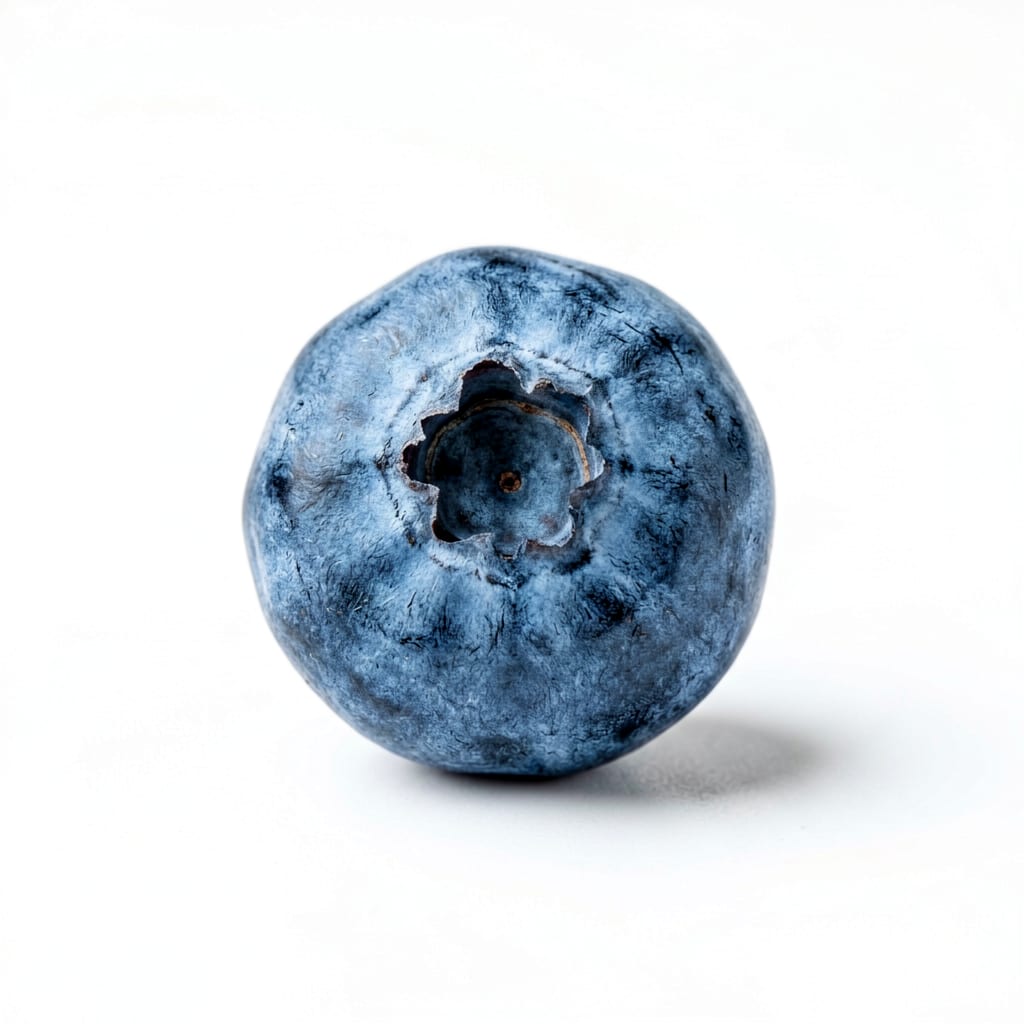
Compare with
Blueberry
Açai provides more healthy fats and less sugar than blueberries, while blueberries offer more vitamin C and are easier to find fresh.
Açai provides more healthy fats and less sugar than blueberries, while blueberries offer more vitamin C and are easier to find fresh.
This food
Açai Berry
VS70% alike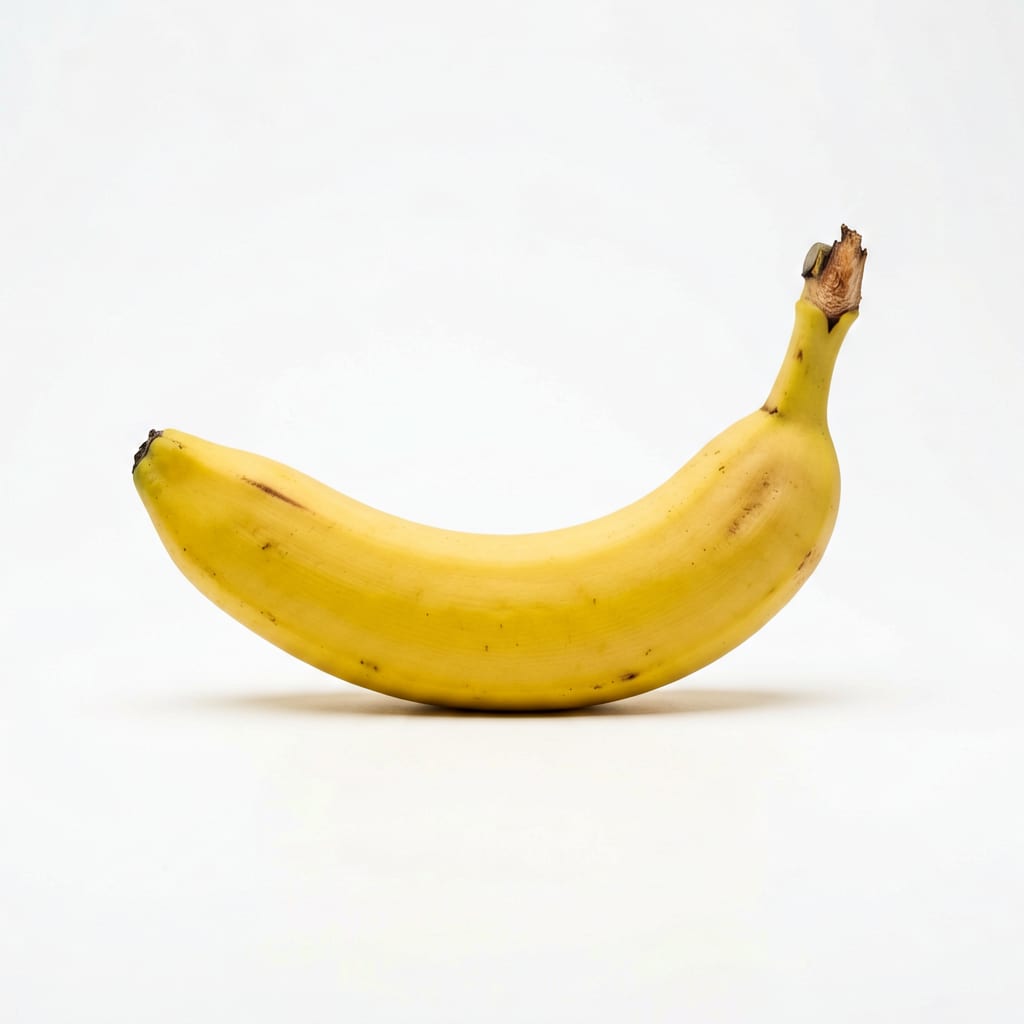
Compare with
Banana
Bananas provide quick carbs for energy, while açai offers sustained energy from fats and has a much lower glycemic impact.
Bananas provide quick carbs for energy, while açai offers sustained energy from fats and has a much lower glycemic impact.
This food
Açai Berry
VS75% alike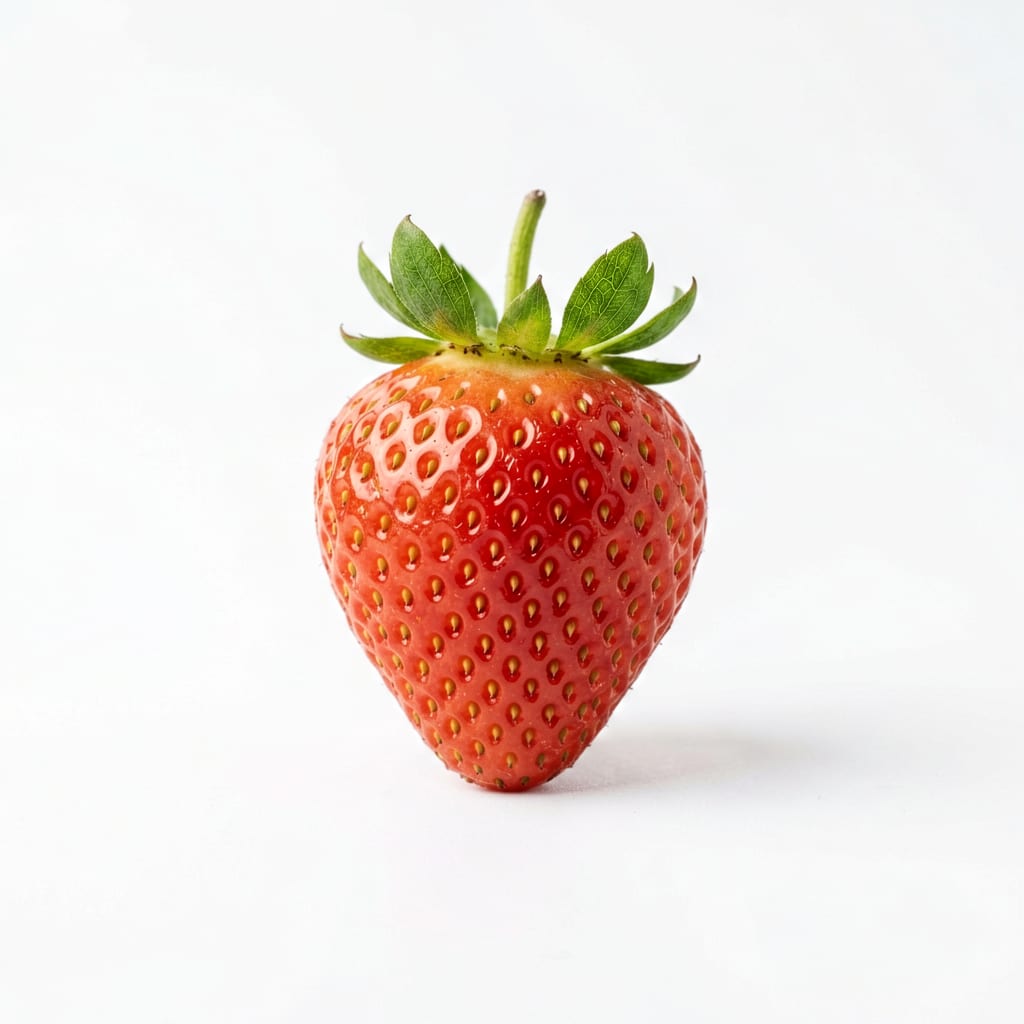
Compare with
Strawberry
Açai is higher in fat and antioxidants, whereas strawberries are higher in vitamin C and slightly sweeter naturally.
Açai is higher in fat and antioxidants, whereas strawberries are higher in vitamin C and slightly sweeter naturally.
This food
Açai Berry
VS80% alike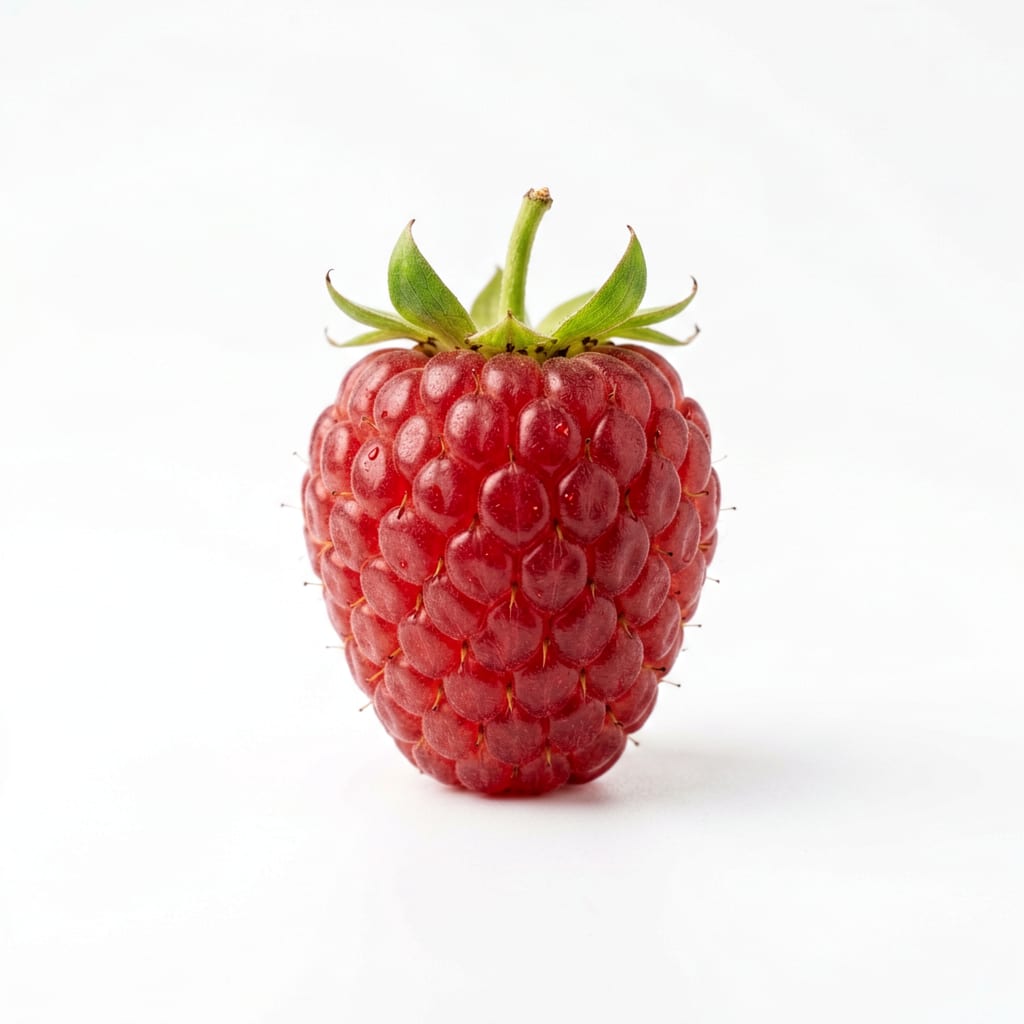
Compare with
Raspberry
Raspberries have slightly more fiber and less fat, while açai provides more omega fatty acids and antioxidants.
Raspberries have slightly more fiber and less fat, while açai provides more omega fatty acids and antioxidants.
This food
Açai Berry
VS70% alike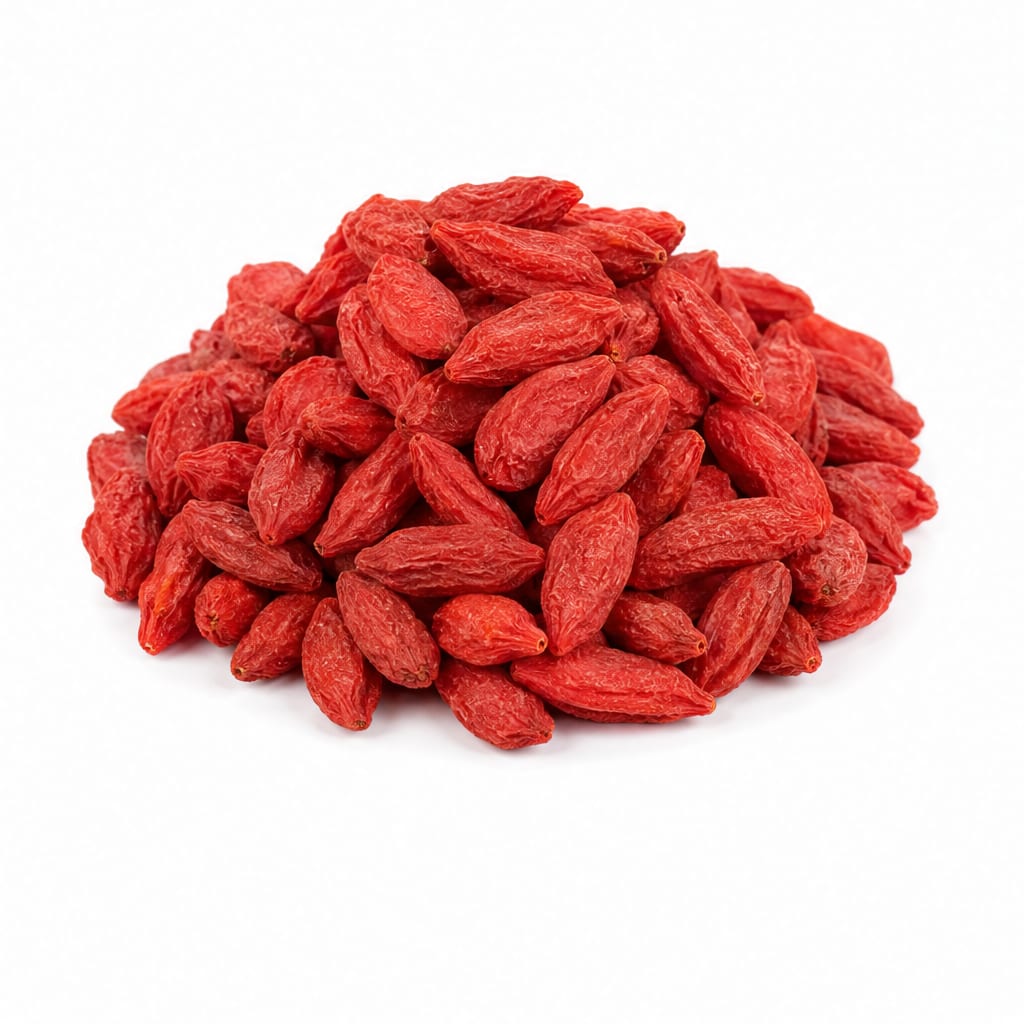
Compare with
Goji Berry
Açai is lower in sugar and higher in fats than goji berries, which are typically dried and concentrated in carbs.
Açai is lower in sugar and higher in fats than goji berries, which are typically dried and concentrated in carbs.
This food
Açai Berry
VS65% alike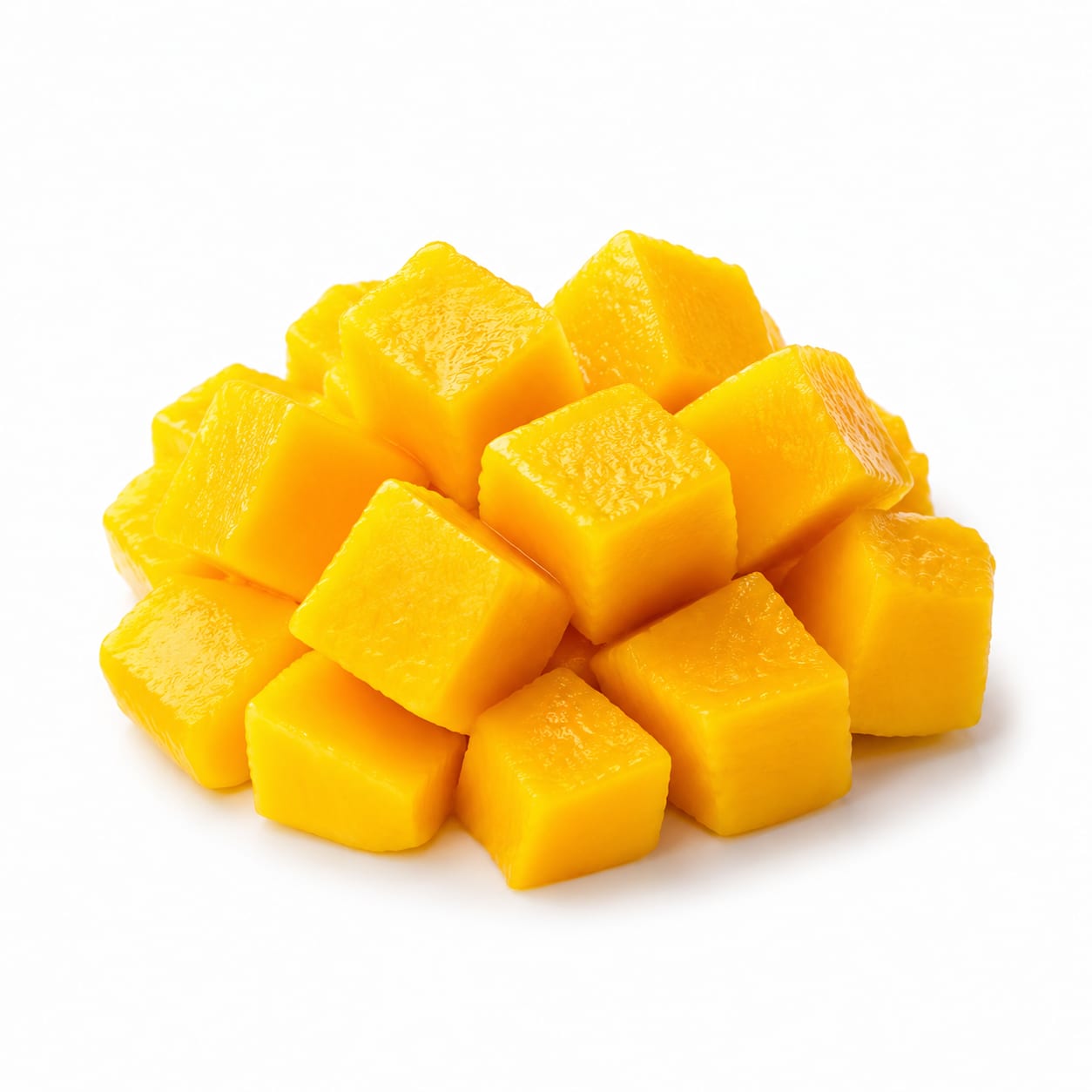
Compare with
Mango
Mango is high in sugar and quick carbs, while açai is low in sugar and rich in fats, making açai better for blood sugar control.
Mango is high in sugar and quick carbs, while açai is low in sugar and rich in fats, making açai better for blood sugar control.
This food
Açai Berry
VS60% alike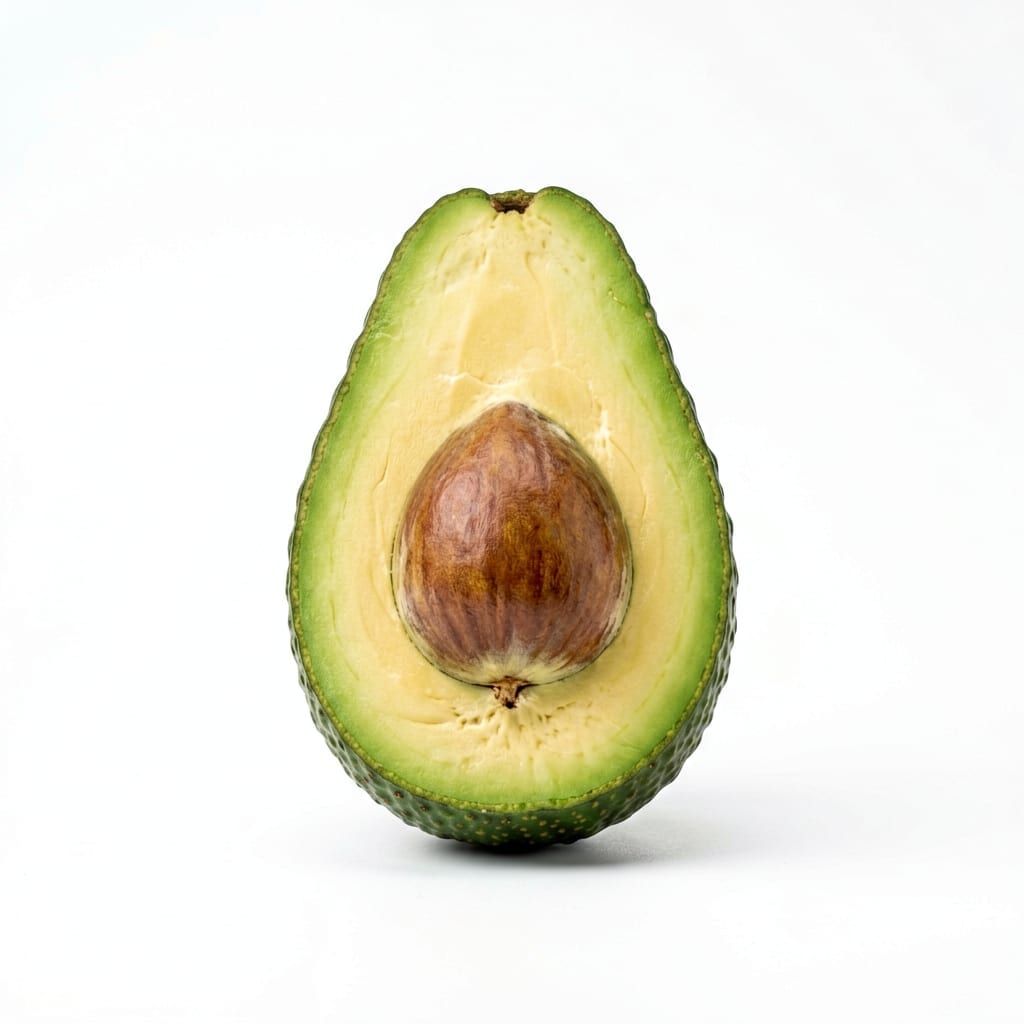
Compare with
Avocado
Both are high-fat fruits, but avocado offers more potassium and monounsaturated fat, while açai provides more antioxidants.
Both are high-fat fruits, but avocado offers more potassium and monounsaturated fat, while açai provides more antioxidants.
This food
Açai Berry
VS65% alike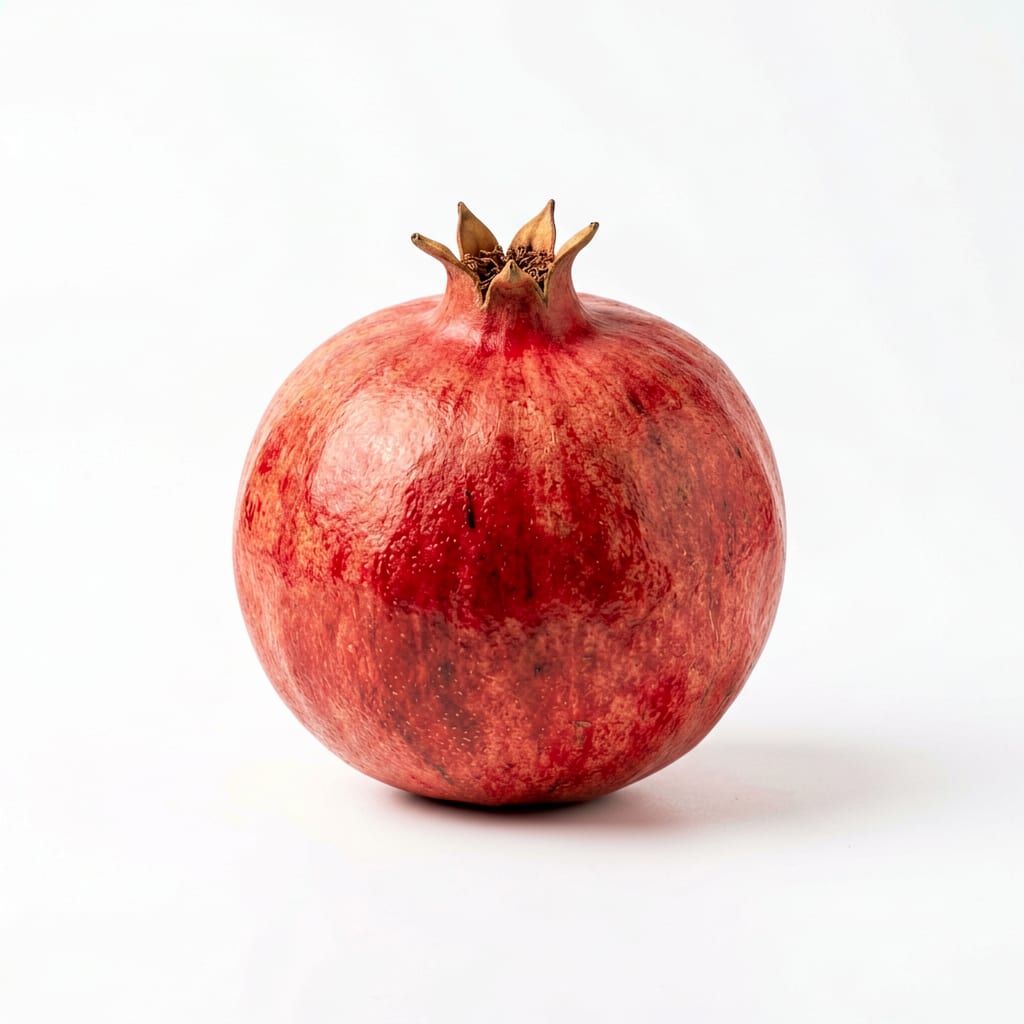
Compare with
Pomegranate
Açai is lower in sugar and higher in fats, while pomegranate provides unique polyphenols and is eaten fresh more easily.
Açai is lower in sugar and higher in fats, while pomegranate provides unique polyphenols and is eaten fresh more easily.
This food
Açai Berry
VS85% alike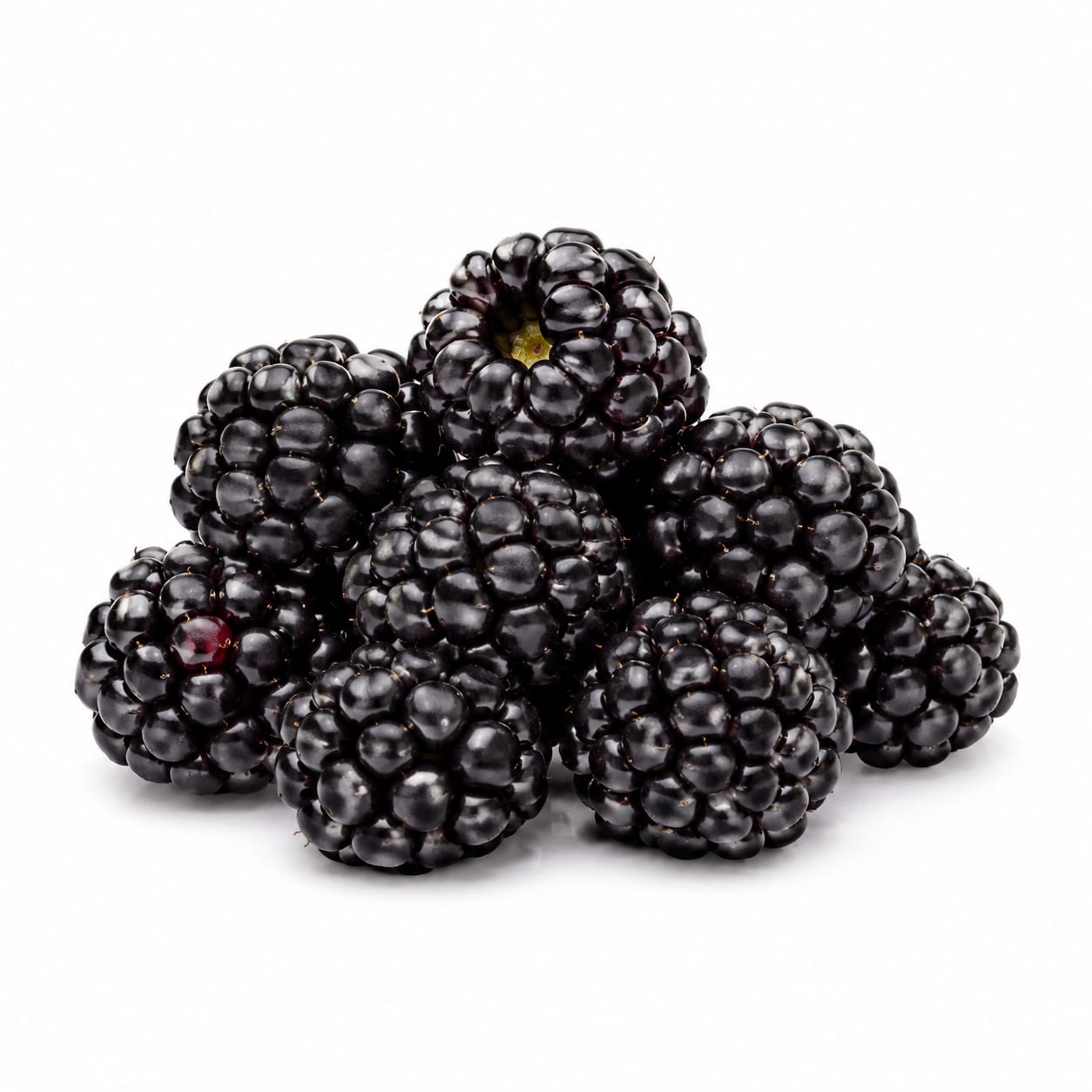
Compare with
Blackberry
Blackberries are slightly higher in fiber and vitamin C, while açai offers more healthy fats and a creamier texture for bowls.
Blackberries are slightly higher in fiber and vitamin C, while açai offers more healthy fats and a creamier texture for bowls.
This food
Açai Berry
VS60% alike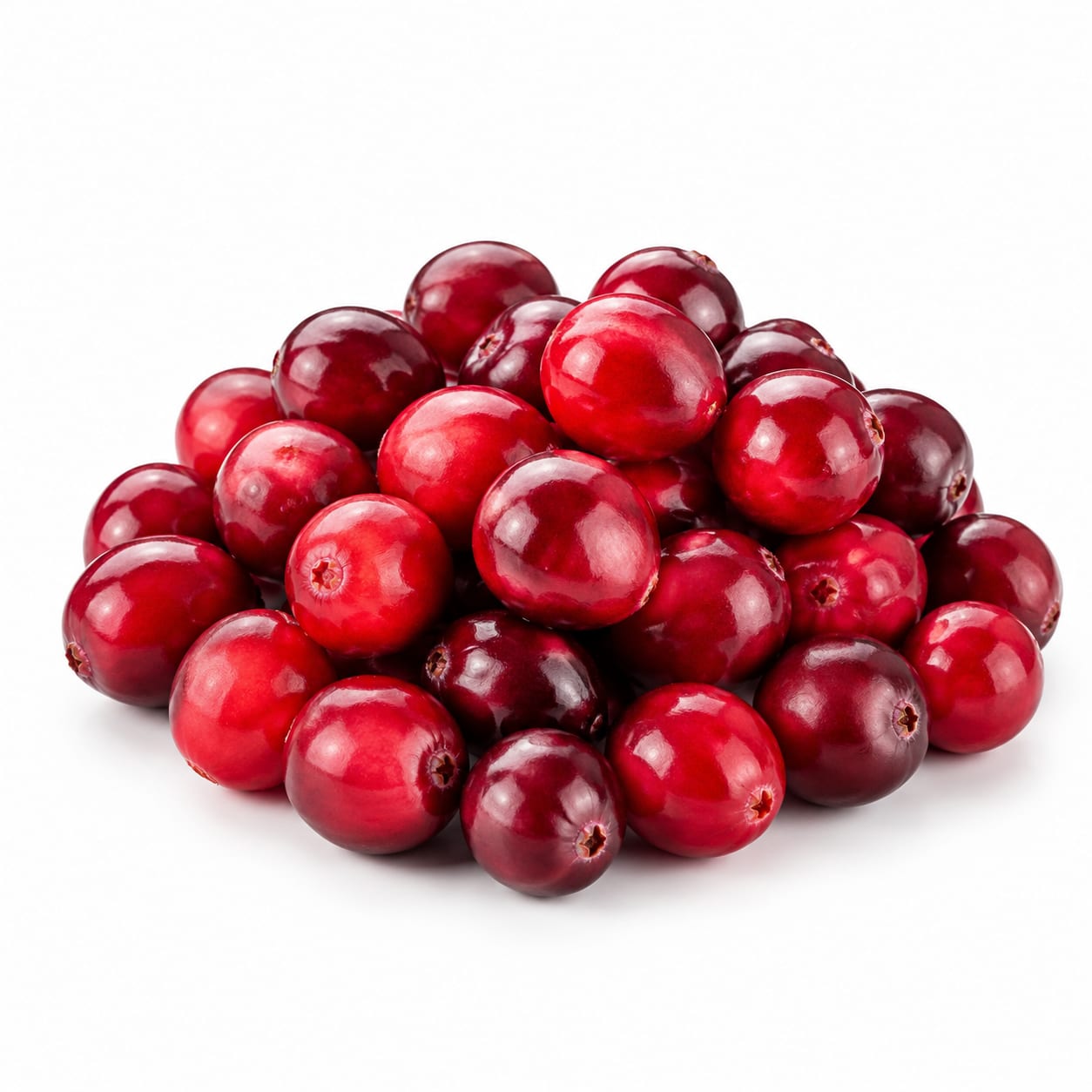
Compare with
Cranberry
Açai is naturally low in sugar and high in fat, whereas cranberries are extremely tart and usually consumed with added sugars.
Açai is naturally low in sugar and high in fat, whereas cranberries are extremely tart and usually consumed with added sugars.
Common questions
FAQ
Answers aligned with how people search for this food.
Is açai berry good for weight loss?
Açai can support weight loss due to its fiber and healthy fat content that increases satiety, but only if consumed without high-calorie additions like granola and honey.
Why does açai have so much fat?
Unlike most fruits, açai berries are rich in monounsaturated and polyunsaturated fats, including omega-3, 6, and 9 fatty acids, which support heart health.
Are açai bowls actually healthy?
Unsweetened açai puree is healthy, but commercial açai bowls are often loaded with added sugars, syrups, and high-calorie granola, making them more like desserts.
Does açai berry have a lot of sugar?
No, raw açai is very low in sugar. Most of the sugar in açai products comes from added sweeteners or other fruits blended into the puree.
Can diabetics eat açai?
Yes, unsweetened açai has a very low glycemic index and load, making it a safe fruit choice for managing blood sugar.
What is the best way to eat açai?
The best way is blending unsweetened frozen açai puree or powder into a smoothie with a protein source and minimal added sweeteners.
Is açai really a superfood?
While açai is exceptionally high in antioxidants, no single food guarantees health. It is a nutritious addition to a balanced diet but not a cure-all.
Does açai go bad quickly?
Yes, fresh açai berries degrade within 24 hours of harvesting, which is why they are almost always sold as frozen puree or freeze-dried powder.
Transparency
Data confidence
Estimated confidence for nutrition data, interpretation, safety notes, and comparisons.
Nutrition data
Health analysis
Food safety
Comparisons