
Nutrition comparison
Açai Berry vs Cranberry: Which Is Healthier for You?
Compare açai berry and cranberry on antioxidants, UTI prevention, sugar content, cost, and daily usability. Find out which berry fits your health goals better.

Açai Berry
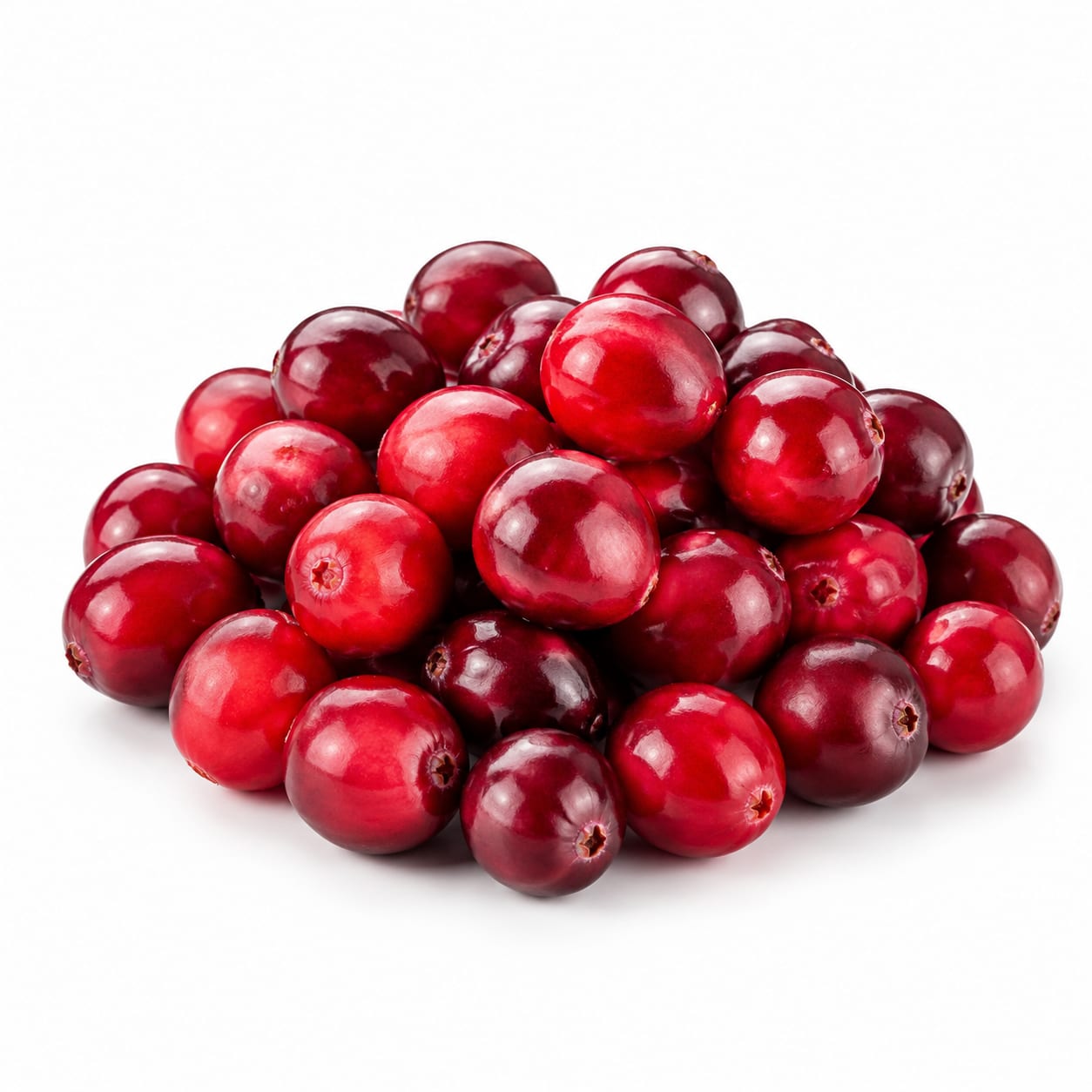
Cranberry
Açai delivers more healthy fats and total antioxidants, while cranberry is the proven champion for urinary tract health and offers more vitamin C at a lower price.
Cranberry edges ahead due to better accessibility, proven clinical evidence for UTI prevention, and lower cost. Açai scores well on antioxidant density and healthy fat content but loses points for expense, limited fresh availability, and frequent over-hyped marketing that distorts realistic expectations.
Açai gives you richer anti-inflammatory fats and broader antioxidant coverage, but cranberry gives you targeted UTI protection, more vitamin C, and easier everyday access.
At a glance
Executive summary
Overall
It depends
Healthier
It depends
More practical
Cranberry
Daily use
Cranberry
Key comparison lenses
antioxidant potency
Both berries are famous for antioxidants but through completely different compounds and mechanisms
urinary and gut health
Cranberry is the gold standard for UTI prevention while açai supports gut health differently
sugar and form concerns
Both berries are rarely eaten fresh in their pure form, making added sugar a major real-world issue
anti inflammatory benefits
Users comparing these two are often seeking inflammation reduction
cost and accessibility
Açai is expensive and often imported as frozen pulp while cranberry is widely available fresh
Best choice for
Açai Berry
- Anti-inflammatory diet followers
- People seeking heart-healthy fats from fruit
- Smoothie and bowl enthusiasts wanting nutrient density
- Those wanting broader antioxidant variety
Cranberry
- Women prone to UTIs
- Budget-conscious health shoppers
- People wanting a tart low-sugar addition to meals
- Anyone needing immune-supporting vitamin C
Least suitable for
Açai Berry
- Budget-limited households
- People who dislike rich heavy textures
- Those seeking a low-calorie snack
Cranberry
- People who cannot tolerate tart flavors without added sugar
- Those seeking healthy fats from fruit
- Anyone looking for a meal-replacement base
Deep comparison
Dimension by dimension
Each lens scores both foods and breaks down who each option suits.
- Dimension 1 · Priority 95Açai Berry
antioxidant_power
Açai Berry · 92Cranberry · 78Açai has one of the highest ORAC scores of any fruit, driven by dense anthocyanin content. Cranberry is no slouch but focuses its antioxidant power in a narrower band.
Tradeoff
Açai gives you more total antioxidant firepower, but cranberry's proanthocyanidins are uniquely effective at preventing bacteria from sticking to cell walls.
Why it matters
If you want general cellular protection and anti-aging support, açai covers more ground. If you want targeted urinary tract defense, cranberry's specific antioxidants are more useful.
Real-world impact
Regular açai consumption may support skin health and reduce systemic inflammation more broadly. Cranberry delivers a more targeted but clinically proven benefit for UTI prevention.
Açai Berry
- General anti-aging and skin support
- Systemic inflammation reduction
- Broad-spectrum cellular protection
Better for
- Specific UTI prevention is not its strength
- Antioxidant benefits are often overstated in marketing
Worse for
Cranberry
- UTI prevention
- Reducing bacterial adhesion in the urinary tract
- Targeted antimicrobial antioxidant action
Better for
- Less total antioxidant capacity than açai
- Narrower range of protective compounds
Worse for
- Dimension 2 · Priority 80Cranberry
vitamin_and_mineral_profile
Açai Berry · 68Cranberry · 82Cranberry delivers significantly more vitamin C and vitamin K, while açai provides more iron, calcium, and vitamin A. Cranberry's vitamin C edge makes it more immediately useful for immune support.
Tradeoff
Açai offers better mineral content for bone and blood health, but cranberry's vitamin C content gives it a practical immune-support advantage most people can feel.
Why it matters
Vitamin C is the nutrient most people are actually trying to get more of from fruit. Cranberry delivers this more reliably.
Real-world impact
A serving of cranberry gives you meaningful immune support during cold season. Açai gives you more minerals but you would need to eat it regularly to notice a difference.
Açai Berry
- Iron and calcium intake
- Vitamin A for eye health
- Mineral replenishment after heavy training
Better for
- Low vitamin C relative to most berries
- Mineral amounts are modest despite being higher than cranberry
Worse for
Cranberry
- Vitamin C for immune defense
- Vitamin K for blood clotting and bone health
- Manganese for metabolism support
Better for
- Lower iron and calcium content
- Minimal vitamin A
Worse for
- Dimension 3 · Priority 75Açai Berry
healthy_fat_content
Açai Berry · 90Cranberry · 25Açai is unusually high in omega-6 and omega-9 fatty acids for a fruit, giving it a creamy texture and heart-protective potential. Cranberry has negligible fat content.
Tradeoff
Açai's fats make it more satiating and heart-friendly, but they also add calories. Cranberry is virtually fat-free, which is great for low-calorie diets but less filling.
Why it matters
Getting healthy fats from a fruit source is rare and valuable. Açai fills a unique niche here that almost no other berry can match.
Real-world impact
An açai bowl can keep you full for hours partly because of its fat content. Cranberry as a side or snack is lighter but less satisfying on its own.
Açai Berry
- Heart-healthy fat intake from a whole food
- Longer-lasting satiety from meals
- Supporting hormone production through dietary fat
Better for
- Higher calorie per serving than most berries
- Fat content can add up quickly in bowls with granola and toppings
Worse for
Cranberry
- Very low calorie density
- Easier to fit into strict calorie budgets
Better for
- No meaningful fat-soluble nutrient absorption support
- Less satisfying as a standalone food
Worse for
- Dimension 4 · Priority 85It depends
sugar_and_blood_sugar_impact
Açai Berry · 65Cranberry · 70Both berries are quite tart and low in natural sugar when eaten pure. The real problem is that both are commonly consumed in forms loaded with added sugar — açai bowls and cranberry juice are prime culprits.
Tradeoff
In their natural state, both are low-sugar. But in the real world, cranberry juice often contains more added sugar than açai products, while açai bowls can become sugar bombs from toppings.
Why it matters
The form you choose matters more than the berry itself. Pure frozen açai pulp and fresh or frozen cranberries are both blood-sugar friendly. Their popular processed forms are not.
Real-world impact
A typical cranberry juice cocktail has more sugar than soda. A typical açai bowl with granola and honey can hit 40-60 grams of sugar. Neither is inherently the safer choice — it depends entirely on how you consume them.
Açai Berry
- Unsweetened frozen pulp is easy to find and low in sugar
- Fat content slows sugar absorption when eaten pure
Better for
- Açai bowls are a hidden sugar disaster at most cafes
- Marketing as a health food masks the calorie and sugar load of prepared bowls
Worse for
Cranberry
- Fresh whole cranberries are extremely low in sugar
- Dried cranberries can be portioned more easily than a full bowl
Better for
- Cranberry juice cocktail is one of the most sugar-laden beverages available
- Dried cranberries almost always contain added sugar
Worse for
- Dimension 5 · Priority 75Cranberry
cost_and_accessibility
Açai Berry · 40Cranberry · 85Cranberry is widely available fresh, frozen, and dried at reasonable prices year-round. Açai is almost never sold fresh outside Brazil and comes as expensive frozen pulp or powder.
Tradeoff
Açai costs significantly more and requires specialty stores or online ordering. Cranberry can be grabbed at any grocery store for a fraction of the price.
Why it matters
The best berry for you is the one you can actually afford and access consistently. Cranberry wins this decisively.
Real-world impact
A bag of frozen cranberries costs a few dollars and lasts weeks. A single açai bowl at a juice bar can cost as much as a full lunch.
Açai Berry
- Available in convenient pre-portioned frozen smoothie packs
- Powder form offers long shelf life and easy shipping
Better for
- Very expensive per serving compared to other berries
- Almost impossible to find fresh outside tropical regions
- Quality varies widely between brands
Worse for
Cranberry
- Available fresh in most grocery stores seasonally
- Frozen cranberries are cheap and available year-round
- Dried cranberries are easy to find everywhere
Better for
- Fresh cranberries have a short seasonal window
Worse for
- Dimension 6 · Priority 70Açai Berry
digestive_and_gut_health
Açai Berry · 80Cranberry · 72Açai provides more fiber per serving and its fat content supports gut lining integrity. Cranberry offers decent fiber and unique antibacterial properties that can help balance gut flora.
Tradeoff
Açai is more gut-nourishing overall with its fiber-plus-fat combination. Cranberry's antibacterial proanthocyanidins help reduce harmful bacteria but do not directly feed the gut lining.
Why it matters
If gut healing is your priority, açai's fat and fiber combo is more supportive. If bacterial overgrowth is your concern, cranberry's antimicrobial edge is more relevant.
Real-world impact
Açai feels more soothing and substantive in the digestive tract. Cranberry feels lighter but can help keep problematic bacteria in check over time.
Açai Berry
- Higher fiber supports regular bowel movements
- Healthy fats nourish the gut lining
- Prebiotic potential from fiber content
Better for
- Rich texture may feel heavy for sensitive stomachs
Worse for
Cranberry
- Proanthocyanidins reduce harmful bacteria
- Helps prevent H. pylori overgrowth
- Supports a cleaner urinary and digestive environment
Better for
- Lower fiber than açai per serving
- Antibacterial effects are not the same as prebiotic nourishment
Worse for
Timeline
Health impact over time
Short-term
Hours to days
Açai Berry
- Provides sustained energy from healthy fats rather than a sugar spike
- Can feel heavy if eaten in large bowl portions with toppings
- Antioxidant boost is noticeable in how skin looks within weeks for some people
Cranberry
- Immediate tart flavor can stimulate digestion and saliva production
- Vitamin C provides quick immune support during early cold symptoms
- Can cause stomach upset in large amounts due to acidity
Long-term
Months to years
Açai Berry
- Consistent intake supports cardiovascular health through omega fatty acids
- Anti-inflammatory compounds may reduce chronic disease risk over years
- Calorie density from fats requires mindful portioning to avoid weight gain
Cranberry
- Regular consumption significantly reduces UTI recurrence in prone individuals
- Long-term vitamin C intake supports collagen production and joint health
- Proanthocyanidins may reduce risk of certain cancers and stomach ulcers
Risk profile
Safety & processing
Fresh cranberry is one of the most natural berry options available. Açai almost always arrives processed because it degrades within 24 hours of harvesting. Frozen açai pulp is the most natural common form, but powders and supplements vary widely in quality and may contain fillers.
Açai Berry
heavy metal contamination in powders
mediumSome açai powder products have tested positive for lead and arsenic due to soil conditions and processing methods in certain regions. Choose third-party tested brands.
filler ingredients in supplements
mediumAçai supplements and powders may contain maltodextrin, soy lecithin, or other fillers not listed prominently. Read labels carefully.
mold from improper frozen storage
lowFrozen açai pulp that has been thawed and refrozen can develop mold. Check packaging integrity and avoid products with ice crystals.
Cranberry
oxalate content and kidney stones
mediumCranberry contains moderate oxalates. People with a history of calcium oxalate kidney stones should moderate intake and consult their doctor.
medication interactions
mediumCranberry can interact with blood-thinning medications like warfarin, potentially increasing bleeding risk. Always inform your doctor about regular cranberry consumption if on anticoagulants.
pesticide residue on conventional cranberries
lowConventional cranberries can carry pesticide residue. Choosing organic reduces this concern, especially if consuming regularly.
Who wins for whom
Audience fit
Same foods, different winners depending on your goal.
children
CranberryCranberry is easier to introduce in small amounts, provides vitamin C for immune support, and is more affordable for regular family use. Açai bowls are popular with kids but often contain excessive sugar.
daily consumption
CranberryCranberry is cheaper, more accessible, and easier to incorporate in small consistent amounts. Açai is better as an occasional nutrient-dense treat rather than a daily staple due to cost and calorie density.
diabetes
It dependsBoth are acceptable in their pure unsweetened forms. The critical factor is avoiding cranberry juice cocktails and sugar-laden açai bowls. In pure form, cranberry has slightly less impact on blood sugar.
elderly
CranberryCranberry's UTI prevention is especially valuable for older adults, and its vitamin K supports bone health. The medication interaction risk should be monitored but the benefits are well-established.
muscle gain
Açai BerryAçai's healthy fats and higher calorie density support the caloric surplus needed for muscle building. Its anti-inflammatory properties also aid recovery.
weight loss
CranberryWhole cranberries are lower in calories and fat, making them easier to fit into a calorie deficit. Açai's fat content adds calories quickly, especially in bowl form.
Your move
Decision guide
Choose Açai Berry
- You want broader anti-inflammatory and antioxidant coverage
- You are building satisfying smoothie bowls for meal replacement
- Heart-healthy fats from fruit are a priority for you
- You can afford premium berry products without budget strain
- You are looking for a richer, creamier texture in your fruit
Choose Cranberry
- You are prone to urinary tract infections
- You want affordable daily berry consumption
- You need more vitamin C in your diet
- You prefer tart flavors that complement savory dishes
- You are watching your calorie intake closely
- You take blood thinners and have discussed cranberry with your doctor already
Either works if
- You simply want more berry variety in your diet
- You are looking for general antioxidant support
- You enjoy both and can rotate them seasonally
Avoid both if
- You are sensitive to oxalates and have a history of kidney stones
- You only have access to heavily sweetened versions of either berry
- You are on blood thinners and have not consulted your doctor about cranberry
Final recommendation
Keep cranberry in your regular rotation for its proven UTI protection, vitamin C, and affordability. Treat açai as a nutrient-dense upgrade a few times per week for its healthy fats and broader antioxidant spectrum. The best approach is rotation — neither berry alone gives you everything, but together they cover an impressive range of health benefits.
Practical
Consumer tips
- 1
Buy unsweetened frozen açai pulp instead of pre-made bowls to control sugar and cost
- 2
Choose whole or frozen cranberries over juice to avoid massive added sugar intake
- 3
If you buy dried cranberries, look for unsweetened or low-sugar versions sweetened with apple juice
- 4
Açai powders vary enormously in quality — look for freeze-dried, organic, and third-party tested brands
- 5
Add cranberries to oatmeal, salads, or savory dishes for tart flavor without needing added sugar
- 6
Blend frozen açai with just a banana and a splash of plant milk instead of loading bowls with granola and honey
- 7
Freeze fresh cranberries during their fall season availability for year-round use at lower cost
- 8
If you are on warfarin or other blood thinners, talk to your doctor before making cranberry a daily habit