
Nutrition comparison
Açai Berry vs Blackberry: Which Berry Is Actually Better for You?
Açai Berry vs Blackberry nutrition comparison covering antioxidants, fiber, sugar risk, cost, and daily practicality. Find out which berry deserves a spot in your fridge.

Açai Berry
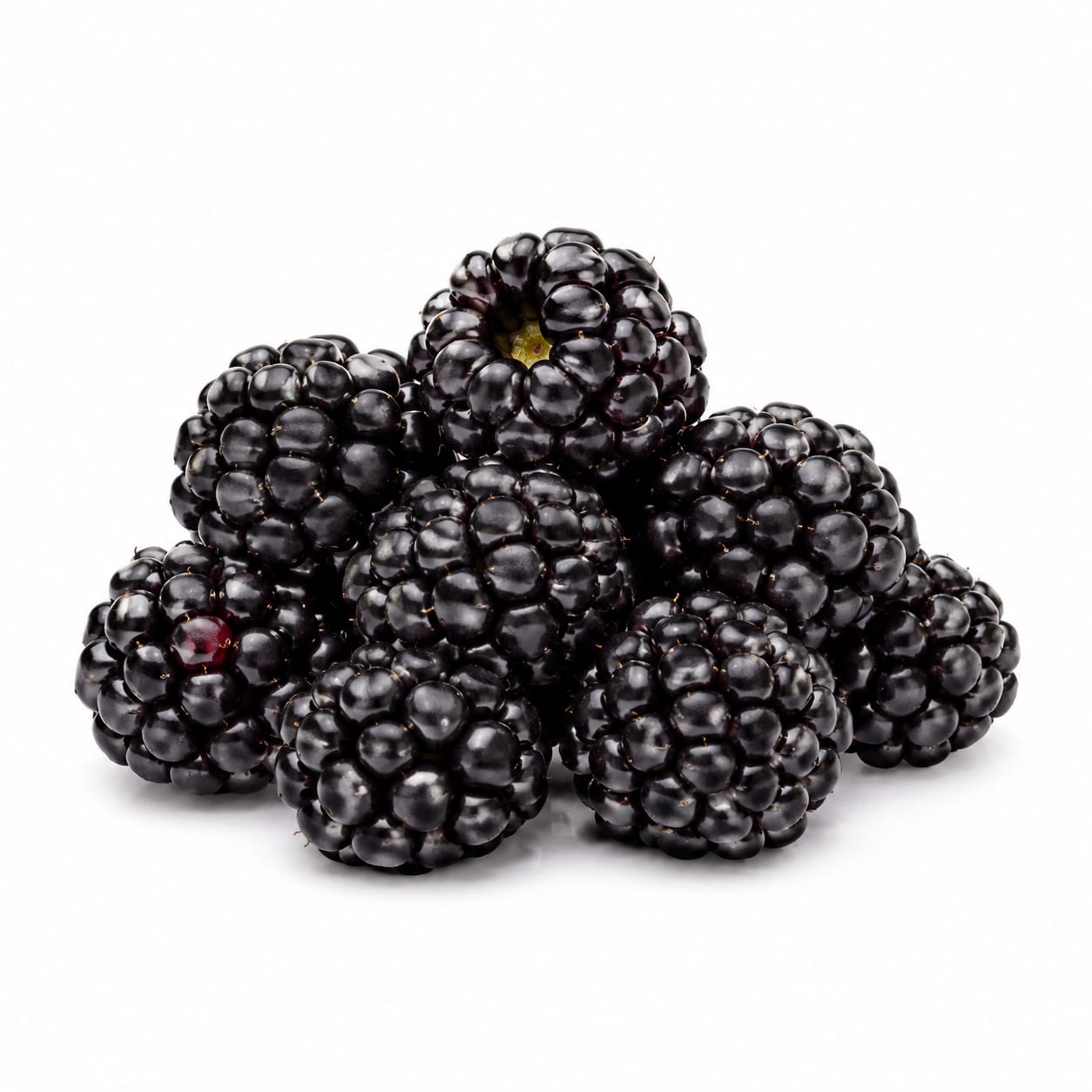
Blackberry
Blackberry wins on fiber, vitamins, and everyday practicality. Açai Berry wins on healthy fats and total antioxidant capacity. But how you actually eat them changes everything.
Blackberry scores higher mainly due to superior fiber, vitamin content, affordability, and realistic consumption patterns. Açai Berry scores well on antioxidants and healthy fats but loses ground on cost, availability, and the common trap of added sugar in açai bowls.
Açai delivers more healthy fats and a broader antioxidant profile, but it's pricier and almost always eaten with added sugar. Blackberries give you more fiber, vitamin C, and vitamin K at a fraction of the cost, with zero temptation to turn them into a dessert.
At a glance
Executive summary
Overall
It depends
Healthier
Blackberry
More practical
Blackberry
Daily use
Blackberry
Key comparison lenses
antioxidant superiority
Both berries are famous for antioxidants, so users want to know which actually delivers more
realistic consumption
Açai bowls are often sugar-laden restaurant items, while blackberries are typically eaten plain
cost and accessibility
Açai is expensive and often only available processed; blackberries are widely available fresh
daily sustainability
Users want to know which berry is realistic to eat every day without breaking the bank
weight management
Berries are go-to foods for weight loss; calorie and fiber differences matter here
Best choice for
Açai Berry
- People wanting omega-rich healthy fats from fruit
- Those seeking maximum antioxidant density per ounce
- Smoothie enthusiasts who control their own ingredients
- Anyone looking for a tropical flavor experience
Blackberry
- People prioritizing fiber for digestion and fullness
- Budget-conscious shoppers wanting maximum nutrition per dollar
- Those managing blood sugar who need low-sugar whole fruit
- Anyone who eats berries plain without added sweeteners
Least suitable for
Açai Berry
- People on tight grocery budgets
- Anyone prone to ordering açai bowls at cafes (hidden sugar trap)
- Those who need widely available fresh produce year-round
Blackberry
- People looking for healthy fats from fruit
- Those wanting a creamy, rich texture in smoothies
- Anyone seeking a novelty or indulgence experience
Deep comparison
Dimension by dimension
Each lens scores both foods and breaks down who each option suits.
- Dimension 1 · Priority 92Açai Berry
antioxidant_power
Açai Berry · 93Blackberry · 82Açai Berry has one of the highest ORAC scores of any fruit, driven by dense anthocyanins and unique compounds like procyanidins. Blackberries are also antioxidant powerhouses but don't match açai's total capacity.
Tradeoff
Açai's antioxidant edge shrinks dramatically if you're eating it in a sugar-loaded bowl. Blackberries deliver their antioxidants with no such risk.
Why it matters
Antioxidants protect cells from daily wear and tear. More is generally better, but the delivery method matters as much as the dose.
Real-world impact
If you blend your own unsweetened açai at home, you get the full benefit. If you order an açai bowl out, the sugar may offset much of the antioxidant advantage.
Açai Berry
- People blending their own unsweetened smoothies at home
- Those specifically targeting oxidative stress from intense training
Better for
- People ordering restaurant açai bowls with honey and granola
Worse for
Blackberry
- Anyone eating berries as-is without preparation
- People who want reliable antioxidant intake with zero effort
Better for
- Those seeking the absolute highest antioxidant concentration per gram
Worse for
- Dimension 2 · Priority 88Blackberry
fiber_and_satiety
Açai Berry · 62Blackberry · 91Blackberries are one of the highest-fiber berries available, delivering roughly 8g per cup. Açai Berry provides some fiber but significantly less, especially when consumed as juice or in bowls with toppings that displace the fruit.
Tradeoff
Blackberries keep you full longer with less food. Açai's lower fiber means you may feel hungry sooner unless paired with other filling ingredients.
Why it matters
Fiber is the single most underrated nutrient for weight management, blood sugar control, and gut health. A fiber gap of 3-4g per serving adds up fast over a week.
Real-world impact
A cup of blackberries as an afternoon snack will hold you over until dinner. A typical açai bowl might leave you reaching for something else within two hours.
Açai Berry
- Those adding açai to already fiber-rich smoothies with chia or flax
Better for
- People relying on açai bowls as a meal replacement
Worse for
Blackberry
- Anyone eating berries as a standalone snack for fullness
- People managing hunger between meals without extra calories
Better for
- Those who find high-fiber fruit uncomfortable to digest in large amounts
Worse for
- Dimension 3 · Priority 80Blackberry
vitamin_and_mineral_profile
Açai Berry · 64Blackberry · 85Blackberries deliver strong amounts of vitamin C, vitamin K, and manganese. Açai Berry contains some vitamin A and calcium but falls short on the vitamins most people actually need more of.
Tradeoff
Blackberries cover more nutritional bases in a single serving. Açai's unique contribution is more about healthy fats than vitamins.
Why it matters
Vitamin C supports immunity and iron absorption. Vitamin K is critical for bone and blood health. These are nutrients many people under-consume.
Real-world impact
Eating blackberries regularly helps plug common nutrient gaps. Açai is more of a specialty supplement than a daily multivitamin.
Açai Berry
- Those already getting plenty of vitamin C and K from other sources
Better for
- Those counting on açai as a primary vitamin source
Worse for
Blackberry
- Anyone wanting a single fruit that covers multiple vitamin needs
- People who don't take supplements and rely on food for micronutrients
Better for
- People specifically seeking vitamin A or calcium from fruit
Worse for
- Dimension 4 · Priority 75Açai Berry
healthy_fat_content
Açai Berry · 88Blackberry · 35Açai Berry is unusually high in healthy fats for a fruit, including omega-6 and omega-9 fatty acids. Blackberries contain negligible fat.
Tradeoff
Açai's fats support heart health and satiety but also add calories. Blackberries are virtually fat-free, which can be good or bad depending on your goals.
Why it matters
Healthy fats improve nutrient absorption and provide steady energy. But they also make açai more calorie-dense per serving than most berries.
Real-world impact
Açai in a smoothie with no other fat source can actually help you absorb fat-soluble vitamins. Blackberries need a fat companion like yogurt or nuts for the same effect.
Açai Berry
- People making smoothies who want built-in healthy fats
- Those following low-carb or keto-style eating patterns
Better for
- Those unaware that açai's fat content adds significant calories
Worse for
Blackberry
- Anyone strictly counting calories
- People who prefer adding their own fat sources separately
Better for
- People eating blackberries alone and missing out on fat-soluble vitamin absorption
Worse for
- Dimension 5 · Priority 85Blackberry
cost_and_accessibility
Açai Berry · 38Blackberry · 82Blackberries are available fresh or frozen in virtually any grocery store at reasonable prices. Açai Berry is almost always sold frozen in packets or as a supplement, at a significant premium.
Tradeoff
Açai costs 2-4x more per serving than blackberries. That premium buys you unique fats and antioxidants but may not be worth it for everyday eating.
Why it matters
The healthiest food is the one you can afford to eat consistently. Exotic superfoods that strain your budget often get abandoned.
Real-world impact
You can eat blackberries daily without thinking about cost. Açai is more of a special occasion purchase for most households.
Açai Berry
- Those with flexible budgets who prioritize variety and novelty
Better for
- Students and anyone on a tight food budget
- People in areas without access to specialty or health food stores
Worse for
Blackberry
- Families feeding multiple people
- Anyone building a sustainable daily fruit habit
- People who shop at regular grocery stores without specialty sections
Better for
- Those willing to pay more for a unique experience
Worse for
- Dimension 6 · Priority 82Blackberry
sugar_trap_risk
Açai Berry · 45Blackberry · 90Blackberries are almost always eaten plain, with minimal sugar risk. Açai Berry is most commonly consumed as açai bowls or smoothies loaded with honey, granola, and banana, often exceeding 40g of sugar per serving.
Tradeoff
Açai itself is low in sugar, but the way people actually eat it turns it into a dessert. Blackberries have no such cultural trap.
Why it matters
A healthy ingredient drowned in sugar stops being healthy. The preparation method often matters more than the base food.
Real-world impact
That açai bowl from the juice bar could have more sugar than a candy bar. A handful of blackberries will never surprise you that way.
Açai Berry
- People who make their own açai bowls at home with controlled ingredients
Better for
- Those who assume all açai bowls are automatically healthy
- People ordering açai at restaurants without checking nutrition info
Worse for
Blackberry
- Anyone who eats out frequently and orders without scrutinizing menus
- People trying to reduce hidden sugar intake
Better for
- Those who find plain berries too tart and add sugar anyway
Worse for
Timeline
Health impact over time
Short-term
Hours to days
Açai Berry
- Provides steady energy from healthy fats when eaten without added sugar
- Can feel heavy or overly filling in bowl form due to toppings
- May cause a sugar crash if consumed as a sweetened café bowl
Blackberry
- Quick, light energy boost with minimal blood sugar impact
- High fiber promotes immediate digestive regularity
- Tart flavor can feel refreshing and satisfying without cravings
Long-term
Months to years
Açai Berry
- Consistent unsweetened açai consumption supports cardiovascular health through omega fatty acids
- Regular açai bowl consumption with added sugar may contribute to insulin resistance over time
- Anthocyanin intake supports cognitive aging and reduced inflammation
Blackberry
- Daily blackberry intake supports gut microbiome diversity through consistent fiber
- Vitamin K contributes to long-term bone density maintenance
- Low sugar and high fiber pattern supports sustainable weight management
Risk profile
Safety & processing
Fresh blackberries are typically sold as-is with no processing. Açai Berry is almost always frozen, pasteurized, or freeze-dried because it degrades within 24 hours of harvest. Some açai products contain added sugars, fillers, or soy lecithin as emulsifiers. Always check ingredient lists on açai packets.
Açai Berry
added_sugars_and_fillers
mediumMany commercial açai packets and bowls contain hidden sugars, soy lecithin, or citric acid preservatives. Read labels carefully.
heavy_metal_exposure
lowSome açai supplements have shown trace heavy metal contamination from Amazonian soil. Reputable brands test for this.
Blackberry
pesticide_residue
mediumBlackberries are thin-skinned and rank on EWG's Dirty Dozen list. Organic is strongly recommended when possible.
mold_and_spoilage
lowBlackberries spoil quickly. Inspect for mold before eating and consume within 2-3 days of purchase.
Who wins for whom
Audience fit
Same foods, different winners depending on your goal.
children
BlackberryBlackberries are an easy, no-prep finger food kids can eat by the handful. Açai bowls are fun but often sugar-loaded restaurant items.
daily consumption
BlackberryAffordable, available, easy to eat plain, and nutritionally well-rounded. Blackberries are the everyday berry. Açai is better as a weekly addition.
diabetes
BlackberryBlackberries have a lower glycemic impact and more fiber to slow sugar absorption. Açai bowls often contain added sugars that spike blood glucose.
elderly
BlackberryBlackberries provide vitamin K for bone health and fiber for digestion, both critical for aging bodies, with no preparation complexity.
muscle gain
It dependsNeither berry is a significant protein source. Açai's healthy fats slightly edge out for calorie density in bulking, but both need protein companions.
weight loss
BlackberryBlackberries deliver more fiber and fewer calories per serving, keeping you full longer without the sugar trap risk of açai bowls.
Your move
Decision guide
Choose Açai Berry
- You blend your own smoothies at home and want built-in healthy fats
- You have the budget for a premium berry and want antioxidant variety
- You're following a lower-carb eating pattern and value fat content
- You can find pure unsweetened açai and control exactly what goes in it
Choose Blackberry
- You want the most nutrition per dollar spent
- You eat berries as a daily habit rather than an occasional treat
- You care about fiber, fullness, and blood sugar stability
- You want a berry you can grab and eat with zero prep
- You're feeding a family and need affordable fruit options
Either works if
- You're simply trying to eat more berries and both sound good
- You rotate fruits weekly for nutrient diversity
- You don't have specific health goals beyond general wellness
Avoid both if
- You have a salicylate sensitivity, as both berries are moderately high in salicylates
- You're on a very strict low-fiber diet for digestive recovery
Final recommendation
Make blackberries your daily berry. They're affordable, fiber-rich, and almost impossible to eat unhealthily. Add açai once or twice a week if you enjoy it and can find unsweetened packets. The biggest mistake people make is assuming açai bowls are automatically healthy. If you're ordering out, blackberries are the safer bet every time.
Practical
Consumer tips
- 1
If buying açai, look for frozen packets with one ingredient: açai. No sugar, no soy lecithin, no juice blends.
- 2
Buy organic blackberries when possible. Their thin skin absorbs pesticides more than thicker-skinned fruits.
- 3
Freeze blackberries yourself if you find them on sale. They freeze beautifully and work great in smoothies.
- 4
If making açai bowls at home, skip the honey and banana. Use blackberries as your topping instead for double the berry benefit.
- 5
Don't judge açai by café bowls. The real fruit is far less sweet than what you get at a juice bar.
- 6
A bag of frozen blackberries costs a fraction of açai packets and delivers more fiber per serving. Start there if you're on a budget.