
Nutrition comparison
Açai Berry vs Banana: Which Is Healthier for You?
Compare açai berry vs banana on antioxidants, sugar, cost, and convenience. Find out which fruit fits your health goals, budget, and lifestyle better.

Açai Berry
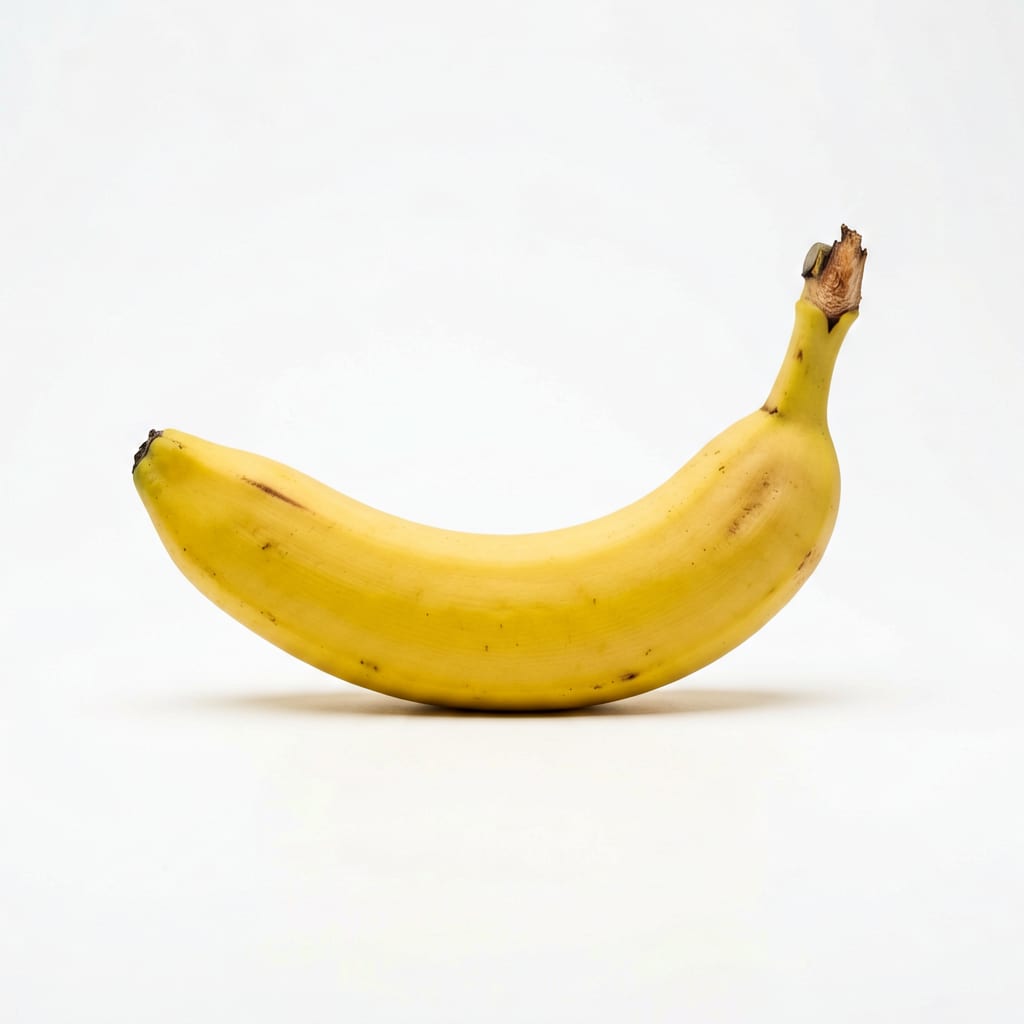
Banana
Açai Berry wins on antioxidants and healthy fats; Banana wins on convenience, cost, and quick energy. Your pick depends on what you need most.
Açai Berry edges ahead on nutrient density and antioxidant power, but Banana's unmatched convenience, affordability, and everyday usability keep it close. The gap is small because real-world açai consumption often involves added sugars in bowls and smoothies.
Antioxidant power and healthy fats versus affordable, portable, instant fuel.
At a glance
Executive summary
Overall
It depends
Healthier
Açai Berry
More practical
Banana
Daily use
Banana
Key comparison lenses
antioxidant density vs everyday energy
Açai is prized for its antioxidant profile while bananas are valued for quick accessible energy, making this the core tension
sugar and blood sugar management
Bananas are significantly higher in sugar and carbs, which matters for diabetes, weight loss, and energy stability
convenience and affordability
Bananas are one of the cheapest and most portable fruits worldwide; açai is expensive and typically requires frozen pulp or powder
real world how people actually eat them
Açai bowls are often loaded with sugary toppings, while bananas are eaten as-is, affecting the true nutritional comparison
fat content and satiety
Açai contains notable healthy fats rare in fruit, while bananas are virtually fat-free but higher in carbs
Best choice for
Açai Berry
- People prioritizing antioxidant intake and anti-inflammatory eating
- Those following low-sugar or keto-friendly fruit options
- Anyone wanting healthy fats from a fruit source
- Smoothie and bowl enthusiasts seeking nutrient density
Banana
- Athletes needing quick pre-workout or post-workout carbs
- Budget-conscious eaters wanting affordable daily fruit
- People needing portable, no-prep snacks
- Anyone seeking potassium for muscle cramps or recovery
Least suitable for
Açai Berry
- People on tight grocery budgets
- Those wanting grab-and-go convenience
- Anyone sensitive to açai bowl calorie bombs at smoothie shops
- People who dislike tart or earthy flavors
Banana
- People managing diabetes or insulin resistance
- Those on strict low-carb or keto diets
- Anyone trying to minimize sugar cravings
- People who find bananas cause bloating
Deep comparison
Dimension by dimension
Each lens scores both foods and breaks down who each option suits.
- Dimension 1 · Priority 95Açai Berry
Antioxidant Power
Açai Berry · 96Banana · 38Açai Berry is one of the most antioxidant-rich fruits on the planet, far outpacing bananas in anthocyanins and overall ORAC score.
Tradeoff
You pay significantly more for that antioxidant density, and the benefits are long-term rather than something you feel immediately.
Why it matters
Antioxidants help reduce oxidative stress and inflammation over time, which affects aging, recovery, and chronic disease risk.
Real-world impact
Regular açai consumption may support better recovery and long-term cellular health, but you will not feel a difference after one serving.
Açai Berry
- Reducing oxidative stress from intense training
- Supporting anti-inflammatory eating patterns
- Long-term cellular health and aging
Better for
- Cost per serving is much higher for this benefit
Worse for
Banana
- Nothing specific — bananas are not a significant antioxidant source
Better for
- Relies on vitamin C and small amounts of dopamine for antioxidant content, which is modest
Worse for
- Dimension 2 · Priority 90Açai Berry
Blood Sugar and Energy Stability
Açai Berry · 78Banana · 52Açai Berry is low in sugar and high in fat, giving steadier energy. Bananas spike blood sugar faster, especially when ripe.
Tradeoff
Bananas give you quick energy when you need it, but that same speed can cause a crash if you are sitting at a desk.
Why it matters
Blood sugar swings drive cravings, fatigue, and overeating. The wrong choice at the wrong time can derail your whole afternoon.
Real-world impact
A banana at 3 PM might leave you hungry again by 4 PM. Açai with its fat content keeps you fuller longer.
Açai Berry
- Steady energy without the crash
- Lower glycemic impact for diabetes management
- Less likely to trigger sugar cravings
Better for
- Not useful when you need rapid carbohydrate replenishment
Worse for
Banana
- Fast fuel before or during exercise
- Quick recovery carbs after intense training
- Instant energy when you are genuinely depleted
Better for
- Can spike blood sugar, especially ripe bananas
- May increase hunger shortly after eating if consumed alone
Worse for
- Dimension 3 · Priority 85Banana
Convenience and Practicality
Açai Berry · 32Banana · 95Bananas are nature's perfect portable snack. Açai requires frozen pulp, powder, or a trip to a smoothie shop.
Tradeoff
The most nutritious option is not always the most usable one. A banana you actually eat beats açai you never get around to preparing.
Why it matters
Consistency beats perfection. The food you can easily eat daily will always outperform the one that requires effort and planning.
Real-world impact
You can toss a banana in your bag on the way out the door. Açai needs a blender, a bowl, or a twelve-dollar café order.
Açai Berry
- Nothing — açai is inherently less convenient
Better for
- Requires frozen storage or powder preparation
- Almost never eaten as a simple whole food
- Hard to find fresh outside of Brazil
Worse for
Banana
- Grab and go with zero prep
- No refrigeration needed for short periods
- Available at nearly every grocery store and coffee shop
- Natural packaging with no waste
Better for
- Bruises easily in bags
- Limited shelf life once ripe
Worse for
- Dimension 4 · Priority 80Banana
Cost and Accessibility
Açai Berry · 25Banana · 94Bananas are among the cheapest fruits worldwide. Açai is a premium product with a luxury price tag.
Tradeoff
Açai's superfood status comes with superfood pricing. Bananas deliver solid nutrition at a fraction of the cost.
Why it matters
If you cannot afford to eat a food regularly, its nutritional profile is mostly theoretical. Daily access matters more than occasional perfection.
Real-world impact
A week of bananas costs roughly two dollars. A week of açai bowls at a smoothie shop can exceed forty dollars.
Açai Berry
- Nothing — açai is significantly more expensive
Better for
- Premium pricing limits daily use for most people
- Often only available as frozen pulp or powder
- Restaurant açai bowls are expensive and often sugar-loaded
Worse for
Banana
- One of the most affordable fruits globally
- Available year-round everywhere
- Easy to buy in bulk without waste
Better for
- Nothing significant — bananas are exceptionally cost-effective
Worse for
- Dimension 5 · Priority 75Açai Berry
Healthy Fat Content
Açai Berry · 88Banana · 8Açai Berry is unusually high in healthy fats for a fruit, including omega-6 and omega-9 fatty acids. Bananas are virtually fat-free.
Tradeoff
Açai's fats support satiety and nutrient absorption, but they also add calories. Bananas keep it lighter if you are counting.
Why it matters
Healthy fats slow digestion, stabilize blood sugar, and help you absorb fat-soluble vitamins from other foods.
Real-world impact
Açai in a smoothie bowl keeps you full for hours. A banana alone might leave you reaching for more food within an hour.
Açai Berry
- More satiating when eaten as a meal component
- Supports absorption of fat-soluble vitamins
- Adds creaminess and richness without dairy
Better for
- Higher calorie per serving due to fat content
- Fat content adds up quickly in large açai bowls
Worse for
Banana
- Lower calorie density per serving
- Easier to fit into strict calorie budgets
Better for
- Almost no fat means less satiety when eaten alone
- Needs pairing with a fat or protein source to stay filling
Worse for
- Dimension 6 · Priority 70Banana
Potassium and Electrolyte Support
Açai Berry · 40Banana · 90Bananas are a potassium powerhouse, supporting muscle function and cramp prevention. Açai provides modest potassium by comparison.
Tradeoff
If cramps or muscle recovery are your concern, bananas deliver more practical electrolyte support per dollar.
Why it matters
Potassium regulates fluid balance, nerve signals, and muscle contractions. Most people do not get enough.
Real-world impact
A banana after a sweaty workout can help prevent that middle-of-the-night calf cramp. Açai cannot match that effect.
Açai Berry
- Nothing significant for this dimension
Better for
- Lower potassium per serving than bananas
Worse for
Banana
- Excellent for preventing muscle cramps
- Supports healthy blood pressure
- Great post-sweat electrolyte replenishment
Better for
- Nothing significant — bananas excel here
Worse for
Timeline
Health impact over time
Short-term
Hours to days
Açai Berry
- Provides steady energy without a sugar spike
- Healthy fats promote satiety and reduce snacking
- Tart flavor can feel refreshing and light
Banana
- Delivers quick energy within minutes of eating
- Potassium helps with immediate muscle function
- Ripe bananas can cause a blood sugar rise followed by a dip
Long-term
Months to years
Açai Berry
- High antioxidant intake may reduce chronic inflammation
- Healthy fats support cardiovascular health over time
- Consistent low-sugar fruit choice supports better metabolic markers
Banana
- Regular potassium intake supports heart and muscle health
- Daily banana consumption is linked to lower stroke risk in some studies
- High sugar content from multiple daily bananas may affect metabolic health if overconsumed
Risk profile
Safety & processing
Fresh bananas are eaten exactly as grown. Açai Berry is almost never consumed fresh outside Brazil — it is typically frozen, powdered, or blended into bowls with added ingredients. This processing gap matters because commercial açai products often contain added sugars, fillers, and syrups that diminish the raw nutritional advantage.
Açai Berry
Added sugars in commercial açai products
mediumMany smoothie shop açai bowls contain 30-50 grams of added sugar from syrups, granola, and honey, which undermines the health benefits.
Oxidation during transport
lowAçai degrades quickly after harvest, so frozen or powdered forms may have reduced antioxidant potency compared to fresh.
Filler ingredients in powders
mediumSome açai powders are cut with maltodextrin or other fillers, reducing the actual açai content per serving.
Banana
Pesticide residue
lowConventional bananas rank moderate for pesticide residue, but the thick peel provides significant protection for the edible portion.
Latex-fruit syndrome
lowPeople with latex allergies may react to bananas due to cross-reactive proteins. This is uncommon but worth knowing.
Sugar overconsumption
lowEating multiple ripe bananas daily can contribute excessive sugar, but this requires intentional overconsumption.
Who wins for whom
Audience fit
Same foods, different winners depending on your goal.
children
BananaBananas are sweet, soft, easy to digest, and universally loved by kids. Açai's tart flavor and preparation requirements make it less kid-friendly.
daily consumption
BananaBananas are affordable, portable, and require zero prep, making them far easier to eat consistently every single day.
diabetes
Açai BerryAçai Berry's minimal sugar and high fat content create a much gentler blood sugar response than bananas, especially ripe ones.
elderly
BananaBananas are easy to chew, gentle on the stomach, and provide potassium that supports blood pressure and muscle function in aging bodies.
muscle gain
BananaBananas provide fast-digesting carbs that replenish glycogen after training, and their potassium supports muscle contraction and recovery.
weight loss
Açai BerryAçai Berry's healthy fats and low sugar content support steadier blood sugar and fewer cravings, making it easier to stay in a calorie deficit without feeling deprived.
Your move
Decision guide
Choose Açai Berry
- You want maximum antioxidant intake and anti-inflammatory benefits
- You are managing blood sugar or following a lower-carb eating style
- You enjoy making smoothie bowls and have the budget for premium ingredients
- You need a fruit that provides healthy fats and sustained energy
Choose Banana
- You need affordable, daily fruit that requires zero effort
- You are an athlete or active person who needs quick carb fuel
- You want potassium for cramp prevention or blood pressure support
- You need a portable snack for work, travel, or the gym
Either works if
- You simply want more fruit variety in your diet
- You are generally healthy and do not have specific blood sugar concerns
- You enjoy both and can rotate them based on the day's needs
Avoid both if
- You have a strict fructose intolerance that limits all fruit
- You are on a very low-carb ketogenic diet and cannot accommodate either's carb content
Final recommendation
Eat bananas for everyday fuel and convenience. Add açai when you want an antioxidant boost and have the time and budget to prepare it properly. The best approach is rotating both — bananas for quick energy and potassium, açai for its unique fat and antioxidant profile. Just watch out for sugar-loaded açai bowls that turn a superfood into a dessert.
Practical
Consumer tips
- 1
Buy unsweetened frozen açai pulp instead of pre-made bowls to control sugar content
- 2
Choose green-tipped bananas for slower sugar release or fully ripe for quick energy
- 3
Pair bananas with a protein or fat source like nut butter to reduce the blood sugar spike
- 4
Read açai powder labels carefully — many contain fillers and added sugars that dilute the benefits
- 5
Freeze overripe bananas for smoothies instead of throwing them away — they blend like ice cream
- 6
If budget is a concern, bananas give you more consistent daily nutrition per dollar than açai