
Nutrition comparison
Açai Berry vs Goji Berry: Which Superfood Is Actually Better for You?
Compare açai berry and goji berry on sugar, antioxidants, protein, and convenience. Learn which fits your health goals and when each berry wins.

Açai Berry
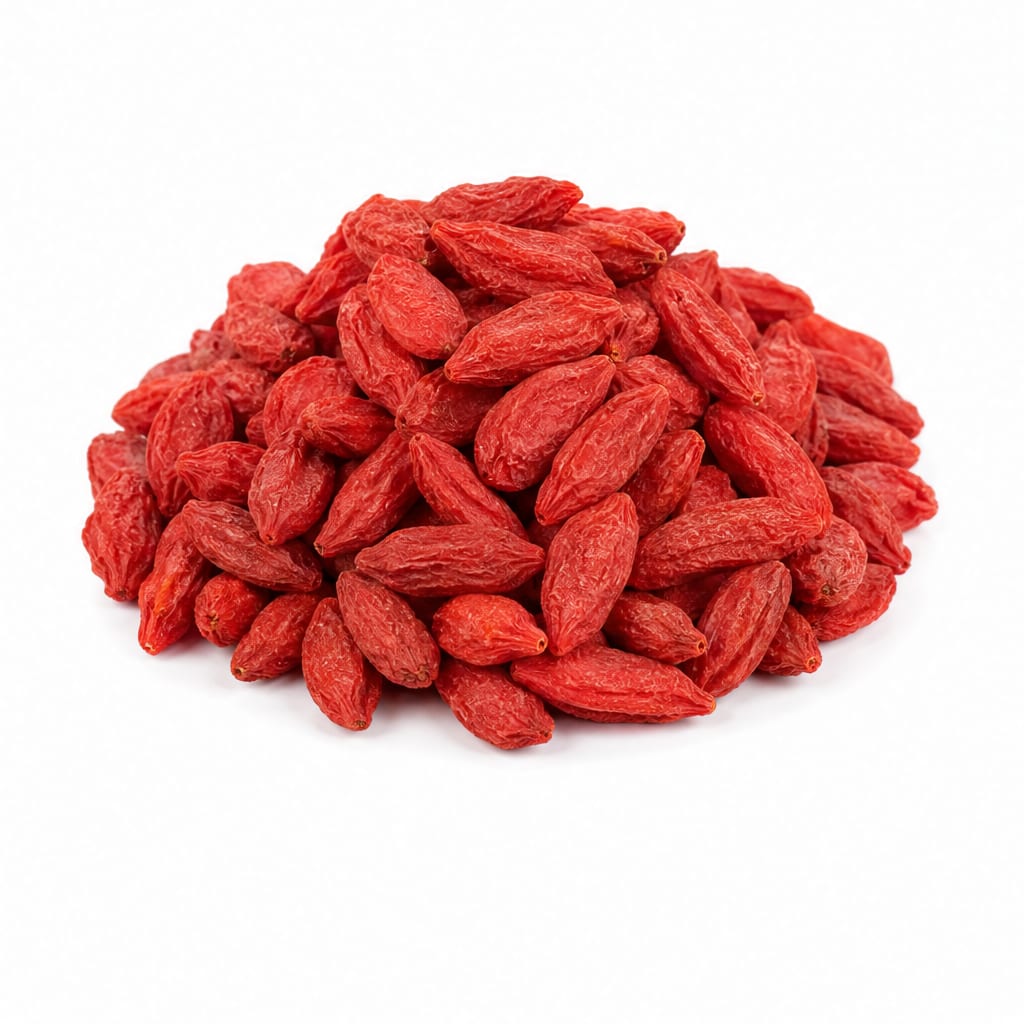
Goji Berry
Açai wins for lower sugar and healthy fats; Goji wins for protein, vitamin A, and convenience. Your goals decide the winner.
Nearly identical overall, but Açai edges ahead slightly for its superior fat profile and lower sugar. Goji stays competitive with better convenience and vitamin density. The close scores reflect that neither is clearly dominant — context determines the winner.
Açai offers steadier energy with less sugar but is harder to find fresh and often comes blended with additives. Goji is portable and nutrient-dense but packs more sugar per serving in its dried form.
At a glance
Executive summary
Overall
It depends
Healthier
It depends
More practical
Goji Berry
Daily use
Goji Berry
Key comparison lenses
antioxidant superiority
Both berries are marketed as superfoods primarily for their antioxidant content, so users want to know which delivers more
sugar and blood impact
Goji berries are dried and significantly sweeter, raising concerns about blood sugar and overconsumption
weight management
Calorie density differs substantially between these two, especially in their common forms
practical everyday use
Neither berry is typically eaten fresh in most countries, so preparation and form matter greatly
vitamin and mineral density
Each berry shines in different micronutrients, making this a key differentiator
Best choice for
Açai Berry
- People managing blood sugar or reducing sugar intake
- Smoothie and bowl enthusiasts wanting healthy fats
- Those seeking anti-inflammatory omega fatty acids
- Anyone avoiding dried fruit sugar spikes
Goji Berry
- People wanting a portable, shelf-stable snack
- Anyone needing more vitamin A for eye health
- Those looking for plant-based protein in a berry
- People who want easy portion control by the handful
Least suitable for
Açai Berry
- People relying on convenient grab-and-go snacks
- Anyone on a tight grocery budget (açai is expensive)
- Those who dislike frozen or blended textures
Goji Berry
- People strictly limiting sugar or carbs
- Anyone on blood thinners (goji can interact)
- Those prone to overeating dried fruit
Deep comparison
Dimension by dimension
Each lens scores both foods and breaks down who each option suits.
- Dimension 1 · Priority 95Açai Berry
Antioxidant Power
Açai Berry · 88Goji Berry · 80Açai delivers more anthocyanins per gram, giving it a stronger antioxidant punch, especially against oxidative stress.
Tradeoff
Goji still offers solid antioxidants like zeaxanthin, which specifically targets eye health — something açai does not emphasize.
Why it matters
Antioxidants are the main reason people seek out these berries. Açai's deeper purple pigments signal more anthocyanin concentration.
Real-world impact
If you eat berries mainly for cellular protection and recovery, açai gives you more per bite. But goji's eye-specific antioxidants are hard to find elsewhere.
Açai Berry
- Post-workout recovery
- General anti-aging routines
- Reducing exercise-induced inflammation
Better for
- Targeted vision protection
Worse for
Goji Berry
- Long-term eye health
- Screen-heavy lifestyles
- Age-related vision support
Better for
- Maximum broad-spectrum antioxidant intake
Worse for
- Dimension 2 · Priority 88Açai Berry
Sugar and Blood Sugar Impact
Açai Berry · 85Goji Berry · 58Açai is naturally low in sugar. Dried goji berries concentrate sugar significantly, making them a potential blood sugar concern.
Tradeoff
Goji's sweetness makes it more palatable as a standalone snack, but that same sweetness makes portion control harder.
Why it matters
Dried fruit sugar adds up fast. A handful of goji can deliver as much sugar as a small candy bar.
Real-world impact
If you snack on goji berries mindlessly while working, you may consume far more sugar than intended. Açai bowls, while often sweetened, start from a lower-sugar base.
Açai Berry
- Diabetics and pre-diabetics
- Low-carb and keto dieters
- Anyone avoiding sugar crashes
Better for
- Those wanting a sweet-tasting snack without additions
Worse for
Goji Berry
- Endurance athletes needing quick carbs
- People who find tart foods unappealing
Better for
- Blood sugar management
- Weight loss when portions are uncontrolled
Worse for
- Dimension 3 · Priority 82Açai Berry
Healthy Fat Content
Açai Berry · 92Goji Berry · 30Açai is unusually high in omega-3, 6, and 9 fatty acids for a fruit. Goji berries contain minimal fat.
Tradeoff
Açai's fat content makes it more satiating and anti-inflammatory, but also more calorie-dense per gram than most berries.
Why it matters
Most berries have negligible fat. Açai stands out as a fruit source of omega fatty acids, supporting heart and brain health.
Real-world impact
An açai bowl keeps you full longer than a goji snack. But the calories add up if you add granola, honey, and nut butter on top.
Açai Berry
- Heart health focused diets
- Anti-inflammatory eating patterns
- Satiety between meals
Better for
- Very low-calorie diets
Worse for
Goji Berry
- Low-fat diet followers
- Those counting calories strictly per gram
Better for
- Getting enough healthy fats from fruit sources
Worse for
- Dimension 4 · Priority 80Goji Berry
Vitamin and Mineral Density
Açai Berry · 62Goji Berry · 84Goji berries deliver significantly more vitamin A, vitamin C, iron, and zinc. Açai has some calcium and vitamin A but is less micronutrient-dense overall.
Tradeoff
Goji's vitamin A content is exceptional but comes in a dried, concentrated form that makes overconsumption easier.
Why it matters
If you rely on superfoods to fill micronutrient gaps, goji covers more bases per serving.
Real-world impact
A small handful of goji berries can cover over 100% of daily vitamin A needs. Açai cannot match that micronutrient breadth.
Açai Berry
- Those already getting enough vitamin A from other sources
Better for
- Bridging micronutrient gaps efficiently
Worse for
Goji Berry
- Anyone with vitamin A deficiency risk
- Vegetarians needing plant-based iron
- People wanting immune-supporting vitamin C
Better for
- Those at risk of excess vitamin A intake from supplements
Worse for
- Dimension 5 · Priority 72Goji Berry
Protein Content
Açai Berry · 35Goji Berry · 70Goji berries contain roughly 4 times more protein than açai, making them one of the higher-protein berry options available.
Tradeoff
Neither berry is a serious protein source compared to legumes or animal foods, but goji contributes meaningfully in a snack context.
Why it matters
For plant-based eaters, every gram of protein counts. Goji adds a small but real protein contribution.
Real-world impact
Sprinkling goji on oatmeal adds a couple grams of protein alongside the carbs. Açai adds almost none.
Açai Berry
- Not applicable — açai is not a protein source
Better for
- Anyone relying on snacks for protein contribution
Worse for
Goji Berry
- Plant-based eaters seeking protein from varied sources
- Trail mix and snack combinations
Better for
- Not a concern — goji is relatively strong here
Worse for
- Dimension 6 · Priority 78Goji Berry
Convenience and Availability
Açai Berry · 45Goji Berry · 85Dried goji berries are shelf-stable, portable, and ready to eat. Açai is almost always frozen, puréed, or powdered, requiring preparation.
Tradeoff
Açai's frozen form preserves nutrients better, but goji's grab-and-go nature means you will actually eat it more often.
Why it matters
The healthiest food is the one you consistently consume. Convenience drives consistency.
Real-world impact
Tossing goji berries into yogurt takes 5 seconds. Making an açai bowl requires a blender, frozen packs, and toppings.
Açai Berry
- People who enjoy meal prep and blending routines
Better for
- Anyone short on morning prep time
- People without blender access
Worse for
Goji Berry
- Busy professionals needing quick nutrition
- Travel and on-the-go snacking
- Office desk snacks
Better for
- Not a concern — goji is highly convenient
Worse for
- Dimension 7 · Priority 76It depends
Additive and Processing Concerns
Açai Berry · 55Goji Berry · 65Both are processed in their common forms, but açai products frequently contain added sugars, fillers, and soy lecithin. Quality dried goji is closer to whole fruit.
Tradeoff
Açai's supply chain is longer and more complex, increasing the chance of adulteration. Goji is simpler but may contain sulfur dioxide as a preservative.
Why it matters
Many açai bowls at cafes use sweetened purée packs with minimal actual açai content. Reading labels is essential.
Real-world impact
That açai bowl from the mall may contain more apple juice and sugar than actual açai. Dried goji at least looks like what it is.
Açai Berry
- People who source pure frozen açai with no additives
Better for
- Anyone not reading ingredient labels carefully
Worse for
Goji Berry
- Those wanting minimal ingredient lists
- People who distrust blended and puréed products
Better for
- People sensitive to sulfites in preserved dried fruit
Worse for
Timeline
Health impact over time
Short-term
Hours to days
Açai Berry
- Provides sustained energy from healthy fats without a sugar spike
- Can feel heavy if consumed in large bowls with calorie-dense toppings
- Anti-inflammatory fats may reduce post-exercise soreness
Goji Berry
- Quick energy from natural sugars, useful before activity
- Easy to overeat due to sweet taste and small dried size
- Mild satiety from fiber and protein but less than fat-rich açai
Long-term
Months to years
Açai Berry
- Omega fatty acids support cardiovascular health over time
- Consistent antioxidant intake may reduce chronic disease risk
- Risk of excess calorie intake if bowls are loaded with toppings
Goji Berry
- High vitamin A intake supports long-term vision health
- Iron and zinc contribute to immune resilience
- Regular dried fruit consumption without portion control may contribute to elevated blood sugar over time
Risk profile
Safety & processing
Dried goji berries are simply dehydrated fruit, sometimes with minimal sulfur dioxide for preservation. Açai is highly perishable and almost always sold as frozen purée or powder, frequently with added sugars, fillers, or emulsifiers. If naturalness matters to you, goji is the cleaner option in its common form.
Açai Berry
Additive exposure from commercial purée packs
mediumMany açai products contain soy lecithin, citric acid, and added sugars. Always check ingredient lists for unwanted fillers.
Heavy metal contamination
lowAçai grows in Amazonian soil which can contain trace heavy metals. Reputable brands test for this, but cheap products may not.
Goji Berry
Sulfite sensitivity from sulfur dioxide preservative
mediumSome dried goji berries are treated with sulfur dioxide. People with sulfite sensitivity should seek unsulfured varieties.
Drug interaction with blood thinners
highGoji berries can interact with warfarin and other anticoagulants, potentially increasing bleeding risk. Consult a doctor if on blood thinners.
Pesticide residue on conventionally grown goji
mediumGoji berries from certain regions may carry higher pesticide loads. Organic certification reduces this concern significantly.
Who wins for whom
Audience fit
Same foods, different winners depending on your goal.
children
Goji BerryKids enjoy the sweet taste and chewy texture of dried goji as a snack. Açai's frozen purée format is less kid-friendly without preparation and sweetening.
daily consumption
Goji BerryShelf-stable, portable, and easy to add to meals without preparation. Consistency beats perfection, and goji's convenience makes daily use more realistic.
diabetes
Açai BerrySignificantly lower sugar content and a gentler blood sugar impact. Dried goji's concentrated sugars pose a real concern for glucose management.
elderly
Goji BerryGoji's exceptional vitamin A and zinc content supports aging eyes and immune function. The dried form is easy to chew and add to meals. However, elderly on blood thinners should avoid goji.
muscle gain
Goji BerryGoji provides more protein per serving and quick carbs that can support training. Neither is a primary muscle-building food, but goji contributes more relevant macros.
weight loss
Açai BerryLower sugar and higher fat content provide more satiety with less risk of overconsumption. Dried goji's concentrated calories and sweetness make portion control difficult.
Your move
Decision guide
Choose Açai Berry
- You want low-sugar antioxidants with anti-inflammatory fats
- You make smoothies or bowls regularly and enjoy prep
- Blood sugar management is a priority
- You value omega fatty acids from fruit sources
Choose Goji Berry
- You need a convenient, portable superfood snack
- Eye health and vitamin A intake matter to you
- You want plant-based protein and iron from a berry
- You prefer eating something straight from the bag
Either works if
- You rotate superfoods for variety rather than relying on one
- You want antioxidant diversity from different pigment compounds
- Budget allows both as occasional additions to meals
Avoid both if
- You expect either berry to dramatically transform your health alone
- You are on blood thinners and have not consulted a doctor about goji
- Your diet already includes plenty of colorful fruits and these would be redundant expenses
Final recommendation
Keep both in rotation if budget allows. Use açai for blended meals where its fats and low sugar shine. Use goji for quick snacking and vitamin A support. If you must pick one, choose açai for metabolic health and goji for convenience and micronutrient density. Neither is a magic food — but both are genuinely useful additions to an already solid diet.
Practical
Consumer tips
- 1
For açai, buy frozen purée packs with only one ingredient: açai. Skip products with apple juice filler or added sugar.
- 2
For goji, look for organic and unsulfured varieties to avoid pesticide residue and sulfite exposure.
- 3
If you take warfarin or other blood thinners, talk to your doctor before eating goji berries regularly.
- 4
A handful of goji is roughly 100 calories — measure portions instead of eating straight from the bag.
- 5
Açai bowls can exceed 600 calories quickly with granola, honey, and nut butter. Build them mindfully.
- 6
Store dried goji in a cool, dark place to preserve vitamin content. Refrigerate after opening for best quality.
- 7
Freeze-dried açai powder is the most concentrated form but check that it contains no fillers or maltodextrin.
- 8
Neither berry justifies its premium price if your diet lacks basics like leafy greens, whole grains, and adequate protein.