
Nutrition comparison
Açai Berry vs Pomegranate: Which Superfruit Is Actually Better for You?
Compare açai berry and pomegranate on antioxidants, sugar, healthy fats, and practicality. Find out which superfruit fits your health goals and daily routine better.

Açai Berry
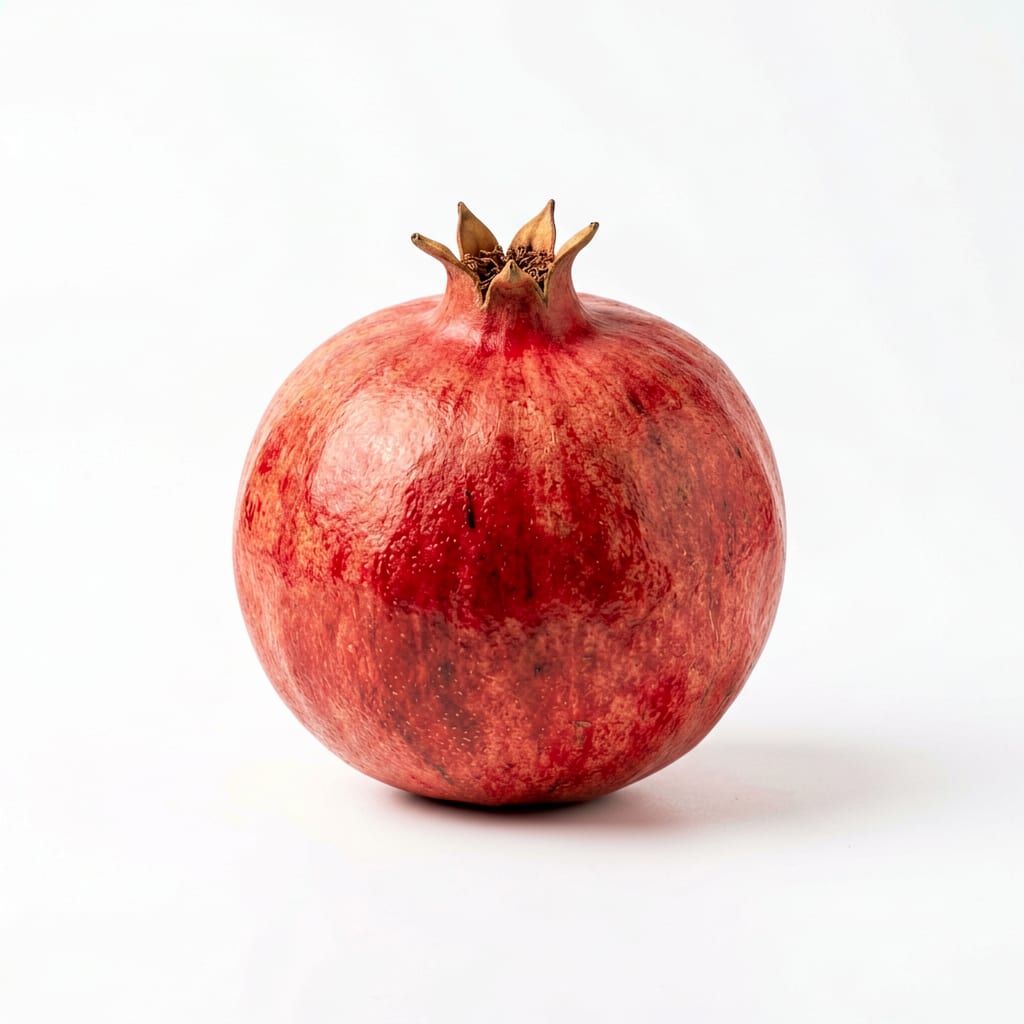
Pomegranate
Pomegranate wins on freshness, vitamin C, and everyday practicality. Açai wins on healthy fats, lower sugar, and unique anthocyanin density. Your pick depends on what you value more: convenience or fat content.
Pomegranate edges ahead mainly on freshness, vitamin diversity, and real-world eatability. Açai is nutritionally impressive but nearly always consumed processed, which reduces its practical edge. The gap is modest because both are genuinely nutrient-dense.
Pomegranate gives you a fresh, vitamin-rich fruit you can actually eat raw — but with more sugar. Açai delivers healthy fats and deeper antioxidant pigments, but you'll almost always get it processed.
At a glance
Executive summary
Overall
It depends
Healthier
It depends
More practical
Pomegranate
Daily use
Pomegranate
Key comparison lenses
antioxidant superiority
Both are famous for antioxidants — users want to know which actually delivers more
sugar and calorie tradeoff
Pomegranate is notably sweeter and higher in sugar, which matters for daily use
processing and authenticity
Açai is almost never consumed fresh outside Brazil — processing concerns are critical
heart health and inflammation
Both are marketed for cardiovascular benefits but through different mechanisms
practical everyday use
Availability, cost, and ease of consumption differ significantly between these two
Best choice for
Açai Berry
- People wanting low-sugar antioxidant boost
- Those seeking plant-based omega fats
- Smoothie bowl enthusiasts prioritizing healthy fats
- Anyone avoiding high-sugar fruits
Pomegranate
- People wanting fresh whole fruit with real crunch
- Those prioritizing vitamin C and K intake
- Anyone who values eating food in its natural state
- Households wanting an affordable, accessible superfruit
Least suitable for
Açai Berry
- People sensitive to processed or frozen foods
- Budget-conscious shoppers (açai is expensive)
- Anyone expecting fresh fruit experience
- Those wary of overhyped superfood marketing
Pomegranate
- People strictly limiting sugar intake
- Anyone with seed sensitivity or dental concerns
- Those who find pomegranate prep too tedious
- Very low-carb dieters
Deep comparison
Dimension by dimension
Each lens scores both foods and breaks down who each option suits.
- Dimension 1 · Priority 95Açai Berry
antioxidant_power
Açai Berry · 92Pomegranate · 86Açai has one of the highest ORAC scores of any fruit, driven by extremely dense anthocyanin content. Pomegranate is strong too, especially with punicalagins, but açai's pigment concentration is exceptional.
Tradeoff
Açai's antioxidant edge comes with a caveat: most açai products are processed, which degrades some antioxidants. Pomegranate's antioxidants are consumed fresh and intact.
Why it matters
More antioxidants mean better cellular protection, but only if they survive processing and reach your body.
Real-world impact
If you eat fresh pomegranate arils, you may actually absorb more usable antioxidants than from a frozen açai packet that lost potency in transit.
Açai Berry
- Maximum raw antioxidant density per gram
- Deep purple anthocyanin concentration
Better for
- Processing likely reduces antioxidant potency before you eat it
Worse for
Pomegranate
- Antioxidants consumed in fresh, unprocessed form
- Punicalagins — unique compounds linked to heart health
Better for
- Lower total antioxidant concentration per serving compared to açai
Worse for
- Dimension 2 · Priority 88Açai Berry
sugar_and_metabolic_impact
Açai Berry · 84Pomegranate · 62Açai is remarkably low in sugar for how sweet it tastes. Pomegranate contains roughly 24g of sugar per fruit — not terrible, but significant for daily consumption.
Tradeoff
Açai's low sugar makes it metabolically gentler, but many açai bowls are loaded with added sweeteners and granola that erase this advantage entirely.
Why it matters
For blood sugar stability, the fruit itself matters less than how you actually eat it.
Real-world impact
A plain açai smoothie won't spike your blood sugar. A pomegranate will give you a moderate sugar hit — noticeable but manageable for most people.
Açai Berry
- Low glycemic impact in pure form
- Suitable for low-sugar diets when unadulterated
Better for
- Açai bowls in cafes often contain 40-60g of added sugar
Worse for
Pomegranate
- Natural sugars come packaged with fiber, slowing absorption
Better for
- Higher total sugar load per serving
Worse for
- Dimension 3 · Priority 82Açai Berry
healthy_fat_content
Açai Berry · 90Pomegranate · 25Açai is unusually high in healthy fats for a fruit — primarily oleic acid (omega-9) and linoleic acid (omega-6). Pomegranate is essentially fat-free.
Tradeoff
Açai's fats support satiety and nutrient absorption, but they also add calories. Pomegranate is lighter and leaner if you're counting calories.
Why it matters
Healthy fats from whole foods help you stay full longer and absorb fat-soluble vitamins better.
Real-world impact
An açai smoothie will keep you satisfied for hours. Pomegranate arils alone are a lighter snack that may leave you hungry sooner.
Açai Berry
- Significant omega-9 and omega-6 fatty acids
- More satiating due to fat content
- Supports absorption of fat-soluble nutrients
Better for
- Higher calorie count per serving due to fat content
Worse for
Pomegranate
- Lower calorie density per serving
- Easier to eat as a light snack without feeling heavy
Better for
- Virtually no dietary fat — less satiating on its own
Worse for
- Dimension 4 · Priority 80Pomegranate
vitamin_and_mineral_diversity
Açai Berry · 65Pomegranate · 85Pomegranate delivers meaningful amounts of vitamin C, vitamin K, folate, and potassium. Açai has some vitamins but is not a standout source for any particular one.
Tradeoff
Pomegranate is a more well-rounded nutrient source. Açai's strength is antioxidants and fats, not vitamin content.
Why it matters
Vitamin diversity supports immune function, blood health, and energy production across multiple systems.
Real-world impact
Eating pomegranate regularly contributes meaningfully to your daily vitamin C and K needs. Açai contributes more niche benefits rather than broad-spectrum nutrition.
Açai Berry
- Contains some iron and calcium
- Vitamin A content from beta-carotene
Better for
- Not a significant source of any single vitamin
Worse for
Pomegranate
- Strong vitamin C — about 30% of daily needs per fruit
- Excellent vitamin K for bone and blood health
- Good folate source
Better for
- No meaningful fat-soluble vitamin absorption without dietary fat
Worse for
- Dimension 5 · Priority 85Pomegranate
freshness_and_processing
Açai Berry · 40Pomegranate · 90Pomegranate is widely available fresh and eaten as-is. Açai degrades within 24 hours of harvesting, so it's almost always frozen, powdered, or freeze-dried before reaching consumers.
Tradeoff
You can trust what you're eating with pomegranate. With açai, you're relying on processing quality and supply chain integrity.
Why it matters
Processing can degrade nutrients, introduce additives, and reduce the health benefits you think you're getting.
Real-world impact
Cracking open a pomegranate gives you the real thing. That frozen açai packet may have lost significant nutritional value before it reached your freezer.
Açai Berry
- Freeze-dried powders can retain decent nutrient density
Better for
- Almost never available fresh outside tropical regions
- Frozen products may contain added sugars or fillers
- Quality varies wildly between brands
Worse for
Pomegranate
- Eaten fresh with minimal processing
- No hidden additives or sweeteners
- Transparent — what you see is what you get
Better for
- Seasonal availability in some regions
Worse for
- Dimension 6 · Priority 78Pomegranate
practicality_and_cost
Açai Berry · 45Pomegranate · 72Pomegranate is available in most grocery stores, reasonably priced, and requires no special storage. Açai is expensive, usually frozen or powdered, and harder to find in quality form.
Tradeoff
Pomegranate takes effort to deseed but is straightforward otherwise. Açai is easy to blend but costly and often diluted with cheaper ingredients.
Why it matters
The best superfood is the one you can actually afford and access regularly.
Real-world impact
A pomegranate costs $2-4 and lasts several snacks. A quality açai packet costs $5-8 for a single smoothie bowl.
Açai Berry
- Blends easily into smoothies and bowls
- No prep needed for frozen packets
Better for
- Expensive per serving
- Hard to find high-quality, unsweetened versions
- Often mixed with fillers like apple juice or banana
Worse for
Pomegranate
- Widely available in regular grocery stores
- More affordable per serving
- Long shelf life when whole
Better for
- Deseeing takes time and can be messy
- Staining risk on clothes and countertops
Worse for
Timeline
Health impact over time
Short-term
Hours to days
Açai Berry
- Provides sustained energy from healthy fats without sugar crash
- Can feel heavy if eaten in large bowl portions with toppings
- Quick antioxidant infusion, especially from quality freeze-dried powder
Pomegranate
- Mild energy boost from natural sugars with fiber to slow absorption
- Refreshing and hydrating — feels light in the stomach
- Vitamin C provides immediate immune support
Long-term
Months to years
Açai Berry
- Consistent healthy fat intake supports cardiovascular and brain health
- Anthocyanin consumption linked to reduced oxidative stress over time
- Risk of overconsuming sugar if regularly eating açai bowls with added sweeteners
Pomegranate
- Regular punicalagin intake associated with improved arterial health
- Vitamin K supports long-term bone density
- Sustained vitamin C intake strengthens immune resilience and collagen production
Risk profile
Safety & processing
This is the biggest gap between the two. Pomegranate is a whole food you eat fresh. Açai is essentially always processed — frozen with potential additives, or dried into powder. Even high-quality açai products undergo freeze-drying or pasteurization that can diminish nutrients. If eating food close to its natural state matters to you, pomegranate wins decisively.
Açai Berry
Added sugars and fillers in commercial products
mediumMany frozen açai packets and bowls contain apple juice, banana puree, or cane sugar as cheap fillers. Always read ingredient lists carefully.
Supply chain nutrient degradation
mediumAçai is highly perishable and must be processed within 24 hours of harvest. Poor handling can significantly reduce antioxidant content before you ever eat it.
Exaggerated health claims
lowAçai has been subject to aggressive marketing with unsupported weight-loss and anti-aging claims. The fruit is healthy, but it's not magical.
Pomegranate
Pesticide residue on conventional pomegranates
lowPomegranate skin is thick, protecting the arils from most pesticide exposure. Still, choosing organic reduces any residual concern.
Choking hazard for young children
mediumThe small arils with seeds can be a choking risk for children under 4. Supervise young eaters or juice the arils instead.
Interaction with blood thinners
lowPomegranate's vitamin K content and potential drug interactions with warfarin are modest but worth noting for those on anticoagulant therapy.
Who wins for whom
Audience fit
Same foods, different winners depending on your goal.
children
PomegranateKids love the sweet-tart arils, it provides real vitamin C, and it's a whole fresh food. Just supervise young children with the seeds.
daily consumption
PomegranateMore accessible, more affordable, less processed, and easier to incorporate into regular meals without special preparation.
diabetes
Açai BerrySignificantly lower sugar content makes açai gentler on blood glucose, though portion control with any added ingredients is critical.
elderly
PomegranateVitamin K supports bone health, vitamin C aids immunity, and the fresh fruit is easy to digest. The anti-inflammatory benefits are well-studied for aging populations.
muscle gain
It dependsNeither is a protein source. Pomegranate offers better post-workout carbs for recovery, while açai's fats support hormone production.
weight loss
Açai BerryLower sugar and higher fat content promote satiety with less insulin response — as long as you avoid sugar-loaded açai bowls.
Your move
Decision guide
Choose Açai Berry
- You want a low-sugar, high-fat superfruit for smoothies
- Antioxidant density is your top priority and you source quality products
- You're following a lower-carb eating pattern
- You enjoy making smoothie bowls and can control the toppings
Choose Pomegranate
- You want a fresh whole fruit you can actually eat raw
- Vitamin C and K intake matter to you
- You're budget-conscious but still want superfruit benefits
- You prefer eating food in its natural, unprocessed state
Either works if
- You just want more antioxidant-rich fruits in your diet
- You're not concerned about sugar or fat differences
- You enjoy variety and can rotate both
Avoid both if
- You need high-protein foods — neither delivers meaningful protein
- You're on a very tight produce budget — both are premium fruits
- You have severe pollen or fruit allergies — consult your doctor first
Final recommendation
Eat pomegranate most days — it's fresh, affordable, and delivers broad-spectrum nutrition you can trust. Add açai occasionally when you want the healthy fat boost and deeper antioxidant hit, but scrutinize ingredient labels to avoid hidden sugars. Both are excellent choices; pomegranate is simply more sustainable as a daily habit.
Practical
Consumer tips
- 1
For açai: look for frozen packets with one ingredient only — açai. No apple juice, no cane sugar, no banana filler.
- 2
For pomegranate: deseed under water in a bowl — the arils sink, the membrane floats, and staining is minimized.
- 3
Don't judge açai bowls by cafe versions — most are dessert-level sugar bombs disguised as health food.
- 4
Pomegranate juice is not the same as whole pomegranate — you lose the fiber and concentrate the sugar significantly.
- 5
Freeze-dried açai powder is the most reliable way to get genuine antioxidant density if fresh isn't available.
- 6
Pomegranate arils freeze well for up to 3 months — buy in season and stock up.