
Nutrition comparison
Açai Berry vs Avocado: Which Superfood Is Actually Better for You?
Açai delivers unmatched antioxidants while avocado provides lasting fullness and heart-healthy fats. Compare nutrition, satiety, cost, and daily practicality to find which deserves a spot in your routine.

Açai Berry
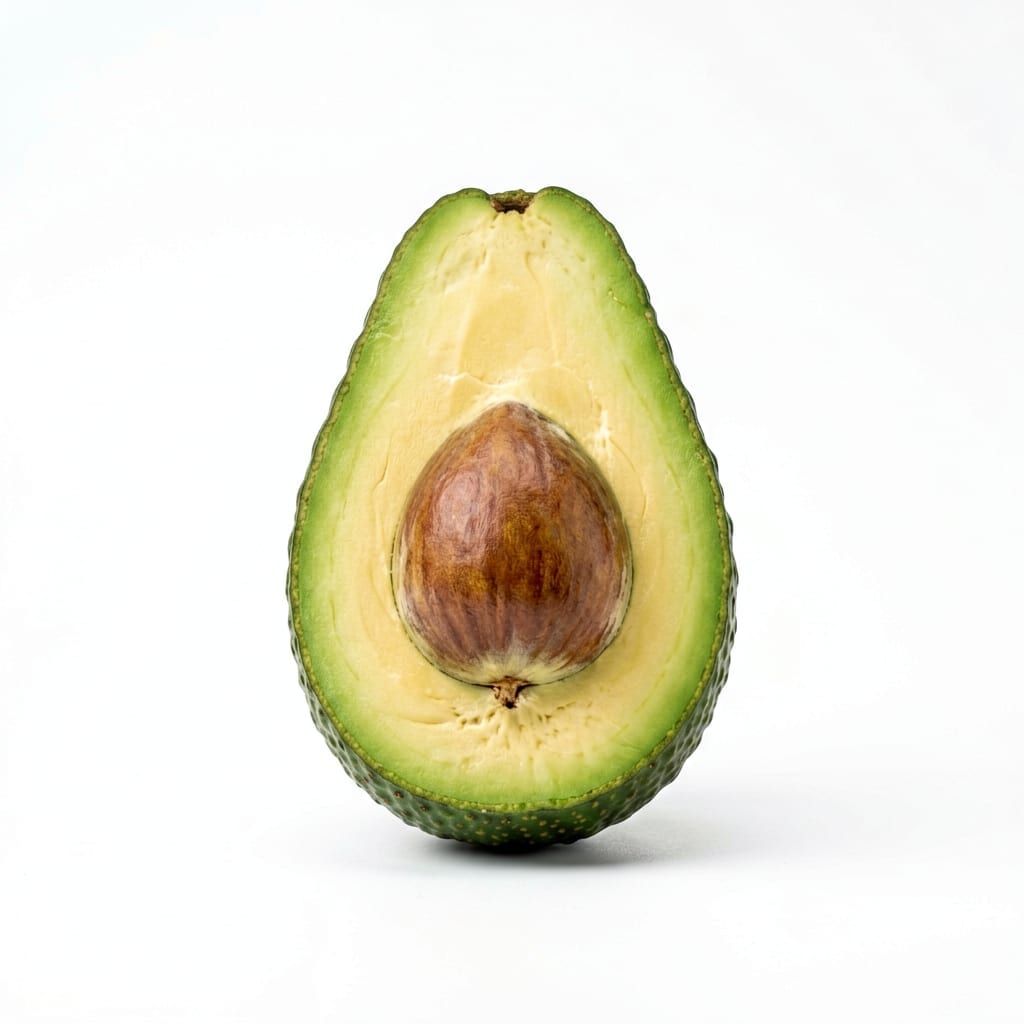
Avocado
Açai excels at antioxidant firepower and low-calorie nutrition; avocado wins on satiety, heart-healthy fats, and everyday practicality.
Avocado scores higher due to superior satiety, heart-healthy monounsaturated fats, minimal processing, and everyday versatility. Açai remains exceptional for antioxidants but loses ground on practicality, cost, and the frequent processing required to access it outside tropical regions.
Antioxidant concentration versus sustained fullness — açai gives you a concentrated nutrient burst while avocado keeps you satisfied for hours.
At a glance
Executive summary
Overall
It depends
Healthier
It depends
More practical
Avocado
Daily use
Avocado
Key comparison lenses
antioxidant vs healthy fats tradeoff
Açai delivers exceptional antioxidants while avocado dominates in monounsaturated fats — the core tradeoff between oxidative protection and cardiovascular nourishment
weight management strategy
Users comparing these two are often deciding between a low-calorie antioxidant boost versus a filling high-fat whole food for appetite control
processing and authenticity concerns
Most açai available outside Brazil is frozen pulp or powder with varying quality, while avocado is almost always consumed fresh and whole
smoothie bowl culture decision
Both are trendy wellness ingredients often paired together, but users may wonder which deserves the calorie budget more
blood sugar and energy stability
Açai's natural sugars contrast sharply with avocado's near-zero sugar and high fat content, creating different energy profiles
Best choice for
Açai Berry
- People prioritizing antioxidant intake and anti-aging nutrition
- Smoothie enthusiasts wanting a nutrient-dense low-calorie base
- Those tracking calories who still want superfood benefits
- Anyone seeking anthocyanin-rich foods for brain and skin health
Avocado
- People who need lasting fullness between meals
- Anyone focused on heart health and healthy cholesterol
- Those managing blood sugar who need low-sugar whole foods
- Meal builders wanting a versatile fat source for salads, toast, and wraps
Least suitable for
Açai Berry
- People sensitive to budget — quality açai is expensive for the portion size
- Anyone concerned about added sugars in commercial açai products
- Those needing calorie-dense fuel for active days or weight gain
- People wanting a filling standalone snack
Avocado
- People strictly limiting dietary fat intake for medical reasons
- Those on very low-calorie diets who cannot afford the calorie density
- Anyone with latex-fruit allergy syndrome
- People wanting a sweet treat or dessert-like experience
Deep comparison
Dimension by dimension
Each lens scores both foods and breaks down who each option suits.
- Dimension 1 · Priority 95Açai Berry
antioxidant_power
Açai Berry · 94Avocado · 48Açai is one of the most antioxidant-dense fruits on the planet, far surpassing avocado in anthocyanins and overall ORAC value.
Tradeoff
You get extraordinary antioxidant protection from açai, but avocado's antioxidants are more bioavailable thanks to its fat content helping absorption.
Why it matters
Antioxidants combat cellular aging, support brain function, and reduce inflammation — açai delivers these in concentrated form.
Real-world impact
Regular açai consumption may show up as better skin resilience and reduced oxidative stress, especially if your diet lacks colorful berries.
Açai Berry
- Reducing oxidative stress from intense exercise or environmental exposure
- Supporting cognitive longevity through anthocyanin intake
- Boosting skin health from the inside out
Better for
- Antioxidant benefits may be reduced if consumed in heavily sweetened bowls
- Rapid digestion means antioxidant spike rather than sustained delivery
Worse for
Avocado
- Absorbing fat-soluble antioxidants like vitamin E more effectively
- Sustaining antioxidant protection longer due to slower digestion
Better for
- Lower total antioxidant volume means less protection against acute oxidative stress
Worse for
- Dimension 2 · Priority 92Avocado
healthy_fat_profile
Açai Berry · 42Avocado · 96Avocado is loaded with heart-protective monounsaturated oleic acid. Açai contains some omega fats but in much smaller amounts.
Tradeoff
Avocado's fat content keeps you full and supports heart health directly, while açai's modest fat is overshadowed by its carbohydrate content.
Why it matters
Monounsaturated fats lower LDL cholesterol, reduce inflammation, and provide steady energy without blood sugar spikes.
Real-world impact
Half an avocado at lunch can keep hunger away until dinner. Açai's fat content barely registers for satiety.
Açai Berry
- Providing some omega-6 and omega-9 fatty acids alongside antioxidants
Better for
- Insufficient fat to serve as a primary fat source in any meal
- Often paired with sugary granola that negates the modest fat benefit
Worse for
Avocado
- Actively improving cholesterol ratios with oleic acid
- Keeping blood sugar stable by slowing gastric emptying
- Supporting hormone production with substantial dietary fat
Better for
- High fat content means high calorie density — easy to overeat if not portioned
Worse for
- Dimension 3 · Priority 90Avocado
satiety_and_fullness
Açai Berry · 35Avocado · 91Avocado is one of the most filling whole foods available. Açai, especially in smoothie form, digests quickly and leaves you hungry sooner.
Tradeoff
Açai feels light and refreshing but disappears fast. Avocado feels heavy but anchors your appetite for hours.
Why it matters
Foods that keep you full reduce snacking, improve portion control, and make healthy eating feel effortless rather than forced.
Real-world impact
An açai bowl at 8am often leads to hunger by 10am. Avocado toast at 8am typically carries you to noon comfortably.
Açai Berry
- Light pre-workout fuel that will not sit heavy in your stomach
- Refreshing warm-weather treat when you want something cool and light
Better for
- Quick digestion leads to rebound hunger within 1-2 hours
- Often consumed as a smoothie which bypasses chewing-related satiety signals
Worse for
Avocado
- Preventing afternoon energy crashes and vending machine temptation
- Replacing less healthy fat sources like mayo or cheese in sandwiches
- Making smaller meals feel more substantial and satisfying
Better for
- Heavy feeling if you eat too much before physical activity
- Can feel overly rich in hot weather or when you want something light
Worse for
- Dimension 4 · Priority 85Avocado
blood_sugar_stability
Açai Berry · 52Avocado · 93Avocado has near-zero sugar and high fat, making it ideal for stable blood sugar. Açai contains natural sugars that can spike depending on preparation.
Tradeoff
Avocado is a blood sugar stabilizer by nature. Açai can work if unsweetened, but commercial bowls often deliver a sugar ambush.
Why it matters
Blood sugar crashes drive cravings, fatigue, and irritability. Stable blood sugar makes consistent healthy eating dramatically easier.
Real-world impact
Unsweetened açai is manageable, but most restaurant açai bowls pack 30-50g of sugar. Avocado never has this problem.
Açai Berry
- Providing a mildly sweet option for people transitioning away from refined sugar desserts
Better for
- Commercial açai products often contain added sugars or are blended with banana and honey
- Natural sugars still affect blood glucose, especially in concentrated pulp form
Worse for
Avocado
- Diabetics and pre-diabetics who need reliable low-sugar foods
- Anyone trying to eliminate mid-afternoon energy crashes
- Keto and low-carb dieters needing fat without carbs
Better for
- Very low carb content means it cannot replenish glycogen after intense exercise
Worse for
- Dimension 5 · Priority 82Açai Berry
nutrient_density_per_calorie
Açai Berry · 88Avocado · 65Açai delivers exceptional micronutrient density per calorie. Avocado is nutrient-rich but calorie-dense, so the ratio is less impressive.
Tradeoff
Açai gives you more vitamins and antioxidants per calorie, but avocado gives you more total nutrition per bite because of its fat content.
Why it matters
If you are counting calories, nutrient density matters. If you need sustained energy, calorie density is actually helpful.
Real-world impact
A 100-calorie serving of açai delivers a remarkable nutrient punch. A 100-calorie serving of avocado is just two thin slices.
Açai Berry
- Calorie-restricted diets where every calorie must earn its place
- Getting maximum antioxidant benefit without breaking your calorie budget
Better for
- Low calorie content means it cannot sustain energy for active individuals
- Nutrient density is less useful if you are already eating a varied diet
Worse for
Avocado
- Active people who need calorie-dense fuel that also nourishes
- Anyone struggling to eat enough who benefits from nutrient-rich calorie density
Better for
- Easy to consume 300+ calories of avocado without realizing it
- Calorie density can undermine weight loss if portions are not managed
Worse for
- Dimension 6 · Priority 80Avocado
processing_and_authenticity
Açai Berry · 40Avocado · 92Fresh avocado is truly whole food. Most açai consumed outside Brazil is frozen pulp, powder, or concentrate with varying quality and additives.
Tradeoff
Avocado is reliably whole and recognizable. Açai requires trust in supply chains and label reading to avoid degraded or adulterated products.
Why it matters
Processing can strip nutrients, add hidden sugars, and introduce quality concerns that negate the superfood reputation.
Real-world impact
You can cut open an avocado and know exactly what you are getting. Açai powder in a supplement capsule is a leap of faith.
Açai Berry
- Flash-frozen açai pulp retains most antioxidant content when properly handled
- Powdered açai offers convenient shelf-stable antioxidant supplementation
Better for
- Many commercial açai products contain added sugars, fillers, or lower-quality fruit
- Antioxidant content degrades significantly in poorly stored or old powder
- Difficult to verify authenticity and sourcing claims
Worse for
Avocado
- Complete transparency — you see the whole food and control preparation
- No hidden ingredients, sweeteners, or fillers ever
- Nutritional integrity is guaranteed since no processing is required
Better for
- Short shelf life once ripe means more food waste potential
- Browning after cutting can discourage use even though it is harmless
Worse for
- Dimension 7 · Priority 78Avocado
everyday_versatility
Açai Berry · 48Avocado · 90Avocado works in breakfast, lunch, dinner, snacks, sweet and savory dishes. Açai is largely confined to smoothies, bowls, and supplements.
Tradeoff
Avocado adapts to nearly any meal. Açai has a specific role it excels at but rarely ventures beyond it.
Why it matters
Versatility determines whether a health food becomes a habit or a phase. Foods that fit your life stick around longer.
Real-world impact
Avocado can replace butter, mayo, cream, and cheese across dozens of recipes. Açai replaces... basically nothing except other berries in smoothies.
Açai Berry
- Specialized smoothie and bowl recipes where its flavor shines
- Antioxidant supplement routine in powder or capsule form
Better for
- Limited to sweet applications and breakfast-style dishes
- Difficult to incorporate into regular lunch and dinner cooking
Worse for
Avocado
- Replacing less healthy fats in sandwiches, salads, and dressings
- Working as a base for both savory meals and creamy desserts
- Quick meals like avocado toast that require zero cooking skill
Better for
- Cannot replicate the berry flavor profile people enjoy in smoothies
- Avocado-based desserts are an acquired taste most people never acquire
Worse for
- Dimension 8 · Priority 72Avocado
cost_and_accessibility
Açai Berry · 38Avocado · 68Quality açai is expensive and often hard to find fresh. Avocados are widely available and reasonably priced in most regions.
Tradeoff
Açai's exotic appeal comes with premium pricing and limited access. Avocado delivers everyday superfood nutrition at grocery store prices.
Why it matters
The best nutrition plan is one you can afford and sustain. Exotic superfoods that strain your budget rarely last as daily habits.
Real-world impact
A bag of frozen açai pulp costs $7-12 for a few servings. A bag of avocados costs $4-6 and provides a week of meals.
Açai Berry
- Special occasion wellness treat or targeted antioxidant supplement
- Online subscription delivery can make quality açai more accessible
Better for
- Premium pricing makes daily use expensive for most households
- Fresh açai is essentially unavailable outside tropical growing regions
- Quality varies dramatically between brands and product types
Worse for
Avocado
- Consistent daily use without budget stress
- Available in nearly every grocery store year-round
Better for
- Price spikes during shortages can temporarily make avocados surprisingly expensive
- Ripeness timing can be frustrating — rock hard one day, overripe the next
Worse for
Timeline
Health impact over time
Short-term
Hours to days
Açai Berry
- Quick antioxidant boost that may improve alertness and reduce perceived fatigue
- Mild blood sugar increase depending on preparation and added sweeteners
- Light energizing feeling without heaviness, making it suitable before activity
Avocado
- Immediate satiety that reduces hunger and snacking urges for 3-5 hours
- Stable blood sugar with no crash, providing steady calm energy
- Comforting mouthfeel and satisfaction that reduces cravings for junk food
Long-term
Months to years
Açai Berry
- Consistent antioxidant intake may support cognitive preservation and skin elasticity
- Potential anti-inflammatory benefits if consumed regularly without added sugars
- Risk of hidden sugar intake from commercial products undermining metabolic health
Avocado
- Improved cholesterol profile with regular monounsaturated fat intake
- Better appetite regulation and weight management from consistent satiety
- Enhanced nutrient absorption for fat-soluble vitamins A, D, E, and K across your entire diet
Risk profile
Safety & processing
Fresh avocado is as natural as food gets — you cut it and eat it. Açai almost always requires freezing, drying, or pulping before it reaches you, and commercial products frequently add sugars, citric acid, or fillers. If minimizing processing matters to you, avocado is the clear winner.
Açai Berry
added sugars in commercial products
mediumMany frozen açai bowls and smoothie packs contain significant added sugar that is not immediately obvious from front-of-package marketing.
quality degradation in supply chain
mediumAntioxidant content degrades with poor cold chain management. Products sitting in warm transport may deliver far less benefit than claimed.
adulteration with cheaper fruits
lowSome açai products are cut with apple juice, grape, or other cheaper fillers while still marketed as pure açai.
Avocado
latex-fruit syndrome allergy
mediumPeople with latex allergies may react to avocado proteins. Symptoms range from mouth itching to anaphylaxis in severe cases.
listeria on skin
lowAvocado skins can harbor listeria. Washing before cutting and avoiding knife contact with skin reduces this risk significantly.
food waste from overripening
lowNot a safety risk per se, but spoiled avocados are commonly consumed past their prime, which can cause mild stomach upset.
Who wins for whom
Audience fit
Same foods, different winners depending on your goal.
children
AvocadoAvocado is one of the best first foods for babies — mild, creamy, nutrient-dense, and allergen-low. Açai is more of an acquired taste and offers less sustenance for growing bodies.
daily consumption
AvocadoAvocado integrates easily into any meal, stays satisfying, and requires no special preparation. Açai works best as an occasional boost rather than a daily staple due to cost, access, and limited culinary roles.
diabetes
AvocadoNear-zero sugar and high fat content make avocado a blood sugar stabilizer. Açai's natural sugars and frequent added sweeteners make it risky without careful label scrutiny.
elderly
AvocadoAvocado's soft texture, heart-healthy fats, and high potassium support cardiovascular and bone health in aging bodies. Açai's antioxidant benefits are real but less critical than avocado's comprehensive nutrition.
muscle gain
AvocadoAvocado provides calorie-dense healthy fats that support hormone production and help active people meet higher calorie needs. Açai is too low in calories and protein to contribute meaningfully.
weight loss
AvocadoAvocado's satiety power prevents overeating throughout the day. Açai's low calories are appealing, but the hunger rebound and hidden sugars in commercial products often backfire.
Your move
Decision guide
Choose Açai Berry
- You want maximum antioxidant power and are willing to source quality unsweetened açai
- Smoothies and bowls are already part of your routine and you want to upgrade them
- You are tracking calories carefully and want nutrient density without calorie density
- You eat a fat-rich diet already and need more color and variety in your fruit intake
Choose Avocado
- You want one versatile whole food that improves every meal it touches
- Blood sugar stability and lasting fullness are your top priorities
- You are building a sustainable daily habit rather than chasing a superfood trend
- You need heart-healthy fats and your diet currently lacks quality fat sources
Either works if
- You want both antioxidant coverage and healthy fat intake — they complement each other beautifully
- Budget allows for occasional açai alongside daily avocado consumption
- You are constructing a nutrient-dense smoothie bowl where both ingredients play different roles
Avoid both if
- You have a latex-fruit allergy that rules out avocado and potentially cross-reactive berries
- You are on a strictly prescribed very low-fat diet for medical reasons like gallbladder issues
- Your budget only allows for one premium health food and you need maximum ROI per dollar
Final recommendation
Make avocado your daily foundation and açai your strategic supplement. Avocado gives you reliable satiety, heart health, and meal versatility every single day. Açai gives you an antioxidant edge when you can source quality products without added sugars. Together they are outstanding — but if you must pick one for consistent daily use, avocado wins on practicality, cost, and whole-food integrity.
Practical
Consumer tips
- 1
Read açai labels obsessively — look for unsweetened frozen pulp with no added fruit juices or fillers
- 2
Buy avocado in varying ripeness stages so you always have one ready to eat without waste
- 3
If using açai powder, choose freeze-dried brands that test for antioxidant content and avoid heat-processed options
- 4
Pair açai with a fat source like nut butter to improve antioxidant absorption — the fat-soluble compounds need it
- 5
Freeze overripe avocados for smoothies rather than throwing them away — they blend perfectly
- 6
Avoid açai bowls at restaurants unless you can confirm no added sugar — many contain 40-60g of sugar per serving
- 7
Store cut avocado with the pit and lemon juice to slow browning for next-day use
- 8
Start with half an avocado per meal to enjoy the benefits without accidentally doubling your calorie intake