
Nutrition comparison
Açai Berry vs Raspberry: Which Berry Is Actually Better for You?
Honest comparison of Açai Berry vs Raspberry — antioxidants, fiber, sugar, cost, and real-world practicality. Find out which berry deserves a daily spot in your diet.

Açai Berry
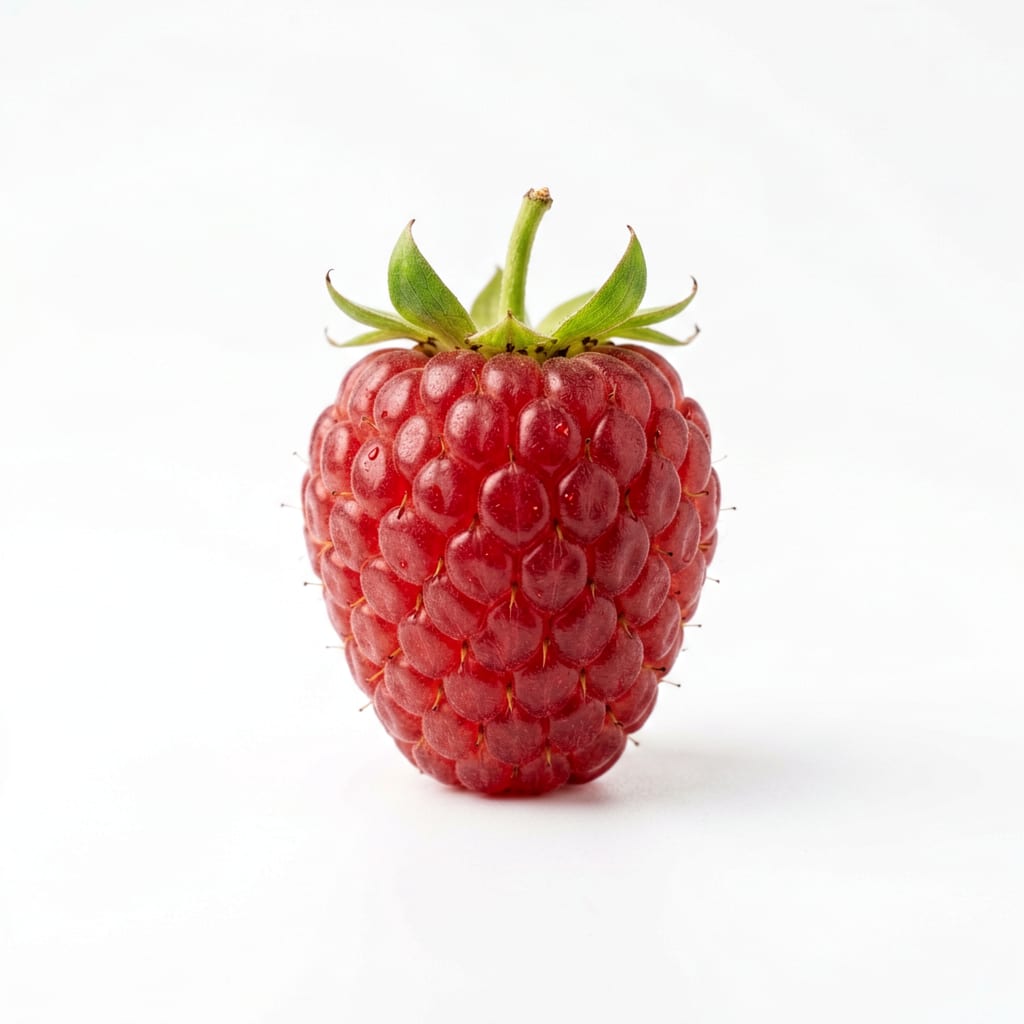
Raspberry
Açai Berry wins on antioxidants and healthy fats; Raspberries win on fiber, vitamin C, calorie efficiency, and everyday practicality.
Raspberries score higher overall due to superior fiber, lower calories, better vitamin C, and far greater everyday accessibility. Açai Berry earns strong marks for antioxidants and healthy fats but loses ground on cost, convenience, and the reality that most consumers encounter it in sugary bowl form rather than pure.
Açai Berry delivers more antioxidant power and unique omega fats but costs more and is harder to find fresh — Raspberries are the reliable daily driver with better fiber and vitamin C per calorie.
At a glance
Executive summary
Overall
It depends
Healthier
It depends
More practical
Raspberry
Daily use
Raspberry
Key comparison lenses
antioxidant superiority
Both berries are famous for antioxidants, but Açai Berry is heavily marketed as a superfood — users want to know if the hype is real
honest superfood claims
Açai Berry carries heavy marketing baggage; users deserve a clear-eyed comparison free of hype
daily practicality
Raspberries are grocery-store staples while Açai Berry is typically frozen or powdered — accessibility matters for consistency
weight management
Berries are go-to foods for weight loss; calorie density and sugar content differ significantly between these two
heart health fats
Açai Berry is unusually high in healthy fats for a fruit, which changes its nutritional role compared to Raspberries
Best choice for
Açai Berry
- Smoothie enthusiasts wanting creaminess and healthy fats
- People seeking maximum antioxidant density per bite
- Those following anti-inflammatory protocols
- Anyone wanting omega fatty acids from fruit sources
Raspberry
- Daily snackers who want low-calorie volume
- Weight-loss dieters tracking every calorie
- People prioritizing fiber for digestion and fullness
- Budget-conscious shoppers wanting berry benefits regularly
Least suitable for
Açai Berry
- Budget-limited households needing affordable daily fruit
- People who want fresh berries they can rinse and eat
- Anyone avoiding calorie-dense fruit portions
Raspberry
- Those specifically seeking omega fat intake from fruit
- People wanting the highest possible antioxidant concentration
- Anyone looking for a creamy base for smoothie bowls
Deep comparison
Dimension by dimension
Each lens scores both foods and breaks down who each option suits.
- Dimension 1 · Priority 92Açai Berry
Antioxidant Density
Açai Berry · 93Raspberry · 78Açai Berry has one of the highest ORAC scores of any fruit, roughly double that of Raspberries, driven by intense anthocyanin concentration.
Tradeoff
That antioxidant edge shrinks in real life because Açai Berry is usually consumed in smaller quantities or diluted in bowls and smoothies.
Why it matters
More antioxidants mean better cellular defense against oxidative stress, which accumulates silently over years.
Real-world impact
If you eat both regularly in typical portions, the antioxidant gap narrows — a full cup of Raspberries may deliver comparable total antioxidants to a small Açai Berry serving.
Açai Berry
- Fighting chronic inflammation
- Anti-aging skin protocols
- Post-workout recovery smoothies
Better for
- People who only eat Açai Berry in sugar-loaded bowls — the antioxidant benefit gets swamped by added sugar
Worse for
Raspberry
- Consistent daily antioxidant intake without specialty shopping
- Getting antioxidants alongside high fiber
Better for
- Those needing maximum antioxidant concentration in a small serving size
Worse for
- Dimension 2 · Priority 88Raspberry
Fiber & Satiety
Açai Berry · 58Raspberry · 91Raspberries are one of the highest-fiber fruits available with roughly 8g per cup, while Açai Berry delivers only about 2-3g in a typical serving.
Tradeoff
Açai Berry's healthy fats provide some satiety, but not the same gut-feeding, blood-sugar-stabilizing fullness that Raspberry fiber delivers.
Why it matters
Fiber is the single most underrated nutrient for weight management, digestion, and long-term metabolic health.
Real-world impact
A cup of Raspberries with breakfast keeps you fuller longer than the same volume of Açai Berry puree — and supports better digestion throughout the day.
Açai Berry
- Those who get fiber from other sources and want fat-based satiety instead
Better for
- Anyone relying on Açai Berry as their primary fruit for fiber
Worse for
Raspberry
- Weight management through high-volume low-calorie eating
- Gut microbiome support
- Blood sugar stability between meals
- Constipation prevention
Better for
- Not applicable — Raspberries excel here
Worse for
- Dimension 3 · Priority 78Açai Berry
Healthy Fats Profile
Açai Berry · 90Raspberry · 25Açai Berry is uniquely rich in omega-3, omega-6, and omega-9 fatty acids — rare for a fruit. Raspberries contain negligible fat.
Tradeoff
Those healthy fats add calories, making Açai Berry more energy-dense per serving than most berries.
Why it matters
Omega fats support brain health, hormone production, and cardiovascular function — getting them from fruit is unusual and valuable.
Real-world impact
An Açai Berry smoothie feels creamier and more satisfying than a Raspberry one, partly because of that fat content — but it also carries more calories per cup.
Açai Berry
- Plant-based eaters needing omega fat sources
- Brain health focused nutrition
- Creating rich-tasting smoothies without dairy
Better for
- Calorie counters who do not account for the fat content
Worse for
Raspberry
- Low-fat diet followers
- Those who get omega fats from other sources like salmon or walnuts
Better for
- Vegans relying solely on Raspberries for healthy fat intake
Worse for
- Dimension 4 · Priority 72Raspberry
Vitamin C Content
Açai Berry · 40Raspberry · 88Raspberries provide roughly 32mg of vitamin C per cup — over 50% of daily needs. Açai Berry contains minimal vitamin C, as it degrades quickly after harvest.
Tradeoff
Açai Berry compensates with other antioxidants, but vitamin C specifically supports immunity and collagen in ways those other compounds cannot fully replace.
Why it matters
Vitamin C is essential for immune function, skin health, and iron absorption — and it must be consumed daily since the body cannot store it.
Real-world impact
Eating Raspberries regularly helps meet daily vitamin C needs without supplements. Açai Berry cannot be relied on for this.
Açai Berry
- Not a strength — get vitamin C elsewhere if Açai Berry is your main fruit
Better for
- Anyone expecting Açai Berry to cover vitamin C needs
Worse for
Raspberry
- Immune system support during cold season
- Collagen production for skin health
- Enhancing plant-based iron absorption at meals
Better for
- Not applicable — Raspberries are strong here
Worse for
- Dimension 5 · Priority 85Raspberry
Calorie Efficiency & Sugar
Açai Berry · 55Raspberry · 87Raspberries deliver roughly 64 calories and only 5g of sugar per cup with 8g of fiber. Açai Berry puree runs about 130-160 calories per typical serving with less fiber to buffer the sugar.
Tradeoff
Açai Berry's extra calories come from healthy fats, not junk — but they still count if you are watching intake.
Why it matters
For anyone managing weight or blood sugar, calorie-per-nutrient ratios determine whether a food helps or hinders progress.
Real-world impact
You can eat a generous bowl of fresh Raspberries for fewer calories than a small Açai Berry bowl — and feel just as satisfied thanks to the fiber.
Açai Berry
- Active individuals who need calorie-dense fruit options
- Those wanting a more substantial smoothie base
Better for
- People who assume all berries are equally low-calorie
Worse for
Raspberry
- Weight loss diets
- Blood sugar management
- Mindless snacking without calorie anxiety
- Keto-friendly fruit choice
Better for
- Underweight individuals needing calorie-dense fruit
Worse for
- Dimension 6 · Priority 88Raspberry
Practicality & Accessibility
Açai Berry · 35Raspberry · 92Raspberries are available fresh or frozen in virtually every grocery store year-round. Pure Açai Berry is almost always frozen, powdered, or in packets — and genuine unsweetened versions require specialty shopping.
Tradeoff
Convenience drives consistency. The healthiest berry only matters if you actually eat it regularly.
Why it matters
Nutrition only works when it is sustainable. Hard-to-find ingredients get abandoned within weeks.
Real-world impact
Grabbing a clamshell of Raspberries takes seconds. Sourcing quality Açai Berry without added sugar takes effort, research, and often a bigger budget.
Açai Berry
- People who enjoy smoothie ritual and specialty shopping
- Those with access to Brazilian markets or quality online suppliers
Better for
- Impulse buyers who end up with sweetened Açai Berry packets full of added sugar
- Rural shoppers with limited store access
Worse for
Raspberry
- Busy professionals needing grab-and-go fruit
- Families shopping at regular grocery stores
- Anyone who values consistency over novelty
Better for
- Not applicable — Raspberries are widely accessible
Worse for
- Dimension 7 · Priority 80Raspberry
Cost & Value
Açai Berry · 30Raspberry · 75Raspberries cost roughly $3-6 per pint depending on season. Quality Açai Berry packets or powder often run $8-15 for a small supply, making it one of the most expensive berries per serving.
Tradeoff
Açai Berry's premium price reflects genuine import and processing costs — but the nutritional edge over Raspberries does not justify the markup for most people.
Why it matters
Expensive superfoods create an all-or-nothing mindset. Affordable staples eaten daily beat premium items eaten occasionally.
Real-world impact
For the price of one Açai Berry bowl at a café, you could buy enough Raspberries for a week of daily servings.
Açai Berry
- Those who treat Açai Berry as an occasional indulgence rather than a daily staple
Better for
- People on tight food budgets who feel pressured by superfood marketing
Worse for
Raspberry
- Budget-conscious meal preppers
- Large families needing affordable fruit volume
- Anyone who wants berry benefits without the superfood tax
Better for
- Not a weakness — Raspberries offer strong value
Worse for
Timeline
Health impact over time
Short-term
Hours to days
Açai Berry
- Provides sustained energy from healthy fats rather than quick sugar spikes
- Can feel heavy if eaten in large bowl portions with granola and toppings
- Anti-inflammatory effects may reduce post-exercise soreness
Raspberry
- Quick refreshing energy with minimal calorie load
- High fiber supports immediate digestive regularity
- Vitamin C gives a same-day immune boost
Long-term
Months to years
Açai Berry
- Consistent omega fat intake supports cardiovascular and cognitive health over decades
- Risk of overconsuming calories if eating Açai Berry bowls with sweetened add-ons
- Antioxidant accumulation may reduce chronic disease risk, though evidence is still emerging
Raspberry
- Daily fiber intake dramatically lowers colorectal cancer risk and supports gut microbiome diversity
- Consistent low-sugar fruit habit helps maintain insulin sensitivity long-term
- Vitamin C intake supports skin elasticity and immune resilience with age
Risk profile
Safety & processing
Fresh Raspberries are about as natural as food gets — pick and eat. Açai Berry requires processing by necessity since it degrades within 24 hours of harvest, meaning almost all Açai Berry outside Brazil is frozen, freeze-dried, or powdered. Many commercial Açai Berry products add sugar, soy lecithin, or citric acid. Always read labels on Açai Berry packets — unsweetened versions exist but are not the default.
Açai Berry
Added sugar in commercial products
highMany Açai Berry smoothie packs and bowls contain 20-40g of added sugar per serving, effectively turning a healthy berry into a dessert. Always verify unsweetened status.
Oxidation and nutrient loss
mediumAçai Berry's delicate antioxidants degrade during transport and processing. Freeze-dried powder retains more than frozen puree, but neither matches fresh-off-the-tree quality.
Mislabeling and adulteration
mediumSome Açai Berry products are diluted with cheaper juices or fillers. Third-party tested brands are worth the premium.
Raspberry
Pesticide residue
mediumRaspberries rank moderately high for pesticide residue in EWG testing. Organic is preferable if budget allows, especially for daily consumers.
Mold and spoilage
lowRaspberries are fragile and mold quickly. Inspect containers carefully and consume within 2-3 days of purchase or freeze immediately.
Who wins for whom
Audience fit
Same foods, different winners depending on your goal.
children
RaspberryKids can grab fresh Raspberries as a finger food — no prep, no mess. Açai Berry requires blending or bowl assembly, which limits spontaneous snacking.
daily consumption
RaspberryAffordability, availability, and low calorie density make Raspberries the more sustainable daily habit for most people.
diabetes
RaspberryRaspberries have less sugar and more fiber per serving, resulting in a lower glycemic impact and steadier blood sugar response.
elderly
RaspberryRaspberries provide vitamin C for immune support and fiber for digestion — both critical concerns for older adults — in an easy-to-eat format.
muscle gain
Açai BerryAçai Berry's healthy fats and higher calorie density pair well with post-workout nutrition when you need both recovery antioxidants and energy.
weight loss
RaspberryRaspberries deliver more fiber and volume per calorie, making them far more effective for feeling full while staying in a deficit.
Your move
Decision guide
Choose Açai Berry
- You already eat plenty of high-fiber fruit and want antioxidant and omega fat diversity
- You make smoothies regularly and want a creamy, nutrient-dense base
- You have access to quality unsweetened Açai Berry and can afford it as a specialty item
- You are following an anti-inflammatory or brain-health-focused protocol
Choose Raspberry
- You want the most practical, affordable daily berry with proven benefits
- You are managing weight, blood sugar, or calorie intake
- You need fiber and vitamin C from a whole-food source
- You prefer eating fruit fresh rather than blended or frozen
Either works if
- You simply want more berry variety in your diet — both are excellent choices
- You are already eating a balanced diet and adding berries as a bonus
- You rotate between smoothie days and fresh-snack days
Avoid both if
- You have a berry allergy or salicylate sensitivity
- You are on a strict very-low-carb protocol and cannot accommodate any fruit sugar
Final recommendation
Make Raspberries your everyday berry — they are affordable, accessible, high in fiber, and easy to eat fresh. Treat Açai Berry as a powerful supplement to your routine, not a replacement. When you do buy Açai Berry, invest in unsweetened puree or freeze-dried powder and skip the sugar-loaded café bowls. The best approach for most people: Raspberries daily, Açai Berry weekly.
Practical
Consumer tips
- 1
If buying Açai Berry, check the ingredient list — the only ingredient should be Açai Berry. Walk away from anything with added sugar or syrups.
- 2
Freeze Raspberries the day you buy them if you cannot eat them within 48 hours — they retain nutrients beautifully when frozen.
- 3
Make your own Açai Berry bowls at home using unsweetened packets, then sweeten naturally with Raspberries or a drizzle of honey so you control the sugar.
- 4
Freeze-dried Açai Berry powder retains more antioxidants than frozen puree and is easier to store — but it is also more expensive.
- 5
Buy Raspberries in bulk during summer and freeze them — you will save significantly compared to off-season prices.
- 6
Multiply your benefits: blend Raspberries and Açai Berry together for a smoothie that combines the fiber and vitamin C of Raspberries with the omega fats and antioxidants of Açai Berry.