
Nutrition comparison
Açai Berry vs Strawberry: Which Superfruit Is Actually Healthier?
Compare Açai Berry vs Strawberry on antioxidants, sugar, weight loss, and practicality. Find out which berry is better for your daily diet and health goals.
Overall winner · Strawberry

Açai Berry
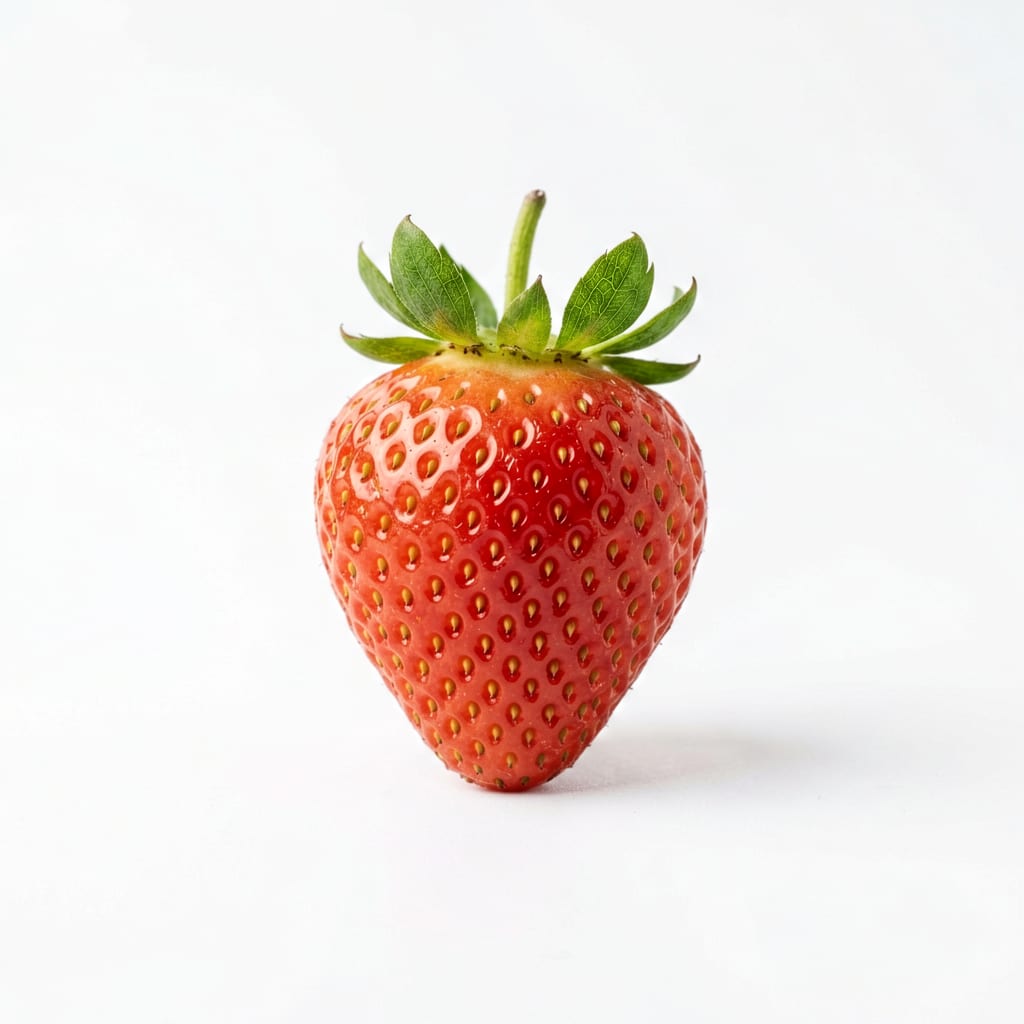
Strawberry
Strawberries win for everyday eating due to freshness, low calories, and practicality, while Açai Berry offers superior healthy fats and a concentrated antioxidant punch if you can find it unsweetened.
Strawberries score higher overall because they are reliably eaten in their whole, unprocessed form with minimal sugar traps. Açai Berry scores lower primarily due to its typical processed state, hidden sugars, and high cost, despite its excellent fat and antioxidant profile.
You trade the convenience, low calories, and Vitamin C of Strawberries for the dense healthy fats and anthocyanins of Açai Berry, which often comes with hidden sugars and higher costs.
At a glance
Executive summary
Overall
Strawberry
Healthier
Strawberry
More practical
Strawberry
Daily use
Strawberry
Key comparison lenses
Antioxidant profile and superfood reality check
Açai Berry is famous for antioxidants, but users need to know if it genuinely outperforms the accessible Strawberry.
Hidden sugar and processing traps
Açai Berry is rarely eaten fresh and often comes in sugary bowls or purees, whereas Strawberries are typically eaten whole.
Everyday practicality and cost
Strawberries are cheap and easy to find fresh; Açai Berry is expensive and usually frozen or powdered.
Fat content vs. water content
Açai Berry is unusually high in healthy fats for a fruit, while Strawberries are light and water-rich.
Best choice for
Açai Berry
- People wanting omega-rich healthy fats from fruit
- Those looking for a dense, satisfying smoothie bowl base
- Individuals seeking the highest concentration of anthocyanins
Strawberry
- People managing calorie intake or trying to lose weight
- Anyone wanting a fresh, hydrating, everyday fruit
- Those who need an easy, affordable Vitamin C boost
Least suitable for
Açai Berry
- People avoiding hidden sugars in processed fruit purees
- Those on a tight grocery budget
- Anyone looking for a low-calorie snacking fruit
Strawberry
- People wanting a high-fat, low-sugar fruit for keto diets
- Those looking for a very dense, filling fruit base
Deep comparison
Dimension by dimension
Each lens scores both foods and breaks down who each option suits.
- Dimension 1 · Priority 95Açai Berry
Antioxidant Density & Variety
Açai Berry · 92Strawberry · 80Açai Berry has one of the highest ORAC scores of any fruit, packing massive anthocyanin levels. Strawberries offer strong antioxidants too, especially Vitamin C and ellagic acid, but less densely.
Tradeoff
Açai Berry provides a heavier antioxidant hit, but you often lose those benefits if your Açai is diluted with sugary juices or syrups in a bowl.
Why it matters
High antioxidant intake helps fight daily cellular stress and keeps inflammation low.
Real-world impact
Eating pure Açai Berry might give you a stronger recovery boost after intense exercise, but a bowl of fresh Strawberries still easily covers your daily Vitamin C needs.
Açai Berry
- Intense post-workout recovery
- Fighting deep oxidative stress
Better for
- Situations where the Açai is heavily processed and diluted
Worse for
Strawberry
- Daily immune support
- Skin health via Vitamin C
Better for
- Needing a massive single-serving antioxidant surge
Worse for
- Dimension 2 · Priority 85It depends
Calorie & Fat Profile
Açai Berry · 85Strawberry · 82Açai Berry is uniquely high in heart-healthy monounsaturated fats for a fruit, making it dense and satisfying. Strawberries are virtually fat-free and very low in calories, making them light and hydrating.
Tradeoff
Açai Berry fills you up longer because of its fat content, but Strawberries let you eat a much larger volume for far fewer calories.
Why it matters
Your choice dictates whether you want a light, refreshing snack or a dense, keto-friendly fruit base.
Real-world impact
A handful of Strawberries is a refreshing afternoon bite; an Açai bowl can replace a full meal because of its fat and calorie density.
Açai Berry
- Keto and low-carb diets
- Replacing a meal with a heavy smoothie bowl
Better for
- Mindless snacking while watching TV
Worse for
Strawberry
- Low-calorie snacking
- Hydration and light eating
Better for
- Sustaining energy for hours without other foods
Worse for
- Dimension 3 · Priority 90Strawberry
Practicality & Freshness
Açai Berry · 40Strawberry · 95Strawberries are easy to find fresh, affordable, and simple to rinse and eat. Açai Berry degrades within 24 hours of picking, so it is almost always sold frozen, powdered, or as a puree.
Tradeoff
You get peak freshness and texture with Strawberries, while Açai Berry requires compromising on texture and relying on frozen or processed forms.
Why it matters
Convenience heavily dictates whether a healthy food actually gets eaten consistently.
Real-world impact
You can toss fresh Strawberries into a lunchbox or salad instantly. Açai Berry requires blending or thawing, making it a weekend treat rather than a daily staple.
Açai Berry
- Pre-planned smoothie or bowl recipes
Better for
- Grab-and-go breakfasts
- Travel-friendly snacking
Worse for
Strawberry
- Quick on-the-go snacking
- Adding fresh fruit to meals instantly
Better for
- Making thick, spoonable smoothie bowls
Worse for
- Dimension 4 · Priority 88Strawberry
Hidden Sugar & Processing Risk
Açai Berry · 45Strawberry · 90Fresh Strawberries contain only natural fruit sugars. Most commercial Açai Berry purees and bowls are loaded with added sugars, apple juice, or syrups to mask the tart, earthy taste of pure Açai.
Tradeoff
Strawberries are reliably sugar-free, while Açai Berry often acts as a delivery system for hidden calories unless you buy unsweetened versions.
Why it matters
Hidden sugars completely negate the health benefits of an antioxidant-rich fruit.
Real-world impact
That healthy-looking Açai bowl from the shop can pack more sugar than a candy bar, leaving you with an afternoon energy crash.
Açai Berry
- Only when using 100% unsweetened frozen Açai
Better for
- Ordering pre-made Açai bowls at cafes
Worse for
Strawberry
- Blood sugar control
- Clean, unprocessed eating
Better for
- Situations with no downsides regarding sugar
Worse for
Timeline
Health impact over time
Short-term
Hours to days
Açai Berry
- Provides sustained energy from healthy fats if unsweetened
- Can cause a sugar crash if consumed as a sweetened cafe bowl
Strawberry
- Quick hydration and refreshing energy
- Immediate Vitamin C boost for immune defense
Long-term
Months to years
Açai Berry
- Supports heart health through monounsaturated fats
- Risk of weight gain if frequently eating sugar-loaded Açai bowls
Strawberry
- Supports skin elasticity and joint health via Vitamin C
- Aids in blood pressure regulation with high potassium and low sodium
Risk profile
Safety & processing
Strawberries are typically eaten raw and whole. Açai Berry requires processing to survive shipping, meaning you usually interact with a frozen puree or powder, which often includes additives or sweeteners.
Açai Berry
Added sugars in commercial products
highMost Açai purees and smoothie packs contain added sugars or fruit juice concentrates that spike blood sugar.
Heavy metal contamination in powders
mediumAçai powders from less reputable sources have occasionally tested high for lead and other heavy metals due to soil and processing issues.
Strawberry
Pesticide residue
highStrawberries consistently rank at the top of the EWG Dirty Dozen list for heavy pesticide residue; washing does not remove all of it.
Mold and spoilage
lowStrawberries spoil quickly and can harbor mold, which spreads fast through the container.
Who wins for whom
Audience fit
Same foods, different winners depending on your goal.
children
StrawberryKids love the sweet taste and soft texture of fresh Strawberries, and parents avoid the hidden sugar trap of Açai bowls.
daily consumption
StrawberryStrawberries are affordable, easy to prep, and reliably unprocessed, making them a sustainable daily habit.
diabetes
StrawberryStrawberries have a lower glycemic load and zero added sugar risk, providing safer, steadier energy for blood sugar management.
elderly
StrawberryStrawberries are easy to chew, hydrating, and provide excellent Vitamin C for aging immune systems without excess calories.
muscle gain
Açai BerryAçai Berry provides more calories and healthy fats to support a caloric surplus, and its antioxidants help with muscle recovery.
weight loss
StrawberryStrawberries are low in calories, high in water, and have no hidden sugars, making them far easier to fit into a calorie deficit.
Your move
Decision guide
Choose Açai Berry
- You want a nutrient-dense, high-fat fruit base for keto smoothies
- You are making a deliberate, unsweetened post-workout recovery bowl
- You have the budget for high-quality, pure frozen Açai pulp
Choose Strawberry
- You want a fresh, low-calorie snack you can eat mindlessly
- You need an affordable, everyday source of Vitamin C
- You are meal-prepping quick lunches or breakfasts
Either works if
- You are simply trying to eat more fruit instead of processed sweets
- You want to boost your daily antioxidant intake from whole food sources
Avoid both if
- You have a severe berry allergy or salicylate sensitivity
Final recommendation
Make Strawberries your daily go-to for a reliable, low-calorie, fresh fruit option. Save Açai Berry for occasional, intentional smoothie bowls, but only if you can find unsweetened puree to avoid the hidden sugar trap that ruins its superfood status.
Practical
Consumer tips
- 1
Always read the ingredient label on frozen Açai packets; the only ingredient should be Açai, with no added sugar or fruit juice.
- 2
Buy organic Strawberries whenever possible to avoid the heavy pesticide load found on conventional ones.
- 3
Mix the two: use a small amount of unsweetened Açai for flavor and fats, and bulk up the bowl with fresh, cheap Strawberries for volume and Vitamin C.
- 4
Freeze fresh Strawberries before they go bad to use in smoothies later, reducing food waste and saving money.