
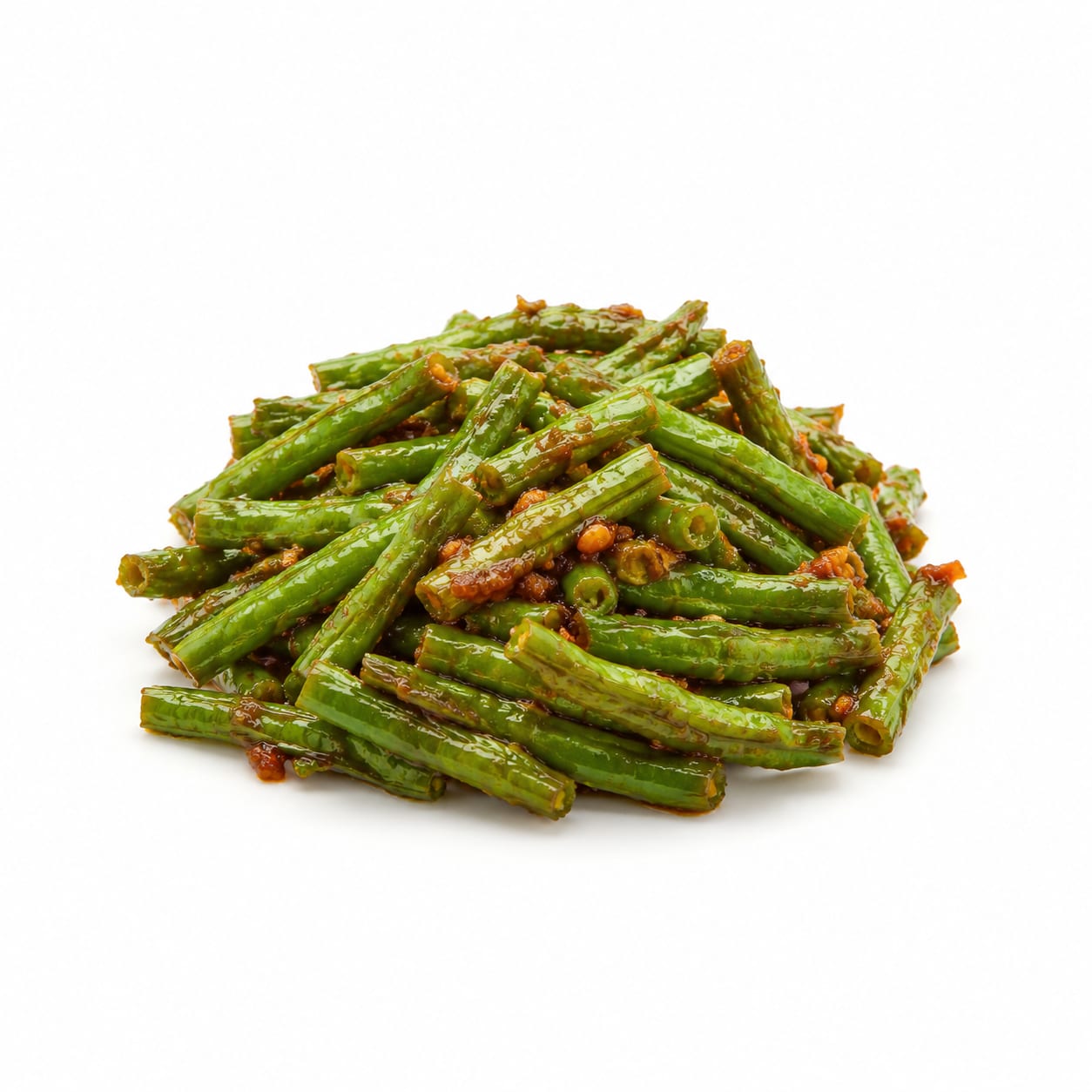
Legume Vegetable
Yardlong Bean
A long, slender green legume pod known for its low calorie count, moderate fiber, and versatile culinary use in stir-fries and stews.
Yardlong beans, also known as asparagus beans or snake beans, are elongated green legumes harvested for their edible pods. They are commonly used in Asian cuisines and offer a crisp texture with a mildly sweet, earthy flavor.
high-volume low-calorie legume vegetable
Typical serving · 100g
Common varieties · green pod, red pod, black seed, brown seed
Overall context score across nutrition, safety, and diet fit
At a glance
Quick facts
Simple indicators based on nutrition, processing, and diet fit.
The story
What makes it unique
Yardlong beans are a low-energy-density food with a moderate digestion speed due to their fiber content. They provide a modest amount of plant protein and carbohydrates, with a very low fat profile. As a minimally processed whole food, they deliver high satiety relative to their caloric content and support steady glycemic control.
Varieties: green pod · red pod · black seed · brown seed
Per 100g
Nutrition breakdown
Macro balance and key metrics at a glance.
Energy
Density 0.47 kcal/g
Protein
Carbs
Fat
Fiber
Sugar
1 g
Sodium
4 mg
Potassium
240 mg
Glycemic index
30
Glycemic load
2
Water content
88%
Standout compounds
Nutrient highlights
Vitamin C
moderateSupports immune function and collagen synthesis.
Vitamin A
moderatePromotes eye health and immune resilience.
Fiber
moderateSlows digestion, improves glycemic control, and feeds gut bacteria.
Folate
moderateEssential for cell division and DNA synthesis.
Potassium
moderateHelps regulate blood pressure and fluid balance.
Wellness map
Health scores & processing
NOVA processing scale
minimally processed · Whole food
Fresh yardlong beans are intact whole plant foods that require no industrial processing before consumption, only standard washing and cooking.
Diet compatibility
- Weight loss
- Muscle gain
- Diabetes
- Gut health
- Low carb
- High protein
- Heart health
Relative standing
Food rankings
Qualitative ranks compared to similar whole foods.
- Satietygood
- Blood sugarexcellent
- Nutrient densitygood
- Fitness fuelmoderate
- Processing qualityexcellent
Eat with confidence
Food safety profile
Yardlong beans are very safe when properly cooked. Raw beans contain lectins that can cause gastrointestinal distress, but thorough heating destroys these compounds. Conventional farming may use pesticides, so washing is advised.
Evidence confidence 90%
- Pesticidesmoderate
- Antibioticslow
- Heavy metalslow
- Contaminationlow
Watch for
- pesticide residues
- phytohemagglutinin lectins
Safer choices
Organic yardlong beans to reduce pesticide exposure.
Prep tips
Wash thoroughly under running water, trim the ends, and slice before cooking. Always cook thoroughly by boiling, steaming, or stir-frying to neutralize naturally occurring lectins.
Standard agricultural pesticide monitoring applies; raw beans contain lectins that are neutralized by cooking.
Deep dive
Health analysis
How this food may fit different goals and preparation choices.
Weight loss
With only 47 calories per 100g and high water content, yardlong beans provide exceptional volume per calorie, making them highly effective for weight loss and high-volume eating strategies.
Blood sugar
The combination of low carbohydrates, moderate fiber, and a glycemic index of 30 results in a very low glycemic load, preventing blood sugar spikes and making them ideal for diabetic diets.
Fitness & energy
They offer light, slow-digesting carbohydrates suitable for pre-workout meals or vegetable bulk, but lack the dense calories and protein required for serious post-workout recovery.
Gut health
Dietary fiber supports healthy bowel movements and feeds beneficial gut bacteria, contributing to a balanced microbiome without causing bloating in typical serving sizes.
Processing quality
As a fresh, intact whole food, yardlong beans retain all their natural micronutrients and fiber without the addition of sodium, preservatives, or refined ingredients.
Food safety
The primary safety concern is lectin toxicity if consumed raw or undercooked. Proper cooking eliminates this risk entirely, making the cooked product very safe.
Common mistakes
Eating them raw in salads or under-cooking them in quick stir-fries, which can lead to lectin-induced food poisoning. Also, failing to trim the tough ends can result in a stringy texture.
Best preparation
Stir-frying with minimal oil, blanching, or steaming. These methods preserve nutrients while ensuring the beans are cooked thoroughly enough to destroy lectins.
Practical guide
Best use cases
When and how this food fits real eating patterns.
Low-calorie volume eating
Add bulk to meals with minimal calories, helping you feel full without overconsuming energy.
Stir-fry base
Their firm texture holds up well to high-heat cooking and absorbs savory sauces effectively.
Diabetic-friendly side dish
A low-glycemic vegetable that pairs well with lean proteins for stable blood sugar management.
Plant-based fiber boost
Provides moderate fiber to support digestion and gut health in vegan and vegetarian diets.
Balance sheet
Pros & cons
Upsides
- Very low in calories and energy density
- Low glycemic index and load
- Good source of dietary fiber for gut health
- Contains no fat or cholesterol
- Versatile for various cooking methods
- Provides essential vitamins and minerals
Trade-offs
- Must be cooked to neutralize toxic lectins
- Not a complete protein source
- Can become stringy and tough if overripe
- Less calorie-dense, making it poor for weight gain
- Pesticide residues possible if conventionally grown
Fit check
Who is it for?
Great match
- high-volume eating
- blood sugar control
- low-carb diets
- weight loss
- plant-based fiber intake
Consider alternatives
- raw food diets
- high-protein diets
- calorie-dense bulking
- strict ketogenic diets
Side by side
How it compares
Open the full head-to-head analysis for nutrition, safety, and practical tradeoffs.
This food
Yardlong Bean
VS95% alike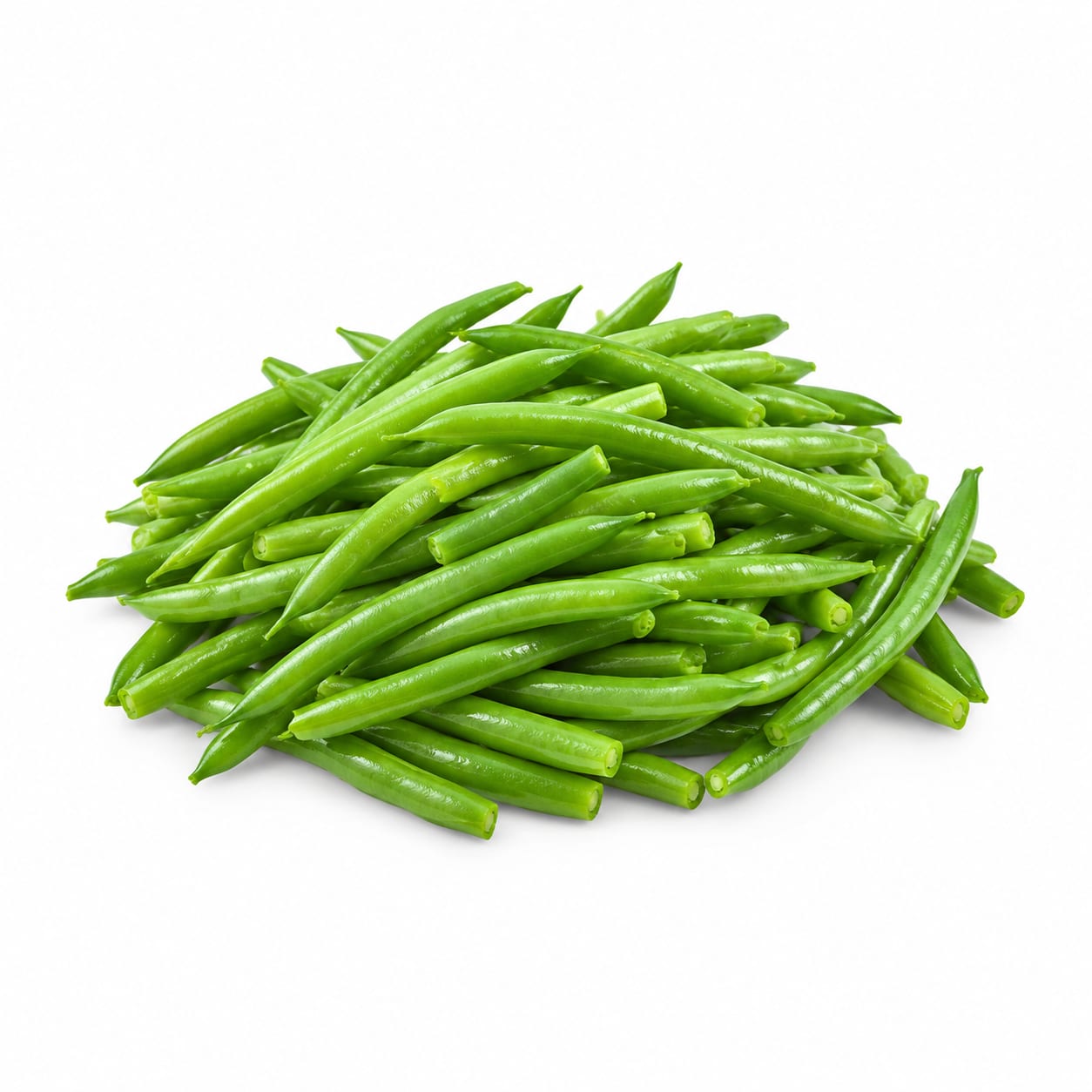
Compare with
Green Bean
Yardlong beans are slightly higher in protein and fiber, while green beans are more widely available and have a milder flavor.
Yardlong beans offer slightly more fiber and protein than green beans, making them marginally better for blood sugar control and satiety.
This food
Yardlong Bean
VS70% alike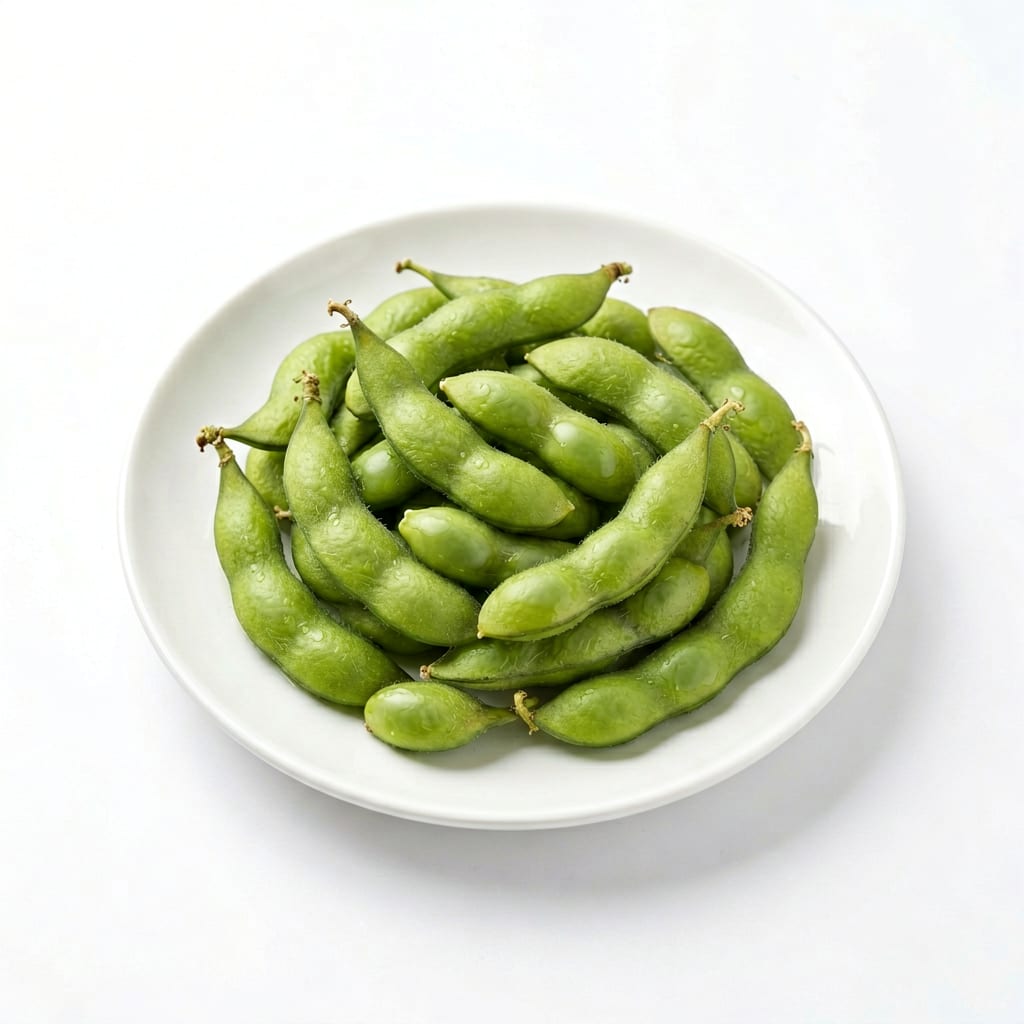
Compare with
Edamame
Edamame is a protein and calorie powerhouse, while yardlong beans are a low-calorie, high-volume vegetable.
Edamame provides much more protein for muscle recovery, while yardlong beans are far lower in calories for weight loss.
This food
Yardlong Bean
VS75% alike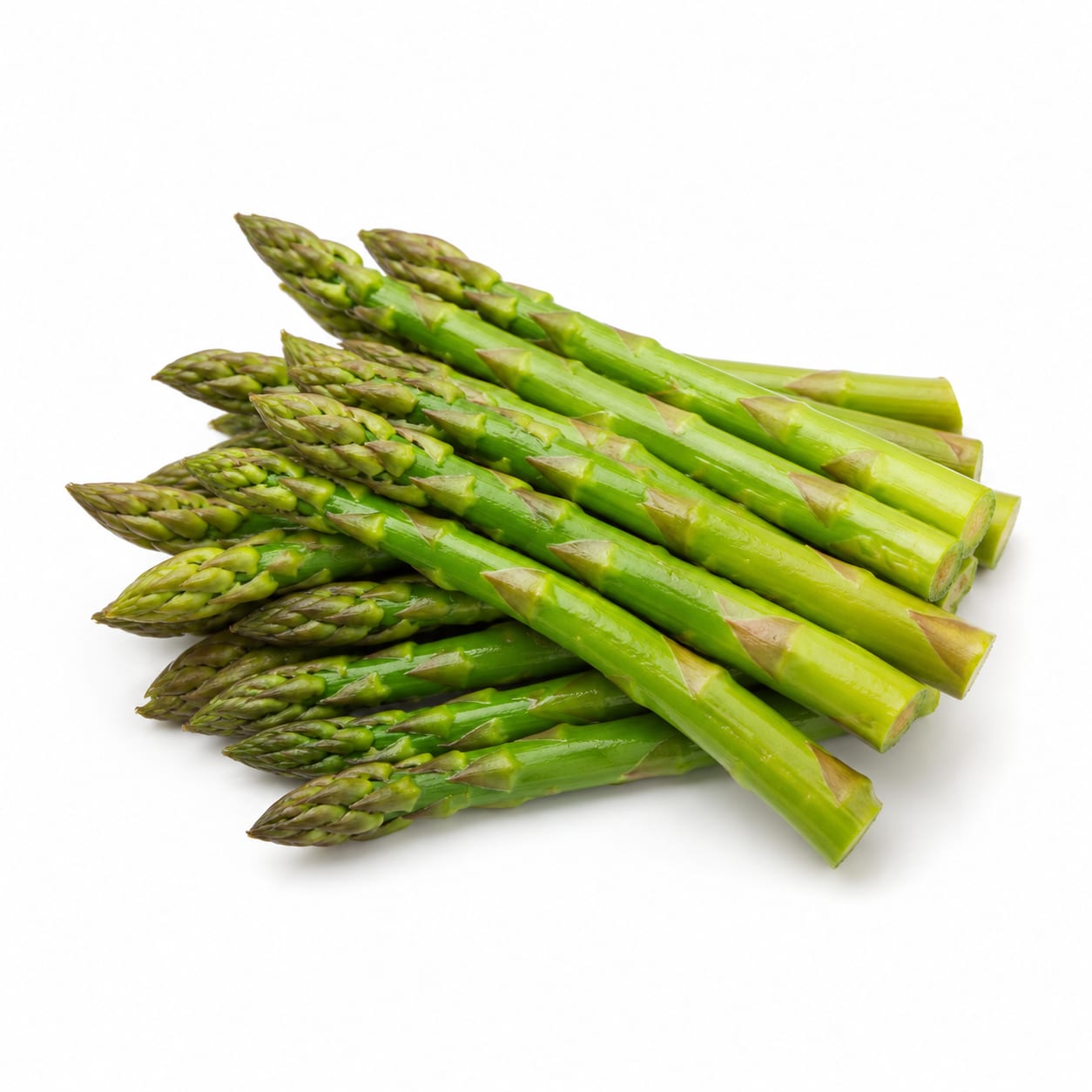
Compare with
Asparagus
Asparagus is richer in folate and vitamin K, while yardlong beans provide more carbohydrates and fiber per serving.
Yardlong beans are higher in fiber and slightly lower in calories than asparagus, offering better volume for weight loss.
This food
Yardlong Bean
VS80% alike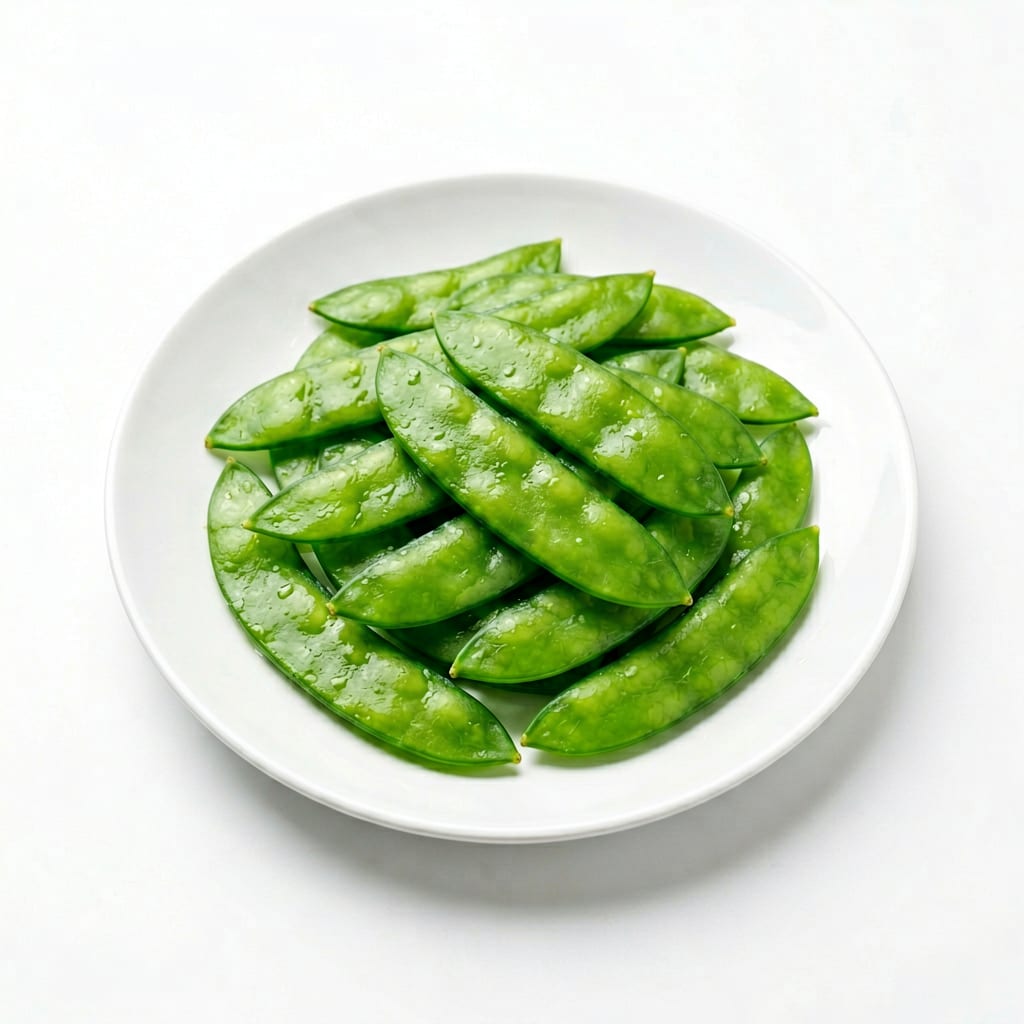
Compare with
Snow Pea
Snow peas are sweeter and lower in calories, while yardlong beans are denser and higher in fiber and protein.
Snow peas are lighter and sweeter, but yardlong beans provide more fiber and protein, making them better for sustained energy and blood sugar control.
This food
Yardlong Bean
VS65% alike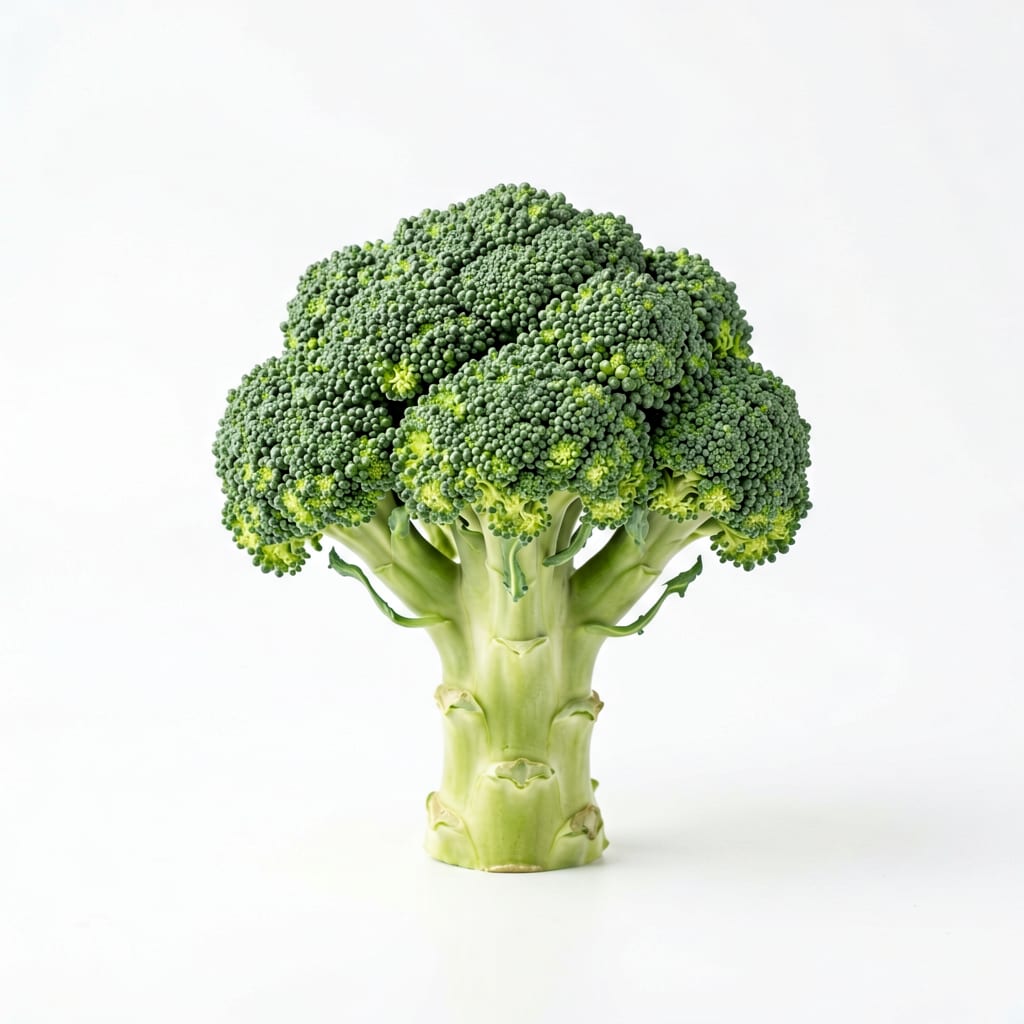
Compare with
Broccoli
Broccoli is a nutrient-dense cruciferous vegetable with strong cancer-fighting compounds, while yardlong beans are a legume with more protein.
Broccoli offers more vitamin C and antioxidants, while yardlong beans provide slightly more protein and fiber for satiety.
This food
Yardlong Bean
VS70% alike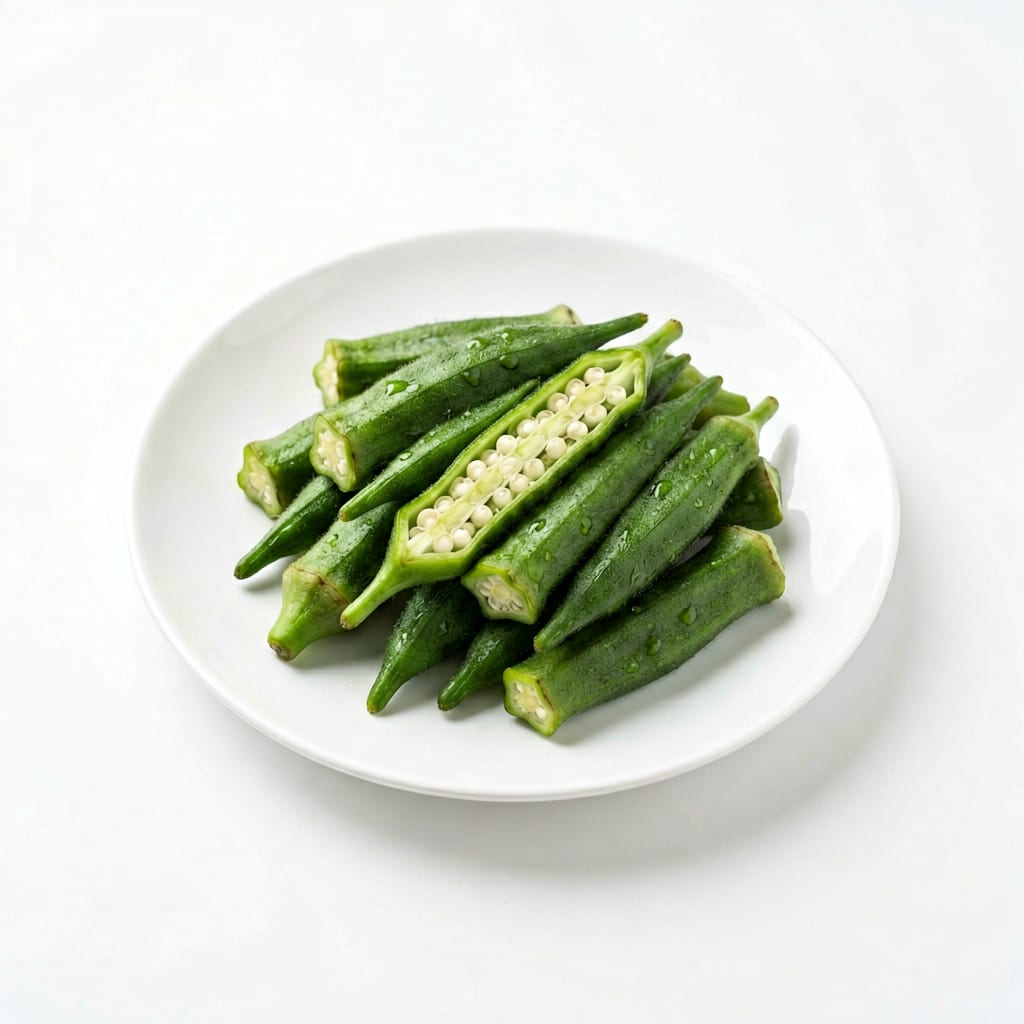
Compare with
Okra
Okra is known for its mucilage which aids digestion, while yardlong beans offer a firmer texture and more protein.
Yardlong beans have a more appealing texture for stir-fries and slightly more protein than okra, though both are great low-calorie options.
This food
Yardlong Bean
VS60% alike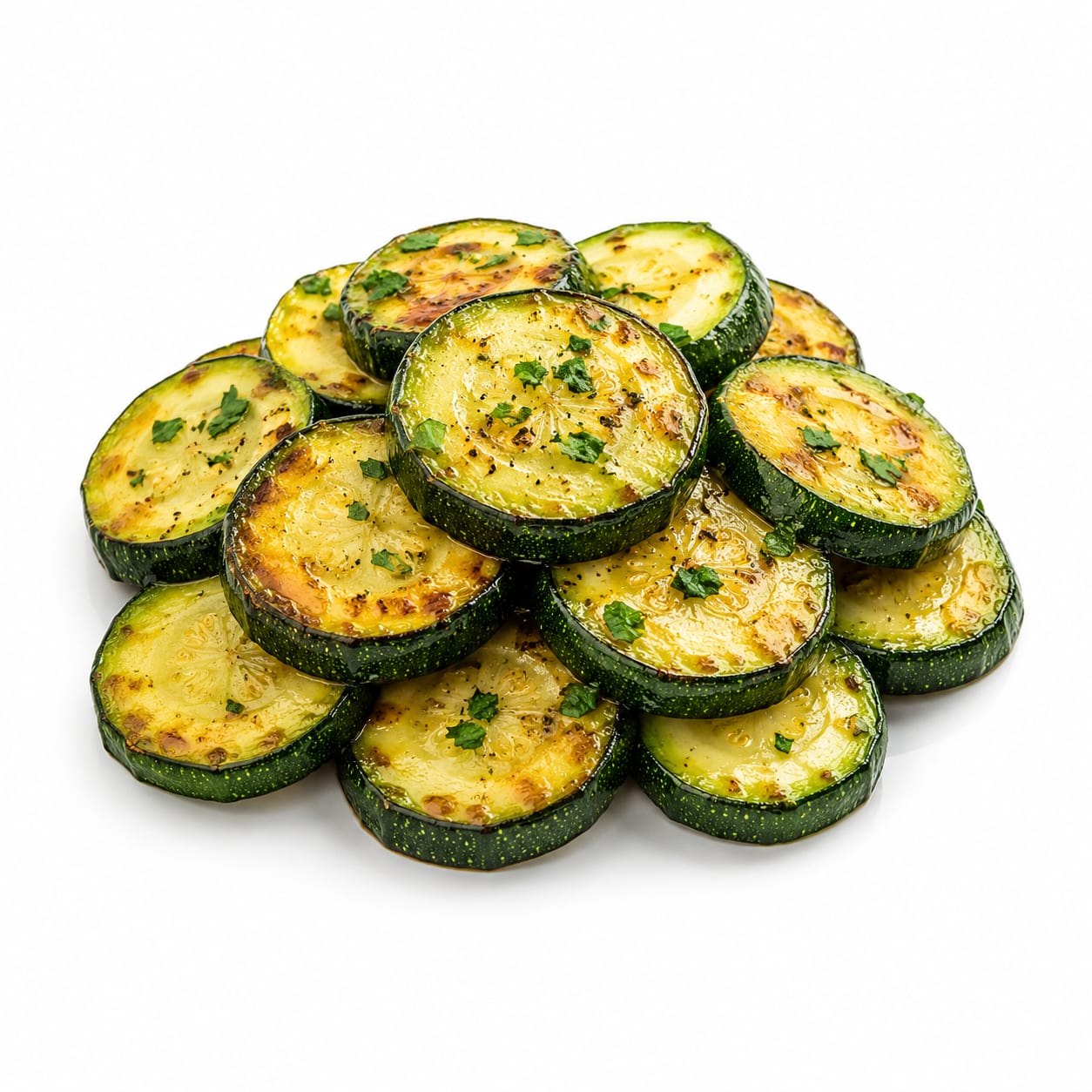
Compare with
Zucchini
Zucchini is extremely low in carbs and calories, while yardlong beans provide more protein and fiber.
Zucchini is lower in calories and carbs, but yardlong beans offer significantly more fiber and protein, making them more filling.
This food
Yardlong Bean
VS55% alike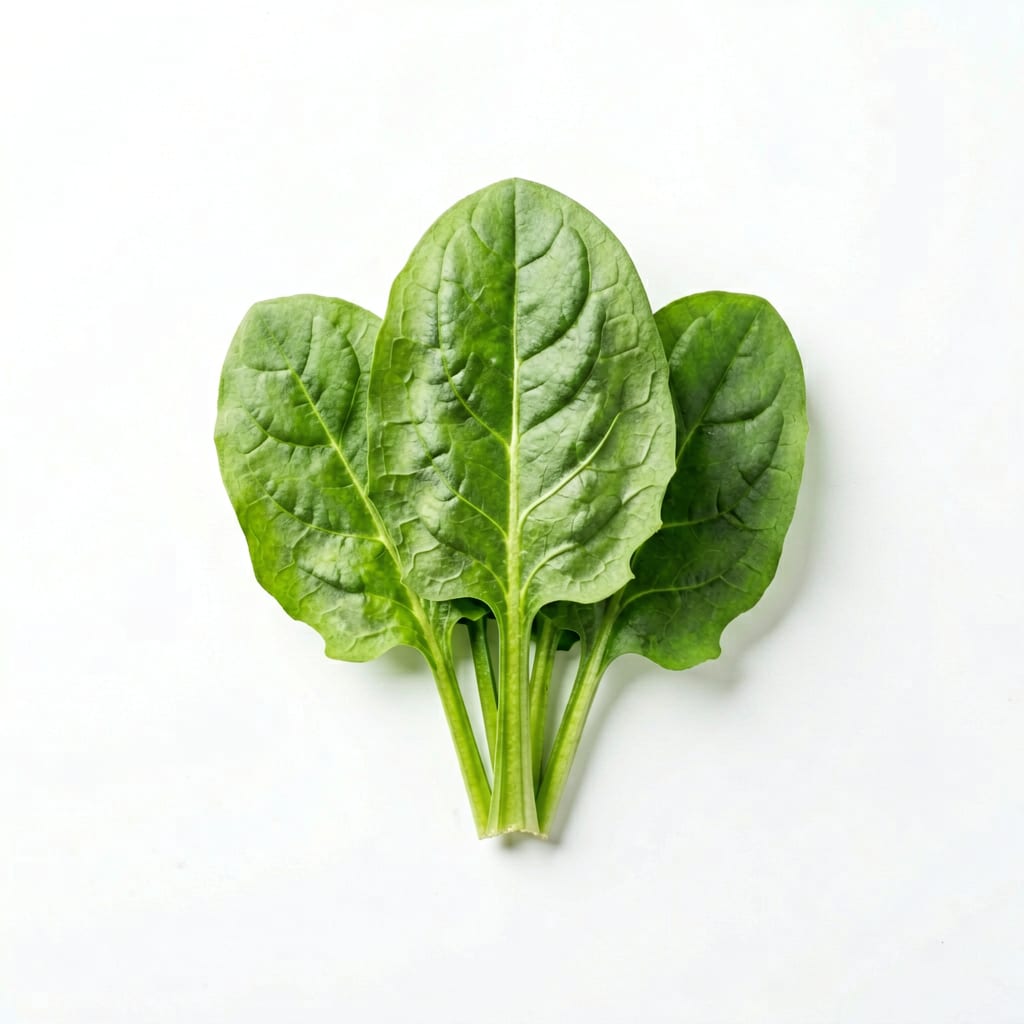
Compare with
Spinach
Spinach is extremely rich in micronutrients like iron and vitamin K, while yardlong beans provide more macronutrients like protein and carbs.
Spinach is lower in calories and richer in iron, but yardlong beans offer more protein and a firmer, more satisfying bite.
This food
Yardlong Bean
VS75% alike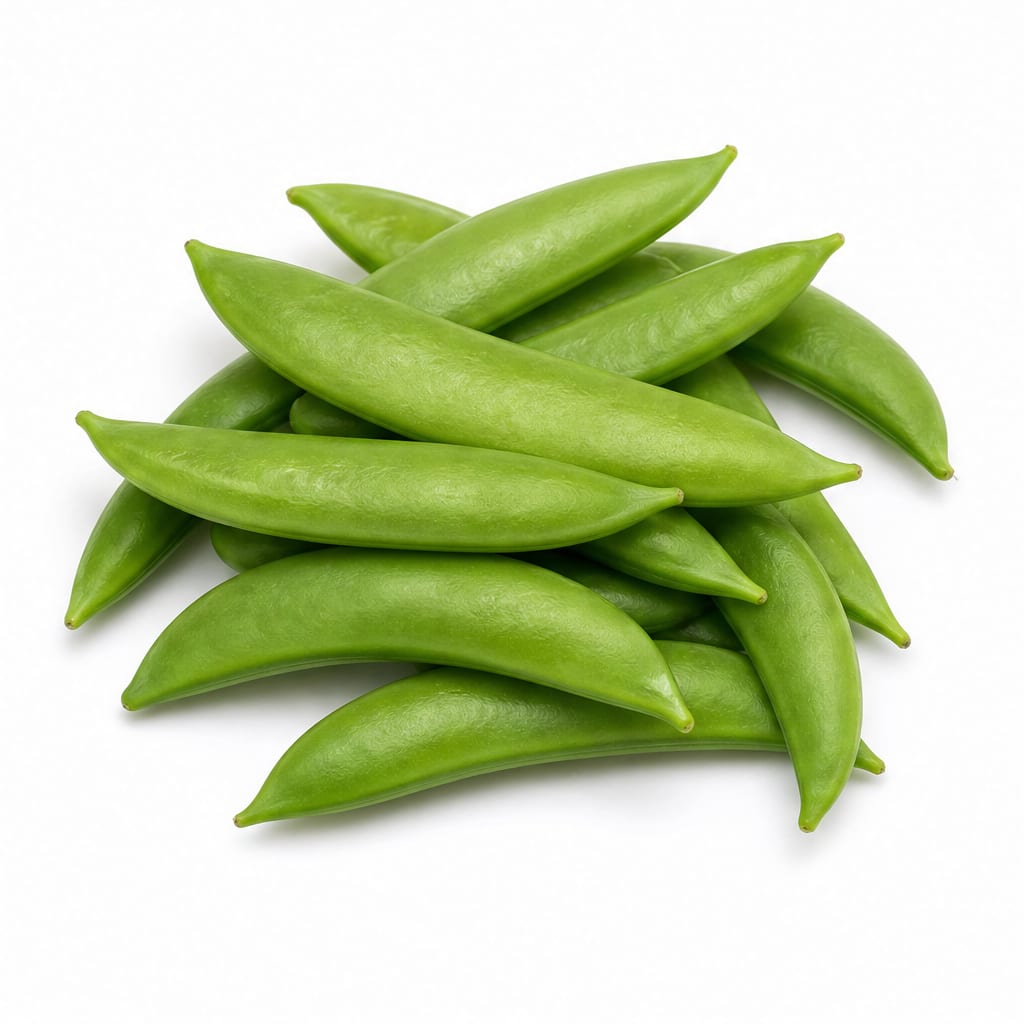
Compare with
Snap Pea
Snap peas are sweeter and can be eaten raw safely, while yardlong beans must be cooked and offer more fiber.
Snap peas are a convenient raw snack, but yardlong beans provide more fiber and protein, making them better for blood sugar management.
This food
Yardlong Bean
VS50% alike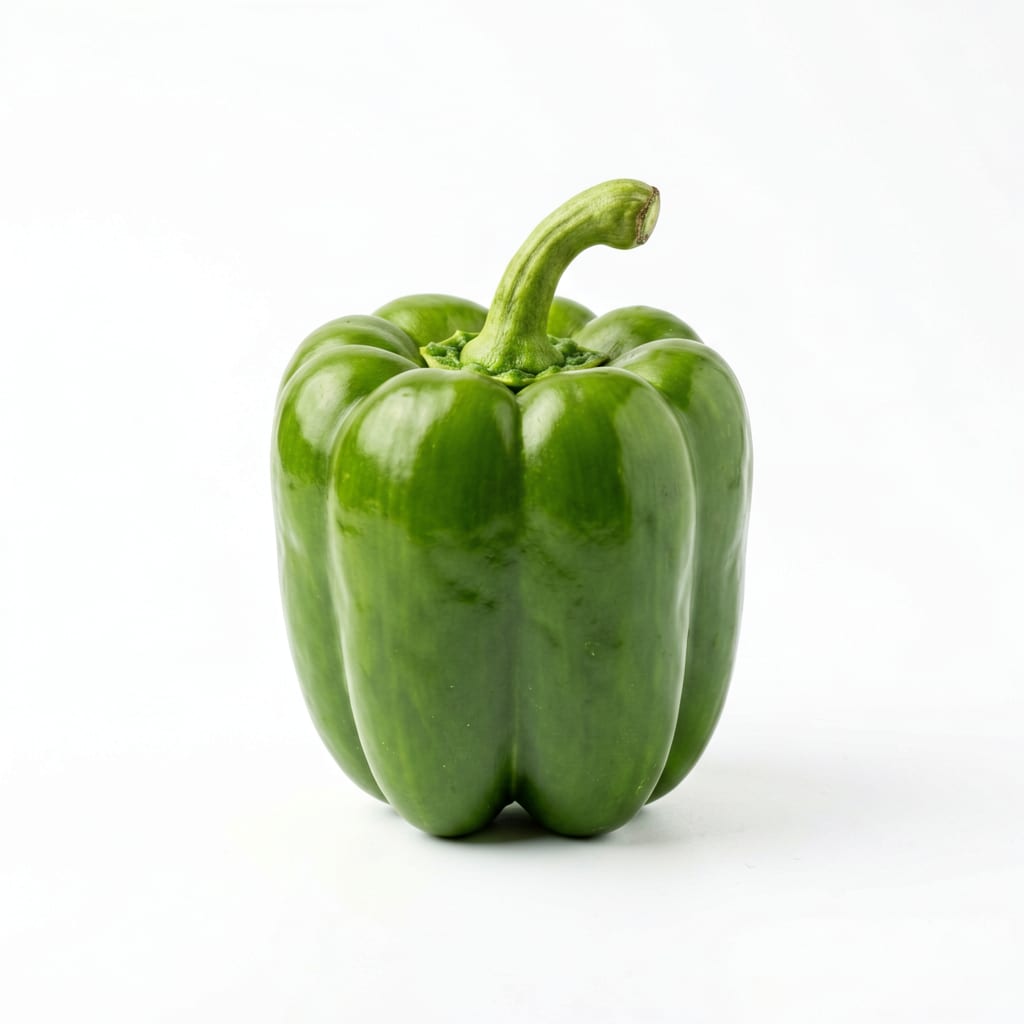
Compare with
Bell Pepper
Bell peppers are exceptionally high in vitamin C and sweetness, while yardlong beans provide more fiber and protein.
Bell peppers are richer in vitamin C and lower in calories, but yardlong beans offer better satiety and blood sugar stability due to their fiber and protein.
Common questions
FAQ
Answers aligned with how people search for this food.
Are yardlong beans good for weight loss?
Yes, yardlong beans are excellent for weight loss. They contain only 47 calories per 100g and are 88% water, providing high volume and satiety without excess calories.
Can diabetics eat yardlong beans?
Yes, diabetics can safely eat yardlong beans. They have a low glycemic index of 30 and a very low glycemic load, meaning they cause minimal impact on blood sugar levels.
Can you eat yardlong beans raw?
No, you should not eat yardlong beans raw. They contain phytohemagglutinin lectins that can cause nausea, vomiting, and diarrhea. Always cook them thoroughly before eating.
What is the difference between yardlong beans and green beans?
Yardlong beans are longer, have a more distinct earthy flavor, and a slightly denser texture than standard green beans. Nutritionally, they are similar, but yardlong beans often have slightly more protein and fiber per serving.
How do you cook yardlong beans?
The best ways to cook yardlong beans are stir-frying, blanching, or steaming. Cut them into shorter segments and cook until tender but still crisp to ensure any harmful lectins are destroyed.
Are yardlong beans high in protein?
While they contain more protein than many other vegetables at 3g per 100g, they are not considered a high-protein food. They should be paired with other protein sources for a balanced meal.
Do yardlong beans have lectins?
Yes, raw yardlong beans contain lectins which are toxic. However, cooking them thoroughly at high heat completely destroys the lectins, making the beans safe and healthy to eat.
What do yardlong beans taste like?
Yardlong beans have a flavor similar to green beans but with a slightly sweeter, earthier, and nuttier profile. They hold up well to strong flavors like garlic, ginger, and soy sauce.
Transparency
Data confidence
Estimated confidence for nutrition data, interpretation, safety notes, and comparisons.
Nutrition data
Health analysis
Food safety
Comparisons