
Nutrition comparison
Yardlong Bean vs Snow Pea: Nutrition, Satiety, and Best Uses
Compare yardlong beans and snow peas to find out which is better for weight loss, cooking, and daily nutrition. Discover the key differences in fiber, vitamins, and culinary use.
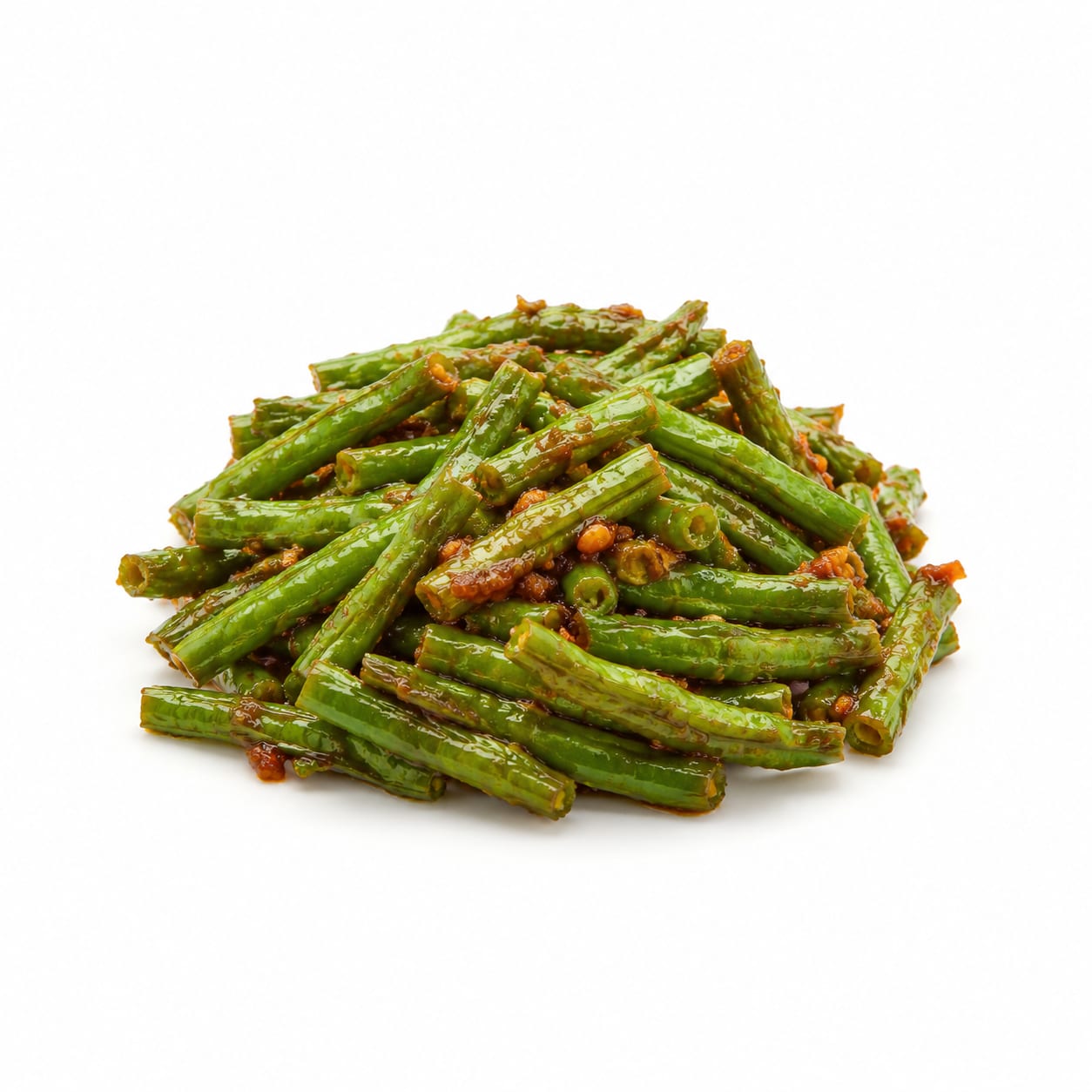
Yardlong Bean
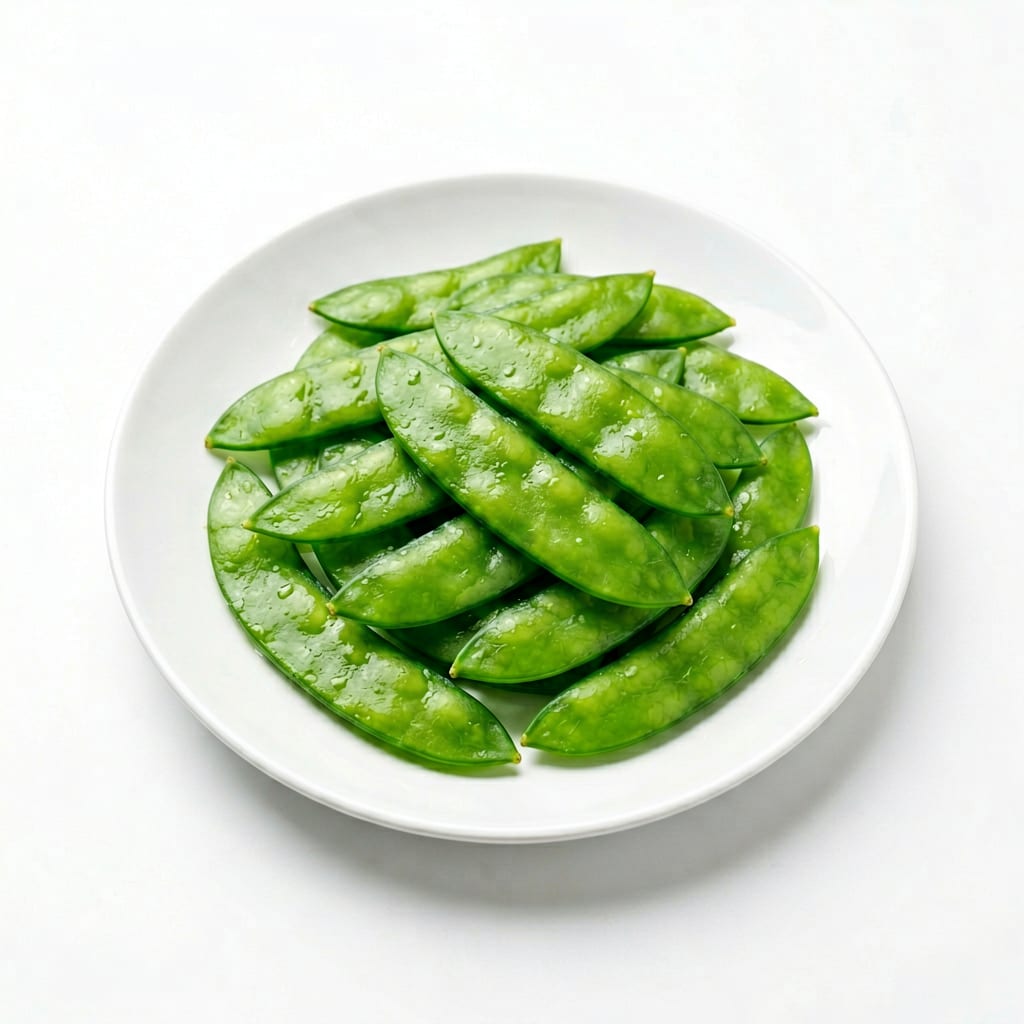
Snow Pea
Yardlong beans are more filling and mineral-rich, while snow peas are lighter, crisper, and packed with vitamin C.
Scores are nearly identical because both are highly nutritious whole foods. Yardlong beans edge ahead slightly for sustained energy and mineral density, while snow peas excel in convenience and vitamin C.
Substance and satiety versus crispness and convenience.
At a glance
Executive summary
Overall
It depends
Healthier
It depends
More practical
Snow Pea
Daily use
It depends
Key comparison lenses
vegetable side dish selection
Both are popular pod-style vegetables used in stir-fries and side dishes, often competing for the same plate space.
weight management and satiety
Yardlong beans are denser and more filling, while snow peas are ultra-light, creating a clear tradeoff for calorie counters.
raw snacking vs cooked meals
Snow peas shine raw or lightly blanched, whereas yardlong beans require cooking, changing how they fit into daily routines.
micronutrient prioritization
Yardlong beans offer more folate and iron, while snow peas deliver significantly more vitamin C.
Best choice for
Yardlong Bean
- Hearty meals needing a filling vegetable base
- Iron-deficient individuals seeking plant-based sources
- Pregnant women needing extra folate
Snow Pea
- Quick raw snacks or lunchbox additions
- Low-calorie diet phases
- Immune system support through vitamin C
Least suitable for
Yardlong Bean
- Raw vegetable platters
- Quick no-cook meal prep
Snow Pea
- Heavy, comforting stews
- Sustained energy needs between meals
Deep comparison
Dimension by dimension
Each lens scores both foods and breaks down who each option suits.
- Dimension 1 · Priority 90Yardlong Bean
Satiety and Fullness
Yardlong Bean · 85Snow Pea · 65Yardlong beans are significantly more filling due to higher protein and complex carbohydrates.
Tradeoff
You get more staying power with yardlong beans, but they feel heavier in the stomach.
Why it matters
Staying full between meals reduces the urge to snack on processed foods.
Real-world impact
A yardlong bean side dish at lunch keeps you satisfied until dinner, whereas snow peas might leave you hunting for a snack by 3 PM.
Yardlong Bean
- Sustained energy through busy afternoons
- Replacing heavier carbs like rice or pasta
Better for
- Small appetites or light meal preferences
Worse for
Snow Pea
- Light post-workout recovery meals
- Late-night snacking without feeling bloated
Better for
- Recovering from intense physical labor
Worse for
- Dimension 2 · Priority 85Snow Pea
Calorie Density and Weight Loss
Yardlong Bean · 70Snow Pea · 90Snow peas are extremely low in calories, making them a dieter's dream for volume eating.
Tradeoff
Snow peas let you eat a large volume for few calories, but yardlong beans offer more nutritional value per calorie.
Why it matters
Low calorie density helps manage portion control without feeling deprived.
Real-world impact
You can eat an entire bowl of raw snow peas for under 50 calories, making them a perfect mindless snacking alternative to chips.
Yardlong Bean
- Nutrient-dense refueling after illness
Better for
- Strict calorie restriction phases
Worse for
Snow Pea
- Cutting weight for athletic competitions
- Mindless TV snacking without the guilt
Better for
- High-calorie bulking diets
Worse for
- Dimension 3 · Priority 80It depends
Micronutrient Profile
Yardlong Bean · 82Snow Pea · 80Yardlong beans dominate in folate and iron, while snow peas are a superior source of vitamin C.
Tradeoff
Choosing between blood-building minerals and immune-supporting antioxidants.
Why it matters
Different life stages and seasons demand different micronutrient priorities.
Real-world impact
Yardlong beans are excellent during pregnancy for folate, while snow peas are better during cold season for vitamin C.
Yardlong Bean
- Preventing anemia and supporting blood health
- Prenatal nutrition
Better for
- Fighting off a seasonal cold
Worse for
Snow Pea
- Boosting iron absorption from other foods
- Supporting skin health and immunity
Better for
- Addressing iron deficiency
Worse for
- Dimension 4 · Priority 75Snow Pea
Convenience and Culinary Use
Yardlong Bean · 55Snow Pea · 88Snow peas require minimal to no cooking and are highly versatile, whereas yardlong beans must be cooked.
Tradeoff
Snow peas save time and offer raw crunch, but yardlong beans provide a more substantial cooked texture.
Why it matters
Convenience often dictates whether a healthy food actually gets eaten on a busy weeknight.
Real-world impact
Tossing snow peas into a salad takes zero effort, but yardlong beans require chopping and 10-15 minutes of cooking.
Yardlong Bean
- Hearty stir-fries and stews where texture matters
Better for
- No-cook meal scenarios
Worse for
Snow Pea
- Quick weeknight meal prep
- Cold lunchbox additions
Better for
- Slow-cooked comfort food dishes
Worse for
Timeline
Health impact over time
Short-term
Hours to days
Yardlong Bean
- Provides lasting energy without a blood sugar crash
- Feels substantial and comforting in the stomach
Snow Pea
- Offers a hydrating, refreshing crunch
- Vitamin C immediately supports iron absorption if eaten with other foods
Long-term
Months to years
Yardlong Bean
- Consistent folate intake supports cardiovascular and cellular health
- Sustained fiber intake promotes regular digestion
Snow Pea
- High vitamin C intake supports long-term skin elasticity and joint health
- Low calorie habits help maintain a healthy weight effortlessly
Risk profile
Safety & processing
Both yardlong beans and snow peas are whole, natural vegetables typically sold fresh or frozen without additives.
Yardlong Bean
Undercooking
mediumLike many beans, yardlong beans contain lectins that are neutralized by proper cooking. Eating them undercooked can cause digestive distress.
Snow Pea
Pesticide residue
mediumSnow peas are often consumed whole and raw, meaning any non-organic pesticides remain on the edible pod. Washing thoroughly is essential.
Who wins for whom
Audience fit
Same foods, different winners depending on your goal.
children
Snow PeaThe sweet crunch of raw snow peas is far more appealing to kids than the denser, cooked texture of yardlong beans.
daily consumption
It dependsSnow peas are easier to eat daily due to convenience, but yardlong beans offer deeper daily nourishment if you have time to cook.
diabetes
Yardlong BeanThe higher fiber and protein content in yardlong beans creates a steadier, slower blood sugar response.
elderly
Yardlong BeanThe folate and iron in yardlong beans support cardiovascular and blood health, which are common concerns in aging.
muscle gain
Yardlong BeanYardlong beans provide slightly more protein and carbohydrates to support training demands.
weight loss
Snow PeaSnow peas offer massive volume for minimal calories, making it easy to stay in a deficit.
Your move
Decision guide
Choose Yardlong Bean
- You want a filling side dish that stands in for heavier carbs
- You need more iron and folate in your diet
- You are cooking a warm, comforting stir-fry or stew
Choose Snow Pea
- You want a crunchy, low-calorie snack to eat raw
- You need a quick addition to a salad or lunchbox
- You are focusing on vitamin C intake
Either works if
- You simply need a nutritious green vegetable for dinner
- You are trying to increase your daily fiber intake
Avoid both if
- You have a severe legume allergy
Final recommendation
Let your meal dictate the choice. Use snow peas when you need something fast, raw, and light. Choose yardlong beans when you have time to cook and want something hearty and deeply nourishing.
Practical
Consumer tips
- 1
Buy organic snow peas if you plan to eat them raw to avoid pesticide exposure on the edible pod.
- 2
Always cook yardlong beans thoroughly to break down lectins and ensure digestibility.
- 3
Pair snow peas with an iron-rich food; their high vitamin C content will help you absorb that iron more effectively.
- 4
Snap the ends off snow peas and remove the string for a better texture, even if it takes an extra minute.