
Nutrition comparison
Yardlong Bean vs Bell Pepper: Which Vegetable Is Better for You?
Compare yardlong beans and bell peppers on protein, fiber, vitamin C, blood sugar impact, and daily practicality. Find out which vegetable fits your health goals better.
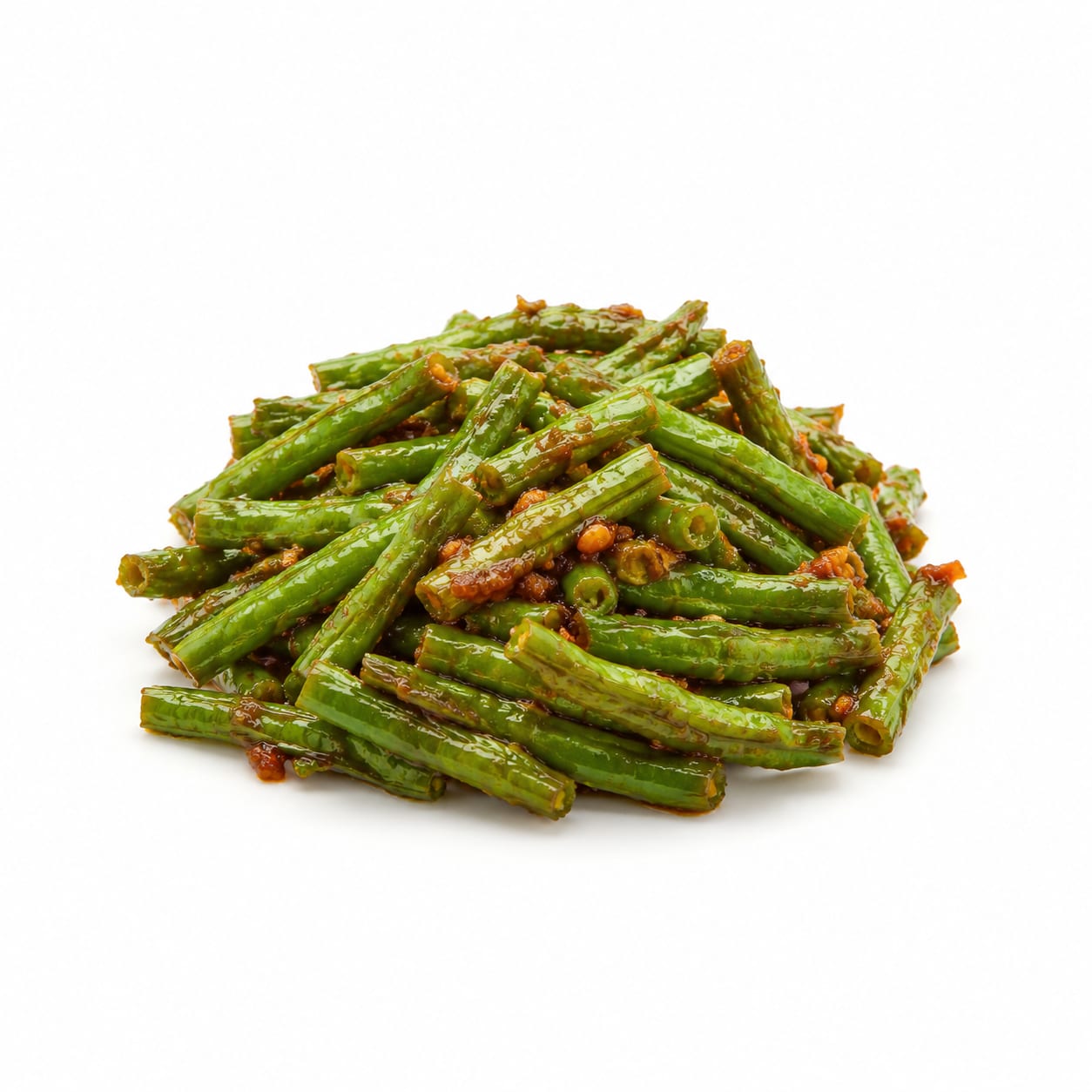
Yardlong Bean
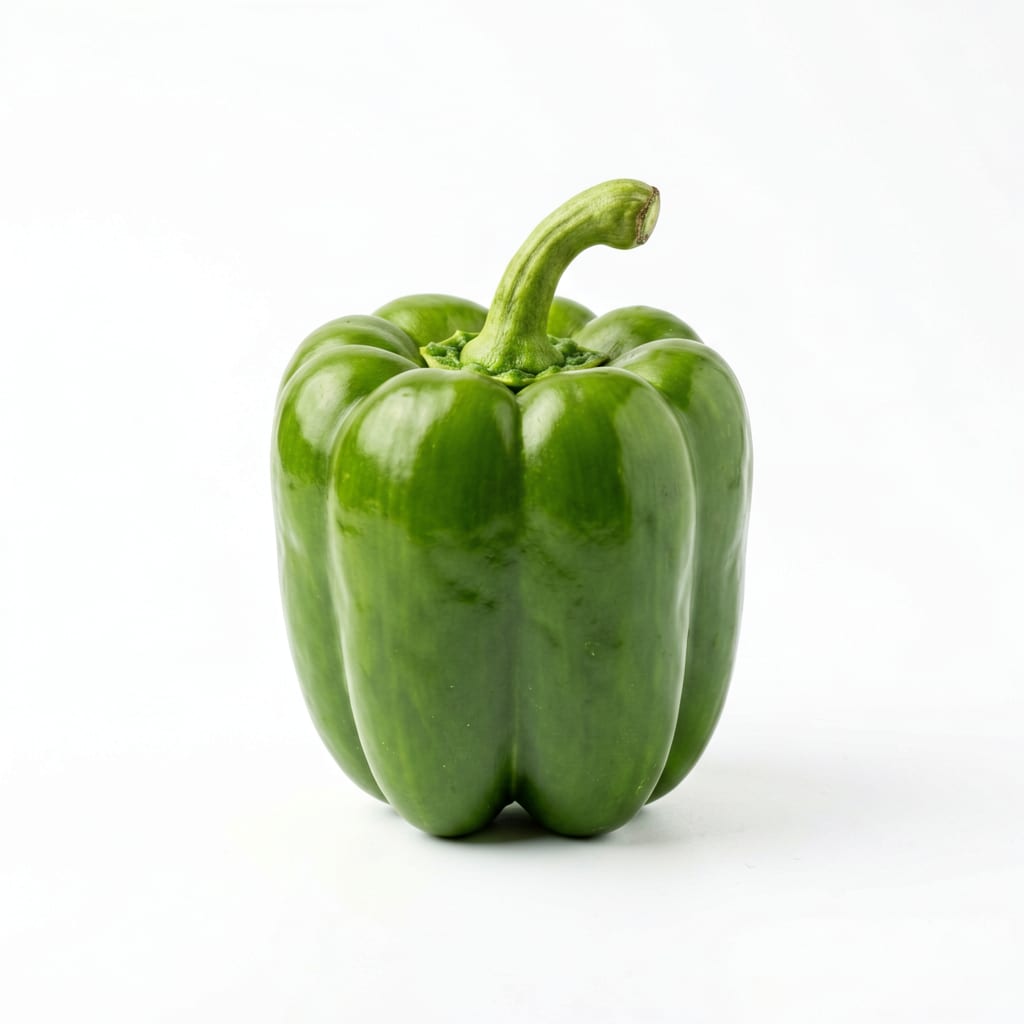
Bell Pepper
Yardlong beans feed you — bell peppers protect you. One fills and stabilizes; the other brightens and defends.
Bell peppers edge ahead for daily practicality and vitamin C dominance, but yardlong beans win on substance — protein, fiber, and satiety. The close scores reflect that each excels where the other is weak.
Yardlong beans deliver far more protein, fiber, and lasting fullness, while bell peppers offer dramatically more vitamin C and can be eaten raw with zero prep.
At a glance
Executive summary
Overall
It depends
Healthier
It depends
More practical
Bell Pepper
Daily use
Bell Pepper
Key comparison lenses
vegetable protein and fiber comparison
Yardlong beans are unusually protein-rich for a vegetable, while bell peppers are notably low in protein — this is the starkest nutritional difference
raw vs cooked vegetable versatility
Bell peppers shine raw in salads and snacks; yardlong beans require cooking, which changes how people actually use them day-to-day
vitamin C and antioxidant density
Bell peppers are among the richest vitamin C sources available; yardlong beans cannot compete here
blood sugar and satiety management
The fiber-protein combo in yardlong beans makes them far more stabilizing for blood sugar and hunger
digestive tolerance and gas risk
Yardlong beans can cause bloating in sensitive people; bell peppers are generally gentler but can bother some with nightshade sensitivity
Best choice for
Yardlong Bean
- People needing plant-based protein and sustained energy
- Those managing blood sugar or insulin resistance
- Anyone wanting a more filling vegetable side dish
- Pregnant women needing extra folate
Bell Pepper
- People seeking maximum vitamin C and antioxidant protection
- Anyone wanting a crunchy raw snack with no cooking
- Those watching calories closely
- Meal preppers who want a versatile vegetable for salads, stir-fries, and snacking
Least suitable for
Yardlong Bean
- People prone to bloating or gas from legumes
- Anyone wanting a quick no-cook snack
- Those who find bean textures unappealing
Bell Pepper
- People with nightshade sensitivities or joint inflammation concerns
- Those needing substantial protein from their vegetables
- Anyone looking for a filling standalone dish
Deep comparison
Dimension by dimension
Each lens scores both foods and breaks down who each option suits.
- Dimension 1 · Priority 92Yardlong Bean
protein and satiety
Yardlong Bean · 82Bell Pepper · 28Yardlong beans contain roughly 3-4 times more protein than bell peppers, making them genuinely filling rather than just crunchy.
Tradeoff
You get lasting fullness from yardlong beans but sacrifice the grab-and-go convenience of raw bell peppers.
Why it matters
Protein from vegetables is rare and valuable. Yardlong beans are one of the few vegetables that can meaningfully contribute to daily protein targets.
Real-world impact
A serving of yardlong beans with rice feels like a complete meal. Bell peppers alone leave you hungry again within an hour.
Yardlong Bean
- Post-workout recovery meals
- Plant-based eaters needing protein from vegetables
- Long gaps between meals
Better for
- Quick energy needs when you want something light
Worse for
Bell Pepper
- Light snacking without feeling heavy
- Pre-meal appetizers
Better for
- Situations where the vegetable needs to carry the meal nutritionally
Worse for
- Dimension 2 · Priority 85Bell Pepper
vitamin C and antioxidant power
Yardlong Bean · 35Bell Pepper · 95Bell peppers are vitamin C powerhouses — a single red bell pepper delivers more than double your daily need. Yardlong beans provide modest vitamin C at best.
Tradeoff
Bell peppers give you immune and skin support in spades, but lack the protein-fiber substance of yardlong beans.
Why it matters
Vitamin C is not just immunity — it supports collagen, iron absorption, and acts as a major dietary antioxidant.
Real-world impact
Eating a red bell pepper with your lunch effectively covers your vitamin C for the day. You would need several cups of yardlong beans to match that.
Yardlong Bean
- Situations where mineral nutrition matters more than vitamins
Better for
- When you need a concentrated vitamin C source
Worse for
Bell Pepper
- Cold and flu season immune support
- Skin health and collagen production
- Enhancing iron absorption from plant meals
- Recovering from stress or illness
Better for
- Situations requiring sustained energy and fullness
Worse for
- Dimension 3 · Priority 80Yardlong Bean
fiber and blood sugar stability
Yardlong Bean · 78Bell Pepper · 42Yardlong beans deliver significantly more fiber per serving, slowing digestion and keeping blood sugar steadier for longer.
Tradeoff
Better blood sugar control comes with the digestive discomfort some people experience from higher-fiber legumes.
Why it matters
Fiber is the single most undereaten nutrient in modern diets. Yardlong beans make a meaningful dent in daily fiber targets in a way bell peppers cannot.
Real-world impact
After a yardlong bean dish, you feel satisfied and stable for hours. After bell peppers alone, you may crave something else within 30 minutes.
Yardlong Bean
- Managing prediabetes or insulin resistance
- Reducing afternoon energy crashes
- Improving daily fiber intake substantially
Better for
- People with IBS or sensitive digestion
Worse for
Bell Pepper
- Light eating before intense exercise
- When you want vegetables without feeling full
Better for
- Blood sugar management as a standalone food
Worse for
- Dimension 4 · Priority 78Bell Pepper
convenience and culinary versatility
Yardlong Bean · 38Bell Pepper · 88Bell peppers can be eaten raw, roasted, sautéed, stuffed, or blended into sauces. Yardlong beans must be cooked and have a narrower culinary range.
Tradeoff
Bell peppers adapt to nearly any dish or eating occasion instantly; yardlong beans require cooking but reward you with more substance.
Why it matters
The vegetable you actually eat regularly beats the one that sits in your fridge because cooking feels like too much effort.
Real-world impact
You can slice a bell pepper at your desk for a snack. Yardlong beans require at least 10 minutes of cooking and planning ahead.
Yardlong Bean
- Hearty stir-fries and stews where substance matters
- Traditional Asian and African dishes where they are a staple
Better for
- Spontaneous snacking
- No-cook meal situations
Worse for
Bell Pepper
- Raw snacking and salad prep
- Quick weeknight cooking
- Meal prep containers needing no reheating
- Kids' lunchboxes
Better for
- Dishes where the vegetable needs to be the main event nutritionally
Worse for
- Dimension 5 · Priority 70Yardlong Bean
mineral density
Yardlong Bean · 75Bell Pepper · 45Yardlong beans provide more magnesium, iron, potassium, and folate per serving than bell peppers, making them a stronger mineral contributor.
Tradeoff
You gain meaningful mineral intake from yardlong beans but lose the vitamin C potency and carotenoid richness of bell peppers.
Why it matters
Magnesium and folate are commonly deficient, and yardlong beans deliver both in appreciable amounts for a vegetable.
Real-world impact
Regular yardlong bean consumption quietly supports energy production, nerve function, and healthy blood cells in ways bell peppers cannot match.
Yardlong Bean
- Pregnant women needing folate
- People with low iron or magnesium intake
- Supporting energy and nerve health through food
Better for
- Those who get sufficient minerals from other sources already
Worse for
Bell Pepper
- Situations where vitamin and antioxidant density matters more than minerals
Better for
- Anyone relying on a single vegetable for broad mineral coverage
Worse for
- Dimension 6 · Priority 65Bell Pepper
digestive tolerance
Yardlong Bean · 40Bell Pepper · 72Bell peppers are generally well-tolerated and easy to digest. Yardlong beans, like other legumes, can cause gas and bloating in sensitive individuals.
Tradeoff
The fiber that makes yardlong beans so satisfying is the same fiber that can cause discomfort if your gut is not accustomed to it.
Why it matters
A nutrient-dense food that causes bloating may be eaten less often, reducing its real-world nutritional benefit.
Real-world impact
Some people avoid yardlong beans after a few uncomfortable experiences. Bell peppers rarely cause digestive complaints except in nightshade-sensitive individuals.
Yardlong Bean
- People with well-adapted gut microbiomes used to legumes
Better for
- Date nights or events where gas would be embarrassing
- People newly increasing fiber intake
Worse for
Bell Pepper
- Sensitive digestion or IBS
- Eating before social events where bloating is undesirable
- Gentle reintroduction of vegetables after illness
Better for
- Nightshade-sensitive individuals with joint pain or inflammation
Worse for
Timeline
Health impact over time
Short-term
Hours to days
Yardlong Bean
- Provides lasting fullness and steady energy for 3-4 hours after eating
- May cause mild bloating or gas within the first hour if gut is unaccustomed
- Contributes meaningfully to daily protein and fiber targets in a single serving
Bell Pepper
- Delivers an immediate vitamin C boost supporting immune function and iron absorption
- Feels light and refreshing — unlikely to cause heaviness or digestive discomfort
- Satisfies crunch cravings without significant calorie intake
Long-term
Months to years
Yardlong Bean
- Regular consumption supports better blood sugar control and reduced diabetes risk
- Sustained fiber intake promotes healthier gut microbiome diversity over time
- Consistent folate and iron intake supports cardiovascular and blood health
Bell Pepper
- High vitamin C and carotenoid intake reduces oxidative stress and supports skin aging defense
- Regular raw vegetable consumption is associated with lower overall disease risk
- Low calorie density supports healthy weight maintenance when eaten habitually
Risk profile
Safety & processing
Both yardlong beans and bell peppers are whole, unprocessed vegetables you buy fresh. Neither typically carries additives or preservatives. The main concern for both is pesticide residue — bell peppers consistently appear on the Environmental Working Group's Dirty Dozen list, so organic matters more for them.
Yardlong Bean
pesticide residue
mediumYardlong beans can carry pesticide residue, but they are not among the most contaminated vegetables. Washing thoroughly and choosing organic when available reduces risk.
undercooking
lowRaw yardlong beans contain lectins that can cause digestive upset. Always cook them thoroughly to neutralize these compounds.
Bell Pepper
pesticide residue
highBell peppers are consistently ranked among the most pesticide-contaminated produce. Organic is strongly recommended, especially for children and pregnant women.
nightshade sensitivity
lowSome individuals with autoimmune conditions or joint inflammation report symptom flares from nightshade vegetables including bell peppers. This is uncommon but worth monitoring.
Who wins for whom
Audience fit
Same foods, different winners depending on your goal.
children
Bell PepperBell peppers are sweet, crunchy, colorful, and can be eaten raw as finger food — making them far more appealing and practical for kids. Yardlong beans require cooking and have a texture many children resist.
daily consumption
Bell PepperBell peppers are easier to incorporate daily — raw in salads, cooked in dishes, or as snacks — with minimal digestive adaptation needed. Yardlong beans are excellent but require cooking and may cause gas if eaten daily without gradual adjustment.
diabetes
Yardlong BeanThe fiber-protein combination in yardlong beans slows glucose absorption and stabilizes blood sugar far more effectively than the lower-fiber, lower-protein bell pepper.
elderly
Bell PepperBell peppers are easier to chew and digest, and their high vitamin C content supports immune health and collagen maintenance in aging bodies. Yardlong beans may be tougher for aging digestive systems.
muscle gain
Yardlong BeanYardlong beans provide meaningful plant protein that contributes to muscle-building targets, while bell peppers offer negligible protein.
weight loss
Bell PepperBell peppers are extremely low in calories and can be eaten in large volumes, making them ideal for filling up without overconsuming. Yardlong beans are still reasonable but are slightly more calorie-dense due to their protein and carb content.
Your move
Decision guide
Choose Yardlong Bean
- You want a vegetable that actually fills you up and contributes protein to your meal
- You are managing blood sugar, insulin resistance, or diabetes
- You eat plant-based and need more protein and fiber from vegetable sources
- You enjoy cooking and want a satisfying ingredient for stir-fries and stews
- You are pregnant or trying to conceive and need extra folate
Choose Bell Pepper
- You want maximum vitamin C and antioxidant protection in a single food
- You need a no-cook vegetable for snacks, salads, or lunchboxes
- You are counting calories and want volume without energy density
- You have kids who need appealing, sweet, crunchy vegetables
- You want a vegetable you can eat every single day without digestive adjustment
Either works if
- You are building a stir-fry and want complementary vegetables — use both
- You are generally healthy and eat a varied diet with other protein sources
- You want to rotate vegetables for microbiome diversity
Avoid both if
- You have severe nightshade sensitivity — bell peppers are out, and yardlong beans are fine but limited in shared dishes
- You need calorie-dense foods for weight gain — neither is sufficient alone
Final recommendation
Eat both, but let your goal decide the anchor. If your meal needs substance and staying power, lead with yardlong beans. If it needs brightness, crunch, and vitamin C, lead with bell peppers. The ideal plate has room for both — the beans ground you, the peppers elevate you.
Practical
Consumer tips
- 1
Buy organic bell peppers whenever possible — they are among the most pesticide-contaminated vegetables commercially grown
- 2
Always cook yardlong beans thoroughly to neutralize lectins and improve digestibility
- 3
If yardlong beans cause gas, try introducing them gradually in smaller portions over two weeks to let your gut adapt
- 4
Pair bell peppers with iron-rich foods — their vitamin C dramatically boosts iron absorption
- 5
Red bell peppers contain more vitamin C and carotenoids than green ones — choose red for maximum nutrition
- 6
Yardlong beans freeze well after blanching, so buy in bulk when available and store for later
- 7
For the most satisfying vegetable dish, combine both: sauté yardlong beans with sliced bell peppers for a fiber-protein-vitamin C trifecta