
Nutrition comparison
Yardlong Bean vs Spinach: Which Is Healthier for You?
Compare Yardlong Bean and Spinach nutrition, fiber, iron absorption, oxalate risks, and satiety. Find out which green vegetable fits your health goals better.
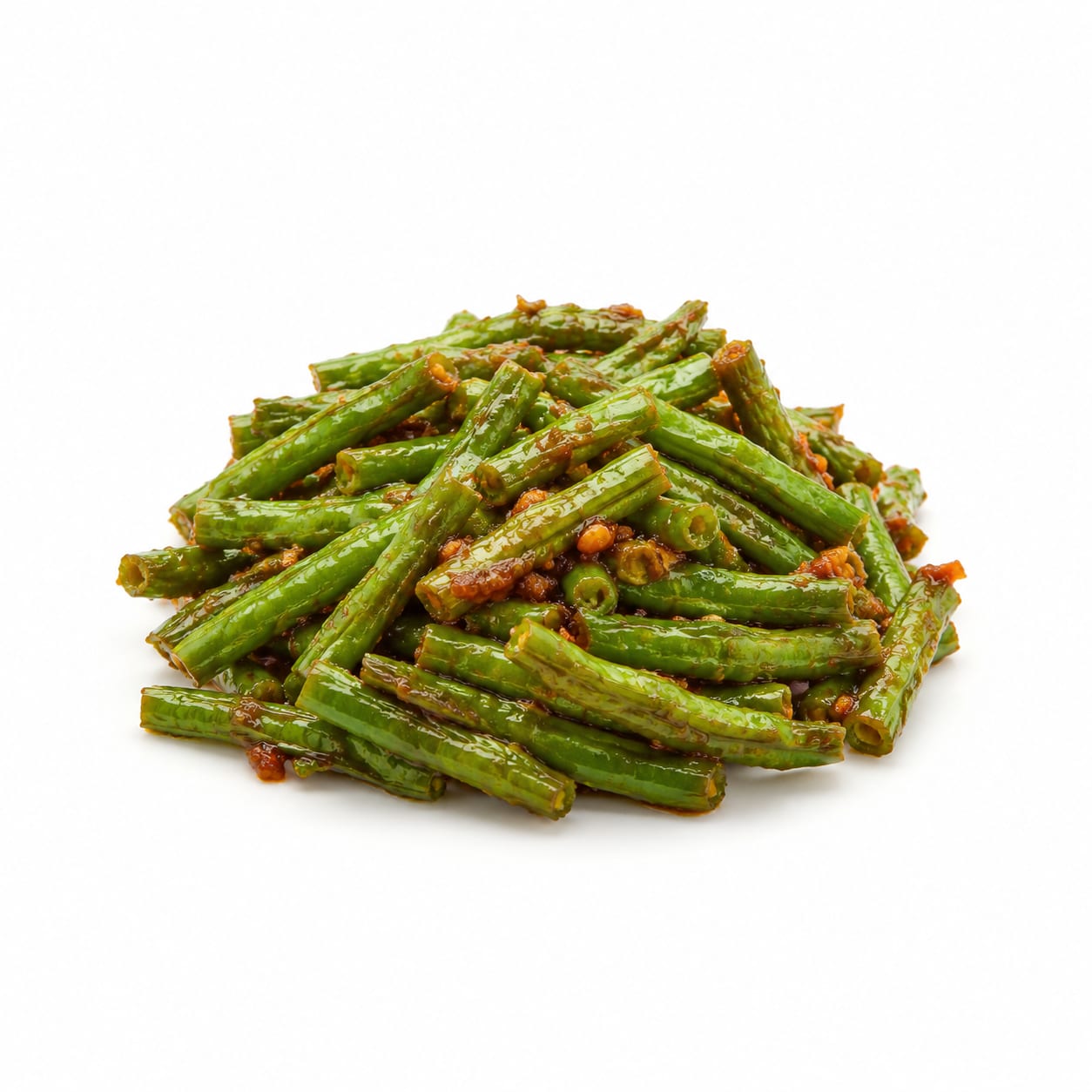
Yardlong Bean
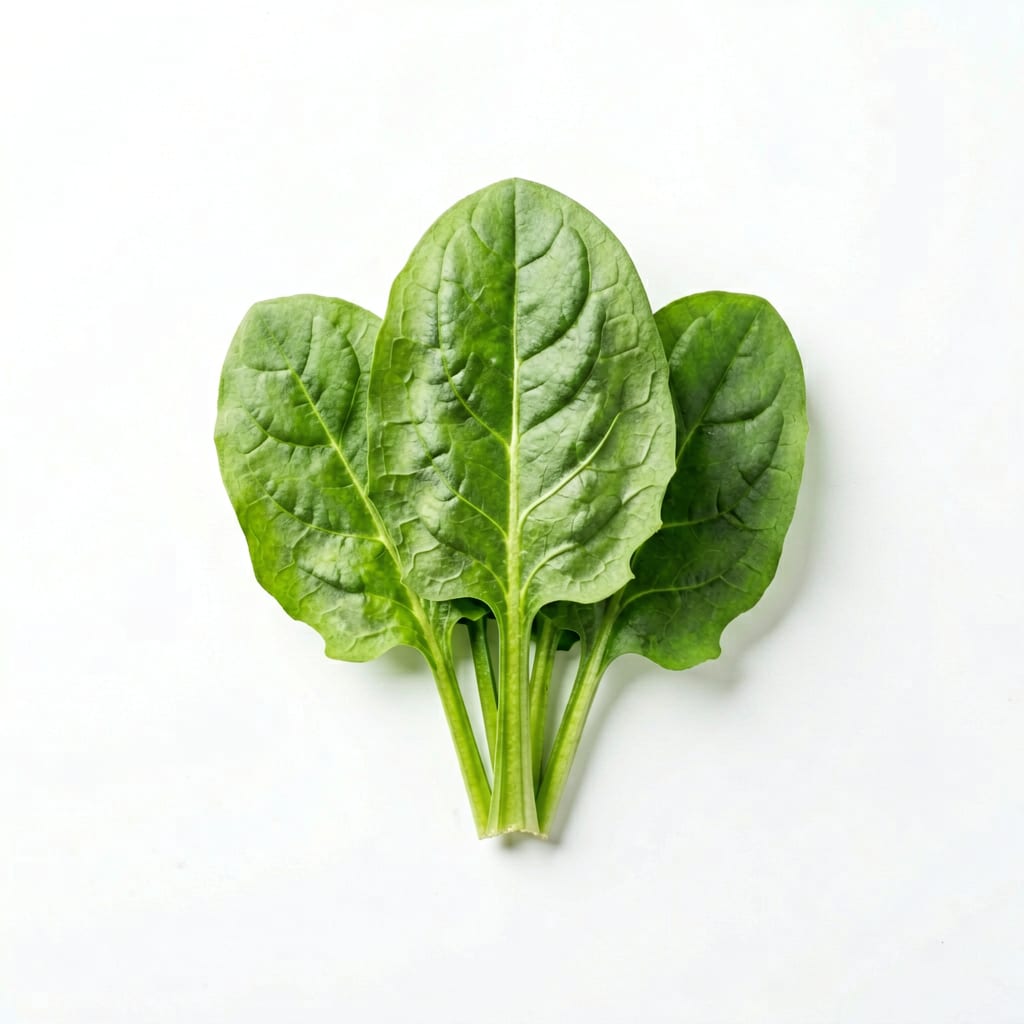
Spinach
Spinach wins on vitamin density and calorie efficiency; Yardlong Bean wins on fiber, satiety, and mineral bioavailability. Your pick depends on what your body needs most.
Spinach scores slightly higher due to exceptional vitamin density and broader availability, but Yardlong Bean's fiber advantage and oxalate-free profile keep it competitive for specific needs.
Spinach gives you more vitamins per bite but blocks some mineral absorption; Yardlong Bean fills you up longer and lets your body actually use the minerals you eat.
At a glance
Executive summary
Overall
It depends
Healthier
It depends
More practical
Spinach
Daily use
Spinach
Key comparison lenses
nutrient density per calorie
Spinach delivers far more vitamins per calorie, making it the classic nutrient-dense leafy green, while Yardlong Bean offers more substance and satiety per serving
satiety and fiber
Yardlong Bean has nearly double the fiber, keeping you fuller longer, which matters for weight management and blood sugar control
mineral absorption concerns
Spinach contains oxalates that block iron and calcium absorption, a real-world issue many people overlook when eating it for minerals
versatility and convenience
Spinach can be eaten raw or cooked and is available everywhere; Yardlong Bean requires cooking and is harder to find in many regions
kidney stone risk
Spinach's high oxalate content is a genuine concern for anyone prone to kidney stones, while Yardlong Bean poses no such risk
Best choice for
Yardlong Bean
- People who need more fiber and digestive regularity
- Anyone prone to kidney stones who must limit oxalates
- Those wanting a more filling vegetable side dish
- People focused on blood sugar stability after meals
- Anyone needing better iron absorption from vegetables
Spinach
- People prioritizing vitamin K for bone health
- Anyone counting calories who wants maximum nutrients per calorie
- Those wanting eye-health support from lutein and zeaxanthin
- People who enjoy raw salads and green smoothies
- Anyone needing folate for pregnancy support
Least suitable for
Yardlong Bean
- People who want a quick no-cook vegetable
- Anyone in regions where Yardlong Bean is hard to find
- Those wanting very low-calorie bulk for weight loss
Spinach
- People with a history of calcium oxalate kidney stones
- Anyone relying on spinach as their primary iron source without pairing it with vitamin C
- Those who find raw spinach irritating to the stomach
Deep comparison
Dimension by dimension
Each lens scores both foods and breaks down who each option suits.
- Dimension 1 · Priority 93Spinach
Vitamin Density
Yardlong Bean · 55Spinach · 95Spinach is a vitamin powerhouse, especially for vitamin K, vitamin A, and folate. Yardlong Bean provides decent vitamins but cannot compete with spinach's concentration.
Tradeoff
You get far more vitamins per serving from spinach, but some are less absorbable raw due to oxalates.
Why it matters
Vitamin K is critical for bone health and blood clotting, and spinach is one of the richest food sources available.
Real-world impact
A single cup of cooked spinach covers over 800% of your daily vitamin K needs, while Yardlong Bean covers roughly 15%.
Yardlong Bean
- People who want moderate vitamin intake without overconsuming any single vitamin
Better for
- Those relying on a single vegetable for broad vitamin coverage
Worse for
Spinach
- Anyone needing to boost vitamin K quickly
- Pregnant women needing folate support
- People wanting eye-protective lutein and zeaxanthin
Better for
- People on blood thinners who must limit vitamin K intake
Worse for
- Dimension 2 · Priority 88Yardlong Bean
Fiber and Satiety
Yardlong Bean · 85Spinach · 58Yardlong Bean delivers nearly double the fiber per serving, making meals more filling and satisfying for longer.
Tradeoff
You feel fuller after eating Yardlong Bean, but it also comes with more calories per serving than spinach.
Why it matters
Fiber controls hunger between meals, supports gut health, and steadies blood sugar. This is where Yardlong Bean genuinely outperforms most leafy greens.
Real-world impact
A serving of Yardlong Bean with dinner keeps late-night snacking at bay far better than a serving of spinach.
Yardlong Bean
- Anyone who gets hungry soon after eating vegetables
- People managing blood sugar who need slower digestion
- Those wanting to improve gut microbiome diversity
Better for
- Those who want maximum food volume for minimum calories
Worse for
Spinach
- People who prefer light meals and do not need extra bulk
Better for
- Anyone relying on spinach alone to feel full after a meal
Worse for
- Dimension 3 · Priority 85Yardlong Bean
Mineral Absorption
Yardlong Bean · 82Spinach · 45Spinach contains high oxalates that bind to iron and calcium, making them largely unavailable. Yardlong Bean's minerals are far more bioavailable.
Tradeoff
Spinach looks mineral-rich on paper but your body absorbs far less than the numbers suggest. Yardlong Bean delivers less total iron but you actually use more of it.
Why it matters
Eating spinach for iron is one of the most common nutrition mistakes. The oxalates block most of it from being absorbed.
Real-world impact
You would absorb more iron from a modest serving of Yardlong Bean than from a large spinach salad, despite spinach having higher total iron content.
Yardlong Bean
- Anyone eating plant-based who needs reliable iron absorption
- People concerned about calcium bioavailability from vegetables
Better for
- No significant downside here for mineral absorption
Worse for
Spinach
- Those who pair spinach with vitamin C foods to partially overcome oxalate blocking
Better for
- People who think they are getting lots of iron from spinach
- Anyone with low iron who relies on spinach as a primary source
Worse for
- Dimension 4 · Priority 80Spinach
Calorie Efficiency
Yardlong Bean · 52Spinach · 92Spinach provides roughly 23 calories per 100g compared to Yardlong Bean's 47, making it one of the lowest-calorie vegetables available.
Tradeoff
Spinach lets you eat large volumes with minimal caloric impact, but you may need to eat more to feel satisfied.
Why it matters
For anyone managing weight, calorie density determines how much you can eat before hitting your daily limit.
Real-world impact
You can eat a massive spinach salad for under 50 calories. The same weight of Yardlong Bean costs double but keeps you fuller.
Yardlong Bean
- People who prefer smaller portions of more satisfying food
Better for
- Strict calorie counters who want more bulk per calorie
Worse for
Spinach
- Anyone tracking calories who wants maximum food volume
- People who enjoy large salads or green smoothies
Better for
- Those who find low-calorie vegetables unsatisfying on their own
Worse for
- Dimension 5 · Priority 75Yardlong Bean
Kidney Stone Safety
Yardlong Bean · 95Spinach · 30Spinach is one of the highest-oxalate foods commonly eaten, making it risky for kidney stone formers. Yardlong Bean is essentially oxalate-free.
Tradeoff
If you have ever had a calcium oxalate kidney stone, spinach is a food to limit seriously. Yardlong Bean is a safe alternative with no oxalate burden.
Why it matters
Roughly 1 in 10 people will experience a kidney stone, and oxalate-rich foods are a primary dietary trigger.
Real-world impact
A spinach smoothie can deliver over 700mg of oxalates in a single serving, well above the safe threshold for stone-formers.
Yardlong Bean
- Anyone with a history of calcium oxalate kidney stones
- People who want a green vegetable without oxalate worry
Better for
- No meaningful downside for kidney health
Worse for
Spinach
- Those with no kidney stone history who tolerate oxalates well
Better for
- Kidney stone formers who must strictly limit oxalate intake
- People prone to urinary issues related to oxalates
Worse for
- Dimension 6 · Priority 72Spinach
Convenience and Availability
Yardlong Bean · 40Spinach · 88Spinach is available in nearly every grocery store worldwide and can be eaten raw. Yardlong Bean requires cooking and is mainly found in Asian markets or specialty stores.
Tradeoff
Spinach is easy to add to any meal with zero prep. Yardlong Bean takes more effort to find and prepare but offers a different eating experience.
Why it matters
The best vegetable nutritionally is the one you actually eat regularly. Accessibility often determines that.
Real-world impact
You can grab a bag of spinach at any supermarket and toss it into a salad in 30 seconds. Yardlong Bean requires a trip to a specialty store and 10-15 minutes of cooking.
Yardlong Bean
- Home cooks who enjoy preparing traditional Asian dishes
- People with access to Asian grocery stores
Better for
- Anyone who needs a no-cook vegetable option
- People in regions where Yardlong Bean is not sold
Worse for
Spinach
- Busy people who need quick meal prep
- Anyone who wants a versatile vegetable for salads, smoothies, and cooking
- People living in areas without specialty produce markets
Better for
- Those who find raw spinach unpalatable and only enjoy cooked greens
Worse for
- Dimension 7 · Priority 70Spinach
Antioxidant Profile
Yardlong Bean · 60Spinach · 88Spinach is rich in lutein, zeaxanthin, and beta-carotene, which specifically protect eye health. Yardlong Bean has antioxidants but less diversity and concentration.
Tradeoff
Spinach offers targeted eye-health antioxidants that are hard to find in other foods. Yardlong Bean provides general antioxidants without the same specificity.
Why it matters
Lutein and zeaxanthin accumulate in the retina and protect against age-related macular degeneration, a leading cause of vision loss.
Real-world impact
Regular spinach consumption is linked to measurably lower risk of macular degeneration over decades. Few foods match this specific benefit.
Yardlong Bean
- People who eat a varied diet already rich in colorful vegetables
Better for
- People looking for concentrated eye-health nutrients
Worse for
Spinach
- Anyone concerned about long-term eye health
- People with family history of macular degeneration
- Those wanting broad-spectrum antioxidant coverage from a single vegetable
Better for
- Those already supplementing with lutein who want different antioxidants from food
Worse for
Timeline
Health impact over time
Short-term
Hours to days
Yardlong Bean
- More sustained fullness after meals due to higher fiber content
- Steadier blood sugar response when eaten with carbohydrates
- Mild digestive adjustment if you are not used to high-fiber legumes
Spinach
- Quick nutrient infusion with very low caloric cost
- Possible stomach discomfort if eaten raw in large amounts due to oxalates
- Immediate satisfaction of vegetable cravings with minimal preparation
Long-term
Months to years
Yardlong Bean
- Improved digestive regularity from consistent fiber intake
- Better glycemic control over months and years
- Reliable iron absorption supporting healthy blood levels long-term
Spinach
- Significant reduction in macular degeneration risk from lutein and zeaxanthin
- Stronger bone density from exceptional vitamin K intake
- Potential kidney stone formation in susceptible individuals if consumed excessively
Risk profile
Safety & processing
Both vegetables are whole foods in their natural state. Fresh Yardlong Bean and fresh spinach are equally clean choices. The main concern is pesticide residue on conventional spinach, which consistently appears on the Dirty Dozen list.
Yardlong Bean
Pesticide residue
lowYardlong Bean typically has lower pesticide concerns than many vegetables, but washing is still recommended.
Undercooked legume digestive discomfort
lowLike all beans, Yardlong Bean should be cooked thoroughly to avoid mild digestive upset from lectins.
Spinach
Oxalate accumulation and kidney stones
highSpinach is one of the highest-oxalate foods. Regular large servings significantly increase kidney stone risk in susceptible people.
Pesticide residue
mediumConventional spinach frequently appears on the EWG Dirty Dozen list. Organic is strongly recommended if you eat it regularly.
E. coli contamination
mediumPre-washed bagged spinach has been linked to foodborne illness outbreaks. Always wash thoroughly, even pre-washed bags.
Who wins for whom
Audience fit
Same foods, different winners depending on your goal.
children
SpinachSpinach is easier to hide in smoothies, pasta sauces, and soups. Its mild flavor when cooked makes it more kid-friendly than the chewier texture of Yardlong Bean.
daily consumption
SpinachSpinach is easier to incorporate daily due to availability and versatility. However, anyone eating spinach daily should choose organic and be mindful of oxalate accumulation.
diabetes
Yardlong BeanThe higher fiber content in Yardlong Bean slows glucose absorption more effectively, leading to steadier post-meal blood sugar. Both are good choices, but Yardlong Bean has a slight edge for glycemic control.
elderly
SpinachSpinach's exceptional vitamin K supports bone density, and its lutein protects aging eyes. The lower fiber is also gentler on sensitive digestive systems, though oxalate intake should be monitored.
muscle gain
Yardlong BeanYardlong Bean provides slightly more protein per serving and better mineral absorption, which supports muscle recovery. Neither is a primary protein source, but Yardlong Bean contributes more meaningfully.
weight loss
SpinachSpinach's extremely low calorie density lets you eat large volumes, which helps with the psychological aspect of dieting. However, Yardlong Bean's fiber keeps you fuller, so the best choice depends on whether you need volume or satiety.
Your move
Decision guide
Choose Yardlong Bean
- You have a history of kidney stones or oxalate sensitivity
- You want a vegetable that actually keeps you full between meals
- You are focused on maximizing iron absorption from plant foods
- You enjoy cooking Asian-style dishes and have access to Yardlong Bean
- You need steady blood sugar support from high-fiber vegetables
Choose Spinach
- You want maximum vitamins per calorie consumed
- You are concerned about long-term eye health and bone density
- You need a convenient vegetable that requires no cooking
- You are counting calories and want the largest portions possible
- You have no kidney stone risk and tolerate oxalates well
Either works if
- You simply want more green vegetables in your diet
- You are building a varied vegetable rotation for broad nutrient coverage
- You have no specific health concerns that favor one over the other
Avoid both if
- You are on a strict vitamin K restriction due to blood thinners like warfarin
- You have severe digestive conditions that make high-fiber or high-oxalate foods problematic
Final recommendation
Eat both when possible. Spinach covers your vitamin needs brilliantly, while Yardlong Bean fills you up and lets your body absorb minerals properly. If you must pick one, choose spinach for daily convenience and nutrient density, but switch to Yardlong Bean if kidney stones or iron deficiency are personal concerns. The real win is rotating them so you get spinach's vitamins and Yardlong Bean's bioavailable minerals without overloading on oxalates.
Practical
Consumer tips
- 1
Buy organic spinach whenever possible — it consistently ranks high for pesticide residue on conventional farms
- 2
Pair spinach with vitamin C foods like lemon juice or bell peppers to partially overcome oxalate blocking of iron
- 3
Boil spinach and discard the water to reduce oxalate content by up to 50% if you are stone-prone but still want its vitamins
- 4
Cook Yardlong Bean thoroughly to neutralize lectins and improve digestibility
- 5
If you cannot find fresh Yardlong Bean, check frozen options at Asian grocery stores — they retain fiber and mineral content well
- 6
Alternate between the two weekly rather than eating only one, giving your body the benefits of both without the downsides of either