
Nutrition comparison
Yardlong Bean vs Asparagus: Which is Healthier?
Compare yardlong beans vs asparagus for nutrition, weight loss, and daily use. Discover which vegetable is better for your health goals.
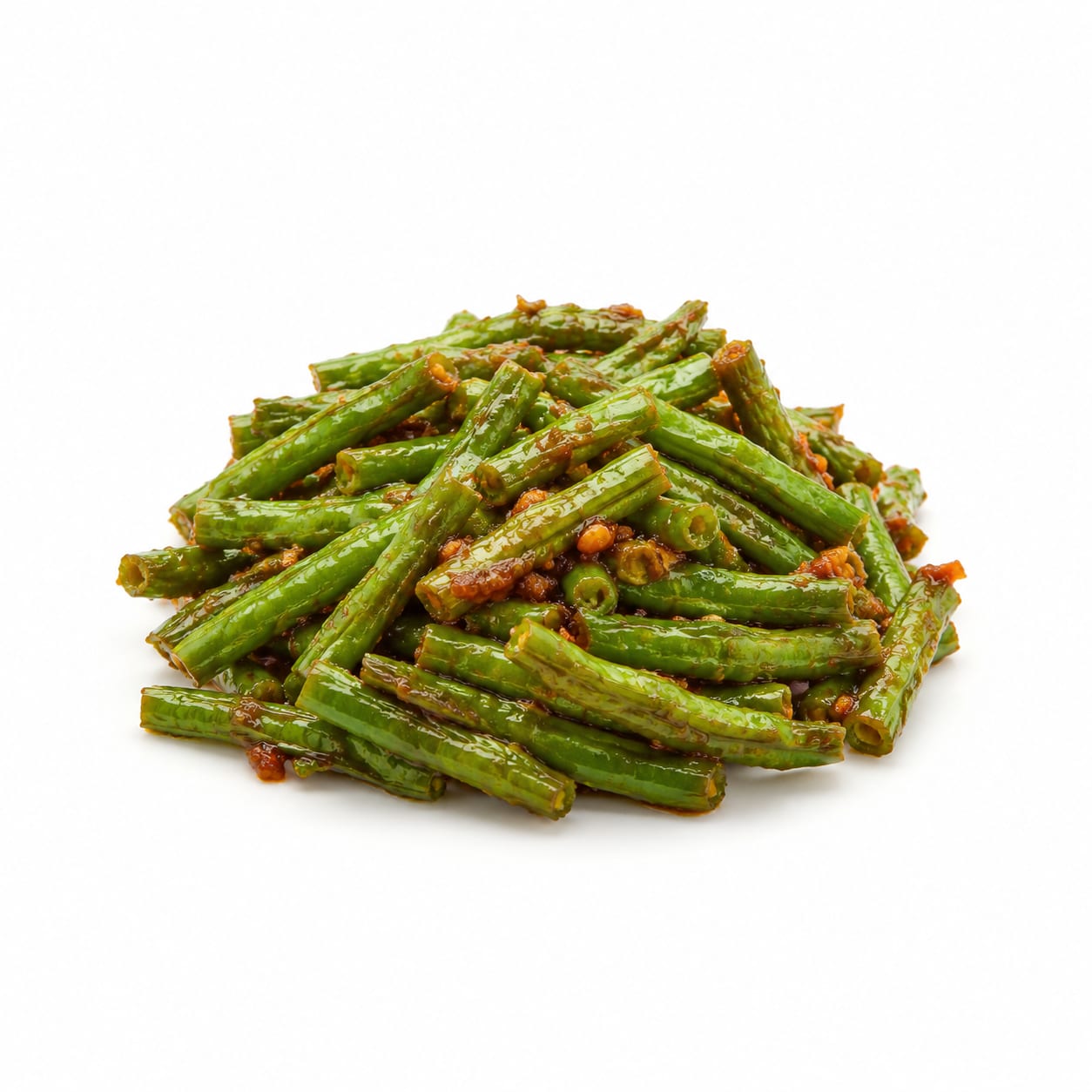
Yardlong Bean
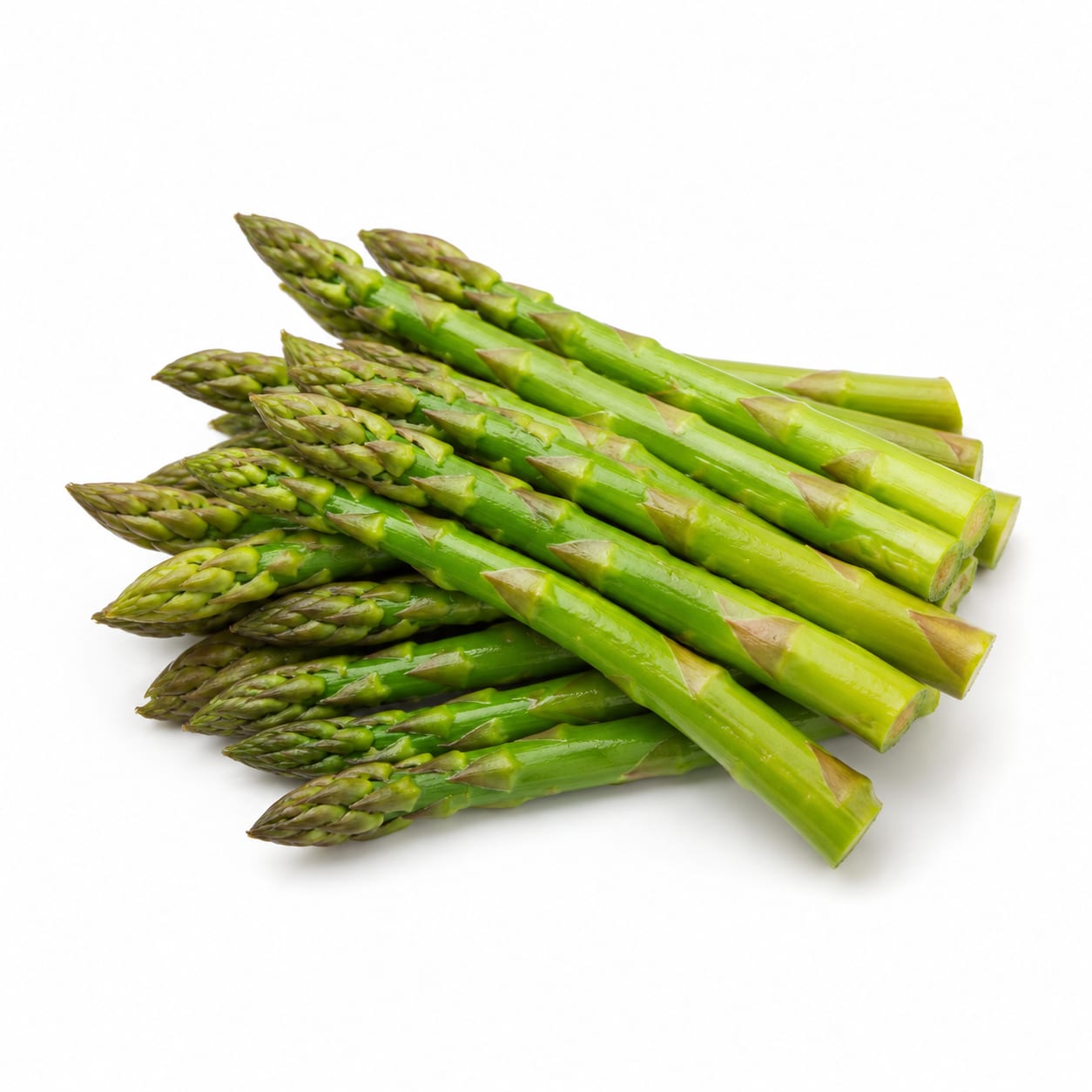
Asparagus
Yardlong beans are more filling and energizing, while asparagus is lighter and richer in key vitamins.
Asparagus scores slightly higher due to its exceptional micronutrient profile and culinary ease, but yardlong beans remain excellent for satiety and energy.
Substance and sustained energy from yardlong beans versus low-calorie micronutrient density from asparagus.
At a glance
Executive summary
Overall
It depends
Healthier
It depends
More practical
Asparagus
Daily use
Asparagus
Key comparison lenses
satiety and energy
Yardlong beans provide significantly more protein and complex carbs, making them much more filling than light, watery asparagus.
micronutrient density
Asparagus is a powerhouse of folate and vitamin K, while yardlong beans offer more iron and magnesium.
digestive tolerance
Asparagus contains inulin which feeds gut bacteria but can cause bloating, whereas yardlong beans offer gentler soluble fiber.
meal role versatility
Asparagus excels as a quick roasted side, while yardlong beans hold up better in stews and stir-fries as a substantial component.
Best choice for
Yardlong Bean
- people needing sustained energy
- those looking for plant-based protein
- stir-fry and stew lovers
Asparagus
- pregnant women needing folate
- those on a strict low-carb diet
- people wanting a light, quick side dish
Least suitable for
Yardlong Bean
- people on a very low-calorie diet
- those who want a quick-cooking vegetable
Asparagus
- athletes needing substantial carbs
- people sensitive to inulin and prebiotics
Deep comparison
Dimension by dimension
Each lens scores both foods and breaks down who each option suits.
- Dimension 1 · Priority 95Yardlong Bean
satiety_and_fullness
Yardlong Bean · 88Asparagus · 55Yardlong beans are far more filling due to higher protein and complex carbohydrates.
Tradeoff
You get lasting fullness with yardlong beans, but asparagus keeps your plate lighter if you prefer smaller meals.
Why it matters
Staying full longer helps control snacking and maintains steady energy between meals.
Real-world impact
A yardlong bean side dish will easily carry you from lunch to dinner, while asparagus might leave you reaching for a snack by 3 PM.
Yardlong Bean
- long work shifts without breaks
- hikers needing sustained energy
Better for
- right before an intense run
Worse for
Asparagus
- late-night dinners where you want something light
- appetizer courses before a heavy main
Better for
- recovering from heavy training when hungry
Worse for
- Dimension 2 · Priority 90Asparagus
micronutrient_density
Yardlong Bean · 72Asparagus · 92Asparagus delivers massive amounts of folate and vitamin K in a tiny calorie package.
Tradeoff
Asparagus is a vitamin powerhouse per calorie, while yardlong beans spread their nutrients across more calories.
Why it matters
Folate is critical for cell repair and pregnancy, and vitamin K supports bone and blood health.
Real-world impact
Eating asparagus a few times a week easily boosts your folate intake, which is harder to achieve with yardlong beans alone.
Yardlong Bean
- boosting iron levels naturally
Better for
- those needing maximum vitamins on a strict calorie limit
Worse for
Asparagus
- supporting a healthy pregnancy
- improving bone density
Better for
- treating iron deficiency
Worse for
- Dimension 3 · Priority 85Asparagus
blood_sugar_stability
Yardlong Bean · 75Asparagus · 90Asparagus has almost no digestible carbs, making it incredibly safe for blood sugar.
Tradeoff
Yardlong beans offer slow-burning carbs that stabilize energy, but asparagus removes the carb variable entirely.
Why it matters
Keeping blood sugar steady prevents energy crashes and reduces diabetes risk.
Real-world impact
Diabetics can eat asparagus freely without insulin spikes, whereas yardlong beans require modest portion awareness.
Yardlong Bean
- active individuals needing carb fuel
Better for
- those with severe insulin resistance
Worse for
Asparagus
- diabetics managing glucose
- keto dieters
Better for
- athletes carb-loading before an event
Worse for
- Dimension 4 · Priority 80It depends
gut_health_and_digestion
Yardlong Bean · 78Asparagus · 80Asparagus provides prebiotic inulin, while yardlong beans offer a gentler, bulk-forming fiber.
Tradeoff
Asparagus feeds beneficial gut bacteria more effectively, but its inulin can cause gas. Yardlong beans are easier on the stomach but less targeted for microbiome health.
Why it matters
A healthy gut improves immunity, mood, and digestion.
Real-world impact
If you bloat easily from prebiotics, yardlong beans are the safer choice. If your stomach handles inulin well, asparagus is a superior gut food.
Yardlong Bean
- people with sensitive stomachs or IBS
- those needing gentle regularity
Better for
- when you want targeted microbiome support
Worse for
Asparagus
- building a diverse microbiome
- combating constipation with prebiotics
Better for
- dates or events where bloating is unacceptable
Worse for
- Dimension 5 · Priority 70Asparagus
culinary_ease_and_versatility
Yardlong Bean · 65Asparagus · 85Asparagus cooks in minutes and works roasted, grilled, or raw. Yardlong beans require more prep and thorough cooking.
Tradeoff
Asparagus is convenient and elegant, while yardlong beans are sturdy and better suited for robust, flavorful dishes.
Why it matters
Convenience determines whether you actually eat the vegetable or let it rot in the crisper.
Real-world impact
You can toss asparagus in a pan with olive oil and eat in 5 minutes. Yardlong beans need trimming and longer cooking, making them less ideal for exhausted weeknights.
Yardlong Bean
- meal prepping large batches
- absorbing rich sauces in stews
Better for
- last-minute meal prep
Worse for
Asparagus
- quick weeknight dinners
- fancy dinner party sides
Better for
- slow-cooked soups where vegetables turn to mush
Worse for
Timeline
Health impact over time
Short-term
Hours to days
Yardlong Bean
- Provides satisfying, sustained energy that prevents afternoon crashes
- The high fiber ensures comfortable, predictable digestion
Asparagus
- Delivers a light, clean feeling without heaviness
- May cause noticeable urine odor and slight bloating from inulin
Long-term
Months to years
Yardlong Bean
- Supports muscle maintenance with better plant protein intake
- Consistent fiber intake lowers cholesterol and supports heart health
Asparagus
- High folate intake protects against cognitive decline and birth defects
- Vitamin K and antioxidants reduce oxidative stress and support bone longevity
Risk profile
Safety & processing
Both yardlong beans and asparagus are whole, natural vegetables typically sold fresh or frozen without additives.
Yardlong Bean
lectin_toxicity_from_raw_beans
mediumLike many beans, yardlong beans contain lectins that can cause nausea or vomiting if eaten raw. They must be thoroughly cooked before consuming.
Asparagus
pesticide_residue
lowAsparagus typically ranks on the Clean Fifteen list, meaning it has very low pesticide residue even when conventionally grown.
Who wins for whom
Audience fit
Same foods, different winners depending on your goal.
children
AsparagusAsparagus is softer when cooked, milder in flavor, and easier for kids to chew, while yardlong beans can be stringy and tough.
daily consumption
AsparagusAsparagus is lighter, faster to prepare, and less likely to cause digestive monotony when eaten every day.
diabetes
AsparagusAsparagus has virtually no digestible carbohydrates, eliminating blood sugar spikes entirely.
elderly
AsparagusThe high folate and vitamin K in asparagus support bone and cognitive health, and its soft texture is easier to chew for those with dental issues.
muscle gain
Yardlong BeanYardlong beans provide significantly more protein per serving, which is essential for muscle repair and growth.
weight loss
AsparagusAsparagus is extremely low in calories, allowing you to eat a large volume without overshooting your daily limit.
Your move
Decision guide
Choose Yardlong Bean
- you feel hungry shortly after eating light vegetables
- you need sturdy vegetables for a stir-fry or curry
- you want to increase your plant-based protein intake
Choose Asparagus
- you want a quick, elegant side dish for fish or chicken
- you are pregnant or trying to conceive and need folate
- you are following a keto or very low-carb diet
Either works if
- you simply want to increase your daily vegetable intake
- you are looking for natural fiber to support heart health
Avoid both if
- you have a severe allergy to legumes or alliums
Final recommendation
Keep both in your rotation. Use asparagus for quick, light meals and yardlong beans when you need a dish that actually sticks to your ribs.
Practical
Consumer tips
- 1
Always boil or sauté yardlong beans until completely tender to neutralize lectins.
- 2
Snap the woody ends off asparagus before cooking; they naturally break where the tender part begins.
- 3
Buy yardlong beans that are firm and snap easily; limp beans are past their prime.
- 4
If asparagus gives you gas, try eating smaller portions to let your gut adjust to the inulin.