
Nutrition comparison
Yardlong Bean vs Snap Pea: Nutrition, Protein, Fiber, and Snackability Compared
Compare yardlong beans and snap peas side by side. Find out which has more protein, which is better for blood sugar, and which makes a better raw snack.
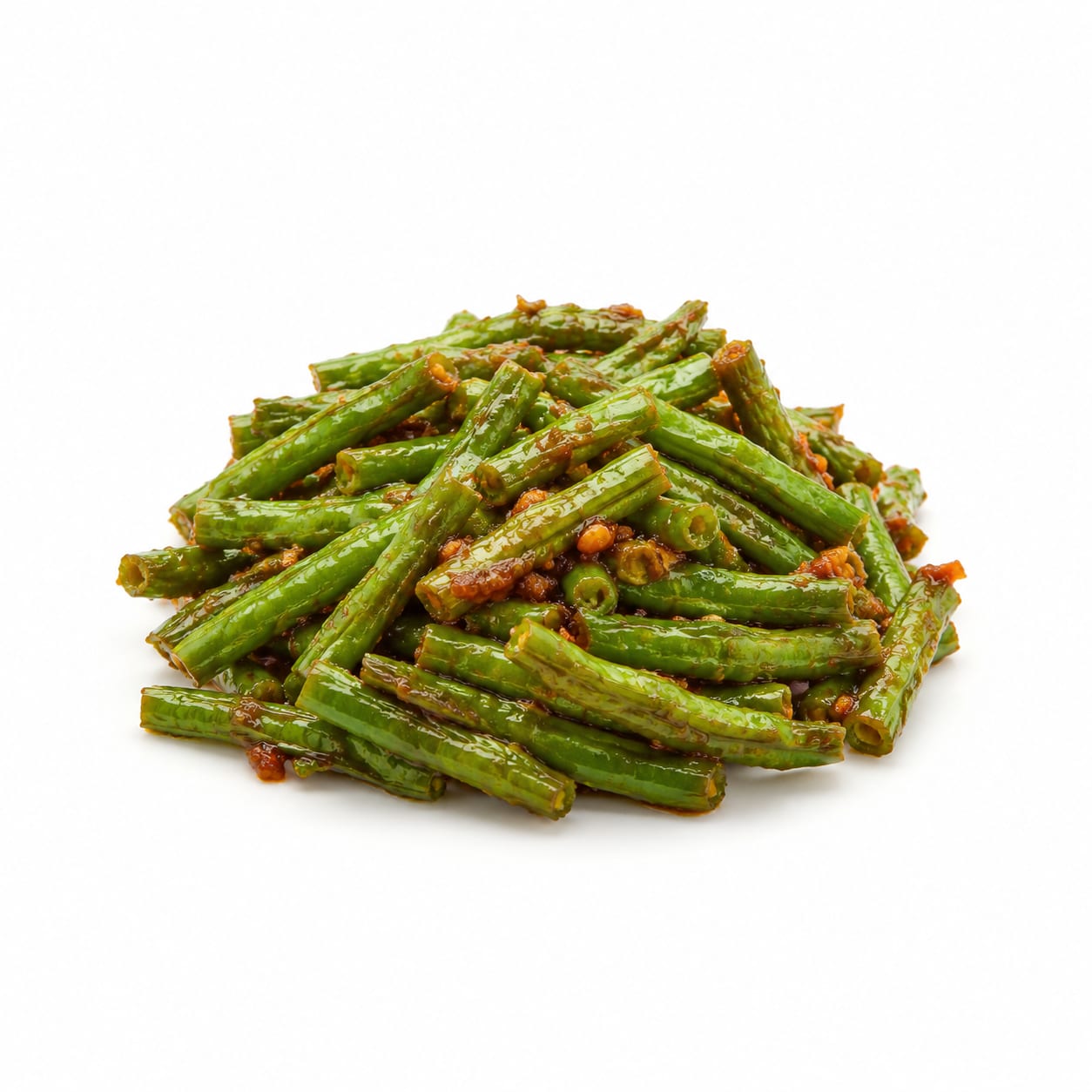
Yardlong Bean
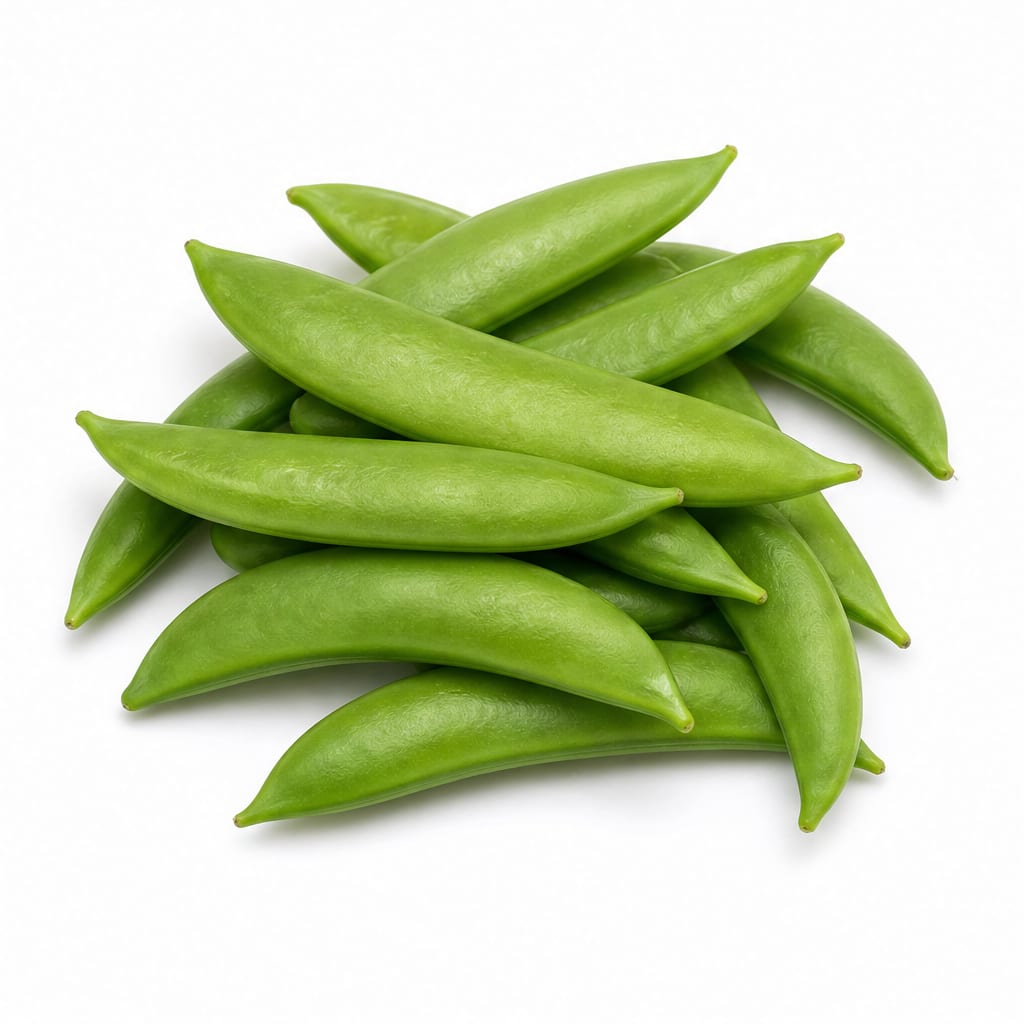
Snap Pea
Yardlong beans win on nutrition density and satiety, but snap peas win on convenience and raw snack appeal.
Yardlong beans score higher on nutritional substance but snap peas stay competitive through convenience and broader eating flexibility. The narrow gap reflects that practical value often matters as much as nutrient density.
More protein and fiber versus grab-and-go ease and natural sweetness.
At a glance
Executive summary
Overall
It depends
Healthier
Yardlong Bean
More practical
Snap Pea
Daily use
It depends
Key comparison lenses
vegetable protein and fiber comparison
Yardlong beans deliver significantly more protein and fiber per serving, making them more filling and nutritionally dense
raw snackability and convenience
Snap peas can be eaten raw as a crunchy snack while yardlong beans require cooking, creating a major practical tradeoff
blood sugar management
Both are low-glycemic vegetables but differ in fiber density, which affects glucose stability
meal versatility
Users want to know which fits more cooking styles and eating occasions
vitamin and mineral density
Different micronutrient profiles make each better for specific nutritional gaps
Best choice for
Yardlong Bean
- People wanting more plant protein from vegetables
- Those managing blood sugar with high-fiber foods
- Home cooks making stir-fries and stews
- Anyone trying to stay full longer between meals
Snap Pea
- Busy people needing ready-to-eat vegetables
- Parents introducing veggies to picky kids
- Raw food enthusiasts and salad lovers
- Anyone craving a sweet crunchy snack
Least suitable for
Yardlong Bean
- Raw snack seekers who dislike cooking
- People wanting instant vegetable options
- Those who find tough textures unappealing
Snap Pea
- Those prioritizing maximum protein from vegetables
- People needing very high fiber intake
- Anyone seeking a substantial filling side dish
Deep comparison
Dimension by dimension
Each lens scores both foods and breaks down who each option suits.
- Dimension 1 · Priority 90Yardlong Bean
Protein Content
Yardlong Bean · 82Snap Pea · 55Yardlong beans provide roughly double the protein per serving compared to snap peas.
Tradeoff
You gain meaningful plant protein with yardlong beans but sacrifice the raw-eating convenience of snap peas.
Why it matters
More protein from vegetables helps reduce reliance on animal sources and keeps you satisfied longer.
Real-world impact
A serving of yardlong beans in a stir-fry can replace a small portion of meat, while snap peas alone will not move the protein needle much.
Yardlong Bean
- Vegetarians boosting plant protein
- Athletes needing protein from diverse sources
Better for
- Anyone wanting a no-cook protein source
Worse for
Snap Pea
- Light snackers who do not prioritize protein
Better for
- Those relying on vegetables for meaningful protein intake
Worse for
- Dimension 2 · Priority 88Yardlong Bean
Fiber and Satiety
Yardlong Bean · 85Snap Pea · 62Yardlong beans are notably higher in dietary fiber, making them more filling and better for digestive regularity.
Tradeoff
Higher fiber means better fullness but also requires cooking and chewing effort.
Why it matters
Fiber is the single most undereaten nutrient and drives satiety, gut health, and blood sugar control.
Real-world impact
Yardlong beans as a side dish keep hunger away for hours. Snap peas are lighter and less likely to replace a filling component of your meal.
Yardlong Bean
- People managing weight through fullness
- Those with sluggish digestion
Better for
- People with sensitive digestion who need lower fiber temporarily
Worse for
Snap Pea
- Anyone wanting a light pre-meal nibble without feeling stuffed
Better for
- Those struggling to hit daily fiber targets
Worse for
- Dimension 3 · Priority 86Snap Pea
Convenience and Raw Eat-Ability
Yardlong Bean · 35Snap Pea · 92Snap peas are a grab-and-eat vegetable. Yardlong beans must be cooked before eating.
Tradeoff
Convenience comes at the cost of lower protein and fiber per bite.
Why it matters
The best vegetable is the one you actually eat. Raw accessibility dramatically increases real-world consumption.
Real-world impact
Snap peas can sit in a lunchbox or on a desk as-is. Yardlong beans require at least 5 to 10 minutes of cooking and preparation.
Yardlong Bean
- Meal preppers who cook in batches anyway
Better for
- Anyone short on time or kitchen access
Worse for
Snap Pea
- Office snackers
- Parents packing school lunches
- Hikers and commuters
Better for
- Those who prefer cooked warm vegetables
Worse for
- Dimension 4 · Priority 82Yardlong Bean
Blood Sugar Stability
Yardlong Bean · 84Snap Pea · 70Both are low-glycemic, but yardlong beans have more fiber and protein to slow glucose absorption further.
Tradeoff
Snap peas have a slightly sweeter taste which reflects marginally higher natural sugars.
Why it matters
Even small differences in glucose response matter for people with insulin resistance or diabetes.
Real-world impact
After eating yardlong beans, blood sugar rises more gradually. Snap peas cause a slightly faster but still modest rise.
Yardlong Bean
- People with prediabetes or diabetes
- Those following low-glycemic eating patterns
Better for
Snap Pea
- Active individuals who tolerate natural sugars well
Better for
- Those strictly monitoring glycemic load at every meal
Worse for
- Dimension 5 · Priority 75Yardlong Bean
Vitamin and Mineral Density
Yardlong Bean · 78Snap Pea · 72Yardlong beans are richer in folate, iron, and magnesium. Snap peas shine in vitamin C and vitamin K.
Tradeoff
Each vegetable fills different micronutrient gaps, so variety serves you best.
Why it matters
Folate supports cell repair and energy, while vitamin K is critical for bone health and blood clotting.
Real-world impact
Eating yardlong beans regularly helps cover B-vitamin needs. Snap peas help maintain vitamin C status, especially eaten raw.
Yardlong Bean
- Pregnant women needing folate
- People with low iron intake
Better for
- Those relying on a single vegetable for vitamin C
Worse for
Snap Pea
- Those wanting immune-supporting vitamin C
- People focused on bone health
Better for
- Anyone at risk of folate deficiency
Worse for
- Dimension 6 · Priority 72Snap Pea
Taste and Eating Enjoyment
Yardlong Bean · 60Snap Pea · 82Snap peas are naturally sweet and crunchy with broad appeal. Yardlong beans are earthy and require seasoning to shine.
Tradeoff
Better raw taste versus more savory depth when cooked well.
Why it matters
Enjoyment drives consistency. People eat more of what tastes good without effort.
Real-world impact
Kids and picky eaters often accept snap peas immediately. Yardlong beans need garlic, soy sauce, or other flavor companions.
Yardlong Bean
- Fans of savory umami-rich dishes
- Adventurous eaters who enjoy bold seasonings
Better for
- Those who dislike earthy legume flavors
Worse for
Snap Pea
- Families with children
- Anyone who prefers sweet crisp textures
Better for
- People seeking deep savory satisfaction from vegetables
Worse for
Timeline
Health impact over time
Short-term
Hours to days
Yardlong Bean
- Provides sustained energy from complex carbohydrates and fiber
- Promotes digestive regularity due to high fiber content
- Requires cooking which adds preparation time to meals
Snap Pea
- Offers quick refreshing hydration and crunch
- Delivers immediate vitamin C when eaten raw
- Mild blood sugar uptick from natural sweetness, still well-tolerated
Long-term
Months to years
Yardlong Bean
- Supports gut microbiome diversity through resistant starch and fiber
- Helps maintain steady blood sugar patterns over months and years
- Contributes to folate needs important for cardiovascular health
Snap Pea
- Consistent raw vegetable intake supports immune function via vitamin C
- Vitamin K contributes to long-term bone density maintenance
- Easier daily habit formation due to convenience increases overall vegetable consumption
Risk profile
Safety & processing
Both yardlong beans and snap peas are whole vegetables sold fresh with minimal intervention. Neither carries meaningful processing concerns when purchased fresh.
Yardlong Bean
Pesticide residue on conventionally grown beans
mediumLong beans often retain pesticide residue on their surface. Washing thoroughly or choosing organic reduces exposure.
Undercooking risk for lectins
lowRaw yardlong beans contain lectins that are neutralized by cooking. Always cook them before eating.
Snap Pea
Pesticide residue on conventional snap peas
mediumSnap peas appear on the EWG Dirty Dozen list some years due to pesticide detection. Organic is preferable since they are often eaten unwashed or lightly rinsed.
Foodborne illness from raw consumption
lowEating snap peas raw means no cooking kill-step for bacteria. Wash thoroughly before snacking.
Who wins for whom
Audience fit
Same foods, different winners depending on your goal.
children
Snap PeaSweet crunch and raw snackability make snap peas far more appealing and practical for kids.
daily consumption
Snap PeaEase of eating raw means snap peas are more likely to be consumed consistently every day without cooking friction.
diabetes
Yardlong BeanSuperior fiber and protein content slows glucose absorption more effectively than snap peas.
elderly
It dependsYardlong beans offer more folate and iron for aging bodies, but snap peas are easier to chew raw and provide vitamin K for bone health.
muscle gain
Yardlong BeanMore protein per serving supports muscle maintenance, though neither is a primary protein source.
weight loss
Yardlong BeanHigher fiber and protein create stronger satiety, reducing overall calorie intake throughout the day.
Your move
Decision guide
Choose Yardlong Bean
- You cook most of your meals and want maximum nutrition per bite
- Blood sugar management is a top health priority
- You need more plant protein and fiber from vegetable sources
- You enjoy stir-fries, curries, and savory braised dishes
Choose Snap Pea
- You want a ready-to-eat vegetable snack with no cooking required
- You are packing lunches or need portable produce
- You prefer sweet crisp textures over earthy flavors
- You want to increase raw vegetable intake effortlessly
Either works if
- You are simply trying to eat more vegetables overall
- You rotate between cooked and raw preparations throughout the week
- Both are available and affordable at your local market
Avoid both if
- You have a specific legume allergy that includes these varieties
- You experience significant bloating from high-fiber legumes and need to limit intake temporarily
Final recommendation
Keep both in your rotation. Use yardlong beans when you are cooking a proper meal and want something filling and nutrient-dense. Keep snap peas on hand for raw snacking and quick additions to salads. The ideal approach is not choosing one but using each where it naturally fits your day.
Practical
Consumer tips
- 1
Wash both vegetables thoroughly regardless of organic status to reduce pesticide residue
- 2
Cook yardlong beans with garlic and soy sauce for a simple satisfying side dish
- 3
Choose organic snap peas when possible since they are often eaten raw with light washing
- 4
Blanch yardlong beans briefly before stir-frying for better texture and color
- 5
Store snap peas in a breathable bag in the crisper to maintain crunch for up to a week
- 6
Freeze extra yardlong beans after blanching to preserve nutrients for later use
- 7
Pair snap peas with hummus for a more protein-balanced snack