
Nutrition comparison
Yardlong Bean vs Zucchini: Nutrition, Satiety, and Low-Carb Comparison
Which is healthier, yardlong beans or zucchini? Compare calories, protein, fiber, and best uses for each vegetable to find the right fit for your diet.
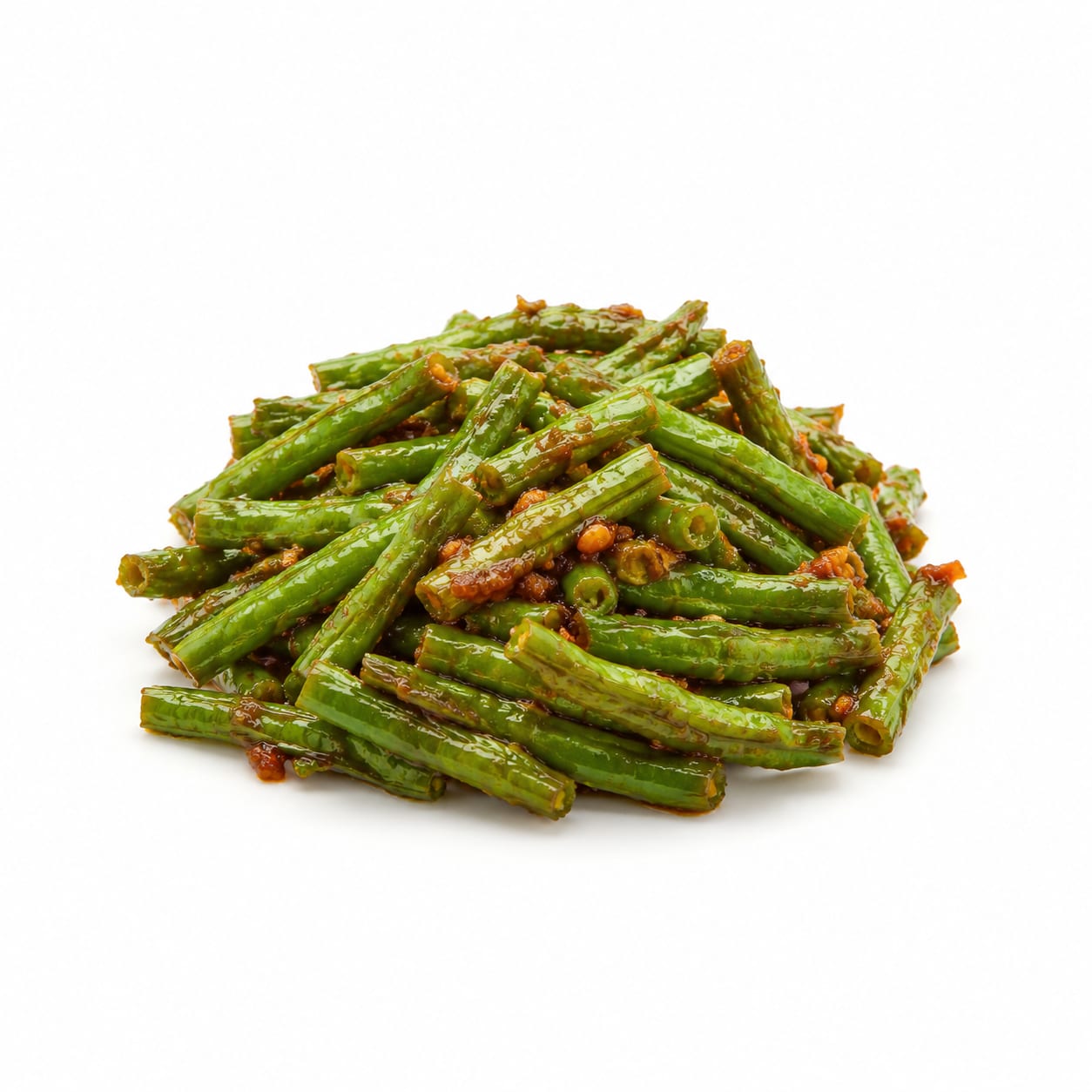
Yardlong Bean
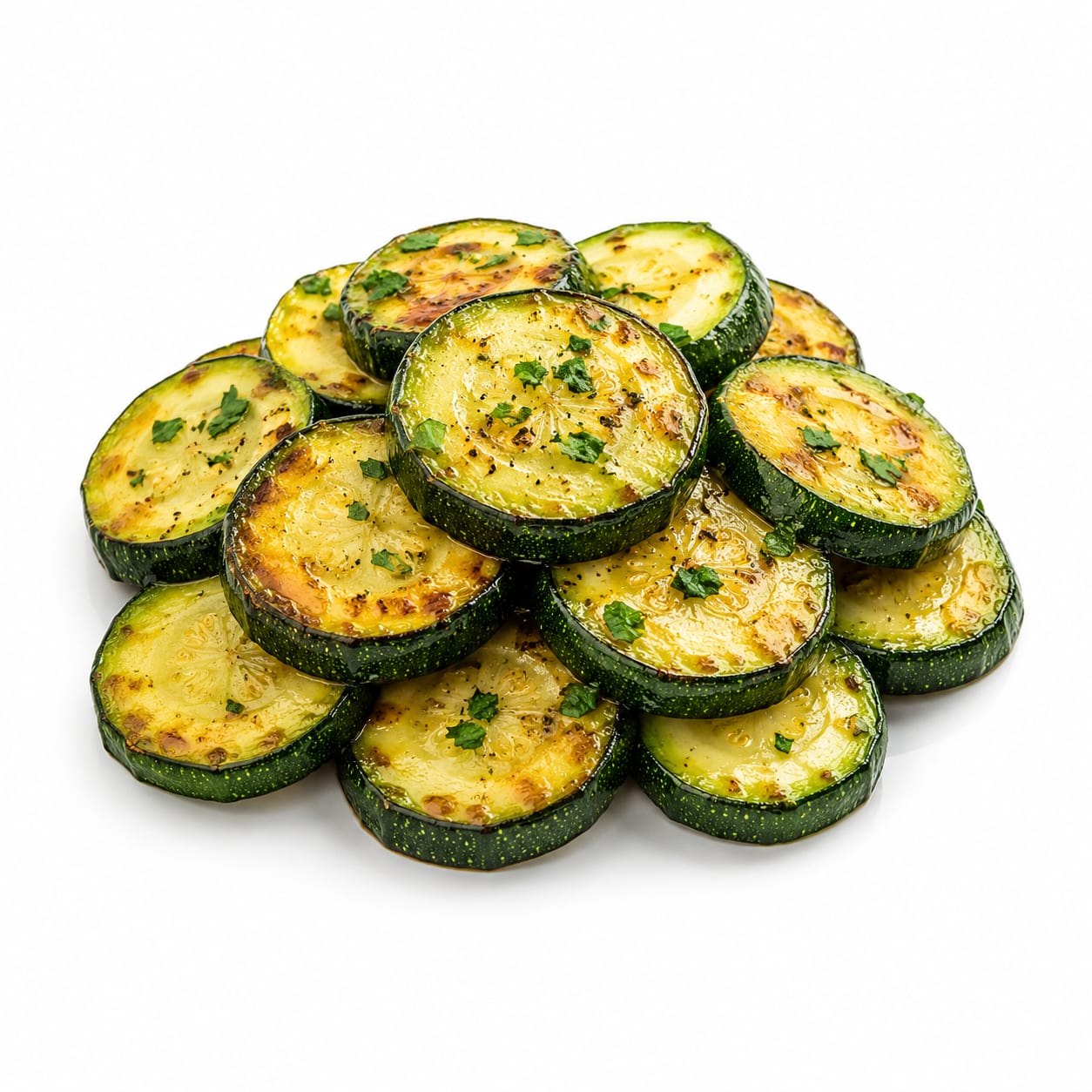
Zucchini
Yardlong Bean provides lasting fullness and plant protein, while Zucchini offers ultra-low calories and quick prep time.
Yardlong Bean scores slightly higher for nutrient density and satiety, but Zucchini stays close due to its unmatched versatility in low-calorie meals and ease of preparation.
Satiety and mineral density versus low calorie count and cooking speed.
At a glance
Executive summary
Overall
It depends
Healthier
It depends
More practical
Zucchini
Daily use
It depends
Key comparison lenses
Satiety and Protein Content
Yardlong Bean is a legume with significantly more protein and fiber, making it far more filling than watery Zucchini.
Low-Calorie Volume Eating
Zucchini is a staple for low-calorie diets due to its high water content, whereas Yardlong Bean is more calorie-dense.
Carbohydrate and Blood Sugar Impact
Zucchini is naturally low-carb, while Yardlong Bean contains more carbohydrates from its starchy bean structure.
Cooking Convenience
Zucchini cooks in minutes, while Yardlong Bean requires longer boiling or steaming to become tender.
Best choice for
Yardlong Bean
- People needing sustained energy and plant protein
- Those looking to boost iron and folate intake
- Active individuals wanting a filling carb source
Zucchini
- People aiming for low-calorie volume eating
- Those on keto or low-carb diets
- Anyone needing a fast-cooking weeknight vegetable
Least suitable for
Yardlong Bean
- People on strict low-carb or keto diets
- Those who want a quick-cooking vegetable
- Individuals prone to bloating from legumes
Zucchini
- People needing high protein from their vegetables
- Those looking for a filling, standalone side dish
- Individuals who need sustained energy for long hours
Deep comparison
Dimension by dimension
Each lens scores both foods and breaks down who each option suits.
- Dimension 1 · Priority 90Yardlong Bean
Satiety and Fullness
Yardlong Bean · 88Zucchini · 55Yardlong Bean is much more filling due to its higher protein and fiber content, keeping you satisfied for hours.
Tradeoff
You get more lasting energy with Yardlong Bean, but it feels heavier in the stomach compared to the lightness of Zucchini.
Why it matters
Staying full longer helps control snacking and makes it easier to maintain a calorie deficit without feeling deprived.
Real-world impact
Eating Yardlong Bean with lunch means you are less likely to crave an afternoon snack, whereas a Zucchini side might leave you hungry an hour later.
Yardlong Bean
- Avoiding afternoon energy crashes
- Post-workout recovery meals
Better for
- Eating right before a workout
- When you want a light, refreshing meal
Worse for
Zucchini
- Light late-night snacking
- Days with low physical activity
Better for
- Going long stretches between meals
- Recovering from intense exercise
Worse for
- Dimension 2 · Priority 85Zucchini
Calorie Density and Weight Management
Yardlong Bean · 65Zucchini · 95Zucchini is a weight-loss superstar with very few calories per cup, allowing you to eat a large volume without overconsuming calories.
Tradeoff
You can eat a massive plate of Zucchini for minimal calories, but you will need to add protein or fats to make it a complete meal.
Why it matters
Volume eating helps with psychological satisfaction and sticking to a diet without feeling restricted.
Real-world impact
Replacing pasta with zucchini noodles saves hundreds of calories, whereas Yardlong Bean portions need to be measured more carefully.
Yardlong Bean
- Meals where the vegetable is the main energy source
Better for
- Strict calorie counting without tracking
Worse for
Zucchini
- Bulking up meals on a calorie budget
- Creating low-calorie pasta substitutes
Better for
- Situations requiring calorie surplus for muscle gain
Worse for
- Dimension 3 · Priority 80Zucchini
Blood Sugar and Low-Carb Compatibility
Yardlong Bean · 60Zucchini · 95Zucchini has minimal impact on blood sugar, making it perfect for keto diets, while Yardlong Bean has more carbs from its legume nature.
Tradeoff
Zucchini fits seamlessly into strict low-carb diets, but Yardlong Bean offers complex carbs that provide steady energy for active people.
Why it matters
Keeping blood sugar stable prevents energy spikes and crashes, and is crucial for diabetes management.
Real-world impact
If you are tracking carbs, Zucchini is a worry-free addition. Yardlong Bean requires some carb budgeting but offers better sustained fuel.
Yardlong Bean
- Pre-workout carb loading for endurance
Better for
- Strict ketogenic diets
Worse for
Zucchini
- Keto and very low-carb meal plans
- Managing post-meal blood sugar spikes
Better for
- Refueling after glycogen-depleting exercise
Worse for
- Dimension 4 · Priority 75Yardlong Bean
Micronutrient Density
Yardlong Bean · 85Zucchini · 70Yardlong Bean packs more iron, folate, and magnesium, while Zucchini provides good vitamin C and hydration.
Tradeoff
Yardlong Bean supports blood health and energy metabolism better, but Zucchini excels at hydration and antioxidant vitamin intake.
Why it matters
Micronutrients prevent deficiencies that cause fatigue, weak immunity, and poor recovery.
Real-world impact
Eating Yardlong Bean regularly helps maintain healthy iron levels, reducing feelings of tiredness, whereas Zucchini helps keep you hydrated in summer.
Yardlong Bean
- Supporting healthy blood iron levels
- Pregnancy nutrition due to high folate
Better for
- Those at risk of iron overload
Worse for
Zucchini
- Boosting hydration in hot weather
- Supporting immune function with vitamin C
Better for
- Correcting mineral deficiencies
Worse for
- Dimension 5 · Priority 70Zucchini
Convenience and Preparation
Yardlong Bean · 55Zucchini · 90Zucchini cooks in minutes and can even be eaten raw, while Yardlong Bean requires trimming and longer cooking times to become tender.
Tradeoff
Zucchini is a weeknight dinner hero, but Yardlong Bean rewards the extra cooking time with a more substantial texture.
Why it matters
Convenience often dictates what you actually eat on busy days versus what sits in the fridge.
Real-world impact
You can sauté Zucchini in five minutes after a long workday, whereas Yardlong Bean needs at least fifteen minutes of boiling or steaming.
Yardlong Bean
- Weekend meal prep sessions
Better for
- Rushed weeknight cooking
Worse for
Zucchini
- Quick weeknight dinners
- Raw vegetable platters
Better for
- Slow-cooked stews where you want texture to hold up
Worse for
Timeline
Health impact over time
Short-term
Hours to days
Yardlong Bean
- Provides substantial, lasting fullness after eating
- May cause mild bloating or gas if you are not used to high-fiber legumes
Zucchini
- Feels very light and hydrating in the stomach
- Leaves you hungry quickly if eaten without a protein source
Long-term
Months to years
Yardlong Bean
- Supports healthy blood iron levels and energy metabolism
- Consistent fiber intake promotes excellent digestive regularity
Zucchini
- Makes maintaining a healthy weight easier due to low calorie density
- Supports healthy blood pressure through potassium and hydration
Risk profile
Safety & processing
Both Yardlong Bean and Zucchini are whole, natural vegetables typically consumed in their unprocessed state, making them equally clean choices.
Yardlong Bean
Undercooked legume toxins
mediumLike many beans, raw Yardlong Bean contains lectins that can cause digestive distress, so they must be cooked thoroughly until tender.
Zucchini
Cucurbitacin toxicity
lowRarely, Zucchini can develop cucurbitacins from cross-pollination, causing an extremely bitter taste and potential stomach upset. If it tastes unusually bitter, discard it.
Who wins for whom
Audience fit
Same foods, different winners depending on your goal.
children
ZucchiniZucchini has a milder flavor and softer texture that kids usually accept more easily than legumes.
daily consumption
It dependsZucchini is better for daily low-calorie needs, while Yardlong Bean is better for daily nutrient and protein needs.
diabetes
ZucchiniZucchini has a negligible impact on blood sugar, making it a safe, worry-free choice for managing diabetes.
elderly
ZucchiniZucchini is easier to chew and gentler on the digestive system, which is often a priority for older adults.
muscle gain
Yardlong BeanYardlong Bean provides more protein and complex carbohydrates to support training and recovery.
weight loss
ZucchiniZucchini allows for massive portion sizes with minimal calories, making it easier to sustain a calorie deficit.
Your move
Decision guide
Choose Yardlong Bean
- You want a filling side dish that provides lasting energy
- You need more plant-based protein and iron in your diet
- You are meal-prepping stews or curries for the week
Choose Zucchini
- You are trying to lose weight by eating larger volumes
- You need a fast-cooking vegetable for a busy weeknight
- You are following a low-carb or ketogenic diet
Either works if
- You want to increase your daily vegetable intake
- You are making a stir-fry and want extra color and texture
Avoid both if
- You need a high-protein, calorie-dense food as your main energy source
Final recommendation
Let your daily energy needs decide: choose Yardlong Bean when you need a satisfying, nutrient-dense fuel, and choose Zucchini when you want a light, low-calorie meal that comes together in minutes.
Practical
Consumer tips
- 1
Always cook Yardlong Bean thoroughly to neutralize lectins and prevent stomach upset.
- 2
If your Zucchini tastes unusually bitter, spit it out and throw it away to avoid cucurbitacin toxicity.
- 3
Spiralize Zucchini for a low-carb pasta alternative that saves hundreds of calories.
- 4
Pair Zucchini with a protein source like chicken or tofu to make the meal more satisfying.
- 5
Combine Yardlong Bean and Zucchini in a stir-fry to get both satiety and volume in one dish.