
Nutrition comparison
Yardlong Bean vs Okra: Which Vegetable Is Better for You?
Compare yardlong bean and okra nutrition, fiber, protein, and health benefits. Find out which is better for blood sugar, digestion, weight loss, and daily eating.
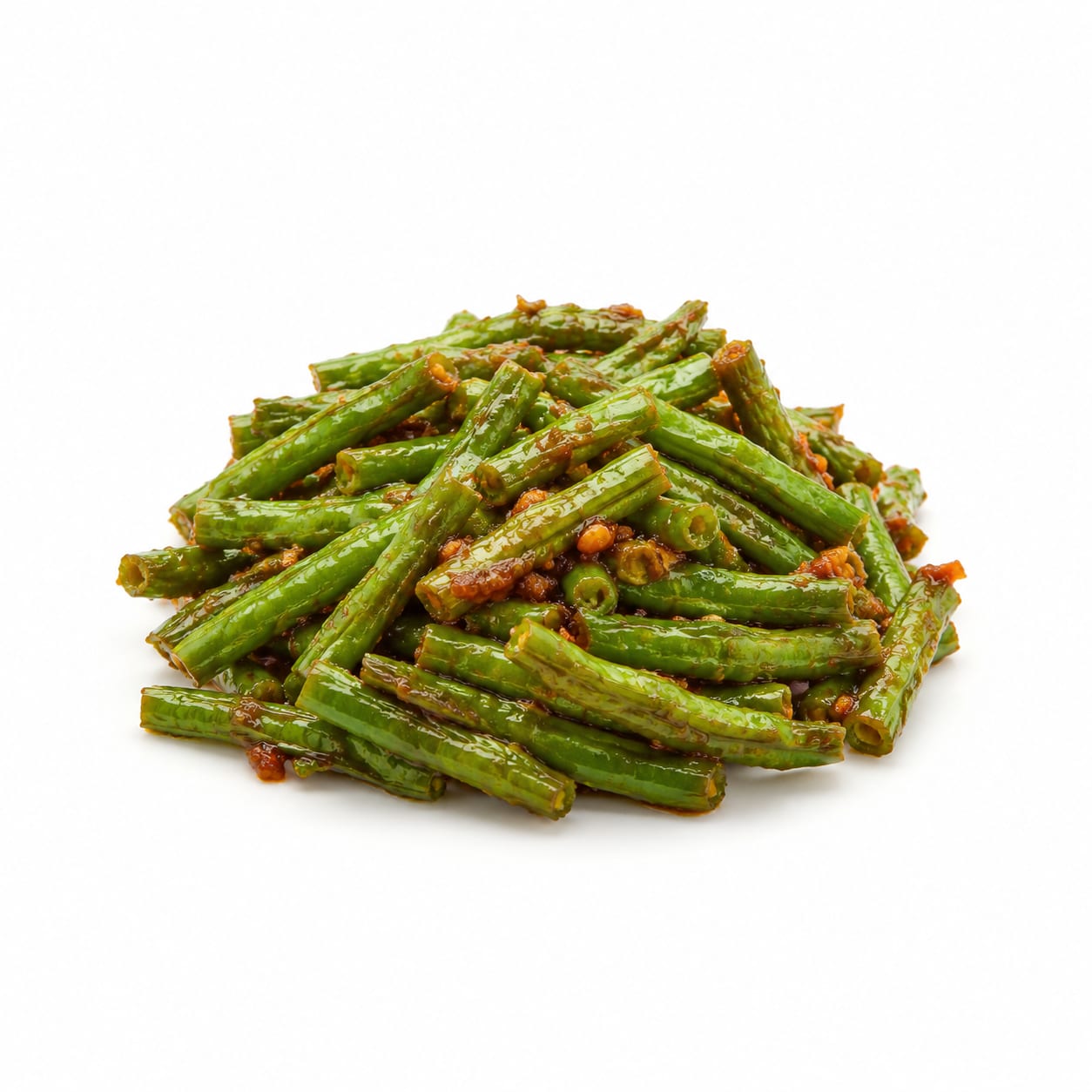
Yardlong Bean
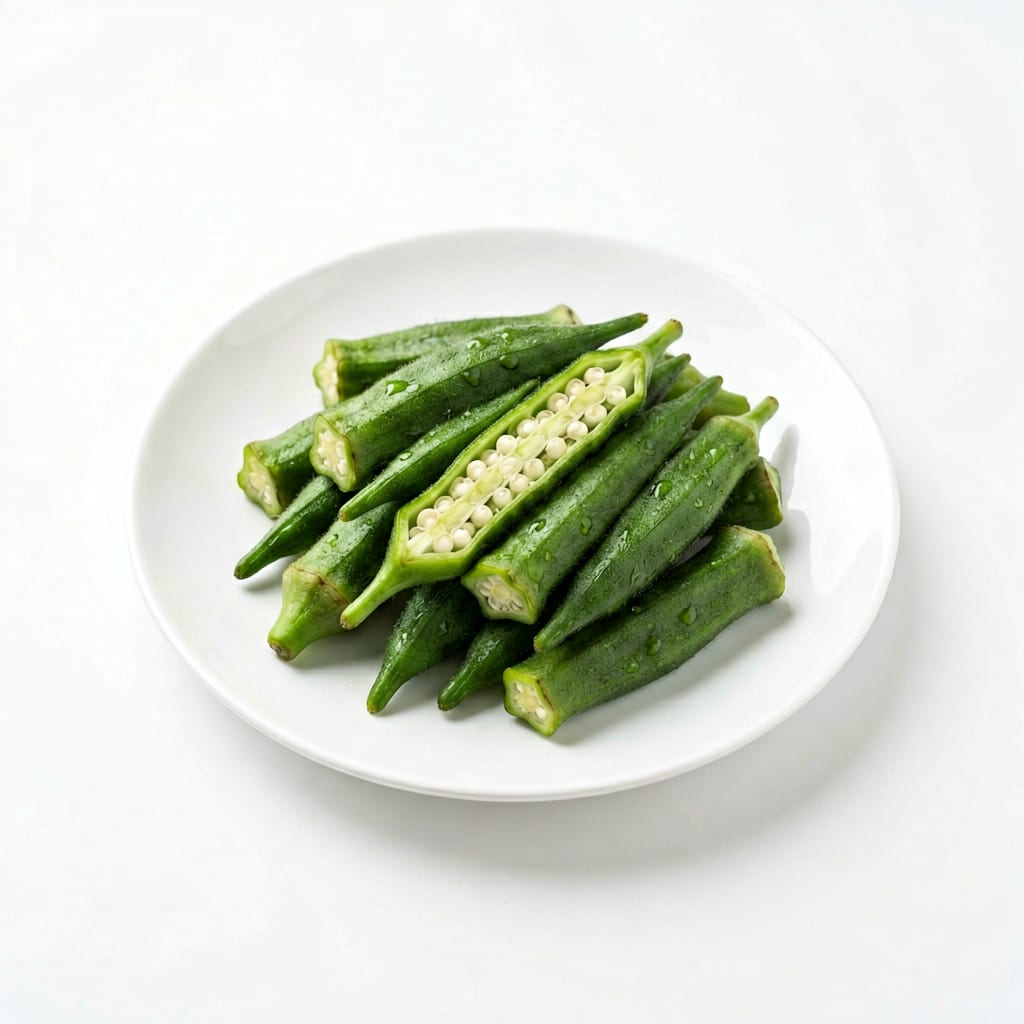
Okra
Okra wins for blood sugar control and antioxidant density; yardlong bean wins for protein, satiety, and broader culinary appeal.
Nearly tied overall. Yardlong bean edges ahead on protein, satiety, and everyday practicality. Okra pulls ahead on blood sugar benefits and antioxidant density. Your health priorities determine the real winner.
Okra gives you superior soluble fiber and blood sugar benefits but requires overcoming its slimy texture. Yardlong bean delivers more protein and easier cooking versatility but less targeted metabolic support.
At a glance
Executive summary
Overall
It depends
Healthier
It depends
More practical
Yardlong Bean
Daily use
Yardlong Bean
Key comparison lenses
fiber quality and digestive benefit
Both are fiber-rich vegetables but offer fundamentally different fiber types—okra's soluble mucilage vs yardlong bean's insoluble legume fiber—making this the core differentiator
blood sugar management
Okra's mucilage is widely used as a natural blood sugar regulator, while yardlong bean's protein content also helps stabilize glucose differently
protein and satiety
Yardlong bean is a legume with notably more protein than okra, making it more filling per serving
culinary acceptability and texture
Okra's signature slime is a dealbreaker for many home cooks, while yardlong bean has a more universally accepted texture
vitamin and antioxidant profile
Okra delivers more vitamin C and unique antioxidants, while yardlong bean offers more folate and iron
Best choice for
Yardlong Bean
- People wanting a more filling vegetable side dish
- Anyone avoiding slimy textures
- Home cooks seeking versatile stir-fry ingredients
- Those needing more plant protein from vegetables
- Families introducing more vegetables to picky eaters
Okra
- People managing diabetes or prediabetes
- Those seeking gut-healing soluble fiber
- Anyone wanting higher vitamin C from vegetables
- People following Southern, Caribbean, or South Asian cuisines
- Those focused on antioxidant intake
Least suitable for
Yardlong Bean
- People who need high vitamin C from this single vegetable
- Those wanting the specific gut-coating benefits of soluble mucilage
Okra
- Anyone with strong texture aversions to slimy food
- People who want a protein-forward vegetable
- Those who find okra preparation frustrating or unfamiliar
Deep comparison
Dimension by dimension
Each lens scores both foods and breaks down who each option suits.
- Dimension 1 · Priority 92Okra
Fiber Quality & Digestive Health
Yardlong Bean · 70Okra · 85Okra's soluble mucilage fiber coats and soothes the digestive tract, while yardlong bean provides more bulk-forming insoluble fiber from its legume structure.
Tradeoff
Okra's fiber actively heals and coats the gut lining but can feel slimy. Yardlong bean's fiber keeps things moving smoothly without texture issues but lacks the soothing mucilage effect.
Why it matters
Soluble fiber feeds beneficial gut bacteria and slows sugar absorption. Insoluble fiber prevents constipation. Both matter, but okra's soluble fiber is rarer in common vegetables.
Real-world impact
If you struggle with IBS or irregular digestion, okra's mucilage can feel like a gentle internal bandage. Yardlong bean keeps you regular without the slime factor.
Yardlong Bean
- Preventing constipation through bulk-forming fiber
- People who dislike viscous food textures
Better for
- Less gut-soothing soluble fiber compared to okra
Worse for
Okra
- Soothing irritated digestive tracts
- Feeding beneficial gut bacteria with prebiotic soluble fiber
- Slowing carbohydrate absorption for steadier blood sugar
Better for
- Mucilage texture discourages consistent consumption
Worse for
- Dimension 2 · Priority 88Okra
Blood Sugar Stability
Yardlong Bean · 68Okra · 82Okra's soluble fiber forms a gel that slows glucose absorption directly. Yardlong bean's protein helps too, but through a less targeted mechanism.
Tradeoff
Okra acts like a natural glucose moderator at the intestinal level. Yardlong bean relies more on protein content to blunt sugar spikes, which is helpful but less direct.
Why it matters
For the 1 in 3 Americans with prediabetes, food choices that actively slow sugar absorption matter more than generic health advice.
Real-world impact
Drinking okra water or eating okra with a carb-heavy meal can meaningfully reduce the post-meal sugar spike. Yardlong bean helps too, but you would need larger portions for the same effect.
Yardlong Bean
- Adding protein to a vegetable-based meal to reduce glycemic load
Better for
- Less targeted blood sugar mechanism compared to okra's mucilage
Worse for
Okra
- Directly slowing glucose absorption through mucilage gel formation
- Traditional remedy for blood sugar management across multiple cultures
- Pairing with rice or starchy foods to reduce their glycemic impact
Better for
- Benefits require consistent intake, not occasional consumption
Worse for
- Dimension 3 · Priority 80Yardlong Bean
Protein & Satiety
Yardlong Bean · 78Okra · 55Yardlong bean delivers roughly 2-3 times more protein per serving than okra because it is botanically a legume, not a fruit vegetable.
Tradeoff
Yardlong bean keeps you fuller for longer after eating. Okra is lighter and less filling, which can be either an advantage or disadvantage depending on your goals.
Why it matters
Vegetable protein is often overlooked. Getting more protein from a vegetable side dish means less reliance on expensive or processed protein sources.
Real-world impact
A plate with yardlong bean feels like a more complete meal. Okra feels more like a condiment or side—tasty but not something that carries the meal.
Yardlong Bean
- Making vegetable-based meals more satisfying
- Reducing between-meal hunger when eaten as a main side
- Vegetarians wanting more protein from whole food sources
Better for
- Still not a high-protein food overall—just better than okra
Worse for
Okra
- Light eaters who want vegetables without feeling heavy
- Smaller portions as part of a multi-dish meal
Better for
- Low protein means it will not keep you full on its own
Worse for
- Dimension 4 · Priority 70Okra
Vitamin & Antioxidant Density
Yardlong Bean · 65Okra · 78Okra packs more vitamin C, vitamin K, and unique antioxidants like quercetin and catechins. Yardlong bean offers more folate and iron instead.
Tradeoff
Okra is stronger for immune support and antioxidant defense. Yardlong bean is stronger for blood health and cellular repair through folate.
Why it matters
Vitamin C from okra supports iron absorption from yardlong bean—eating both together is genuinely synergistic.
Real-world impact
If you rarely eat fruit, okra can meaningfully contribute to your daily vitamin C. If you are pregnant or anemic, yardlong bean's folate and iron matter more.
Yardlong Bean
- Women who need extra folate intake
- Anyone needing more dietary iron from plant sources
Better for
- Lower vitamin C means less immune support per serving
Worse for
Okra
- Immune system support through higher vitamin C
- Antioxidant protection from polyphenols and flavonoids
- Vitamin K for bone and blood clotting health
Better for
- Lower folate and iron compared to yardlong bean
Worse for
- Dimension 5 · Priority 75Yardlong Bean
Culinary Versatility & Texture Acceptance
Yardlong Bean · 82Okra · 58Yardlong bean has a crisp-tender texture that works in stir-fries, curries, and salads. Okra's mucilage divides people sharply—some love it, many avoid it.
Tradeoff
Yardlong bean is easier to cook well consistently. Okra rewards skilled preparation but punishes poor technique with unappealing slime.
Why it matters
The healthiest vegetable only helps if you actually eat it. Texture aversion is one of the top reasons people abandon vegetables.
Real-world impact
Yardlong bean stir-fried with garlic is a crowd-pleaser at any table. Okra requires either deep-frying, acidic marinades, or specific cooking methods to manage the slime—and even then, not everyone enjoys it.
Yardlong Bean
- Quick stir-fries with minimal technique required
- Introducing vegetables to texture-sensitive eaters
- Consistent results across different cooking methods
Better for
- Less traditional thickening power for soups and stews
Worse for
Okra
- Gumbo and stew applications where mucilage acts as a natural thickener
- Deep-fried okra as a crave-worthy side dish
- Traditional recipes from cultures that celebrate its texture
Better for
- Slime factor causes many people to avoid it entirely
- Requires specific cooking techniques to manage texture
- Limited appeal in raw or lightly cooked preparations
Worse for
- Dimension 6 · Priority 65Yardlong Bean
Mineral Content & Bone Support
Yardlong Bean · 74Okra · 68Yardlong bean provides more iron, magnesium, and manganese. Okra offers decent calcium and potassium but slightly less overall mineral density.
Tradeoff
Yardlong bean supports energy production and bone health more broadly. Okra contributes calcium directly but in smaller meaningful amounts.
Why it matters
Mineral deficiencies are common even in adequate-calorie diets, especially iron and magnesium. Every vegetable serving that contributes meaningfully matters.
Real-world impact
Regular yardlong bean consumption can help with the afternoon energy dips linked to low iron and magnesium. Okra's calcium is a nice bonus but not enough to be a primary source.
Yardlong Bean
- Iron support for energy and preventing fatigue
- Magnesium for muscle function and sleep quality
- Manganese for bone formation and wound healing
Better for
- Less calcium per serving compared to okra
Worse for
Okra
- Calcium contribution for those avoiding dairy
- Potassium for blood pressure management
Better for
- Lower iron and magnesium content overall
Worse for
Timeline
Health impact over time
Short-term
Hours to days
Yardlong Bean
- Steadier energy after meals due to protein-fiber combination
- Improved bowel regularity within a day of consumption
- Moderate fullness that reduces snacking urges
Okra
- Reduced post-meal blood sugar spike when eaten with carbohydrates
- Gentle digestive soothing from mucilage coating
- Possible texture aversion if preparation is unfamiliar
Long-term
Months to years
Yardlong Bean
- Better iron status over months, especially for plant-based eaters
- Consistent fiber intake supporting colon health
- Sustainable vegetable habit due to easy preparation and pleasant texture
Okra
- Improved blood sugar regulation with regular consumption
- Enhanced gut microbiome diversity from soluble prebiotic fiber
- Stronger immune resilience from consistent vitamin C and antioxidant intake
Risk profile
Safety & processing
Both are whole vegetables typically sold fresh or frozen without additives. Neither raises processing concerns when purchased in their natural form.
Yardlong Bean
Lectin toxicity from undercooking
mediumLike many legumes, raw or undercooked yardlong beans contain lectins that can cause nausea and digestive distress. Always cook thoroughly until tender.
Pesticide residue
lowLong beans can carry pesticide residue from conventional farming. Washing thoroughly or choosing organic reduces this concern.
Okra
Oxalate content
lowOkra contains moderate oxalates. People with a history of calcium oxalate kidney stones should moderate intake, though the risk is lower than with spinach or rhubarb.
Pesticide residue
lowOkra appears on EWG's watch list for pesticide residues in some regions. Washing and sourcing from trusted farms is advisable.
Who wins for whom
Audience fit
Same foods, different winners depending on your goal.
children
Yardlong BeanYardlong bean's mild flavor and crisp texture are more kid-friendly. Okra's slime is one of the most common vegetable rejection triggers in children.
daily consumption
Yardlong BeanEasier to prepare, more universally enjoyed, and less likely to cause texture fatigue. Consistency matters more than peak nutrition for daily habits.
diabetes
OkraOkra's mucilage directly slows glucose absorption and has a stronger evidence base as a blood sugar management food across multiple traditional medicine systems.
elderly
OkraOkra's soft texture when cooked is easier to chew and digest for aging mouths and sensitive digestive systems. Its blood sugar benefits also address common elderly health concerns.
muscle gain
Yardlong BeanNeither is a muscle-building food, but yardlong bean's extra protein marginally supports muscle maintenance better than okra.
weight loss
Yardlong BeanYardlong bean's higher protein content increases satiety per calorie, making it easier to eat less overall without feeling deprived.
Your move
Decision guide
Choose Yardlong Bean
- You want a vegetable that actually fills you up
- Texture aversion has stopped you from eating vegetables before
- You cook stir-fries regularly and want an easy addition
- You need more iron and folate from plant sources
- You are feeding children or picky eaters
Choose Okra
- You are actively managing blood sugar or prediabetes
- You want gut-healing soluble fiber specifically
- You enjoy or are curious about Southern, Caribbean, Indian, or Middle Eastern cooking traditions
- You already eat adequate protein and want more antioxidant diversity
- You like the texture or have learned techniques to manage the slime
Either works if
- You simply want more fiber-rich vegetables in your diet
- You rotate vegetables weekly for nutrient diversity
- You are eating a balanced diet and neither food is a make-or-break choice
Avoid both if
- You have severe digestive issues that require a low-fiber diet temporarily
- You are on a very restricted elimination diet and have not yet reintroduced legumes or nightshade-adjacent foods
Final recommendation
Eat both if you can. Okra's vitamin C helps your body absorb yardlong bean's iron. Yardlong bean's protein complements okra's fiber. If you must pick one: choose yardlong bean for everyday ease and satiety, okra for targeted blood sugar and gut support. The best vegetable is always the one you will actually eat consistently.
Practical
Consumer tips
- 1
Reduce okra slime by soaking sliced pods in vinegar for 30 minutes before cooking, or by cooking at high heat quickly
- 2
Yardlong beans cook fast—3-5 minutes in a hot stir-fry is enough. Overcooking makes them mushy
- 3
Freeze okra whole if you plan to use it in gumbo—freezing actually helps with thickening power
- 4
Buy yardlong beans that snap cleanly when bent. Limp beans are past their prime
- 5
Okra water (soaking sliced okra overnight) is a popular blood sugar remedy, though evidence is mostly traditional and anecdotal
- 6
Both vegetables pair well with tomatoes—the acidity balances okra's slime and complements yardlong bean's mild sweetness
- 7
If new to okra, start with fried okra or roasted at high heat. These methods minimize slime and maximize crispiness