
Nutrition comparison
Yardlong Bean vs Edamame: Which Legume Is Better for You?
Compare yardlong beans and edamame on protein, calories, soy safety, and satiety. Find out which legume fits your diet, allergies, and health goals better.
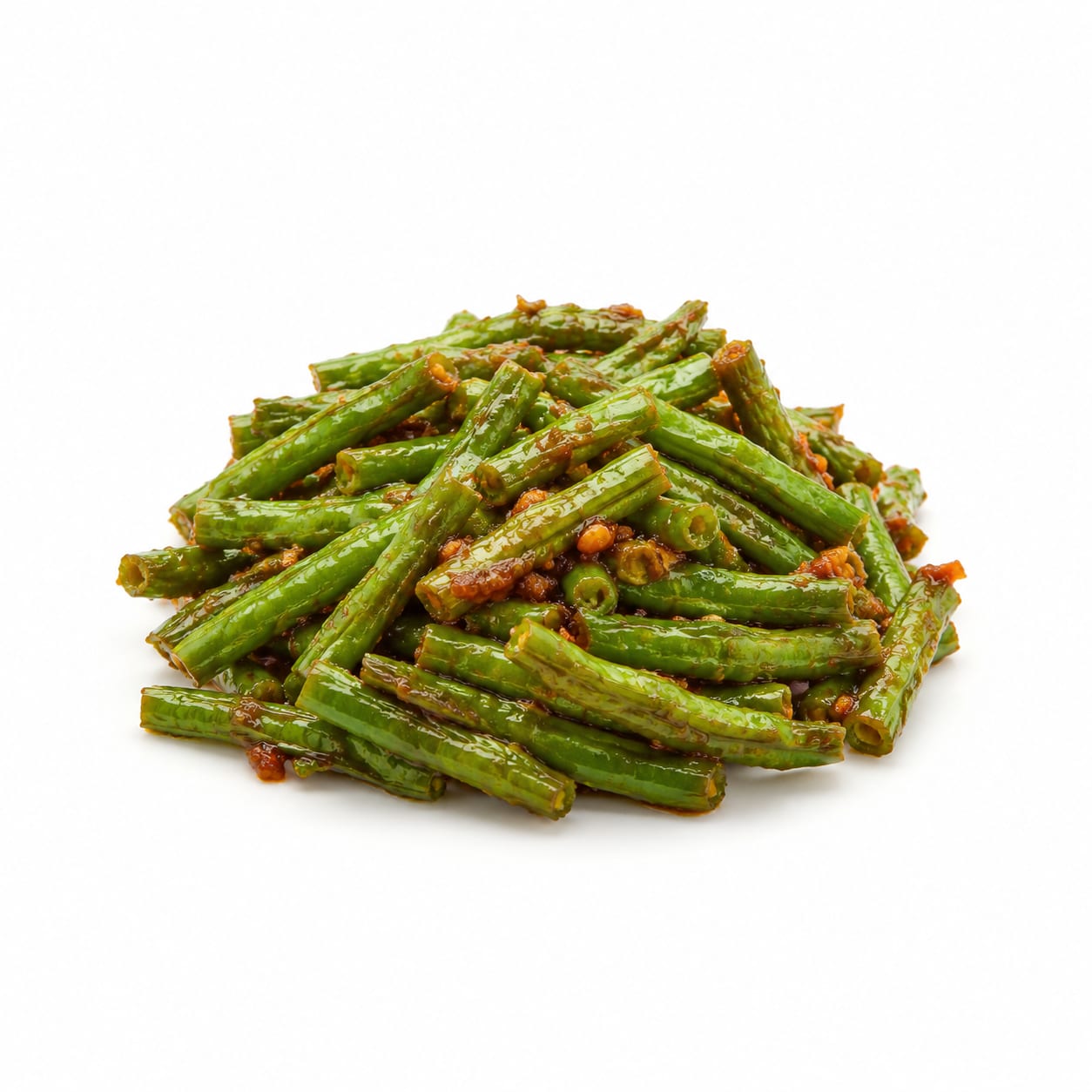
Yardlong Bean

Edamame
Edamame delivers far more protein and satisfying healthy fats, but yardlong beans offer a lighter, lower-calorie option with zero soy concerns.
Edamame scores higher due to superior protein quality, satiety value, and convenience, but yardlong beans remain competitive for low-calorie and allergen-free needs.
Protein punch and fullness versus calorie lightness and allergen safety.
At a glance
Executive summary
Overall
It depends
Healthier
It depends
More practical
Edamame
Daily use
It depends
Key comparison lenses
protein quality and plant-based protein sourcing
Edamame is a complete protein source while yardlong beans offer lighter protein with fewer calories, making this the central tradeoff
weight management and calorie density
Significant calorie difference between these two legumes affects portion control and diet strategy
soy vs non-soy legume choice for hormone-sensitive individuals
Edamame contains isoflavones which may concern some users, while yardlong beans avoid this entirely
satiety and meal satisfaction
Higher fat and protein in edamame creates fullerness that yardlong beans cannot match
allergen and digestive tolerance
Soy allergy and sensitivity make yardlong beans the safer option for many people
Best choice for
Yardlong Bean
- Low-calorie meal builders
- Soy-allergic or soy-sensitive individuals
- Those avoiding phytoestrogens
- Large-volume eaters who want full plates without excess calories
- Traditional Asian vegetable dishes
Edamame
- Plant-based protein seekers
- Post-workout recovery snacks
- People needing sustained satiety between meals
- Anyone wanting a complete amino acid profile from plants
- Convenient ready-to-eat legume options
Least suitable for
Yardlong Bean
- Those needing high protein intake from vegetables
- People looking for a filling standalone snack
- Anyone wanting a quick no-cook option
Edamame
- People with soy allergies
- Those on strict low-calorie diets
- Individuals concerned about phytoestrogen intake
- Anyone avoiding GMO crops unless organic is sourced
Deep comparison
Dimension by dimension
Each lens scores both foods and breaks down who each option suits.
- Dimension 1 · Priority 95Edamame
Protein Quality and Content
Yardlong Bean · 35Edamame · 90Edamame provides roughly 11g of complete protein per 100g with all essential amino acids, while yardlong beans offer about 3g of incomplete protein.
Tradeoff
You gain triple the protein and full amino acid coverage with edamame, but take on more calories and soy exposure.
Why it matters
For plant-based eaters, edamame is one of the few vegetable sources that delivers complete protein without combining foods.
Real-world impact
A cup of edamame can anchor a light meal. A cup of yardlong beans is a side dish that barely moves your protein needle.
Yardlong Bean
- Keeping meals light before active pursuits
- Avoiding protein when managing kidney workload
Better for
- Anyone counting on vegetables for meaningful protein
Worse for
Edamame
- Meeting daily protein targets from plants
- Recovering after exercise without animal protein
- Building a satisfying meatless main dish
Better for
- Those who need to limit protein intake for medical reasons
Worse for
- Dimension 2 · Priority 88Yardlong Bean
Calorie Density and Weight Management
Yardlong Bean · 88Edamame · 62Yardlong beans deliver roughly 47 calories per 100g compared to edamame's 121 calories, making them far easier to eat in volume.
Tradeoff
Fewer calories means less fullness. Yardlong beans fill your plate but not always your stomach.
Why it matters
If you eat for volume or struggle with portion control, calorie density determines whether you stay on track or overshoot.
Real-world impact
You can eat three cups of yardlong beans for the calories of one cup of edamame. That visual and physical fullness matters for dieters.
Yardlong Bean
- Volume eaters who need large portions to feel satisfied
- Strict calorie counters
- Light lunch pairings where you want room for other foods
Better for
- People who need calorie-dense foods to maintain weight
Worse for
Edamame
- Those who prefer smaller, denser meals
- Anyone struggling to eat enough calories healthfully
Better for
- Grazers and snackers who easily overeat calorie-dense foods
Worse for
- Dimension 3 · Priority 78Edamame
Satiety and Fullness
Yardlong Bean · 50Edamame · 85Edamame's combination of protein, fat, and fiber creates lasting fullness that yardlong beans cannot match with fiber alone.
Tradeoff
Edamame keeps you fuller longer but requires more calorie investment. Yardlong beans are lighter but you may be hungry sooner.
Why it matters
The difference between staying full for 3 hours versus 5 hours changes whether you reach for an unplanned snack.
Real-world impact
Edamame as an afternoon snack often prevents dinner overeating. Yardlong beans as a side dish rarely have that same protective effect.
Yardlong Bean
- Light eaters who dislike feeling heavy after meals
Better for
- Those prone to hunger-driven snacking between meals
Worse for
Edamame
- Between-meal snackers needing something that actually holds them
- Busy people who cannot eat again for hours
- Anyone trying to reduce overall daily food intake through better satiety
Better for
- People who feel uncomfortably full from dense foods
Worse for
- Dimension 4 · Priority 82Yardlong Bean
Allergen and Hormone Sensitivity
Yardlong Bean · 95Edamame · 40Yardlong beans carry no soy allergen risk and no phytoestrogen concerns, while edamame is one of the most concentrated dietary sources of isoflavones.
Tradeoff
Choosing yardlong beans avoids soy-related worries entirely, but you lose the potential cardiovascular and bone benefits some research associates with moderate isoflavone intake.
Why it matters
Soy is a top 8 allergen, and phytoestrogen concerns affect hormone-sensitive individuals including some breast cancer survivors and thyroid patients.
Real-world impact
For someone with soy intolerance, edamame causes bloating or worse. Yardlong beans let them enjoy a legume without any of that risk.
Yardlong Bean
- Soy-allergic individuals
- Those avoiding phytoestrogens for hormonal conditions
- People with thyroid concerns who limit soy
Better for
- No significant downside beyond missing potential isoflavone benefits
Worse for
Edamame
- Women seeking potential menopause symptom support from isoflavones
- Those without any soy sensitivity who want the cardiovascular research benefits
Better for
- Anyone with diagnosed soy allergy
- Hormone-sensitive cancer survivors under medical guidance to limit soy
- People with hypothyroidism on medication, as soy can interfere with absorption
Worse for
- Dimension 5 · Priority 70Edamame
Micronutrient Profile
Yardlong Bean · 60Edamame · 80Edamame delivers more iron, vitamin K, folate, and manganese. Yardlong beans offer more vitamin C and comparable fiber with fewer calories.
Tradeoff
Edamame is the denser nutrient package overall, but yardlong beans provide vitamin C that edamame lacks significantly.
Why it matters
Iron and folate are common deficiencies, especially for women and plant-based eaters, giving edamame a practical edge.
Real-world impact
Regular edamame consumption can meaningfully contribute to iron stores. Yardlong beans help more with immune support through vitamin C.
Yardlong Bean
- Boosting vitamin C intake alongside iron-rich foods for better absorption
- Immune support during cold season
Better for
- Those relying heavily on this food for iron
Worse for
Edamame
- Addressing iron deficiency risk on plant-based diets
- Supporting bone health through vitamin K
- Prenatal folate needs
Better for
- People on blood thinners who must monitor vitamin K intake
Worse for
- Dimension 6 · Priority 65Edamame
Convenience and Accessibility
Yardlong Bean · 45Edamame · 80Edamame is widely available frozen and requires only steaming or microwaving. Yardlong beans are harder to find outside Asian markets and need trimming and cooking.
Tradeoff
Edamame saves time and is available year-round in most grocery stores. Yardlong beans require more sourcing effort and prep work.
Why it matters
The food you can actually find and prepare easily is the food you will eat consistently.
Real-world impact
Frozen edamame is a 3-minute snack. Yardlong beans require a specialty store trip, trimming, and proper stir-fry or steaming technique.
Yardlong Bean
- Home cooks who enjoy preparing traditional Asian vegetables
- Those with access to Asian grocery stores
Better for
- People without access to specialty produce stores
Worse for
Edamame
- Busy weeknight cooks
- Anyone living far from Asian markets
- Meal preppers who want a ready-to-go protein source
Better for
- Those who prefer fresh over frozen produce
Worse for
- Dimension 7 · Priority 68Yardlong Bean
Digestive Tolerance
Yardlong Bean · 78Edamame · 58Yardlong beans are gentler on digestion for most people. Edamame's higher fat and oligosaccharide content can cause bloating in sensitive individuals.
Tradeoff
Easier digestion with yardlong beans versus the fuller feeling from edamame that may come with gas or discomfort.
Why it matters
If a food causes bloating, you will avoid it regardless of its nutritional merits.
Real-world impact
Yardlong beans in a stir-fry rarely cause digestive complaints. A large bowl of edamame can leave some people uncomfortably gassy.
Yardlong Bean
- People with IBS or sensitive digestion
- Those who experience bloating from soy foods
Better for
- No significant digestive downside
Worse for
Edamame
- Individuals with hardy digestion who tolerate soy well
Better for
- People prone to gas and bloating from legumes
- Those with FODMAP sensitivities
Worse for
- Dimension 8 · Priority 60Yardlong Bean
GMO and Pesticide Concerns
Yardlong Bean · 82Edamame · 50Most edamame in the US is conventionally grown from GMO soy unless labeled organic. Yardlong beans are rarely genetically modified and typically carry lower pesticide profiles.
Tradeoff
Choosing organic edamame resolves the GMO concern but raises cost. Yardlong beans generally avoid this issue without premium pricing.
Why it matters
For consumers avoiding GMOs, conventional edamame is a direct conflict unless they pay for organic certification.
Real-world impact
A bag of conventional frozen edamame is likely GMO soy. Organic options cost 30-50% more. Yardlong beans sidestep this entirely.
Yardlong Bean
- GMO-avoidant consumers
- Those wanting lower pesticide exposure without paying organic premiums
Better for
- No significant concern
Worse for
Edamame
- Shoppers who can afford and access organic edamame
- Anyone unconcerned about GMO soy
Better for
- Strict GMO-avoidant consumers unless organic is sourced
- Budget shoppers who cannot afford organic premiums
Worse for
Timeline
Health impact over time
Short-term
Hours to days
Yardlong Bean
- Light energy without heaviness after eating
- Unlikely to cause bloating or digestive discomfort
- Will not significantly stabilize blood sugar on its own due to low protein and fat
Edamame
- Sustained fullness lasting several hours
- Steadier blood sugar from the protein-fat-fiber combination
- Possible bloating or gas in soy-sensitive individuals
Long-term
Months to years
Yardlong Bean
- Supports weight maintenance through low calorie density
- Vitamin C contribution to immune function over time
- Minimal risk of allergen or hormone-related complications
Edamame
- Meaningful contribution to daily protein needs on plant-based diets
- Isoflavones may support cardiovascular and bone health with regular intake
- Potential thyroid interaction with long-term high consumption in susceptible individuals
Risk profile
Safety & processing
Both foods are whole, minimally processed legumes. Frozen edamame may contain added salt in some brands, so check labels. Fresh yardlong beans are typically sold without any additives.
Yardlong Bean
Pesticide residue on conventionally grown beans
lowYardlong beans generally have lower pesticide profiles than many vegetables, but washing thoroughly is still recommended.
Undercooking concerns
lowLike all legumes, raw yardlong beans contain lectins that are neutralized by proper cooking. Light steaming or stir-frying is sufficient.
Edamame
GMO soy exposure in conventional products
mediumOver 90% of US soy is genetically modified. Choose organic edamame to avoid GMO exposure entirely.
Added sodium in frozen preparations
mediumMany frozen edamame products include salt in the boiling or steaming liquid. Check nutrition labels if watching sodium.
Soy allergen presence
highSoy is a top 8 allergen. Reactions can range from mild hives to anaphylaxis in sensitive individuals.
Who wins for whom
Audience fit
Same foods, different winners depending on your goal.
children
It dependsEdamame is fun to eat and protein-rich but poses soy allergy risk. Yardlong beans are safer allergen-wise but may be less appealing to picky eaters.
daily consumption
It dependsEdamame works better daily for protein needs, but yardlong beans are safer for daily use if soy tolerance is uncertain or calorie control is the priority.
diabetes
EdamameEdamame's protein and fat slow carbohydrate absorption more effectively, leading to steadier blood sugar responses after meals.
elderly
EdamameOlder adults benefit more from edamame's higher protein to prevent muscle loss and vitamin K for bone health, assuming no soy sensitivity.
muscle gain
EdamameEdamame provides substantially more complete protein per serving, which is essential for muscle repair and growth.
weight loss
Yardlong BeanYardlong beans allow larger portions for fewer calories, making it easier to maintain a calorie deficit without feeling deprived.
Your move
Decision guide
Choose Yardlong Bean
- You are soy-allergic or soy-sensitive
- You want maximum food volume for minimum calories
- You are avoiding phytoestrogens for hormonal health reasons
- You prefer cooking fresh vegetables in stir-fries and soups
- You are on a strict low-calorie diet
Choose Edamame
- You need plant-based complete protein
- You want a filling snack that prevents overeating later
- You have no soy allergy or sensitivity
- You want convenient frozen preparation
- You are an athlete or active person needing protein recovery
Either works if
- You want more legume variety in your diet
- You are generally healthy without soy concerns
- You enjoy both and can rotate them across meals
Avoid both if
- You have a broad legume allergy
- You are on an extremely low-fiber diet for medical reasons
- You are following a strict ketogenic diet that limits all legumes
Final recommendation
Keep both in rotation. Use edamame when protein and satiety are your priority, especially as a snack or post-workout option. Choose yardlong beans when you want a light, voluminous vegetable side with no soy concerns. If you must pick one, edamame offers more nutritional value per serving for most people, provided you tolerate soy well and choose organic to avoid GMO exposure.
Practical
Consumer tips
- 1
Buy organic edamame to avoid GMO soy unless you are unconcerned about genetic modification
- 2
Check frozen edamame labels for added sodium, especially if you have blood pressure concerns
- 3
Yardlong beans are best found at Asian grocery stores and farmers markets, often fresher and cheaper than specialty sections of mainstream stores
- 4
Steam or blanch yardlong beans before stir-frying to ensure even cooking and lectin neutralization
- 5
If new to edamame, start with a small portion to test for soy tolerance before making it a daily staple
- 6
Pair yardlong beans with an iron-rich protein source to compensate for their lower iron content compared to edamame