
Whole Grain Component
Wheat Germ
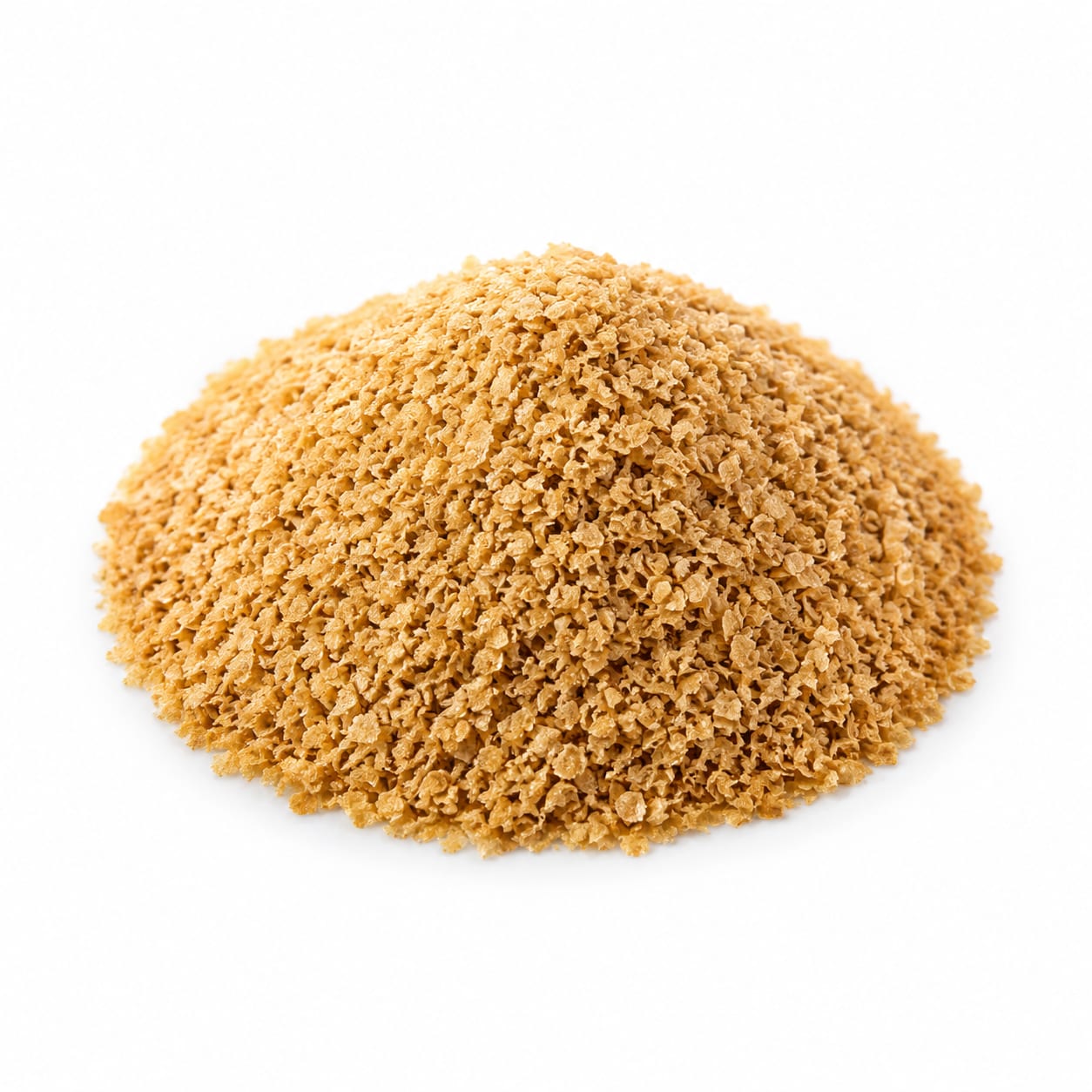
Wheat germ is the nutrient-rich core of the wheat kernel, packed with protein, fiber, and vitamin E, typically used as a nutritional supplement or topping.
Wheat germ is the nutrient-dense reproductive embryo of the wheat kernel that is typically removed during the refining of whole wheat into white flour. It is highly concentrated with vitamins, minerals, and healthy fats.
nutrient-dense grain component
Typical serving · 15g
Common varieties · raw wheat germ, toasted wheat germ, stabilized wheat germ, defatted wheat germ
Overall context score across nutrition, safety, and diet fit
At a glance
Quick facts
Simple indicators based on nutrition, processing, and diet fit.
The story
What makes it unique
Wheat germ digests at a moderate rate due to its fiber and fat content, which slow gastric emptying compared to refined grains. It provides a robust macronutrient profile featuring high-quality plant protein and unsaturated fats. As a minimally processed component separated from the whole grain, it retains the kernel's natural micronutrient density but loses the synergistic fiber matrix found in intact whole grains.
Varieties: raw wheat germ · toasted wheat germ · stabilized wheat germ · defatted wheat germ
Per 100g
Nutrition breakdown
Macro balance and key metrics at a glance.
Energy
Density 3.60 kcal/g
Protein
Carbs
Fat
Fiber
Sugar
2.1 g
Sodium
12 mg
Potassium
892 mg
Glycemic index
55
Glycemic load
28
Water content
11%
Standout compounds
Nutrient highlights
Vitamin E
highActs as a powerful antioxidant protecting cells from oxidative damage.
Thiamin
highEssential for converting carbohydrates into energy and supporting nerve function.
Folate
highCrucial for DNA synthesis and cell division, important during pregnancy.
Zinc
moderateSupports immune system function and wound healing.
Phosphorus
highVital for the formation of bones and teeth, and energy storage.
Magnesium
moderateSupports muscle and nerve function, as well as blood pressure regulation.
Wellness map
Health scores & processing
NOVA processing scale
lightly processed · Whole food
Wheat germ is extracted from the wheat kernel and usually lightly toasted or stabilized to prevent rancidity, classifying it as a processed culinary ingredient rather than an ultra-processed food.
Diet compatibility
- Weight loss
- Muscle gain
- Diabetes
- Gut health
- Low carb
- High protein
- Heart health
Relative standing
Food rankings
Qualitative ranks compared to similar whole foods.
- Satietygood
- Blood sugarmoderate
- Nutrient densityexcellent
- Fitness fuelgood
- Processing qualitygood
Eat with confidence
Food safety profile
Wheat germ is generally safe, but conventionally grown wheat can carry pesticide residues. The primary safety concern is oxidative rancidity due to its high unsaturated fat content if stored improperly.
Evidence confidence 85%
- Pesticidesmoderate
- Antibioticslow
- Heavy metalslow
- Contaminationlow
Watch for
- pesticide residues
- mycotoxins
Safer choices
Organic stabilized wheat germ ensures lower pesticide exposure and longer shelf life.
Prep tips
No washing needed. Store in an airtight container in the refrigerator or freezer to prevent the natural oils from going rancid.
Standard agricultural pesticide regulations apply; organic certification reduces synthetic pesticide exposure.
Deep dive
Health analysis
How this food may fit different goals and preparation choices.
Weight loss
High fiber and protein improve satiety, but caloric density requires strict portion control to avoid overconsumption.
Blood sugar
Moderate glycemic index balanced by significant fiber content, which slows glucose absorption and prevents sharp spikes.
Fitness & energy
Rich in B vitamins that support energy metabolism and high-quality protein that aids in post-workout muscle repair.
Gut health
Provides dietary fiber that acts as a prebiotic, feeding beneficial gut bacteria and supporting regular bowel movements.
Processing quality
Minimally processed, typically just separated from the kernel and toasted for stability, retaining natural nutrient profiles.
Food safety
Prone to rapid oxidative rancidity due to high unsaturated fat; refrigeration is mandatory after opening to maintain freshness.
Common mistakes
Leaving it in the pantry where it turns rancid and bitter, or using large portions that add excessive calories to meals.
Best preparation
Sprinkle over yogurt, oatmeal, or salads, and bake into muffins or breading for added crunch and nutrition.
Practical guide
Best use cases
When and how this food fits real eating patterns.
Nutrient boost for smoothies
Blending a tablespoon into fruit smoothies adds protein, fiber, and vitamins without significantly altering the taste.
Crust for baked chicken or fish
Used as a coating instead of breadcrumbs, it adds a nutty crunch and increases the protein and fiber content of the meal.
Topping for oatmeal and yogurt
Sprinkling wheat germ over breakfast bowls adds texture and a significant dose of vitamin E and B vitamins.
Addition to homemade granola
Mixing it into granola recipes before baking enhances the nutritional profile and contributes a hearty, toasted flavor.
Balance sheet
Pros & cons
Upsides
- Exceptional concentration of B vitamins and vitamin E
- Good source of high-quality plant-based protein
- High in prebiotic fiber to support gut microbiome
- Adds satisfying crunch and nutty flavor to meals
- Contains healthy unsaturated fats
Trade-offs
- High caloric density requires careful portion control
- Goes rancid very quickly if not refrigerated
- Contains gluten, making it unsuitable for celiacs
- Often removed from standard flour, making it less accessible in regular diets
Fit check
Who is it for?
Great match
- nutrient boosting
- plant-based athletes
- digestive regularity
- baking texture enhancement
Consider alternatives
- strict low-carb diets
- celiac or gluten-free diets
- calorie restriction without measuring
Side by side
How it compares
Open the full head-to-head analysis for nutrition, safety, and practical tradeoffs.
This food
Wheat Germ
VS85% alike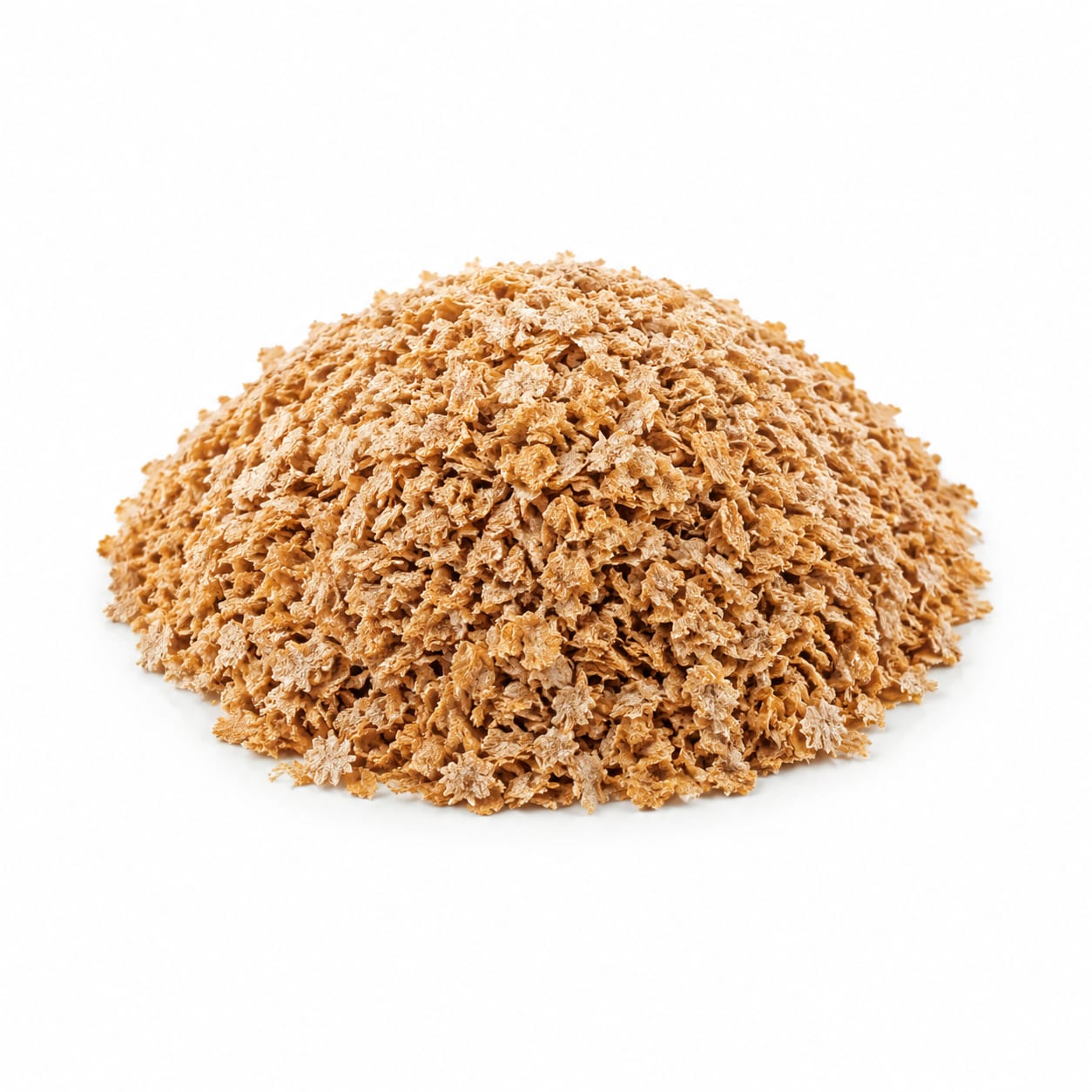
Compare with
Wheat Bran
Wheat bran is the outer shell focused on insoluble fiber, while wheat germ is the core focused on protein and healthy fats.
Wheat bran is better for pure fiber and digestion, while wheat germ offers more protein and healthy fats.
This food
Wheat Germ
VS80% alike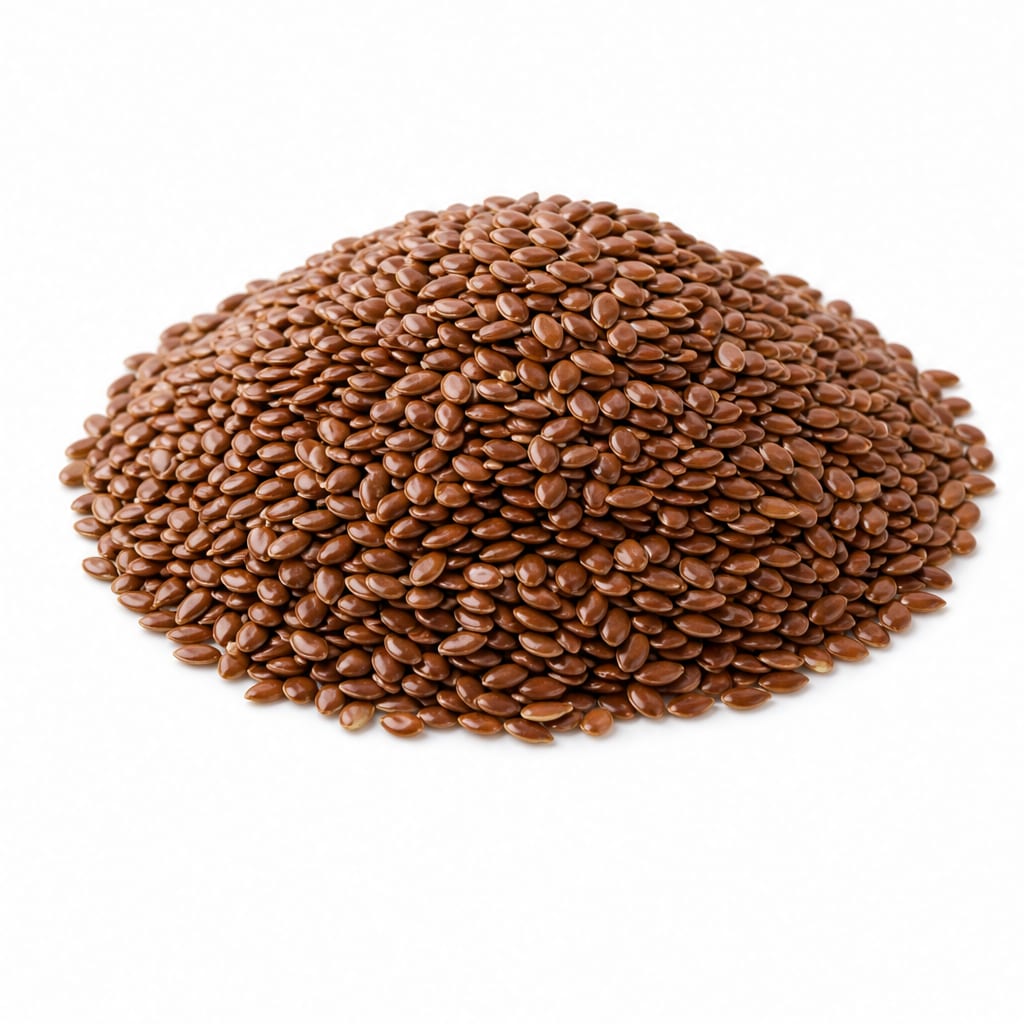
Compare with
Flaxseed
Flaxseed provides significantly more omega-3 fatty acids and fiber, whereas wheat germ delivers more B vitamins and protein.
Flaxseed provides more omega-3 fats and fiber, whereas wheat germ delivers more B vitamins and protein.
This food
Wheat Germ
VS75% alike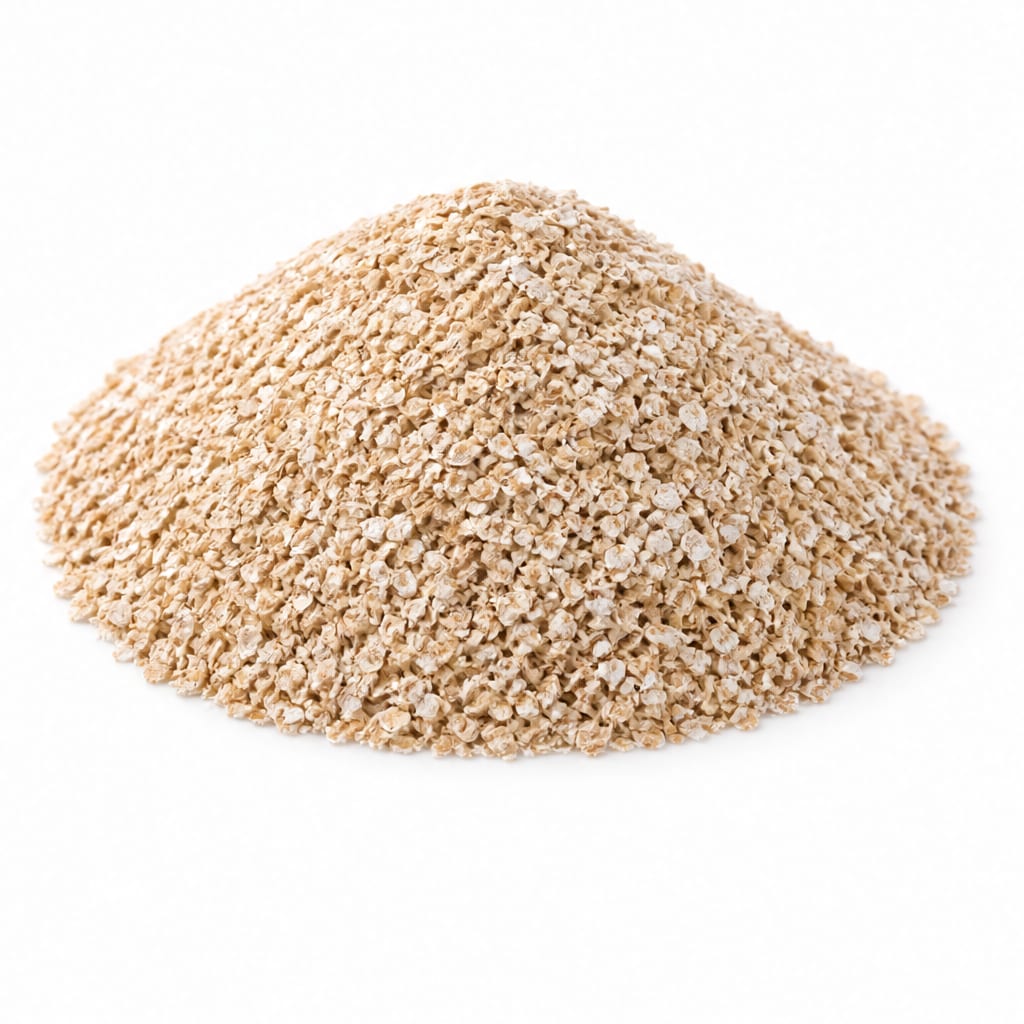
Compare with
Oat Bran
Oat bran is superior for cholesterol lowering due to beta-glucan, while wheat germ excels in micronutrients and protein.
Oat bran is superior for cholesterol lowering and satiety, while wheat germ excels in micronutrients and protein.
This food
Wheat Germ
VS70% alike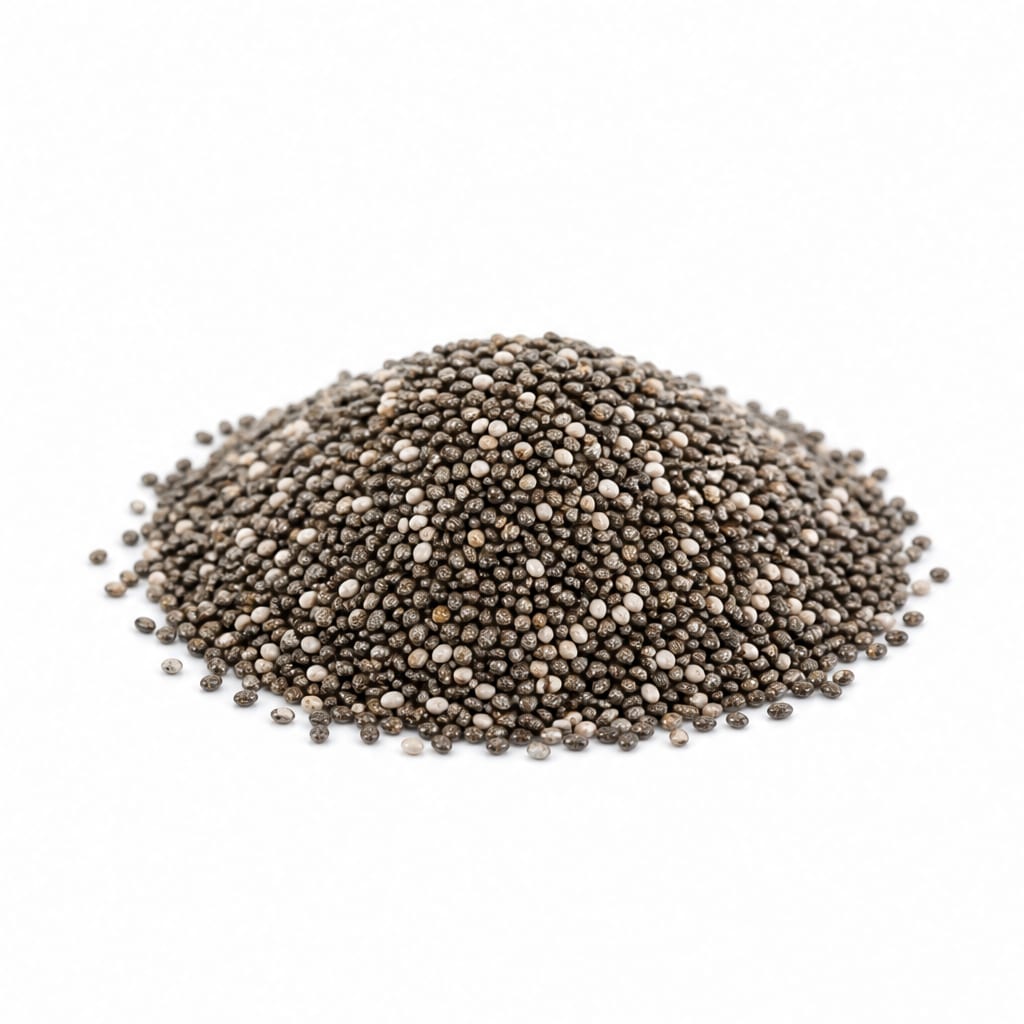
Compare with
Chia Seeds
Chia seeds offer superior fiber and omega-3s, but wheat germ provides more B vitamins and a lighter texture.
Chia seeds offer superior fiber and omega-3s, but wheat germ provides more B vitamins and a lighter texture.
This food
Wheat Germ
VS75% alike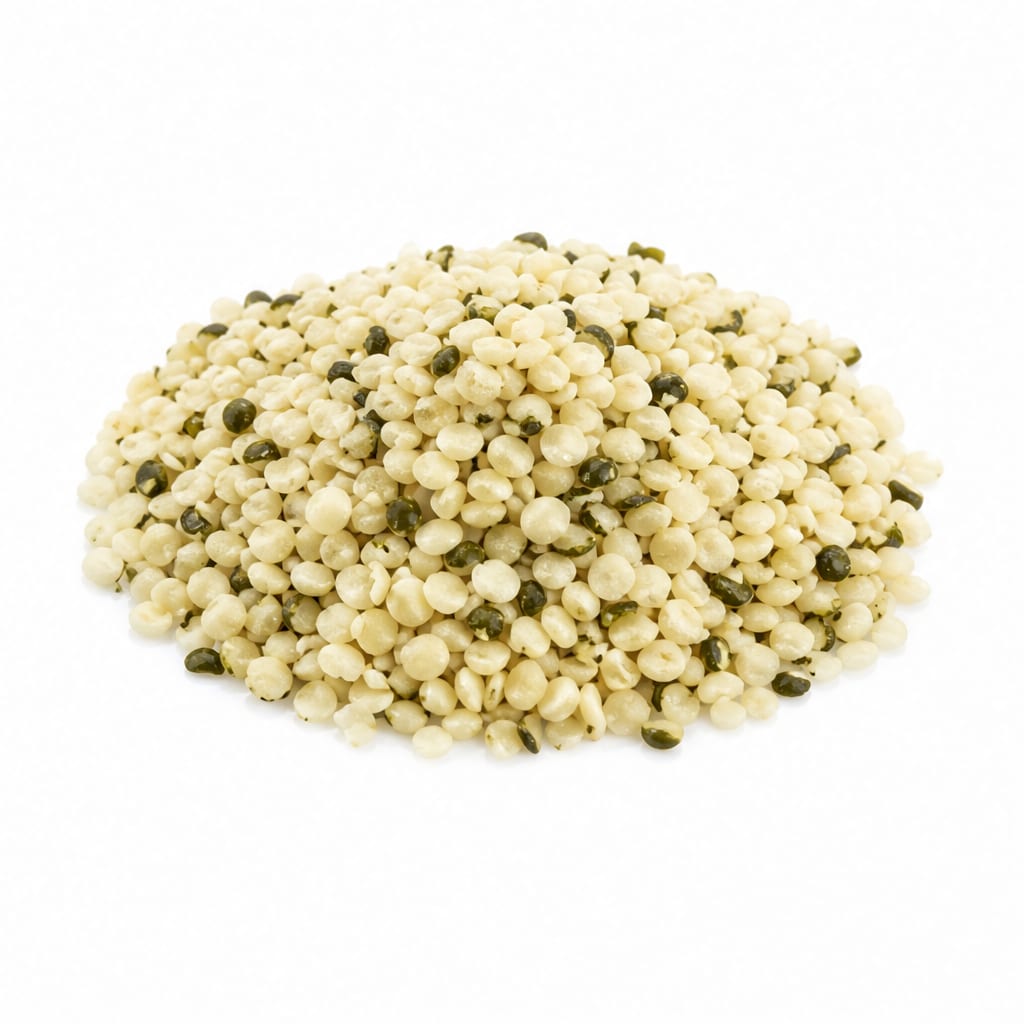
Compare with
Hemp Hearts
Hemp hearts provide more protein and a complete amino acid profile, while wheat germ is lower in fat and richer in complex carbs.
Hemp hearts provide more protein and healthy fats, while wheat germ is lower in calories and richer in complex carbs.
This food
Wheat Germ
VS60% alike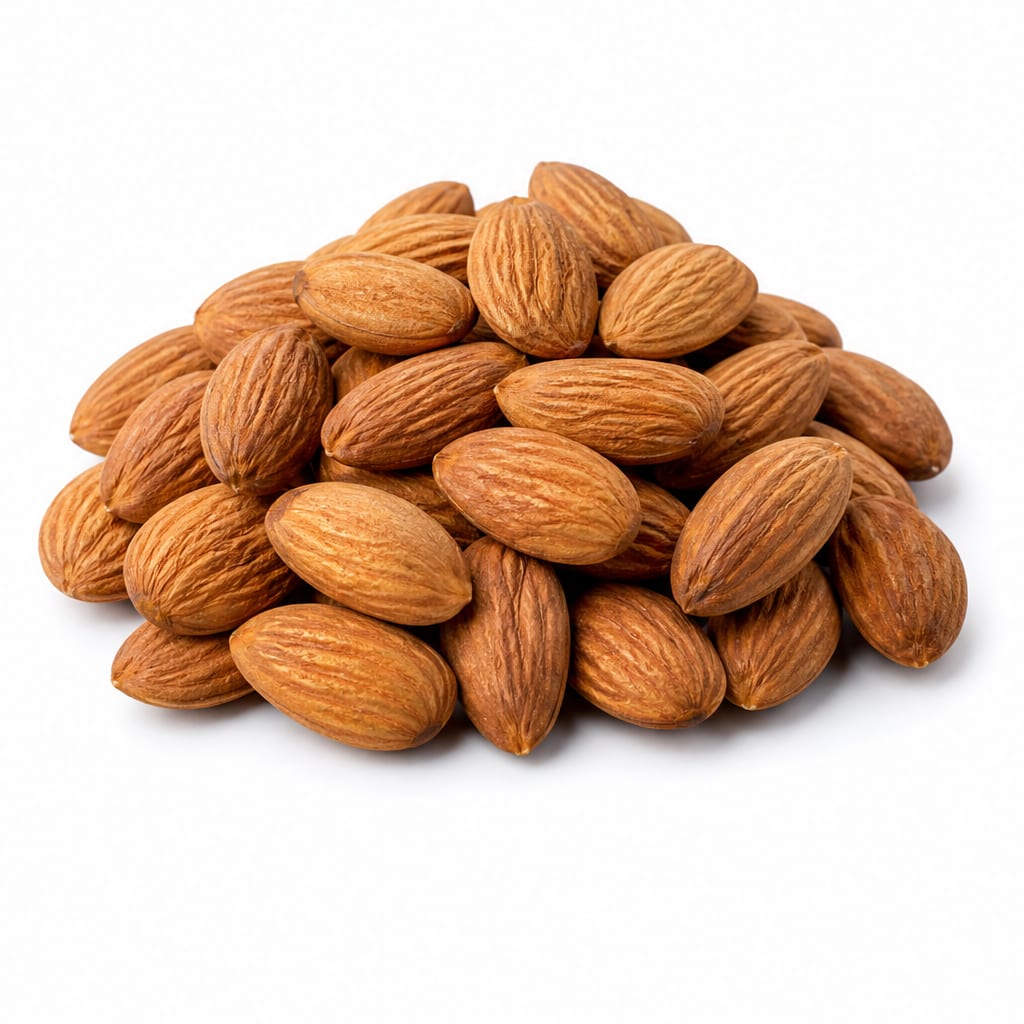
Compare with
Almonds
Almonds are a high-fat tree nut with monounsaturated fats, while wheat germ is a low-fat grain component with more carbohydrates and B vitamins.
Almonds are a high-fat nut with vitamin E, while wheat germ is a lighter grain component with more carbohydrates and B vitamins.
This food
Wheat Germ
VS65% alike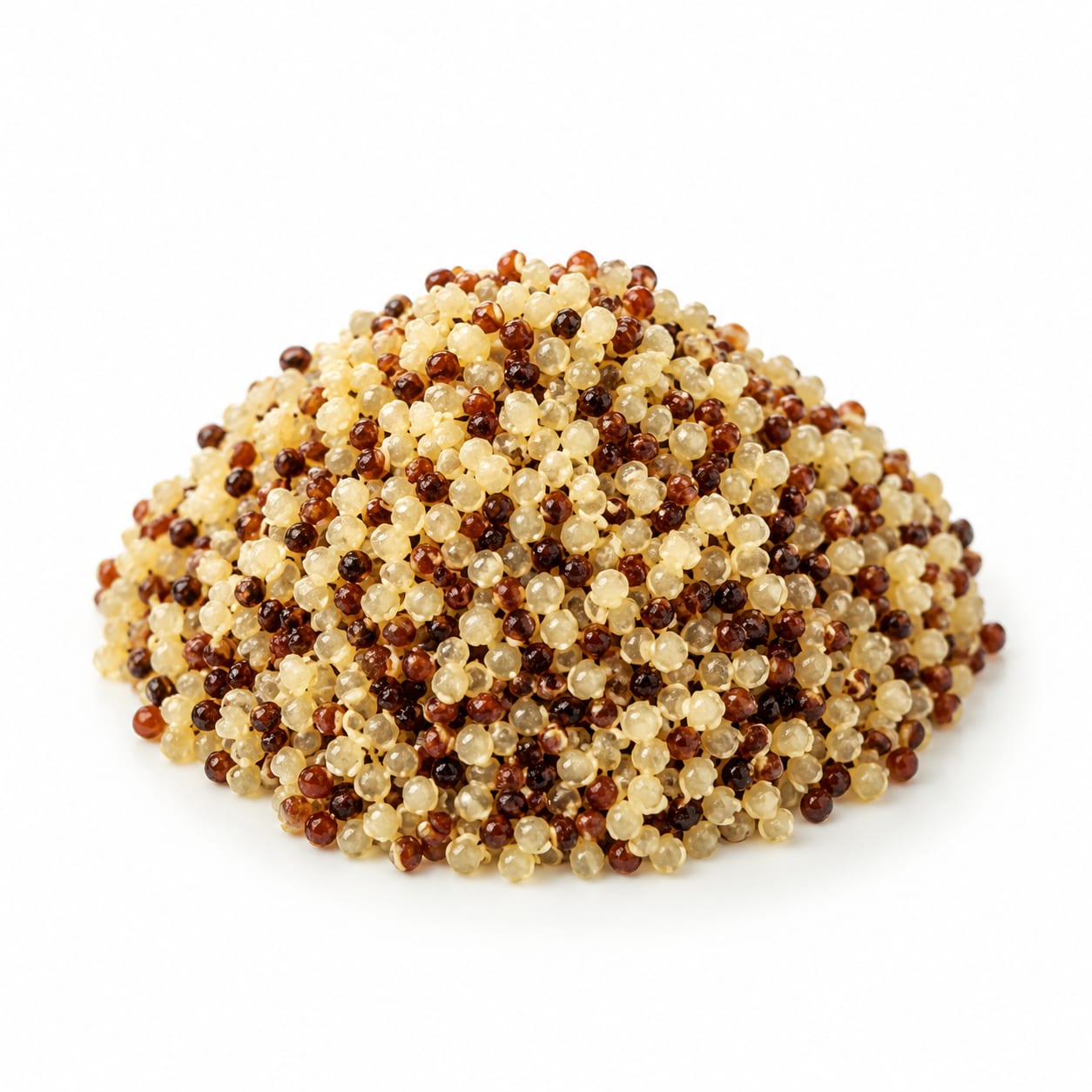
Compare with
Quinoa
Quinoa is a complete protein seed cooked as a whole grain, while wheat germ is a nutrient-dense topping with more vitamin E and folate.
Quinoa is a complete protein cooked as a grain, while wheat germ is a nutrient-dense topping with more vitamin E and folate.
This food
Wheat Germ
VS65% alike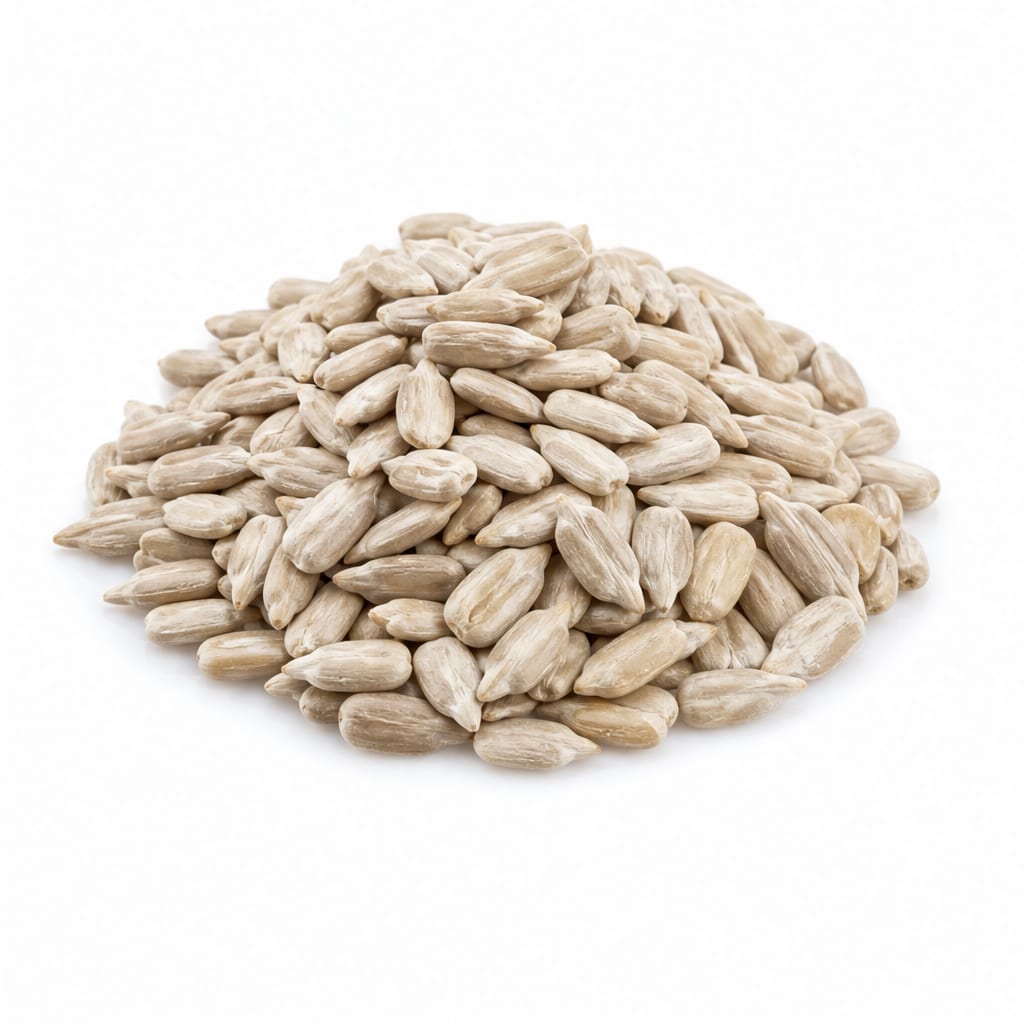
Compare with
Sunflower Seeds
Sunflower seeds are higher in fat and vitamin E, while wheat germ offers more carbohydrates, fiber, and B vitamins per serving.
Sunflower seeds are higher in fat and vitamin E, while wheat germ offers more carbohydrates, fiber, and B vitamins per serving.
This food
Wheat Germ
VS70% alike
Compare with
Brewer's Yeast
Brewer's yeast is a deactivated yeast high in B vitamins and chromium, while wheat germ is a grain component offering more fiber and healthy fats.
Brewer's yeast is high in B vitamins and chromium for blood sugar, while wheat germ offers more fiber and healthy fats.
This food
Wheat Germ
VS55% alike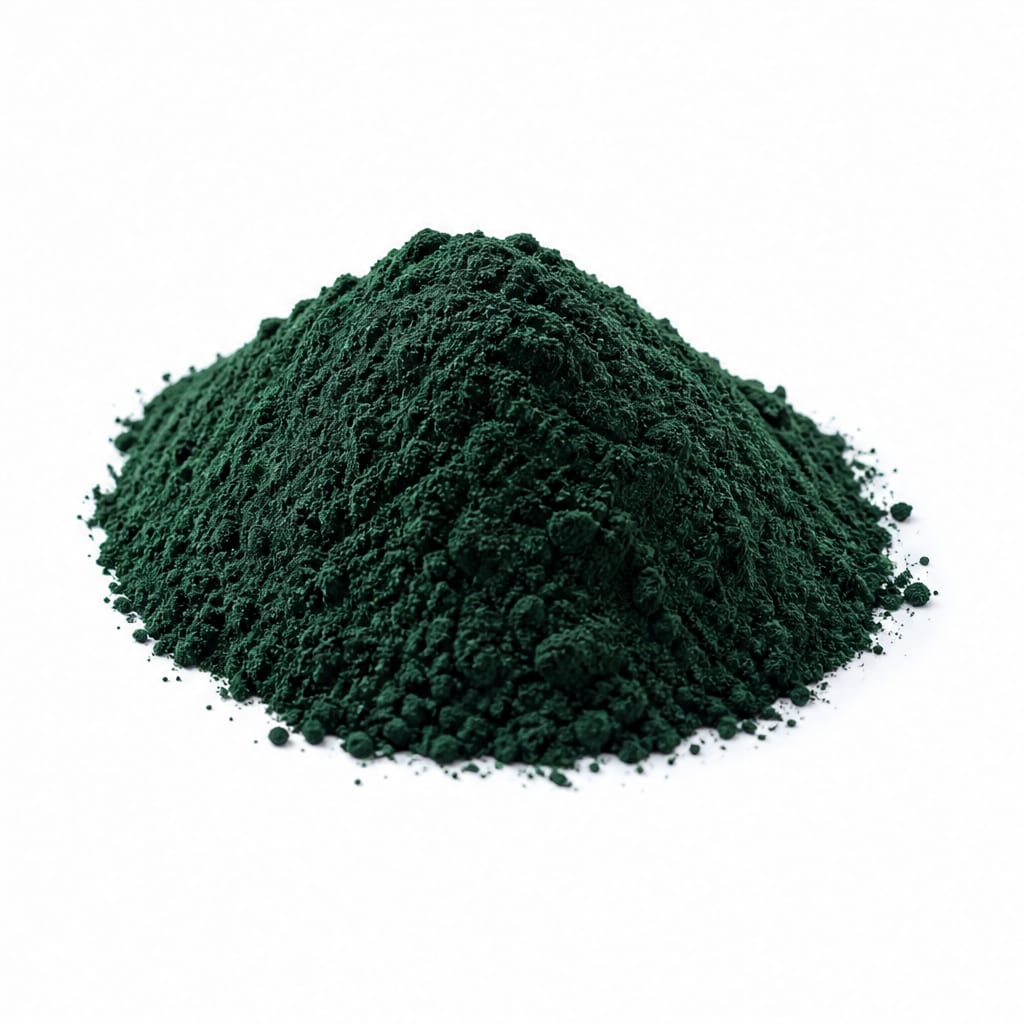
Compare with
Spirulina
Spirulina is a microalgae with extreme nutrient density and very low calories, while wheat germ provides bulk, fiber, and complex carbs.
Spirulina is a microalgae with extreme nutrient density and low calories, while wheat germ provides bulk, fiber, and complex carbs.
Common questions
FAQ
Answers aligned with how people search for this food.
Is wheat germ good for you?
Yes, wheat germ is highly nutritious, offering a concentrated source of plant protein, dietary fiber, vitamin E, and B vitamins that support energy metabolism and immune function.
Does wheat germ go bad?
Yes, wheat germ goes rancid quickly due to its high unsaturated fat content. It should be stored in an airtight container in the refrigerator or freezer to extend its shelf life.
Is wheat germ gluten free?
No, wheat germ contains gluten because it is derived from the wheat kernel. It is not safe for individuals with celiac disease or gluten intolerance.
How much wheat germ should I eat daily?
A typical serving is 1 to 2 tablespoons (about 7 to 14 grams) per day, which provides nutritional benefits without adding excessive calories to your diet.
What is the difference between wheat germ and wheat bran?
Wheat germ is the nutrient-dense embryo of the kernel, rich in healthy fats and vitamin E, while wheat bran is the outer layer of the kernel, primarily providing insoluble fiber for digestion.
Can you eat wheat germ raw?
Yes, raw wheat germ can be eaten straight from the package, but toasted wheat germ has a nuttier flavor and crunchier texture that many people prefer for sprinkling on foods.
Is wheat germ good for weight loss?
It can be, as its protein and fiber content promote satiety. However, it is calorie-dense, so portion control is necessary to avoid consuming excess calories.
What does wheat germ taste like?
Wheat germ has a mild, nutty, and slightly sweet flavor. Toasting it enhances the nuttiness and adds a pleasant crunch.
Transparency
Data confidence
Estimated confidence for nutrition data, interpretation, safety notes, and comparisons.
Nutrition data
Health analysis
Food safety
Comparisons