
Nutrition comparison
Wheat Germ vs Chia Seeds: Which Superfood Is Better for You?
Compare Wheat Germ vs Chia Seeds for fiber, omega-3s, vitamins, and weight loss. Discover the health benefits, tradeoffs, and which one is better for your daily diet.
Overall winner · Chia Seeds
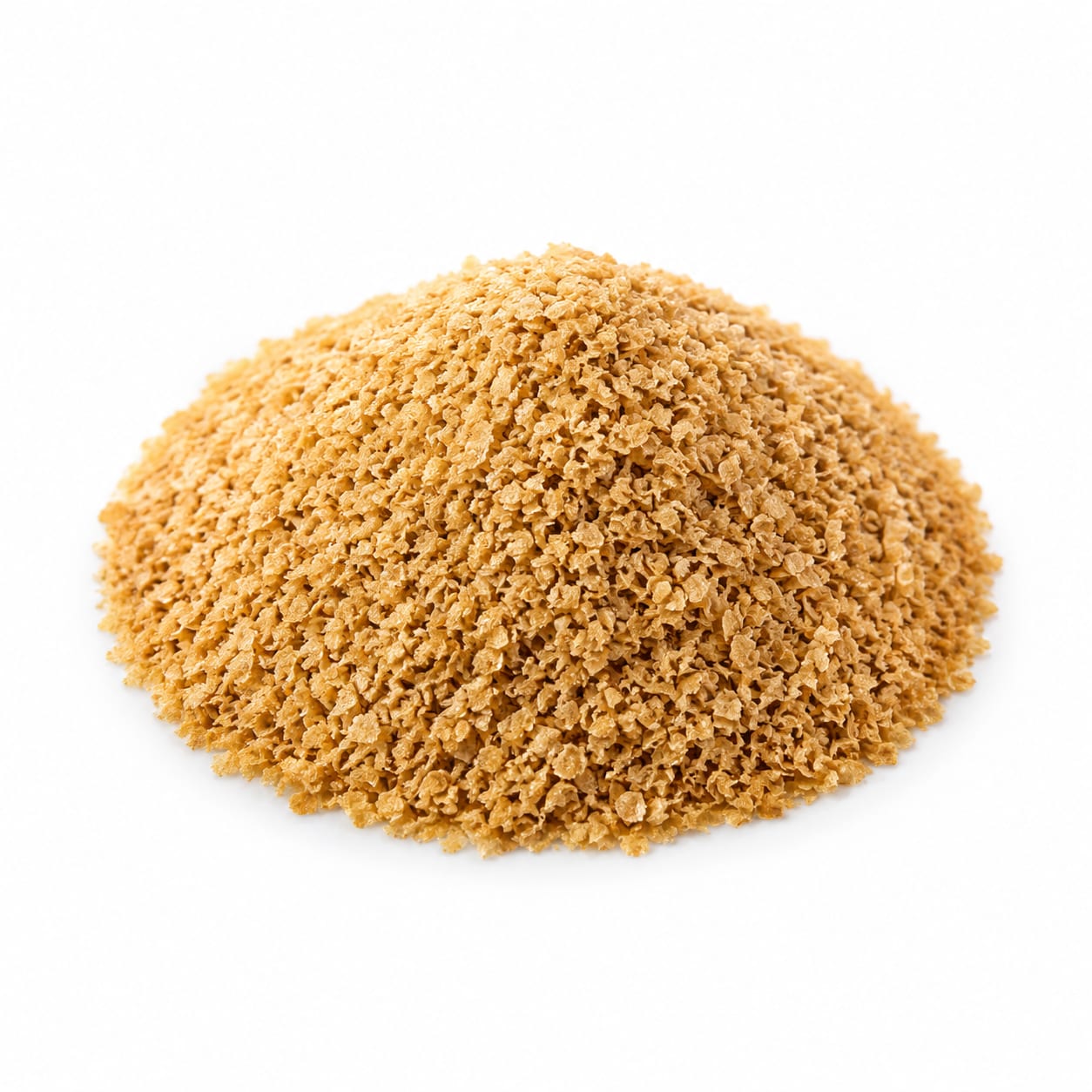
Wheat Germ
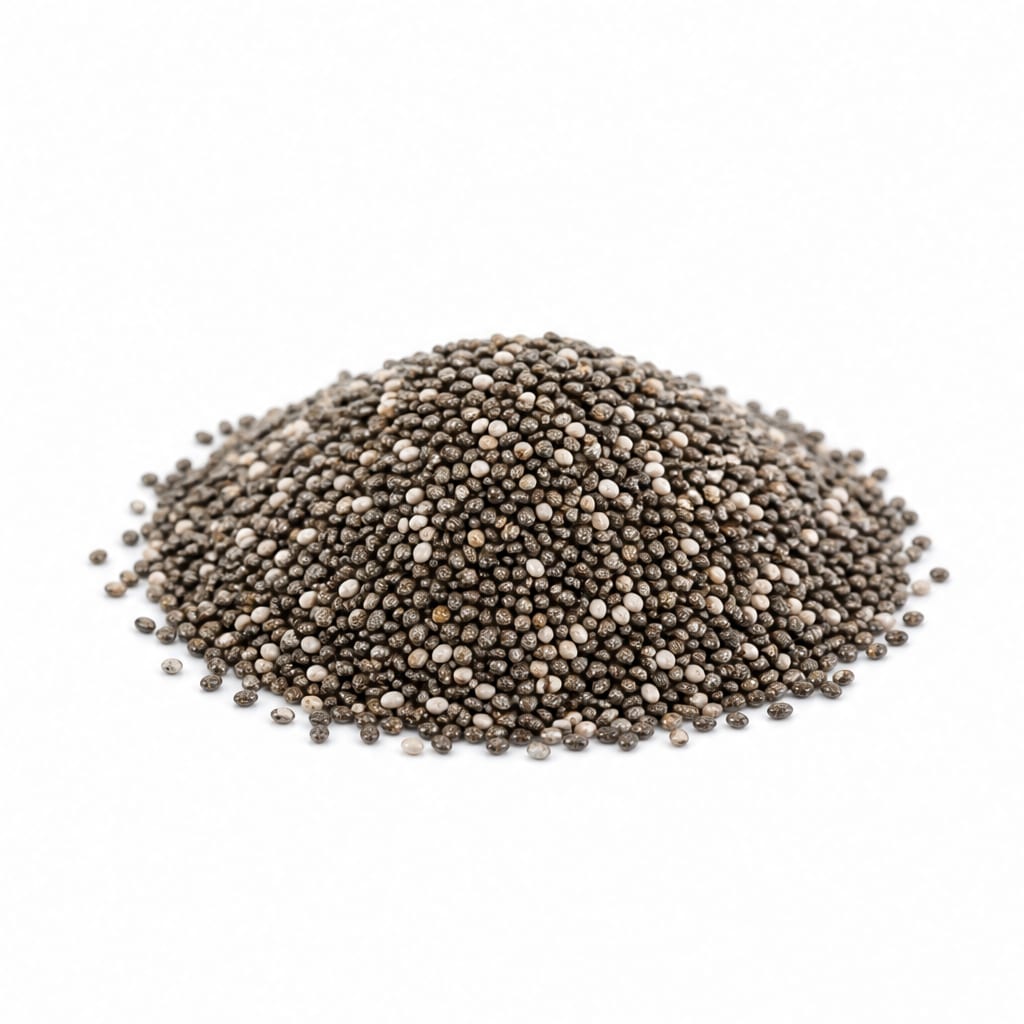
Chia Seeds
Chia Seeds edge out Wheat Germ for daily use thanks to superior fiber, omega-3 fats, and shelf stability, though Wheat Germ offers stronger B-vitamins and vitamin E.
Chia Seeds score higher due to exceptional fiber, healthy fats, and long shelf life. Wheat Germ remains valuable for specific micronutrients but loses points for rancidity risk and gluten content.
Chia Seeds deliver lasting fullness and anti-inflammatory fats, while Wheat Germ provides an energizing boost of B-vitamins but spoils quickly and contains gluten.
At a glance
Executive summary
Overall
Chia Seeds
Healthier
Chia Seeds
More practical
Chia Seeds
Daily use
Chia Seeds
Key comparison lenses
Satiety and weight management
Chia Seeds are famous for their gel-forming fiber that keeps you full, while Wheat Germ offers a different, less expanding type of fullness.
Omega-3 vs Vitamin E and B-vitamins
Chia Seeds provide rare plant-based omega-3s, whereas Wheat Germ is a top source of vitamin E and energy-boosting B-vitamins.
Shelf stability and rancidity risk
Wheat Germ spoils very quickly due to its fat content, while Chia Seeds are remarkably stable, impacting practical daily use.
Gluten tolerance and dietary restrictions
Wheat Germ contains gluten, making Chia Seeds the automatic choice for those with celiac disease or gluten sensitivity.
Best choice for
Wheat Germ
- People needing B-vitamin boosts for energy
- Those wanting vitamin E for skin health
- Athletes seeking zinc for recovery
Chia Seeds
- People seeking better digestion and regularity
- Anyone needing plant-based omega-3s
- Those managing blood sugar spikes
Least suitable for
Wheat Germ
- People with celiac or gluten sensitivity
- Those who buy in bulk and store pantry items slowly
- People on very low-carb diets
Chia Seeds
- People prone to digestive blockages if they don't drink enough water
- Those looking for high B-vitamin content
- People on blood-thinning medications needing to limit omega-3s
Deep comparison
Dimension by dimension
Each lens scores both foods and breaks down who each option suits.
- Dimension 1 · Priority 90Chia Seeds
Satiety & Fullness
Wheat Germ · 70Chia Seeds · 95Chia Seeds absorb up to 12 times their weight in water, creating a gel that keeps you full for hours. Wheat Germ is filling but doesn't expand the same way.
Tradeoff
You get a much more satisfying, longer-lasting fullness from Chia Seeds, whereas Wheat Germ offers a denser, more compact energy source.
Why it matters
Staying full between meals prevents snacking and makes it easier to maintain or lose weight.
Real-world impact
A chia pudding or chia-added smoothie can keep you full from breakfast to lunch, while Wheat Germ might leave you hungry an hour sooner.
Wheat Germ
- Quick calorie-dense energy before a workout
Better for
- Those who need long-lasting satiety
Worse for
Chia Seeds
- Curbing afternoon cravings
- Managing portion control at breakfast
Better for
- People who dislike the gel-like texture of soaked seeds
Worse for
- Dimension 2 · Priority 85Chia Seeds
Heart Health & Inflammation
Wheat Germ · 65Chia Seeds · 90Chia Seeds are loaded with alpha-linolenic acid (ALA), a plant-based omega-3 that fights inflammation. Wheat Germ has mostly omega-6 fats.
Tradeoff
Chia Seeds actively push your fat ratio toward anti-inflammatory, while Wheat Germ's fat profile is more neutral or slightly inflammatory.
Why it matters
Chronic inflammation drives heart disease, joint pain, and fatigue. Balancing your omega-3 to omega-6 ratio is crucial.
Real-world impact
Regularly eating Chia Seeds can help lower triglycerides and support cardiovascular health over time.
Wheat Germ
- Getting overall caloric density from healthy fats
Better for
- Those fighting chronic inflammation
Worse for
Chia Seeds
- Reducing systemic inflammation
- Supporting heart health daily
Better for
- People on blood thinners who must monitor omega-3 intake
Worse for
- Dimension 3 · Priority 80It depends
Nutrient Density & Micronutrients
Wheat Germ · 85Chia Seeds · 82Wheat Germ is a powerhouse of B-vitamins, vitamin E, and zinc. Chia Seeds dominate in calcium, magnesium, and fiber.
Tradeoff
Wheat Germ fuels energy production and skin health, while Chia Seeds build bone strength and digestive wellness.
Why it matters
Different deficiencies require different foods. Your specific health goals dictate which nutrient profile serves you better.
Real-world impact
If you feel sluggish, Wheat Germ's B-vitamins might help. If you have digestive issues or need bone support, Chia Seeds are the better pick.
Wheat Germ
- Boosting daily energy metabolism
- Improving skin repair with vitamin E
Better for
- Those who already get plenty of B-vitamins from fortified foods or meat
Worse for
Chia Seeds
- Increasing calcium for bone health
- Getting magnesium for sleep and muscle relaxation
Better for
- People needing a quick boost in energy-related B-vitamins
Worse for
- Dimension 4 · Priority 75Chia Seeds
Shelf Stability & Convenience
Wheat Germ · 40Chia Seeds · 95Chia Seeds last for years in the pantry without going bad. Wheat Germ turns rancid very quickly due to its high unsaturated fat content.
Tradeoff
Chia Seeds are incredibly low-maintenance to store, while Wheat Germ requires refrigeration and careful handling to avoid a stale, bitter taste.
Why it matters
Rancid oils not only taste terrible but also create free radicals that damage your cells.
Real-world impact
You can buy Chia Seeds in bulk and forget about them. Wheat Germ needs to be used within a week or two of opening, or it spoils.
Wheat Germ
- Those who cook with it daily and use it up fast
Better for
- Casual users who might forget it in the pantry
Worse for
Chia Seeds
- Bulk buyers
- Meal preppers who store ingredients long-term
Better for
- Those who prefer a toastable, nutty ingredient for baking
Worse for
- Dimension 5 · Priority 80Chia Seeds
Digestive Health & Regularity
Wheat Germ · 60Chia Seeds · 95Chia Seeds provide massive amounts of soluble fiber, which feeds gut bacteria and softens stool. Wheat Germ offers fiber but not at the same scale.
Tradeoff
Chia Seeds are a digestive superfood that keeps things moving smoothly, while Wheat Germ offers moderate fiber alongside its other nutrients.
Why it matters
Good digestion affects everything from mood to immunity. Soluble fiber is key for a healthy microbiome.
Real-world impact
Adding a tablespoon of Chia Seeds to your morning routine can reliably prevent constipation and bloating.
Wheat Germ
- Adding mild fiber without changing food texture
Better for
- Those needing a serious fiber boost
Worse for
Chia Seeds
- Resolving constipation
- Feeding beneficial gut bacteria
Better for
- People who don't drink enough water, risking intestinal blockage
Worse for
Timeline
Health impact over time
Short-term
Hours to days
Wheat Germ
- Quick energy boost from B-vitamins
- Nutty flavor enhances meals
Chia Seeds
- Rapid feeling of fullness
- Helps stabilize blood sugar after meals
Long-term
Months to years
Wheat Germ
- Supports skin health via vitamin E
- Risk of consuming rancid oils if not stored properly
Chia Seeds
- Improved cardiovascular markers from omega-3s
- Better digestive regularity and gut health
Risk profile
Safety & processing
Both Wheat Germ and Chia Seeds are whole-food ingredients with minimal processing. Wheat Germ is simply the extracted embryo of the wheat kernel, while Chia Seeds are harvested and cleaned whole.
Wheat Germ
Gluten exposure
highWheat Germ contains gluten, making it unsafe for anyone with celiac disease or gluten sensitivity.
Rancidity
mediumThe oils in Wheat Germ oxidize rapidly when exposed to air and light, potentially creating harmful free radicals.
Chia Seeds
Choking or intestinal blockage
mediumEating dry Chia Seeds without enough water can cause them to swell in the esophagus or intestines, leading to blockages.
Omega-3 interaction with blood thinners
lowHigh doses of omega-3s can thin the blood, which may interact with anticoagulant medications.
Who wins for whom
Audience fit
Same foods, different winners depending on your goal.
children
Wheat GermWheat Germ is easier to hide in foods without altering texture, and provides essential B-vitamins and zinc for growth, though chia is also good if hydrated properly.
daily consumption
Chia SeedsChia Seeds are easier to store, safer for those avoiding gluten, and provide daily fiber and omega-3s that most diets lack.
diabetes
Chia SeedsThe gel-forming fiber in Chia Seeds slows carbohydrate absorption, preventing sharp blood sugar spikes.
elderly
Chia SeedsChia Seeds support digestive regularity and bone health via calcium, which are critical for aging bodies, provided they drink enough water.
muscle gain
Wheat GermWheat Germ provides more readily available protein and zinc, which support muscle repair and testosterone production.
weight loss
Chia SeedsChia Seeds' soluble fiber absorbs water and expands in the stomach, dramatically increasing fullness and reducing overall calorie intake.
Your move
Decision guide
Choose Wheat Germ
- You need a B-vitamin and zinc boost for energy and recovery
- You want a nutty, toastable topping for baked goods or yogurt
- You have no gluten sensitivity and will use it up quickly
Choose Chia Seeds
- You want to improve digestion and stay full longer
- You need plant-based omega-3s for heart and brain health
- You want a pantry-stable superfood that won't go rancid
Either works if
- You are looking to add nutrient density to smoothies or oatmeal
- You want to increase your daily intake of healthy fats and minerals
Avoid both if
- You have severe seed or grain allergies
- You are on a strict zero-fiber or low-residue diet for medical reasons
Final recommendation
Keep Chia Seeds as your daily staple for fiber, fullness, and omega-3s. Use Wheat Germ occasionally when you want its unique nutty flavor and a boost in B-vitamins, but store it in the fridge and use it fast.
Practical
Consumer tips
- 1
Always store Wheat Germ in the refrigerator or freezer to prevent it from going rancid.
- 2
Mix Chia Seeds with water or milk for at least 10 minutes before eating to avoid digestive discomfort.
- 3
Drink an extra glass of water whenever you eat Chia Seeds to help the fiber do its job smoothly.
- 4
Toast Wheat Germ lightly in a dry pan to bring out its nutty flavor before adding it to yogurt or salads.