
Nutrition comparison
Wheat Germ vs Quinoa: Nutritional Comparison & Health Benefits
Comparing Wheat Germ and Quinoa for protein, nutrients, and daily use. Find out which is better for gluten-free diets, muscle gain, and meal prep.
Overall winner · Quinoa
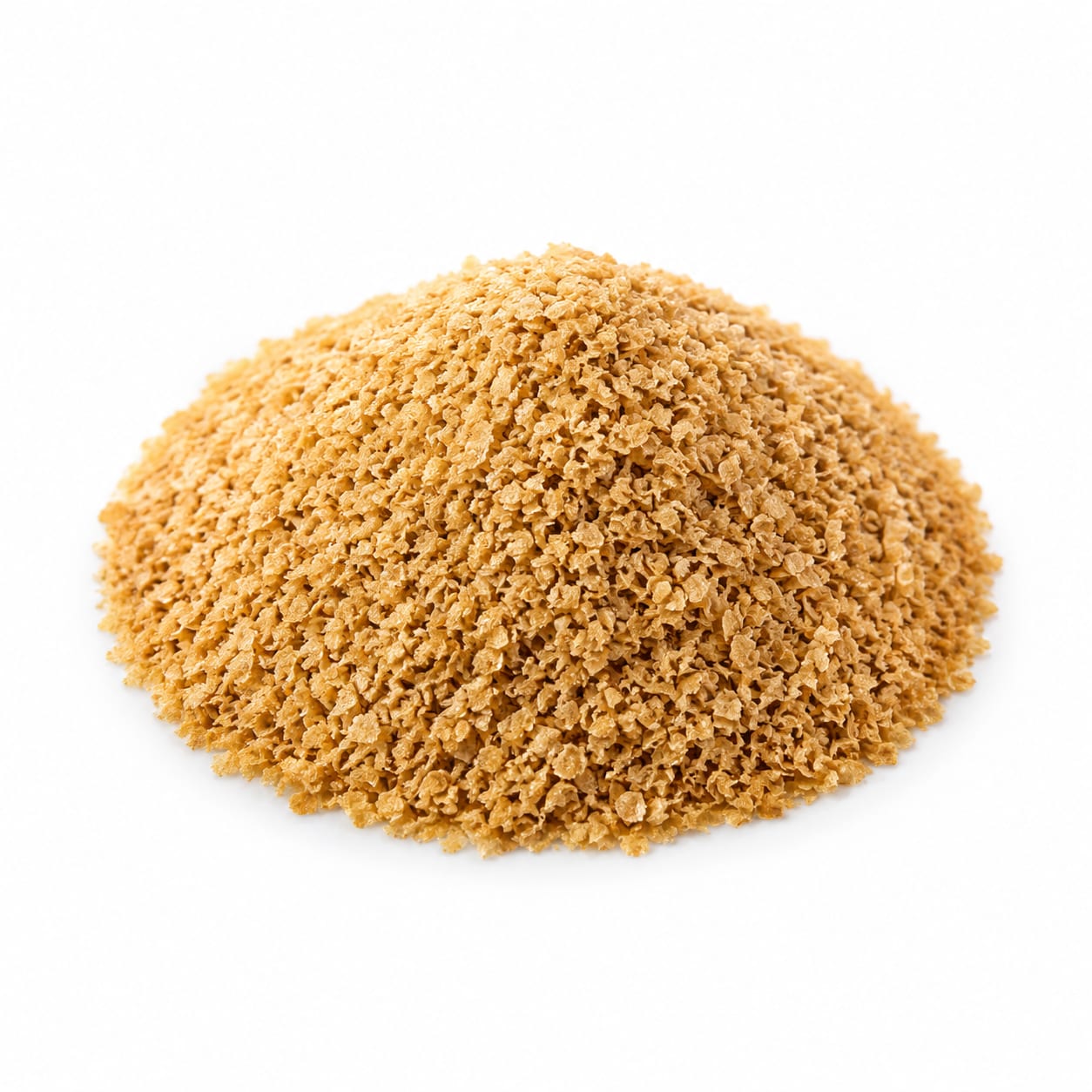
Wheat Germ
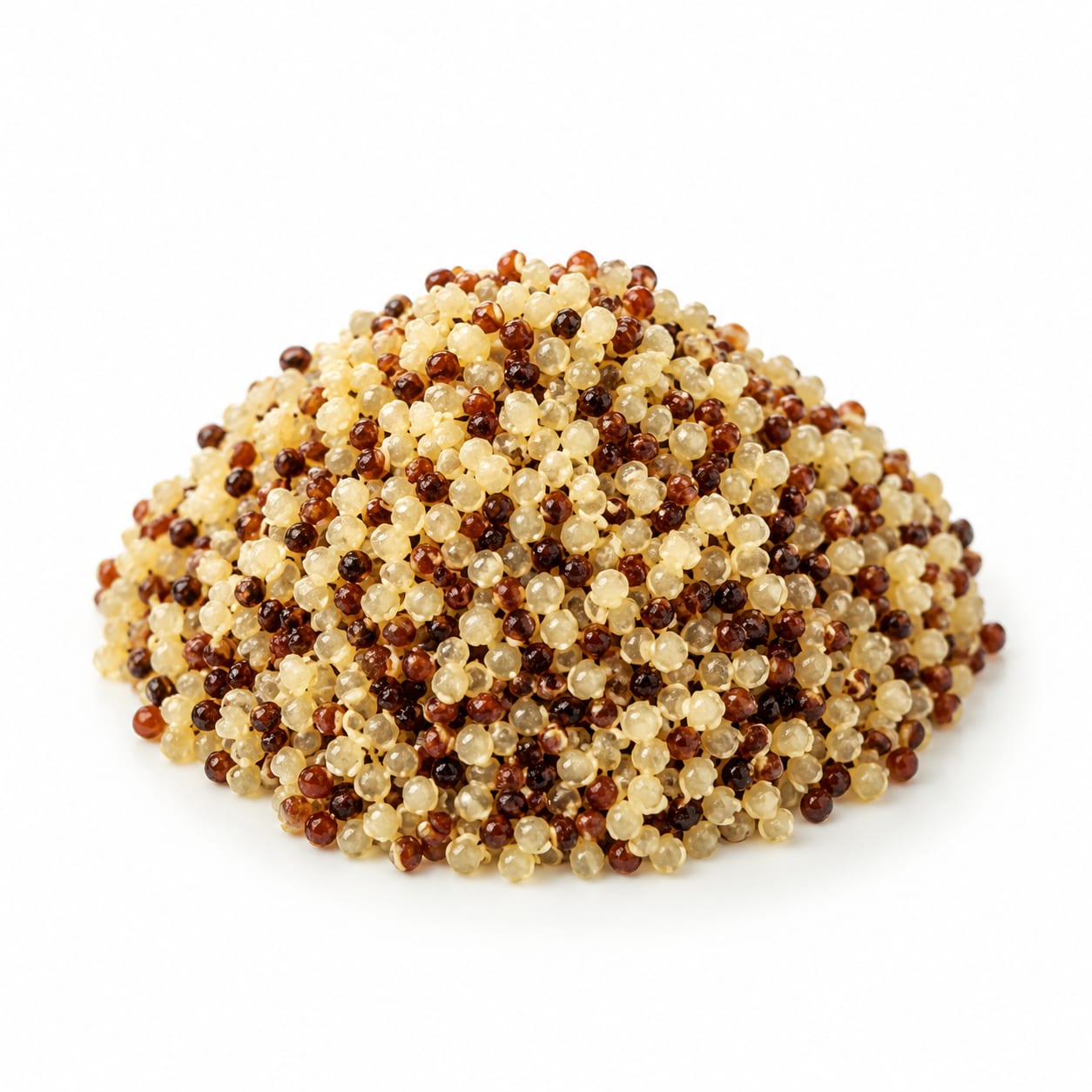
Quinoa
Quinoa is a versatile, gluten-free staple, while Wheat Germ is a potent but perishable nutritional booster.
Quinoa scores higher due to its versatility as a meal base, gluten-free nature, and shelf stability. Wheat Germ is nutritionally potent but limited by perishability and gluten content.
Wheat Germ offers a concentrated hit of vitamins and minerals, but Quinoa provides a more sustainable, meal-friendly complete protein without gluten.
At a glance
Executive summary
Overall
Quinoa
Healthier
It depends
More practical
Quinoa
Daily use
Quinoa
Key comparison lenses
Nutrient density booster vs staple grain
Wheat Germ is typically used as a nutritional topping, while Quinoa serves as a meal foundation.
Gluten tolerance and allergens
Quinoa is naturally gluten-free, making it accessible where Wheat Germ cannot be used.
Shelf stability and rancidity
Wheat Germ spoils quickly due to its fat content, impacting practicality compared to Quinoa.
Complete protein sources
Both are valued for plant-based protein, but their amino acid profiles and serving sizes differ significantly.
Best choice for
Wheat Germ
- Nutrient boosting smoothies or yogurt
- People needing extra Vitamin E or Zinc
- Baking enrichment
Quinoa
- Gluten-free diets
- Main dish carb bases
- Meal prep and batch cooking
Least suitable for
Wheat Germ
- Celiacs or those with gluten intolerance
- People who buy in bulk and store slowly
Quinoa
- Strict low-carb dieters
- People sensitive to saponins (if not washed)
Deep comparison
Dimension by dimension
Each lens scores both foods and breaks down who each option suits.
- Dimension 1 · Priority 90Wheat Germ
Nutrient Density & Micronutrients
Wheat Germ · 95Quinoa · 82Wheat Germ packs more vitamins and minerals per ounce, especially Vitamin E, folate, and zinc.
Tradeoff
You get more micronutrients in Wheat Germ, but in a much smaller serving size that cannot serve as a meal base.
Why it matters
If you are looking to supplement an existing meal, Wheat Germ is an elite booster.
Real-world impact
A tablespoon of Wheat Germ on your oatmeal gives a noticeable nutrient bump, but you would not eat a bowl of it.
Wheat Germ
- Vitamin E intake
- Zinc supplementation
- B-vitamin boosting
Better for
- Large serving consumption
Worse for
Quinoa
- Magnesium intake
- Iron from a staple food
Better for
- Concentrated micronutrient dosing
Worse for
- Dimension 2 · Priority 85Quinoa
Protein Quality & Amino Acid Profile
Wheat Germ · 84Quinoa · 92Quinoa is famous for being a complete protein with all essential amino acids, while Wheat Germ is also high in protein but slightly less balanced.
Tradeoff
Quinoa offers a more balanced amino acid profile in a meal-sized portion, whereas Wheat Germ provides high protein in a tiny garnish.
Why it matters
Complete proteins are crucial for muscle repair and satiety, especially on plant-based diets.
Real-world impact
A quinoa bowl keeps you full and fuels muscles effectively; Wheat Germ needs to be paired with other proteins for a complete profile.
Wheat Germ
- Adding protein to smoothies without volume
Better for
- Reliance as a sole protein source
Worse for
Quinoa
- Vegan complete protein sources
- Post-workout recovery meals
Better for
- Quick protein additions to existing meals
Worse for
- Dimension 3 · Priority 95Quinoa
Digestive Tolerance & Allergens
Wheat Germ · 40Quinoa · 90Quinoa is naturally gluten-free, making it safe for celiacs, while Wheat Germ contains gluten.
Tradeoff
Choosing Wheat Germ introduces gluten, which is a dealbreaker for a significant portion of the population.
Why it matters
Gluten sensitivity and celiac disease require strict avoidance, limiting Wheat Germ's audience.
Real-world impact
Quinoa can be enjoyed by almost anyone; Wheat Germ causes digestive distress for those with gluten issues.
Wheat Germ
- Those without gluten sensitivity looking for wheat nutrients
Better for
- Celiacs
- Gluten-sensitive individuals
Worse for
Quinoa
- Celiacs
- People with IBS triggered by gluten
- Gluten-free households
Better for
- People sensitive to saponins (if not rinsed)
Worse for
- Dimension 4 · Priority 90Quinoa
Versatility & Meal Integration
Wheat Germ · 65Quinoa · 93Quinoa works as a main dish, side, or salad base, while Wheat Germ is mostly a topping or baking additive.
Tradeoff
Quinoa replaces rice or pasta in meals; Wheat Germ only enhances them in small amounts.
Why it matters
A food you can build a meal around is inherently more useful for daily nutrition.
Real-world impact
You can meal-prep a week's worth of quinoa lunches; Wheat Germ is just a sprinkle on top.
Wheat Germ
- Baking recipes
- Yogurt mix-ins
- Smoothie boosts
Better for
- Serving as a standalone carb
Worse for
Quinoa
- Grain bowls
- Side dishes
- Cold salads
Better for
- Baking texture enhancement
Worse for
- Dimension 5 · Priority 70Quinoa
Shelf Stability & Storage
Wheat Germ · 45Quinoa · 90Wheat Germ goes rancid quickly due to its high fat content, while dry Quinoa lasts for months in the pantry.
Tradeoff
Wheat Germ requires refrigeration and careful storage, adding friction to daily use.
Why it matters
Foods that spoil quickly can lead to food waste and off-flavors if not managed properly.
Real-world impact
Forget your Wheat Germ in the pantry and it tastes like paint; Quinoa sits patiently in the cupboard.
Wheat Germ
- Short-term nutrient boosting when fresh
Better for
- Long-term storage
- Warm climates
Worse for
Quinoa
- Bulk buying
- Pantry storage
- Emergency food supplies
Better for
- None significant
Worse for
Timeline
Health impact over time
Short-term
Hours to days
Wheat Germ
- Quick energy boost from B vitamins
- Potential bloating if gluten-sensitive
Quinoa
- Steady energy from complex carbs
- Possible stomach upset if saponins are not rinsed
Long-term
Months to years
Wheat Germ
- Excellent antioxidant support from Vitamin E
- Risk of chronic inflammation if gluten is an issue
Quinoa
- Sustained muscle maintenance from complete protein
- Improved digestive regularity from fiber
Risk profile
Safety & processing
Both are whole-food components with minimal processing, though Wheat Germ is mechanically separated from the grain, while Quinoa is simply harvested and dried.
Wheat Germ
Gluten exposure
highContains gluten, which triggers autoimmune responses in celiacs and discomfort in sensitive individuals.
Rancidity
mediumHigh oil content causes it to spoil quickly, potentially causing mild stomach upset if consumed rancid.
Quinoa
Saponin toxicity
lowNaturally coated in bitter saponins that can cause stomach upset if not rinsed off before cooking.
Who wins for whom
Audience fit
Same foods, different winners depending on your goal.
children
QuinoaQuinoa is a safer, gluten-free option that is easier to serve as a base in kid-friendly meals.
daily consumption
QuinoaQuinoa is more practical, shelf-stable, and versatile for everyday meals.
diabetes
It dependsBoth have moderate glycemic loads, but Wheat Germ has less impact per serving, while Quinoa provides steadier energy in larger meals.
elderly
QuinoaQuinoa is easier to digest for aging stomachs and avoids gluten-related inflammation.
muscle gain
QuinoaQuinoa offers a complete amino acid profile in meal-sized portions, better supporting muscle repair.
weight loss
QuinoaQuinoa provides more volume and satiety per calorie as a meal base, helping with portion control.
Your move
Decision guide
Choose Wheat Germ
- You want a nutrient-dense booster for smoothies, yogurt, or oatmeal
- You have no gluten sensitivity and want extra Vitamin E and Zinc
- You bake frequently and want to add nutritional value to recipes
Choose Quinoa
- You need a gluten-free staple grain for meals
- You want a complete protein source for plant-based diets
- You prefer a pantry-stable food that is easy to meal prep
Either works if
- You are looking to increase whole grain intake
- You need more fiber in your diet
Avoid both if
- You are on a strict ketogenic or very low-carb diet
Final recommendation
Keep Quinoa as your daily staple for meals, and add Wheat Germ as a refrigerated booster if you tolerate gluten well.
Practical
Consumer tips
- 1
Store Wheat Germ in the fridge or freezer immediately after opening to prevent it from going rancid.
- 2
Always rinse Quinoa under cold water before cooking to remove bitter saponins.
- 3
Use Wheat Germ within a few months of opening; if it smells like paint, throw it out.
- 4
Cook Quinoa in broth instead of water for a flavor upgrade without extra effort.