
Nutrition comparison
Wheat Germ vs Sunflower Seeds: Nutrition, Snackability, and Health Tradeoffs
Comparing Wheat Germ and Sunflower Seeds? Discover which is better for snacking, baking, and daily nutrition, plus the hidden risks of cadmium and rancidity.
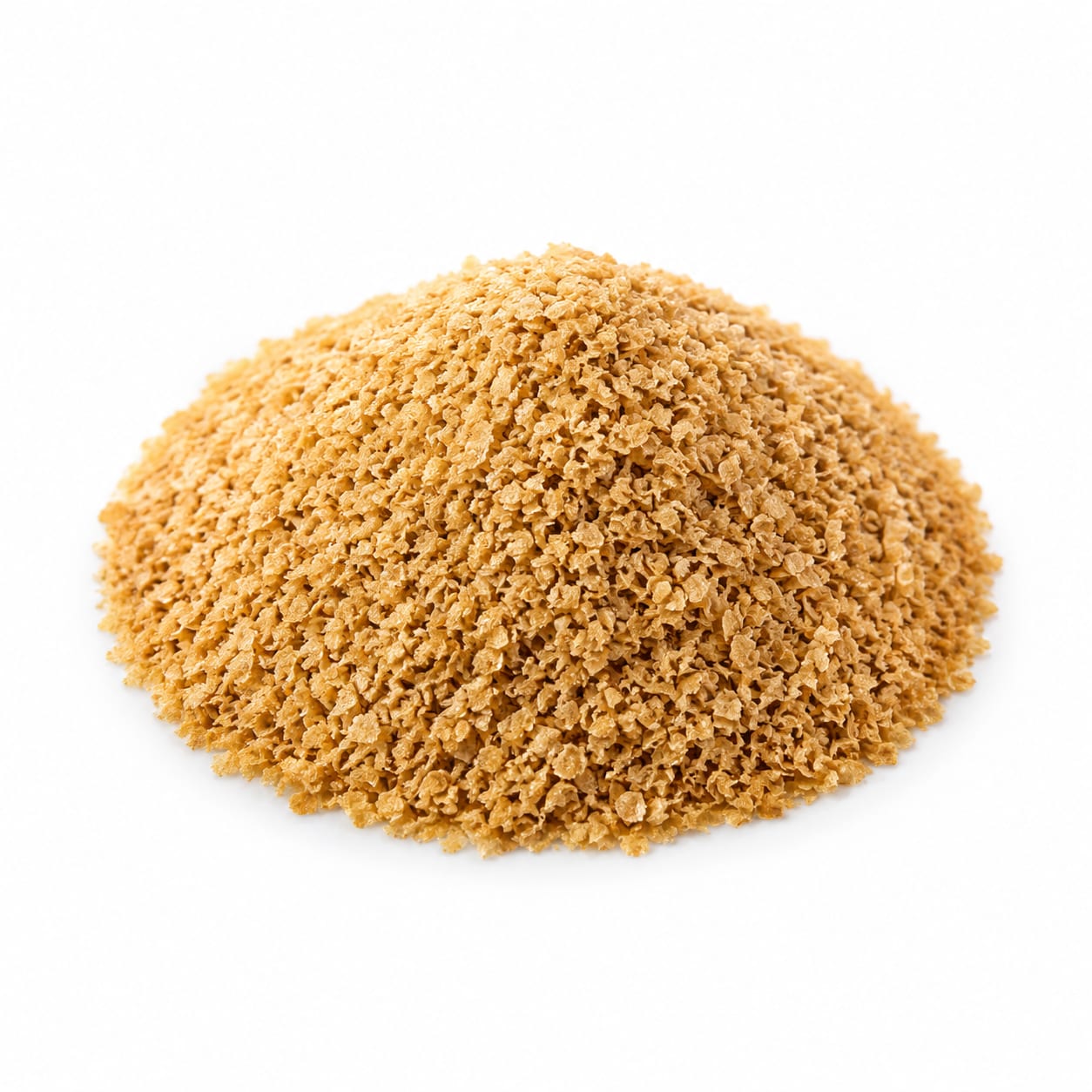
Wheat Germ
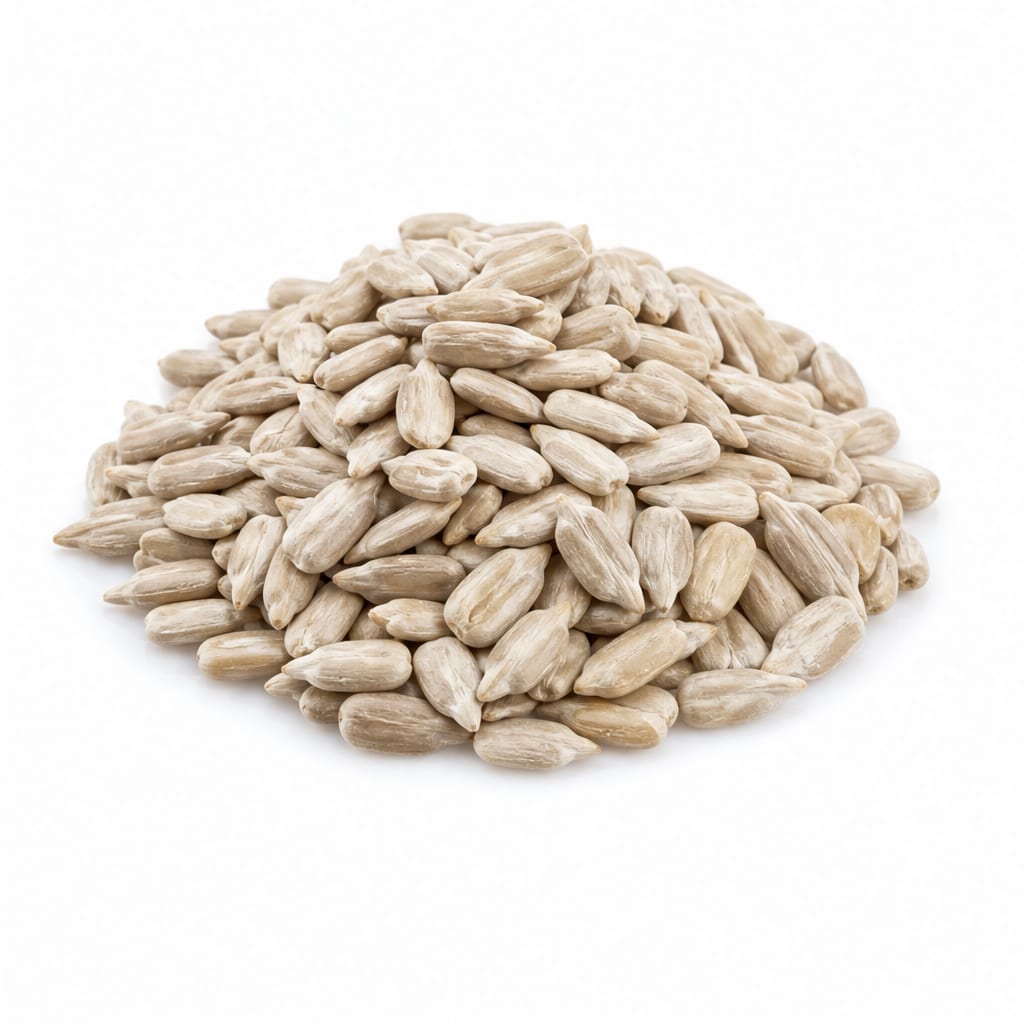
Sunflower Seeds
Wheat Germ is a nutrient-dense booster for meals, while Sunflower Seeds are a satisfying, shelf-stable snack—choose based on whether you need a topping or a standalone food.
Sunflower Seeds edge out slightly due to versatility and shelf stability, but Wheat Germ offers superior B-vitamin density. The close scores reflect their different use cases.
Wheat Germ offers more folate and B vitamins but spoils quickly, whereas Sunflower Seeds deliver more healthy fats and selenium but carry a cadmium risk if overconsumed.
At a glance
Executive summary
Overall
It depends
Healthier
It depends
More practical
Sunflower Seeds
Daily use
Sunflower Seeds
Key comparison lenses
Nutrient Density and Vitamin Profile
Wheat Germ and Sunflower Seeds are both nutritional powerhouses, but they excel in different vitamins, making specific nutrient needs the primary decision driver.
Satiety and Practical Use
Sunflower Seeds are a standalone snack, while Wheat Germ is typically a meal additive, leading to very different real-world eating behaviors.
Shelf Stability and Storage
Wheat Germ spoils rapidly due to its natural oils, whereas Sunflower Seeds are highly shelf-stable, impacting convenience and food waste.
Allergen and Contamination Risks
Gluten in Wheat Germ versus cadmium accumulation in Sunflower Seeds presents two very different safety tradeoffs for regular consumers.
Best choice for
Wheat Germ
- Pregnant women needing folate from Wheat Germ
- Those seeking B-vitamin energy support from Wheat Germ
- People wanting a nutrient boost in smoothies or yogurt
Sunflower Seeds
- People needing a portable and satisfying snack like Sunflower Seeds
- Those looking for healthy fats and Vitamin E from Sunflower Seeds
- Anyone following a gluten-free diet
Least suitable for
Wheat Germ
- Celiacs or gluten-sensitive individuals avoiding Wheat Germ
- People who forget to refrigerate Wheat Germ after opening
- Those wanting a quick standalone snack
Sunflower Seeds
- People prone to mindless snacking on Sunflower Seeds
- Those concerned about heavy metal exposure from Sunflower Seeds
- People with seed allergies
Deep comparison
Dimension by dimension
Each lens scores both foods and breaks down who each option suits.
- Dimension 1 · Priority 95Wheat Germ
Nutrient Density
Wheat Germ · 88Sunflower Seeds · 85Wheat Germ is a B-vitamin powerhouse, while Sunflower Seeds shine with Vitamin E and selenium.
Tradeoff
You trade the folate and thiamin of Wheat Germ for the antioxidant and thyroid support of Sunflower Seeds.
Why it matters
B vitamins drive cellular energy, while Vitamin E protects cells from damage. Your specific health goals determine the winner.
Real-world impact
Wheat Germ can help steady your energy throughout the day, whereas Sunflower Seeds support skin health and immune resilience.
Wheat Germ
- Pregnant women needing folate from Wheat Germ
- Those seeking B-vitamin energy support from Wheat Germ
Better for
- People avoiding gluten found in Wheat Germ
Worse for
Sunflower Seeds
- People needing antioxidant support from Vitamin E in Sunflower Seeds
- Those seeking selenium for thyroid health from Sunflower Seeds
Better for
- Those concerned about cadmium exposure from Sunflower Seeds
Worse for
- Dimension 2 · Priority 90Sunflower Seeds
Satiety and Snackability
Wheat Germ · 40Sunflower Seeds · 90Sunflower Seeds are a filling, grab-and-go snack, while Wheat Germ is rarely eaten alone.
Tradeoff
Sunflower Seeds satisfy hunger between meals, but Wheat Germ requires being mixed into other foods to be palatable.
Why it matters
Convenience and satiety dictate whether a healthy food actually gets eaten when hunger strikes.
Real-world impact
A handful of Sunflower Seeds easily crushes an afternoon craving, whereas Wheat Germ is better suited for fortifying your morning oatmeal.
Wheat Germ
- Adding bulk and nutrients to a meal with Wheat Germ
Better for
- Those wanting a standalone handful snack instead of a topping like Wheat Germ
Worse for
Sunflower Seeds
- Curbing afternoon hunger with Sunflower Seeds
- A portable hiking or travel snack with Sunflower Seeds
Better for
- People who struggle with portion control for fatty foods like Sunflower Seeds
Worse for
- Dimension 3 · Priority 85Sunflower Seeds
Shelf Stability and Storage
Wheat Germ · 40Sunflower Seeds · 90Wheat Germ goes rancid quickly at room temperature, while Sunflower Seeds last for months in the pantry.
Tradeoff
Wheat Germ demands fridge space and careful handling, whereas Sunflower Seeds offer grab-and-go convenience.
Why it matters
A food that spoils quickly can lead to food waste and ruined flavors if forgotten.
Real-world impact
Leaving Wheat Germ in the cupboard ruins it in weeks, but Sunflower Seeds sit patiently in your desk drawer for months.
Wheat Germ
- Those who use small amounts quickly and keep Wheat Germ cold
Better for
- Hot climates without reliable refrigeration for Wheat Germ
- Casual, infrequent users who might forget Wheat Germ in the cupboard
Worse for
Sunflower Seeds
- Keeping a pantry stocked for weeks with Sunflower Seeds
- Emergency food supplies or travel with Sunflower Seeds
Better for
- Those who prefer fresh, moisture-rich foods over dry seeds
Worse for
- Dimension 4 · Priority 80Sunflower Seeds
Allergens and Sensitivities
Wheat Germ · 50Sunflower Seeds · 85Wheat Germ contains gluten, making it off-limits for many, while Sunflower Seeds are naturally gluten-free.
Tradeoff
Sunflower Seeds are safer for celiacs, though seed allergies do exist, whereas Wheat Germ is entirely off the table for gluten-sensitive individuals.
Why it matters
Gluten sensitivity and celiac disease require strict avoidance, making Wheat Germ a non-starter for a large population.
Real-world impact
Sunflower Seeds are a safe school snack for nut-allergic and gluten-free kids, while Wheat Germ requires careful label checking.
Wheat Germ
- People with seed/nut allergies looking for a safe topping like Wheat Germ
Better for
- Celiacs and gluten-sensitive individuals avoiding Wheat Germ
Worse for
Sunflower Seeds
- Celiacs and gluten-free diets using Sunflower Seeds
- People with wheat allergies using Sunflower Seeds
Better for
- People with rare sunflower seed allergies
Worse for
- Dimension 5 · Priority 75Wheat Germ
Contamination and Safety
Wheat Germ · 80Sunflower Seeds · 65Sunflower Seeds are cadmium hyperaccumulators, posing a risk if eaten in large amounts daily, whereas Wheat Germ has lower heavy metal concerns.
Tradeoff
Eating too many Sunflower Seeds can stress the kidneys with heavy metals, while Wheat Germ poses more of a pesticide residue risk from conventional farming.
Why it matters
Long-term accumulation of heavy metals is a hidden risk in otherwise healthy seeds.
Real-world impact
Eating a quarter cup of Sunflower Seeds daily is fine, but polishing off a bag a day could lead to toxic buildup over time.
Wheat Germ
- Minimizing heavy metal intake by choosing Wheat Germ
- Those eating a mostly organic diet to avoid pesticides in Wheat Germ
Better for
- People sensitive to pesticide residues on conventional Wheat Germ
Worse for
Sunflower Seeds
- Those who prefer roasted, shelf-stable foods with low rancidity risk like Sunflower Seeds
Better for
- People eating large daily quantities of Sunflower Seeds
- Those with kidney concerns eating Sunflower Seeds
Worse for
Timeline
Health impact over time
Short-term
Hours to days
Wheat Germ
- Quick energy boost from B-vitamins in Wheat Germ
- Easy to blend into smoothies or sprinkle on yogurt for instant nutrition
Sunflower Seeds
- High satiety from fat and fiber in Sunflower Seeds
- Risk of overconsuming calories if eating Sunflower Seeds straight from the bag
Long-term
Months to years
Wheat Germ
- Supports cellular health and DNA synthesis via folate in Wheat Germ
- Gluten in Wheat Germ can cause chronic inflammation for sensitive individuals
Sunflower Seeds
- Excellent for heart health and skin from Vitamin E in Sunflower Seeds
- Chronic high intake of Sunflower Seeds could stress kidneys due to cadmium accumulation
Risk profile
Safety & processing
Wheat Germ is a separated component of the wheat kernel, while Sunflower Seeds are simply hulled seeds. Both are minimally processed, though Sunflower Seeds are often roasted and salted, adding extra processing steps.
Wheat Germ
Rancidity
mediumWheat Germ contains oils that spoil quickly at room temperature, leading to off-flavors and oxidized fats.
Gluten Exposure
highWheat Germ contains gluten, making it unsafe for those with celiac disease or wheat allergies.
Sunflower Seeds
Cadmium Accumulation
mediumSunflower Seeds are cadmium hyperaccumulators; eating large amounts daily can burden the kidneys over time.
Sodium Overload
mediumIf roasted and salted, Sunflower Seeds can deliver a massive sodium load, raising blood pressure risks.
Who wins for whom
Audience fit
Same foods, different winners depending on your goal.
children
Sunflower SeedsSunflower Seeds are a safe, nut-free school snack (if unsalted), while Wheat Germ is less appealing as a standalone food for kids.
daily consumption
Sunflower SeedsSunflower Seeds are more shelf-stable and versatile as both a snack and a topping, making them easier to incorporate daily without spoilage.
diabetes
Sunflower SeedsThe higher fat content in Sunflower Seeds slows digestion and stabilizes blood sugar more effectively than the carbohydrate-rich Wheat Germ.
elderly
Wheat GermWheat Germ provides crucial folate and B-vitamins for cognitive and cellular health in aging adults.
muscle gain
Sunflower SeedsSunflower Seeds provide more total calories and healthy fats to support a caloric surplus alongside their solid protein content.
weight loss
Wheat GermWheat Germ is easier to portion control as a light topping, whereas Sunflower Seeds are calorie-dense and easy to overeat.
Your move
Decision guide
Choose Wheat Germ
- You want a nutrient-dense breakfast booster
- You need more folate or B-vitamins
- You don't have gluten sensitivities and will remember to refrigerate it
Choose Sunflower Seeds
- You want a satisfying, portable snack
- You need healthy fats and Vitamin E
- You follow a gluten-free diet and can manage portion sizes
Either works if
- You just want a nutrient-dense crunch to top a salad or yogurt
- You are looking to increase your daily fiber intake
Avoid both if
- You have severe digestive issues triggered by high-fiber foods
- You are on a strict low-fat diet
Final recommendation
Keep Sunflower Seeds in your pantry for snacking and salad toppings, but add Wheat Germ to your fridge for morning smoothies and oatmeal if you tolerate gluten. Using both for different meals gives you the broadest nutrient coverage.
Practical
Consumer tips
- 1
Store Wheat Germ in the fridge or freezer immediately after opening to prevent rancidity.
- 2
Choose unsalted Sunflower Seeds to avoid unnecessary sodium spikes.
- 3
Rotate Sunflower Seeds with other seeds like pumpkin or chia to minimize cadmium buildup.
- 4
Toast Wheat Germ briefly in a dry pan to enhance its nutty flavor before adding it to foods.
- 5
Measure Sunflower Seeds into a small bowl instead of eating from the bag to prevent accidental overeating.