
Nutrition comparison
Wheat Germ vs Flaxseed: Which Superfood Is Better for You?
Compare Wheat Germ vs Flaxseed for omega-3, fiber, and gluten-free benefits. Discover which seed is better for weight loss, digestion, and daily health.
Overall winner · Flaxseed
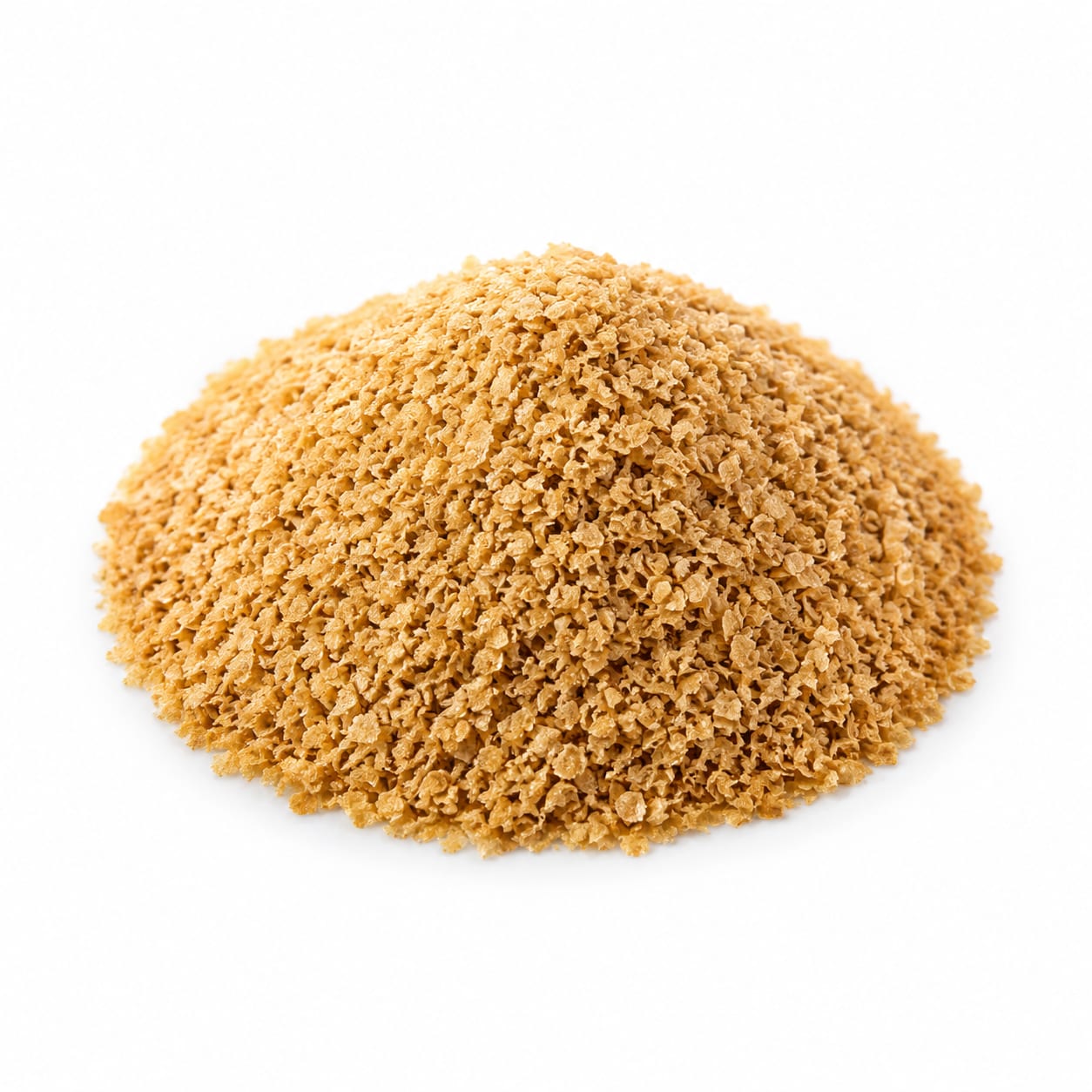
Wheat Germ
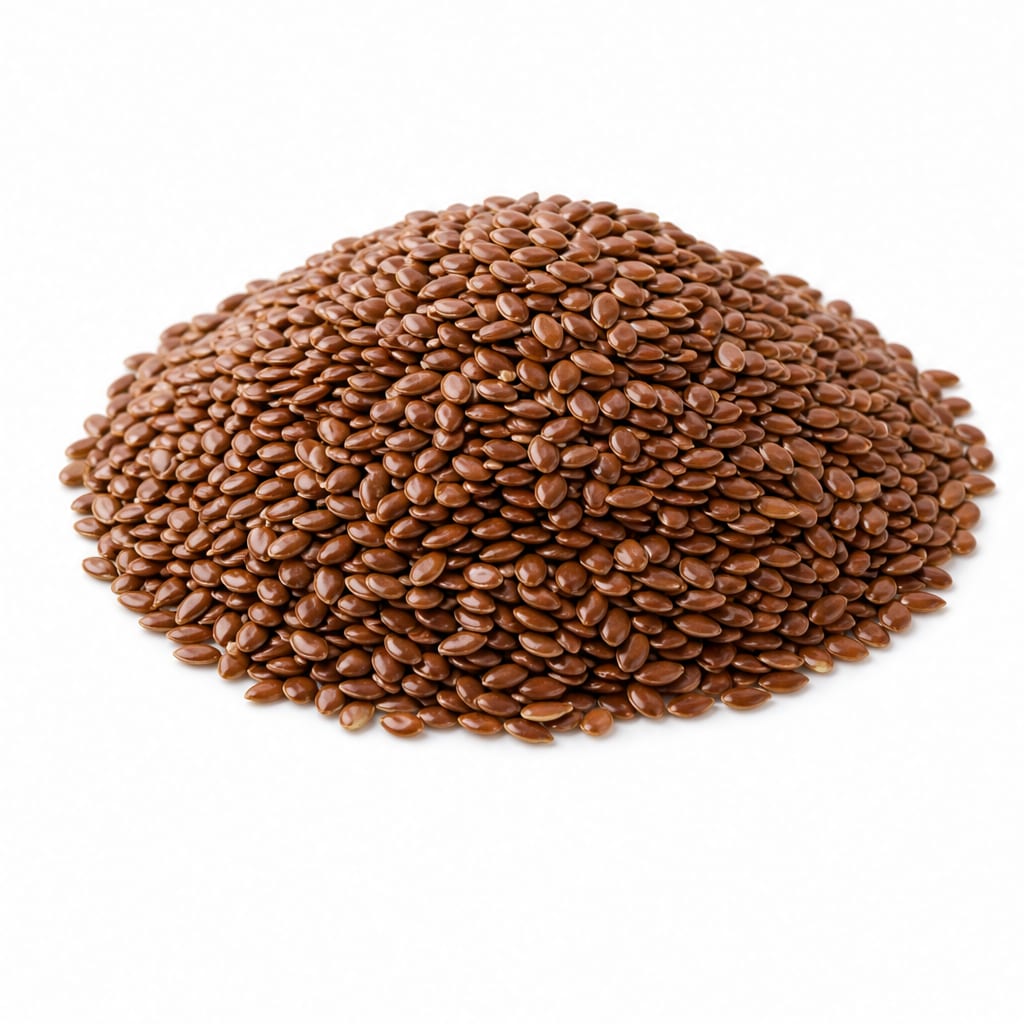
Flaxseed
Flaxseed wins for most health goals due to its omega-3 content, low carb profile, and gluten-free nature, but Wheat Germ is superior for B-vitamin boosting and immune support.
Flaxseed scores higher due to its omega-3 fatty acids, lignans, and gluten-free status, making it broadly applicable. Wheat Germ scores well for micronutrients but is held back by gluten and higher carbs.
You trade the B-vitamins and zinc of Wheat Germ for the omega-3s, lignans, and gluten-free compatibility of Flaxseed.
At a glance
Executive summary
Overall
Flaxseed
Healthier
Flaxseed
More practical
Wheat Germ
Daily use
Flaxseed
Key comparison lenses
omega-3 and heart health
Flaxseed is one of the top plant-based sources of omega-3, making heart health a central comparison point
digestive health and constipation relief
Flaxseed's mucilage content and Wheat Germ's fiber profile offer distinct digestive benefits
gluten-free and allergen tolerance
Wheat Germ contains gluten, which immediately excludes it for a significant portion of health-conscious users
low-carb and keto compatibility
Flaxseed is highly keto-friendly while Wheat Germ is carb-dense, impacting diet suitability
nutrient density and immune support
Wheat Germ provides exceptional B vitamins and zinc, crucial for energy and immunity
Best choice for
Wheat Germ
- Those needing a B-vitamin and zinc boost
- People wanting to add a toasted, nutty crunch to yogurt or oatmeal
- Active individuals seeking natural immune support
Flaxseed
- Anyone following a gluten-free or low-carb diet
- People looking to boost omega-3 intake without fish oil
- Those struggling with constipation or needing soluble fiber
Least suitable for
Wheat Germ
- People with celiac disease or gluten sensitivity
- Those on strict low-carb or keto diets
- Anyone prone to rancidity issues who doesn't store it in the fridge
Flaxseed
- People who won't grind the seeds (whole seeds pass right through)
- Those allergic to flaxseed
- Individuals looking for significant B-vitamin content
Deep comparison
Dimension by dimension
Each lens scores both foods and breaks down who each option suits.
- Dimension 1 · Priority 95Flaxseed
Omega-3 and Heart Health
Wheat Germ · 10Flaxseed · 95Flaxseed is a powerhouse of alpha-linolenic acid (ALA), while Wheat Germ has negligible omega-3s.
Tradeoff
Choosing Wheat Germ means missing out on the heart-healthy fats that make Flaxseed so popular.
Why it matters
Omega-3s reduce inflammation and support cardiovascular health, a major concern for long-term wellness.
Real-world impact
Eating ground Flaxseed daily can meaningfully improve your lipid panel over time; Wheat Germ cannot do this.
Wheat Germ
- Cardiovascular risk reduction
- Anti-inflammatory diets
Worse for
Flaxseed
- Heart health
- Reducing inflammation
- Plant-based omega-3 intake
Better for
- Dimension 2 · Priority 90Flaxseed
Fiber and Digestion
Wheat Germ · 65Flaxseed · 90Flaxseed offers both soluble and insoluble fiber with a mucilage gel that soothes the gut, whereas Wheat Germ provides mostly insoluble fiber.
Tradeoff
Wheat Germ helps keep you regular, but Flaxseed actively soothes the digestive tract and feeds gut bacteria more effectively.
Why it matters
Soluble fiber feeds beneficial gut bacteria and stabilizes blood sugar, while mucilage helps ease constipation gently.
Real-world impact
A tablespoon of ground Flaxseed in your morning smoothie can prevent afternoon energy crashes and keep you comfortably regular.
Wheat Germ
- Adding roughage to the diet
Better for
- Soothing irritated bowels
- Soluble fiber intake
Worse for
Flaxseed
- Constipation relief
- Gut microbiome support
- Blood sugar stabilization
Better for
- Dimension 3 · Priority 80Wheat Germ
Vitamin and Mineral Density
Wheat Germ · 90Flaxseed · 65Wheat Germ is loaded with B vitamins, vitamin E, and zinc, while Flaxseed's micronutrient profile is less concentrated.
Tradeoff
You get more immune-boosting and energy-supporting vitamins from Wheat Germ, but you miss out on Flaxseed's healthy fats.
Why it matters
B vitamins are essential for converting food into energy, and zinc is critical for a strong immune system.
Real-world impact
Adding Wheat Germ to your breakfast can help fight off afternoon fatigue and keep your immune defenses up during cold season.
Wheat Germ
- Energy metabolism
- Immune support
- Antioxidant vitamin E intake
Better for
Flaxseed
- Magnesium intake
Better for
- B-vitamin density
- Zinc intake
Worse for
- Dimension 4 · Priority 80Flaxseed
Blood Sugar and Low-Carb Compatibility
Wheat Germ · 40Flaxseed · 90Flaxseed is extremely low in net carbs, making it perfect for keto. Wheat Germ is carb-dense and can spike blood sugar.
Tradeoff
Wheat Germ provides quick energy from carbs, but Flaxseed provides steady energy without the crash.
Why it matters
Keeping blood sugar stable prevents cravings, mood swings, and fat storage.
Real-world impact
If you sprinkle Wheat Germ on a carb-heavy breakfast, you might feel hungry again by 10 AM; Flaxseed keeps you full until lunch.
Wheat Germ
- Carb-loading for athletes
Better for
- Low-carb diets
- Insulin resistance
Worse for
Flaxseed
- Keto diets
- Diabetes management
- Steady energy levels
Better for
- Dimension 5 · Priority 85Flaxseed
Allergen and Digestive Tolerance
Wheat Germ · 20Flaxseed · 90Wheat Germ contains gluten, a common allergen and irritant. Flaxseed is naturally gluten-free and well-tolerated.
Tradeoff
Wheat Germ is off-limits for anyone with gluten issues, while Flaxseed is safe for nearly everyone.
Why it matters
Gluten sensitivity affects millions and can cause bloating, brain fog, and digestive distress.
Real-world impact
If you have any gluten sensitivity, Wheat Germ will leave you bloated and uncomfortable; Flaxseed won't.
Wheat Germ
- Gluten-free lifestyles
- Sensitive stomachs
Worse for
Flaxseed
- Celiac disease
- Gluten sensitivity
- General digestive peace of mind
Better for
Timeline
Health impact over time
Short-term
Hours to days
Wheat Germ
- Provides a quick burst of B-vitamin energy
- Adds a satisfying toasted, nutty crunch to meals
- May cause bloating in gluten-sensitive individuals
Flaxseed
- Promotes a comfortable bowel movement within hours
- Stabilizes blood sugar to prevent mid-morning crashes
- Requires grinding to access any nutritional benefits
Long-term
Months to years
Wheat Germ
- Supports immune resilience through zinc and vitamin E
- May contribute to systemic inflammation if gluten is an issue
- Can go rancid quickly, potentially introducing oxidized fats if not stored properly
Flaxseed
- Significantly lowers cardiovascular risk through ALA omega-3s
- Supports hormonal balance via lignans
- Maintains long-term gut health and regularity
Risk profile
Safety & processing
Both are whole-food components removed from their parent grain or seed. Wheat Germ is simply the germ of the wheat kernel, while Flaxseed is the whole seed. Both are highly natural, though Wheat Germ is often toasted to extend shelf life.
Wheat Germ
Gluten exposure
highContains gluten, which triggers autoimmune responses in those with celiac disease and discomfort in those with sensitivities.
Rancidity
mediumThe oils in Wheat Germ oxidize quickly once removed from the kernel, requiring refrigeration to prevent spoilage.
Flaxseed
Ineffective nutrient absorption
mediumWhole Flaxseed passes through the digestive tract intact; failing to grind it means you get zero omega-3 benefits.
Rancidity of ground seeds
mediumOnce ground, Flaxseed oils oxidize rapidly; it must be stored in the fridge or freezer and used within a few days.
Who wins for whom
Audience fit
Same foods, different winners depending on your goal.
children
Wheat GermWheat Germ is an easy, mild-tasting nutrient boost for kids' meals, providing zinc and B vitamins for growth, provided they tolerate gluten.
daily consumption
FlaxseedFlaxseed's broader health benefits—omega-3s, lignans, and gluten-free status—make it a safer, more universally beneficial daily staple.
diabetes
FlaxseedFlaxseed's mucilage creates a gel that slows digestion, preventing glucose spikes, whereas Wheat Germ's carbs can raise blood sugar.
elderly
FlaxseedFlaxseed gently relieves constipation, a common issue in older adults, and provides omega-3s for heart and brain health without gluten concerns.
muscle gain
Wheat GermWheat Germ offers more protein and B vitamins which support energy production and muscle recovery during heavy training.
weight loss
FlaxseedFlaxseed's soluble fiber and healthy fats keep you full longer with virtually zero net carbs, reducing overall calorie intake.
Your move
Decision guide
Choose Wheat Germ
- You have no gluten sensitivity and want a B-vitamin and zinc boost
- You are an athlete looking for natural carb-based energy and immune support
- You want a toasted, nutty topping for your oatmeal or yogurt
Choose Flaxseed
- You need a gluten-free, keto-friendly fiber and fat source
- You want to improve your heart health and omega-3 intake
- You struggle with constipation or irregular digestion
Either works if
- You simply want to add more fiber and nutrients to a smoothie
- You are looking for a whole-food supplement to sprinkle over salads
Avoid both if
- You have severe digestive disorders like SIBO and cannot tolerate high-fiber additions
- You are on a strict low-fiber diet prescribed by a doctor
Final recommendation
Choose Flaxseed for daily use due to its unmatched omega-3 content, gut-soothing fiber, and gluten-free nature. Opt for Wheat Germ specifically when you need an immune and energy boost from B vitamins and zinc, provided gluten is not a concern for you.
Practical
Consumer tips
- 1
Always buy whole Flaxseed and grind it fresh in a coffee grinder; pre-ground Flaxseed often goes rancid before you finish the bag.
- 2
Store both Wheat Germ and ground Flaxseed in an airtight container in the fridge or freezer to protect their delicate oils from spoiling.
- 3
If you find Flaxseed too slimy when mixed with water, try adding it to baked goods or thick smoothies instead.
- 4
Toast Wheat Germ lightly in a dry pan to enhance its nutty flavor before sprinkling it over food.