
Nutrition comparison
Wheat Germ vs Spirulina: Which Superfood Is Actually Better for You?
Compare wheat germ and spirulina side by side on protein, safety, cost, and daily practicality. Find out which nutrient-dense food fits your goals better.
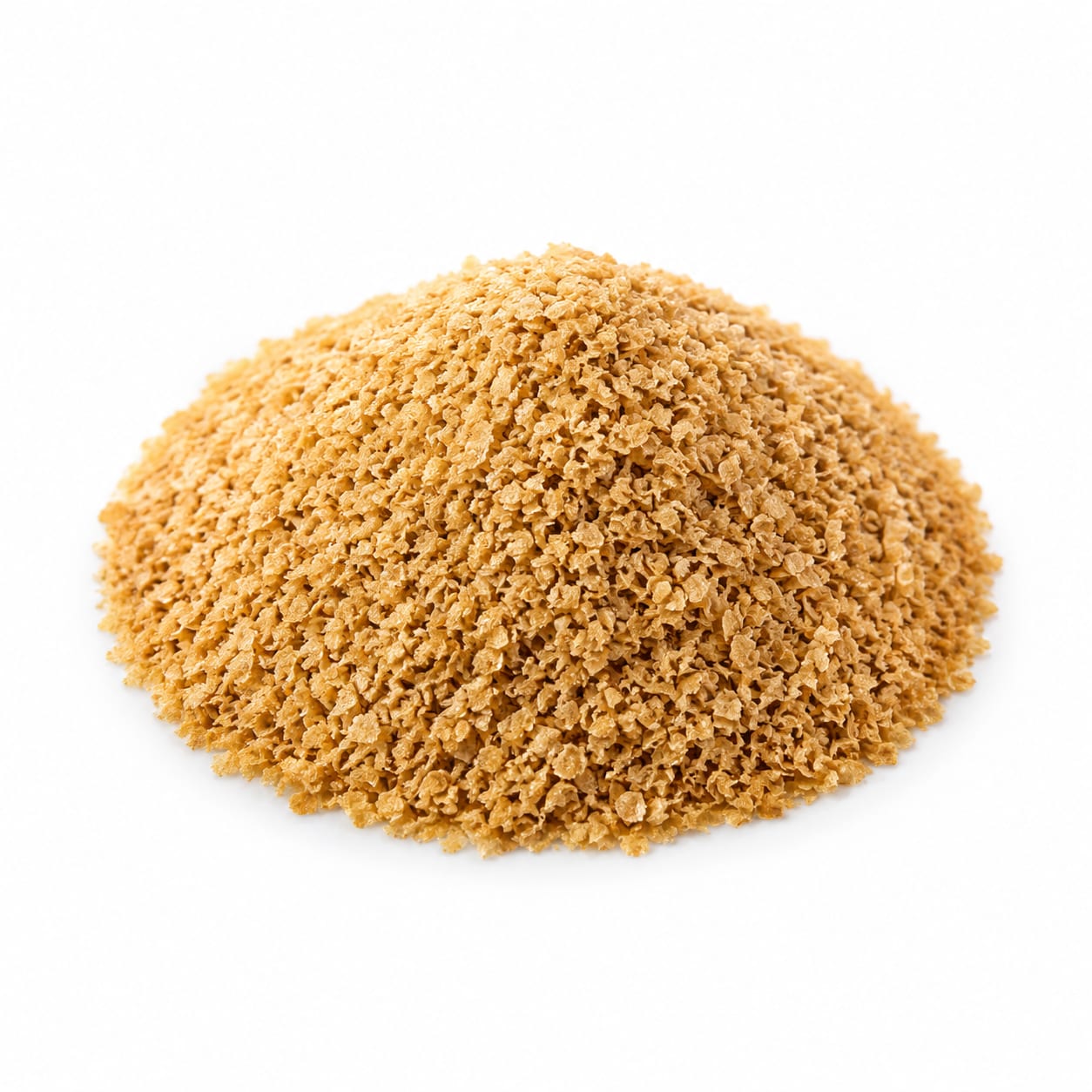
Wheat Germ
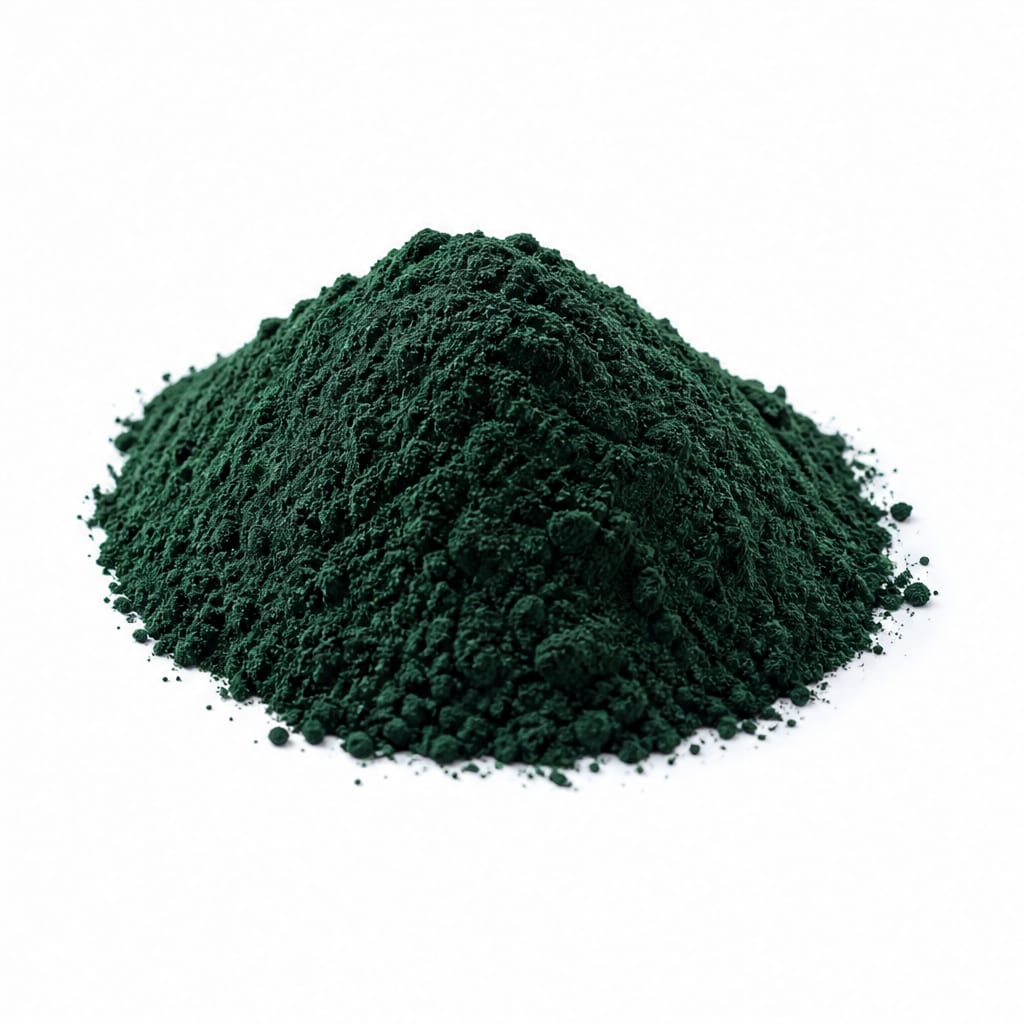
Spirulina
Wheat germ wins on fiber, B vitamins, and food-like versatility. Spirulina wins on protein density, antioxidants, and calorie efficiency. Your choice depends on what gap you are filling.
Wheat germ scores slightly higher due to better safety profile, lower cost, and easier daily integration. Spirulina has superior nutrient density but loses ground on contamination risk, taste, and the misleading B12 claim that confuses many consumers.
Spirulina delivers more protein and antioxidants per gram with fewer calories, but carries contamination risks and tastes polarizing. Wheat germ is safer, cheaper, and easier to eat, but less nutrient-dense per serving.
At a glance
Executive summary
Overall
It depends
Healthier
It depends
More practical
Wheat Germ
Daily use
Wheat Germ
Key comparison lenses
nutrient density comparison
Both foods are marketed as superfoods primarily for their exceptional nutrient-to-calorie ratios, making density the core question
safety and contamination risk
Spirulina carries real heavy metal and microcystin contamination risks that wheat germ avoids, while wheat germ has gluten and rancidity concerns
protein quality and bioavailability
Both are valued as plant protein sources, but their amino acid profiles and digestibility differ significantly
practical daily supplementation
Users choosing between these typically want a daily nutrient booster and need to know which fits more easily into routines
allergen and digestive tolerance
Wheat germ contains gluten and is off-limits for celiacs, while spirulina can cause digestive upset in some people
Best choice for
Wheat Germ
- People wanting a fiber boost with their breakfast
- Those on a budget seeking nutrient density
- Anyone avoiding potential heavy metal exposure
- Gluten-tolerant individuals wanting whole-food nutrition
- Bakers looking to upgrade recipes nutritionally
Spirulina
- Plant-based eaters needing concentrated protein
- Those seeking powerful anti-inflammatory compounds
- People counting calories who want maximum nutrients per bite
- Athletes wanting antioxidant recovery support
- Anyone already avoiding gluten
Least suitable for
Wheat Germ
- People with celiac disease or gluten sensitivity
- Those needing extremely low-calorie supplementation
- Anyone storing food in warm conditions (rancidity risk)
Spirulina
- People with autoimmune conditions (immune stimulation risk)
- Those concerned about heavy metal exposure
- PKU patients (high phenylalanine content)
- Anyone sensitive to strong marine flavors
Deep comparison
Dimension by dimension
Each lens scores both foods and breaks down who each option suits.
- Dimension 1 · Priority 95Spirulina
Nutrient Density Per Calorie
Wheat Germ · 72Spirulina · 91Spirulina packs more protein, iron, and antioxidants into fewer calories than almost any other food. Wheat germ is nutrient-rich but less concentrated.
Tradeoff
Spirulina's density comes in a tiny serving size that provides negligible fullness, while wheat germ offers substance along with its nutrients.
Why it matters
If you are eating enough food already and just want a nutrient top-up, density per calorie matters more. If you need the food to also satisfy hunger, wheat germ works better.
Real-world impact
A tablespoon of spirulina supercharges a smoothie without adding bulk. Two tablespoons of wheat germ on oatmeal actually makes the meal more filling.
Wheat Germ
- Meals where you want added volume and satiety
- Situations where calories are not a concern
Better for
- Very low-calorie diet protocols
Worse for
Spirulina
- Smoothies where you want invisible nutrition
- Calorie-restricted diets needing maximum micronutrients
- Quick nutrient hits between meals
Better for
- Anyone expecting a satisfying food experience
Worse for
- Dimension 2 · Priority 85Spirulina
Protein Quality and Content
Wheat Germ · 65Spirulina · 84Spirulina is roughly 60% protein by weight versus wheat germ's 23%. However, spirulina's B12 is mostly pseudovitamin B12, which your body cannot use.
Tradeoff
Spirulina has more total protein but the B12 claim on many labels is misleading. Wheat germ has less protein but offers it alongside fiber that supports gut health.
Why it matters
Vegans sometimes rely on spirulina for B12, which can create a dangerous false sense of security. Wheat germ makes no such promise, so expectations stay realistic.
Real-world impact
If you are plant-based and counting on spirulina for B12, you need a separate reliable supplement. Wheat germ never pretends to solve that problem.
Wheat Germ
- Balanced meals where fiber matters as much as protein
Better for
- High-protein diet phases requiring efficiency
Worse for
Spirulina
- Post-workout nutrition where concentrated protein helps
- Plant-based diets needing protein variety
Better for
- Anyone misled by B12 labeling into skipping real B12 sources
Worse for
- Dimension 3 · Priority 90Wheat Germ
Safety and Contamination
Wheat Germ · 82Spirulina · 55Wheat germ's main risk is rancidity from its natural oils. Spirulina faces serious contamination concerns including heavy metals and microcystins from unverified sources.
Tradeoff
Wheat germ requires refrigeration but is generally safe from toxic contamination. Spirulina's safety depends entirely on the manufacturer's quality control.
Why it matters
A superfood that introduces heavy metals defeats its own purpose. Source verification matters far more for spirulina than for wheat germ.
Real-world impact
Buying cheap spirulina from unknown sources is genuinely risky. Wheat germ just needs a spot in your fridge and a sniff test before use.
Wheat Germ
- Anyone prioritizing peace of mind about contamination
- People who buy whatever is on sale
Better for
- People who leave pantry items in warm kitchens for months
Worse for
Spirulina
- Users who research and verify third-party lab testing on brands
Better for
- Budget shoppers who cannot afford premium tested brands
- Pregnant women who should minimize heavy metal exposure
Worse for
- Dimension 4 · Priority 80Spirulina
Antioxidant and Anti-Inflammatory Power
Wheat Germ · 62Spirulina · 88Spirulina's phycocyanin is a uniquely potent anti-inflammatory compound with clinical evidence behind it. Wheat germ relies on vitamin E and phytosterols, which are helpful but less remarkable.
Tradeoff
Spirulina's antioxidant edge is real and meaningful, but you need consistent daily intake to see benefits. Wheat germ's antioxidants are gentler but come packaged with fiber and B vitamins.
Why it matters
For chronic inflammation or athletic recovery, spirulina's phycocyanin is a legitimate difference-maker. For general health maintenance, wheat germ is plenty.
Real-world impact
Athletes and people with inflammatory conditions may notice tangible improvements from spirulina. Wheat germ's antioxidant contribution is more of a quiet background benefit.
Wheat Germ
- General wellness without specific inflammatory concerns
Better for
- Targeted anti-inflammatory protocols
Worse for
Spirulina
- Athletic recovery and exercise-induced inflammation
- Chronic inflammation conditions under medical supervision
- People wanting a noticeable antioxidant intervention
Better for
- People with autoimmune overactivation (immune stimulation may backfire)
Worse for
- Dimension 5 · Priority 75Wheat Germ
Digestive Tolerance and Allergens
Wheat Germ · 60Spirulina · 58Neither food is a clear win here. Wheat germ excludes anyone with gluten sensitivity. Spirulina can cause nausea, bloating, or digestive upset, especially when first introduced.
Tradeoff
Wheat germ's gluten issue is binary: you either tolerate it or you do not. Spirulina's digestive issues are dose-dependent and often improve with gradual introduction.
Why it matters
If you have celiac disease, wheat germ is simply not an option. If you have a sensitive stomach, spirulina requires a careful ramp-up period.
Real-world impact
Start with a quarter teaspoon of spirulina and increase slowly. For wheat germ, there is no workaround if gluten is a problem.
Wheat Germ
- People without gluten issues who tolerate wheat well
Better for
- Celiacs and gluten-sensitive individuals
Worse for
Spirulina
- Anyone who must avoid gluten entirely
- Those willing to build tolerance gradually
Better for
- People with sensitive digestion who dislike adjusting doses
- Anyone prone to nausea from supplements
Worse for
- Dimension 6 · Priority 78Wheat Germ
Practicality and Ease of Use
Wheat Germ · 83Spirulina · 60Wheat germ blends into cereal, yogurt, and baked goods without altering flavor much. Spirulina turns everything green and adds a fishy, earthy taste many people find unpleasant.
Tradeoff
Wheat germ is essentially invisible in most foods. Spirulina demands either strong-flavored recipes or dedicated smoothies to mask its taste.
Why it matters
The best supplement is the one you actually take consistently. If a food tastes bad, even the best nutrient profile becomes irrelevant.
Real-world impact
Wheat germ on morning oatmeal is effortless. Spirulina requires recipe planning or a strong stomach for straight powder in water.
Wheat Germ
- Busy mornings needing quick nutrition upgrades
- Picky eaters who will reject strong flavors
- Baking and cooking applications
Better for
- Gluten-free recipes
Worse for
Spirulina
- Dedicated smoothie drinkers who already mask flavors
- People who enjoy or tolerate the taste
Better for
- Casual users unwilling to plan around taste
- Anyone wanting neutral-flavored nutrition boosts
Worse for
- Dimension 7 · Priority 70Wheat Germ
Value and Accessibility
Wheat Germ · 85Spirulina · 55Wheat germ costs roughly a third to half the price of quality spirulina per serving and is available in any grocery store. Spirulina demands premium pricing for verified safe products.
Tradeoff
Cheap spirulina is a false economy due to contamination risk. Quality spirulina is expensive but potent. Wheat germ is consistently affordable and safe at any price point.
Why it matters
If cost determines your choice, wheat germ delivers solid nutrition without the premium price tag or the anxiety about whether you bought a safe brand.
Real-world impact
A jar of wheat germ costs a few dollars and lasts weeks. Quality spirulina can cost twenty to forty dollars for a similar supply period.
Wheat Germ
- Budget-conscious households
- People who shop at regular grocery stores
- Families wanting to upgrade nutrition affordably
Better for
- Situations where only the most concentrated nutrition per gram matters
Worse for
Spirulina
- Those willing to invest in concentrated supplementation
- People with access to verified premium brands
Better for
- Anyone who cannot verify the source quality
- Tight grocery budgets
Worse for
Timeline
Health impact over time
Short-term
Hours to days
Wheat Germ
- Noticeable increase in dietary fiber may improve bowel regularity within days
- Vitamin E and B vitamins support steady energy without stimulant effects
- Some people may experience mild bloating if fiber intake increases suddenly
Spirulina
- Can cause nausea or stomach discomfort when first introduced, especially at full dose
- May produce a temporary energy lift from B vitamin content and improved oxygen utilization
- Dark green coloring in stool is normal and harmless
Long-term
Months to years
Wheat Germ
- Consistent fiber intake supports gut microbiome diversity over months and years
- Phytosterols may contribute to modest cholesterol reduction with regular consumption
- Vitamin E provides ongoing cellular protection against oxidative stress
Spirulina
- Phycocyanin's anti-inflammatory effects may reduce markers of chronic inflammation with daily use
- Potential heavy metal accumulation if using unverified sources long-term
- Immune-modulating effects could benefit some but may aggravate autoimmune conditions
Risk profile
Safety & processing
Both foods are minimally processed. Wheat germ is simply separated from the wheat kernel and stabilized. Spirulina is grown, harvested, and dried. Neither typically contains artificial additives, though always check spirulina labels for fillers in tablet forms.
Wheat Germ
Rancidity from natural oils
mediumWheat germ contains oils that oxidize quickly at room temperature. Store in refrigerator or freezer and discard if it smells stale or bitter.
Gluten exposure
highContains gluten and is absolutely unsuitable for anyone with celiac disease or wheat allergy. Cross-contamination risk is inherent, not accidental.
Spirulina
Heavy metal contamination
highSpirulina absorbs heavy metals from its growing environment. Unverified sources may contain lead, mercury, arsenic, or cadmium at concerning levels. Only buy brands with third-party testing.
Microcystin contamination
highWild-harvested or poorly cultivated spirulina can be contaminated with microcystins from toxic blue-green algae. These are liver toxins. Reputable brands test for this.
Autoimmune stimulation
mediumSpirulina stimulates immune function, which is beneficial for most people but potentially harmful for those with autoimmune conditions where the immune system is already overactive.
Who wins for whom
Audience fit
Same foods, different winners depending on your goal.
children
Wheat GermWheat germ is easier to hide in familiar foods kids already eat, like cereal or muffins. Spirulina's taste and contamination risks make it a harder choice for children.
daily consumption
Wheat GermWheat germ is easier to take consistently due to neutral taste, lower cost, and better safety profile. Consistency matters more than peak nutrient density for daily use.
diabetes
Wheat GermWheat germ's fiber slows glucose absorption and steadies blood sugar after meals. Spirulina has minimal carbohydrates but also lacks fiber's blood sugar stabilizing effect.
elderly
Wheat GermWheat germ's fiber supports the digestive regularity that older adults often need, and its B vitamins support energy. Spirulina's contamination risk is harder to justify when immune function may already be compromised.
muscle gain
SpirulinaSpirulina's 60% protein content by weight provides more amino acids per gram. However, neither should be a primary protein source for serious muscle building.
weight loss
SpirulinaSpirulina delivers maximum nutrients with minimal calories, making it easier to stay nourished in a deficit. Wheat germ adds more calories per serving, which can matter when cutting.
Your move
Decision guide
Choose Wheat Germ
- You want an easy, affordable daily nutrition boost you will actually stick with
- You eat cereal, oatmeal, or yogurt regularly and want to upgrade it effortlessly
- You are concerned about supplement contamination and prefer simpler safety profiles
- You need more fiber in your diet and tolerate gluten without issues
- You are feeding a family and need cost-effective nutrition upgrades
Choose Spirulina
- You are plant-based and need concentrated protein and iron support
- You have a specific anti-inflammatory goal and want phycocyanin's documented benefits
- You already drink daily smoothies and can easily blend in spirulina
- You are willing to pay premium prices for third-party tested brands
- You must avoid gluten and want a nutrient-dense alternative to wheat germ
Either works if
- You want a general micronutrient insurance policy beyond your regular diet
- You are already eating well and just seeking a superfood addition
- You tolerate both foods without digestive issues
Avoid both if
- You expect any single food to compensate for an otherwise poor diet
- You have multiple food sensitivities and are building a restricted diet from scratch
- You are pregnant and concerned about unverified supplement sources
Final recommendation
Start with wheat germ if you want a practical, affordable daily habit that actually sticks. Choose spirulina only if you have a specific reason like concentrated plant protein, anti-inflammatory support, or gluten avoidance, and always invest in a third-party tested brand. Neither food replaces a balanced diet, but wheat germ is the safer default for most people.
Practical
Consumer tips
- 1
Store wheat germ in the refrigerator or freezer immediately after opening. Its natural oils go rancid fast at room temperature.
- 2
Only buy spirulina from brands that publish third-party lab results for heavy metals and microcystins. If a brand cannot show testing, do not buy it.
- 3
Start spirulina at a quarter teaspoon per day and increase gradually over two weeks to minimize digestive upset.
- 4
Add wheat germ to oatmeal, sprinkle it on yogurt, or mix it into pancake batter. It is nearly invisible in baked goods.
- 5
Blend spirulina into smoothies with strong flavors like banana, pineapple, or cocoa to mask its earthy taste.
- 6
Do not rely on spirulina for vitamin B12. The pseudovitamin B12 it contains is not bioavailable for humans. Use a dedicated B12 supplement instead.
- 7
If you have an autoimmune condition, consult your doctor before taking spirulina regularly. Its immune-stimulating effects may not be appropriate for you.