
Nutrition comparison
Wheat Germ vs Almonds: Nutritional Comparison & Health Benefits
Wheat Germ vs Almonds: Which is healthier? Compare B-vitamins, healthy fats, satiety, and shelf life to see which superfood fits your diet best.
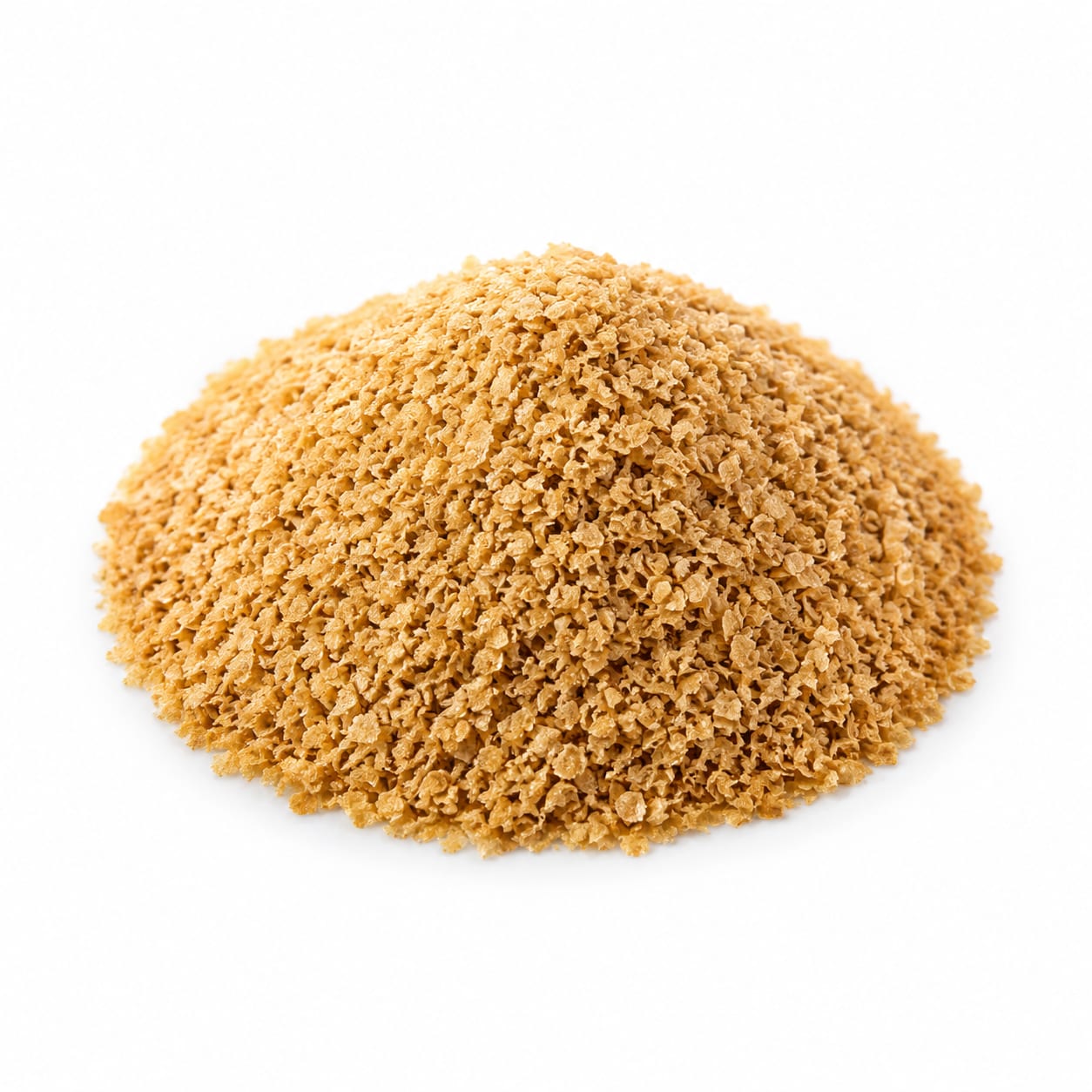
Wheat Germ
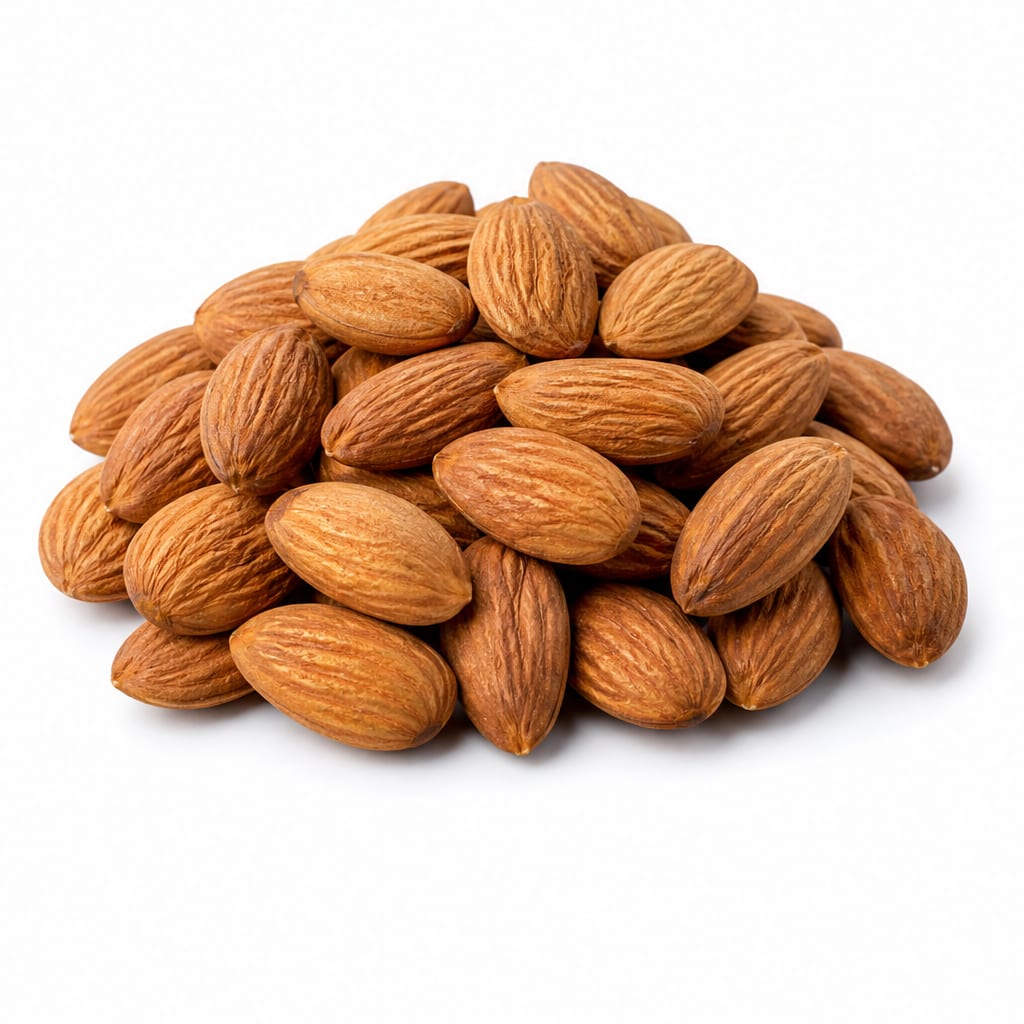
Almonds
Almonds win for satiety, heart-healthy fats, and convenience, while Wheat Germ is the undisputed champion of B-vitamins and folate if you need a nutrient boost.
Almonds score higher due to better satiety, superior fat quality for heart health, and much better practicality. Wheat Germ remains an excellent micronutrient booster but loses points for rapid spoilage and gluten content.
You trade the superior micronutrient density and lower calorie cost of Wheat Germ for the longer shelf life, better satiety, and blood sugar stability of Almonds.
At a glance
Executive summary
Overall
It depends
Healthier
It depends
More practical
Almonds
Daily use
Almonds
Key comparison lenses
Nutrient density comparison for toppings and mix-ins
Both are commonly used as nutritional boosters in oatmeal, yogurt, and smoothies.
Satiety and weight management
Users often compare nuts and seeds or grains for snacking effectiveness and calorie density.
Shelf life and practicality
Wheat germ is notorious for spoiling quickly, while almonds are highly shelf-stable, impacting daily usability.
Allergy and intolerance considerations
Wheat germ contains gluten, while almonds are tree nuts, making both problematic for different large groups of people.
Best choice for
Wheat Germ
- Boosting folate and B-vitamin intake
- Adding nutrients to smoothies or yogurt without excessive calories
- Supporting energy metabolism and cellular repair
Almonds
- Sustained energy and hunger control between meals
- Heart-healthy snacking with monounsaturated fats
- A shelf-stable pantry staple for busy lifestyles
Least suitable for
Wheat Germ
- People with celiac disease or gluten sensitivity
- Those who buy in bulk and store food for months
- Anyone looking for a standalone filling snack
Almonds
- People with tree nut allergies
- Those strictly counting calories who struggle with portion control
- Individuals prone to oxalate kidney stones
Deep comparison
Dimension by dimension
Each lens scores both foods and breaks down who each option suits.
- Dimension 1 · Priority 95Almonds
Satiety and Fullness
Wheat Germ · 60Almonds · 90Almonds are far more filling and satisfying as a standalone snack.
Tradeoff
Wheat Germ is usually eaten in small amounts as a topping, offering little satiety on its own, while Almonds provide a satisfying crunch and fat content that kills hunger.
Why it matters
Better satiety means fewer cravings and easier portion control throughout the day.
Real-world impact
A handful of Almonds at 3 PM will easily tide you over until dinner. Wheat Germ sprinkled on yogurt adds nutrition but will not stop the afternoon munchies.
Wheat Germ
- Adding bulk nutrients without adding much satiating fat
Better for
- Leaving you hungry shortly after eating
Worse for
Almonds
- Curbing afternoon hunger
- Preventing late-night snacking
- Providing a standalone travel snack
Better for
- Easy to overeat if you grab handfuls mindlessly
Worse for
- Dimension 2 · Priority 90Wheat Germ
Micronutrient Density
Wheat Germ · 95Almonds · 80Wheat Germ packs a more concentrated punch of B-vitamins, zinc, and folate per serving.
Tradeoff
You get more metabolic and cellular health nutrients from Wheat Germ, but Almonds offer more vitamin E and magnesium.
Why it matters
B-vitamins are crucial for energy production and DNA repair, making Wheat Germ a potent functional food.
Real-world impact
Adding Wheat Germ to your breakfast is like taking a natural multivitamin, especially for folate and thiamin.
Wheat Germ
- Boosting folate for pregnancy or cellular repair
- Increasing zinc for immune support
- Getting B-vitamins for energy metabolism
Better for
- Lower in vitamin E compared to Almonds
Worse for
Almonds
- Increasing vitamin E for skin and antioxidant protection
- Boosting magnesium for muscle relaxation and sleep
Better for
- Significantly less folate and thiamin than Wheat Germ
Worse for
- Dimension 3 · Priority 85Almonds
Shelf Life and Practicality
Wheat Germ · 40Almonds · 95Almonds are highly shelf-stable, while Wheat Germ goes rancid very quickly.
Tradeoff
Wheat Germ has high polyunsaturated fat content that makes it spoil fast, requiring refrigeration, whereas Almonds can sit in the pantry for months.
Why it matters
Spoiled food wastes money and tastes bitter; convenience dictates what you actually reach for daily.
Real-world impact
You can keep Almonds in your desk drawer or car for emergency fuel. Wheat Germ left out will taste like cardboard in a week.
Wheat Germ
- Nothing practical regarding storage
Better for
- Must be refrigerated after opening
- Short window to use before it turns rancid
Worse for
Almonds
- Pantry storage without worry
- Travel and on-the-go snacking
- Buying in bulk without spoilage risk
Better for
- Heavier to carry in large quantities
Worse for
- Dimension 4 · Priority 85Almonds
Blood Sugar Stability
Wheat Germ · 65Almonds · 90Almonds stabilize blood sugar better due to their high fat and low carb profile.
Tradeoff
Wheat Germ contains more carbohydrates, which can cause a quicker rise in blood sugar, while Almonds slow digestion and glucose absorption.
Why it matters
Steady blood sugar means no energy crashes and better focus throughout the day.
Real-world impact
Eating Almonds with a piece of fruit prevents the sugar spike. Wheat Germ mixed into a carb-heavy breakfast might amplify the morning crash.
Wheat Germ
- Providing quick energy before a workout
Better for
- Can spike blood sugar if eaten alone in large amounts
Worse for
Almonds
- Preventing the afternoon energy crash
- Managing insulin resistance
- Pairing with high-carb foods to blunt spikes
Better for
- Too much fat without carbs might not replenish glycogen post-workout
Worse for
- Dimension 5 · Priority 80Almonds
Heart-Healthy Fats
Wheat Germ · 60Almonds · 95Almonds are rich in monounsaturated fats, which are strongly linked to heart health.
Tradeoff
Wheat Germ offers mostly polyunsaturated fats, which are healthy but more prone to oxidation, whereas Almonds provide stable, heart-protective monounsaturated fats.
Why it matters
Monounsaturated fats actively lower bad cholesterol without lowering the good kind.
Real-world impact
Regularly eating Almonds as a snack is a proven way to support cardiovascular health over time.
Wheat Germ
- Providing essential omega-6 fatty acids
Better for
- Polyunsaturated fats can oxidize and become inflammatory if the Wheat Germ is old
Worse for
Almonds
- Lowering LDL cholesterol
- Reducing inflammation with stable fats
- Supporting long-term cardiovascular health
Better for
- High calorie density means you must watch portions to avoid weight gain
Worse for
Timeline
Health impact over time
Short-term
Hours to days
Wheat Germ
- Quick burst of B-vitamin energy
- Mild blood sugar increase if eaten alone
- Risk of stomach upset if you have undiagnosed gluten sensitivity
Almonds
- Rapid feeling of fullness
- Stabilized blood sugar after eating
- Slower digestion keeping you satisfied for hours
Long-term
Months to years
Wheat Germ
- Improved cellular repair from high folate intake
- Better immune function from zinc
- Potential inflammatory issues if the product goes rancid frequently
Almonds
- Lower risk of heart disease from monounsaturated fats
- Better weight management from consistent satiety
- Improved bone health from high magnesium
Risk profile
Safety & processing
Both are whole-food options in their raw forms. However, toasted Wheat Germ often contains added oils or honey, and roasted Almonds frequently have added vegetable oils and salt. Always opt for raw Almonds and raw Wheat Germ to avoid hidden processing ingredients.
Wheat Germ
Rancidity and Oxidation
highWheat Germ spoils rapidly at room temperature. Consuming rancid fats introduces oxidative stress and inflammatory compounds into the body.
Gluten Exposure
highContains gluten. Strictly unsafe for anyone with celiac disease or non-celiac gluten sensitivity.
Phytic Acid
mediumCan bind to minerals like iron and zinc, reducing their absorption. Less of an issue if your diet is varied and rich in vitamin C.
Almonds
Tree Nut Allergy
highOne of the most common and potentially severe food allergies. Can cause anaphylaxis in sensitive individuals.
Oxalates
mediumAlmonds are high in oxalates, which can contribute to kidney stone formation in prone individuals.
Aflatoxin Contamination
lowTree nuts can sometimes harbor mold-produced aflatoxins, though strict regulations keep this risk very low in commercial products.
Who wins for whom
Audience fit
Same foods, different winners depending on your goal.
children
AlmondsAlmonds are an easy, appealing snack for kids, though whole nuts are a choking hazard for very young children. Wheat Germ is easily hidden in foods but offers less standalone appeal.
daily consumption
AlmondsAlmonds are far more convenient to store, travel with, and eat on the go, making daily consistency much easier.
diabetes
AlmondsThe high fat and low net carb content of Almonds makes them ideal for blunting blood sugar spikes and improving insulin sensitivity.
elderly
AlmondsAlmonds are easier to chew, especially when sliced or used as butter, and provide crucial magnesium for bone density and heart-healthy fats for aging cardiovascular systems.
muscle gain
Wheat GermWheat Germ offers more carbohydrates for glycogen replenishment and higher zinc for testosterone support, alongside B-vitamins for energy metabolism.
weight loss
AlmondsAlmonds provide superior satiety, making it easier to eat less overall, provided you can stick to a single serving.
Your move
Decision guide
Choose Wheat Germ
- You want a massive boost in B-vitamins, folate, and zinc
- You are mixing it into smoothies, oatmeal, or baked goods
- You are an athlete needing extra carbs and micronutrients for recovery
- You do not have a gluten sensitivity and will keep it in the fridge
Choose Almonds
- You need a filling, portable snack to curb hunger
- You want heart-healthy monounsaturated fats
- You struggle with blood sugar spikes
- You want a pantry-stable option that will not spoil quickly
Either works if
- You are looking to increase your daily fiber intake
- You want to add a nutritious crunch to salads or yogurt
- You need plant-based protein sources
Avoid both if
- You have severe digestive issues requiring a low-fiber or low-fat diet
- You are strictly limiting calories and struggle with portion control for calorie-dense foods
Final recommendation
Keep Almonds on hand for daily snacking and blood sugar balance, but stock Wheat Germ in your fridge to sprinkle over breakfast when you need a micronutrient upgrade. They serve completely different purposes and complement each other beautifully.
Practical
Consumer tips
- 1
Always store Wheat Germ in the refrigerator or freezer to prevent it from going rancid within weeks.
- 2
Buy raw Almonds instead of roasted to avoid inflammatory vegetable oils and excess sodium.
- 3
If you find Wheat Germ too grainy, try toasting it lightly in a dry pan to bring out a nutty flavor.
- 4
Pre-portion Almonds into small bags or containers to avoid accidentally eating 500 calories in one sitting.
- 5
Check the ingredient list on Wheat Germ; some popular brands add sugar or honey.