
Nutrition comparison
Wheat Germ vs Brewer's Yeast: Which Nutritional Booster Is Better?
Compare wheat germ and brewer's yeast for health benefits. Discover which is better for B-vitamins, blood sugar, and daily nutrition in this expert guide.
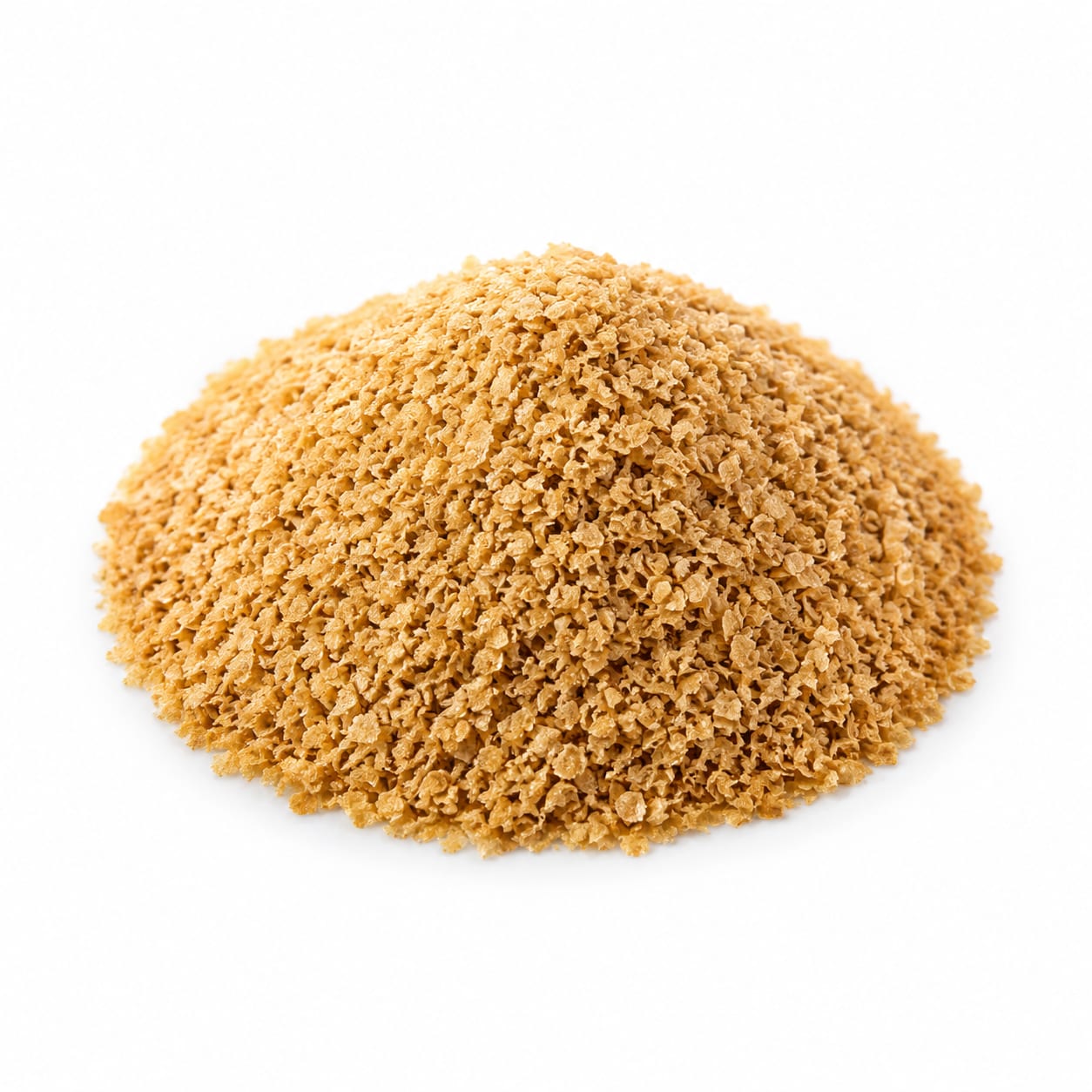
Wheat Germ

Brewer's Yeast
Wheat germ is a tastier, food-like booster rich in vitamin E and healthy fats, while Brewer's yeast is a potent, supplement-like source of B-vitamins and chromium.
Brewer's yeast scores slightly higher due to its exceptional B-vitamin profile, blood sugar benefits, and gluten-free status, though wheat germ wins on taste and culinary versatility.
You trade the pleasant nutty flavor and vitamin E of wheat germ for the bitter but powerful blood-sugar-supporting B-vitamin punch of brewer's yeast.
At a glance
Executive summary
Overall
It depends
Healthier
It depends
More practical
Wheat Germ
Daily use
Brewer's Yeast
Key comparison lenses
Nutrient density and supplementation
Both are primarily used as nutritional boosters rather than standalone foods, making their micronutrient profiles the core comparison point.
Blood sugar management
Brewer's yeast is famous for its glucose tolerance factor, while wheat germ provides fiber, creating distinct mechanisms for blood sugar control.
Digestive tolerance and allergens
Wheat germ contains gluten, immediately excluding celiacs, whereas brewer's yeast is naturally gluten-free but can cause bloating.
Culinary practicality and taste
Wheat germ adds a pleasant nutty crunch, while brewer's yeast brings a bitter, savory taste that limits its use for many people.
Best choice for
Wheat Germ
- Smoothie and yogurt bowls needing a nutty crunch
- Those seeking natural vitamin E and healthy fats
- Kids who need hidden nutrients without a bitter taste
- Active individuals needing sustained energy from complex carbs
Brewer's Yeast
- Managing blood sugar spikes and insulin resistance
- Vegans and vegetarians needing a B-vitamin boost
- People avoiding gluten
- Those seeking a savory, cheese-like flavor substitute
Least suitable for
Wheat Germ
- People with celiac disease or gluten sensitivity
- Those prone to forgetting to refrigerate their supplements
- Anyone on a strict low-carb or keto diet
Brewer's Yeast
- People with gout or severe uric acid issues
- Those sensitive to bitter flavors
- Individuals prone to bloating or gas from fermented products
Deep comparison
Dimension by dimension
Each lens scores both foods and breaks down who each option suits.
- Dimension 1 · Priority 95Brewer's Yeast
Micronutrient Density
Wheat Germ · 82Brewer's Yeast · 95Brewer's yeast is a B-vitamin powerhouse, while wheat germ shines with vitamin E and zinc.
Tradeoff
Wheat germ provides fat-soluble antioxidants, but brewer's yeast delivers the water-soluble B-vitamins essential for energy metabolism.
Why it matters
B-vitamins are crucial for converting food into energy, while vitamin E protects cells from damage.
Real-world impact
Adding brewer's yeast to your diet can feel like taking a natural energy multivitamin, whereas wheat germ feels more like adding a protective, nourishing food.
Wheat Germ
- Vitamin E intake
- Healthy fat intake
- Zinc support
Better for
- Complete B-vitamin coverage
Worse for
Brewer's Yeast
- B-vitamin replenishment
- Chromium intake
- Trace mineral diversity
Better for
- Antioxidant fat-soluble vitamin support
Worse for
- Dimension 2 · Priority 88Brewer's Yeast
Blood Sugar Stability
Wheat Germ · 70Brewer's Yeast · 92Brewer's yeast contains glucose tolerance factor (GTF) chromium, making it highly effective for blood sugar control.
Tradeoff
Wheat germ relies solely on fiber to slow sugar absorption, while brewer's yeast actively improves insulin sensitivity.
Why it matters
Steady blood sugar prevents the afternoon energy crash and reduces cravings.
Real-world impact
Sprinkling brewer's yeast on meals can lead to noticeably smoother energy levels throughout the day, especially after carb-heavy meals.
Wheat Germ
- Mild fiber-based glucose blunting
Better for
- Active blood sugar regulation
Worse for
Brewer's Yeast
- Improving insulin sensitivity
- Reducing post-meal sugar spikes
- Managing metabolic syndrome
Better for
- Dimension 3 · Priority 75Wheat Germ
Culinary Experience and Taste
Wheat Germ · 88Brewer's Yeast · 55Wheat germ tastes nutty and pleasant, while brewer's yeast is distinctly bitter and savory.
Tradeoff
Wheat germ easily blends into baked goods and cereals, whereas brewer's yeast requires careful pairing to mask its bitterness.
Why it matters
If a nutritional booster tastes bad, you will eventually stop using it regardless of its health benefits.
Real-world impact
Wheat germ feels like a natural addition to a morning smoothie or oatmeal, while brewer's yeast can overpower a dish if you use too much.
Wheat Germ
- Sweet recipes
- Smoothies
- Baking
- Kid-friendly meals
Better for
Brewer's Yeast
- Savory dishes
- Vegan cheese sauces
- Popcorn topping
Better for
- Sweet smoothies
- Delicate flavors
Worse for
- Dimension 4 · Priority 65Brewer's Yeast
Shelf Life and Storage
Wheat Germ · 45Brewer's Yeast · 90Wheat germ goes rancid quickly due to its healthy fat content, while brewer's yeast is highly stable.
Tradeoff
The healthy oils in wheat germ that make it nutritious also make it fragile and prone to spoiling at room temperature.
Why it matters
Rancid oils taste bad and promote inflammation, completely negating the health benefits.
Real-world impact
Wheat germ demands fridge real estate and frequent replacement, whereas brewer's yeast sits happily in the pantry for months.
Wheat Germ
- Spontaneous spoilage risk
- Refrigerator requirement
Worse for
Brewer's Yeast
- Pantry storage
- Long-term bulk buying
- Travel convenience
Better for
- Dimension 5 · Priority 72Brewer's Yeast
Digestive Tolerance
Wheat Germ · 55Brewer's Yeast · 75Brewer's yeast is gluten-free, but can cause gas; wheat germ contains gluten and is easier on the gut for non-celiacs.
Tradeoff
Wheat germ is off-limits for the gluten-sensitive, while brewer's yeast is safe for celiacs but can cause temporary bloating.
Why it matters
A nutritional booster that causes digestive distress defeats the purpose of taking it for health.
Real-world impact
You might need to start with a tiny pinch of brewer's yeast to avoid bloating, while wheat germ can usually be eaten freely unless you avoid gluten.
Wheat Germ
- Lower initial bloating risk for gluten-tolerant individuals
Better for
- Gluten sensitivity reactions
Worse for
Brewer's Yeast
- Celiac safety
- Gluten-free diets
Better for
- Initial gas and bloating
Worse for
Timeline
Health impact over time
Short-term
Hours to days
Wheat Germ
- Provides quick, nutty satisfaction in meals
- Adds pleasant texture to yogurt or cereal
Brewer's Yeast
- Can cause noticeable bloating or gas if introduced too fast
- May provide a subtle energy lift from B-vitamins
Long-term
Months to years
Wheat Germ
- Supports cell protection via vitamin E antioxidants
- Contributes to sustained energy with complex carbs and fiber
Brewer's Yeast
- Improved insulin sensitivity and blood sugar regulation
- Better energy metabolism from consistent B-vitamin intake
Risk profile
Safety & processing
Both are simple byproducts of food production—wheat milling and beer brewing—making them whole-food-derived and free of artificial additives.
Wheat Germ
Rancidity
mediumThe natural oils in wheat germ oxidize rapidly at room temperature, leading to spoiled, inflammatory fats if not refrigerated.
Gluten exposure
highContains gluten, making it unsafe for anyone with celiac disease or significant gluten sensitivity.
Brewer's Yeast
Purine content
mediumContains moderate purines from RNA, which can trigger gout flare-ups in susceptible individuals.
Digestive distress
lowHigh fiber and active yeast compounds can cause temporary gas and bloating if consumed in large amounts without adaptation.
Who wins for whom
Audience fit
Same foods, different winners depending on your goal.
children
Wheat GermWheat germ blends seamlessly into sweet foods kids already love, like smoothies and oatmeal, without the bitter fight of brewer's yeast.
daily consumption
Brewer's YeastBrewer's yeast is more shelf-stable and provides harder-to-get B-vitamins and chromium, making it a more reliable daily supplement.
diabetes
Brewer's YeastThe glucose tolerance factor chromium in brewer's yeast actively assists in blood sugar regulation, making it superior for diabetic management.
elderly
Brewer's YeastOlder adults often lack B-vitamins and struggle with insulin resistance, both of which brewer's yeast directly addresses.
muscle gain
It dependsBoth offer similar protein boosts, but wheat germ adds calories and carbs useful for bulking, while brewer's yeast offers B-vitamins for energy metabolism.
weight loss
Brewer's YeastBrewer's yeast improves insulin sensitivity, which helps control cravings and fat storage, while providing high satiating protein with minimal calories.
Your move
Decision guide
Choose Wheat Germ
- You want a delicious, nutty addition to your morning yogurt or smoothies
- You are focused on boosting your vitamin E and antioxidant intake
- You have no gluten sensitivities and prefer food-based nutrition over supplement-like flavors
- You are baking and want to add nutritional value and texture
Choose Brewer's Yeast
- You are actively managing blood sugar issues or insulin resistance
- You need a potent, vegan-friendly source of B-vitamins
- You eat a gluten-free diet
- You enjoy or can tolerate savory, cheesy, or bitter flavors on popcorn and savory dishes
Either works if
- You simply want to increase your daily fiber and protein intake
- You are looking for a nutrient-dense sprinkle to upgrade a bland meal
Avoid both if
- You have severe digestive disorders like SIBO and cannot tolerate high-fiber additions
- You are on a strict low-fiber diet for acute gastrointestinal issues
Final recommendation
If you want a tasty, food-first approach to add healthy fats and vitamin E, go with wheat germ. If you need a targeted nutritional weapon for energy, blood sugar, and B-vitamins, brewer's yeast is the better choice. Just keep the wheat germ in the fridge and start the brewer's yeast slowly to avoid bloating.
Practical
Consumer tips
- 1
Always store wheat germ in the refrigerator or freezer to prevent the healthy oils from going rancid.
- 2
Start with just half a teaspoon of brewer's yeast daily to let your digestive system adjust and minimize gas.
- 3
Use brewer's yeast on popcorn or in vegan cheese sauces to naturally complement its savory, bitter flavor profile.
- 4
Toast wheat germ lightly in a dry pan before adding it to yogurt to enhance its natural nutty flavor.