
Vegetable
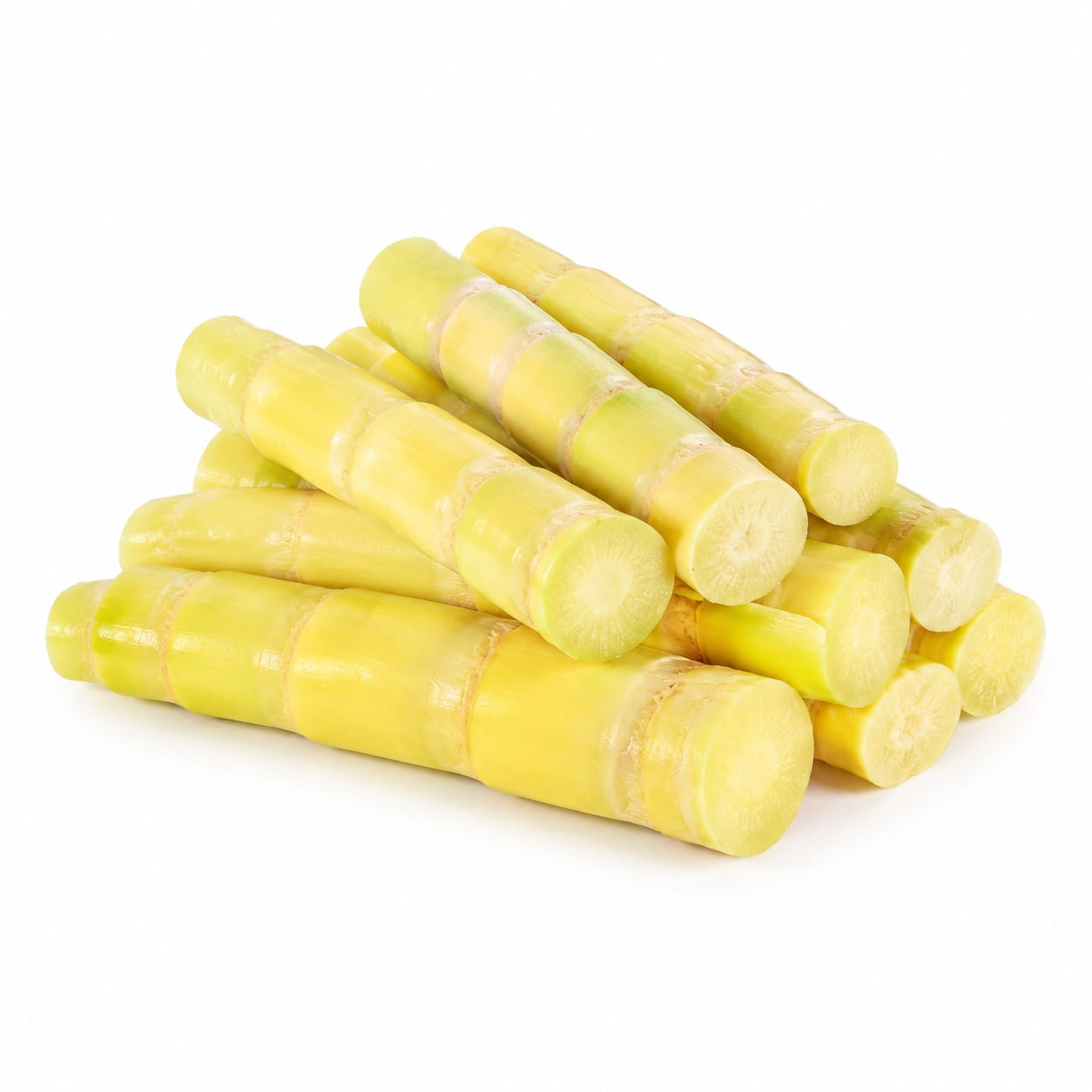
Water Bamboo
Water bamboo is a crisp, low-calorie aquatic vegetable commonly used in Asian cooking.
Water bamboo, also known as Zizania latifolia or Coba, is an aquatic vegetable popular in East Asian cuisine, prized for its crisp texture and mild, sweet flavor. It is the swollen stem of the grass infected by a specific fungus that prevents the plant from flowering and causes the stem to enlarge.
high-volume low-calorie aquatic vegetable
Typical serving · 100g
Common varieties · green shell, red shell, white shoot
Overall context score across nutrition, safety, and diet fit
At a glance
Quick facts
Simple indicators based on nutrition, processing, and diet fit.
The story
What makes it unique
Water bamboo is a high-water, low-calorie vegetable with moderate dietary fiber and minimal digestible carbohydrates. Its digestion speed is slow due to fiber content, promoting moderate satiety. It is minimally processed when fresh and provides essential minerals like potassium and phosphorus.
Varieties: green shell · red shell · white shoot
Per 100g
Nutrition breakdown
Macro balance and key metrics at a glance.
Energy
Density 0.26 kcal/g
Protein
Carbs
Fat
Fiber
Sugar
1.5 g
Sodium
5 mg
Potassium
280 mg
Glycemic index
15
Glycemic load
1
Water content
91%
Standout compounds
Nutrient highlights
Dietary Fiber
moderateSupports digestive regularity and slows carbohydrate absorption
Potassium
moderateHelps regulate blood pressure and fluid balance
Water
highPromotes hydration and increases satiety per calorie
Phosphorus
lowEssential for bone health and cellular energy production
Wellness map
Health scores & processing
NOVA processing scale
minimally processed · Whole food
Fresh water bamboo is an unprocessed whole food vegetable. Canned versions may contain added salt or preservatives, moving them to processed status.
Diet compatibility
- Weight loss
- Muscle gain
- Diabetes
- Gut health
- Low carb
- High protein
- Heart health
Relative standing
Food rankings
Qualitative ranks compared to similar whole foods.
- Satietygood
- Blood sugarexcellent
- Nutrient densitymoderate
- Fitness fuelpoor
- Processing qualityexcellent
Eat with confidence
Food safety profile
Water bamboo grows in aquatic environments where parasites and heavy metals can accumulate. It must always be cooked thoroughly to eliminate parasitic infection risks. Washing and peeling the outer layers reduces surface contaminants.
Evidence confidence 85%
- Pesticidesmoderate
- Antibioticslow
- Heavy metalsmoderate
- Contaminationhigh
Watch for
- Fasciolopsis buski
- Clonorchis sinensis
- heavy metals
- agricultural runoff
Safer choices
Organically sourced or commercially packaged water bamboo from regulated farms
Prep tips
Peel the outer green husks, wash thoroughly, and boil or stir-fry completely to neutralize potential aquatic parasites.
Monitoring of water quality and parasitic contamination in freshwater agriculture is essential.
Deep dive
Health analysis
How this food may fit different goals and preparation choices.
Weight loss
Extremely low energy density and high water content make it ideal for adding volume to meals without excess calories.
Blood sugar
Very low glycemic index and minimal carbohydrate content result in virtually no blood sugar spike.
Fitness & energy
Lacks the dense carbohydrates needed for intense workout fuel; better used as a side dish than a primary energy source.
Gut health
Provides moderate insoluble fiber that supports bowel regularity and feeds beneficial gut bacteria.
Processing quality
Fresh water bamboo is a whole food; avoid canned versions with added sodium to maintain health benefits.
Food safety
Strict cooking is mandatory to destroy potential aquatic parasites; peeling and boiling are standard safety practices.
Common mistakes
Eating it raw or undercooked in salads, which poses a significant parasitic infection risk.
Best preparation
Boiling, stir-frying, or braising after peeling the outer layers to ensure thorough cooking and safety.
Practical guide
Best use cases
When and how this food fits real eating patterns.
low-calorie meal bulk
Add to stir-fries and soups to increase food volume without adding significant calories.
blood sugar friendly side dish
Serve as a low-carb vegetable alternative to grains or starchy sides.
texture enhancer
Use in Asian-inspired dishes for a satisfying crunch that holds up well to cooking.
Balance sheet
Pros & cons
Upsides
- Very low in calories and net carbs
- High water content promotes fullness
- Minimal impact on blood sugar
- Provides a satisfying crunch when cooked
- Naturally gluten-free and grain-free
Trade-offs
- Must be cooked thoroughly to avoid parasites
- Not a significant source of protein or healthy fats
- Can absorb heavy metals from polluted water sources
- Fresh availability is limited outside of East Asia
Fit check
Who is it for?
Great match
- low-calorie volume eating
- diabetic-friendly diets
- low-carb meal plans
- gluten-free cooking
Consider alternatives
- raw food diets
- high-protein diets
- pre-workout energy loading
Side by side
How it compares
Open the full head-to-head analysis for nutrition, safety, and practical tradeoffs.
This food
Water Bamboo
VS90% alike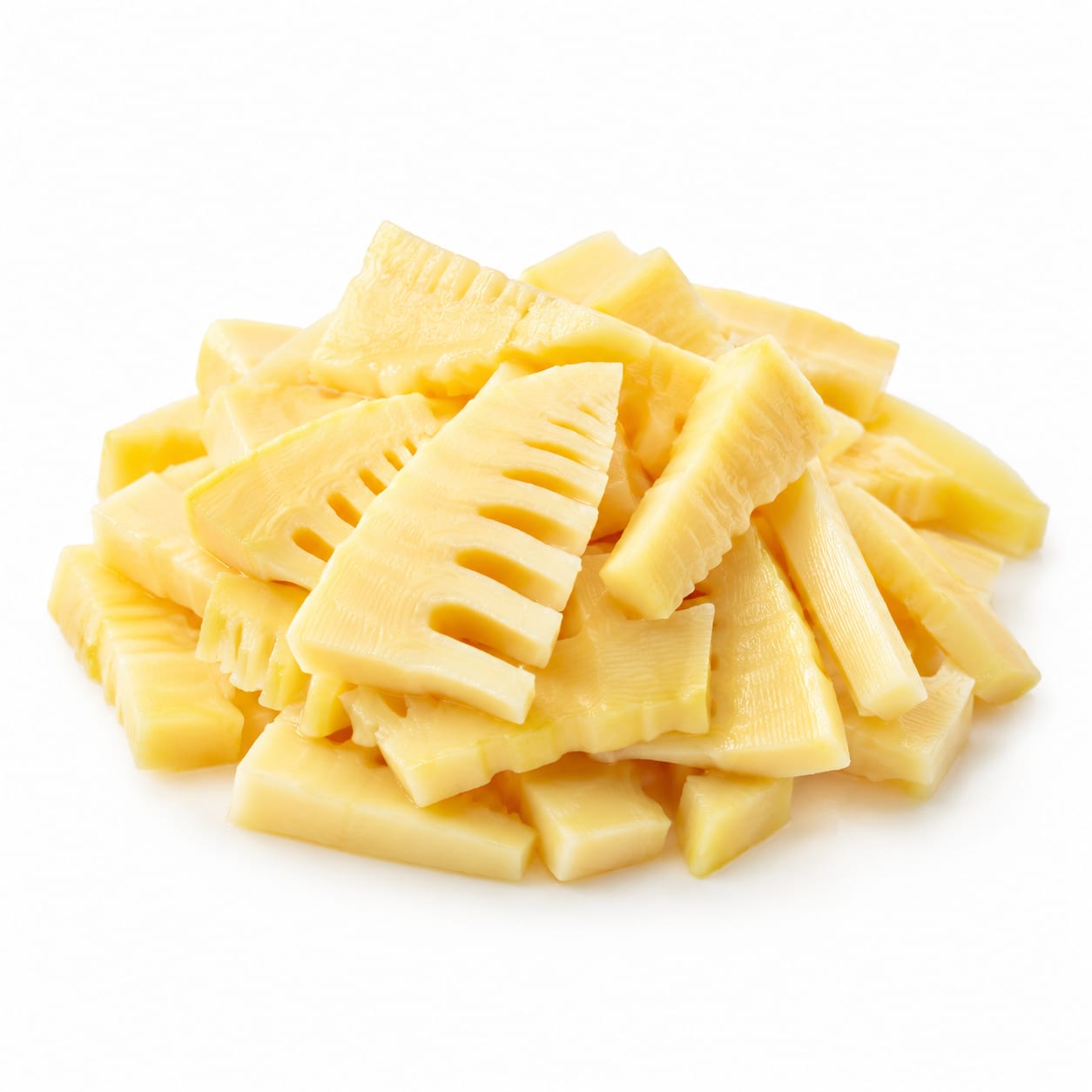
Compare with
Bamboo Shoots
Water bamboo is slightly sweeter and more tender, while bamboo shoots are tougher and more fibrous.
Water bamboo and bamboo shoots are equally low in calories, but bamboo shoots offer slightly more fiber for satiety.
This food
Water Bamboo
VS85% alike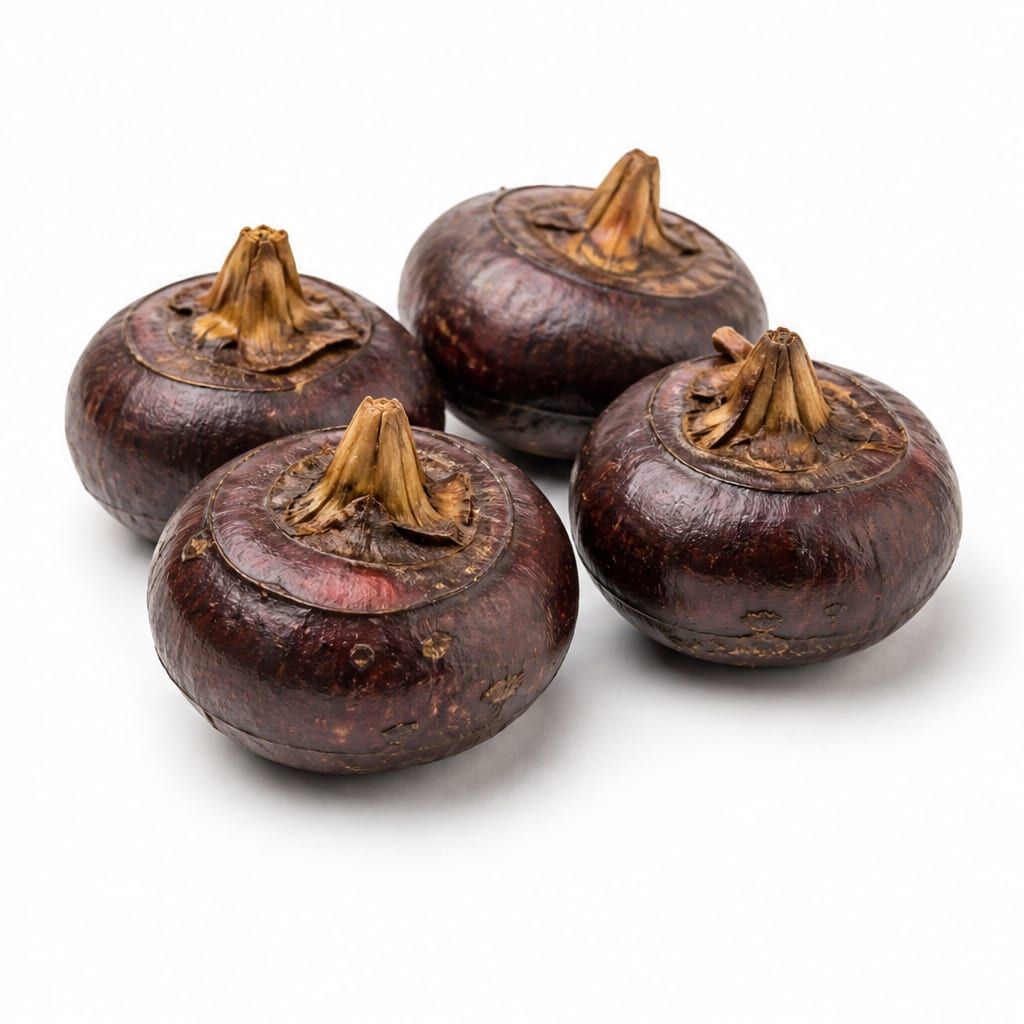
Compare with
Water Chestnuts
Water chestnuts are slightly higher in calories and carbs, while water bamboo is lower in net carbs.
Water bamboo is lower in carbs and better for blood sugar, while water chestnuts provide slightly more quick energy.
This food
Water Bamboo
VS75% alike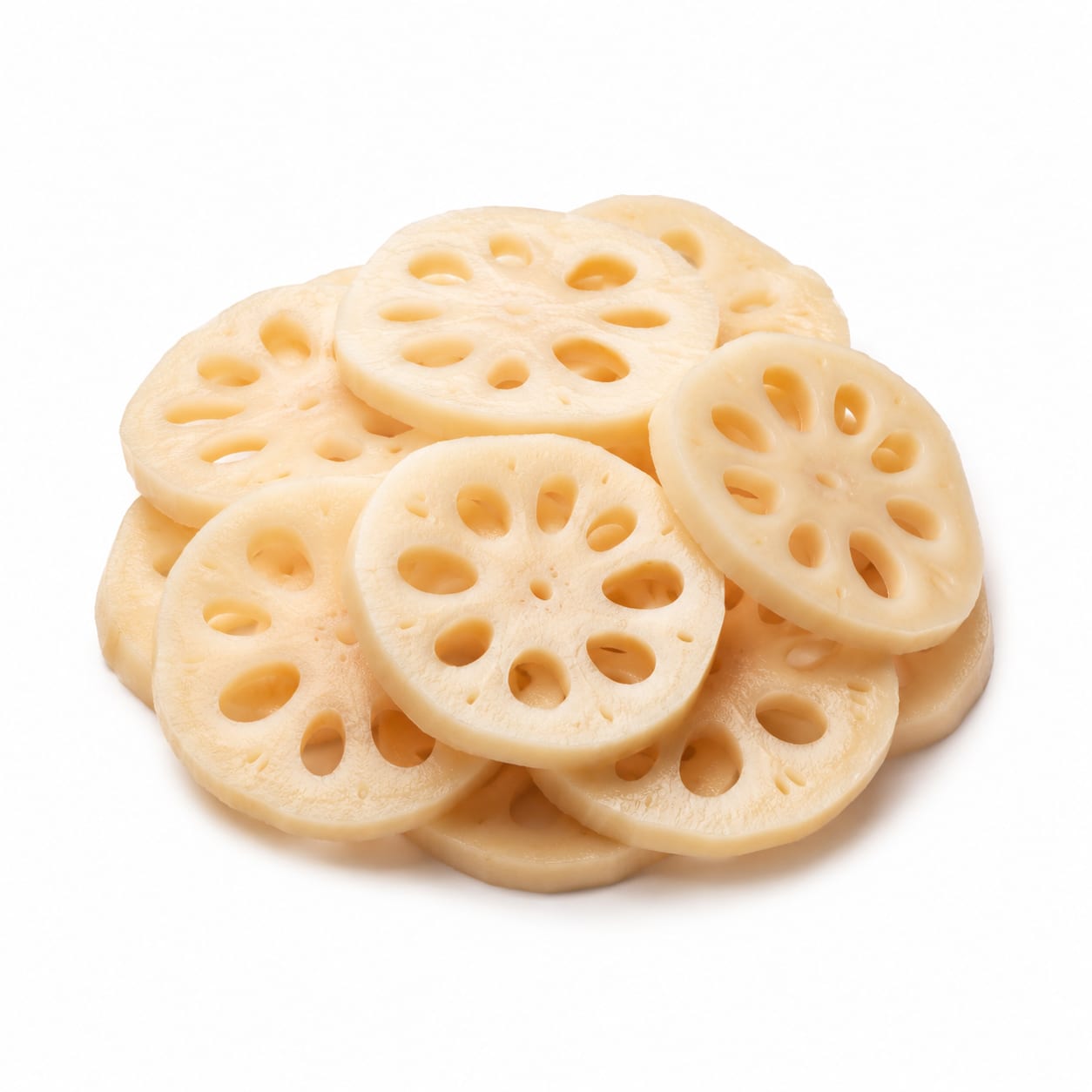
Compare with
Lotus Root
Lotus root is higher in carbs and fiber, while water bamboo is much lower in calories.
Water bamboo is better for strict low-carb diets, while lotus root offers more fiber and prebiotics for gut health.
This food
Water Bamboo
VS60% alike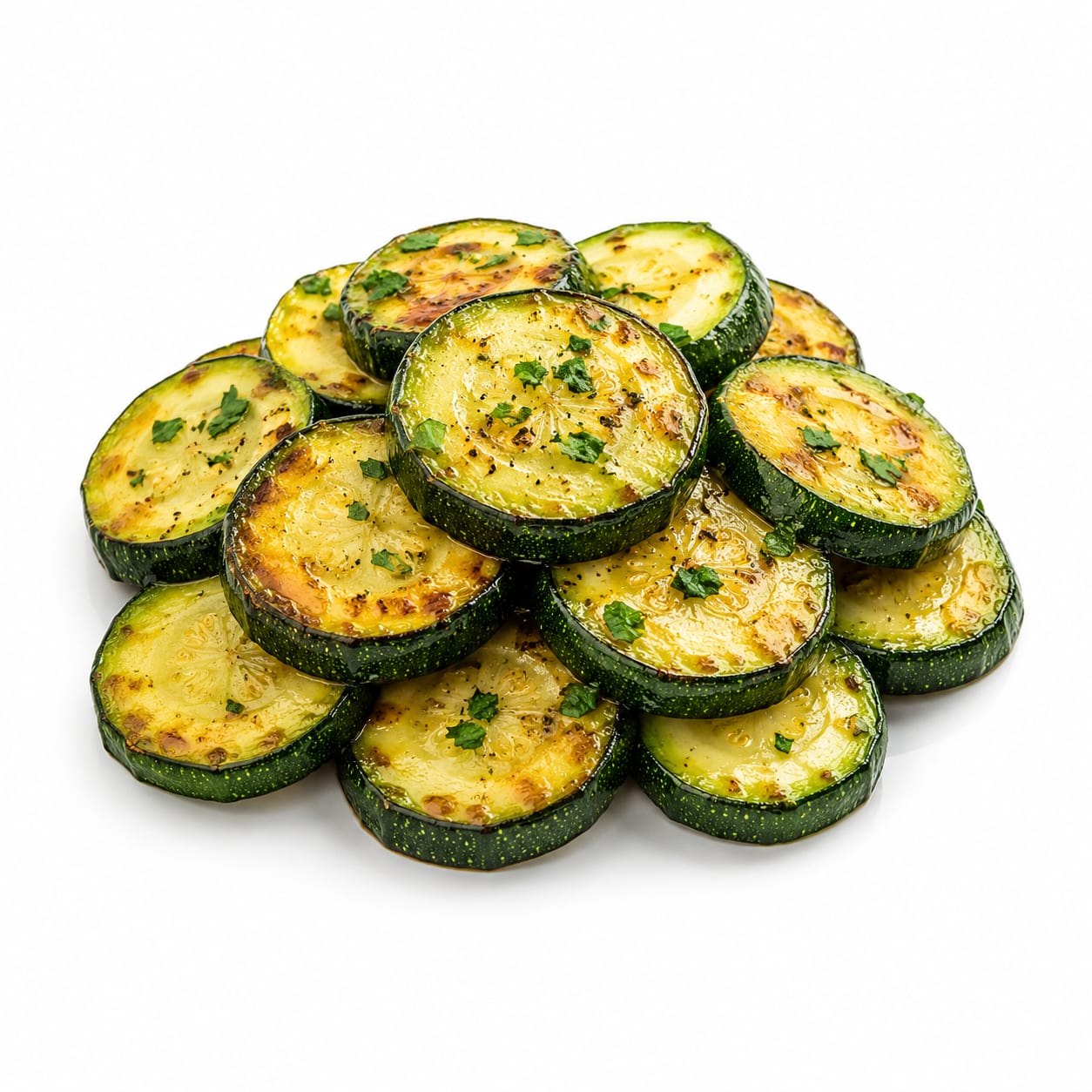
Compare with
Zucchini
Zucchini is more widely available and versatile, while water bamboo has a denser crunch.
Zucchini and water bamboo are both excellent low-calorie choices, but zucchini is easier to find and eat raw.
This food
Water Bamboo
VS55% alike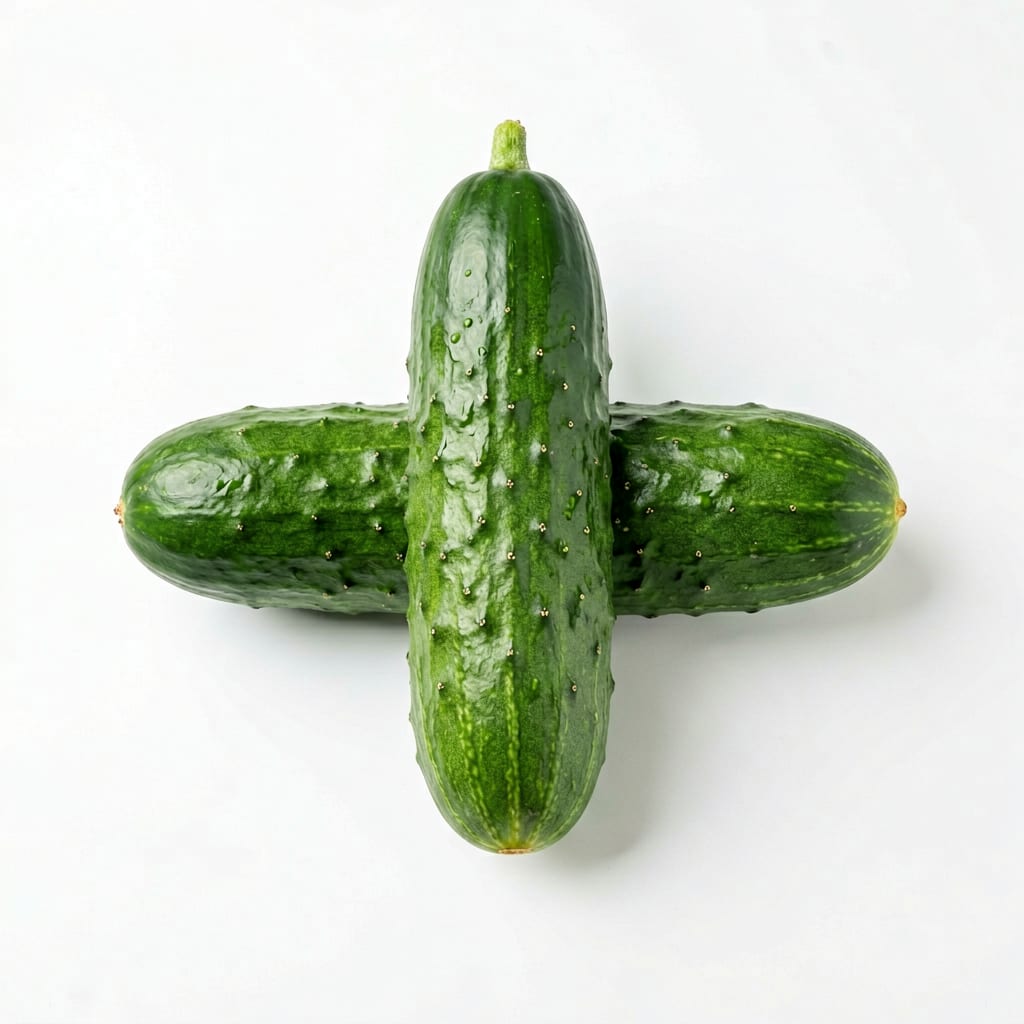
Compare with
Cucumber
Cucumber can be eaten raw, while water bamboo must be cooked and has a denser texture.
Cucumber is a convenient raw snack, while water bamboo requires cooking but offers a more satisfying crunch.
This food
Water Bamboo
VS50% alike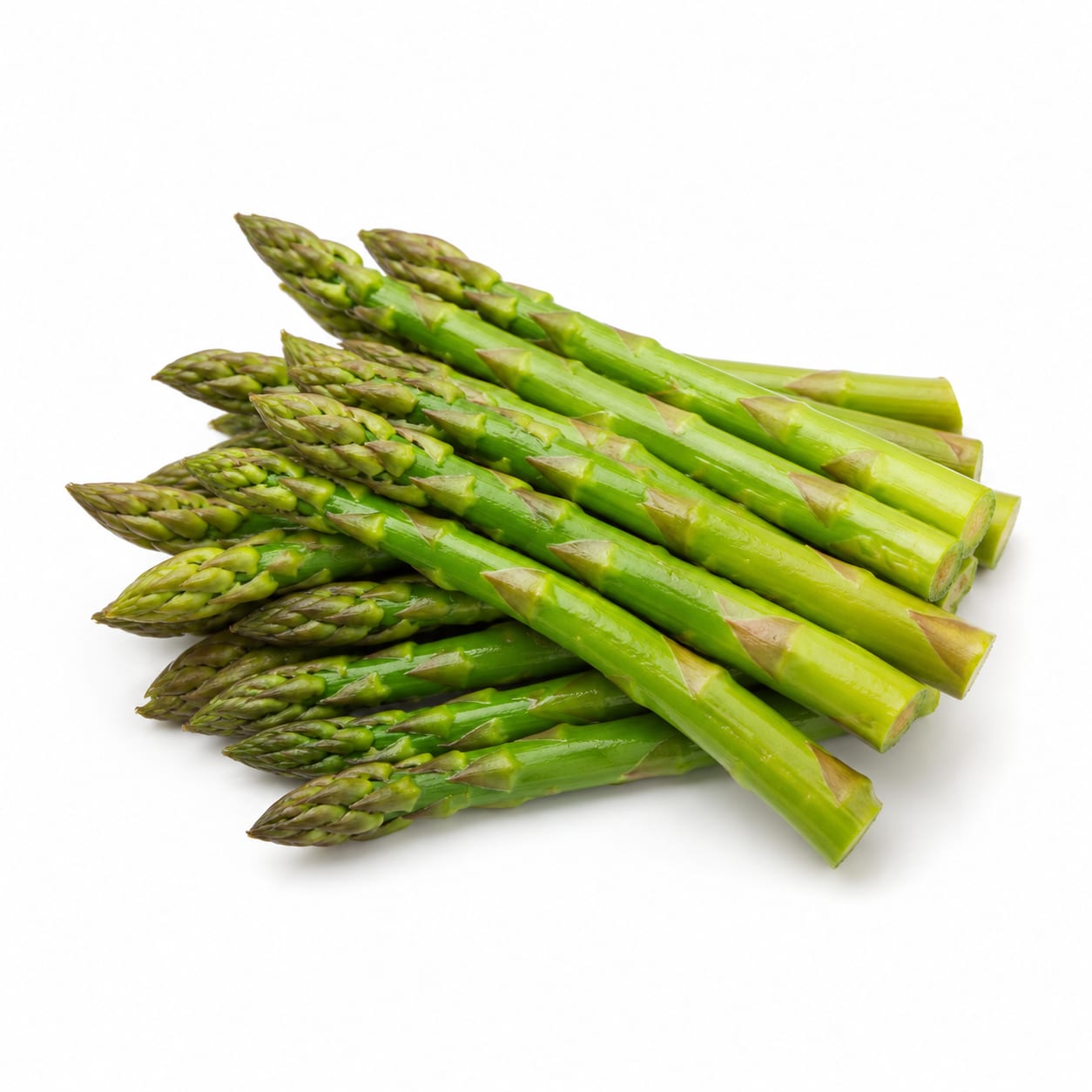
Compare with
Asparagus
Asparagus is richer in vitamins and folate, while water bamboo is lower in overall calories.
Asparagus provides more micronutrients and protein, while water bamboo offers fewer calories and a different texture.
This food
Water Bamboo
VS55% alike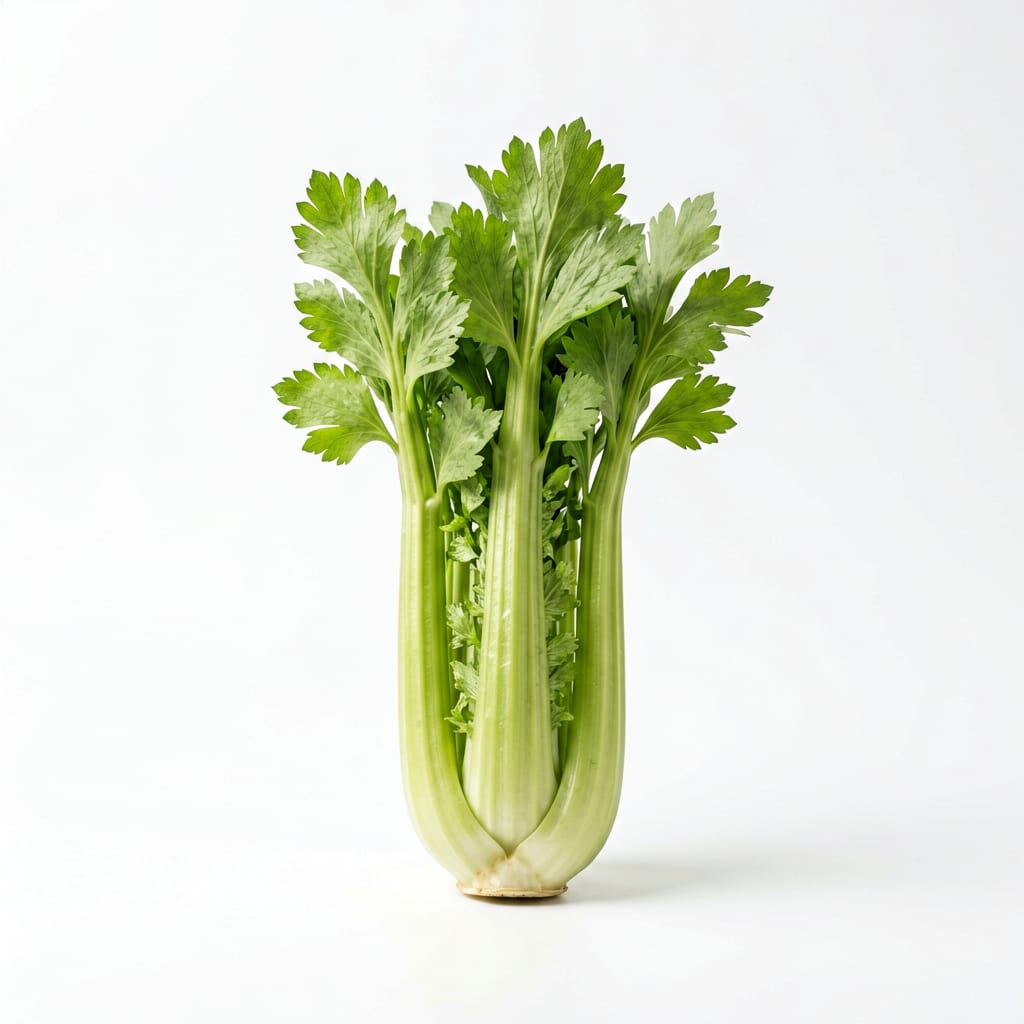
Compare with
Celery
Celery is a raw snack staple, while water bamboo must be cooked and has a sweeter taste.
Celery is ideal for raw snacking, while water bamboo is better suited for cooked stir-fries with a sweeter flavor.
This food
Water Bamboo
VS60% alike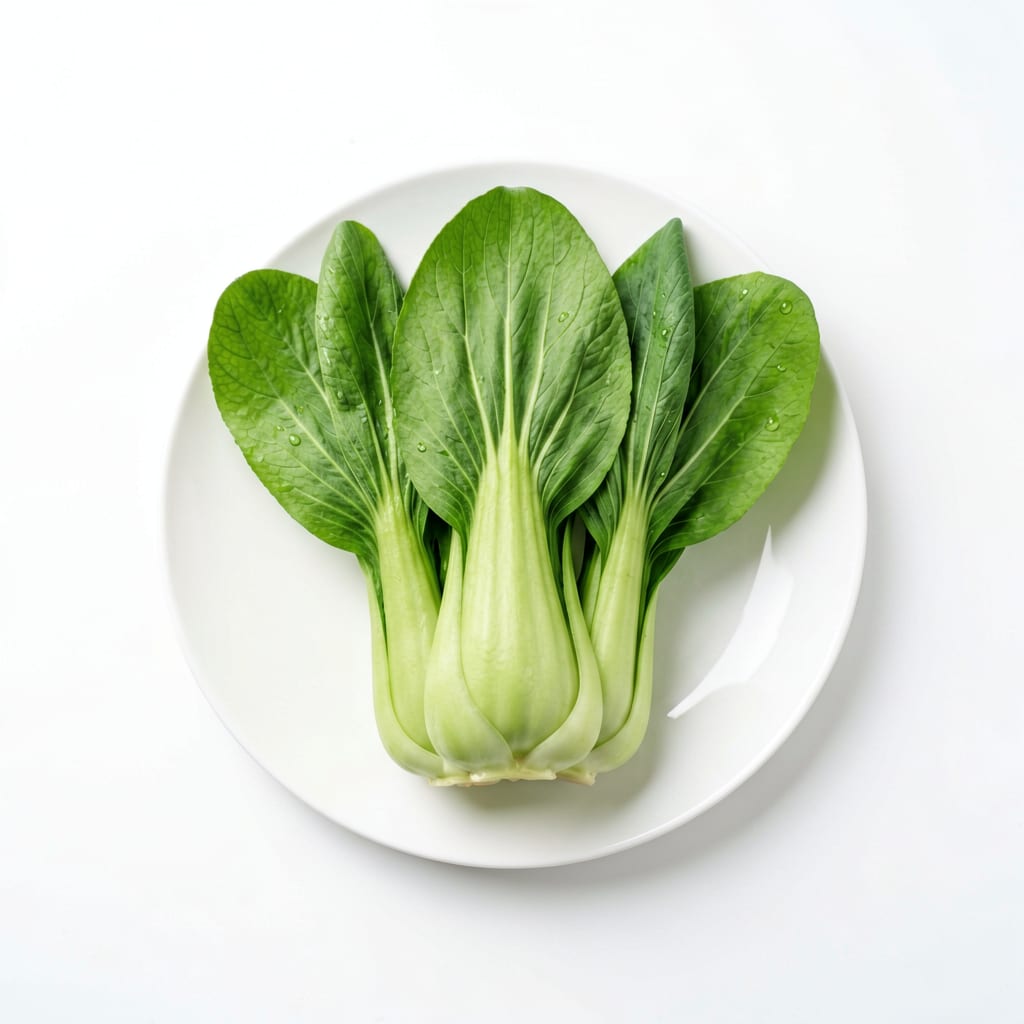
Compare with
Bok Choy
Bok choy is leafy and rich in Vitamin A/C, while water bamboo is a crisp stem vegetable.
Bok choy provides more vitamins, while water bamboo offers a unique crunch and slightly lower calorie density.
This food
Water Bamboo
VS65% alike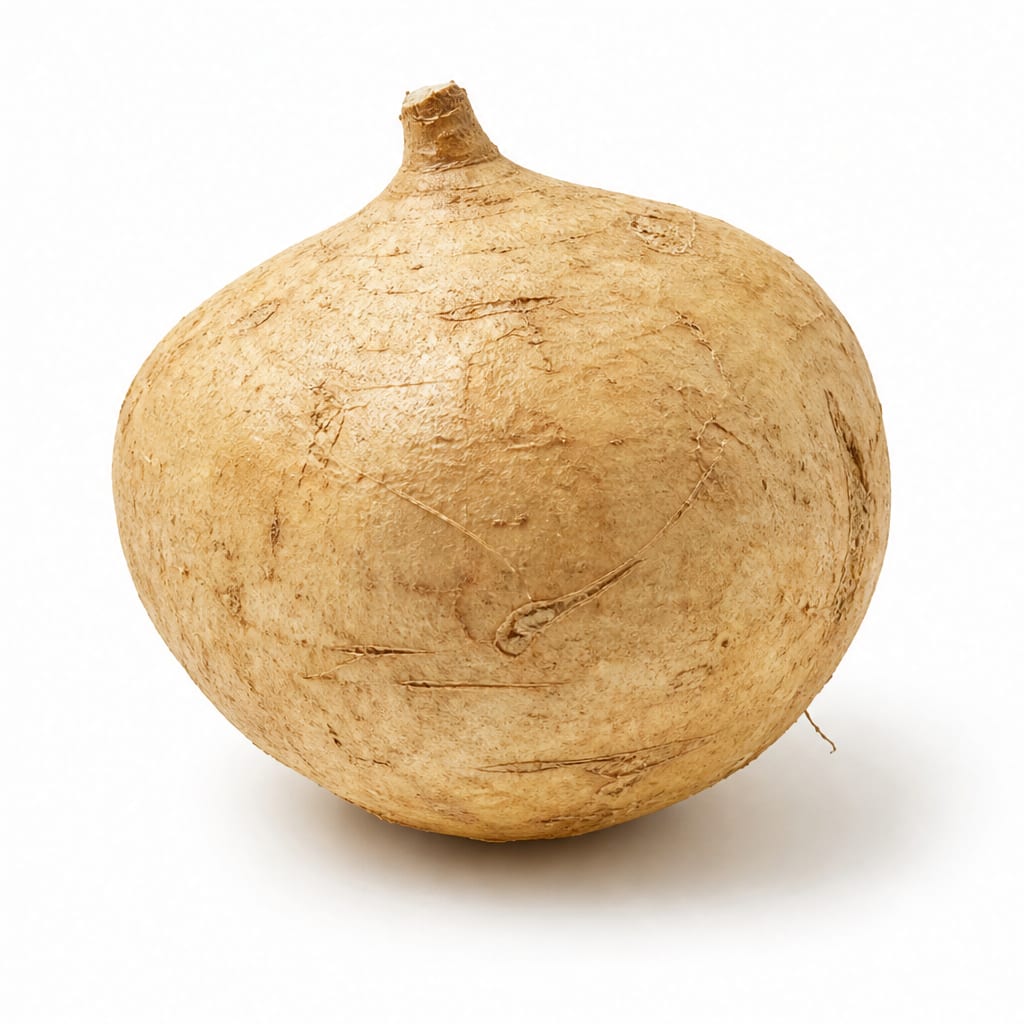
Compare with
Jicama
Jicama is higher in fiber and carbs, while water bamboo is lower in overall energy.
Jicama is an excellent raw high-fiber snack, while water bamboo is a lower-carb cooked vegetable.
This food
Water Bamboo
VS50% alike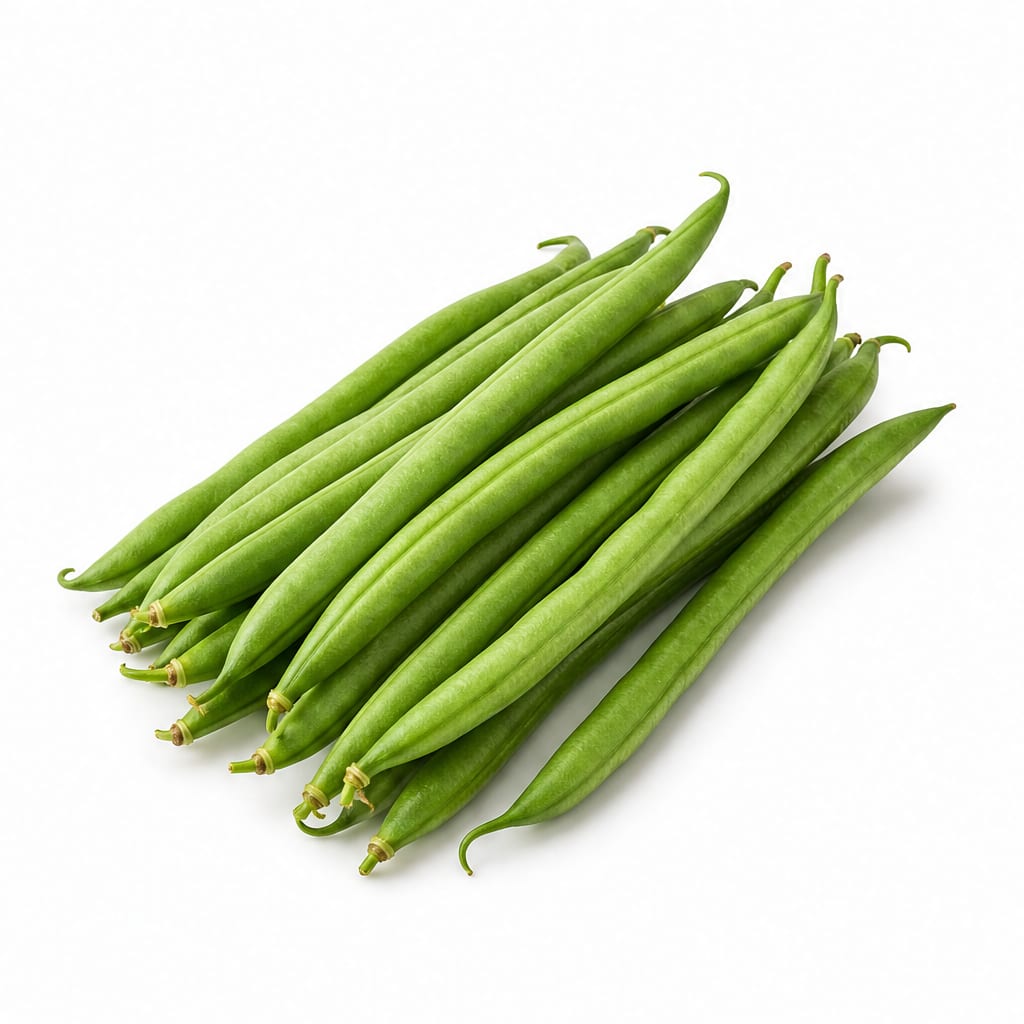
Compare with
Green Beans
Green beans have more protein and fiber, while water bamboo is lower in net carbs.
Green beans offer more protein and satiety, while water bamboo is superior for strict low-carb and blood sugar control.
Common questions
FAQ
Answers aligned with how people search for this food.
Is water bamboo good for weight loss?
Yes, its high water and fiber content provide bulk with very few calories, helping you feel full without overeating.
Can you eat water bamboo raw?
No, water bamboo should never be eaten raw due to the risk of aquatic parasites; it must be cooked thoroughly.
Is water bamboo the same as bamboo shoots?
No, water bamboo is the swollen stem of the Manchurian wild rice plant, while bamboo shoots come from the bamboo tree, though they share a similar crisp texture.
How many carbs are in water bamboo?
Water bamboo contains about 4 grams of total carbohydrates per 100 grams, with over half of that being dietary fiber, making it very low in net carbs.
Does water bamboo spike blood sugar?
No, it has a very low glycemic index and load, making it safe and beneficial for managing blood sugar levels.
How do you prepare water bamboo?
Peel away the tough outer green husks, wash the tender white inner stem, slice it, and boil or stir-fry until fully cooked.
What does water bamboo taste like?
It has a mild, slightly sweet flavor and a very crisp, tender texture similar to bamboo shoots or water chestnuts.
Transparency
Data confidence
Estimated confidence for nutrition data, interpretation, safety notes, and comparisons.
Nutrition data
Health analysis
Food safety
Comparisons