
Nutrition comparison
Water Bamboo vs Zucchini: Nutrition, Taste, and Which to Choose
Compare Water Bamboo and Zucchini side by side. Discover which low-calorie vegetable offers more iron, better versatility, and the best fit for your cooking style and health goals.
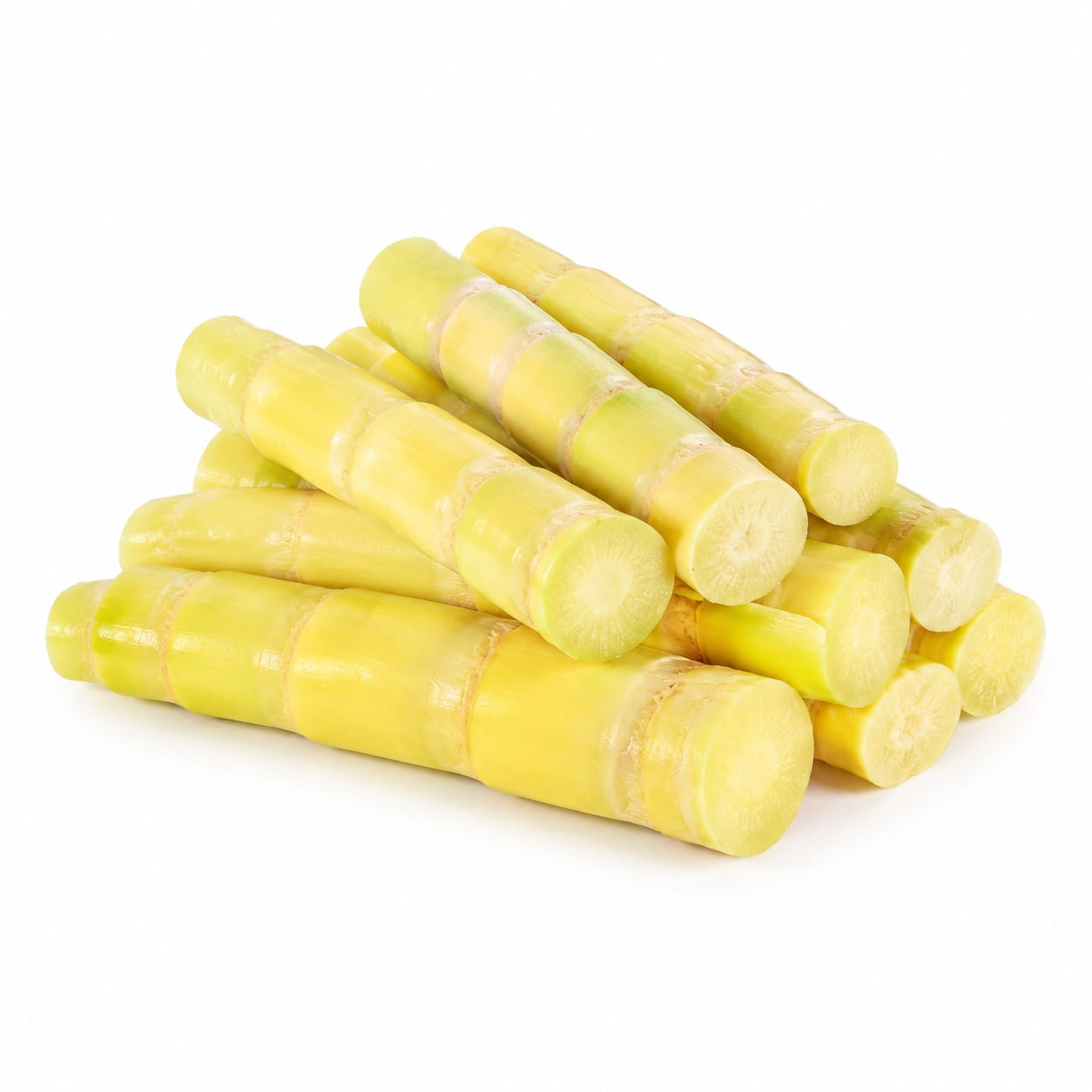
Water Bamboo
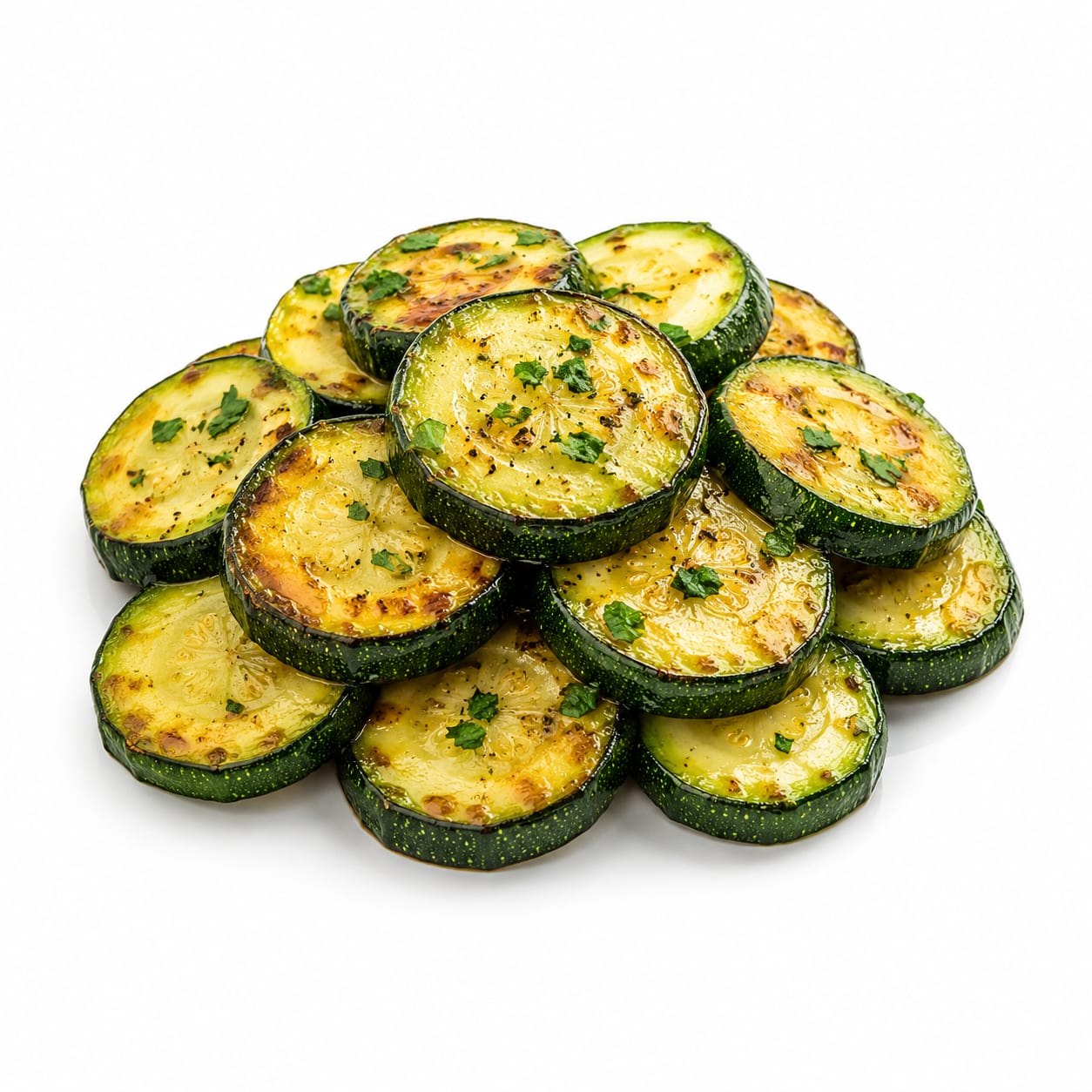
Zucchini
Zucchini wins on accessibility and everyday versatility, while Water Bamboo offers a unique mineral profile and satisfying crunch that makes it worth seeking out occasionally.
Zucchini scores higher mainly due to accessibility, versatility, and broader recipe compatibility. Water Bamboo holds its own nutritionally with superior mineral content but loses ground on availability and everyday practicality.
Zucchini is the practical daily driver with broader recipe compatibility; Water Bamboo delivers more phosphorus and iron per bite but requires specialty shopping and prep knowledge.
At a glance
Executive summary
Overall
It depends
Healthier
It depends
More practical
Zucchini
Daily use
Zucchini
Key comparison lenses
low calorie vegetable selection
Both are extremely low-calorie vegetables often chosen for weight management, so understanding their nutritional differences matters for daily meal planning
nutritional density comparison
Users want to know which vegetable delivers more vitamins and minerals per calorie since both are light on macronutrients
culinary versatility and accessibility
Zucchini is ubiquitous while Water Bamboo is specialty, so practical availability heavily influences real-world choices
digestive comfort and gut health
Both are gentle vegetables but differ in fiber type and fermentability, affecting how they feel after eating
Best choice for
Water Bamboo
- People wanting to boost iron and phosphorus intake through vegetables
- Home cooks exploring East Asian cuisine and stir-fry dishes
- Those seeking a crispier, more textured low-calorie vegetable
Zucchini
- Busy households needing an affordable, widely available vegetable
- Anyone meal prepping or batch cooking for the week
- People following low-carb or keto diets who want a pasta substitute
Least suitable for
Water Bamboo
- Rural or small-town shoppers without access to Asian grocery stores
- Anyone unfamiliar with preparing aquatic vegetables
- People who need a neutral-flavored vegetable to absorb sauces
Zucchini
- Those bored with mild flavors wanting something more distinctive
- People seeking significant mineral contributions from their vegetables
- Anyone looking for a crunchier texture that holds up in stir-fries
Deep comparison
Dimension by dimension
Each lens scores both foods and breaks down who each option suits.
- Dimension 1 · Priority 88Water Bamboo
mineral_density
Water Bamboo · 74Zucchini · 55Water Bamboo delivers noticeably more phosphorus and iron per serving, making it a stronger contributor to bone health and oxygen transport.
Tradeoff
You gain mineral density with Water Bamboo but sacrifice the vitamin C richness that Zucchini provides.
Why it matters
If your diet lacks iron-rich foods, Water Bamboo offers a plant-based bump that Zucchini simply cannot match.
Real-world impact
Over weeks, choosing Water Bamboo a few times weekly could meaningfully support iron intake, especially for vegetarians who struggle to hit their targets.
Water Bamboo
- Vegetarians needing extra iron from plant sources
- Anyone with elevated phosphorus needs
Better for
- Anyone expecting significant vitamin C contribution
Worse for
Zucchini
- People relying on vegetables for vitamin C
- Those who get enough iron from other dietary sources
Better for
- Vegetarians counting on squash for meaningful iron intake
Worse for
- Dimension 2 · Priority 85It depends
calorie_efficiency_and_satiety
Water Bamboo · 70Zucchini · 72Both are extremely low in calories, but Zucchini's higher water content makes it slightly more filling per calorie when eaten in volume.
Tradeoff
Water Bamboo has a denser chew that feels more satisfying in small amounts, while Zucchini fills you up through sheer volume.
Why it matters
If you eat until physically full, Zucchini helps more. If you want a smaller portion that still feels like a real vegetable, Water Bamboo satisfies differently.
Real-world impact
A large zucchini spiralized into noodles creates a massive plate of food for under 40 calories. Water Bamboo gives a more concentrated eating experience in fewer bites.
Water Bamboo
- Smaller meals where you want satisfying texture without bulk
- Stir-fry dishes where volume is less important than presence
Better for
- Anyone wanting to fill a large plate with minimal calories
Worse for
Zucchini
- Volume eaters who want to feel physically full
- Zoodle-based meals replacing pasta
Better for
- Dishes where a watery texture would dilute flavors
Worse for
- Dimension 3 · Priority 90Zucchini
culinary_versatility
Water Bamboo · 52Zucchini · 88Zucchini adapts to grilling, baking, spiralizing, roasting, and raw preparations. Water Bamboo shines in stir-fries and soups but has a narrower range.
Tradeoff
Zucchini is the Swiss Army knife of vegetables. Water Bamboo is a specialty tool that does fewer things but delivers a unique crunch nothing else replicates.
Why it matters
If you buy one vegetable for the week, Zucchini works across breakfast, lunch, and dinner. Water Bamboo demands a specific culinary context.
Real-world impact
You can grate Zucchini into muffins, slice it into salads, or stuff it for dinner. Water Bamboo really wants to be stir-fried or simmered in a broth.
Water Bamboo
- Authentic Chinese and Taiwanese home cooking
- Dishes where maintaining crisp texture through cooking matters
Better for
- Baking, grilling, or raw applications
- Cuisines outside East Asian traditions
Worse for
Zucchini
- Weeknight cooking with whatever flavors you have on hand
- Meal prep that spans multiple recipe types
Better for
- Traditional Asian recipes specifically calling for Water Bamboo
Worse for
- Dimension 4 · Priority 82Zucchini
accessibility_and_cost
Water Bamboo · 30Zucchini · 92Zucchini is available year-round in virtually every grocery store. Water Bamboo requires Asian markets or specialty suppliers and costs significantly more.
Tradeoff
Convenience and affordability favor Zucchini overwhelmingly. Water Bamboo is a deliberate purchase, not a casual one.
Why it matters
The best vegetable nutritionally is useless if you cannot find it. Accessibility determines what you actually eat consistently.
Real-world impact
Most people can grab Zucchini on any grocery run. Finding fresh Water Bamboo might mean a dedicated trip to a specialty store 30 minutes away.
Water Bamboo
- Urban dwellers near well-stocked Asian markets
- Adventurous eaters who enjoy sourcing unique ingredients
Better for
- Rural communities without specialty markets
- Budget-conscious shoppers watching every dollar
Worse for
Zucchini
- Anyone shopping at conventional grocery stores
- Families needing affordable weekly produce
Better for
- Nobody — Zucchini is among the most accessible vegetables available
Worse for
- Dimension 5 · Priority 75Zucchini
digestive_tolerance
Water Bamboo · 65Zucchini · 78Zucchini is famously gentle on digestion and often recommended for sensitive stomachs. Water Bamboo is well-tolerated but its fiber structure can be slightly more challenging for some.
Tradeoff
Zucchini is the safer bet for anyone with digestive concerns. Water Bamboo is fine for most people but less predictable for sensitive systems.
Why it matters
If you have IBS, food sensitivities, or a delicate stomach, Zucchini is one of the least likely vegetables to cause problems.
Real-world impact
After a stomach bug or during a flare-up, Zucchini is often one of the first vegetables reintroduced. Water Bamboo would not be the go-to choice in those moments.
Water Bamboo
- Normal digestion without sensitivities
- People wanting slightly more fiber resistance in their meals
Better for
- Active digestive flare-ups
- FODMAP-sensitive individuals
Worse for
Zucchini
- IBS or sensitive digestion
- Post-illness gentle eating
- Introductory vegetable diets for children
Better for
- Situations where its extreme mildness feels unsatisfying
Worse for
Timeline
Health impact over time
Short-term
Hours to days
Water Bamboo
- Provides a satisfying crunch that makes meals feel more substantial
- Contributes modest iron which supports afternoon energy levels
- Slightly denser fiber can create a feeling of fullness without bloating for most people
Zucchini
- High water content supports hydration, especially in summer
- Very gentle on the stomach, making it ideal after heavy meals or during recovery
- Vitamin C content supports immediate immune function needs
Long-term
Months to years
Water Bamboo
- Consistent iron contribution supports healthy blood markers over months
- Phosphorus intake aids bone density maintenance alongside calcium sources
- Unique antioxidant compounds in Water Bamboo may offer anti-inflammatory benefits with regular consumption
Zucchini
- Regular consumption supports healthy blood pressure through potassium intake
- Consistent vitamin C supports skin health and collagen maintenance over time
- Extremely low calorie density helps maintain healthy weight long-term without feeling deprived
Risk profile
Safety & processing
Both Water Bamboo and Zucchini are whole, minimally processed vegetables typically sold fresh. Neither carries meaningful additive concerns when purchased in their natural state. Canned or preserved versions of either may contain added sodium, so fresh is always the cleaner choice.
Water Bamboo
aquatic contaminant exposure
mediumWater Bamboo grows in water and may accumulate heavier metals or pollutants from its growing environment. Sourcing from reputable suppliers reduces this concern significantly.
improper preparation
lowRaw Water Bamboo can harbor aquatic parasites. Cooking thoroughly eliminates this risk entirely.
Zucchini
pesticide residue
mediumZucchini is not on the highest-pesticide lists but conventional varieties can carry residues. Peeling reduces exposure but also removes nutrients near the skin.
bitter compound toxicity
lowOccasionally zucchini can develop cucurbitacins causing extreme bitterness. This is rare in commercial varieties but tasting for unusual bitterness before cooking is wise.
Who wins for whom
Audience fit
Same foods, different winners depending on your goal.
children
ZucchiniZucchini's mild flavor and soft texture when cooked make it one of the easiest vegetables to introduce to kids. It hides well in muffins, pasta sauces, and fritters. Water Bamboo's unfamiliar taste and chewier texture are harder sells.
daily consumption
ZucchiniAvailability, affordability, and recipe flexibility make Zucchini the realistic daily choice. Water Bamboo works beautifully as a weekly or biweekly addition for variety.
diabetes
ZucchiniBoth have minimal impact on blood sugar, but Zucchini's wider recipe compatibility makes it easier to incorporate consistently, which matters more for long-term blood sugar management than marginal nutritional differences.
elderly
ZucchiniZucchini requires minimal chewing when cooked and is exceptionally gentle on aging digestive systems. Water Bamboo's firmer texture may be challenging for those with dental concerns.
muscle gain
It dependsNeither vegetable meaningfully contributes to muscle gain directly. Water Bamboo has slightly more protein per serving, but the amounts are too small to influence muscle building. Choose based on what helps you eat your protein sources more enjoyably.
weight loss
ZucchiniZucchini's extreme low calorie density and high water content let you eat large volumes, creating physical fullness with minimal caloric impact. Its versatility also prevents diet boredom.
Your move
Decision guide
Choose Water Bamboo
- You have access to a good Asian grocery store and want to expand your vegetable repertoire
- You are vegetarian and actively seeking more iron from plant sources
- You cook East Asian dishes regularly and want authentic texture and flavor
- You enjoy vegetables with a distinct crunch that holds up during cooking
Choose Zucchini
- You want one reliable vegetable that works in almost any recipe
- You are feeding a family and need affordable, kid-friendly produce
- You have digestive sensitivities and need gentle foods
- You are meal prepping and want maximum versatility across the week
Either works if
- You simply want more vegetables in your diet and both are available
- You are focusing on low-calorie eating and both fit your plan
- You enjoy rotating vegetables for nutritional diversity
Avoid both if
- You need calorie-dense foods to meet high energy requirements
- You are looking for significant protein contributions from your vegetables
- You have specific allergies to either plant family
Final recommendation
Keep Zucchini as your everyday vegetable and treat Water Bamboo as a specialty addition when you can find it. Zucchini's convenience and adaptability make it the sustainable daily choice, while Water Bamboo's unique mineral profile and satisfying crunch deserve a regular rotation spot for nutritional variety. If you live near an Asian market, aim for Water Bamboo once a week alongside Zucchini throughout the week.
Practical
Consumer tips
- 1
When buying Water Bamboo, look for firm, pale stems without dark spots or slimy patches. Freshness matters more than with Zucchini.
- 2
Zucchini can be stored in the crisper for up to a week. Water Bamboo is more perishable and should be used within 2-3 days of purchase.
- 3
If you cannot find fresh Water Bamboo, vacuum-sealed versions in Asian markets are a decent alternative and often safer from a contamination standpoint.
- 4
Peel Zucchini if you are concerned about pesticides, but know you lose fiber and nutrients concentrated near the skin. Washing thoroughly is a good middle ground.
- 5
Freeze grated Zucchini in portioned bags for smoothies or baking. Water Bamboo does not freeze well and loses its signature crunch.
- 6
Always cook Water Bamboo thoroughly before eating. Light stir-frying or simmering for 3-5 minutes is sufficient and preserves the best texture.