
Nutrition comparison
Water Bamboo vs Bok Choy: Nutrition, Taste, and Health Comparison
Compare Water Bamboo and Bok Choy side by side. Discover which offers more vitamins, which is easier to digest, and which vegetable is better for your health goals.
Overall winner · Bok Choy
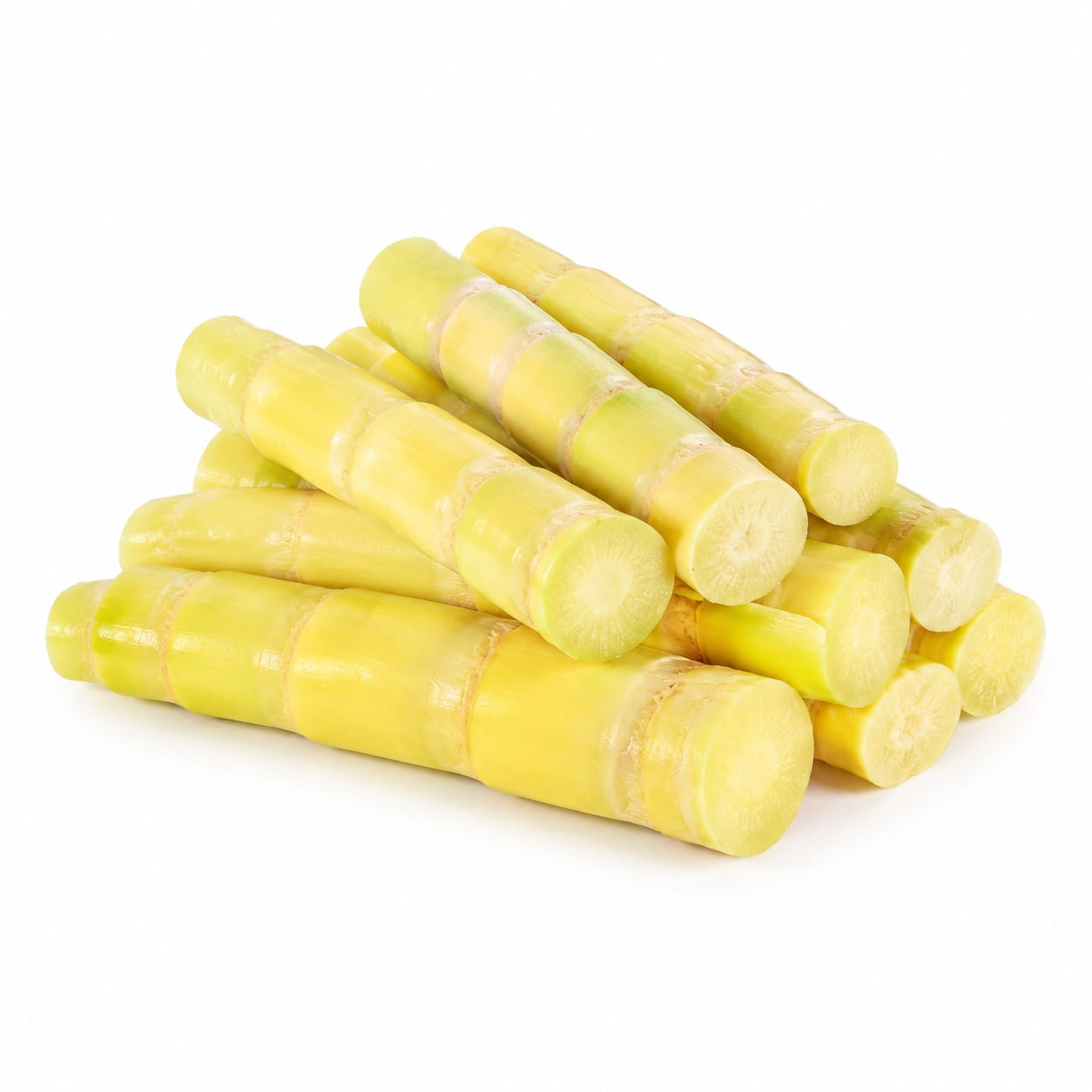
Water Bamboo
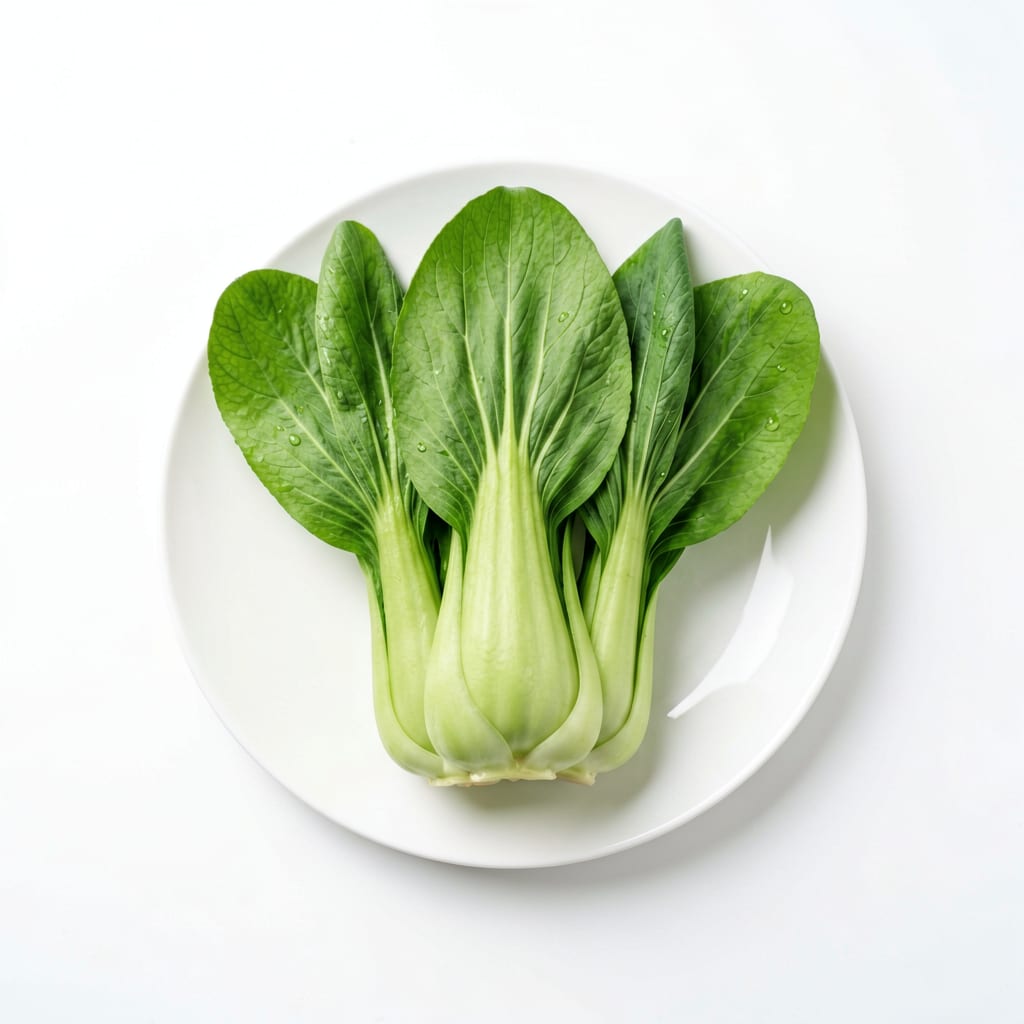
Bok Choy
Bok Choy delivers far more vitamins and minerals per calorie, making it the stronger everyday choice. Water Bamboo offers a unique crisp texture and milder flavor but contributes less nutritionally.
Bok Choy scores notably higher due to its superior vitamin and mineral density, wider availability, and stronger evidence base for health benefits. Water Bamboo is a perfectly healthy food but offers less nutritional impact per serving.
Bok Choy wins on nutrient density and availability, while Water Bamboo offers a distinctively satisfying crunch and gentler flavor for those who find cruciferous vegetables bothersome.
At a glance
Executive summary
Overall
Bok Choy
Healthier
Bok Choy
More practical
Bok Choy
Daily use
Bok Choy
Key comparison lenses
nutrient density per calorie
Both are very low-calorie vegetables, so which packs more nutrition per bite matters most
everyday vegetable selection for Asian cooking
These are commonly swapped in stir-fries and soups, so practical culinary tradeoffs are key
vitamin and mineral contribution
Leafy greens vs stem vegetables have dramatically different micronutrient profiles
accessibility and availability
Bok Choy is widely available globally while Water Bamboo can be harder to find outside Asian markets
digestive comfort and gut health
Fiber type and cruciferous compounds affect digestion differently
Best choice for
Water Bamboo
- People sensitive to cruciferous vegetables who get bloated from bok choy or cabbage
- Those seeking a mild-flavored vegetable that absorbs sauces well
- Cooks wanting a unique crisp texture in stir-fries
- Anyone tired of leafy greens and wanting stem vegetable variety
Bok Choy
- Anyone prioritizing maximum nutrition per calorie
- People wanting to boost vitamin A, C, and K intake naturally
- Those looking for an easily accessible, affordable everyday vegetable
- Anyone seeking bone-supportive calcium from a plant source
Least suitable for
Water Bamboo
- Those relying on a single vegetable for broad vitamin coverage
- People without access to Asian grocery stores
- Anyone needing high vitamin A or K intake from their greens
Bok Choy
- People with thyroid concerns who limit cruciferous vegetables raw
- Those who experience significant bloating from cabbage-family foods
- Anyone who strongly dislikes slightly bitter or mustardy flavors
Deep comparison
Dimension by dimension
Each lens scores both foods and breaks down who each option suits.
- Dimension 1 · Priority 95Bok Choy
Vitamin and Mineral Density
Water Bamboo · 35Bok Choy · 88Bok Choy is a micronutrient powerhouse compared to Water Bamboo, especially for vitamins A, C, and K.
Tradeoff
Water Bamboo provides some potassium and phosphorus but cannot compete with Bok Choy's broad vitamin profile.
Why it matters
If your vegetable intake is limited, choosing Bok Choy means each serving contributes meaningfully to your daily vitamin needs.
Real-world impact
A single cup of Bok Choy covers over half your vitamin A and K needs. Water Bamboo covers very little of anything.
Water Bamboo
- Adding mineral variety to an already vitamin-rich diet
Better for
- Relying on it as a primary vegetable for micronutrients
Worse for
Bok Choy
- Meeting daily vitamin needs with fewer total calories
- Supporting immune function through vitamin C and A
- Improving bone health through vitamin K and calcium
Better for
- Those taking blood thinners who must limit vitamin K intake
Worse for
- Dimension 2 · Priority 82Bok Choy
Calcium and Bone Support
Water Bamboo · 20Bok Choy · 85Bok Choy is one of the best plant-based calcium sources, while Water Bamboo provides minimal calcium.
Tradeoff
Water Bamboo offers some phosphorus which supports bone health indirectly, but the calcium gap is substantial.
Why it matters
For dairy-free diets, Bok Choy is a valuable calcium ally that many people overlook.
Real-world impact
Two cups of cooked Bok Choy provide roughly 15-20% of daily calcium needs. Water Bamboo provides under 3%.
Water Bamboo
- Diversifying mineral intake beyond calcium-focused foods
Better for
- Anyone counting on vegetables for meaningful calcium
Worse for
Bok Choy
- People on dairy-free or low-dairy diets needing plant calcium
- Older adults concerned about bone density
- Growing children who need calcium from varied sources
Better for
- Dimension 3 · Priority 78Water Bamboo
Digestive Comfort
Water Bamboo · 80Bok Choy · 55Water Bamboo is gentler on digestion for people sensitive to cruciferous vegetables.
Tradeoff
Bok Choy's glucosinolates are health-protective long-term but can cause short-term bloating in sensitive people.
Why it matters
If you avoid vegetables because they make you gassy, Water Bamboo may be the more sustainable choice you actually keep eating.
Real-world impact
People who skip Bok Choy due to bloating may find Water Bamboo a comfortable alternative they can enjoy regularly.
Water Bamboo
- People with IBS or cruciferous sensitivity
- Those who experience bloating from cabbage-family vegetables
- Anyone wanting a light vegetable before bedtime without discomfort
Better for
- Those wanting the gut-protective benefits of glucosinolates
Worse for
Bok Choy
- People with healthy digestion who benefit from glucosinolates
Better for
- Anyone with significant cruciferous intolerance
Worse for
- Dimension 4 · Priority 80Bok Choy
Culinary Versatility and Availability
Water Bamboo · 40Bok Choy · 85Bok Choy is available in nearly any grocery store and works in soups, stir-fries, salads, and braises. Water Bamboo is harder to find and more limited in preparation styles.
Tradeoff
Water Bamboo's unique crunch is hard to replicate, but you can only find it in Asian markets or specialty stores.
Why it matters
The healthiest vegetable is the one you can actually buy and cook regularly.
Real-world impact
Most people can grab Bok Choy at any supermarket. Water Bamboo requires a trip to an Asian grocer and may not always be in stock.
Water Bamboo
- Specialty dishes where its unique texture is essential
- Adventurous home cooks exploring regional Chinese cuisine
Better for
- Last-minute weeknight cooking when only basic stores are open
Worse for
Bok Choy
- Weekly meal prep that requires reliable ingredient access
- Beginners learning to cook Asian vegetables
- Anyone shopping at regular grocery stores
Better for
- Dimension 5 · Priority 75Bok Choy
Antioxidant and Cancer-Protective Compounds
Water Bamboo · 40Bok Choy · 82Bok Choy contains glucosinolates and isothiocyanates linked to cancer risk reduction. Water Bamboo has some antioxidants but far less evidence behind it.
Tradeoff
The same compounds that make Bok Choy protective also make it harder to digest for some people.
Why it matters
Regular cruciferous vegetable intake is one of the strongest dietary patterns associated with lower cancer risk.
Real-world impact
Eating Bok Choy a few times weekly adds to your body's long-term defense systems. Water Bamboo contributes less on this front.
Water Bamboo
- Those already eating plenty of cruciferous vegetables who want variety
Better for
- Relying on it as your primary cancer-protective food
Worse for
Bok Choy
- Anyone with family history of hormone-sensitive cancers
- People seeking long-term preventive dietary patterns
- Those who tolerate cruciferous vegetables well
Better for
- People with thyroid conditions who must limit raw cruciferous intake
Worse for
- Dimension 6 · Priority 65Water Bamboo
Satiety and Meal Satisfaction
Water Bamboo · 72Bok Choy · 60Water Bamboo's dense, crunchy texture feels more substantial in a meal than Bok Choy's softer leaves and stems.
Tradeoff
Bok Choy is lighter and less filling, which can be either an advantage or disadvantage depending on your goals.
Why it matters
Feeling satisfied after a vegetable dish helps you stick with healthier eating patterns.
Real-world impact
A Water Bamboo stir-fry feels like a proper dish. Bok Choy can feel more like a side that disappears quickly.
Water Bamboo
- Main dish vegetable preparations where heartiness matters
- People who feel unsatisfied after light meals
Better for
- Small appetites who find dense vegetables too filling
Worse for
Bok Choy
- Light lunches where you want to avoid feeling heavy
- Pre-workout meals that should digest quickly
Better for
- Those who feel hungry soon after eating light vegetable dishes
Worse for
Timeline
Health impact over time
Short-term
Hours to days
Water Bamboo
- Provides gentle fiber that supports regular digestion without heavy bloating
- Offers a light, hydrating side that will not weigh you down
- Mild enough to eat before bed without digestive disruption
Bok Choy
- Delivers a quick vitamin C boost supporting immune function
- Can cause mild gas or bloating in cruciferous-sensitive individuals
- Hydrating and refreshing, especially when cooked lightly
Long-term
Months to years
Water Bamboo
- Supports regular bowel habits through consistent gentle fiber intake
- Contributes to dietary variety which is linked to better gut microbiome diversity
- Does not provide the same level of chronic disease protection as cruciferous vegetables
Bok Choy
- Regular intake associated with reduced risk of several cancers, especially colorectal
- Supports bone density through consistent calcium and vitamin K intake
- May help maintain healthy blood pressure due to potassium and magnesium content
- Glucosinolate compounds support the body's natural detoxification pathways over time
Risk profile
Safety & processing
Both Water Bamboo and Bok Choy are whole, minimally processed vegetables typically sold fresh. Neither carries significant processing concerns. The main consideration is that canned Water Bamboo may contain added sodium, so fresh or frozen is preferable.
Water Bamboo
Aquatic environment contamination
mediumWater Bamboo grows in water and can accumulate heavy metals or pollutants from contaminated waterways. Source quality matters more than with soil-grown vegetables.
Parasite risk from raw consumption
lowAs an aquatic plant, raw Water Bamboo may carry parasites uncommon in land vegetables. Cooking eliminates this risk.
Bok Choy
Pesticide residue on non-organic varieties
mediumBok Choy frequently appears on the Dirty Dozen list for leafy greens. Washing thoroughly or choosing organic reduces exposure.
Goitrogenic compounds when consumed raw in large amounts
lowRaw Bok Choy contains goitrogens that can interfere with thyroid function if consumed in extreme quantities. Cooking largely neutralizes this concern.
Who wins for whom
Audience fit
Same foods, different winners depending on your goal.
children
Bok ChoyBok Choy's calcium and vitamin A content support growing bodies, and its milder cooked flavor is usually well-accepted by kids.
daily consumption
Bok ChoyBok Choy's broader nutrient profile, easier availability, and stronger evidence for long-term health benefits make it the better daily staple.
diabetes
Bok ChoyBok Choy's higher magnesium content and near-zero glycemic impact make it slightly more supportive of insulin sensitivity.
elderly
Bok ChoyBok Choy's calcium, vitamin K, and softer texture when cooked make it more appropriate for bone health and easier chewing.
muscle gain
Bok ChoyNeither is a protein source, but Bok Choy's vitamin K and calcium better support the bone density needed for heavy training.
weight loss
Bok ChoyBoth are extremely low in calories, but Bok Choy provides more nutrients per calorie, supporting metabolic health during calorie restriction.
Your move
Decision guide
Choose Water Bamboo
- You get bloated or gassy from cabbage-family vegetables and need a gentler alternative
- You want a unique crunchy texture that holds up well in stir-fries
- You have access to a good Asian market and want culinary variety
- You already eat plenty of cruciferous vegetables and want to diversify
Choose Bok Choy
- You want maximum nutritional value from every vegetable serving
- You are looking for a reliable, easy-to-find everyday vegetable
- You want to boost your vitamin A, C, K, and calcium intake naturally
- You have no digestive issues with cruciferous vegetables
- You are meal planning on a budget and need affordable nutrition
Either works if
- You simply want more vegetable variety in your diet
- You are cooking an Asian-inspired meal and either would work
- You are trying to increase your daily vegetable intake beyond current habits
Avoid both if
- You have a known allergy to either plant family
- You are on a strict low-oxalate diet and have not consulted your doctor about these vegetables
Final recommendation
Make Bok Choy your everyday vegetable for its nutritional density and availability. Add Water Bamboo when you want textural variety or when cruciferous vegetables bother your stomach. Both deserve a place in a diverse diet, but Bok Choy earns the daily staple role.
Practical
Consumer tips
- 1
Choose Bok Choy with firm white stems and dark green leaves for the highest nutrient content
- 2
If buying Water Bamboo, look for firm, unblemished stems and avoid any with soft spots or discoloration
- 3
Wash Bok Choy thoroughly between the leaves where pesticide residue and dirt accumulate
- 4
Cook Water Bamboo before eating to eliminate any aquatic parasite risk and improve digestibility
- 5
If Bok Choy causes bloating, try cooking it longer or starting with smaller portions to build tolerance
- 6
Both vegetables lose nutrients if overcooked. Quick stir-frying or light steaming preserves the most vitamins
- 7
Organic Bok Choy is worth the premium if you eat it frequently, given its pesticide residue profile
- 8
Water Bamboo pairs exceptionally well with soy sauce, garlic, and sesame oil for a simple satisfying side