
Nutrition comparison
Water Bamboo vs Water Chestnuts: Nutrition, Crunch, and Which to Buy
Comparing water bamboo and water chestnuts on calories, nutrients, cooking texture, and availability. Find out which aquatic vegetable is better for stir-fries, weight loss, and daily use.
Overall winner · Water Chestnuts
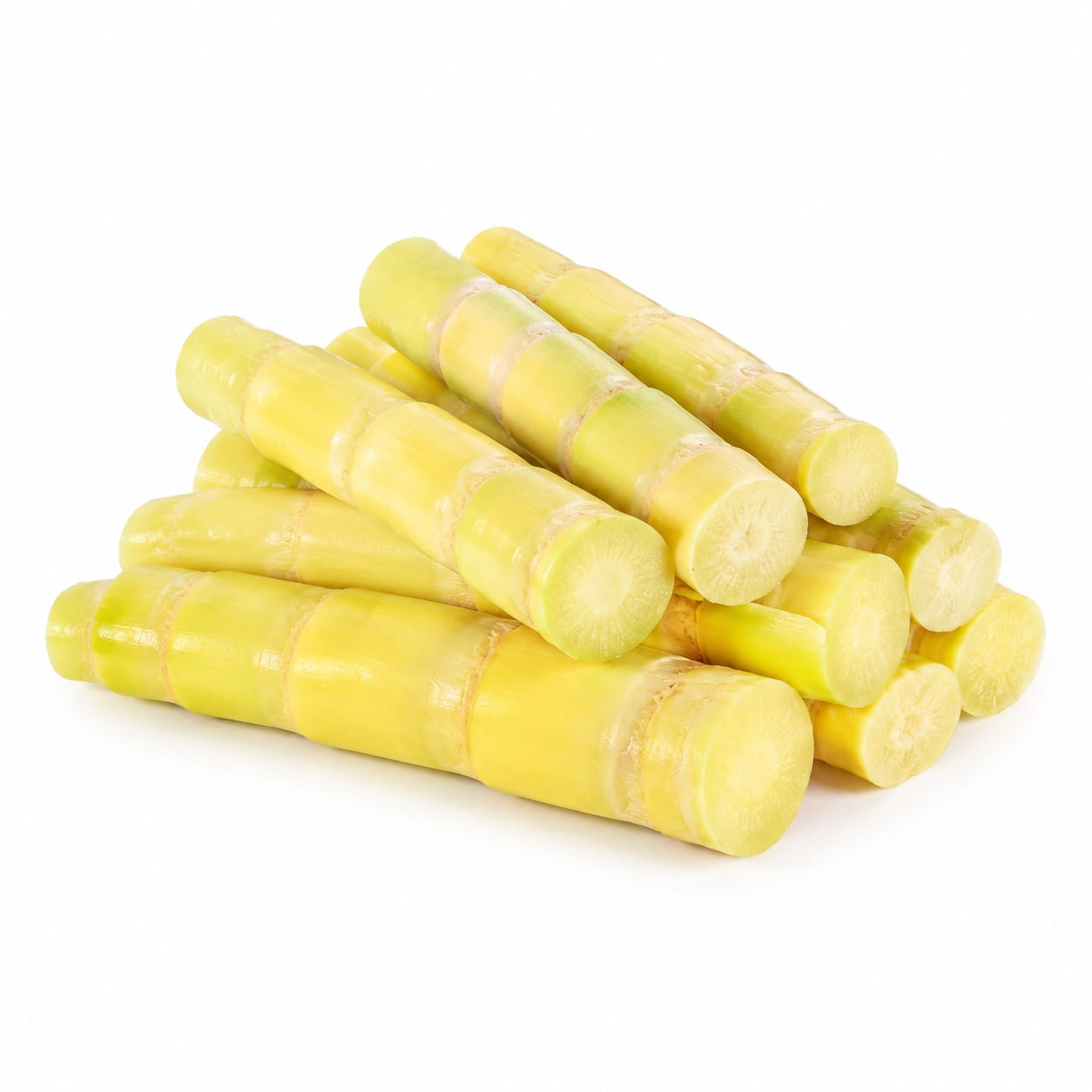
Water Bamboo
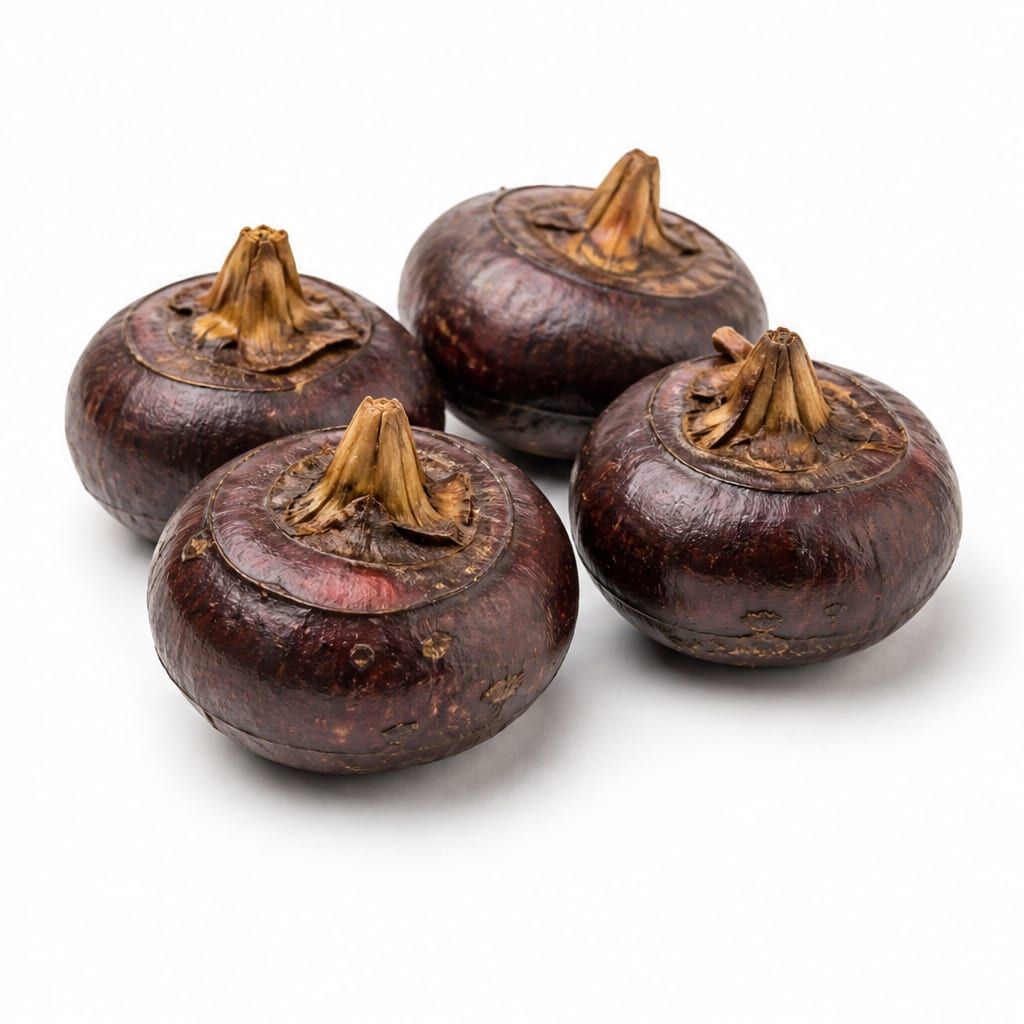
Water Chestnuts
Water chestnuts deliver more minerals, antioxidants, and cooking versatility, while water bamboo wins on sheer calorie low-ness and lightness
Water chestnuts score higher due to superior nutrient density, antioxidant content, cooking reliability, and availability. Water bamboo is not bad—it is simply thinner nutritionally and harder to find. The gap reflects real-world usability, not a safety concern.
Water bamboo is the lighter, lower-calorie choice but nutritionally thinner; water chestnuts cost a few more calories but pay you back in potassium, fiber, and crunch that survives cooking
At a glance
Executive summary
Overall
Water Chestnuts
Healthier
Water Chestnuts
More practical
Water Chestnuts
Daily use
Water Chestnuts
Key comparison lenses
nutritional density comparison
Both are low-calorie aquatic vegetables, but their micronutrient profiles differ significantly and drive most purchase decisions
culinary texture and versatility
Both are prized for crunch, but water chestnuts maintain their signature crispness when cooked while water bamboo softens
weight management and satiety
Calorie density differs notably, making one clearly better for volume eating and the other more nutrient-packed per serving
availability and practical everyday use
Water chestnuts are widely available canned year-round; water bamboo is harder to find outside Asian markets
antioxidant and anti inflammatory value
Water chestnuts contain notable antioxidants like ferulic acid; water bamboo offers less in this category
Best choice for
Water Bamboo
- Strict calorie counters wanting maximum volume for minimal calories
- Those seeking a delicate, lighter-textured vegetable for soups
- People avoiding higher-carb vegetables
- Anyone wanting a gentle, easy-to-digest side
Water Chestnuts
- Home cooks needing reliable crunch in stir-fries
- Those wanting more potassium and minerals per serving
- People looking for antioxidant benefits from vegetables
- Anyone meal prepping since water chestnuts hold texture when cooked and reheated
Least suitable for
Water Bamboo
- Those needing significant mineral intake from vegetables
- People who want a vegetable that holds crunch after cooking
- Shoppers without access to Asian grocery stores
- Anyone seeking strong antioxidant support from produce
Water Chestnuts
- Those on strict very-low-carb diets who count every gram
- People sensitive to higher-potassium foods due to kidney conditions
- Anyone avoiding canned goods if fresh is unavailable
Deep comparison
Dimension by dimension
Each lens scores both foods and breaks down who each option suits.
- Dimension 1 · Priority 90Water Chestnuts
nutrient_density
Water Bamboo · 45Water Chestnuts · 78Water chestnuts provide substantially more potassium, manganese, copper, and fiber per serving than water bamboo
Tradeoff
Water bamboo is lower in calories but you get fewer minerals and less fiber in exchange
Why it matters
If vegetables are a primary mineral source in your diet, water chestnuts contribute meaningfully while water bamboo is more of a filler
Real-world impact
A cup of water chestnuts covers about 15% of daily potassium needs; water bamboo covers closer to 5%
Water Bamboo
- Minimizing calorie intake while still eating vegetables
Better for
- Relying on vegetables for meaningful mineral intake
- Needing fiber to stay regular
Worse for
Water Chestnuts
- Boosting potassium for blood pressure management
- Increasing manganese for bone health
- Getting more copper for iron metabolism
- Adding fiber for digestive regularity
Better for
- Strict calorie restriction where every calorie counts
Worse for
- Dimension 2 · Priority 80Water Bamboo
calorie_density_and_weight_management
Water Bamboo · 88Water Chestnuts · 65Water bamboo is extremely low in calories at roughly 26 per 100g, while water chestnuts run about 97 per 100g
Tradeoff
Water bamboo lets you eat more volume for fewer calories, but the lower calorie count reflects lower nutritional payload
Why it matters
For volume eaters who want large portions without calorie guilt, water bamboo is the clear winner
Real-world impact
You could eat nearly four times the amount of water bamboo for the same calories as water chestnuts—though you would still get more total nutrition from the smaller water chestnut portion
Water Bamboo
- Volume eating strategies
- Large portions without calorie anxiety
- Light meals before bed
Better for
- Feeling hungry soon after eating due to low nutrient content
Worse for
Water Chestnuts
- Getting more nutrition per calorie spent
- Feeling more satisfied from nutrient-dense food
Better for
- Very low calorie diet protocols
Worse for
- Dimension 3 · Priority 85Water Chestnuts
cooking_performance_and_texture
Water Bamboo · 50Water Chestnuts · 90Water chestnuts are famous for retaining their crunch even after prolonged cooking; water bamboo softens and loses its texture
Tradeoff
Water bamboo offers a more delicate, tender bite when fresh, but that delicacy disappears in hot dishes
Why it matters
If you are stir-frying, steaming, or making soups, water chestnuts deliver consistent texture while water bamboo turns mushy
Real-world impact
Leftover stir-fry with water chestnuts still has crunch the next day; water bamboo becomes soft and watery
Water Bamboo
- Raw preparations where delicacy is desired
- Light soups where a soft texture is acceptable
Better for
- Any dish where you want lasting crunch
- Reheated leftovers
Worse for
Water Chestnuts
- Stir-fries that need retained crunch
- Meal prep and reheating
- Dishes where texture contrast matters
- Slow-cooked recipes
Better for
- Recipes specifically calling for soft, delicate vegetable texture
Worse for
- Dimension 4 · Priority 65Water Chestnuts
antioxidant_and_anti_inflammatory_value
Water Bamboo · 40Water Chestnuts · 72Water chestnuts contain ferulic acid and other phenolic compounds with documented antioxidant activity; water bamboo has minimal antioxidant data
Tradeoff
Neither is an antioxidant powerhouse compared to berries, but water chestnuts contribute more in this area
Why it matters
Daily antioxidant intake from vegetables adds up over time; water chestnuts contribute meaningfully while water bamboo barely registers
Real-world impact
Including water chestnuts regularly adds a small but real antioxidant boost to meals; water bamboo contributes almost nothing here
Water Bamboo
- Those who get antioxidants primarily from fruits and other vegetables anyway
Better for
- Those relying on all vegetables to contribute antioxidant value
Worse for
Water Chestnuts
- Maximizing total daily antioxidant intake
- Anti-inflammatory eating patterns
- Long-term cellular health strategies
Better for
- Anyone expecting dramatic antioxidant effects from a single vegetable
Worse for
- Dimension 5 · Priority 70Water Chestnuts
availability_and_convenience
Water Bamboo · 35Water Chestnuts · 80Canned water chestnuts are available in most grocery stores; fresh water bamboo is largely restricted to Asian markets and specialty shops
Tradeoff
Canned water chestnuts lose some crispness versus fresh but remain widely accessible; water bamboo is hard to find and often requires travel to specialty stores
Why it matters
The healthiest vegetable is the one you can actually buy and eat regularly
Real-world impact
Most people can grab water chestnuts during a normal grocery run; finding water bamboo often means a separate trip to an Asian market
Water Bamboo
- Those who live near Asian grocery stores
- Cooking authentic regional Chinese cuisine
Better for
- Rural or suburban areas without Asian markets
- Anyone who values one-stop shopping
Worse for
Water Chestnuts
- Weekly grocery shopping convenience
- Living in areas with limited specialty store access
- Cooking Asian dishes without specialty ingredients
Better for
- Those who avoid all canned foods
Worse for
Timeline
Health impact over time
Short-term
Hours to days
Water Bamboo
- Very light on the stomach, easy to digest
- Low blood sugar impact due to minimal carbohydrate content
- Unlikely to cause bloating or digestive discomfort
Water Chestnuts
- Mild blood sugar impact from moderate carbohydrate content
- Slightly more filling due to higher fiber and mineral content
- Resistant starch may cause minor gas in sensitive individuals
Long-term
Months to years
Water Bamboo
- Consistent low-calorie intake supports weight maintenance
- Minimal mineral contribution means other foods must fill the gap
- Low antioxidant intake from this source is fine if diet is otherwise rich in produce
Water Chestnuts
- Regular potassium intake supports healthy blood pressure over time
- Antioxidant compounds contribute to cumulative cellular protection
- Resistant starch feeds beneficial gut bacteria with consistent consumption
- Manganese and copper support long-term bone and connective tissue health
Risk profile
Safety & processing
Both are whole, minimally processed aquatic vegetables in their fresh form. Canned water chestnuts may contain added sodium and slight texture changes from canning liquid, but remain a clean choice. Fresh water bamboo is as natural as it gets but spoils quickly.
Water Bamboo
Parasite contamination from aquatic growing environment
mediumWater bamboo grows in standing water and can harbor parasites if eaten raw; always cook thoroughly
Rapid spoilage when fresh
mediumFresh water bamboo deteriorates quickly and can develop bacterial growth if stored too long; use within days of purchase
Water Chestnuts
Sodium in canned versions
lowCanned water chestnuts often contain added sodium; rinsing reduces but does not eliminate it. Fresh water chestnuts have negligible sodium.
Foodborne illness from fresh water chestnuts
lowGrown in mud and water, fresh water chestnuts can carry bacteria on the skin; peeling and cooking eliminates this risk
Who wins for whom
Audience fit
Same foods, different winners depending on your goal.
children
Water ChestnutsWater chestnuts' fun crunch and wider availability make them more appealing and practical for family meals
daily consumption
Water ChestnutsBetter nutrient density, easier availability, and cooking versatility make water chestnuts more sustainable as a regular vegetable
diabetes
Water BambooWater bamboo has fewer carbohydrates and a lower glycemic impact, though both are reasonable choices in moderation
elderly
Water ChestnutsHigher potassium and mineral content supports bone and cardiovascular health concerns common in older adults
muscle gain
Water ChestnutsNeither is a protein source, but water chestnuts provide more manganese and copper which support connective tissue and recovery
weight loss
Water BambooWater bamboo's extremely low calorie count allows larger portions with less caloric impact, making it easier to stay in a deficit
Your move
Decision guide
Choose Water Bamboo
- You are strictly counting calories and want maximum food volume
- You have access to a good Asian market and want to explore traditional ingredients
- You are preparing delicate soups where a soft vegetable is preferred
- You want the lightest possible side dish
Choose Water Chestnuts
- You want crunch that survives cooking and reheating
- You are making stir-fries, fried rice, or dumpling fillings
- You want more minerals and antioxidants from your vegetables
- You value grocery store convenience and year-round availability
- You are meal prepping for the week
Either works if
- You simply want a low-calorie vegetable to round out a meal
- You are cooking an Asian-inspired dish and either would work
- Both are available and you want variety in your vegetable rotation
Avoid both if
- You need a significant protein source—neither delivers
- You are looking for a leafy green with high vitamin K or folate
- You want a vegetable that can serve as a main dish rather than a side
Final recommendation
Keep water chestnuts as your default. They are more nutritious, more versatile in cooking, and far easier to find. Try water bamboo when you spot it fresh at an Asian market—it is a lovely, delicate ingredient—but do not rely on it as a nutritional staple. Think of water chestnuts as your everyday crunch and water bamboo as an occasional specialty treat.
Practical
Consumer tips
- 1
Rinse canned water chestnuts before using to reduce sodium by roughly 30-40%
- 2
Fresh water chestnuts are dramatically crisper and sweeter than canned—worth seeking out if available
- 3
Water bamboo should be firm and pale when fresh; avoid any with dark spots or slimy texture
- 4
Store fresh water bamboo in the refrigerator and use within 2-3 days for best quality
- 5
Both vegetables pair well with ginger, garlic, and soy sauce—build flavor around their mild taste
- 6
Slice water chestnuts thinly for stir-fries to maximize their crunch distribution throughout the dish