
Nutrition comparison
Water Bamboo vs Jicama: Which Low-Calorie Crunch Is Better for You?
Compare water bamboo and jicama nutrition, fiber, gut health benefits, and convenience. Find out which crisp vegetable fits your diet and lifestyle better.
Overall winner · Jicama
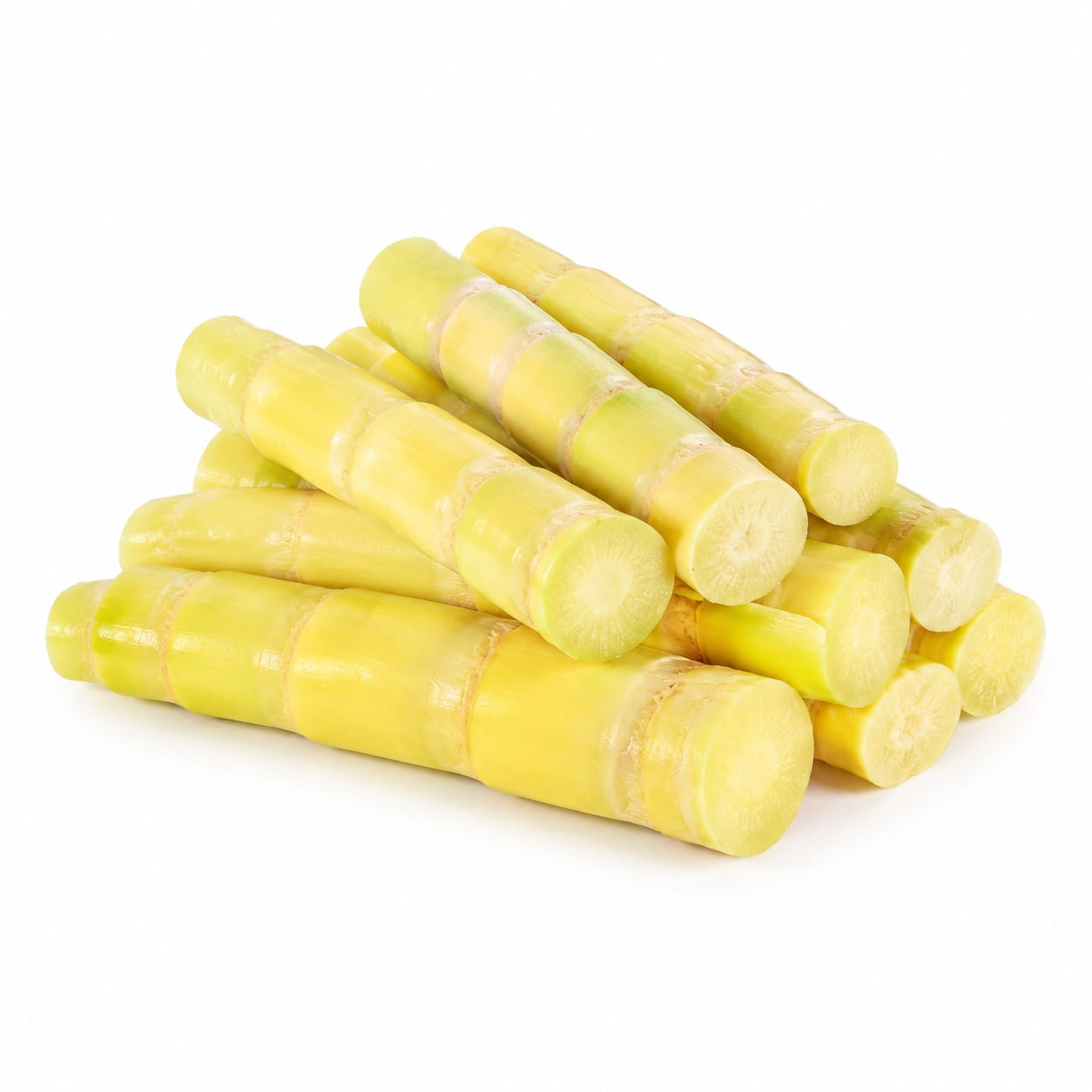
Water Bamboo
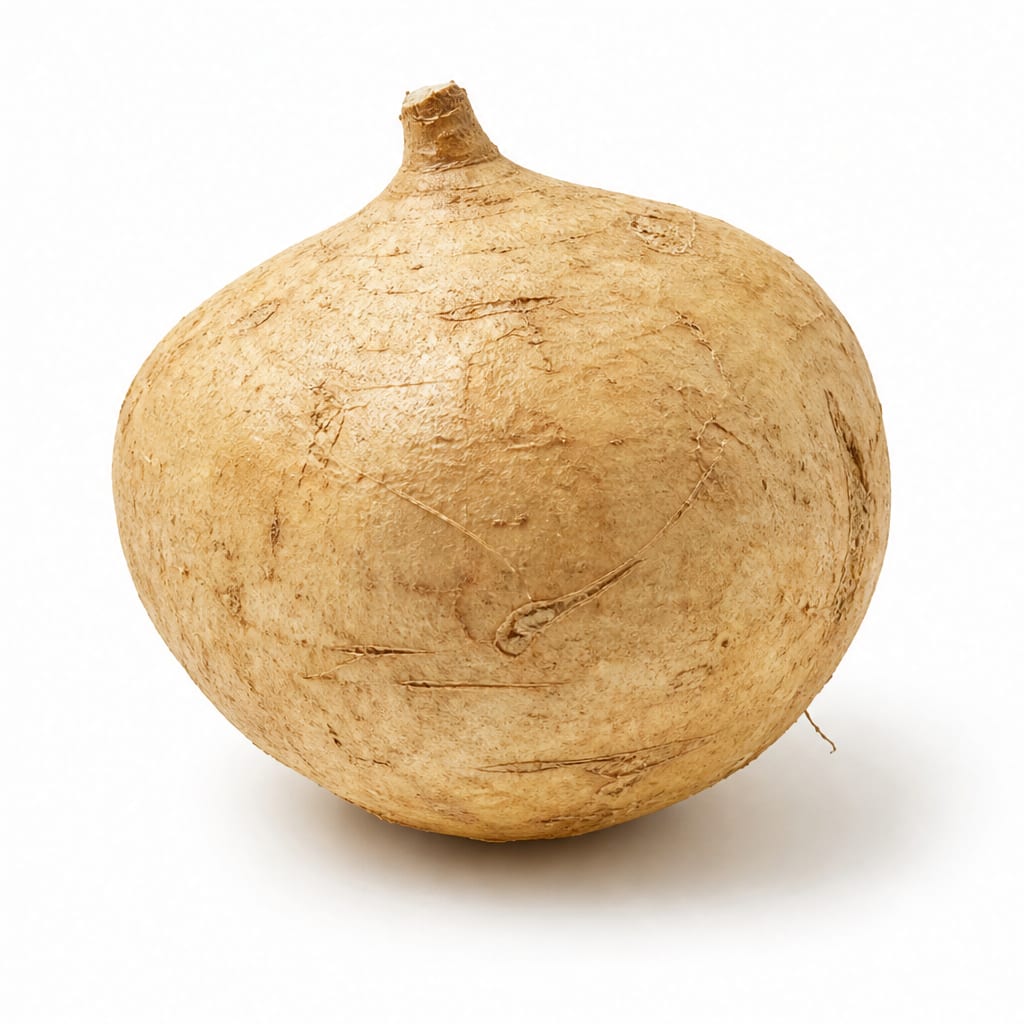
Jicama
Jicama edges ahead with superior prebiotic fiber, raw edibility, and broader availability, though water bamboo offers a unique savory cooking ingredient.
Jicama scores higher due to its prebiotic fiber advantage, raw convenience, and wider availability. Water bamboo remains a strong choice for cooked applications but loses points on accessibility and the requirement to cook before eating.
Jicama delivers better gut health benefits and grab-and-go convenience, while water bamboo brings a richer umami profile and more protein for cooked dishes.
At a glance
Executive summary
Overall
Jicama
Healthier
Jicama
More practical
Jicama
Daily use
Jicama
Key comparison lenses
low-calorie snacking and weight management
Both foods are extremely low in calories and commonly chosen as diet-friendly snack options
digestive health and gut support
Jicama's prebiotic inulin fiber creates a significant gut health distinction worth exploring
raw vs cooked preparation preferences
Jicama excels raw while water bamboo typically requires cooking, affecting convenience and use cases
hydration and refreshment
Both are high-water-content vegetables often chosen for their crisp, refreshing qualities
blood sugar management
Both are low-glycemic options but differ meaningfully in fiber type and impact on glucose stability
Best choice for
Water Bamboo
- Stir-fry enthusiasts wanting a crisp, savory vegetable
- People seeking higher protein content in a low-calorie vegetable
- Those who enjoy East Asian cooking traditions
- Anyone wanting a cooked vegetable with satisfying bite and umami depth
Jicama
- Raw snackers craving something crisp and hydrating
- Gut health optimizers wanting prebiotic inulin fiber
- Weight loss dieters needing an ultra-low-calorie crunch
- Meal preppers wanting a vegetable that stores well raw
Least suitable for
Water Bamboo
- People wanting a ready-to-eat raw snack
- Those with limited access to Asian grocery stores
- Anyone uncomfortable cooking aquatic vegetables due to parasite concerns
Jicama
- People with inulin sensitivity or FODMAP restrictions
- Those wanting a savory cooking vegetable for hot dishes
- Anyone looking for significant protein content from their vegetable
Deep comparison
Dimension by dimension
Each lens scores both foods and breaks down who each option suits.
- Dimension 1 · Priority 95Jicama
Fiber Quality and Gut Health
Water Bamboo · 55Jicama · 90Jicama's inulin-rich fiber actively feeds beneficial gut bacteria, while water bamboo's fiber is more conventional and less impactful on microbiome health.
Tradeoff
Water bamboo still provides decent fiber, but lacks the targeted prebiotic effect that makes jicama a gut health standout.
Why it matters
Prebiotic fiber doesn't just keep you regular — it strengthens your immune system, reduces inflammation, and improves nutrient absorption over time.
Real-world impact
Eating jicama regularly can mean less bloating, more consistent digestion, and a stronger gut lining compared to water bamboo.
Water Bamboo
- People who find inulin causes gas or bloating
Better for
- People specifically seeking prebiotic benefits
Worse for
Jicama
- Anyone building a gut-friendly eating pattern
- People recovering from antibiotic use
- Those wanting to support immune health through diet
Better for
- People on a strict low-FODMAP diet
Worse for
- Dimension 2 · Priority 90Jicama
Calorie Density and Weight Management
Water Bamboo · 72Jicama · 88Jicama is slightly lower in calories per serving and its fiber keeps you fuller longer, making it the more effective weight-loss companion.
Tradeoff
Water bamboo is still very low in calories, but jicama's crunch and sweetness make it more satisfying as a standalone snack, reducing the urge to overeat.
Why it matters
When cutting calories, satisfaction matters as much as numbers. A snack that feels indulgent prevents rebound eating.
Real-world impact
A plate of jicama sticks with lime feels like a generous snack for under 50 calories. Water bamboo needs cooking and pairing, which adds calories.
Water Bamboo
- Those who prefer cooked vegetables over raw snacks
Better for
- Those wanting maximum volume for minimum calories
Worse for
Jicama
- Grazers who need a low-calorie crunch
- Anyone tracking calories closely
- People who snack while working or watching TV
Better for
- People who find raw vegetables unsatisfying
Worse for
- Dimension 3 · Priority 88Jicama
Convenience and Raw Edibility
Water Bamboo · 35Jicama · 92Jicama can be peeled and eaten immediately, while water bamboo must be cooked to be safe and palatable, creating a major convenience gap.
Tradeoff
Water bamboo's cooking requirement means it's better suited for intentional meal preparation, while jicama works for spontaneous snacking.
Why it matters
The easier a healthy food is to eat, the more likely you are to actually eat it instead of reaching for processed alternatives.
Real-world impact
Jicama sticks can be prepped in 2 minutes for the week. Water bamboo requires washing, trimming, and at least 5-10 minutes of cooking each time.
Water Bamboo
- Home cooks who enjoy preparing stir-fries and soups
Better for
- Anyone short on time for food preparation
- People who dislike cooking
Worse for
Jicama
- Busy people needing instant healthy snacks
- Meal preppers wanting grab-and-go options
- Office snackers who want something crunchy at their desk
Better for
- Those who only want cooked vegetables in meals
Worse for
- Dimension 4 · Priority 72Water Bamboo
Protein and Nutrient Density
Water Bamboo · 70Jicama · 50Water bamboo contains roughly twice the protein of jicama and offers more B vitamins, making it the more nutrient-dense option per bite when cooked.
Tradeoff
Neither is a protein powerhouse, but water bamboo's edge matters more in plant-forward diets where every gram counts.
Why it matters
In low-calorie vegetables, protein content is a bonus that supports satiety and muscle maintenance without adding calories.
Real-world impact
A serving of water bamboo in a stir-fry contributes meaningfully to your daily protein, while jicama's protein is negligible.
Water Bamboo
- Vegetarians and vegans counting protein grams
- Those building balanced meals around vegetables
Better for
- Those expecting significant protein from any single vegetable
Worse for
Jicama
- People getting protein from other sources already
Better for
- Plant-based eaters trying to maximize protein per calorie
Worse for
- Dimension 5 · Priority 75Jicama
Hydration and Refreshment
Water Bamboo · 70Jicama · 85Both are hydrating, but jicama's crisp, sweet juiciness eaten raw feels more refreshing, especially in hot weather.
Tradeoff
Water bamboo is hydrating when cooked in soups, but loses some of the immediate refreshment factor that makes jicama popular in summer.
Why it matters
Hydrating foods help with energy, skin health, and appetite control — and the more appealing they taste, the more water you naturally consume.
Real-world impact
On a hot afternoon, cold jicama sticks with chili and lime hit differently than a bowl of cooked water bamboo.
Water Bamboo
- Those who prefer warm, comforting hydration in soups
Better for
- People wanting a cooling raw snack
Worse for
Jicama
- Hot climate dwellers wanting cooling snacks
- Athletes needing post-workout refreshment
- Anyone who struggles to drink enough water
Better for
- Those who find cold raw foods unappealing
Worse for
- Dimension 6 · Priority 70It depends
Culinary Versatility
Water Bamboo · 72Jicama · 72Water bamboo shines in cooked dishes like stir-fries and soups, while jicama dominates raw applications and salads. They complement rather than compete.
Tradeoff
Choosing one means missing the other's unique culinary strengths — water bamboo's savory depth versus jicama's bright crunch.
Why it matters
A food's versatility determines how often you'll actually use it, which directly impacts its nutritional value in your real diet.
Real-world impact
Jicama works in salads, slaws, and as a chip replacement. Water bamboo transforms stir-fries and adds substance to broths.
Water Bamboo
- Fans of Asian stir-fry and noodle dishes
- Home cooks wanting a savory vegetable with bite
Better for
- Anyone wanting a raw salad ingredient
Worse for
Jicama
- Salad lovers wanting extra crunch
- Those who enjoy Mexican and Southeast Asian raw preparations
Better for
- Those wanting a vegetable that absorbs flavors in cooking
Worse for
- Dimension 7 · Priority 68Jicama
Availability and Accessibility
Water Bamboo · 40Jicama · 80Jicama is widely available in mainstream grocery stores across North America, while water bamboo is mostly found in Asian specialty markets.
Tradeoff
Water bamboo's limited availability makes it a special-occasion ingredient for most people, while jicama can be a weekly staple.
Why it matters
The healthiest food only works if you can actually find and afford it consistently.
Real-world impact
Most people can grab jicama at any supermarket. Water bamboo might require a trip to a specialty store or online order.
Water Bamboo
- People living near well-stocked Asian grocery stores
- Those who enjoy seeking out specialty ingredients
Better for
- Rural shoppers with limited store options
- Those unwilling to make special trips for ingredients
Worse for
Jicama
- Anyone shopping at conventional grocery stores
- People in areas with limited specialty food access
Better for
- People in regions where jicama is uncommon
Worse for
Timeline
Health impact over time
Short-term
Hours to days
Water Bamboo
- Provides satisfying bulk in cooked meals without excess calories
- Requires cooking, which adds preparation time before any nutritional benefit
- May cause mild digestive adjustment if you're not used to high-fiber aquatic vegetables
Jicama
- Delivers immediate hydration and refreshment when eaten raw
- Inulin fiber can cause gas or bloating in sensitive individuals, especially with large portions
- Vitamin C content supports quick immune and energy support
Long-term
Months to years
Water Bamboo
- Regular consumption supports steady fiber intake and digestive regularity
- Protein contribution adds up meaningfully in plant-forward diets over time
- Cooking water bamboo in soups may help with overall hydration habits
Jicama
- Consistent prebiotic fiber intake strengthens gut microbiome diversity and resilience
- Low calorie density supports sustainable weight management without feeling deprived
- Vitamin C and antioxidant compounds may reduce chronic inflammation over years
Risk profile
Safety & processing
Both water bamboo and jicama are whole, minimally processed vegetables typically sold fresh. Neither carries significant additive concerns when purchased in their natural state.
Water Bamboo
Parasite contamination from aquatic growing conditions
mediumWater bamboo grows in water and can harbor parasites or bacteria on the surface. Thorough cooking eliminates this risk entirely.
Bacterial contamination from stagnant water
lowProper washing and cooking make this a minor concern, but raw consumption is not recommended.
Jicama
Toxic compounds in skin and above-ground plant parts
mediumJicama skin, leaves, and vines contain rotenone, a natural toxin. Only the peeled root flesh is safe to eat. Always peel thoroughly.
Inulin overload causing digestive distress
lowLarge portions of jicama can cause significant gas and bloating in people unaccustomed to high inulin intake. Start with small servings.
Who wins for whom
Audience fit
Same foods, different winners depending on your goal.
children
JicamaJicama's mild sweetness and fun crunch appeal to kids as a raw snack, while water bamboo requires cooking and has a more acquired taste.
daily consumption
JicamaJicama's convenience, availability, and gut health benefits make it more sustainable as a daily habit for most people.
diabetes
JicamaJicama's inulin fiber slows glucose absorption more effectively, and its raw form avoids any added cooking oils or sauces that could spike blood sugar.
elderly
JicamaJicama's soft-crisp texture is easier to chew for aging teeth, and its prebiotic fiber supports the gut health that becomes more critical with age.
muscle gain
Water BambooWater bamboo's higher protein content, while modest, gives it a slight edge for those tracking every gram in a muscle-building phase.
weight loss
JicamaJicama's lower calorie density, raw convenience, and satisfying crunch make it easier to stick with a calorie deficit without feeling deprived.
Your move
Decision guide
Choose Water Bamboo
- You love cooking stir-fries and want a vegetable with satisfying bite and savory depth
- You have access to a good Asian grocery store and enjoy exploring ingredients
- You're tracking protein carefully on a plant-based diet
- You prefer warm, cooked vegetables over raw snacks
Choose Jicama
- You want a ready-to-eat healthy snack that requires zero cooking
- Gut health and prebiotic fiber are priorities for you
- You're managing your weight and need a low-calorie crunch that actually satisfies
- You want something hydrating and refreshing, especially in warm weather
Either works if
- You simply want more vegetable variety in your diet
- Both are available and you're curious about different culinary traditions
- You're building a high-fiber, low-calorie eating pattern
Avoid both if
- You have severe FODMAP sensitivities that react to inulin and certain fibers
- You're looking for a significant protein source rather than a vegetable side
Final recommendation
Keep jicama as your everyday crunchy snack for gut health and convenience, and treat water bamboo as a special-occasion cooking ingredient when you want something savory and satisfying in stir-fries. They serve different purposes, and the best choice depends on whether you're reaching for a raw snack or cooking a meal.
Practical
Consumer tips
- 1
Peel jicama completely — the skin contains rotenone and should never be eaten
- 2
Always cook water bamboo thoroughly before eating to eliminate any parasite risk
- 3
Start with small portions of jicama if you're new to inulin-rich foods to avoid gas and bloating
- 4
Cut jicama into sticks and store in water in the fridge for up to 3 days of easy snacking
- 5
Slice water bamboo thinly for faster, more even cooking in stir-fries
- 6
Try jicama with chili powder and lime for a simple, flavorful snack that feels indulgent
- 7
If you can't find fresh water bamboo, check the frozen section of Asian grocery stores