
Nutrition comparison
Water Bamboo vs Asparagus: Nutrition, Health Benefits, and Which to Choose
Compare Water Bamboo and Asparagus nutrition, fiber, vitamins, and health benefits. Learn which vegetable is better for weight loss, gut health, and daily eating.
Overall winner · Asparagus
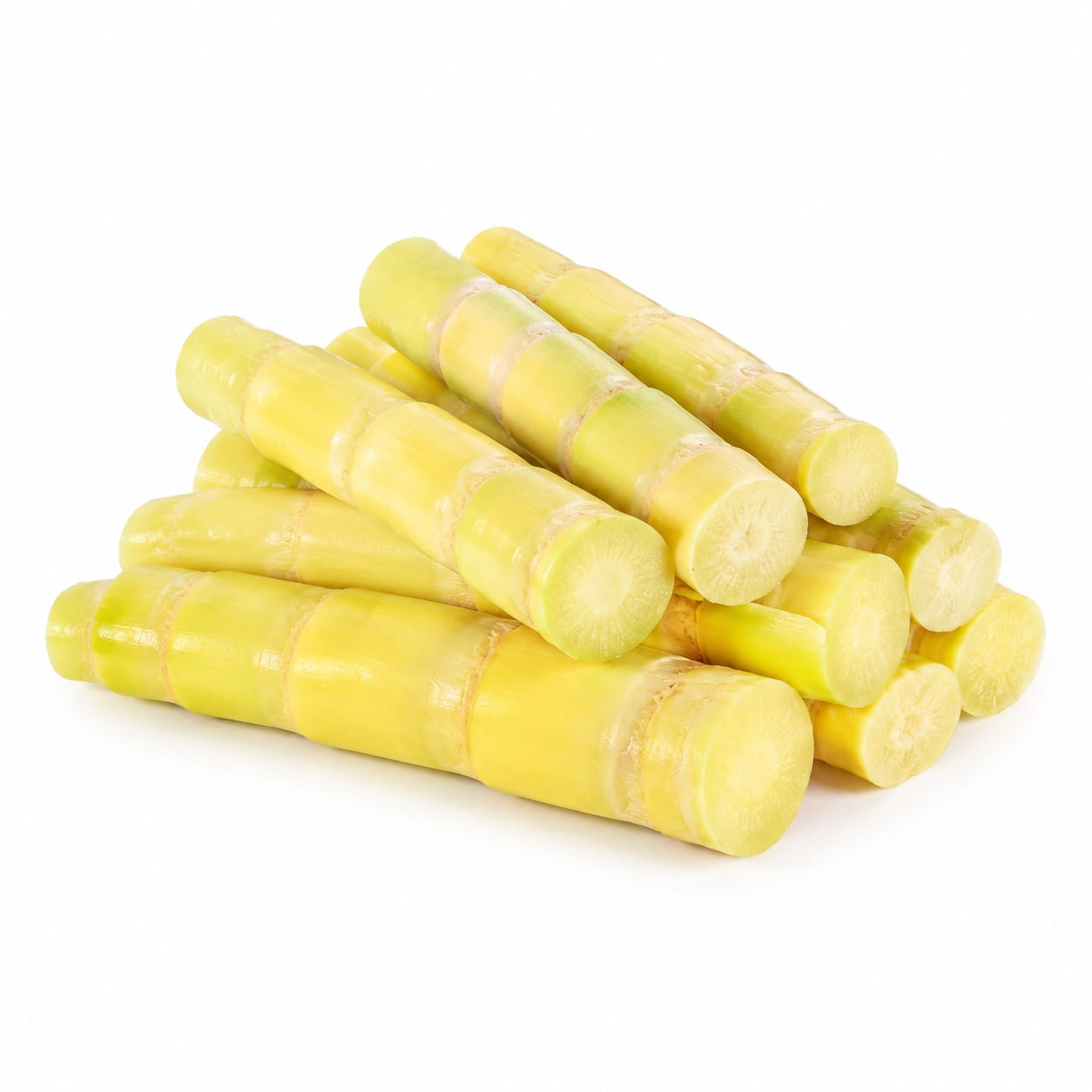
Water Bamboo
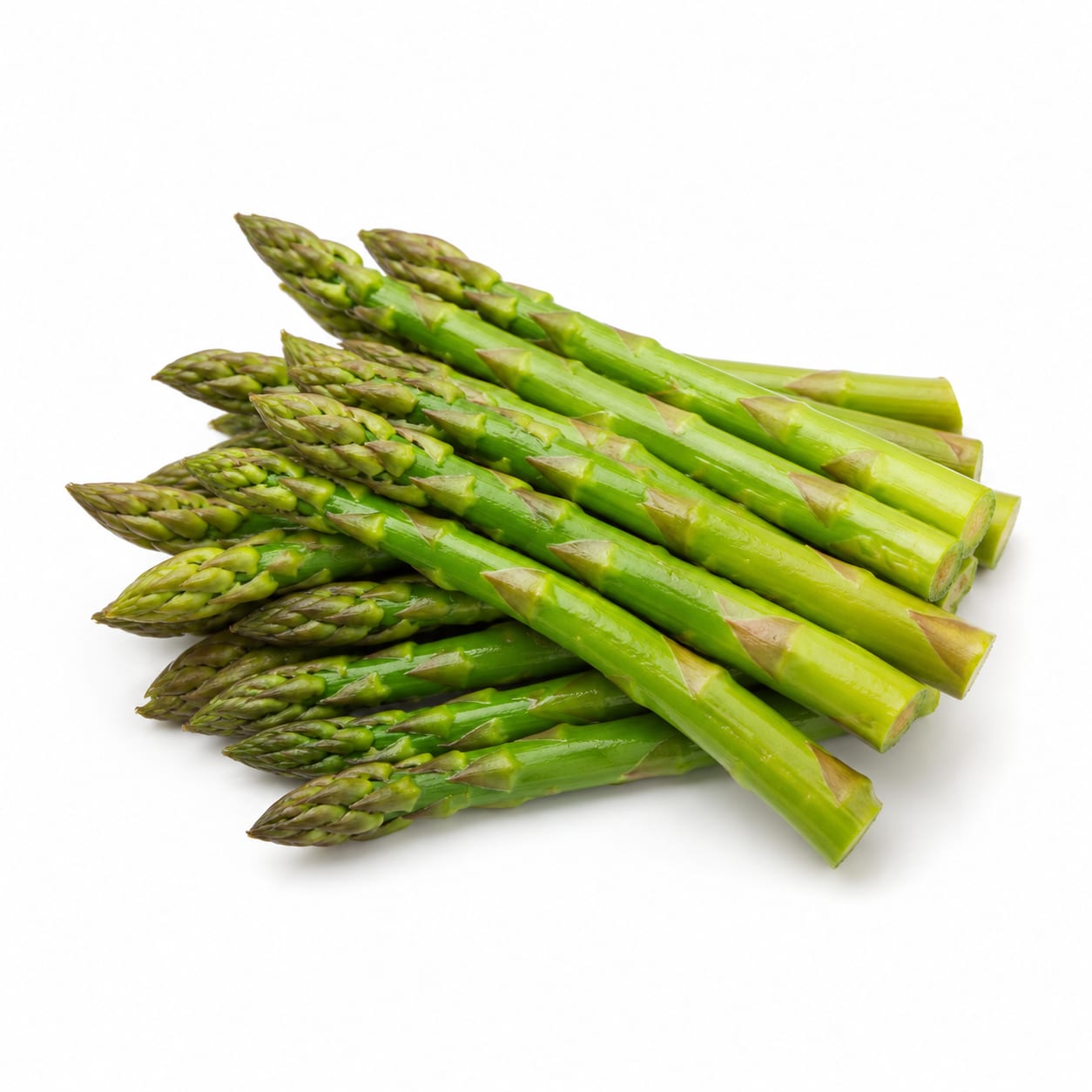
Asparagus
Asparagus wins on nutritional firepower and accessibility, but Water Bamboo offers a unique crisp texture and lighter eating experience that asparagus cannot replicate.
Asparagus scores notably higher due to its superior vitamin content, prebiotic fiber, and widespread availability. Water Bamboo remains a perfectly healthy choice but offers less nutritional impact per serving and is harder to find for most consumers.
You get far more vitamins and gut-healing fiber with Asparagus, but Water Bamboo delivers a refreshing crunch and milder flavor that works better in certain dishes and for sensitive palates.
At a glance
Executive summary
Overall
Asparagus
Healthier
Asparagus
More practical
Asparagus
Daily use
Asparagus
Key comparison lenses
nutrient density and vitamin profile
Asparagus delivers dramatically more folate, vitamin K, and B vitamins per serving, making this the most consequential difference between these two vegetables
digestive and gut health benefits
Asparagus contains inulin, a powerful prebiotic fiber, while Water Bamboo offers bulk fiber but less targeted gut microbiome support
culinary accessibility and everyday practicality
Asparagus is available in nearly every grocery store year-round, while Water Bamboo requires Asian markets or specialty shops for most Western consumers
detoxification and liver support
Asparagus has a well-documented reputation for supporting liver function and acting as a natural diuretic, which matters for health-conscious users
weight management and satiety
Both are extremely low-calorie vegetables, but differences in fiber type and protein content affect how filling each feels
Best choice for
Water Bamboo
- People who find asparagus flavor too strong or earthy
- Those seeking a crisp, water-rich vegetable for hot weather meals
- Anyone cooking Asian stir-fries where texture matters more than vitamin density
- Sensitive stomachs that struggle with asparagus-related bloating
Asparagus
- Pregnant women or those planning pregnancy needing folate
- Anyone focused on gut health and prebiotic fiber intake
- People wanting maximum nutrition per calorie eaten
- Those who value easy grocery availability and meal prep convenience
Least suitable for
Water Bamboo
- People relying on a single vegetable for vitamin K or folate needs
- Those without access to Asian grocery stores
- Anyone wanting strong, complex flavor from their vegetables
Asparagus
- People prone to gout attacks triggered by purine-rich foods
- Those bothered by the urine odor asparagus causes
- Anyone who finds the fibrous woody stems frustrating to prepare
Deep comparison
Dimension by dimension
Each lens scores both foods and breaks down who each option suits.
- Dimension 1 · Priority 95Asparagus
Vitamin and Mineral Density
Water Bamboo · 40Asparagus · 90Asparagus dominates this category with exceptional folate, vitamin K, and B-vitamin content that Water Bamboo simply cannot match.
Tradeoff
Water Bamboo provides decent potassium and some B vitamins, but you would need to eat significantly more volume to approach the micronutrient levels in a single serving of asparagus.
Why it matters
Folate supports cell repair and is critical during pregnancy. Vitamin K strengthens bones and helps with blood clotting. These are not minor nutritional differences.
Real-world impact
A single cup of asparagus delivers over 70% of your daily vitamin K needs and nearly 70% of folate. Water Bamboo provides less than 10% of either.
Water Bamboo
- Potassium intake for blood pressure management
Better for
- Anyone counting on vegetables for folate
- Those needing vitamin K for bone density support
Worse for
Asparagus
- Folate needs especially during pregnancy
- Bone health through vitamin K
- B-vitamin support for energy metabolism
- Iron absorption assistance via vitamin C content
Better for
- People on blood thinners who must limit vitamin K intake
Worse for
- Dimension 2 · Priority 88Asparagus
Fiber Quality and Gut Health
Water Bamboo · 60Asparagus · 85Both vegetables provide fiber, but Asparagus contains inulin, a prebiotic fiber that actively feeds beneficial gut bacteria in ways Water Bamboo does not.
Tradeoff
Water Bamboo offers gentler bulk fiber that is easier on sensitive digestive systems, while asparagus provides more targeted microbiome support but can cause gas in some people.
Why it matters
Prebiotic fiber from asparagus helps your gut bacteria produce short-chain fatty acids, which reduce inflammation and strengthen your intestinal lining.
Real-world impact
Regular asparagus eaters often notice improved digestion over weeks. Water Bamboo keeps things moving but does not actively rebuild gut flora the same way.
Water Bamboo
- Those with IBS who react to inulin and prebiotic fibers
- People wanting gentle regularity without bloating
Better for
- Those specifically looking for prebiotic effects
Worse for
Asparagus
- Anyone rebuilding gut health after antibiotics
- Those wanting to feed beneficial bacteria like bifidobacteria
- People seeking anti-inflammatory gut benefits
Better for
- FODMAP-sensitive individuals who react to inulin
- People already experiencing bloating from fiber
Worse for
- Dimension 3 · Priority 82Asparagus
Antioxidant and Anti-inflammatory Power
Water Bamboo · 55Asparagus · 80Asparagus contains glutathione and saponins with documented anti-inflammatory effects, while Water Bamboo offers antioxidants but with less research backing.
Tradeoff
Water Bamboo still provides useful antioxidants, particularly phenolic compounds, but the clinical evidence for asparagus is substantially stronger.
Why it matters
Chronic inflammation drives heart disease, arthritis, and aging. Vegetables with proven anti-inflammatory compounds offer more than theoretical benefits.
Real-world impact
Asparagus has been studied for reducing markers of oxidative stress. Water Bamboo likely helps too, but the research trail is thinner.
Water Bamboo
- Those seeking cooling traditional medicine properties
Better for
- Those wanting clinically validated anti-inflammatory foods
Worse for
Asparagus
- People managing chronic inflammation conditions
- Those wanting evidence-backed antioxidant vegetables
- Anyone focused on cellular defense and aging
Better for
- People who assume all green vegetables have equal antioxidant power
Worse for
- Dimension 4 · Priority 75It depends
Satiety and Weight Management
Water Bamboo · 65Asparagus · 68Both are extremely low-calorie vegetables, but asparagus has slightly more protein per calorie while Water Bamboo has a higher water content that some find more filling.
Tradeoff
Water Bamboo feels lighter and more hydrating, which can satisfy the desire to eat volume. Asparagus provides slightly more protein and fiber density per bite.
Why it matters
For weight loss, the vegetable you actually enjoy eating regularly matters more than small calorie differences.
Real-world impact
A large bowl of Water Bamboo feels like a substantial portion due to its water volume. Asparagus feels more nutrient-dense per forkful but less voluminous.
Water Bamboo
- Volume eaters who want large portions for few calories
- Hot weather meals where heavy food feels unappealing
Better for
- Those needing protein from every food source possible
Worse for
Asparagus
- Those wanting more protein even from vegetable sources
- People who find fiber-dense foods more satiating than water-rich ones
Better for
- Volume eaters who feel unsatisfied with small nutrient-dense portions
Worse for
- Dimension 5 · Priority 78Asparagus
Availability and Practical Convenience
Water Bamboo · 30Asparagus · 85Asparagus is available in virtually every supermarket year-round. Water Bamboo requires specialty Asian markets or canned versions for most people.
Tradeoff
Fresh Water Bamboo delivers superior texture and flavor but is genuinely difficult to find. Canned versions lose much of what makes it special.
Why it matters
The healthiest vegetable is the one you can actually buy and eat consistently. Availability directly impacts long-term dietary habits.
Real-world impact
Most Americans would need to make a separate trip to an Asian grocery for Water Bamboo. Asparagus can be grabbed during any regular shopping run.
Water Bamboo
- People living near Asian markets with fresh stock
- Cooking Asian cuisine regularly where ingredients are already stocked
Better for
- Anyone without Asian grocery access
- Last-minute meal planners
- Budget shoppers who cannot make multiple shopping trips
Worse for
Asparagus
- Anyone doing standard grocery shopping
- Meal preppers who need reliable ingredient access
- People in rural areas with limited specialty store access
Better for
- Those in regions where asparagus is imported and expensive
Worse for
- Dimension 6 · Priority 70It depends
Culinary Versatility and Flavor
Water Bamboo · 65Asparagus · 72Asparagus works across Western cooking methods from roasting to grilling to steaming. Water Bamboo excels in Asian preparations but has a narrower culinary range for most home cooks.
Tradeoff
Water Bamboo offers a unique crisp-tender texture that nothing else replicates. Asparagus offers deeper flavor complexity and broader recipe compatibility.
Why it matters
Flavor fatigue is real. The vegetable that fits into more of your regular recipes is the one you will keep eating.
Real-world impact
Asparagus pairs with eggs, pasta, risotto, and grilled meats effortlessly. Water Bamboo shines in stir-fries and soups but feels out of place in most Western dishes.
Water Bamboo
- Stir-fry enthusiasts wanting authentic texture
- Those who prefer mild, neutral vegetable flavors
- Hot pot and soup preparations where crunch matters
Better for
- Anyone wanting a vegetable for roasting or grilling
- People unfamiliar with Asian cooking techniques
Worse for
Asparagus
- Home cooks wanting a vegetable that works across cuisines
- Grilling and roasting fans
- Those who enjoy bold, earthy vegetable flavors
Better for
- Those who find asparagus flavor overpowering
- Stir-fry cooks wanting that specific water chestnut-like crunch
Worse for
Timeline
Health impact over time
Short-term
Hours to days
Water Bamboo
- Light, hydrated feeling after eating due to high water content
- Gentle digestive regularity without bloating
- Minimal blood sugar impact making it safe for diabetics
- Refreshing crunch that satisfies without heaviness
Asparagus
- Noticeable diuretic effect reducing water retention within hours
- Possible urine odor within 30 minutes due to asparagusic acid breakdown
- Potential gas or bloating from inulin fermentation in sensitive individuals
- Quick folate and vitamin K absorption supporting immediate cellular needs
Long-term
Months to years
Water Bamboo
- Consistent gentle fiber intake supporting regular digestion
- Moderate antioxidant contribution to overall cellular protection
- Low calorie intake supporting weight maintenance without feeling deprived
- Potassium contribution to long-term blood pressure management
Asparagus
- Significant folate intake reducing birth defect risk and supporting cell repair
- Prebiotic fiber reshaping gut microbiome toward healthier composition over months
- Glutathione intake supporting liver detoxification pathways long-term
- Vitamin K accumulation strengthening bone density and reducing fracture risk
- Purine load potentially aggravating gout in susceptible individuals over years
Risk profile
Safety & processing
Both vegetables are whole foods in their natural state. However, canned Water Bamboo often contains preservatives and loses texture, making fresh the only version worth eating. Fresh asparagus is almost always sold without additives.
Water Bamboo
Canned version preservatives and BPA exposure
mediumCanned Water Bamboo often contains sulfites and may have BPA from can linings. Fresh versions avoid this entirely but are harder to find.
Aquatic environment contamination
lowWater Bamboo grows in water and could theoretically accumulate heavy metals from polluted waterways, though this is rarely a documented problem in commercial supplies.
Asparagus
Pesticide residue on conventional asparagus
mediumAsparagus is not on the highest pesticide lists but conventional farming uses fungicides. Washing thoroughly or choosing organic reduces exposure.
Gout aggravation from purines
mediumAsparagus contains moderate purine levels that can trigger gout flares in susceptible individuals. Not dangerous for most people but relevant for those with gout history.
Who wins for whom
Audience fit
Same foods, different winners depending on your goal.
children
Water BambooWater Bamboo has a milder flavor and fun crunchy texture that children often accept more readily than asparagus, which many kids find bitter or strange.
daily consumption
AsparagusAsparagus is easier to find, more nutrient-dense, and offers broader health benefits that accumulate with daily intake. Water Bamboo is healthy but harder to source consistently.
diabetes
AsparagusBoth have minimal impact on blood sugar, but asparagus offers more fiber and chromium content that supports insulin sensitivity alongside its prebiotic benefits for metabolic health.
elderly
AsparagusAsparagus provides folate and vitamin K that become increasingly important with age for cognitive function and bone density, plus its prebiotic fiber helps with common age-related gut issues.
muscle gain
AsparagusNeither vegetable is a protein source, but asparagus provides marginally more protein and significantly more B vitamins that support energy metabolism during training.
weight loss
AsparagusBoth are extremely low calorie, but asparagus provides more nutrients per calorie and has slightly more protein and fiber density, making it more satiating for the calories consumed.
Your move
Decision guide
Choose Water Bamboo
- You live near an Asian grocery with fresh Water Bamboo stock
- You want a mild, crunchy vegetable for stir-fries and soups
- Asparagus flavor or texture does not appeal to you
- You struggle with bloating from prebiotic fibers
- You are cooking Asian cuisine and want authentic ingredients
- You prefer eating large volumes of food for few calories
Choose Asparagus
- You want maximum nutrition from every vegetable serving
- You are pregnant, trying to conceive, or need folate support
- Gut health and prebiotic fiber are priorities for you
- You want a vegetable available at any grocery store anytime
- You enjoy roasting, grilling, or adding vegetables to eggs and pasta
- Long-term bone density and liver support matter to you
Either works if
- You simply want more vegetables in your diet regardless of type
- Both fit your calorie and macronutrient goals easily
- You enjoy variety and could rotate between both vegetables
- Blood sugar management is your primary concern since both are safe
Avoid both if
- You have a known allergy to either vegetable, which is rare but possible
- You are on a very strict low-fiber diet for acute digestive conditions
Final recommendation
Make Asparagus your default green vegetable for its superior nutrient density, gut health benefits, and easy availability. Add Water Bamboo when you find it fresh and want its unique crunch in Asian dishes. Think of Asparagus as your daily driver and Water Bamboo as a specialty ingredient that adds variety when accessible.
Practical
Consumer tips
- 1
Fresh Water Bamboo should feel firm and look white to pale green. Avoid slimy or yellowing shoots.
- 2
Canned Water Bamboo loses the signature crunch that makes it special. Fresh is worth the extra effort to find.
- 3
Asparagus woody ends snap off naturally when bent. This is faster and more reliable than cutting with a knife.
- 4
Roasting asparagus with olive oil and salt at 400°F for 12 minutes brings out natural sweetness that even skeptics enjoy.
- 5
Water Bamboo cooks fast. Overcooking destroys the texture that makes it worthwhile. Three minutes in a stir-fry is plenty.
- 6
If asparagus causes bloating, try smaller portions and cook it longer. The inulin breaks down somewhat with extended cooking.
- 7
Both vegetables freeze poorly compared to other options. Buy fresh and use within a few days for best results.