
Nutrition comparison
Water Bamboo vs Cucumber: Nutrition, Satiety, and Which to Choose
Compare Water Bamboo and Cucumber side by side. Discover which offers more fiber, better satiety, easier preparation, and safer consumption for your diet goals.
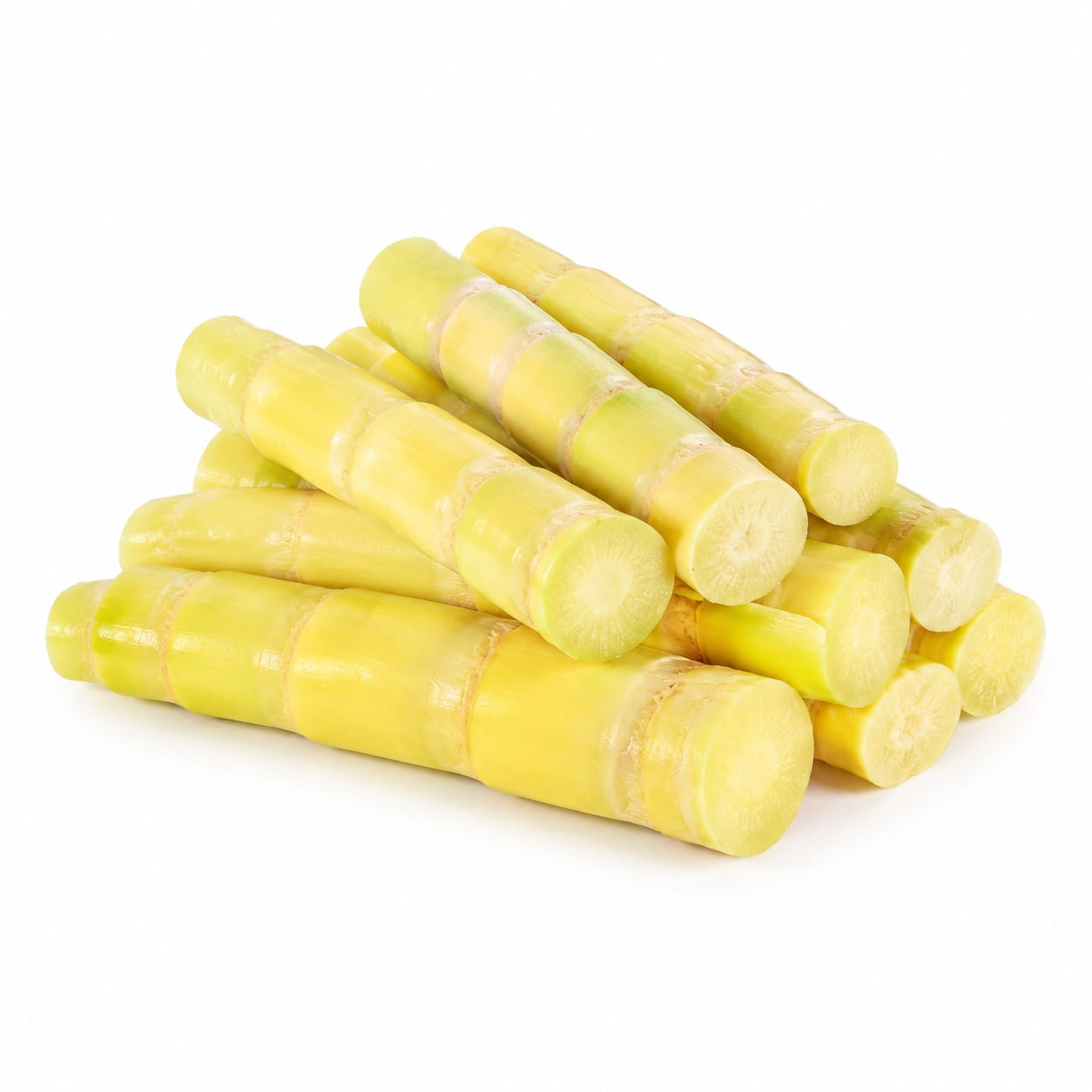
Water Bamboo
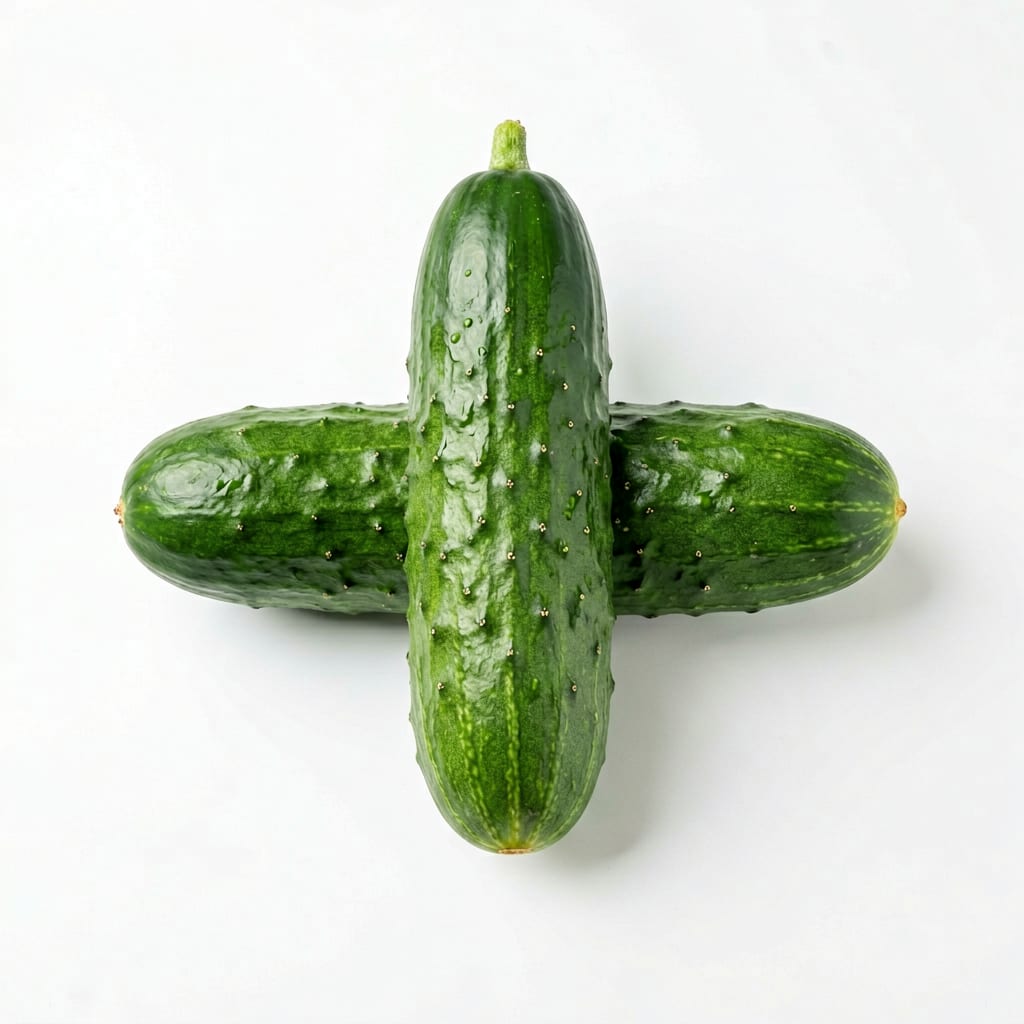
Cucumber
Cucumber wins on convenience and raw snacking, while Water Bamboo offers more fiber and a heartier texture for cooked dishes.
Water Bamboo edges ahead nutritionally with more fiber and minerals, but Cucumber's unmatched convenience and universal availability keep it competitive for daily use.
Instant grab-and-go hydration versus a more nutrient-dense vegetable that requires cooking but delivers better satiety.
At a glance
Executive summary
Overall
It depends
Healthier
Water Bamboo
More practical
Cucumber
Daily use
Cucumber
Key comparison lenses
low-calorie snacking and weight management
Both foods are extremely low in calories and high in water, making them popular for weight-conscious eaters
convenience and raw vs cooked preparation
Cucumber is eaten raw while Water Bamboo typically requires cooking, creating a major practical tradeoff
nutrient density comparison between aquatic vegetables
Users want to know if the extra effort of preparing Water Bamboo yields meaningful nutritional benefits
digestive comfort and gut tolerance
Both are water-rich vegetables but differ significantly in fiber type and digestive impact
food safety for aquatic vs garden vegetables
Water Bamboo grows in aquatic environments with unique contamination risks compared to garden-grown cucumbers
Best choice for
Water Bamboo
- People wanting more fiber and sustained fullness from low-calorie vegetables
- Cooked vegetable dishes where texture and slight sweetness matter
- Those managing blood sugar who benefit from slower-digesting carbs
- Anyone bored with raw salads and craving a warm, satisfying side dish
Cucumber
- Raw snackers who want zero-prep hydration and crunch
- Meal preppers needing a shelf-stable salad base
- Hot weather refreshment with minimal effort
- People with sensitive digestion who struggle with cooked fibrous vegetables
Least suitable for
Water Bamboo
- Anyone needing instant no-cook snacking options
- People unfamiliar with cooking aquatic vegetables
- Those concerned about parasitic contamination from raw aquatic produce
Cucumber
- People seeking substantial fiber or satiety from their vegetables
- Anyone wanting a warm, comforting vegetable dish
- Those who find raw cucumber causes bloating or heartburn
Deep comparison
Dimension by dimension
Each lens scores both foods and breaks down who each option suits.
- Dimension 1 · Priority 90Cucumber
Hydration & Refreshment
Water Bamboo · 72Cucumber · 95Cucumber is nearly 96% water and delivers instant refreshment raw. Water Bamboo is hydrating but needs cooking, which changes the experience entirely.
Tradeoff
You get more water volume per bite from Cucumber, but Water Bamboo's cooked texture feels more satisfying in a meal context.
Why it matters
For hot days, post-workout hydration, or light snacking, raw water content beats cooked water content every time.
Real-world impact
Reaching for Cucumber on a summer afternoon feels immediately cooling. Water Bamboo satisfies hunger better but won't quench thirst the same way.
Water Bamboo
- Warm soups and stews where hydration comes from broth
- Cooked meals where you want substance alongside moisture
Better for
- Quick refreshment between activities
- Raw snacking when you're already thirsty
Worse for
Cucumber
- Direct thirst-quenching on hot days
- Raw salad hydration without any prep
Better for
- Warm comfort meals where cold crunch feels out of place
Worse for
- Dimension 2 · Priority 88Water Bamboo
Fiber & Satiety
Water Bamboo · 78Cucumber · 45Water Bamboo contains roughly 4-5 times more fiber than Cucumber, making it noticeably more filling per serving.
Tradeoff
More fiber means better fullness and steadier digestion, but it also requires cooking and may cause gas if you're not used to it.
Why it matters
If you're eating vegetables to stay full between meals, fiber content is the difference between satisfied and hungry again in 30 minutes.
Real-world impact
A Water Bamboo stir-fry keeps you full for a couple of hours. A Cucumber salad tastes great but leaves you reaching for more food sooner.
Water Bamboo
- Weight loss diets where satiety prevents overeating
- Managing afternoon hunger without extra calories
Better for
- Times when you want a light, non-filling snack
- Right before intense exercise when fiber causes discomfort
Worse for
Cucumber
- Light eating before events where you don't want to feel heavy
- Gentle digestion when your stomach is sensitive
Better for
- Replacing higher-calorie foods if it leaves you too hungry
Worse for
- Dimension 3 · Priority 82Water Bamboo
Nutrient Density
Water Bamboo · 70Cucumber · 50Water Bamboo provides more protein, phosphorus, and B vitamins per calorie. Cucumber offers decent vitamin K but is mostly water with trace nutrients.
Tradeoff
Neither is a nutritional powerhouse, but Water Bamboo gives you more per bite for the calories you spend.
Why it matters
When calories are limited, choosing vegetables that pack more nutrients per serving helps you avoid deficiencies without overeating.
Real-world impact
Eating Water Bamboo regularly contributes small but meaningful amounts of minerals. Cucumber mainly contributes hydration and very little else.
Water Bamboo
- Nutrient-conscious eaters maximizing value per calorie
- Plant-based diets needing mineral support from vegetables
Better for
- Being relied on as a primary nutrient source
Worse for
Cucumber
- Vitamin K intake for bone and blood health
- Situations where any vegetable is better than none
Better for
- Anyone expecting significant nutritional contribution beyond hydration
Worse for
- Dimension 4 · Priority 95Cucumber
Convenience & Practicality
Water Bamboo · 35Cucumber · 92Cucumber is wash-and-eat with zero cooking. Water Bamboo requires peeling, trimming, and cooking before it's safe and palatable.
Tradeoff
The extra prep for Water Bamboo rewards you with better texture and nutrition, but it's simply not available as a quick snack.
Why it matters
In real life, convenience often determines what you actually eat. The best vegetable nutritionally is useless if you never prepare it.
Real-world impact
Cucumber gets eaten daily because it's effortless. Water Bamboo sits in the fridge waiting for motivation to cook.
Water Bamboo
- Planned meals where cooking is already happening
- Weekend meal prep sessions
Better for
- Spontaneous snacking
- Quick lunch assembly
Worse for
Cucumber
- Busy weeknights with no time to cook
- Office snacks and lunchbox additions
- Travel and on-the-go eating
Better for
- Cooked dishes where raw crunch is unwanted
Worse for
- Dimension 5 · Priority 72It depends
Digestive Tolerance
Water Bamboo · 65Cucumber · 60Both are generally gentle, but they bother different people. Cucumber can cause bloating from cucurbitacins, while Water Bamboo's fiber can cause gas if overeaten.
Tradeoff
Cooked Water Bamboo is easier on some stomachs than raw Cucumber, but its higher fiber can be too much for sensitive bowels.
Why it matters
The healthiest vegetable is the one your body actually tolerates well, not the one with the best nutrient profile.
Real-world impact
Some people feel gassy after Cucumber salads, while others find cooked Water Bamboo soothing. It's highly individual.
Water Bamboo
- People who find raw vegetables irritating
- Those who tolerate cooked fiber well
Better for
- IBS sufferers sensitive to fermentable fiber
- Those unaccustomed to higher-fiber vegetables
Worse for
Cucumber
- Anyone who digests raw produce easily
- Low-fiber diets requiring gentle foods
Better for
- People prone to cucumber-related bloating or heartburn
Worse for
- Dimension 6 · Priority 75Cucumber
Food Safety & Contamination Risk
Water Bamboo · 50Cucumber · 72Water Bamboo grows in aquatic environments that can harbor parasites and heavy metals. Cucumber has pesticide residue concerns but is generally safer when washed.
Tradeoff
Cooking eliminates most Water Bamboo risks, but the raw contamination potential is higher than garden vegetables. Cucumber's main risk is surface pesticides.
Why it matters
Aquatic vegetables carry unique risks that most consumers don't consider, especially if sourced from unclear origins.
Real-world impact
Properly cooked Water Bamboo is safe, but skipping the cooking step is genuinely risky. Cucumber just needs a good wash.
Water Bamboo
- Cooked preparations that eliminate parasite risks
- Sourcing from trusted clean-water farms
Better for
- Any attempt to eat it raw or undercooked
- Sourcing from unknown or polluted water sources
Worse for
Cucumber
- Raw consumption without safety worries
- Easy risk management through washing and peeling
Better for
- Conventionally grown cucumbers with thin skin retaining pesticides
Worse for
Timeline
Health impact over time
Short-term
Hours to days
Water Bamboo
- Provides noticeable fullness after a cooked meal due to higher fiber content
- Requires cooking time, which delays eating when you're hungry now
- May cause mild gas if you eat a large portion unaccustomed to the fiber
Cucumber
- Delivers instant hydration and cooling sensation when eaten raw
- Leaves you hungry again quickly due to minimal fiber and protein
- Can trigger bloating or burping in sensitive individuals
Long-term
Months to years
Water Bamboo
- Better sustained fiber intake supports gut health and regularity
- Mineral contributions from regular consumption add up meaningfully over time
- Requires consistent cooking habits to actually incorporate into your diet
Cucumber
- Excellent daily hydration habit with virtually no calorie cost
- Minimal nutritional contribution means it shouldn't replace more nutrient-dense vegetables
- Consistent raw vegetable intake supports healthy eating patterns overall
Risk profile
Safety & processing
Both are whole vegetables sold in their natural state. Water Bamboo may be sold fresh or vacuum-packed; fresh is preferable. Cucumber is as natural as vegetables get, though wax coatings on conventional cucumbers are worth peeling off.
Water Bamboo
Parasitic contamination from aquatic growing conditions
highWater Bamboo grows in standing water that can harbor liver flukes and other parasites. Thorough cooking eliminates this risk entirely.
Heavy metal accumulation from water source
mediumAquatic plants can absorb heavy metals from polluted water. Source from clean, regulated farms to minimize exposure.
Bacterial contamination on raw stems
mediumSurface bacteria from muddy aquatic environments require thorough washing and cooking to address safely.
Cucumber
Pesticide residue on skin
mediumCucumbers frequently appear on the Dirty Dozen list. Peeling or choosing organic significantly reduces exposure.
Wax coatings on conventional cucumbers
lowSome commercial cucumbers have edible wax to retain moisture. Washing with baking soda or peeling removes most of it.
Cucurbitacin toxicity in bitter varieties
lowExtremely bitter cucumbers can contain elevated cucurbitacins, which cause digestive distress. Discard any unusually bitter specimens.
Who wins for whom
Audience fit
Same foods, different winners depending on your goal.
children
CucumberKids accept raw cucumber slices far more readily than cooked Water Bamboo. The mild flavor and fun crunch make it an easy win for picky eaters.
daily consumption
CucumberCucumber's zero-prep convenience makes daily consumption realistic. Water Bamboo is nutritious but most people won't cook it daily.
diabetes
Water BambooMore fiber means slower digestion and steadier blood sugar. Water Bamboo has a slight edge, though both are excellent low-glycemic choices.
elderly
Water BambooCooked Water Bamboo is softer and easier to chew for aging teeth, and its fiber helps with the constipation common in older adults.
muscle gain
It dependsNeither is meaningful for muscle building. Both are essentially hydration vehicles alongside protein-rich foods. Choose based on what helps you eat your protein comfortably.
weight loss
Water BambooWater Bamboo's higher fiber content keeps you fuller longer, reducing the urge to snack between meals. Cucumber's low calories are great, but the lack of satiety often leads to overeating later.
Your move
Decision guide
Choose Water Bamboo
- You want a cooked vegetable that actually fills you up without many calories
- You enjoy Asian stir-fries and soups and want more variety in your vegetable rotation
- Blood sugar management is a priority and you benefit from higher-fiber foods
- You're meal prepping and can batch-cook vegetables for the week
Choose Cucumber
- You need grab-and-go snacks with zero cooking effort
- Hydration and refreshment matter more than satiety
- You're building salads and want a reliable, universally liked base
- You want a vegetable you'll actually eat every single day without thinking
Either works if
- You simply want more vegetables in your diet and both sound appealing
- You're tracking calories and both fit easily into your daily budget
- You're looking for variety and can rotate between raw and cooked options
Avoid both if
- You need protein-dense or calorie-dense foods for weight gain
- You're looking for a single vegetable to meet most of your nutritional needs
Final recommendation
Keep Cucumber in your fridge for daily raw snacking and salads. Add Water Bamboo when you cook Asian-inspired meals and want something more filling than leafy greens. They complement each other perfectly rather than competing.
Practical
Consumer tips
- 1
Always cook Water Bamboo thoroughly before eating — never eat it raw due to parasite risks
- 2
Peel conventional cucumbers or wash with baking soda to remove pesticide residue and wax
- 3
Slice Water Bamboo into thin rounds for faster, more even cooking in stir-fries
- 4
Freeze cucumber slices for a refreshing post-workout cooling snack
- 5
Source Water Bamboo from reputable Asian grocers with good turnover for freshness
- 6
Add Cucumber to your water pitcher for flavor without sugar if plain water bores you