
Nutrition comparison
Water Bamboo vs Lotus Root: Nutrition, Health Benefits & Which to Choose
Compare water bamboo and lotus root side by side. Lotus root wins on iron, vitamin C, and satiety while water bamboo is lower in calories and easier to prep. Find which aquatic vegetable fits your health goals.
Overall winner · Lotus Root
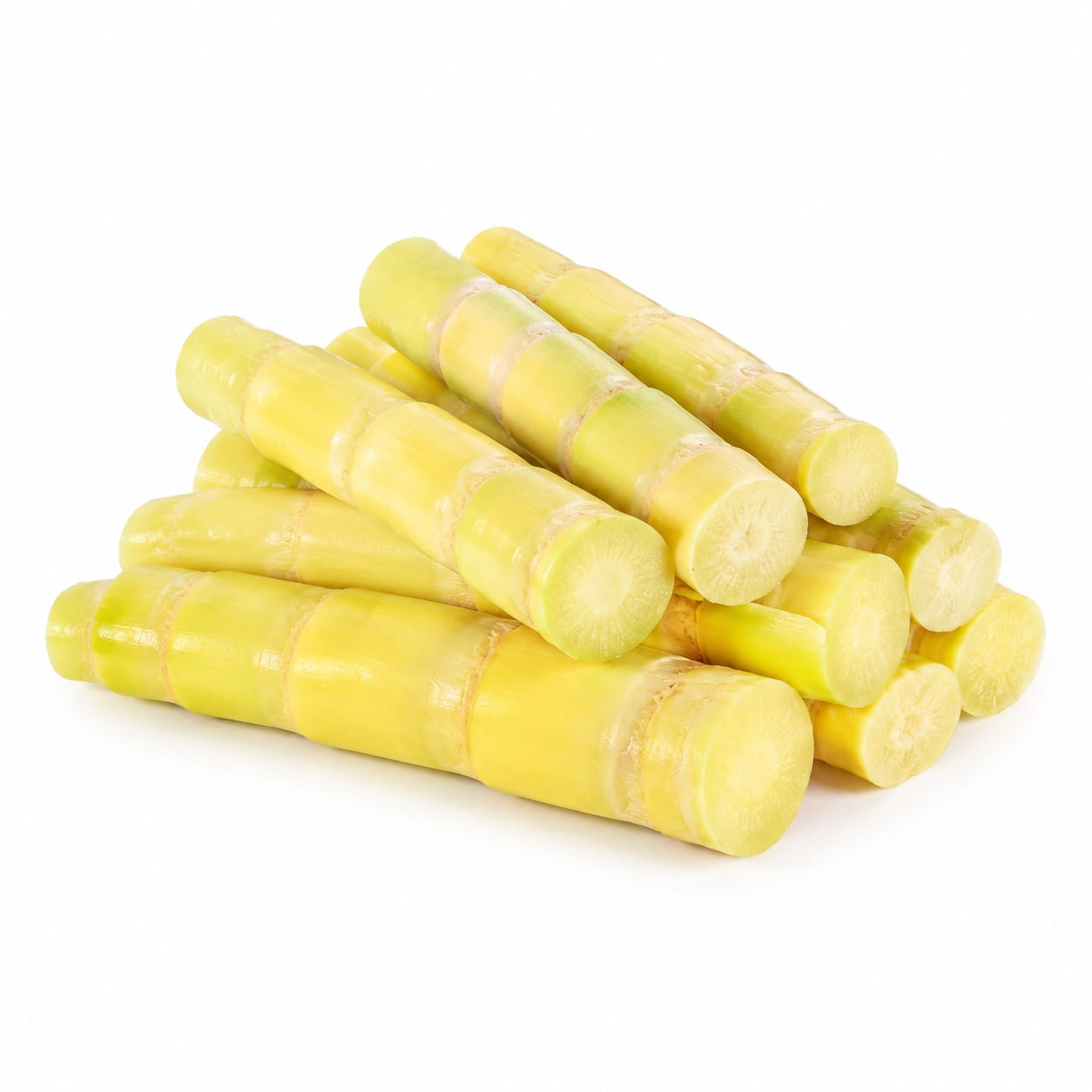
Water Bamboo
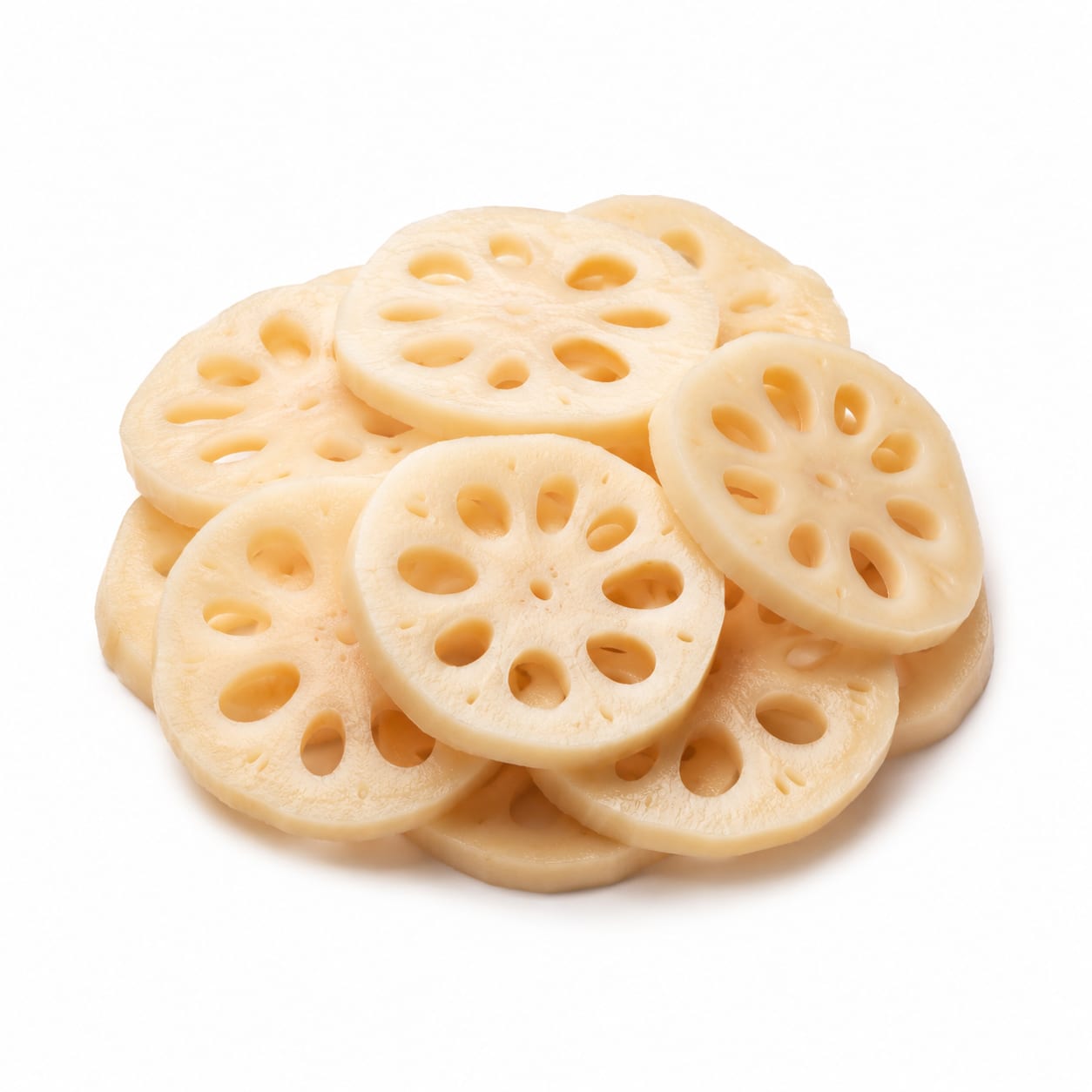
Lotus Root
Lotus root delivers more nutrition per bite, especially iron and vitamin C, while water bamboo wins for ultra-low calorie eating.
Lotus root scores higher due to substantially more iron, vitamin C, potassium, and fiber. Water bamboo remains competitive for low-calorie diets and convenience but offers less nutritional return per serving.
Water bamboo is lighter and lower in calories but nutritionally thinner; lotus root is more filling and nutrient-dense but carries more carbs and requires more prep.
At a glance
Executive summary
Overall
Lotus Root
Healthier
Lotus Root
More practical
Water Bamboo
Daily use
Lotus Root
Key comparison lenses
nutritional density comparison
Both are aquatic vegetables but differ significantly in vitamin and mineral content, with lotus root being notably richer in iron, vitamin C, and potassium
weight management suitability
Water bamboo is extremely low in calories while lotus root offers more substance and satiety, creating a meaningful tradeoff for different diet goals
blood sugar and diabetes management
Both are traditional Asian vegetables often recommended for diabetic diets, but their carbohydrate and fiber profiles differ enough to matter
preparation convenience and versatility
Lotus root requires more prep but offers more cooking options, while water bamboo is simpler but less versatile
food safety for aquatic vegetables
Both grow in water and carry parasite contamination risks if consumed raw, a genuine safety concern for home cooks
Best choice for
Water Bamboo
- Strict calorie counters wanting volume without energy load
- Light side dishes where you don't want heaviness
- Quick weeknight stir-fries with minimal prep
- People who find lotus root too starchy or filling
Lotus Root
- Anyone needing iron support, especially women
- Meal preppers wanting a vegetable that actually satisfies
- Traditional soup and stew recipes requiring body and substance
- People seeking a nutrient-dense carb replacement
Least suitable for
Water Bamboo
- Those looking for iron-rich plant foods
- Very low-carb eaters who want maximum nutrition per gram of carb
- People wanting a filling vegetable-based main
- Anyone seeking significant vitamin C from vegetables
Lotus Root
- Strict very-low-calorie dieters
- People who dislike starchy textures
- Those wanting a quick-prep vegetable on busy nights
- Anyone with digestive sensitivity to high-fiber foods
Deep comparison
Dimension by dimension
Each lens scores both foods and breaks down who each option suits.
- Dimension 1 · Priority 92Lotus Root
nutritional_density
Water Bamboo · 45Lotus Root · 85Lotus root is significantly more nutrient-dense, especially in iron, vitamin C, potassium, and B vitamins.
Tradeoff
Water bamboo keeps calories minimal but you get fewer vitamins and minerals per serving.
Why it matters
If you're eating a vegetable for health benefits, lotus root gives you considerably more return on your plate real estate.
Real-world impact
A single lotus root serving covers about 15% of daily iron needs; water bamboo covers less than 3%.
Water Bamboo
- Staying under tight calorie limits
- Meals where the vegetable plays a supporting role, not a nutritional star
Better for
- Reliance on it as a key nutrient source will leave gaps
- Iron-deficient individuals get almost no help here
Worse for
Lotus Root
- Preventing nutrient gaps on plant-based diets
- Getting meaningful iron from non-meat sources
- Supporting immune function with vitamin C
Better for
- Higher carb load may not suit very low-carb approaches
- More calories per serving if strictly counting
Worse for
- Dimension 2 · Priority 85Lotus Root
satiety_and_fullness
Water Bamboo · 50Lotus Root · 80Lotus root is noticeably more filling due to its starch content and higher fiber, while water bamboo is light and less satisfying on its own.
Tradeoff
Water bamboo won't weigh you down but also won't keep you full; lotus root can anchor a meal but may feel heavy if overeaten.
Why it matters
Feeling satisfied after eating vegetables matters for sticking with healthy choices and avoiding snacking later.
Real-world impact
A lotus root stir-fry can serve as a light main; water bamboo dishes almost always need rice or protein to feel complete.
Water Bamboo
- Light meals in hot weather when heaviness feels unpleasant
- Smaller appetites or eating before an event
Better for
- Likely to feel hungry again within 1-2 hours if eaten alone
Worse for
Lotus Root
- Replacing heavier carb sources while staying full
- Preventing afternoon hunger when eaten at lunch
Better for
- Can feel overly filling paired with other starchy foods
Worse for
- Dimension 3 · Priority 80Water Bamboo
blood_sugar_impact
Water Bamboo · 82Lotus Root · 68Water bamboo has a lower glycemic load due to fewer carbs, making it gentler on blood sugar. Lotus root is moderate but its starch content raises the load.
Tradeoff
Water bamboo is safer for tight glucose control; lotus root is still reasonable but requires portion awareness.
Why it matters
For people managing diabetes or metabolic syndrome, even moderate-starch vegetables can add up across a meal.
Real-world impact
A full cup of water bamboo has minimal blood sugar impact; the same amount of lotus root behaves more like a small serving of potato.
Water Bamboo
- Diabetics tracking glycemic load carefully
- Low-carb meal plans under 50g daily
Better for
- Not a meaningful energy source for athletes or recovery
Worse for
Lotus Root
- Active people who need moderate carbs for energy
- Balanced meals where some starch is welcome
Better for
- Can spike blood sugar if eaten in large portions without protein or fat
Worse for
- Dimension 4 · Priority 88Lotus Root
iron_and_blood_health
Water Bamboo · 25Lotus Root · 82Lotus root is a genuinely useful plant source of iron, while water bamboo contributes almost nothing on this front.
Tradeoff
If iron matters to you, this is the dimension where lotus root dominates most clearly.
Why it matters
Iron deficiency is the most common nutrient deficiency worldwide, and plant-based eaters especially need reliable iron sources.
Real-world impact
Women of reproductive age eating lotus root regularly get a meaningful iron supplement from food; water bamboo offers no such benefit.
Water Bamboo
- No specific iron-related advantage
Better for
- Contributes essentially nothing to daily iron needs
Worse for
Lotus Root
- Menstruating women needing dietary iron support
- Vegetarians and vegans building iron intake
- Anyone recovering from anemia alongside other iron-rich foods
Better for
- Non-heme iron absorption is lower than meat sources, so pairing with vitamin C helps
Worse for
- Dimension 5 · Priority 72Water Bamboo
preparation_convenience
Water Bamboo · 78Lotus Root · 55Water bamboo is quicker to clean and slice. Lotus root requires peeling, careful slicing, and often soaking to prevent discoloration.
Tradeoff
Water bamboo gets dinner on the table faster; lotus root rewards extra effort with better nutrition and more cooking versatility.
Why it matters
On busy weeknights, prep difficulty determines whether a vegetable actually gets eaten or stays in the crisper.
Real-world impact
Water bamboo goes from fridge to wok in under 5 minutes; lotus root easily takes 10-15 minutes of prep before cooking begins.
Water Bamboo
- Time-pressed home cooks wanting healthy food fast
- Simple stir-fries with minimal steps
Better for
- Limited cooking methods compared to lotus root
Worse for
Lotus Root
- Weekend meal prep when time pressure is lower
- Recipes where the visual appeal of lotus root slices matters
Better for
- Prep time discourages spontaneous weeknight use
Worse for
- Dimension 6 · Priority 75Lotus Root
culinary_versatility
Water Bamboo · 55Lotus Root · 88Lotus root works raw, stir-fried, braised, deep-fried, pickled, and in soups. Water bamboo is mainly stir-fried or added to soups.
Tradeoff
Lotus root opens more recipe possibilities; water bamboo does fewer things but does them easily.
Why it matters
A versatile ingredient stays interesting across many meals, reducing food boredom and waste.
Real-world impact
You can meal-prep lotus root three different ways in one week and feel like you're eating different foods; water bamboo gets repetitive faster.
Water Bamboo
- Simple homes that rely on stir-fry as the default method
Better for
- Fewer options means quicker flavor fatigue
Worse for
Lotus Root
- Adventurous cooks wanting multiple textures and preparations
- Making visually impressive dishes for gatherings
- Snack preparation like lotus root chips
Better for
- Some preparations like deep-frying add significant calories
Worse for
- Dimension 7 · Priority 68Water Bamboo
digestive_tolerance
Water Bamboo · 80Lotus Root · 62Water bamboo is gentler on digestion with its softer fiber profile. Lotus root's higher fiber and starch can cause bloating in sensitive individuals.
Tradeoff
Water bamboo is safer for delicate stomachs; lotus root feeds gut bacteria better but may cause discomfort initially.
Why it matters
The healthiest vegetable only works if your body tolerates it well.
Real-world impact
People with IBS or sensitive digestion often find water bamboo comfortable while lotus root can trigger gas if eaten in larger portions.
Water Bamboo
- Sensitive digestion or IBS
- Reintroducing vegetables after digestive illness
Better for
- Doesn't provide enough fiber for optimal gut health
Worse for
Lotus Root
- Building a robust, fiber-loving gut microbiome
- Addressing constipation through food
Better for
- Can cause gas and bloating if you ramp up too quickly
Worse for
Timeline
Health impact over time
Short-term
Hours to days
Water Bamboo
- Light, non-bloated feeling after meals
- Minimal blood sugar disruption
- Quick energy from easy digestibility
Lotus Root
- Noticeable fullness and satisfaction after eating
- Steadier energy release from starch content
- Possible mild bloating if unaccustomed to high fiber
Long-term
Months to years
Water Bamboo
- May fall short on iron and vitamin C if relied on heavily
- Good for maintaining low calorie intake sustainably
- Minimal risk of overconsumption
Lotus Root
- Supports iron status and reduces anemia risk over time
- Improved gut health from consistent fiber intake
- Vitamin C contribution supports immune resilience
- Portion awareness needed to avoid gradual carb creep
Risk profile
Safety & processing
Both are whole, natural aquatic vegetables typically sold fresh with no additives. Neither raises processing concerns when purchased whole.
Water Bamboo
Parasite contamination from aquatic growing environment
mediumWater bamboo grows in water and can harbor parasites like Fasciolopsis if eaten raw. Always cook thoroughly.
Oxalate content
lowContains moderate oxalates; those prone to kidney stones should be mindful but risk is lower than many leafy greens.
Lotus Root
Parasite contamination from aquatic growing environment
mediumLotus root grows in muddy pond sediment and can carry parasites. Raw consumption in dishes like salads carries real risk in regions with poor water quality.
Bacterial contamination in cross-sections
lowThe hollow chambers can trap bacteria if not cleaned properly. Always wash thoroughly inside the holes before cooking.
Who wins for whom
Audience fit
Same foods, different winners depending on your goal.
children
Lotus RootLotus root's iron and vitamin C support growing bodies, and its fun pattern when sliced can make vegetables more appealing to kids.
daily consumption
Lotus RootLotus root provides more nutritional value per serving, making daily intake more worthwhile despite slightly more prep effort.
diabetes
Water BambooLower carbohydrate content and glycemic load make water bamboo easier to fit into glucose management plans.
elderly
Lotus RootIron, potassium, and vitamin C are especially important for older adults, and lotus root's softer texture when braised is easy to chew.
muscle gain
Lotus RootLotus root provides more carbs for training fuel and more iron for oxygen transport to working muscles.
weight loss
Water BambooWater bamboo's extremely low calorie density lets you eat generous portions without budgeting much energy, making it easier to sustain a deficit.
Your move
Decision guide
Choose Water Bamboo
- You're strictly counting calories and want maximum food volume
- You need a quick-cooking vegetable for busy weeknights
- You have sensitive digestion and want something gentle
- You're managing blood sugar and want to minimize carb load
Choose Lotus Root
- You need more iron in your diet, especially on a plant-based eating pattern
- You want a vegetable that actually fills you up
- You enjoy cooking and want more recipe variety
- You're meal prepping for the week and want nutrient density
Either works if
- You want an aquatic vegetable for a traditional Asian soup
- You're rotating vegetables for dietary diversity
- You're looking for a crisp-textured vegetable for stir-fry
Avoid both if
- You have a known allergy to aquatic plants (rare but possible)
- You're on a very strict very-low-fiber diet for medical reasons
- You can't ensure thorough cooking and are in a region with waterborne parasite risk
Final recommendation
For most people, lotus root is the better overall choice because it delivers substantially more nutrition, especially iron and vitamin C, while still being a whole, natural food. Water bamboo is the right call when calories are your primary constraint or when you need something light and quick. If your diet already has strong iron sources, water bamboo's lightness becomes more attractive. If you're plant-based or a woman who menstruates, lotus root's iron advantage makes it hard to beat.
Practical
Consumer tips
- 1
Always cook both vegetables thoroughly to eliminate parasite risk from their aquatic growing environment
- 2
Pair lotus root with a vitamin C source like bell peppers to boost iron absorption
- 3
Soak sliced lotus root in water with a splash of vinegar to prevent browning before cooking
- 4
Water bamboo is best used within 2 days of purchase as it loses crispness quickly
- 5
For lotus root chips: slice thin, toss with minimal oil, and bake at 400°F for 15-20 minutes for a healthier snack
- 6
If new to lotus root, start with smaller portions to let your digestion adjust to the fiber content
- 7
Choose lotus root that feels heavy for its size with smooth, unblemished skin for best quality