
Nutrition comparison
Water Bamboo vs Celery: Which Low-Calorie Vegetable Is Better for You?
Compare water bamboo and celery on calories, digestion, nutrients, and convenience. Find out which crisp vegetable fits your health goals and lifestyle better.
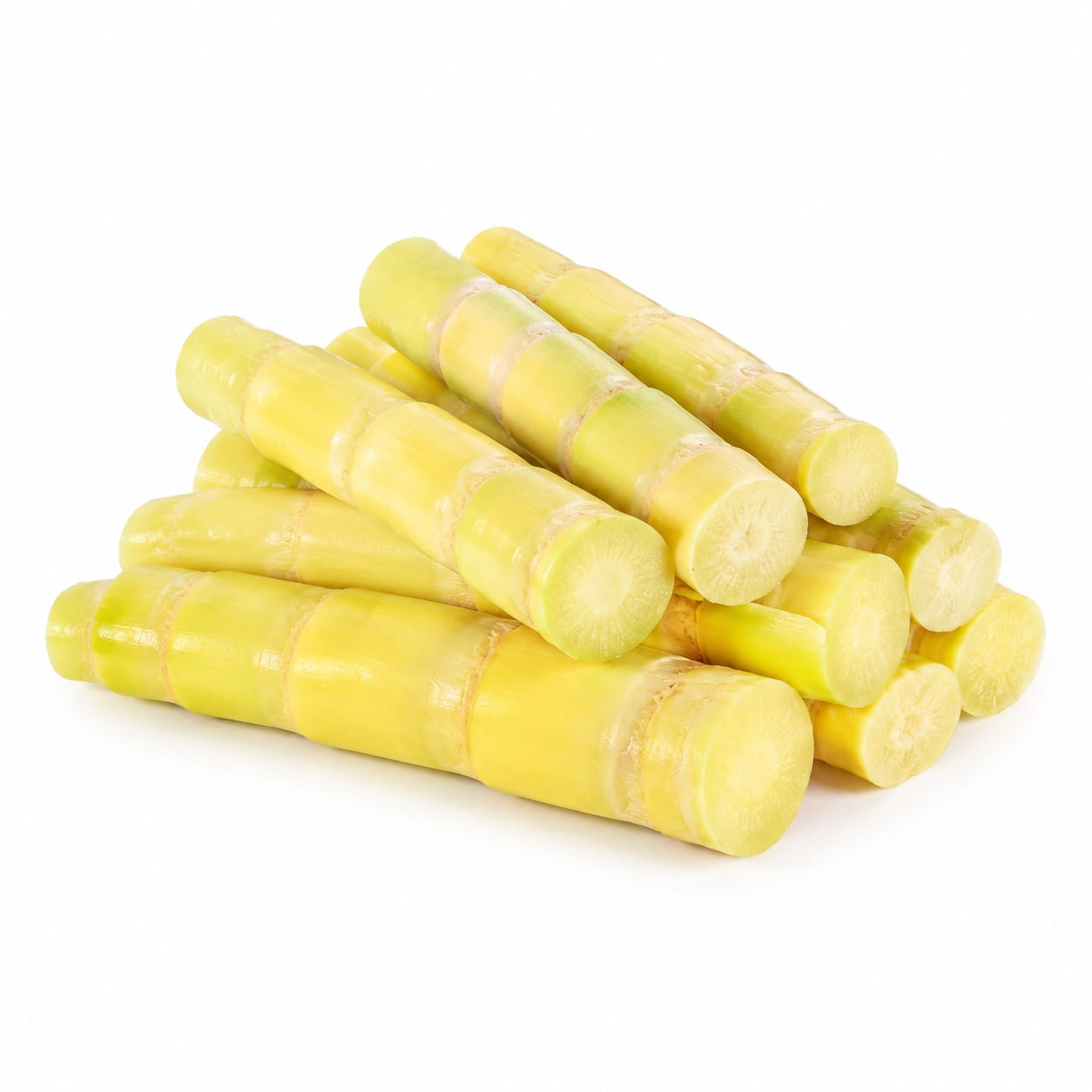
Water Bamboo
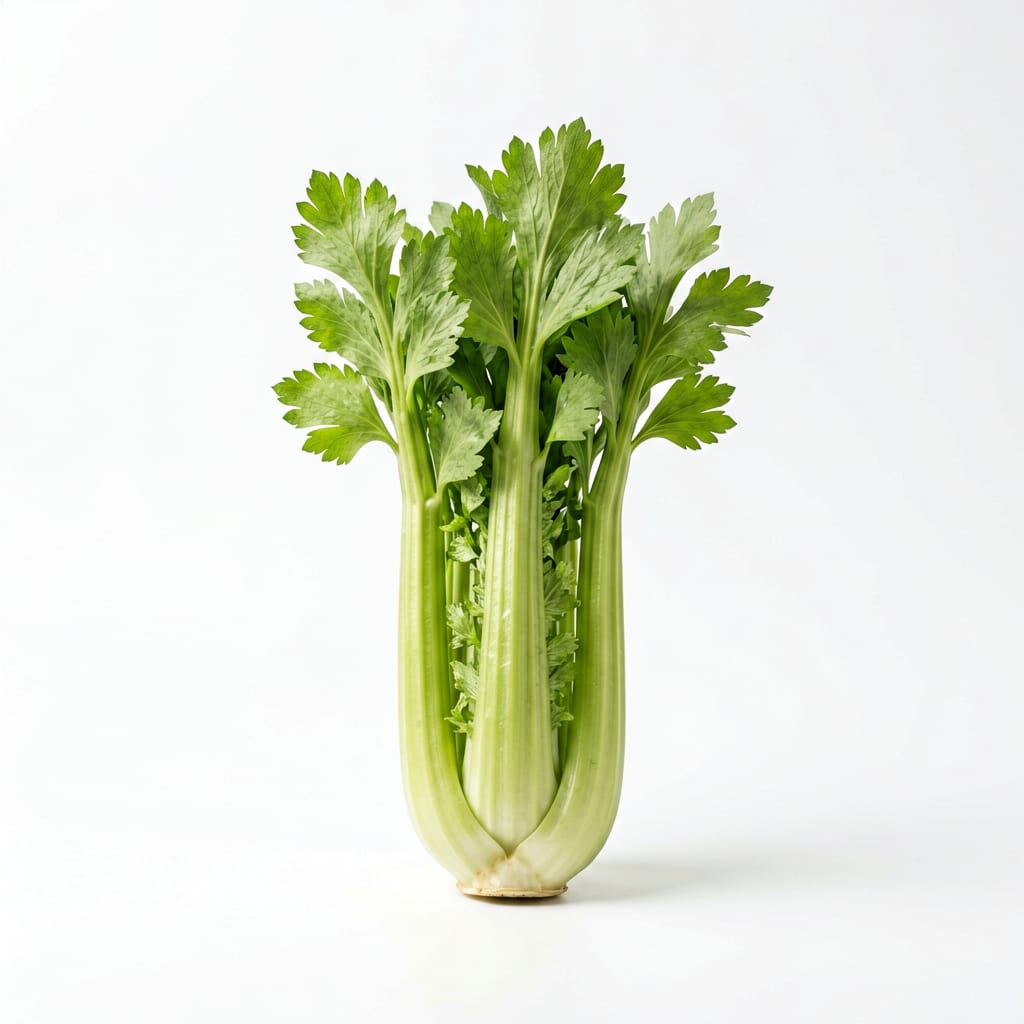
Celery
Celery wins for raw convenience and vitamin K, while water bamboo offers more protein, gentler fiber, and a heartier bite that satisfies better in meals.
Celery edges ahead slightly due to raw convenience, broader availability, and stronger vitamin K content. Water bamboo competes well on satiety and digestibility but loses points for requiring cooking and limited accessibility outside Asian markets.
Celery is grab-and-go with stronger micronutrient peaks; water bamboo needs cooking but fills you up more and digests easier for sensitive stomachs.
At a glance
Executive summary
Overall
It depends
Healthier
It depends
More practical
Celery
Daily use
Celery
Key comparison lenses
low-calorie snacking and weight management
Both foods are extremely low in calories, making them direct competitors for anyone seeking volume eating strategies
nutrient density per calorie
Users comparing these two want to know which delivers more vitamins and minerals for the same caloric cost
digestive comfort and gut friendliness
Celery's stringy fiber can bother some people, while water bamboo offers gentler fiber — a key practical concern
culinary versatility and meal integration
Celery is eaten raw easily; water bamboo requires cooking, which changes how each fits into daily routines
hydration and blood pressure support
Both are high-water vegetables with electrolyte content, relevant for cardiovascular and hydration goals
Best choice for
Water Bamboo
- People with sensitive digestion who find raw celery irritating
- Anyone wanting a low-calorie vegetable that actually feels like part of a meal
- Cooked dish enthusiasts who stir-fry or sauté regularly
- Those seeking gentler fiber without stringy texture
Celery
- Raw snackers who want zero-prep crunch
- Anyone needing vitamin K for bone or blood health
- People tracking sodium who want a naturally low-salt crunch
- Busy people who want a vegetable that requires no cooking
Least suitable for
Water Bamboo
- Raw food diet followers since it must be cooked
- People without reliable cooking access
- Anyone unfamiliar with Asian grocery shopping where it's typically found
- Those wanting instant grab-and-go snacks
Celery
- People with IBS or fiber sensitivity who find stringy vegetables painful
- Anyone bored by bland raw vegetables who needs more flavor satisfaction
- Those with celery allergy or birch pollen cross-reactivity
Deep comparison
Dimension by dimension
Each lens scores both foods and breaks down who each option suits.
- Dimension 1 · Priority 92Celery
Calorie Density and Weight Management
Water Bamboo · 70Celery · 82Both are exceptionally low-calorie, but celery is slightly lower per 100g and easier to eat in large volumes raw.
Tradeoff
Water bamboo has marginally more calories but also more protein per serving, so you feel slightly more satisfied after eating it.
Why it matters
When every calorie counts, celery lets you munch more volume. But if volume eating leaves you hungry an hour later, water bamboo's extra protein may serve you better.
Real-world impact
A large bowl of celery sticks costs you roughly 30 calories. The same weight of cooked water bamboo runs about 50 calories but keeps you fuller longer.
Water Bamboo
- Volume eaters who still want some satiety payoff
- Meal builders adding low-cal substance to stir-fries
Better for
- People who want to eat something raw immediately
Worse for
Celery
- Strict calorie counters who snack throughout the day
- Anyone doing the classic 'celery and peanut butter' approach to weight loss
Better for
- Those who find raw snacking unsatisfying and end up overeating later
Worse for
- Dimension 2 · Priority 85Celery
Nutrient Density
Water Bamboo · 58Celery · 74Celery delivers significantly more vitamin K, folate, and potassium per calorie. Water bamboo has a slight protein edge but weaker micronutrient profile overall.
Tradeoff
Celery is a stealth micronutrient source, especially for vitamin K. Water bamboo offers more protein but fewer standout vitamins.
Why it matters
If you eat few vegetables, celery gives you more nutritional bang per bite. Water bamboo's protein advantage is real but modest.
Real-world impact
Two cups of celery covers roughly 30% of your daily vitamin K needs. Water bamboo covers closer to 5%.
Water Bamboo
- Vegetarians looking for any extra protein source from vegetables
Better for
- People expecting a micronutrient powerhouse
Worse for
Celery
- Anyone with vitamin K deficiency concerns
- People who rely on few vegetables and need each one to deliver more nutrients
- Those concerned about bone health
Better for
- Those already getting plenty of vitamin K from leafy greens
Worse for
- Dimension 3 · Priority 78Water Bamboo
Digestive Tolerance
Water Bamboo · 80Celery · 55Water bamboo's fiber is softer and easier on the gut after cooking. Celery's stringy, insoluble fiber can trigger bloating or discomfort in sensitive people.
Tradeoff
Cooking water bamboo breaks down tough fibers before you eat them. Raw celery forces your gut to do that work, which some digestive systems handle poorly.
Why it matters
If you have IBS, chronic bloating, or fiber sensitivity, this difference is night and day. A food that hurts to eat won't become a habit.
Real-world impact
Many people report gas or stomach ache after eating large amounts of raw celery. Water bamboo rarely causes these complaints when properly cooked.
Water Bamboo
- IBS sufferers and people with fiber sensitivity
- Anyone who finds raw vegetables harsh on the stomach
- Older adults with slower digestion
Better for
- People who want raw fiber's stronger gut-motility push
Worse for
Celery
- People with robust digestion who benefit from insoluble fiber's scrubbing effect
- Anyone constipated who needs aggressive fiber stimulation
Better for
- Anyone with a history of bloating from stringy vegetables
Worse for
- Dimension 4 · Priority 75Celery
Convenience and Accessibility
Water Bamboo · 35Celery · 88Celery is available in nearly every grocery store and requires zero cooking. Water bamboo is harder to find and must always be cooked before eating.
Tradeoff
Celery's convenience is unbeatable for daily use. Water bamboo requires an Asian grocery store and at least 5-10 minutes of cooking.
Why it matters
The best vegetable for you is the one you actually eat regularly. If water bamboo is hard to find, celery wins by default for most people.
Real-world impact
You can grab celery at any convenience store. Water bamboo may require a specialty market trip and meal planning.
Water Bamboo
- Home cooks who already shop at Asian markets regularly
- Anyone who meal-preps cooked vegetables for the week
Better for
- People in areas without Asian grocery access
- Anyone who hates cooking
Worse for
Celery
- Busy people who need ready-to-eat vegetables
- Anyone without access to specialty grocery stores
- Office snackers and commuters
Better for
- Those who find raw snacking tedious and prefer cooked meals
Worse for
- Dimension 5 · Priority 72Water Bamboo
Satiety and Meal Satisfaction
Water Bamboo · 75Celery · 50Water bamboo has a denser, slightly chewy bite that registers as actual food. Celery's watery crunch disappears quickly and rarely satisfies on its own.
Tradeoff
Celery is refreshing but rarely filling. Water bamboo feels like a proper vegetable side dish that contributes to a meal.
Why it matters
If your low-cal snack leaves you hungry 20 minutes later, you may eat more overall. Satiety per calorie matters for sustainable habits.
Real-world impact
A serving of cooked water bamboo alongside rice and protein feels like a complete meal. Celery sticks alone feel like a placeholder.
Water Bamboo
- People who need their vegetables to actually feel like food
- Anyone prone to snacking endlessly because nothing feels satisfying
Better for
- Anyone wanting a light, hydrating crunch
Worse for
Celery
- Those who want light refreshment rather than fullness
- People using celery as a delivery vehicle for hummus or peanut butter
Better for
- Emotional eaters who find raw vegetables frustratingly unsatisfying
Worse for
- Dimension 6 · Priority 70Celery
Hydration and Blood Pressure Support
Water Bamboo · 65Celery · 78Both are high-water vegetables, but celery contains more potassium and natural sodium in a ratio that may help lower blood pressure.
Tradeoff
Celery's potassium-to-sodium ratio is well-studied for blood pressure benefits. Water bamboo hydrates well but has less evidence for cardiovascular impact.
Why it matters
For people managing hypertension, celery has a specific reputation backed by some research. Water bamboo is simply a hydrating vegetable.
Real-world impact
Celery juice became a trend partly because of measurable blood pressure effects. Water bamboo has no equivalent evidence base.
Water Bamboo
- General hydration from cooked vegetable intake
Better for
- People specifically seeking blood pressure-lowering foods
Worse for
Celery
- People managing high blood pressure who want food-based support
- Anyone seeking potassium-rich vegetables
- Those who find celery juice or raw celery helpful for cardiovascular goals
Better for
- Those on low-sodium diets who are sensitive to even natural sodium content
Worse for
Timeline
Health impact over time
Short-term
Hours to days
Water Bamboo
- Provides gentle satiety without bloating when cooked properly
- Hydrating due to high water content
- May cause mild digestive adjustment if you're unused to it
Celery
- Immediate hydration and refreshment from high water content
- Can trigger bloating or gas in fiber-sensitive individuals
- Natural sodium content may briefly increase thirst
Long-term
Months to years
Water Bamboo
- Consistent gentle fiber intake supports regular digestion without irritation
- Moderate protein from a vegetable source adds up in plant-heavy diets
- Limited vitamin K means it shouldn't be your only green vegetable
Celery
- Sustained vitamin K intake supports bone density and blood clotting function
- Potassium contribution helps maintain healthy blood pressure over time
- Insoluble fiber supports colon health but may require adaptation period
Risk profile
Safety & processing
Both vegetables are whole foods with minimal processing concerns. Water bamboo is typically sold fresh or vacuum-packed without additives. Celery is sold raw and fresh. The only concern is pesticide residue on conventionally grown celery, which appears on EWG's Dirty Dozen list.
Water Bamboo
Pesticide residue
mediumWater bamboo grows in water and may accumulate agricultural chemicals. Washing and cooking reduces this significantly.
Bacterial contamination from water source
lowAquatic vegetables can harbor waterborne bacteria. Thorough cooking eliminates this risk entirely.
Celery
Pesticide residue
highCelery consistently ranks on the EWG Dirty Dozen list for pesticide residue. Its many folds trap chemicals. Washing helps but doesn't remove everything. Organic is strongly recommended.
Allergic cross-reactivity
mediumCelery allergy is one of the more common vegetable allergies, especially in Europe. It cross-reacts with birch pollen and mugwort. Reactions can be severe, including anaphylaxis in sensitive individuals.
Who wins for whom
Audience fit
Same foods, different winners depending on your goal.
children
CeleryCelery sticks with peanut butter or hummus are a kid-friendly classic. Water bamboo's texture and cooking requirement make it less practical for children.
daily consumption
CeleryCelery's convenience, availability, and zero-prep nature make it far easier to eat every day. Water bamboo works as a regular vegetable but requires more effort and planning.
diabetes
It dependsBoth have minimal impact on blood sugar. Celery's slightly lower carbohydrate content gives it a tiny edge, but the difference is negligible in practice.
elderly
Water BambooCooked water bamboo is softer and easier to chew and digest. Celery's stringy texture can be challenging for aging teeth and slower digestion.
muscle gain
Water BambooNeither is a muscle-building food, but water bamboo has roughly double the protein per serving. In a plant-based diet, every gram counts.
weight loss
CeleryCelery's ultra-low calorie count and raw snackability make it easier to create a calorie deficit. But if raw snacking leaves you hungry, water bamboo's better satiety may prevent rebound eating.
Your move
Decision guide
Choose Water Bamboo
- You have sensitive digestion and raw vegetables cause bloating
- You regularly cook Asian-style meals and want a satisfying vegetable side
- You find raw snacking unsatisfying and prefer vegetables that feel like real food
- You shop at Asian grocery stores and have easy access to fresh water bamboo
Choose Celery
- You want a grab-and-go vegetable that requires zero preparation
- You're focused on vitamin K intake for bone or blood health
- You need a low-calorie vehicle for dips like hummus or peanut butter
- You want a vegetable you can find at any grocery store anywhere
Either works if
- You simply want more high-water, low-calorie vegetables in your life
- You're building a diverse vegetable rotation and both fit different meals
- Blood sugar management is your primary concern since both are equally gentle
Avoid both if
- You need calorie-dense or protein-rich foods to meet energy needs
- You're looking for a single vegetable to be your nutritional cornerstone — neither is sufficient alone
Final recommendation
Keep celery for daily raw snacking and convenience, but add water bamboo when you cook meals and want a vegetable that actually satisfies. They serve different roles: celery is your between-meals crunch, water bamboo is your dinner-table vegetable. If you can only pick one, celery wins on practicality — but if digestion is your concern, water bamboo is the gentler choice.
Practical
Consumer tips
- 1
Buy organic celery whenever possible — it's one of the highest-pesticide vegetables tested by the EWG
- 2
Peel water bamboo's outer layer before cooking to remove tough fibers and improve texture
- 3
Blanch water bamboo for 2-3 minutes before stir-frying for the best texture and mild flavor
- 4
If celery bothers your stomach, try slicing it thinly or lightly steaming it to break down fibers
- 5
Water bamboo pairs excellently with soy sauce, garlic, and sesame oil for a simple side dish
- 6
Store celery wrapped in aluminum foil in the fridge — it stays crisp far longer than in plastic
- 7
Water bamboo discolors quickly once cut — cook it the same day you prep it for best quality