
Pasta and Noodles
Tortellini
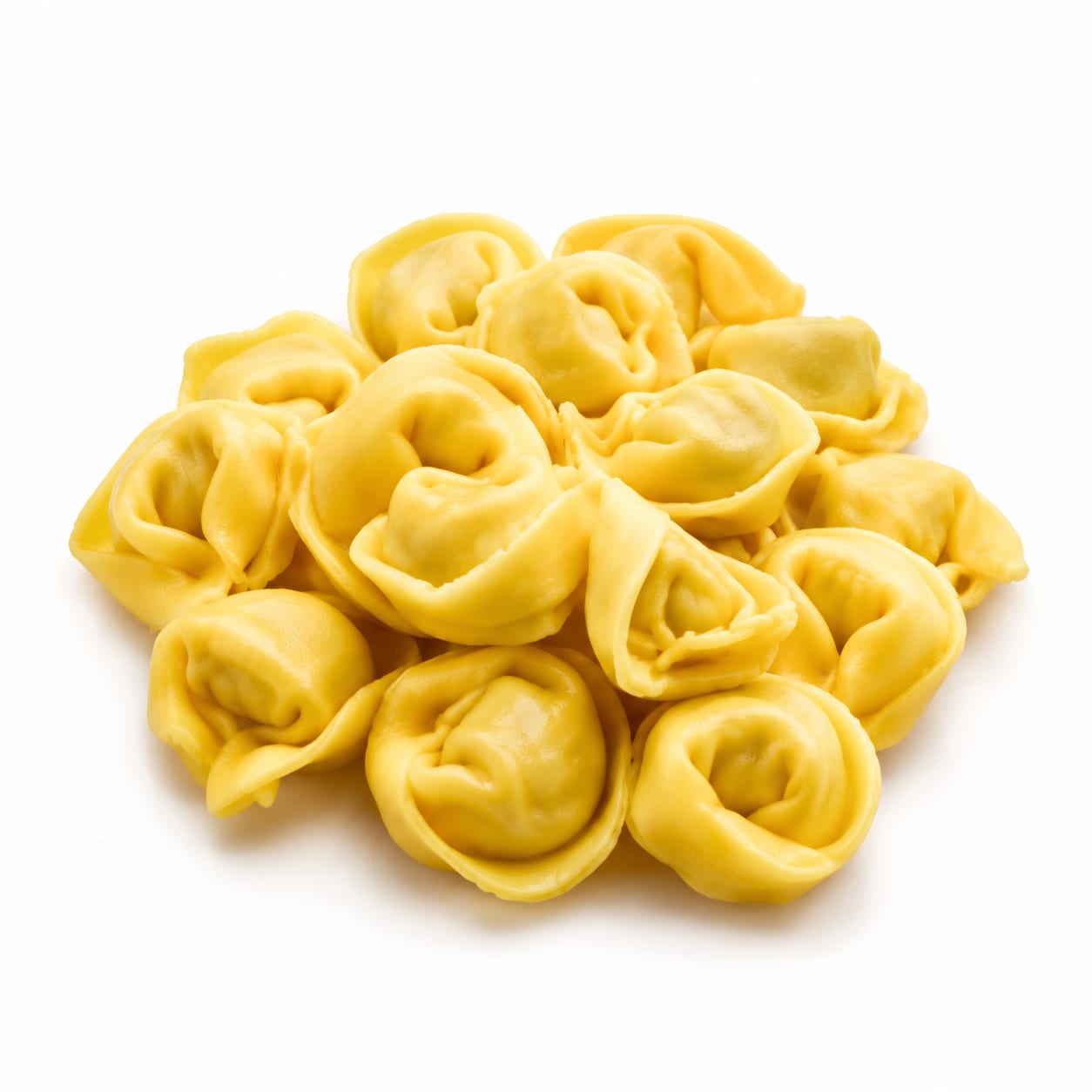
Tortellini is a ring-shaped, stuffed Italian pasta typically filled with cheese, meat, or greens.
Tortellini is a ring-shaped stuffed pasta originating from the Emilia region of Italy, traditionally filled with a mix of meat, cheese, or vegetables, and often served in broth or with a sauce.
refined carbohydrate-dense stuffed pasta
Typical serving · 130g
Common varieties · cheese tortellini, meat tortellini, spinach and ricotta tortellini, tortelloni (larger version)
Overall context score across nutrition, safety, and diet fit
The story
What makes it unique
Tortellini is a refined wheat-based pasta with a dense filling, resulting in a moderate-to-fast digestion speed depending on the filling's fat and protein content. Its macronutrient profile is carbohydrate-dominant with moderate protein and varying fat levels. Satiety is moderate due to the refined flour, though the filling provides a slight extension to gastric emptying time. Commercial processing often includes preservatives and flavor enhancers.
Varieties: cheese tortellini · meat tortellini · spinach and ricotta tortellini · tortelloni (larger version)
Per 100g
Nutrition breakdown
Macro balance and key metrics at a glance.
Energy
Density 3.20 kcal/g
Protein
Carbs
Fat
Fiber
Sugar
2.5 g
Sodium
600 mg
Potassium
120 mg
Glycemic index
65
Glycemic load
30
Water content
60%
Standout compounds
Nutrient highlights
Carbohydrates
highfast energy source for physical activity
Selenium
moderateantioxidant protection and thyroid function
Folate
moderatecell division and DNA synthesis
Sodium
highelectrolyte balance, but risk of excess intake
Wellness map
Health scores & processing
NOVA processing scale
moderately processed · Whole food
Commercial tortellini is made from refined wheat flour and stuffed with processed fillings, often containing preservatives, flavor enhancers, and modified starches to maintain shelf life and texture.
Diet compatibility
- Weight loss
- Muscle gain
- Diabetes
- Gut health
- Low carb
- High protein
- Heart health
Relative standing
Food rankings
Qualitative ranks compared to similar whole foods.
- Satietymoderate
- Blood sugarpoor
- Nutrient densitymoderate
- Fitness fuelgood
- Processing qualitymoderate
Eat with confidence
Food safety profile
Fresh tortellini contains perishable fillings like cheese or meat, requiring strict refrigeration and thorough cooking to mitigate bacterial contamination risks.
Evidence confidence 90%
- Pesticideslow
- Antibioticsmoderate
- Heavy metalslow
- Contaminationmoderate
Watch for
- listeria
- salmonella
Safer choices
Vacuum-sealed or frozen tortellini with extended shelf life and strict cold-chain compliance.
Prep tips
Do not thaw frozen tortellini before cooking; boil until they float and reach an internal temperature of 74°C (165°F). Keep refrigerated until use.
Dairy and meat fillings require strict cold-chain management to prevent bacterial growth.
Deep dive
Health analysis
How this food may fit different goals and preparation choices.
Weight loss
High energy density and refined flour make it easy to overconsume calories without prolonged fullness.
Blood sugar
Refined wheat pasta digests quickly, leading to rapid glucose elevation, slightly offset by the protein and fat in the filling.
Fitness & energy
Provides fast-digesting carbohydrates suitable for pre-workout fueling or post-workout glycogen replenishment.
Gut health
Low fiber content offers minimal prebiotic benefit for gut microbiome diversity.
Processing quality
Commercial varieties rely on refined flour and additives; fresh artisan options may have simpler ingredient lists.
Food safety
Perishable dairy and meat fillings require strict temperature control and thorough cooking to prevent foodborne illness.
Common mistakes
Assuming the cheese or meat filling makes it a high-protein food; over-saucing adds hidden calories and fats.
Best preparation
Boil until al dente and pair with high-fiber vegetables and lean protein to balance the meal's glycemic impact.
Practical guide
Best use cases
When and how this food fits real eating patterns.
pre-workout carb loading
Provides fast-digesting carbohydrates for quick energy before intense exercise.
post-workout glycogen replenishment
Refined carbs help restock muscle glycogen stores rapidly after endurance training.
quick weeknight dinner
Cooks quickly and pairs easily with various sauces and vegetables for a fast meal.
high-calorie bulking meals
Energy-dense combination of carbs, fats, and protein supports caloric surpluses for muscle building.
Balance sheet
Pros & cons
Upsides
- convenient and quick to cook
- provides fast-digesting energy for workouts
- contains some protein and fat from fillings
- versatile base for various sauces and broths
Trade-offs
- high in refined carbohydrates
- low in dietary fiber
- can spike blood sugar rapidly
- commercial varieties are often high in sodium
- easy to overeat due to moderate satiety
Fit check
Who is it for?
Great match
- carb-loading before endurance events
- quick post-workout recovery
- bulking diets needing a calorie surplus
- convenient family dinners
Consider alternatives
- strict low-carb or ketogenic diets
- blood sugar management and diabetes
- weight loss calorie restriction
- high-fiber diet requirements
Side by side
How it compares
Open the full head-to-head analysis for nutrition, safety, and practical tradeoffs.
This food
Tortellini
VS95% alike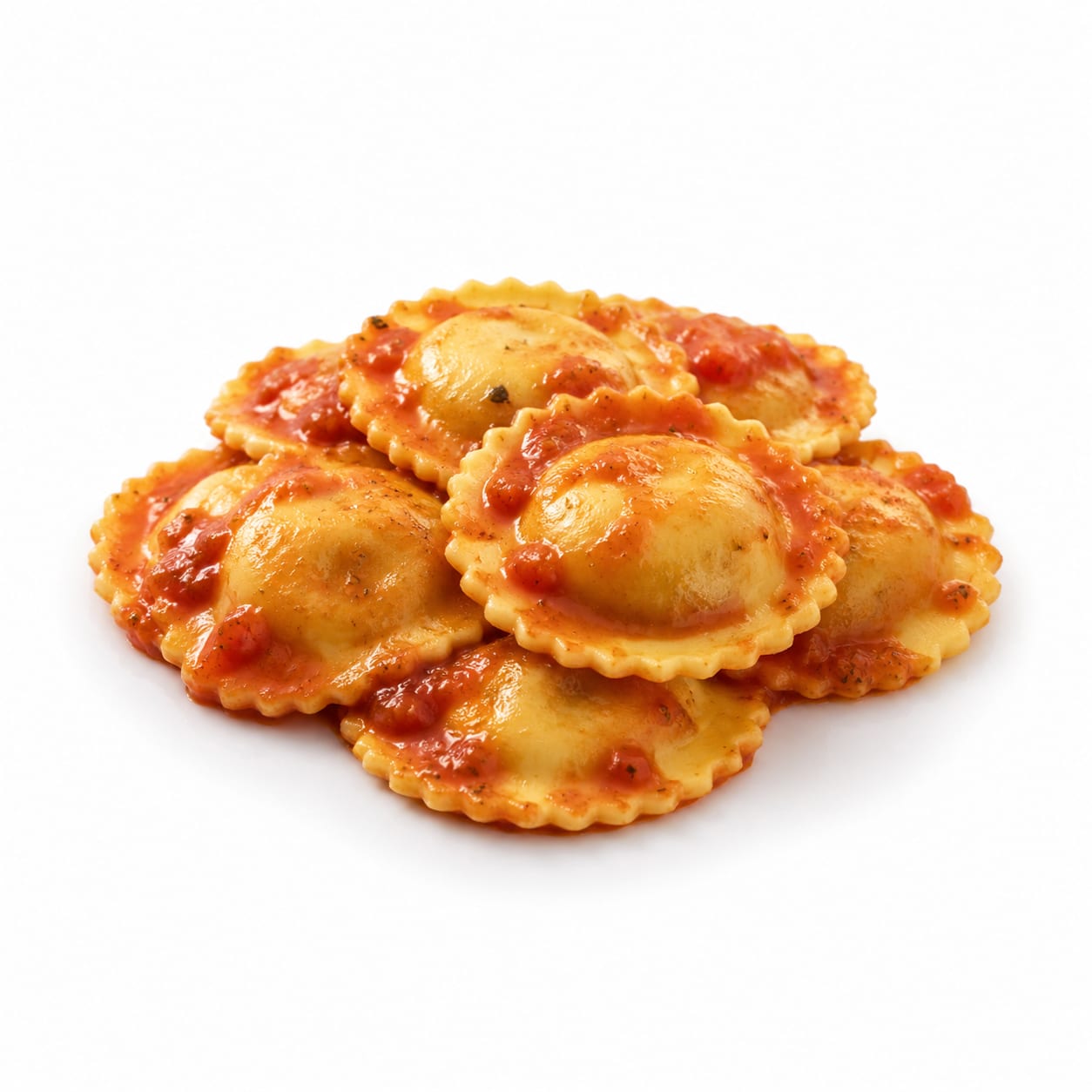
Compare with
Ravioli
Ravioli is larger and square, while tortellini is smaller and ring-shaped. Nutritionally they are nearly identical, though tortellini often has a slightly higher pasta-to-filling ratio.
Tortellini and ravioli are nutritionally identical stuffed pastas; tortellini is just smaller and ring-shaped.
This food
Tortellini
VS85% alike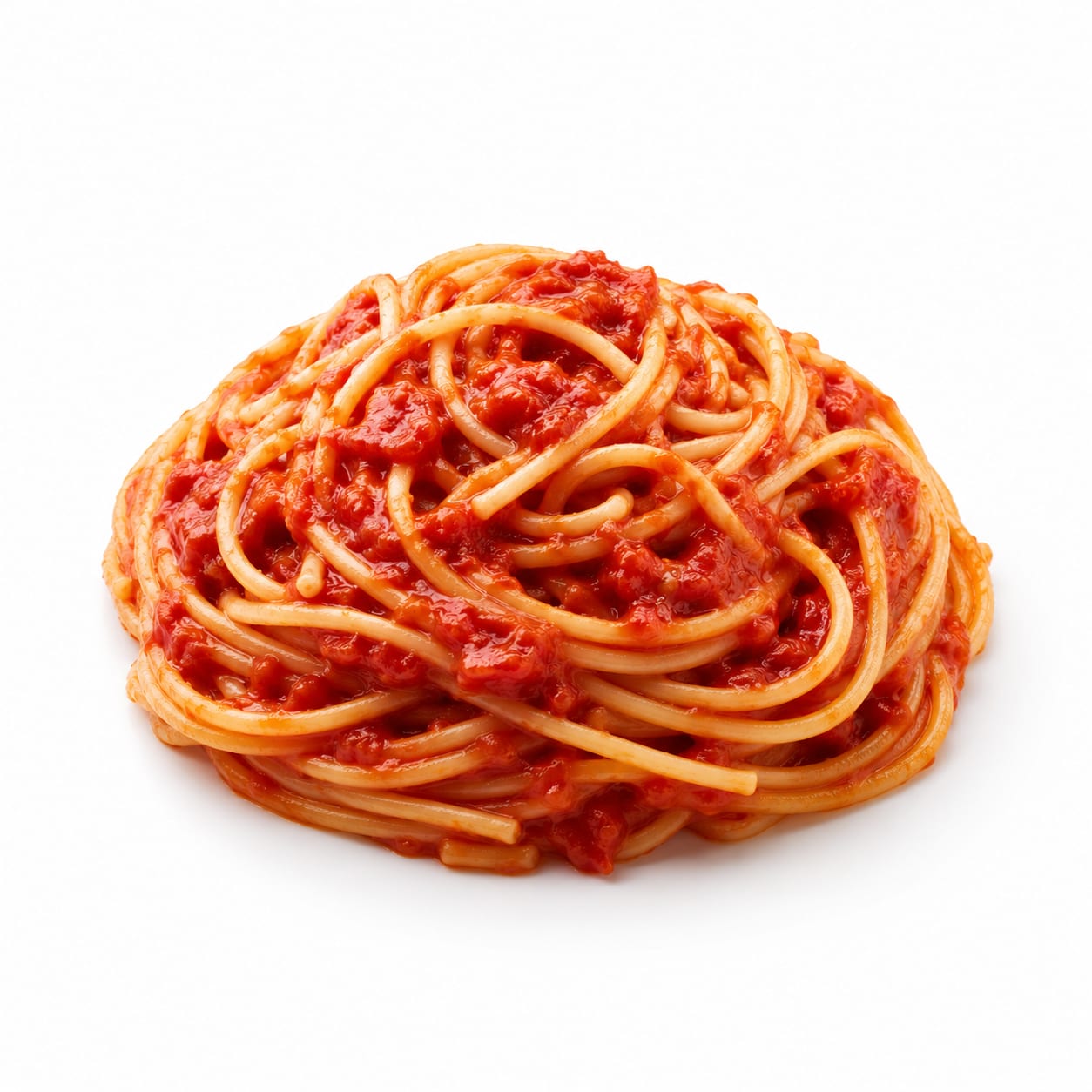
Compare with
Spaghetti
Spaghetti is an unstuffed refined pasta, while tortellini adds calories, fat, and protein via its filling. Spaghetti has a slightly higher glycemic index without the fat/protein buffer.
Tortellini offers more protein and fat than spaghetti, providing slightly better satiety, but spaghetti has fewer calories per serving.
This food
Tortellini
VS75% alike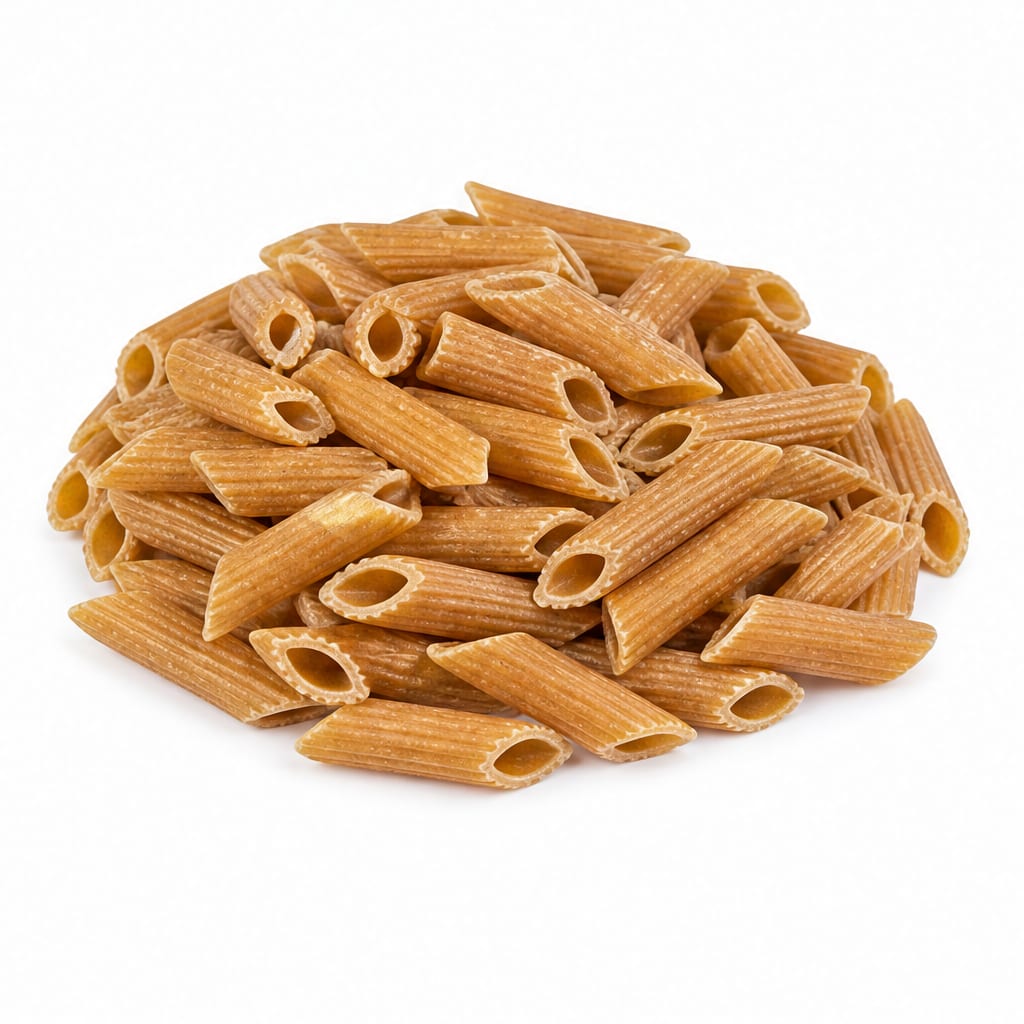
Compare with
Whole Wheat Pasta
Whole wheat pasta retains the bran and germ, offering significantly more fiber and a lower glycemic index than the refined flour in tortellini.
Whole wheat pasta beats tortellini for blood sugar control and satiety due to its higher fiber content.
This food
Tortellini
VS80% alike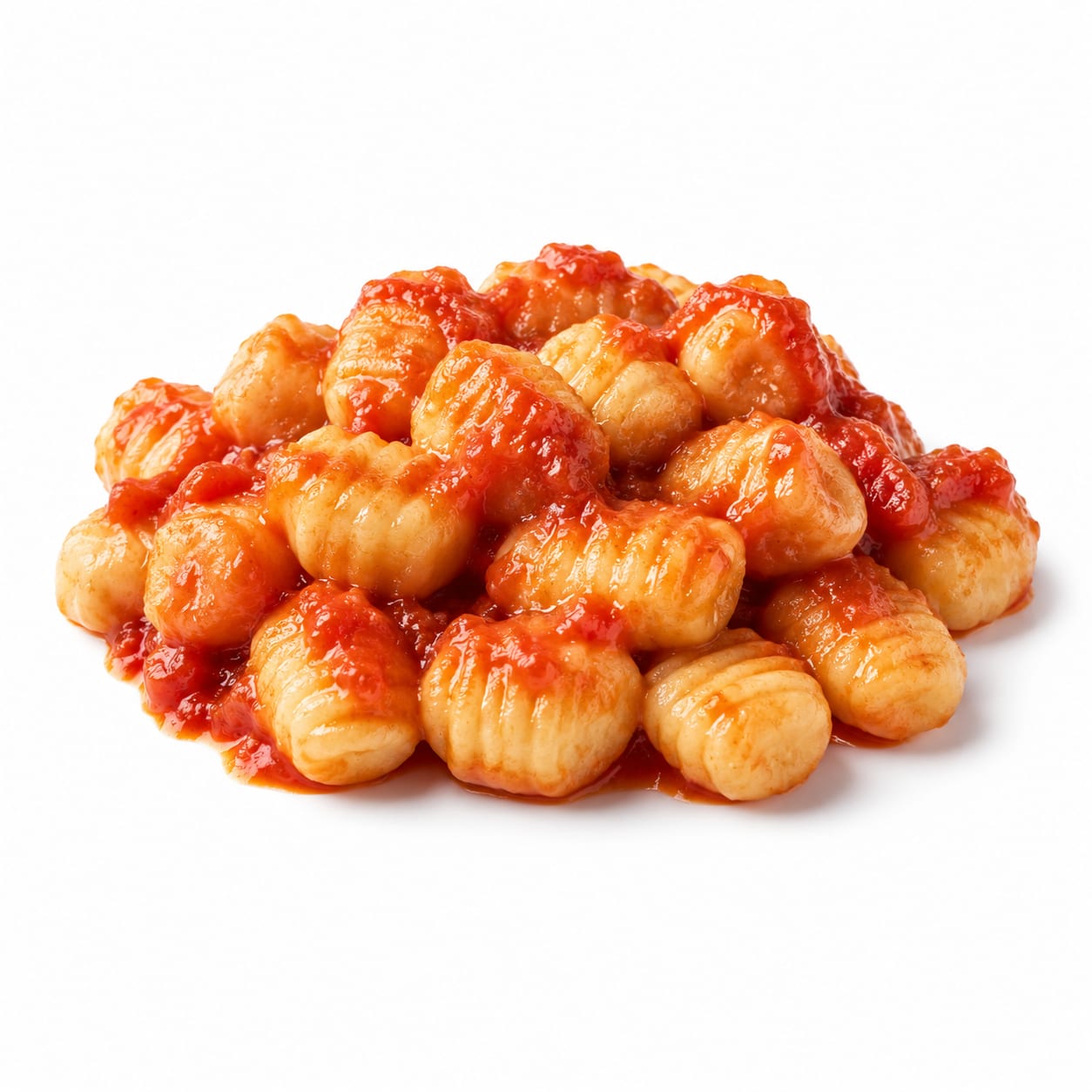
Compare with
Gnocchi
Gnocchi is primarily potato-based, making it slightly lower in protein but higher in potassium than tortellini. Both are moderate-to-high glycemic foods.
Tortellini provides more protein than potato gnocchi, but gnocchi is slightly lower in calories and sodium.
This food
Tortellini
VS70% alike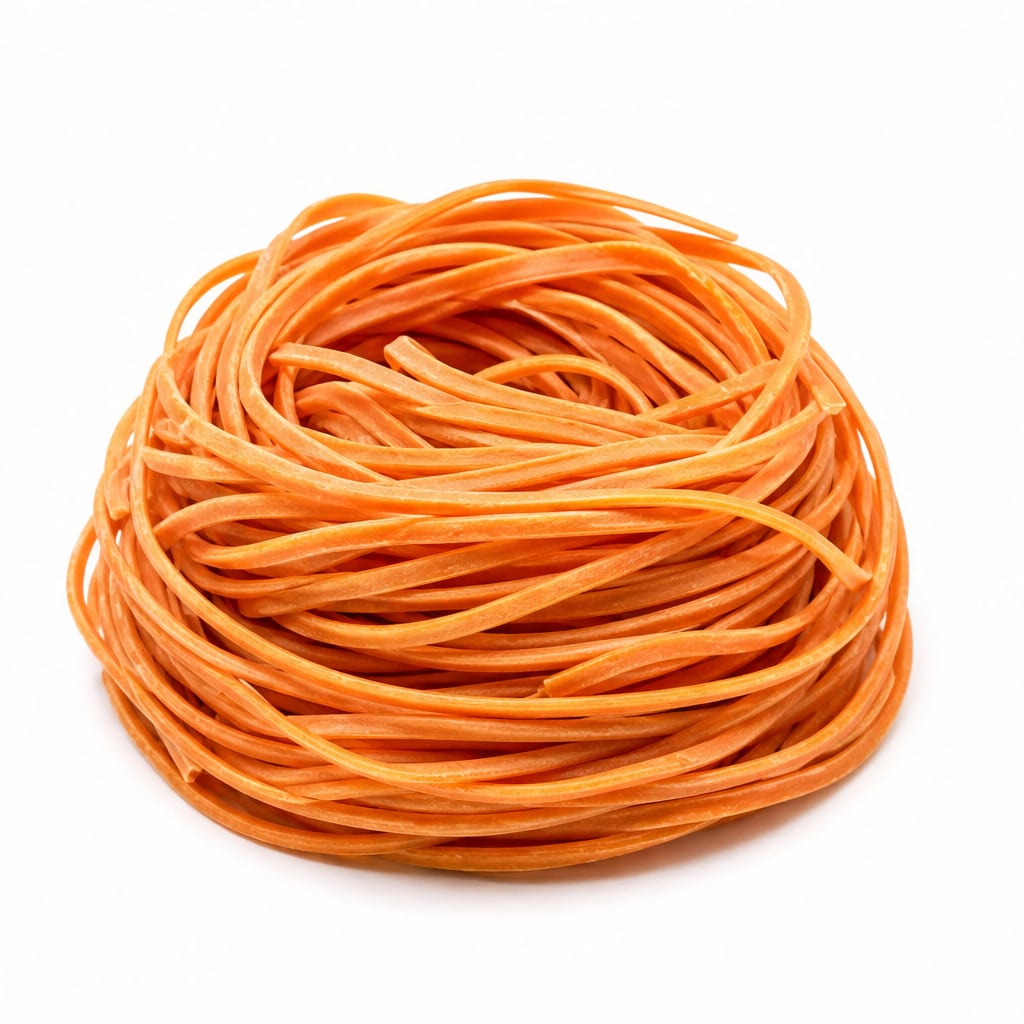
Compare with
Lentil Pasta
Lentil pasta is gluten-free and boasts nearly double the protein and triple the fiber of tortellini, drastically reducing the glycemic impact.
Lentil pasta vastly outperforms tortellini in protein and fiber, making it far better for blood sugar and satiety.
This food
Tortellini
VS75% alike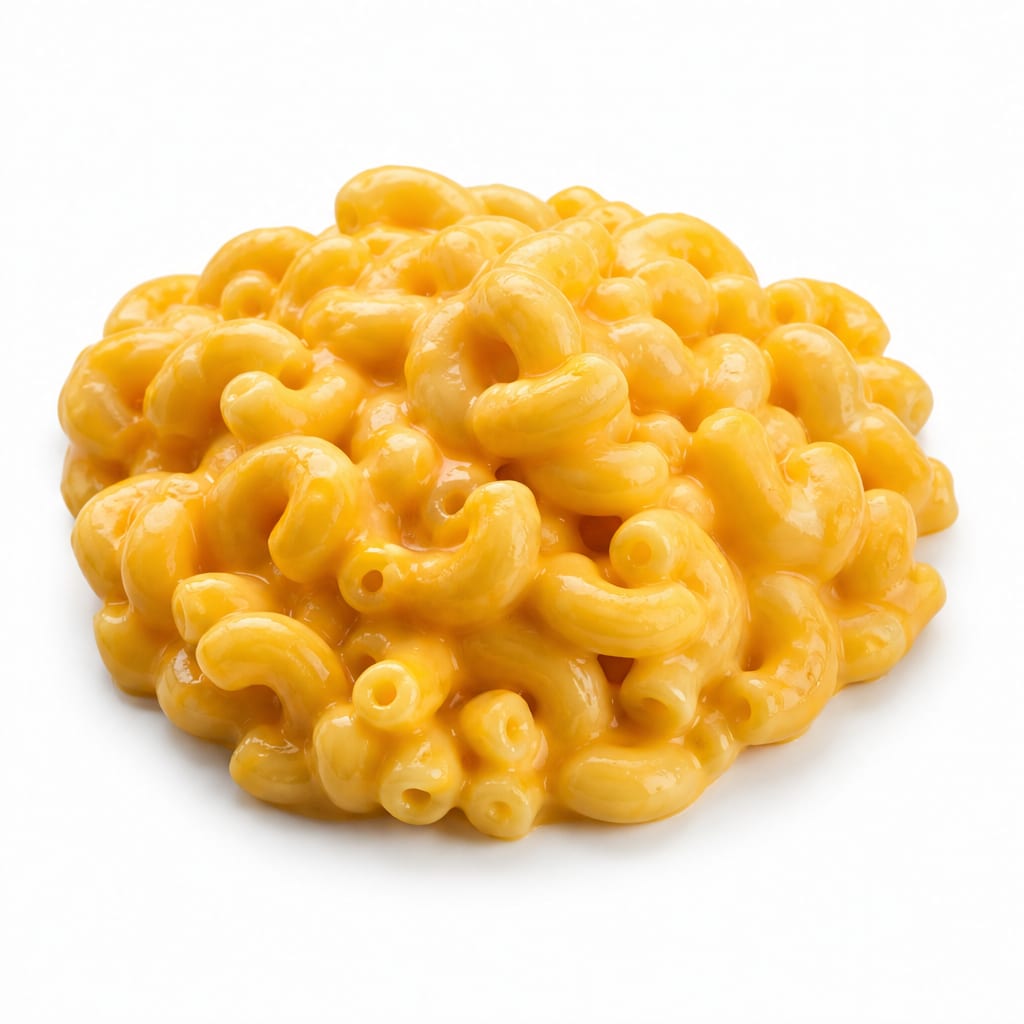
Compare with
Mac and Cheese
Mac and cheese usually contains more fat and saturated fat from the cheese sauce compared to the modest filling in tortellini. Tortellini is slightly lower in calories.
Tortellini is generally lower in fat and calories than mac and cheese, making it the lighter cheese-pasta option.
This food
Tortellini
VS85% alike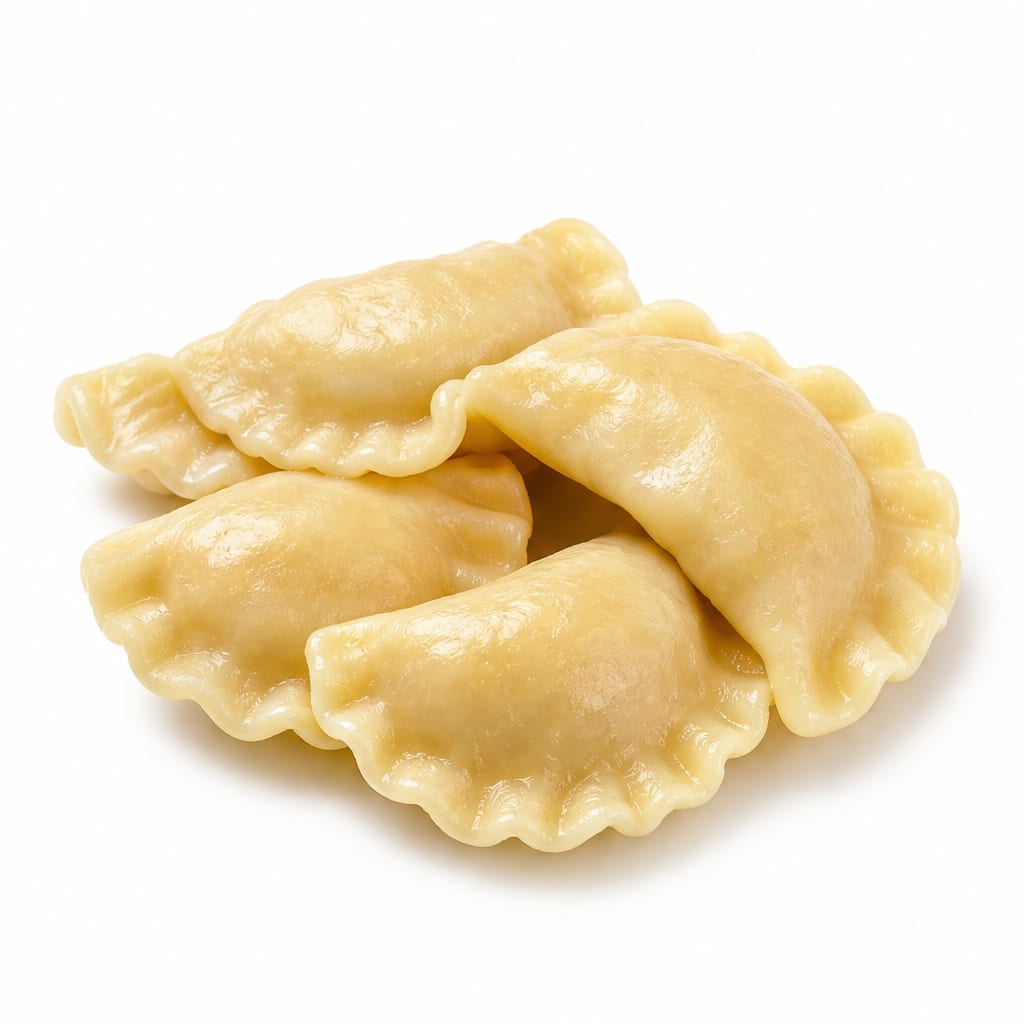
Compare with
Cheese Pierogi
Pierogi are often boiled then pan-fried in butter, increasing their fat and calorie content significantly compared to simply boiled tortellini.
Boiled tortellini is typically lower in fat and calories than pierogi, which are often pan-fried after boiling.
This food
Tortellini
VS50% alike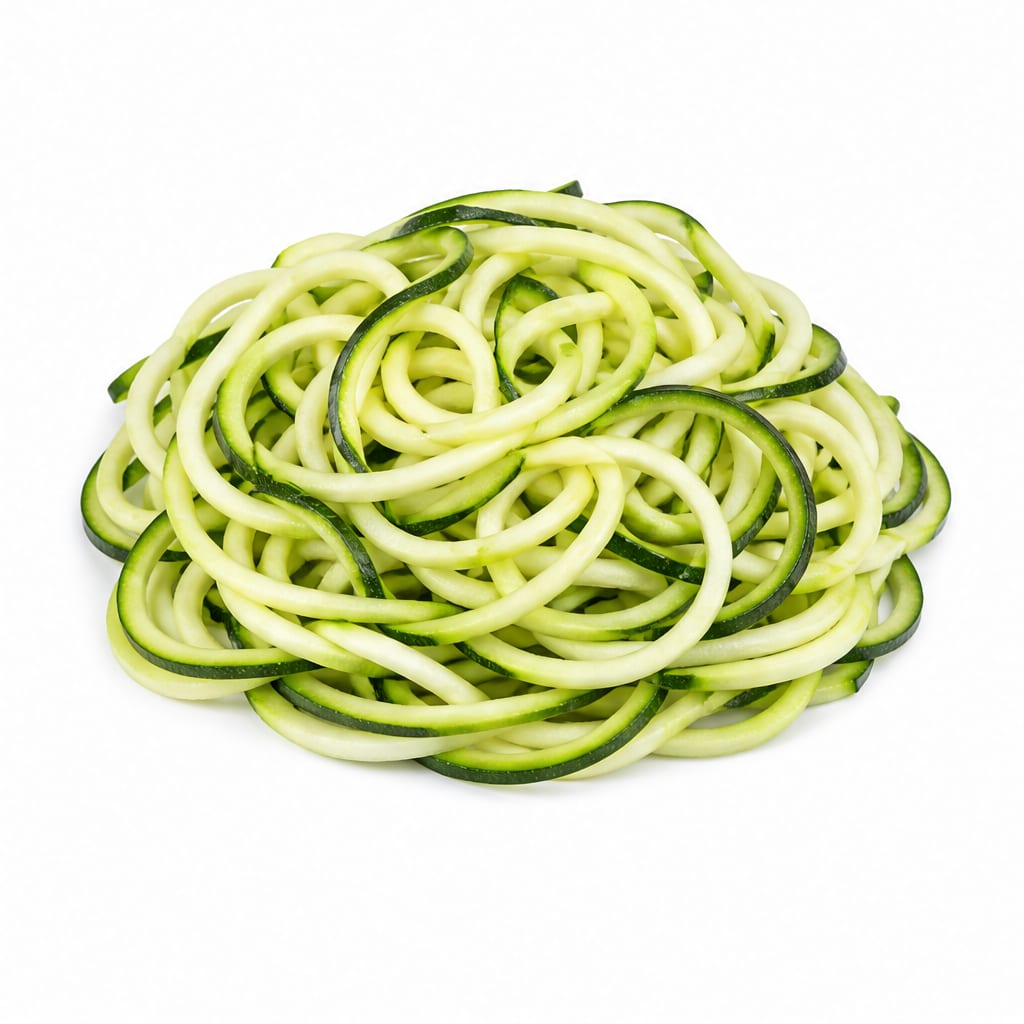
Compare with
Zucchini Noodles
Zucchini noodles are extremely low in calories and carbs, making them superior for weight loss and blood sugar, but they lack the energy density needed for athletic fueling.
Zucchini noodles are vastly lower in carbs and calories than tortellini, but tortellini provides the energy needed for intense workouts.
This food
Tortellini
VS65% alike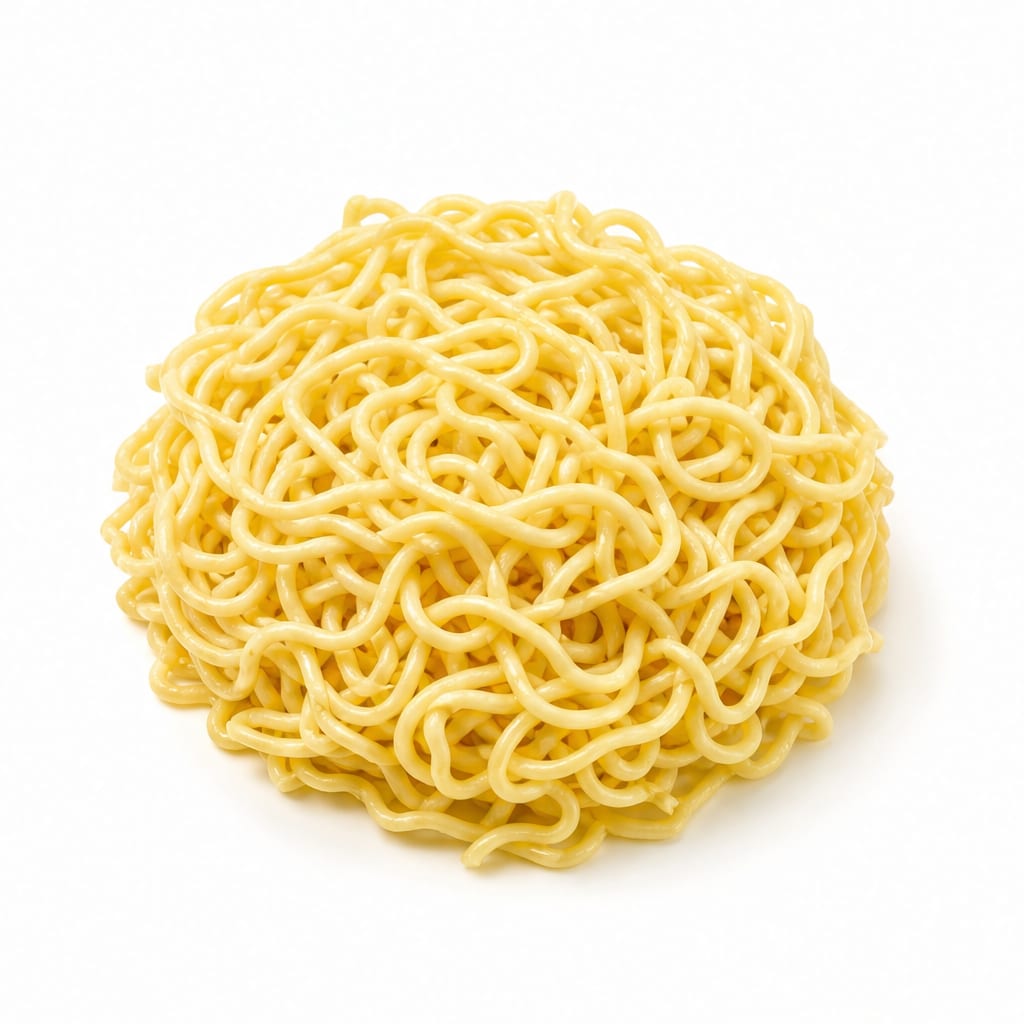
Compare with
Ramen Noodles
Instant ramen is ultra-processed and deep-fried, containing far more sodium and unhealthy fats than fresh tortellini.
Fresh tortellini is much less processed and lower in unhealthy fats and sodium compared to instant ramen noodles.
This food
Tortellini
VS80% alike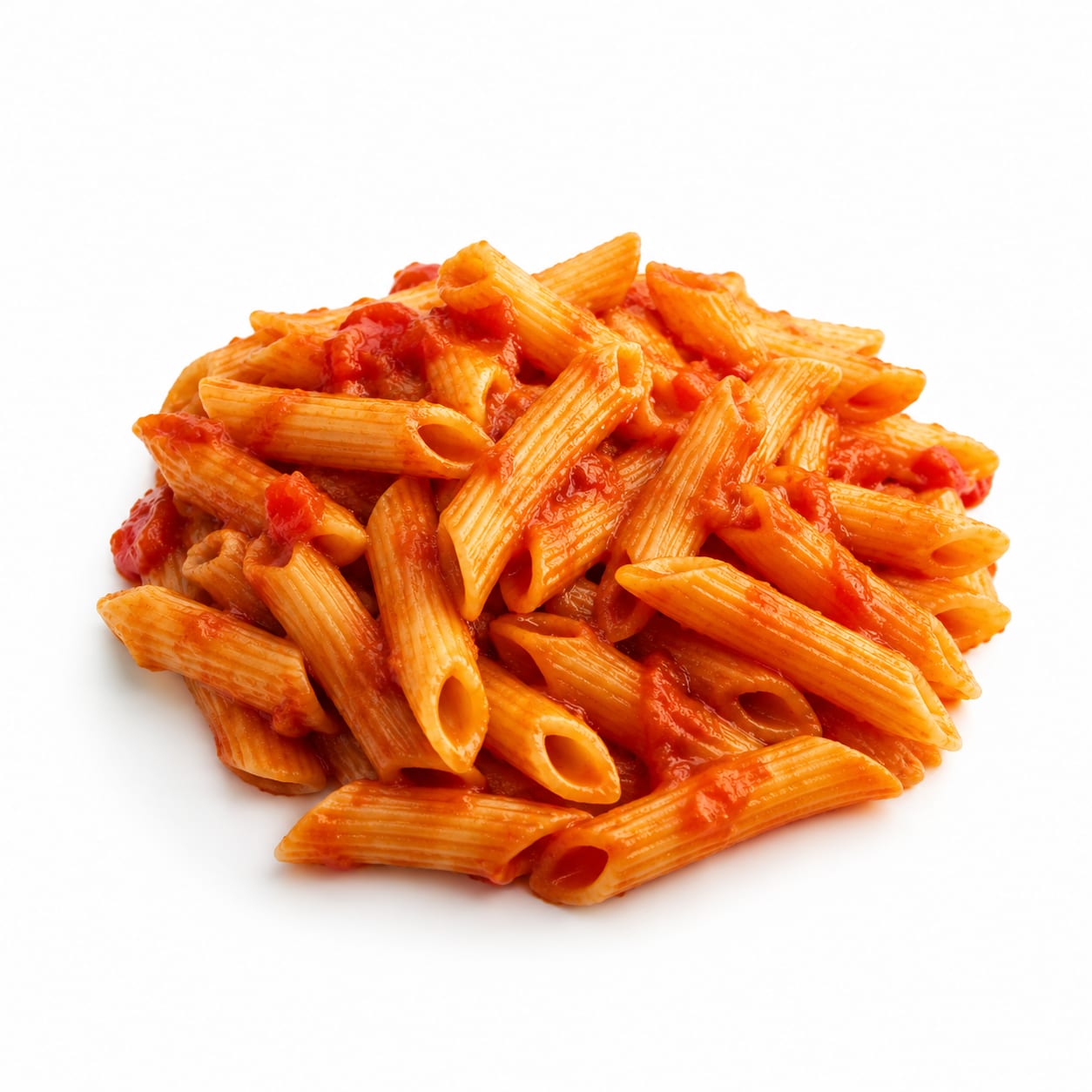
Compare with
Penne
Penne is an unfilled tube pasta. Without the cheese or meat filling, penne is lower in calories, fat, and protein, but higher in pure carbohydrates per serving.
Penne is lower in calories than tortellini, but tortellini's filling provides more protein and a slightly lower glycemic impact.
Common questions
FAQ
Answers aligned with how people search for this food.
Is tortellini good for weight loss?
Tortellini is not ideal for weight loss due to its high refined carbohydrate content and moderate calorie density, which can lead to overconsumption without providing lasting satiety.
How many carbs are in cheese tortellini?
There are approximately 47 grams of carbohydrates in a 100-gram serving of cooked cheese tortellini, making it a high-carb food.
Can diabetics eat tortellini?
Diabetics should eat tortellini in moderation. Its refined wheat flour causes rapid blood sugar spikes. Pairing it with fiber-rich vegetables and protein can help slow glucose absorption.
Is tortellini high in protein?
Tortellini contains a moderate amount of protein (about 13g per 100g) from its cheese or meat filling, but it is not considered a high-protein food compared to meat or legumes.
What is the healthiest way to eat tortellini?
The healthiest way to eat tortellini is to boil it and pair it with a tomato-based sauce, leafy greens, and a lean protein source to increase fiber and reduce the overall glycemic load of the meal.
Is fresh tortellini highly processed?
Fresh tortellini is moderately processed (NOVA Group 3). While it contains whole food ingredients like flour and cheese, commercial varieties often include preservatives and flavor enhancers.
How is tortellini different from ravioli?
Tortellini is ring-shaped and typically smaller, while ravioli is square or rectangular and larger. Both are stuffed pastas, but tortellini is traditionally served in broth, whereas ravioli is usually sauced.
Does tortellini spike blood sugar?
Yes, because it is made from refined wheat flour, tortellini can cause a rapid rise in blood sugar, though the fat and protein in the filling may slightly blunt the spike.
Transparency
Data confidence
Estimated confidence for nutrition data, interpretation, safety notes, and comparisons.
Nutrition data
Health analysis
Food safety
Comparisons