
Nutrition comparison
Tortellini vs Whole Wheat Pasta: Nutrition, Satiety, and Health Comparison
Compare Tortellini and Whole Wheat Pasta to see which is better for weight loss, blood sugar, and daily energy. Learn the tradeoffs between convenience and fiber.
Overall winner · Whole Wheat Pasta
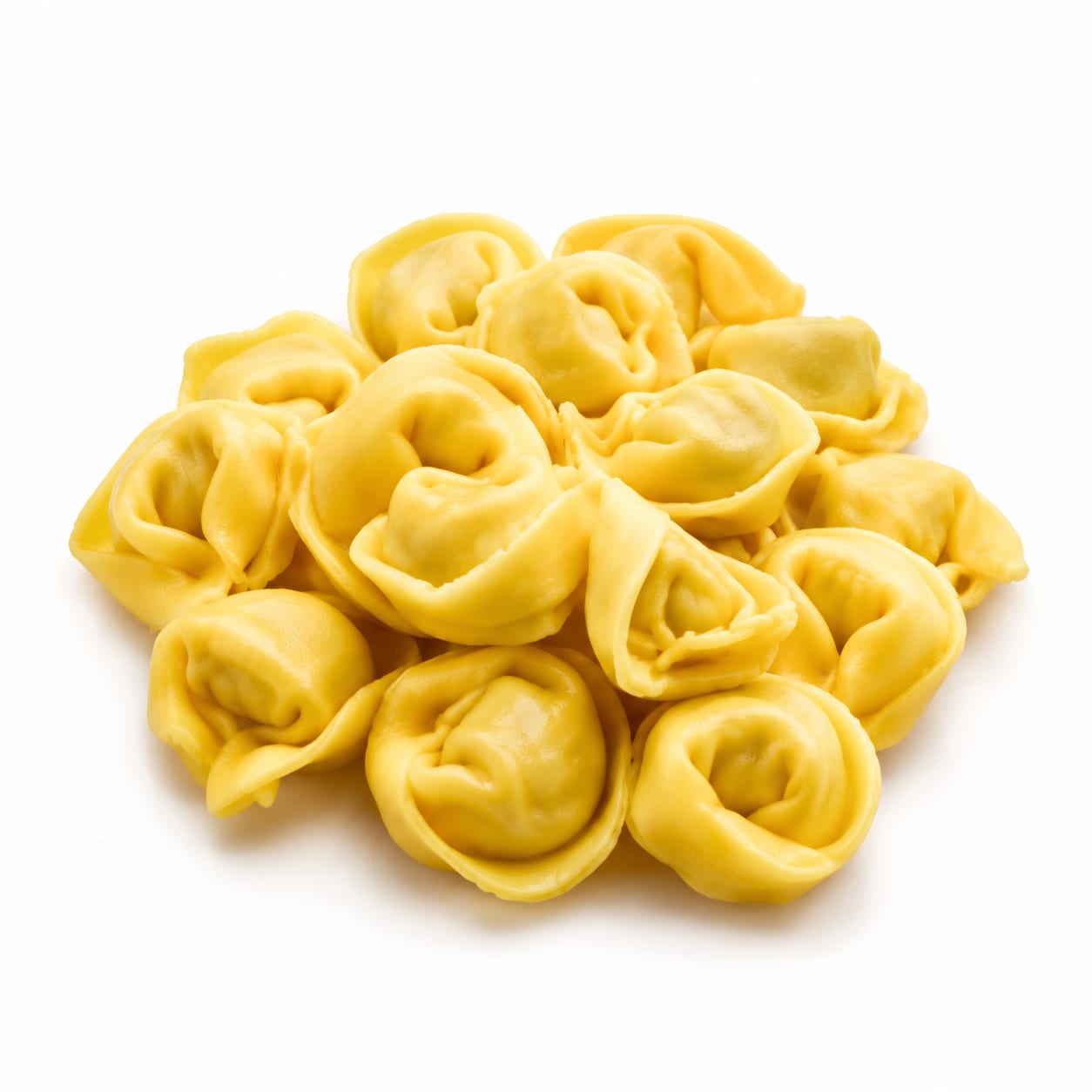
Tortellini
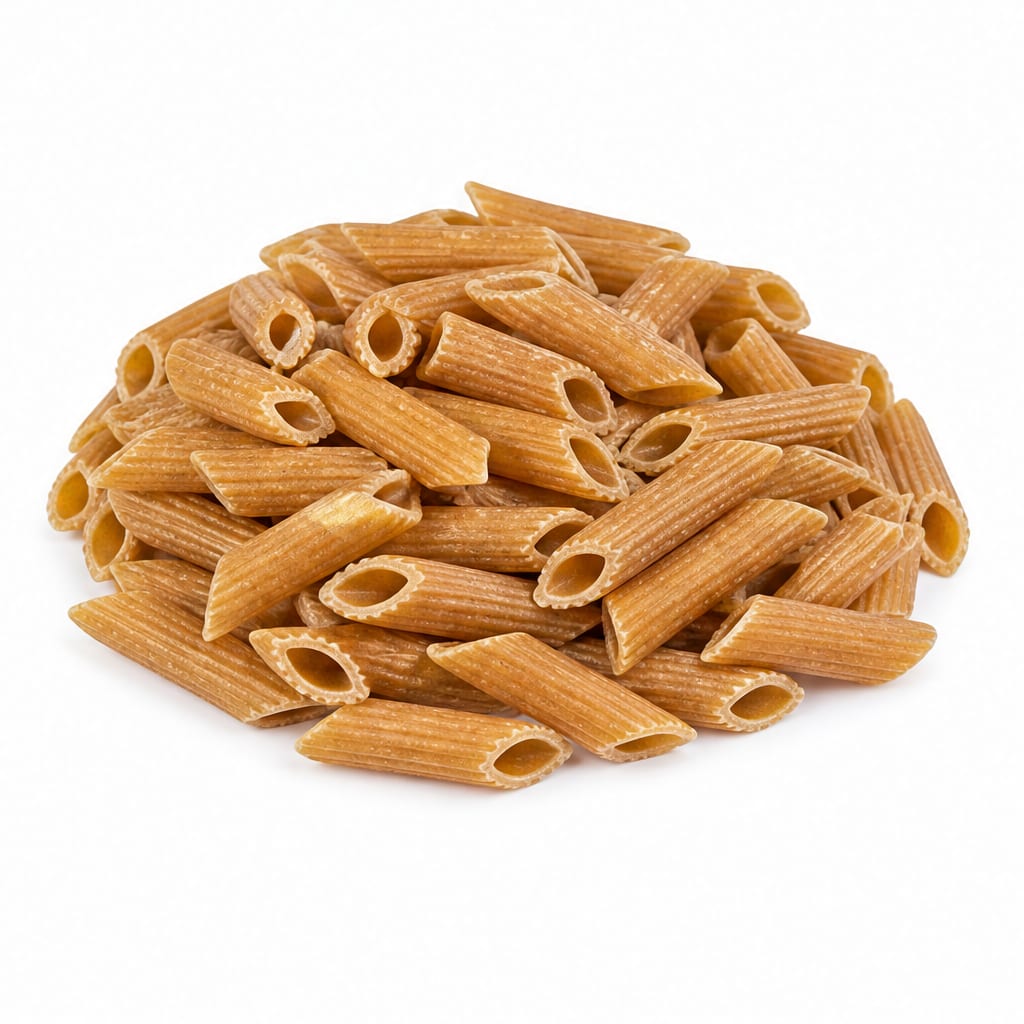
Whole Wheat Pasta
Whole Wheat Pasta wins for everyday health and steady energy, but Tortellini offers a comforting, convenient meal when you need something rich and satisfying.
Whole Wheat Pasta scores significantly higher due to its fiber content, cleaner ingredient list, and blood sugar stability. Tortellini loses ground on sodium, processing, and calorie density, though it remains a satisfying occasional choice.
You trade the convenience and rich flavor of Tortellini for the steady energy, better digestion, and cleaner ingredients of Whole Wheat Pasta.
At a glance
Executive summary
Overall
Whole Wheat Pasta
Healthier
Whole Wheat Pasta
More practical
It depends
Daily use
Whole Wheat Pasta
Key comparison lenses
blood sugar and energy stability
Comparing a refined stuffed pasta against a whole grain alternative makes glycemic impact the most critical health differentiator.
weight management and calorie density
Tortellini is significantly more calorie-dense due to its cheese filling, which changes portion control dynamics.
processing and ingredient transparency
Store-bought tortellini often contains hidden sodium and preservatives, while whole wheat pasta is typically a two-ingredient food.
meal convenience and preparation
Tortellini offers a complete meal in one package, whereas whole wheat pasta requires building a balanced plate.
Best choice for
Tortellini
- Quick weeknight dinners needing minimal prep
- Picky eaters who dislike whole grain textures
- Comfort food cravings on a cold day
Whole Wheat Pasta
- Sustained energy through busy afternoons
- Managing blood sugar or insulin resistance
- High-volume eating without excess calories
Least suitable for
Tortellini
- Daily consumption due to sodium and calorie load
- Those monitoring blood sugar closely
- Sodium-sensitive individuals
Whole Wheat Pasta
- Those with severe gluten intolerance or celiac
- Meals where a quick, standalone dish is required
- People who strongly dislike earthy flavors
Deep comparison
Dimension by dimension
Each lens scores both foods and breaks down who each option suits.
- Dimension 1 · Priority 95Whole Wheat Pasta
Blood Sugar Stability
Tortellini · 35Whole Wheat Pasta · 85Whole Wheat Pasta provides a slow, steady release of energy, while Tortellini can cause quicker blood sugar spikes.
Tradeoff
You sacrifice the immediate comforting hit of refined carbohydrates for long-lasting energy without the crash.
Why it matters
Steady blood sugar means fewer afternoon energy crashes and reduced cravings later in the day.
Real-world impact
Eating Whole Wheat Pasta at lunch keeps you alert at your 3 PM meeting; Tortellini might leave you reaching for a coffee.
Tortellini
- Quick pre-workout energy if you need fast carbs
Better for
- Sustained focus during long work sessions
Worse for
Whole Wheat Pasta
- Preventing the post-meal energy slump
- Managing insulin resistance or prediabetes
Better for
- Immediate glycogen replenishment for endurance athletes
Worse for
- Dimension 2 · Priority 90Whole Wheat Pasta
Satiety and Fullness
Tortellini · 60Whole Wheat Pasta · 88Whole Wheat Pasta keeps you full longer thanks to its high fiber content, whereas Tortellini relies on calorie-dense fats for initial fullness.
Tradeoff
Tortellini feels rich and heavy immediately, but that feeling fades faster than the steady bulk of whole grains.
Why it matters
Staying full longer helps control snacking and makes it easier to maintain a healthy weight without feeling deprived.
Real-world impact
A bowl of Whole Wheat Pasta at dinner keeps you satisfied until morning; Tortellini might have you scavenging the pantry by 9 PM.
Tortellini
- A heavy, indulgent feeling right after eating
Better for
- Avoiding the cycle of quick hunger return
Worse for
Whole Wheat Pasta
- Controlling late-night snacking urges
- Stretching a meal to keep you full for 5+ hours
Better for
- Feeling physically light immediately post-meal
Worse for
- Dimension 3 · Priority 88Whole Wheat Pasta
Calorie Density and Weight Management
Tortellini · 30Whole Wheat Pasta · 80Tortellini packs significantly more calories into a smaller serving due to the cheese filling, making Whole Wheat Pasta much easier for portion control.
Tradeoff
You give up the rich, concentrated flavor of stuffed pasta for the ability to eat a larger, more satisfying volume of food for fewer calories.
Why it matters
Lower calorie density allows you to eat satisfying portions without accidentally overconsuming calories.
Real-world impact
You can have a generous bowl of Whole Wheat Pasta with veggies for the same calories as a small, less filling portion of Tortellini.
Tortellini
- Gaining weight healthily if you need concentrated calories
Better for
- Eating mindfully without overdoing calories
Worse for
Whole Wheat Pasta
- Creating large, satisfying meals on a calorie deficit
- Effortless portion control
Better for
- Getting enough calories for heavy training days without excessive volume
Worse for
- Dimension 4 · Priority 85Whole Wheat Pasta
Processing and Additives
Tortellini · 25Whole Wheat Pasta · 90Whole Wheat Pasta is typically just whole wheat flour and water. Tortellini often contains refined flour, multiple cheeses, preservatives, and emulsifiers.
Tradeoff
Convenience and complex flavor come at the cost of eating a more processed product with a longer ingredient list.
Why it matters
Fewer additives and minimal processing generally mean better long-term gut health and fewer unexpected metabolic reactions.
Real-world impact
You can pronounce everything on the Whole Wheat Pasta box; the Tortellini bag might read like a chemistry experiment.
Tortellini
- Complex flavor profiles without needing to cook a multi-ingredient sauce
Better for
- Minimizing ultra-processed food intake
Worse for
Whole Wheat Pasta
- Clean eating goals
- Avoiding hidden emulsifiers and preservatives
Better for
- Creating a rich, standalone dish from scratch quickly
Worse for
- Dimension 5 · Priority 80Whole Wheat Pasta
Sodium Load
Tortellini · 20Whole Wheat Pasta · 90Tortellini is surprisingly high in sodium due to the cheese filling and preservation needs, while Whole Wheat Pasta is virtually sodium-free.
Tradeoff
The savory, seasoned taste of Tortellini comes with a heavy sodium price tag that you avoid with plain pasta.
Why it matters
High sodium intake directly impacts blood pressure and can cause bloating, making you feel heavy and sluggish.
Real-world impact
Eating Tortellini can easily use up a third of your daily sodium allowance in one small sitting.
Tortellini
- Avoiding the need to heavily salt your cooking water or sauce for flavor
Better for
- Managing hypertension or heart health
Worse for
Whole Wheat Pasta
- Keeping blood pressure in check
- Preventing the tight, bloated feeling the next morning
Better for
- Getting robust flavor without adding salty sauces
Worse for
- Dimension 6 · Priority 70Tortellini
Convenience and Meal Prep
Tortellini · 90Whole Wheat Pasta · 50Tortellini is a complete, flavorful meal in minutes with just boiling water. Whole Wheat Pasta requires building a balanced dish from scratch.
Tradeoff
You trade nutritional quality for the sheer convenience of a meal that seasons and proteins itself.
Why it matters
When life is chaotic, the path of least resistance often wins. A convenient meal you actually cook is better than ordering takeout.
Real-world impact
Tortellini saves you on a Tuesday night when you have 10 minutes to feed the family; Whole Wheat Pasta requires more planning.
Tortellini
- Exhausting workdays with zero cooking energy
- Minimal grocery shopping for a complete meal
Better for
- Building a highly customized, nutrient-dense meal
Worse for
Whole Wheat Pasta
- Batch cooking and meal prepping for the week
- Controlling exactly what goes into your sauce
Better for
- Getting dinner on the table in under 15 minutes with no extra ingredients
Worse for
Timeline
Health impact over time
Short-term
Hours to days
Tortellini
- Quick satisfaction from rich, savory flavors
- Potential bloating or sluggishness from high sodium and refined carbs
- Rapid energy followed by a crash within a couple of hours
Whole Wheat Pasta
- Steady, reliable energy without the heavy food coma
- A feeling of physical fullness without the heavy, bloated sensation
- Requires pairing with protein and healthy fats to avoid feeling unsatisfied initially
Long-term
Months to years
Tortellini
- Frequent consumption may contribute to elevated blood pressure due to high sodium
- Higher risk of weight gain from calorie-dense, easy-to-overeat portions
- Potential for increased blood sugar volatility over time
Whole Wheat Pasta
- Improved digestion and regularity from consistent fiber intake
- Better long-term blood sugar control and reduced diabetes risk
- Easier weight maintenance due to natural portion control and satiety
Risk profile
Safety & processing
Whole Wheat Pasta is a simple, whole-food staple. Tortellini is a manufactured convenience product with added sodium, preservatives, and refined flours to maintain texture and shelf life.
Tortellini
Dairy spoilage and foodborne illness
mediumThe cheese or meat filling in Tortellini is perishable and can harbor bacteria like Listeria if not cooked thoroughly or stored properly.
High sodium intake
mediumConsistently eating high-sodium foods can raise blood pressure and strain the cardiovascular system over time.
Whole Wheat Pasta
Gluten intolerance reaction
highContains wheat gluten, making it strictly unsafe for those with celiac disease or severe gluten sensitivity.
Pesticide residue on conventional wheat
lowConventionally grown wheat may carry trace pesticide residues; choosing organic mitigates this minor risk.
Who wins for whom
Audience fit
Same foods, different winners depending on your goal.
children
TortelliniKids are often drawn to the soft texture and cheesy flavor of Tortellini, making it an easier sell for picky eaters, though sodium should be monitored.
daily consumption
Whole Wheat PastaThe clean ingredient list and high fiber make Whole Wheat Pasta a sustainable, healthy staple for everyday meals.
diabetes
Whole Wheat PastaThe high fiber and lower glycemic index of Whole Wheat Pasta prevent dangerous blood sugar spikes, making it the clear winner for insulin management.
elderly
Whole Wheat PastaOlder adults need fiber for digestive health and low sodium for blood pressure control, making Whole Wheat Pasta the safer daily choice.
muscle gain
It dependsTortellini provides built-in protein from cheese, but Whole Wheat Pasta paired with lean meat or legumes offers better macros and more controlled sodium.
weight loss
Whole Wheat PastaWhole Wheat Pasta offers more volume and fiber for fewer calories, making it far easier to maintain a calorie deficit without feeling hungry.
Your move
Decision guide
Choose Tortellini
- You had a physically exhausting day and need a comforting, zero-effort meal
- You are cooking for kids who refuse whole grains
- You are trying to increase calorie intake and need energy-dense food
Choose Whole Wheat Pasta
- You want steady energy and no afternoon crash
- You are focusing on heart health and lowering sodium intake
- You want a versatile base for loading up vegetables and lean proteins
Either works if
- You are having an occasional pasta night and portion control is easy
- You plan to balance the meal with a large side salad
Avoid both if
- You have celiac disease or a severe gluten intolerance
- You are strictly following a low-carb or ketogenic diet
Final recommendation
Make Whole Wheat Pasta your everyday staple for its fiber, steady energy, and clean ingredients. Keep Tortellini in your rotation as a convenient comfort food for busy nights or when you need a rich, satisfying treat—just watch the portion size and drink extra water to balance the sodium.
Practical
Consumer tips
- 1
Check the Tortellini nutrition label for sodium—some brands pack over 800mg per serving.
- 2
Pair Whole Wheat Pasta with a healthy fat and lean protein to make the meal as satisfying as Tortellini.
- 3
If the earthy taste of Whole Wheat Pasta bothers you, try mixing it half-and-half with regular pasta while you adjust.
- 4
Buy fresh Tortellini over dried when possible; it typically has fewer preservatives and a better texture.
- 5
Rinse canned beans or add extra vegetables to Whole Wheat Pasta to bulk up the meal without adding calories.