
Nutrition comparison
Tortellini vs Spaghetti: Which Pasta Is Healthier for You?
Compare tortellini and spaghetti on calories, protein, sodium, and satiety. Find out which pasta fits your health goals, weight loss plan, or everyday meals better.
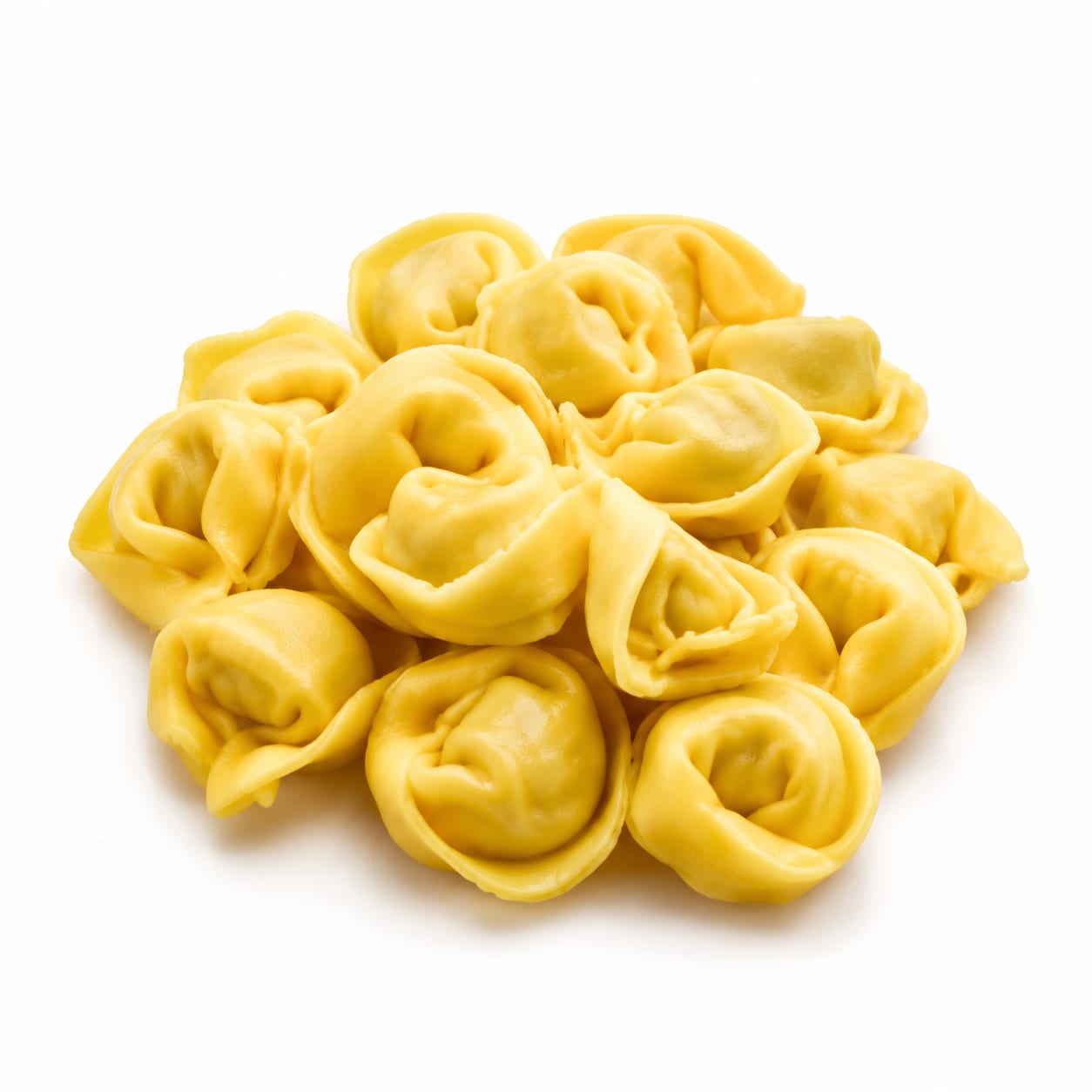
Tortellini
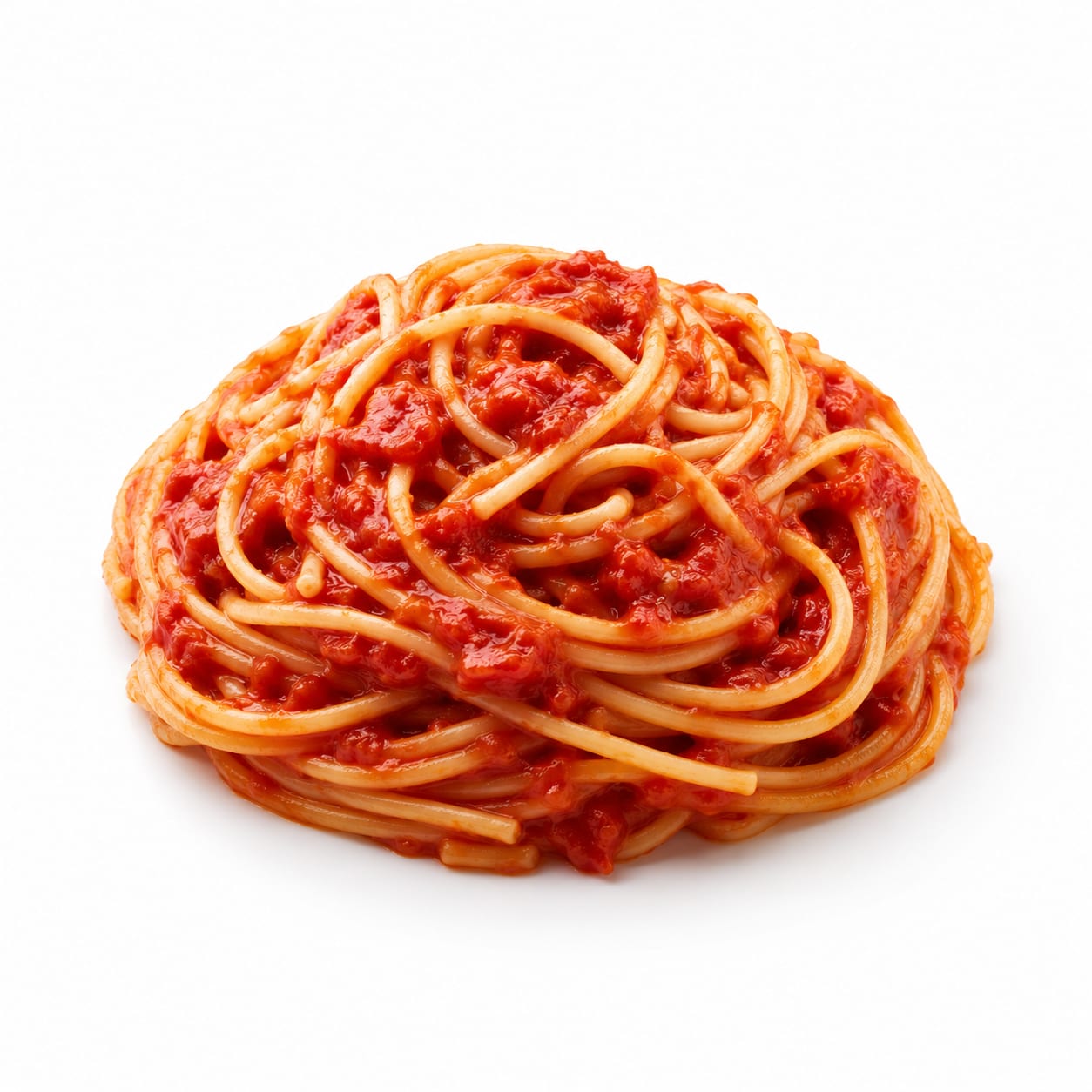
Spaghetti
Tortellini delivers more satisfaction and protein per bite, while spaghetti gives you more portion control and fewer calories. Your choice depends on whether you prioritize fullness or flexibility.
Spaghetti scores higher overall due to lower calorie density, less processing, and lower sodium. Tortellini wins on satiety and protein but carries meaningful tradeoffs in sodium and calorie cost that matter more for everyday eating.
Tortellini fills you up faster but costs more calories and sodium. Spaghetti is lighter and simpler but less satisfying on its own.
At a glance
Executive summary
Overall
It depends
Healthier
It depends
More practical
Spaghetti
Daily use
Spaghetti
Key comparison lenses
Which pasta is more filling and satisfying per meal
Tortellini's filling adds protein and fat, making it inherently more satiating than plain spaghetti
Which is better for weight management and calorie control
Spaghetti has significantly fewer calories per serving, giving more portion flexibility
Processing and ingredient quality differences
Tortellini contains fillings with additional preservatives and sodium, while spaghetti is simpler
Blood sugar impact and energy stability
The protein and fat in tortellini slow digestion, potentially creating steadier energy than spaghetti alone
Sodium and heart health considerations
Tortellini's cheese or meat filling adds meaningful sodium that spaghetti avoids
Best choice for
Tortellini
- People who want a complete-feeling meal without adding protein sides
- Those prioritizing satiety and staying full for hours
- Anyone eating smaller portions who still wants satisfaction
- Home cooks wanting a built-in flavor experience with less sauce needed
Spaghetti
- People counting calories or managing weight
- Anyone watching sodium intake
- Families wanting a versatile base for different sauces
- Those who prefer adding their own protein sources like lean meat or beans
Least suitable for
Tortellini
- People on strict low-sodium diets
- Anyone closely tracking calories who eats large portions
- Those avoiding dairy or meat fillings due to allergies or preferences
Spaghetti
- People who struggle with overeating pasta portions
- Anyone needing a high-protein meal without adding sides
- Those who find plain pasta unsatisfying and end up snacking later
Deep comparison
Dimension by dimension
Each lens scores both foods and breaks down who each option suits.
- Dimension 1 · Priority 92Tortellini
Satiety and Fullness
Tortellini · 82Spaghetti · 55Tortellini keeps you full longer thanks to its protein and fat-rich filling, while spaghetti relies on sauce additions to create lasting satisfaction.
Tradeoff
That fullness comes with roughly 50-80% more calories per serving compared to plain spaghetti.
Why it matters
If you find yourself hungry an hour after eating pasta, tortellini's built-in protein may solve that problem without needing extra sides.
Real-world impact
A tortellini dinner at 7pm likely carries you to bedtime. A spaghetti dinner might have you reaching for snacks by 9pm unless you add chicken or beans.
Tortellini
- Staying full between meals without extra snacks
- Post-workout recovery when you need protein and carbs together
- Busy evenings when you want one dish to do everything
Better for
- Hot summer days when heavy meals feel uncomfortable
Worse for
Spaghetti
- Light lunches where you want energy without feeling sluggish
- Multi-course meals where pasta is just one component
Better for
- Situations where you cannot add protein sides and need the pasta itself to satisfy
Worse for
- Dimension 2 · Priority 88Spaghetti
Calorie Density and Weight Management
Tortellini · 42Spaghetti · 74Spaghetti gives you more food volume for fewer calories, making portion control far easier.
Tradeoff
You get less protein per calorie, so you need to be more intentional about balancing your plate.
Why it matters
For anyone managing weight, the ability to eat a satisfying-looking portion without blowing your calorie budget is a real advantage.
Real-world impact
A generous plate of spaghetti with marinara runs about 400 calories. The same visual portion of cheese tortellini hits 550-650 calories before sauce.
Tortellini
- Bulking or muscle-gain phases where extra calories help
- People with small appetites who need calorie density to meet needs
Better for
- Sedentary days with low calorie budgets
Worse for
Spaghetti
- Calorie counting or weight loss plans
- Anyone who likes eating larger visual portions
- Flexible dieting where you want room for other foods
Better for
- Active individuals who struggle to eat enough calories
Worse for
- Dimension 3 · Priority 85Tortellini
Protein Content and Quality
Tortellini · 72Spaghetti · 38Tortellini's cheese or meat filling delivers 2-3 times more protein per serving than spaghetti alone.
Tradeoff
The protein comes with added saturated fat and sodium that plain spaghetti avoids entirely.
Why it matters
Protein matters for muscle maintenance, fullness, and blood sugar stability. Getting it built into your pasta simplifies meal planning.
Real-world impact
Cheese tortellini provides roughly 12-15g protein per cup. Spaghetti gives you about 8g. That difference adds up over a week of meals.
Tortellini
- Vegetarians who rely on dairy protein
- Quick weeknight meals where adding a separate protein feels like too much effort
- Athletes combining carbs and protein in one dish
Better for
- People limiting saturated fat from cheese
Worse for
Spaghetti
- Anyone who prefers controlling their protein source separately
- Plant-based eaters avoiding dairy fillings
Better for
- Meals where protein needs are high and you have no time for sides
Worse for
- Dimension 4 · Priority 70Spaghetti
Sodium Load
Tortellini · 35Spaghetti · 68Tortellini's filling adds significant sodium that plain spaghetti simply does not have.
Tradeoff
Spaghetti's low sodium becomes irrelevant if you drown it in salty sauce, so the advantage depends on your sauce choices.
Why it matters
For the 1 in 3 adults with hypertension, sodium differences between pasta shapes are not trivial.
Real-world impact
Cheese tortellini can pack 500-800mg sodium per serving before sauce. Spaghetti sits around 5-10mg. That is a meaningful gap for heart health.
Tortellini
- People who salt food lightly and need some sodium for taste without adding salt
Better for
- Low-sodium diets prescribed by doctors
Worse for
Spaghetti
- Anyone with high blood pressure or sodium sensitivity
- Heart-healthy eating patterns
- Those already getting plenty of sodium from sauces and cheese toppings
Better for
- Endurance athletes who actually need more sodium after heavy sweating
Worse for
- Dimension 5 · Priority 80Spaghetti
Processing and Ingredient Simplicity
Tortellini · 40Spaghetti · 75Spaghetti is typically just flour and water, maybe eggs. Tortellini adds fillings with preservatives, stabilizers, and more complex ingredient lists.
Tradeoff
Fresh tortellini from a good deli has cleaner ingredients than shelf-stable versions, but still involves more processing than plain pasta.
Why it matters
People trying to eat fewer ultra-processed foods will find spaghetti an easier choice to feel good about.
Real-world impact
A package of refrigerated tortellini often contains 15-20 ingredients. Dried spaghetti usually has 2-3. That difference matters if you are trying to simplify your diet.
Tortellini
- Specialty or fresh-made tortellini from local shops with clean ingredients
Better for
- Minimally processed diet goals
Worse for
Spaghetti
- Clean eating approaches
- Anyone trying to reduce ultra-processed food intake
- People with multiple food sensitivities who need simple ingredient lists
Better for
- Situations where convenience and built-in flavor matter more than ingredient purity
Worse for
- Dimension 6 · Priority 75Tortellini
Blood Sugar Stability
Tortellini · 65Spaghetti · 50Tortellini's protein and fat slow carbohydrate absorption, creating a gentler blood sugar rise than spaghetti alone.
Tradeoff
The difference shrinks dramatically if you pair spaghetti with protein-rich sauce, olive oil, or vegetables.
Why it matters
Steadier blood sugar means fewer energy crashes and less cravings between meals.
Real-world impact
Eating plain spaghetti with a sugary marinara can spike blood sugar fast. Tortellini with the same sauce creates a slower, more sustained energy release.
Tortellini
- People with prediabetes who want steadier energy
- Anyone prone to afternoon energy crashes after pasta lunches
Better for
- Low-carb eaters for whom any pasta is too much
Worse for
Spaghetti
- Athletes who actually want quick carbs after intense exercise
- Meals where you add plenty of fiber-rich vegetables and lean protein to the plate
Better for
- Meals eaten alone without protein or fat sides
Worse for
- Dimension 7 · Priority 72Spaghetti
Versatility and Meal Building
Tortellini · 50Spaghetti · 85Spaghetti is a blank canvas that works with almost any cuisine or flavor profile. Tortellini already has a personality that limits pairing options.
Tradeoff
Tortellini's built-in flavor means less work and fewer ingredients needed. Spaghetti requires more thought but gives more freedom.
Why it matters
If you cook for a household with different preferences, spaghetti's flexibility is a real practical advantage.
Real-world impact
Spaghetti works with marinara, pesto, aglio e olio, clam sauce, or even Asian-style dishes. Tortellini really wants cream sauce, broth, or simple butter and sage.
Tortellini
- Quick meals where you want flavor without a complex sauce
- Soup and broth-based dishes like tortellini en brodo
Better for
- Adventurous cooking with non-Italian flavor profiles
Worse for
Spaghetti
- Families with diverse taste preferences
- Meal prep where you cook one base and vary sauces throughout the week
- Budget cooking since spaghetti is cheaper per serving
Better for
- Nights when you want something that feels special with minimal effort
Worse for
Timeline
Health impact over time
Short-term
Hours to days
Tortellini
- Higher satiety within 30 minutes due to protein and fat content
- Possible sluggishness after large portions because of calorie density
- Slightly steadier energy curve compared to plain pasta meals
Spaghetti
- Quick energy availability from easily digested carbohydrates
- Potential hunger return within 1-2 hours if eaten without protein or fat
- Lighter post-meal feeling that some people prefer at lunchtime
Long-term
Months to years
Tortellini
- Higher sodium intake could contribute to blood pressure concerns if eaten frequently
- Saturated fat from cheese filling may impact heart health with regular consumption
- Protein integration supports muscle maintenance better than plain pasta alone
Spaghetti
- Lower baseline sodium and fat make it easier to maintain heart-healthy patterns
- Reliance on added sauces and sides for nutrition can lead to inconsistent meal quality
- Simpler ingredient list reduces exposure to preservatives and additives over years of consumption
Risk profile
Safety & processing
Spaghetti is about as simple as pasta gets, typically just semolina and water. Tortellini's filling introduces preservatives, stabilizers, and sometimes flavor enhancers. Fresh deli tortellini is cleaner than shelf-stable versions, but still more processed than spaghetti by nature of having a filling.
Tortellini
Perishable filling spoilage
mediumCheese and meat fillings create a shorter shelf life and higher risk if refrigeration is inconsistent. Always check dates and storage conditions carefully.
Listeria concern with cheese fillings
lowPasteurized cheese fillings are standard, but immunocompromised individuals should verify pasteurization, especially with fresh tortellini.
Spaghetti
Minimal food safety concerns
lowDried spaghetti is shelf-stable and has extremely low risk of contamination or spoilage when stored properly.
Who wins for whom
Audience fit
Same foods, different winners depending on your goal.
children
SpaghettiSpaghetti is more kid-friendly due to milder flavor, easier texture, and lower sodium. Tortellini's filling can be hit-or-miss with picky eaters, and children are more sensitive to sodium load.
daily consumption
SpaghettiSpaghetti's simplicity, lower sodium, and fewer additives make it more sustainable as a regular staple. Tortellini is better as an occasional meal to avoid excessive sodium and saturated fat.
diabetes
It dependsTortellini's protein and fat slow glucose absorption, but its higher calorie count can complicate weight management. Spaghetti paired with fiber-rich sauce and lean protein can work equally well. The real difference is what you eat with it.
elderly
TortelliniTortellini's higher protein supports muscle preservation in older adults, and its softer filling can be easier to chew than dense pasta. The sodium tradeoff should be monitored.
muscle gain
TortelliniTortellini provides more protein per serving alongside carbs, which supports muscle recovery. Spaghetti needs added protein to match this benefit.
weight loss
SpaghettiSpaghetti's lower calorie density lets you eat satisfying portions while staying in a deficit. Tortellini's extra calories from fat and filling make portion control harder.
Your move
Decision guide
Choose Tortellini
- You want a one-dish meal that feels complete without adding protein sides
- Satiety is your top priority and you find plain pasta leaves you hungry
- You are cooking a special dinner and want something that feels elevated with minimal effort
- You need more protein in your diet and prefer getting it from dairy sources
Choose Spaghetti
- You are watching calories, sodium, or overall intake consistently
- You enjoy building meals with different sauces, proteins, and vegetables throughout the week
- You prefer simpler ingredient lists with fewer additives
- You cook for a family and need a versatile base everyone can customize
Either works if
- You are eating pasta as part of a balanced meal with vegetables and lean protein
- Neither pasta is your everyday staple and you just want variety
- You are an active person who can accommodate the calorie differences through activity
Avoid both if
- You have celiac disease or gluten intolerance and are not using gluten-free versions
- You are following a strict low-carb or ketogenic eating pattern
- You have uncontrolled blood sugar and have not yet figured out your personal carb tolerance
Final recommendation
Make spaghetti your everyday pasta and treat tortellini as your satisfying upgrade. Spaghetti gives you more control over calories, sodium, and ingredients, which matters most for regular meals. When you need a meal that feels complete on its own or want something richer, tortellini delivers that comfort without requiring extra dishes. The smartest approach: keep both in your rotation based on what the rest of your day looks like.
Practical
Consumer tips
- 1
Check refrigerated tortellini ingredient lists. Brands with shorter lists and recognizable ingredients are worth the slightly higher price.
- 2
Pair spaghetti with olive oil, vegetables, and a protein source to match tortellini's satiety while keeping sodium lower.
- 3
Rinse canned tortellini in soup lightly to reduce surface sodium before adding to broth.
- 4
Measure dry spaghetti before cooking. It is easy to accidentally cook 3-4 servings when estimating by hand.
- 5
Freeze fresh tortellini if you cannot use it before the date. The filling spoils faster than you might expect.
- 6
Choose whole wheat spaghetti if blood sugar control is a priority. The fiber difference is meaningful and costs almost nothing extra.
- 7
Make tortellini from scratch for special occasions. Homemade versions have dramatically less sodium and no preservatives while tasting superior.