
Nutrition comparison
Tortellini vs Lentil Pasta: Which Is Healthier and What Are the Tradeoffs?
Compare tortellini and lentil pasta on protein, fiber, blood sugar impact, and taste. Find out which pasta fits your health goals and when each makes sense.
Overall winner · Lentil Pasta
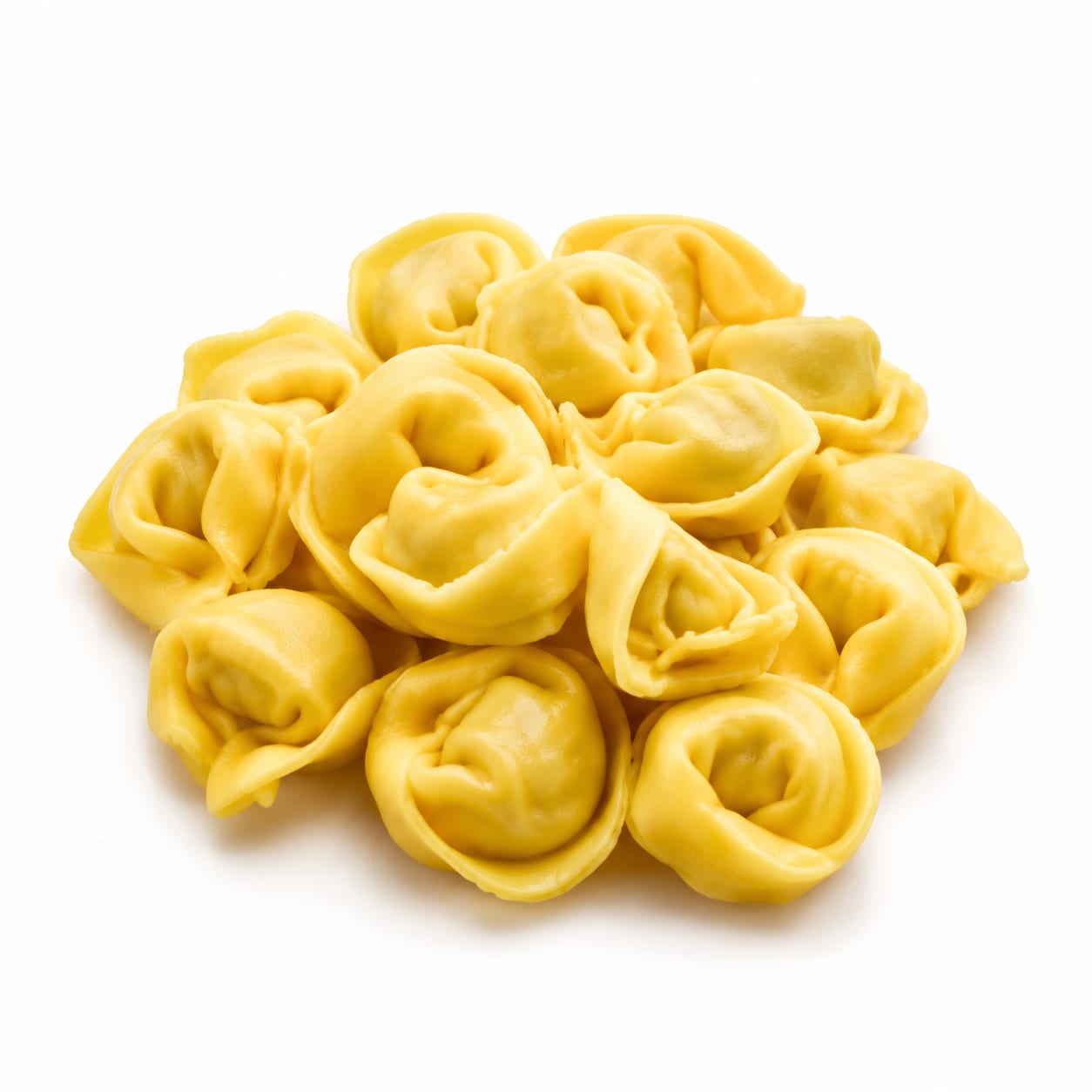
Tortellini
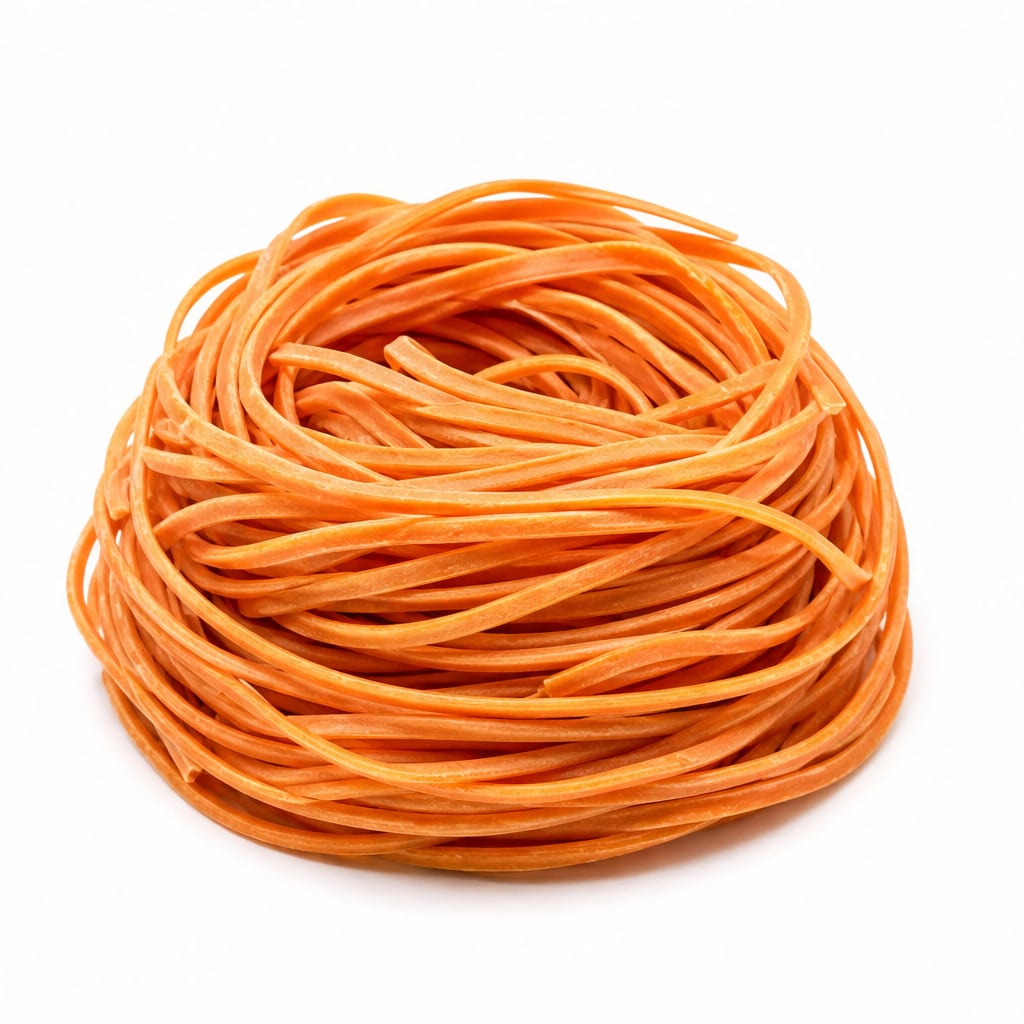
Lentil Pasta
Lentil pasta wins on nutrition and sustained energy, but tortellini delivers more comfort and enjoyment per bite.
Lentil pasta scores significantly higher due to superior protein, fiber, blood sugar stability, and ingredient simplicity. Tortellini remains relevant for enjoyment and digestibility but falls short on most health metrics.
You trade taste and emotional satisfaction for steadier energy, more protein, and better long-term health outcomes.
At a glance
Executive summary
Overall
Lentil Pasta
Healthier
Lentil Pasta
More practical
It depends
Daily use
Lentil Pasta
Key comparison lenses
blood sugar and energy stability
Refined wheat tortellini causes sharper blood sugar spikes compared to lentil pasta's slow-digesting carbs
protein quality and satiety
Lentil pasta delivers roughly double the protein, keeping you full longer without needing large portions
weight management and cravings
Fiber and protein differences make one far better for controlling hunger between meals
digestive tolerance and gut comfort
Lentil pasta's high fiber helps some but causes bloating in others; tortellini is gentler on sensitive stomachs
processing and ingredient simplicity
Tortellini often contains fillers, preservatives, and cheese; lentil pasta is typically just lentil flour
Best choice for
Tortellini
- People who prioritize meal enjoyment and comfort
- Those needing easy digestion after stomach illness
- Active individuals carbo-loading before endurance events
- Families with picky eaters who refuse legume-based alternatives
Lentil Pasta
- People managing blood sugar or insulin resistance
- Anyone trying to lose weight without feeling hungry
- Plant-based eaters needing more protein
- Athletes seeking sustained energy without crashes
Least suitable for
Tortellini
- People with diabetes or prediabetes
- Anyone monitoring sodium intake
- Those trying to reduce refined carbohydrate consumption
Lentil Pasta
- People with legume sensitivities or IBS triggers
- Those unaccustomed to high-fiber diets who need gradual introduction
- Picky eaters sensitive to texture differences
Deep comparison
Dimension by dimension
Each lens scores both foods and breaks down who each option suits.
- Dimension 1 · Priority 95Lentil Pasta
satiety and fullness
Tortellini · 40Lentil Pasta · 88Lentil pasta keeps you full for hours; tortellini leaves you hungry again within 90 minutes.
Tradeoff
Tortellini feels more immediately satisfying in the moment but fails to sustain fullness.
Why it matters
Staying full between meals reduces snacking and makes portion control effortless.
Real-world impact
A lentil pasta lunch at noon keeps you satisfied until dinner. Tortellini at noon often has you reaching for a snack by 2pm.
Tortellini
- Quick post-meal comfort without heaviness
Better for
- Overeating later due to rebound hunger
Worse for
Lentil Pasta
- Weight loss without fighting hunger
- Long work shifts without meal breaks
- Reducing evening snacking urges
Better for
- Feeling overly full if you eat a large portion
Worse for
- Dimension 2 · Priority 92Lentil Pasta
blood sugar stability
Tortellini · 30Lentil Pasta · 85Lentil pasta provides slow, steady energy. Tortellini causes a faster rise and crash.
Tradeoff
Tortellini gives quick energy but pays for it with an afternoon slump.
Why it matters
Blood sugar crashes drive fatigue, cravings, and irritability within hours of eating.
Real-world impact
After tortellini you may feel sleepy at your desk by 2:30pm. After lentil pasta you stay alert through the afternoon.
Tortellini
- Pre-workout quick energy when you need fast fuel
Better for
- Reactive hypoglycemia symptoms
- Triggering sugar cravings later
Worse for
Lentil Pasta
- Diabetes and prediabetes management
- Steady focus during long workdays
- Avoiding the 3pm energy crash
Better for
- Not ideal right before high-intensity exercise when you need quick carbs
Worse for
- Dimension 3 · Priority 88Lentil Pasta
protein content and quality
Tortellini · 35Lentil Pasta · 82Lentil pasta delivers roughly 2-3 times more protein per serving than cheese tortellini.
Tradeoff
Tortellini's cheese filling adds some protein but also adds sodium and saturated fat.
Why it matters
Higher protein meals support muscle maintenance, metabolism, and fullness with fewer calories.
Real-world impact
One bowl of lentil pasta covers about 40% of daily protein needs for many adults. Tortellini covers closer to 15%.
Tortellini
- Complete protein from cheese filling if meat-stuffed
Better for
- Needs additional protein sources to make a balanced meal
Worse for
Lentil Pasta
- Plant-based protein without saturated fat
- Muscle recovery after exercise
- Higher protein per calorie ratio
Better for
- Missing methionine unless paired with grains
Worse for
- Dimension 4 · Priority 85Lentil Pasta
fiber and gut health
Tortellini · 20Lentil Pasta · 90Lentil pasta is a fiber powerhouse; tortellini is essentially fiber-free.
Tradeoff
Ramping up lentil pasta too quickly can cause bloating if your gut is not used to high fiber.
Why it matters
Fiber feeds gut bacteria, supports regularity, and lowers cholesterol over time.
Real-world impact
Lentil pasta can provide half your daily fiber in one meal. Tortellini provides virtually none.
Tortellini
- Gentle on sensitive digestive systems
- Safe during flare-ups of IBS or GI illness
Better for
- Contributes nothing to daily fiber goals
Worse for
Lentil Pasta
- Long-term gut microbiome health
- Cholesterol reduction
- Preventing constipation
Better for
- Gas and bloating if introduced too quickly
Worse for
- Dimension 5 · Priority 80Tortellini
taste and emotional satisfaction
Tortellini · 88Lentil Pasta · 55Tortellini is a comfort food that feels like a treat. Lentil pasta tastes earthy and takes getting used to.
Tradeoff
Choosing lentil pasta may feel like a sacrifice at first, especially for pasta lovers.
Why it matters
Meals you enjoy are easier to sustain long-term. Misery-based diets always fail.
Real-world impact
Kids and pasta traditionalists often reject lentil pasta on texture alone. Tortellini disappears from the plate happily.
Tortellini
- Family meals where everyone needs to eat happily
- Comfort eating that actually feels comforting
- Date nights and social dinners
Better for
- Easy to overeat because it tastes so good
Worse for
Lentil Pasta
- People who enjoy earthy, nutty flavors
- Those who feel satisfied by eating nutritiously
Better for
- May feel like a chore rather than a pleasure initially
Worse for
- Dimension 6 · Priority 75Lentil Pasta
sodium and heart health
Tortellini · 30Lentil Pasta · 85Cheese-filled tortellini is surprisingly high in sodium; lentil pasta is naturally very low.
Tradeoff
Tortellini's flavor comes partly from salt and cheese, which raises blood pressure risk over time.
Why it matters
High sodium intake is a leading driver of hypertension, especially in older adults.
Real-world impact
A single serving of cheese tortellini can contain 500-800mg sodium. Lentil pasta typically has under 50mg.
Tortellini
- Flavor without needing added salt at the table
Better for
- Hidden sodium that accumulates across the day
Worse for
Lentil Pasta
- Hypertension management
- Heart-healthy eating patterns
- Reducing water retention and bloating
Better for
- Requires seasoning to avoid blandness
Worse for
- Dimension 7 · Priority 70Lentil Pasta
ingredient simplicity and processing
Tortellini · 30Lentil Pasta · 90Lentil pasta is usually just lentil flour. Tortellini often contains preservatives, fillers, and additives.
Tradeoff
Fresh tortellini from a deli counter is cleaner than shelf-stable versions, but still more processed than lentil pasta.
Why it matters
Fewer ingredients generally means fewer surprises for your body and fewer inflammatory triggers.
Real-world impact
Reading a lentil pasta label takes 3 seconds. Tortellini labels often have 10+ ingredients including preservatives.
Tortellini
- Fresh artisan tortellini can be relatively clean
Better for
- Shelf-stable versions often contain preservatives and stabilizers
Worse for
Lentil Pasta
- Minimal ingredient lists you can actually pronounce
- No hidden emulsifiers or preservatives
- Easier to avoid allergens and sensitivities
Better for
- Some brands add rice flour or starches that dilute benefits
Worse for
Timeline
Health impact over time
Short-term
Hours to days
Tortellini
- Quick energy boost followed by a crash within 1-2 hours
- Immediate comfort and satisfaction from familiar flavors
- Possible bloating if you are sensitive to dairy in the filling
- Thirst from higher sodium content
Lentil Pasta
- Steady energy for 3-4 hours without crashes
- Possible gas or bloating if your body is not accustomed to high fiber
- Feeling pleasantly full on smaller portions
- May need more water to help fiber move through your system
Long-term
Months to years
Tortellini
- Repeated blood sugar spikes contribute to insulin resistance over years
- Higher sodium intake raises hypertension risk
- Low fiber intake fails to support gut microbiome diversity
- Easy to overconsume calories due to low satiety
Lentil Pasta
- Improved blood sugar regulation and lower diabetes risk
- Better gut health from consistent high fiber intake
- Easier weight management from natural portion control
- Lower cardiovascular risk from reduced sodium and saturated fat
Risk profile
Safety & processing
Lentil pasta is typically a single-ingredient product. Tortellini, especially shelf-stable varieties, contains multiple additives including preservatives, dough conditioners, and cheese cultures. Fresh refrigerated tortellini is cleaner but still more processed than lentil pasta.
Tortellini
Dairy contamination and spoilage
mediumCheese filling creates a higher risk of bacterial growth if not stored or cooked properly. Refrigerated tortellini has a short shelf life.
Allergen exposure
mediumContains wheat, dairy, and sometimes eggs or nuts in filling, making it problematic for people with multiple food allergies.
Lentil Pasta
Legume allergy or sensitivity
lowLentil allergies are rare but can be serious for those affected. Cross-contamination with other legumes is possible in manufacturing.
Antinutrient content
lowLentils contain phytic acid which can reduce mineral absorption, but cooking significantly reduces this. Not a practical concern for most people.
Who wins for whom
Audience fit
Same foods, different winners depending on your goal.
children
TortelliniKids prefer the taste and texture of tortellini, and the calorie density supports growing bodies. Hiding nutrition in food kids reject helps no one.
daily consumption
Lentil PastaThe fiber, protein, and blood sugar benefits compound with daily use. Tortellini daily would increase sodium and refined carb exposure significantly.
diabetes
Lentil PastaLow glycemic index and high fiber create slow, manageable blood sugar responses instead of sharp spikes.
elderly
It dependsLentil pasta helps with blood sugar and fiber needs, but tortellini is easier to chew and digest for those with GI sensitivity.
muscle gain
Lentil PastaMore protein per serving supports muscle repair, though pairing either pasta with a protein source is still recommended.
weight loss
Lentil PastaHigher protein and fiber mean you eat less naturally and stay full longer, making calorie deficits feel easier.
Your move
Decision guide
Choose Tortellini
- You want a comforting meal that feels like a reward at the end of a hard day
- You are cooking for kids or picky eaters who need familiar textures
- You are carbo-loading before an endurance event and need quick energy
- You have a sensitive stomach and need something gentle and easy to digest
- You are eating socially and want to enjoy the meal without overthinking it
Choose Lentil Pasta
- You want steady energy without afternoon crashes
- You are trying to lose weight or maintain weight without hunger
- You have diabetes, prediabetes, or want to prevent blood sugar issues
- You need more protein and fiber in your diet without adding supplements
- You eat pasta frequently and want a healthier daily default
Either works if
- You are pairing with a robust vegetable and protein sauce that balances the meal
- You only eat pasta occasionally and the overall meal quality matters more
- You are cooking for a group with mixed dietary priorities
Avoid both if
- You have celiac disease and the tortellini is wheat-based and the lentil pasta is not certified gluten-free
- You are on a strict very-low-carb or ketogenic diet
- You have severe GI symptoms and need to follow a low-FODMAP elimination phase
Final recommendation
Make lentil pasta your everyday default and save tortellini for when you genuinely want the comfort experience. The health gap between them is large enough to matter daily but small enough that occasional tortellini will not derail you. If lentil pasta feels boring at first, try roasting vegetables and adding a flavorful sauce — the taste gap shrinks quickly when you build a good meal around it.
Practical
Consumer tips
- 1
Start with half lentil pasta and half regular pasta to ease into the texture and flavor transition
- 2
Rinse canned lentil pasta brands before cooking to reduce any gritty texture
- 3
Sauce matters more with lentil pasta — a rich tomato or pesto sauce covers the earthy flavor beautifully
- 4
Check tortellini labels: fresh refrigerated versions have fewer preservatives than shelf-stable ones
- 5
Cook lentil pasta slightly less than package directions to avoid mushiness — it cooks differently than wheat pasta
- 6
If sodium is a concern, avoid pre-sauced tortellini packets and season lentil pasta yourself
- 7
Add olive oil and salt to lentil pasta cooking water to improve texture and flavor from the start