
Nutrition comparison
Tortellini vs Zucchini Noodles: Which Is Healthier for Weight Loss and Blood Sugar?
Compare Tortellini and zucchini noodles on calories, carbs, satiety, and health impact. Find out which pasta alternative fits your goals better.
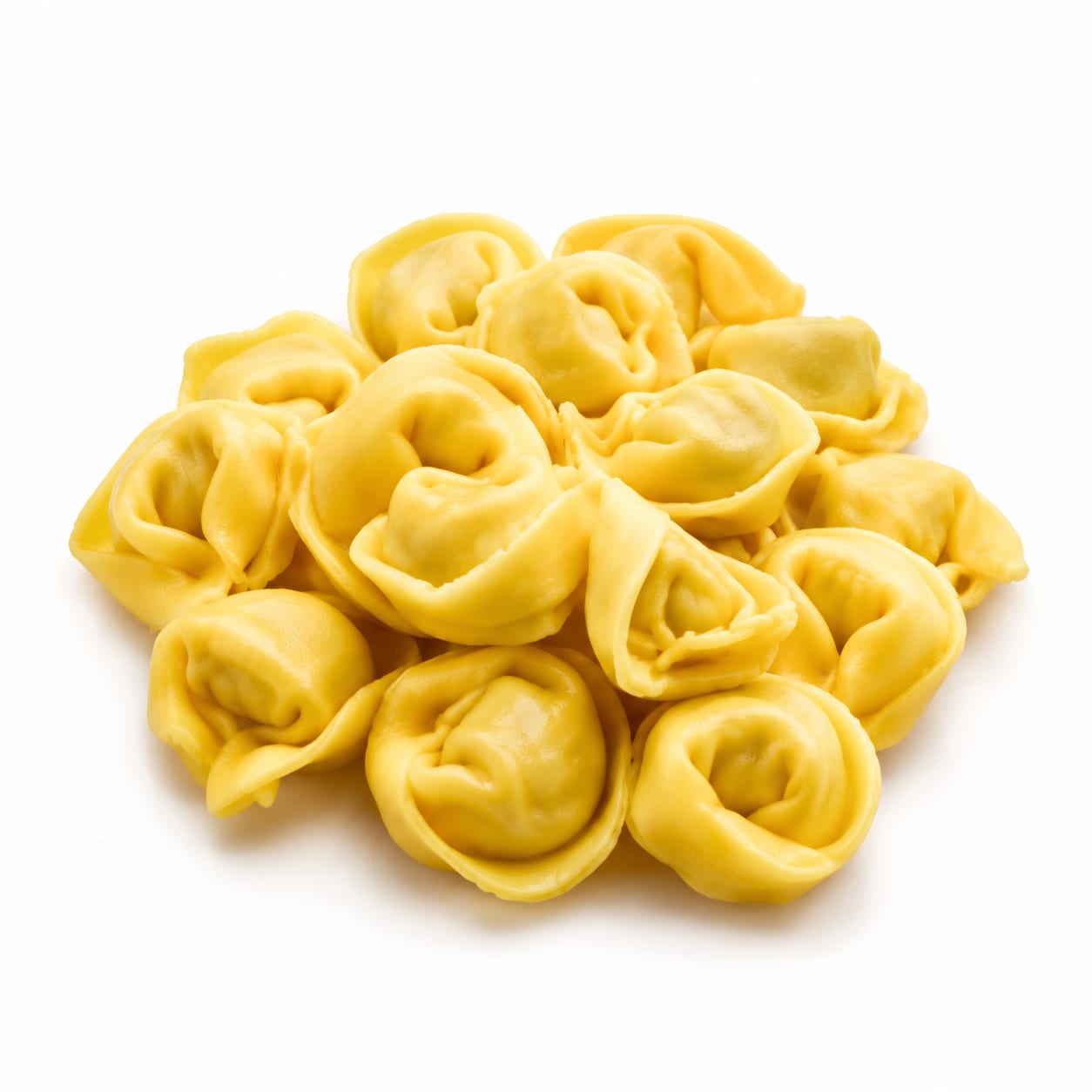
Tortellini
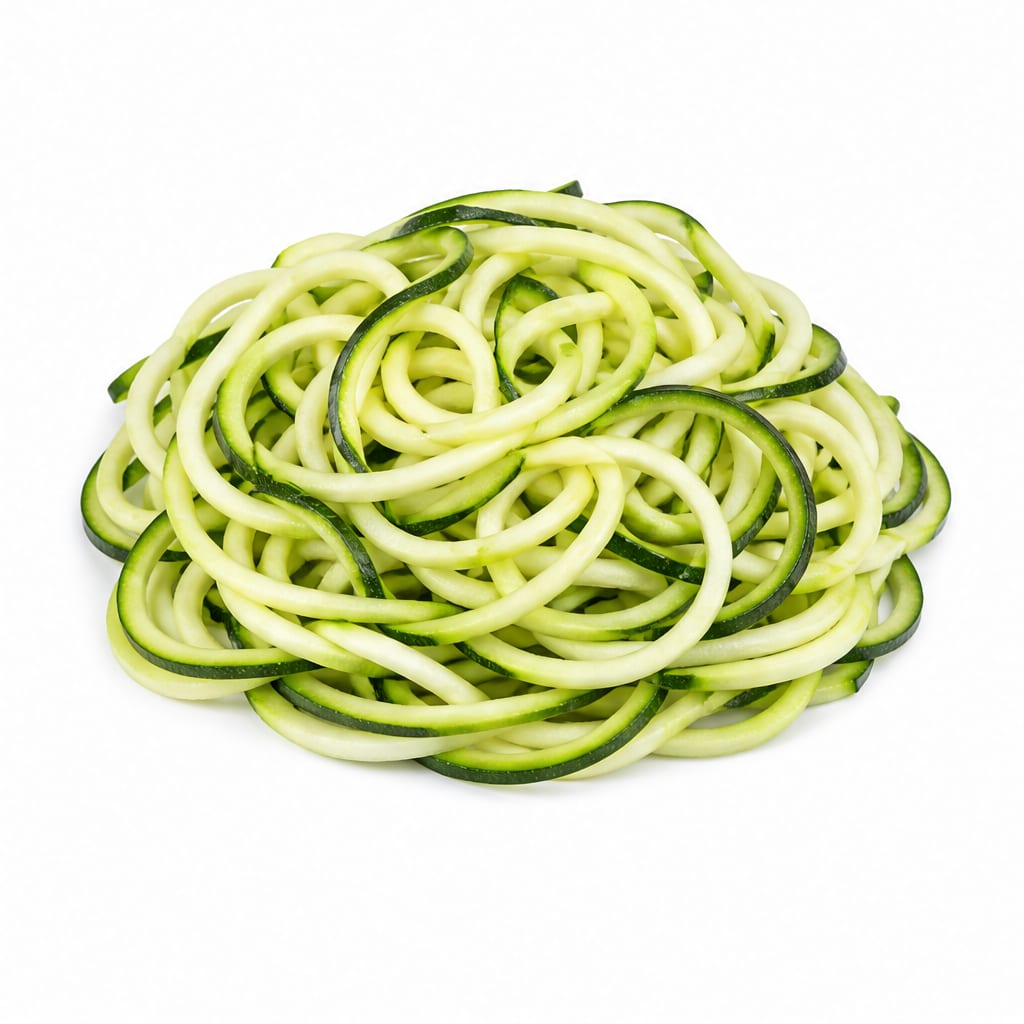
Zucchini Noodles
Tortellini delivers comfort and built-in protein; zucchini noodles deliver near-zero calories and blood sugar stability. Your goal determines the winner.
Zucchini noodles score higher for most health-focused goals, but Tortellini earns meaningful points for satisfaction, convenience, and energy provision. The gap reflects that more adults are trying to reduce carbs and calories than increase them.
Satisfaction and energy versus lightness and metabolic control — you sacrifice one to maximize the other.
At a glance
Executive summary
Overall
It depends
Healthier
Zucchini Noodles
More practical
Tortellini
Daily use
Zucchini Noodles
Key comparison lenses
low-carb vs traditional pasta substitute
This is the most common reason people compare these two foods — deciding whether to stick with classic pasta or swap to a vegetable alternative
weight loss meal planning
Calorie density difference is massive, making this comparison central for anyone managing portions or cutting calories
blood sugar management
Carbohydrate load differs dramatically, which matters greatly for diabetics or anyone monitoring glycemic impact
meal satisfaction and comfort
Tortellini is deeply comforting while zucchini noodles often feel like a compromise — emotional eating matters
nutritional completeness as a standalone dish
Tortellini contains protein and fat from filling; zucchini noodles need additions to become a complete meal
Best choice for
Tortellini
- Athletes needing carb fuel before or after training
- Anyone underweight or struggling to eat enough
- Comfort meal seekers who want something warm and satisfying
- Families wanting a crowd-pleasing dinner
- People who find vegetable substitutes frustrating and unsustainable
Zucchini Noodles
- Anyone actively losing weight
- People managing type 2 diabetes or insulin resistance
- Low-carb or keto dieters
- Those trying to increase vegetable volume without calories
- People who feel sluggish after heavy carb meals
Least suitable for
Tortellini
- Diabetics with poorly controlled blood sugar
- Strict low-carb dieters
- Anyone counting calories closely
- People with gluten or dairy sensitivity
Zucchini Noodles
- Athletes needing carb replenishment
- Growing children who need calorie-dense meals
- Anyone prone to feeling hungry soon after eating
- People finding vegetable substitutes emotionally unsatisfying
Deep comparison
Dimension by dimension
Each lens scores both foods and breaks down who each option suits.
- Dimension 1 · Priority 95Zucchini Noodles
Calorie Density and Weight Management
Tortellini · 25Zucchini Noodles · 95Zucchini noodles contain roughly 15-20 calories per cup versus 200+ for Tortellini — a tenfold difference that makes weight management dramatically easier.
Tradeoff
You save hundreds of calories but may feel less satisfied and end up snacking later if the meal lacks protein and fat.
Why it matters
For most people, calorie density is the single biggest driver of unintentional weight gain. Swapping even a few meals per week can create a meaningful deficit.
Real-world impact
A Tortellini dinner might cost you 500-700 calories before sauce; the same plate with zucchini noodles could be under 200. That difference compounds weekly.
Tortellini
- Hard gainers needing easy calories
- Endurance athletes fueling long training days
Better for
- Consistent calorie surplus risk
- Easy to overeat without realizing
Worse for
Zucchini Noodles
- Anyone in a calorie deficit
- Portion-conscious eaters
- People who prefer larger food volumes
Better for
- May feel too light without additions
- Risk of under-eating if not paired with fat and protein
Worse for
- Dimension 2 · Priority 90Zucchini Noodles
Blood Sugar Stability
Tortellini · 20Zucchini Noodles · 95Tortellini is refined flour-based and causes significant blood sugar spikes. Zucchini noodles have virtually no carbs and almost no glycemic impact.
Tradeoff
Stable blood sugar with zucchini noodles means steadier energy but less immediate fuel for intense activity.
Why it matters
Post-meal energy crashes, cravings, and long-term metabolic risk all tie back to glycemic load. This is where the two foods diverge most sharply.
Real-world impact
After Tortellini, you might feel sleepy or crave something sweet an hour later. After zucchini noodles with protein, energy stays flat and steady.
Tortellini
- Pre-workout carb loading for high-intensity exercise
- Recovery meals after glycogen-depleting activity
Better for
- Rapid blood sugar rise and fall
- Trigger for cravings in sugar-sensitive individuals
Worse for
Zucchini Noodles
- Diabetics and pre-diabetics
- Anyone prone to afternoon energy crashes
- Intermittent fasters breaking a fast gently
Better for
- Not useful when you genuinely need quick carbohydrate energy
Worse for
- Dimension 3 · Priority 85Tortellini
Satiety and Meal Satisfaction
Tortellini · 82Zucchini Noodles · 35Tortellini is warm, dense, and filling with protein from its cheese or meat filling. Zucchini noodles alone are watery and leave you hungry within an hour.
Tradeoff
Comfort and fullness now versus lightness and calorie savings — but zucchini noodles can be made satisfying with smart additions.
Why it matters
A meal that does not satisfy leads to snacking, which often negates the calorie savings. Satiety is the hidden variable in sustainable eating.
Real-world impact
Eat Tortellini and you feel done for hours. Eat plain zucchini noodles and you are back in the kitchen before your next meal.
Tortellini
- Emotional eaters needing comfort
- Busy people who cannot snack between meals
- Anyone who hates feeling hungry
Better for
- Heavy feeling that reduces post-meal productivity
- Can trigger food coma in sensitive people
Worse for
Zucchini Noodles
- Hot weather meals when heavy food feels unpleasant
- Multi-course meals where the noodle dish is not the main event
Better for
- High risk of compensatory eating if served alone
- Psychologically feels like a compromise to many pasta lovers
Worse for
- Dimension 4 · Priority 75Tortellini
Nutritional Completeness
Tortellini · 60Zucchini Noodles · 40Tortellini provides carbs, protein, and some fat in one package. Zucchini noodles offer vitamins and hydration but almost no macronutrients without additions.
Tradeoff
Tortellini is more nutritionally rounded as a standalone, but its protein quality is modest. Zucchini noodles need intentional pairing to become a complete meal.
Why it matters
Meals that require lots of additions to work become less convenient and harder to sustain.
Real-world impact
Tortellini with a side salad is a complete meal. Zucchini noodles need chicken, oil, cheese, or legumes to reach the same nutritional profile.
Tortellini
- Quick one-dish meals
- Times when you cannot plan multiple components
Better for
- Protein content is moderate, not high
- Relies on refined flour as the calorie base
Worse for
Zucchini Noodles
- Flexible base for nutrient-dense additions
- Easy to customize for different dietary needs
Better for
- Essentially a blank slate — not a meal on its own
- Easy to create an unbalanced plate if you just add sauce
Worse for
- Dimension 5 · Priority 80Zucchini Noodles
Processing and Ingredient Quality
Tortellini · 30Zucchini Noodles · 95Zucchini noodles are a single whole food. Tortellini is a processed product with refined flour, fillers, preservatives, and often sodium-heavy fillings.
Tradeoff
You trade ingredient purity for convenience and taste complexity.
Why it matters
Ultra-processed foods are linked to overeating, gut microbiome disruption, and long-term disease risk — even when calories seem reasonable.
Real-world impact
Reading the ingredient label on frozen Tortellini often reveals a paragraph of additives. Zucchini noodles have one ingredient: zucchini.
Tortellini
- Shelf-stable and always available
- Consistent taste and texture every time
Better for
- Contains preservatives and stabilizers
- Refined flour base with minimal fiber
- Sodium can be surprisingly high in cheese-filled varieties
Worse for
Zucchini Noodles
- Clean eating advocates
- People avoiding preservatives and emulsifiers
- Anyone concerned about ultra-processed food consumption
Better for
- None from a processing standpoint — it is a whole food
Worse for
- Dimension 6 · Priority 70Tortellini
Convenience and Preparation
Tortellini · 80Zucchini Noodles · 55Tortellini boils in minutes and is shelf-stable. Zucchini noodles require spiralizing or buying pre-cut, and they release water that can ruin sauces.
Tradeoff
Tortellini is faster and more predictable. Zucchini noodles take more technique to get right and can turn soggy.
Why it matters
Inconvenient healthy foods get abandoned. The watery texture of poorly prepared zucchini noodles is a top reason people quit them.
Real-world impact
Drop Tortellini in boiling water for three minutes and dinner is ready. Zucchini noodles need salting, draining, and careful cooking to avoid a soupy mess.
Tortellini
- Weeknight dinners with zero prep energy
- College students and beginner cooks
- Pantry meals when fresh produce is unavailable
Better for
- Relies on having a stove and boiling water
- Dried Tortellini takes longer than fresh
Worse for
Zucchini Noodles
- Meal prep enthusiasts who enjoy process
- Anyone with a spiralizer and good technique
Better for
- Water release ruins cream-based sauces
- Pre-cut zucchini noodles go bad quickly in the fridge
- Extra steps create friction that reduces consistency
Worse for
Timeline
Health impact over time
Short-term
Hours to days
Tortellini
- Quick energy from refined carbohydrates
- Post-meal drowsiness possible due to blood sugar spike
- Immediate satiety from dense calories and warm comfort
- Potential bloating if sensitive to gluten or dairy
Zucchini Noodles
- Light feeling with no digestive heaviness
- Stable energy with no crash
- Possible hunger within 1-2 hours if eaten alone
- High water content supports hydration
Long-term
Months to years
Tortellini
- Regular consumption contributes to elevated average blood sugar
- Higher sodium intake from cheese fillings may affect blood pressure
- Ultra-processed food pattern linked to increased chronic disease risk
- Easy to accumulate surplus calories if portions are not managed
Zucchini Noodles
- Consistent low-calorie intake supports healthy weight maintenance
- High antioxidant and vitamin C intake supports immune function
- Very low sodium naturally unless added in cooking
- May need conscious effort to ensure adequate calorie and protein intake long-term
Risk profile
Safety & processing
This is one of the starkest processing contrasts in a food comparison. Tortellini contains refined flour, modified starches, preservatives, and often sodium phosphate in cheese fillings. Zucchini noodles are literally just a vegetable cut into strips.
Tortellini
Dairy contamination and spoilage
mediumCheese-filled Tortellini can harbor Listeria if not stored or cooked properly. Frozen varieties reduce this risk significantly.
Sodium and phosphate additives
mediumSodium phosphates in cheese fillings may contribute to kidney strain with frequent consumption, especially in people with existing kidney issues.
Gluten cross-contamination
lowStandard Tortellini contains wheat flour. Cross-contamination risk exists in shared facilities for gluten-free labeled alternatives.
Zucchini Noodles
Pesticide residue on conventionally grown zucchini
lowZucchini typically has moderate pesticide residue. Washing thoroughly or choosing organic reduces this concern.
Spoilage of pre-cut packaged zucchini noodles
mediumPre-spiralized zucchini noodles have a short fridge life and can develop bacterial growth quickly once opened. Use within 2-3 days.
Who wins for whom
Audience fit
Same foods, different winners depending on your goal.
children
TortelliniKids need calorie-dense foods and usually reject vegetable substitutes. Tortellini is kid-friendly, provides energy for growth, and is easier to sustain as a family meal.
daily consumption
Zucchini NoodlesA vegetable-based staple is sustainable daily without metabolic consequences. Tortellini as a daily base would contribute excessive refined carbs, sodium, and processed food exposure.
diabetes
Zucchini NoodlesVirtually no carbohydrate means virtually no blood sugar spike. Tortellini's refined flour base is one of the worst choices for glycemic control.
elderly
It dependsZucchini noodles suit elderly individuals managing weight, diabetes, or blood pressure. Tortellini suits those at risk of under-eating or needing calorie density in small portions.
muscle gain
TortelliniTortellini provides carbohydrate energy and moderate protein from filling, both useful for training fuel and recovery. Zucchini noodles contribute almost nothing toward muscle-building macros.
weight loss
Zucchini NoodlesNear-zero calorie base means you can eat a large volume while staying in a deficit. Tortellini's calorie density makes portion control much harder.
Your move
Decision guide
Choose Tortellini
- You are an athlete or active person who needs carbohydrate fuel
- You are underweight or struggling to eat enough calories
- Comfort and meal satisfaction are your top priorities right now
- You are cooking for a family that will not accept vegetable substitutes
- You eat pasta occasionally and want the real experience without compromise
Choose Zucchini Noodles
- You are actively losing weight or maintaining a large calorie deficit
- You have diabetes, insulin resistance, or metabolic syndrome
- You feel sluggish and sleepy after carb-heavy meals
- You want to increase your daily vegetable intake effortlessly
- You are eating low-carb or keto and need a pasta-like vehicle for sauces
Either works if
- You mix both in one bowl — half Tortellini, half zucchini noodles — for a balanced compromise
- You rotate between them based on activity level that day
- You are eating maintenance calories and have no specific metabolic concerns
Avoid both if
- You have a severe dairy allergy and cannot find dairy-free Tortellini, and you dislike zucchini
- You are on a strict carnivore diet
- You need a high-protein meal and have neither a good protein source for the noodles nor a protein-rich Tortellini variety
Final recommendation
For most adults managing weight or metabolic health, zucchini noodles are the smarter default. But the best real-world strategy is hybrid: use zucchini noodles as your base and add a small portion of Tortellini for flavor and satisfaction. You get the volume and nutrients of vegetables with the comfort of real pasta — without the full calorie hit of either extreme.
Practical
Consumer tips
- 1
Salt zucchini noodles and let them sit for 10 minutes, then squeeze out water before cooking — this prevents soggy dishes
- 2
Pair zucchini noodles with olive oil, parmesan, and grilled chicken to create a meal that actually satisfies
- 3
Choose frozen Tortellini over shelf-stable for better texture and fewer preservatives
- 4
Look for Tortellini with simple ingredient lists — cheese, flour, eggs — and avoid brands with sodium phosphate or modified starches
- 5
Try the half-and-half bowl: mix zucchini noodles with a reduced portion of Tortellini for the best of both worlds
- 6
Pre-spiralized zucchini noodles save time but spoil fast — spiralize your own if you can for better quality and shelf life
- 7
If blood sugar is a concern, never eat Tortellini alone — pair it with fiber-rich vegetables and protein to blunt the spike