
Nutrition comparison
Tortellini vs Gnocchi: Which Is Healthier for Your Meal?
Compare Tortellini and Gnocchi on protein, sodium, blood sugar impact, and digestion. Find out which Italian pasta alternative fits your health goals and meal plan.
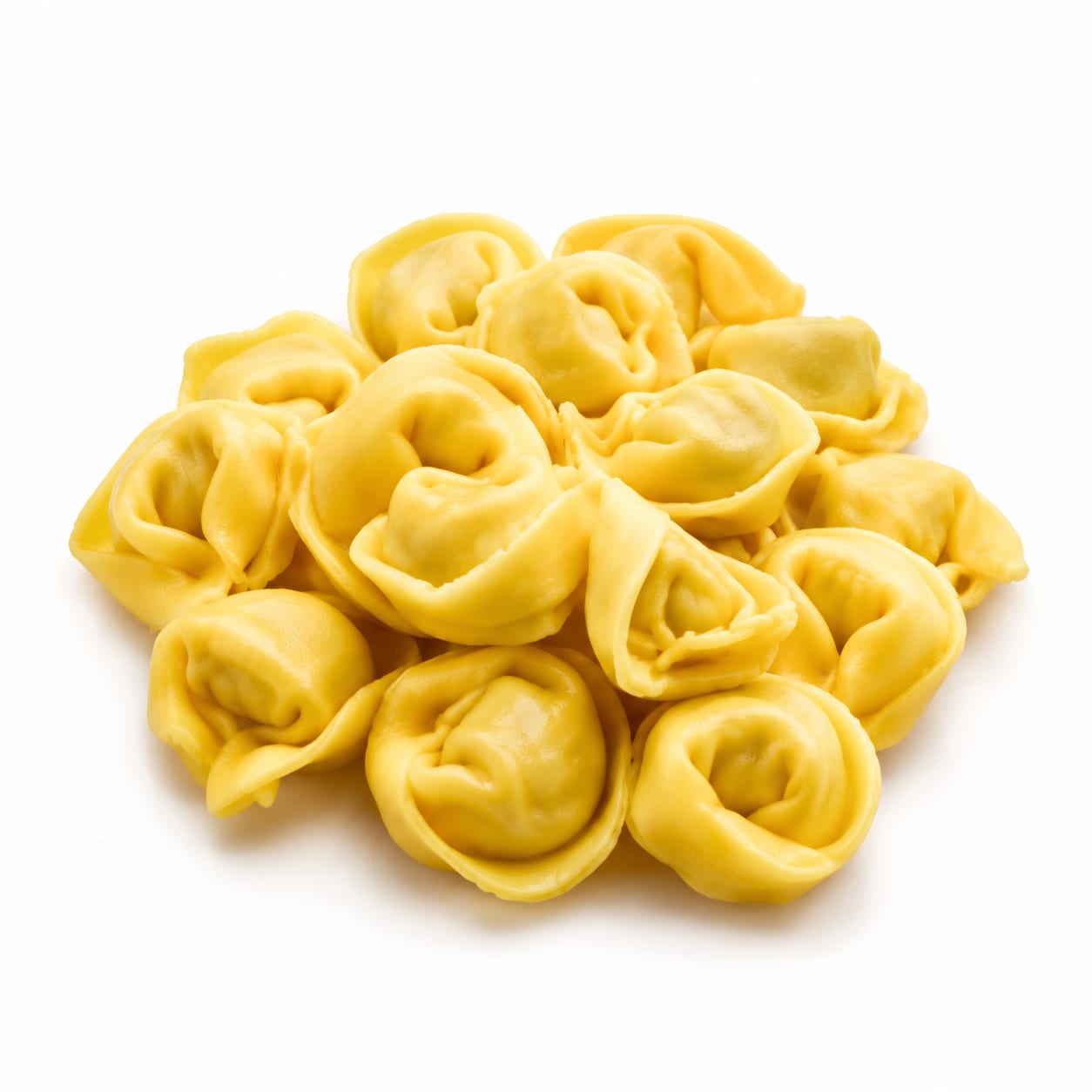
Tortellini
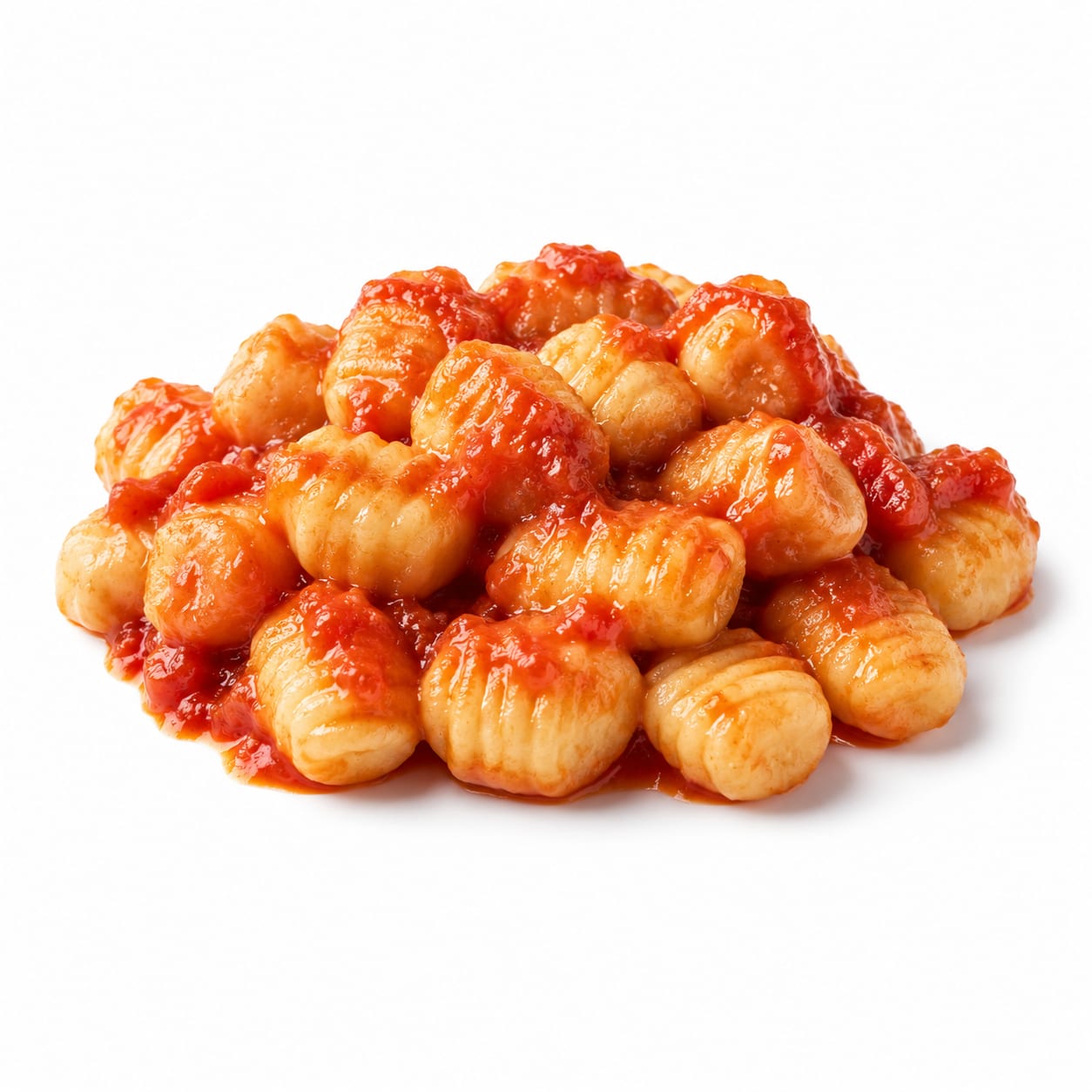
Gnocchi
Tortellini wins on protein and satiety; Gnocchi wins on simplicity and lighter digestion. Your pick depends on what your meal needs.
Tortellini scores higher due to protein content and satiety, but Gnocchi's simplicity and lower sodium narrow the gap. Neither is a nutritional standout, so context matters heavily.
Tortellini delivers more protein and staying power but comes with higher sodium and heavier fillings. Gnocchi is simpler and gentler on the stomach but lacks protein punch.
At a glance
Executive summary
Overall
It depends
Healthier
It depends
More practical
Gnocchi
Daily use
Gnocchi
Key comparison lenses
Which pasta alternative provides better satiety and protein
Tortellini's filling adds significant protein compared to Gnocchi's potato-heavy profile, making this the most impactful nutritional difference
Blood sugar and energy stability comparison
Both are carbohydrate-dense but differ in how they affect blood sugar due to protein and fat content variations
Calorie and carb load for weight management
Users commonly choose between these when watching portions or managing weight
Sodium and processing concerns
Store-bought Tortellini often contains high sodium from cheese and meat fillings, while Gnocchi tends to be simpler
Digestive comfort and lightness
Gnocchi feels lighter in the stomach for many people, while Tortellini can feel heavier due to dense fillings
Best choice for
Tortellini
- People needing more protein at dinner
- Active individuals recovering from exercise
- Anyone wanting a more filling single-dish meal
- Those who find plain pasta unsatisfying
Gnocchi
- People with sensitive digestion
- Anyone wanting a lighter evening meal
- Those watching sodium intake
- Home cooks wanting a simpler ingredient list
Least suitable for
Tortellini
- People on low-sodium diets
- Those avoiding dairy or meat depending on filling
- People seeking light pre-workout meals
Gnocchi
- Anyone needing substantial protein per meal
- People managing diabetes without added protein
- Those who find carb-heavy meals trigger cravings
Deep comparison
Dimension by dimension
Each lens scores both foods and breaks down who each option suits.
- Dimension 1 · Priority 92Tortellini
Protein & Satiety
Tortellini · 72Gnocchi · 35Tortellini's cheese or meat filling delivers roughly 2-3x more protein than Gnocchi, keeping you full longer.
Tradeoff
That protein comes with more sodium and calories from the filling, which may not suit every meal.
Why it matters
Meals without adequate protein often lead to snacking within two hours. Tortellini holds you over better as a standalone dish.
Real-world impact
A Tortellini dinner at 7pm likely keeps you satisfied until morning. Gnocchi alone may have you reaching for a snack by 9pm.
Tortellini
- Post-workout recovery meals
- Busy people who skip sides or protein additions
- Anyone tired of feeling hungry after pasta
Better for
- Late dinners where heavy food disrupts sleep
- Hot summer meals when density feels oppressive
Worse for
Gnocchi
- Light lunches before afternoon activity
- Meals where you add your own protein source separately
- Days when you want something gentle, not heavy
Better for
- Meals meant to sustain you for 5+ hours
- Recovery days when protein needs are elevated
Worse for
- Dimension 2 · Priority 85Tortellini
Blood Sugar Stability
Tortellini · 58Gnocchi · 42Tortellini's protein and fat slow carbohydrate absorption, leading to steadier blood sugar. Gnocchi is mostly potato starch and flour, which digests quickly.
Tradeoff
Neither is ideal for blood sugar management alone, but Tortellini is meaningfully better when eaten without added protein sides.
Why it matters
Rapid blood sugar spikes from Gnocchi can trigger energy crashes and cravings within 90 minutes of eating.
Real-world impact
After a Gnocchi lunch, you may feel that 2pm energy dip. Tortellini with the same sauce gives you a smoother ride through the afternoon.
Tortellini
- People with prediabetes seeking steadier energy
- Anyone prone to afternoon energy crashes
- Meals eaten without fiber-rich vegetables
Better for
- Large portions still spike blood sugar significantly
Worse for
Gnocchi
- Athletes needing quick carbs before exercise
- Underweight individuals wanting easy calorie intake
Better for
- Sedentary evenings when carb load goes unused
- Anyone monitoring fasting glucose
Worse for
- Dimension 3 · Priority 72Gnocchi
Sodium Load
Tortellini · 38Gnocchi · 65Store-bought Tortellini packs 500-900mg sodium per serving from cheese, meat, and preservatives. Gnocchi typically lands under 300mg.
Tradeoff
Gnocchi's lower sodium comes with less flavor built in, so you may add salty sauces that close the gap.
Why it matters
High sodium from Tortellini can push daily intake over recommended limits, especially if paired with salted pasta water and sauce.
Real-world impact
A single Tortellini dinner can deliver half your daily sodium. Gnocchi gives you more room to control salt through your sauce choices.
Tortellini
- Situations where flavor without added sauce matters
Better for
- Heart health conscious eaters
- Anyone on a sodium-restricted diet
Worse for
Gnocchi
- People with hypertension
- Anyone already eating high-sodium foods earlier in the day
- Home cooks who control salt through fresh sauces
Better for
- Meals where blandness leads to oversalting at the table
Worse for
- Dimension 4 · Priority 68Gnocchi
Digestive Comfort
Tortellini · 45Gnocchi · 70Gnocchi's soft, potato-based texture is gentler on the stomach. Tortellini's dense filling can feel heavy, especially cheese or meat varieties.
Tradeoff
Gnocchi's lightness means less staying power, so you may eat more to feel satisfied.
Why it matters
Digestive discomfort after meals affects sleep quality, afternoon productivity, and overall meal satisfaction.
Real-world impact
After a big bowl of Tortellini, you might feel sluggish and bloated. Gnocchi sits lighter, making it better for late meals or sensitive stomachs.
Tortellini
- People with strong digestion who want substance
Better for
- Anyone prone to post-meal bloating
- Late dinners that interfere with sleep
Worse for
Gnocchi
- Evening meals close to bedtime
- People with IBS or sensitive digestion
- Hot days when heavy food sounds unappealing
Better for
- Meals where lightness leads to overeating portions
Worse for
- Dimension 5 · Priority 65Gnocchi
Ingredient Simplicity & Processing
Tortellini · 40Gnocchi · 68Gnocchi typically needs just potatoes, flour, and maybe egg. Tortellini requires pasta dough plus cheese or meat filling, often with preservatives in packaged versions.
Tradeoff
Simpler ingredients mean fewer hidden additives but also less nutritional diversity.
Why it matters
Fewer ingredients generally means fewer surprises for your body and easier identification of allergens or sensitivities.
Real-world impact
Reading a Gnocchi ingredient list takes seconds. Tortellini packages often contain preservatives, stabilizers, and flavor enhancers you might not expect.
Tortellini
- Fresh-made Tortellini from a deli or homemade
Better for
- Pre-packaged Tortellini with long ingredient lists
- People avoiding preservatives or emulsifiers
Worse for
Gnocchi
- Anyone avoiding ultra-processed foods
- People with multiple food sensitivities
- Clean-eating preferences
Better for
- Situations where nutritional variety matters more than simplicity
Worse for
- Dimension 6 · Priority 60Gnocchi
Calorie Efficiency
Tortellini · 42Gnocchi · 55Gnocchi delivers slightly fewer calories per serving when portions are controlled, but both are calorie-dense. Tortellini's filling adds calories that may not feel worth it if you are portion-conscious.
Tradeoff
Gnocchi's lower calorie count per piece can mislead you into eating more, negating the advantage.
Why it matters
Calorie density determines how much food you can eat before feeling full, which directly impacts weight management.
Real-world impact
A reasonable Gnocchi portion feels generous on the plate. Tortellini portions look smaller for the same calories, which can feel psychologically unsatisfying.
Tortellini
- Meals where calorie density supports energy needs
- Active days requiring more fuel
Better for
- Sedentary days with lower calorie budgets
Worse for
Gnocchi
- Weight management when paired with vegetables
- Volume eaters who like larger portions
Better for
- Meals where small portions trigger overeating
Worse for
Timeline
Health impact over time
Short-term
Hours to days
Tortellini
- Stronger satiety lasting 3-4 hours due to protein and fat content
- Possible bloating if sensitive to dairy in cheese-filled varieties
- Higher sodium may cause thirst and mild water retention
- Steadier energy than plain pasta due to macronutrient balance
Gnocchi
- Quick energy from easily digested carbohydrates
- Hunger returning within 2 hours without added protein
- Gentle on the stomach with minimal digestive discomfort
- Possible blood sugar spike followed by energy dip within 90 minutes
Long-term
Months to years
Tortellini
- Regular consumption of high-sodium Tortellini may contribute to elevated blood pressure over time
- Protein from filling supports muscle maintenance better than carb-only alternatives
- Preservatives in packaged versions may concern those avoiding processed foods
- Dairy-filled varieties contribute calcium but also saturated fat
Gnocchi
- Frequent Gnocchi meals without protein additions may contribute to inadequate protein intake
- Lower sodium load supports cardiovascular health long-term
- Simpler ingredient profile reduces exposure to preservatives and additives
- High glycemic load if eaten regularly without fiber or protein balancing
Risk profile
Safety & processing
Fresh Tortellini from a deli is moderately processed with simple fillings, but shelf-stable packaged versions often include preservatives, stabilizers, and flavor enhancers. Gnocchi stays closer to whole-food ingredients, typically using just potatoes, flour, and egg. If processing concerns you, Gnocchi is the safer default, or seek out fresh Tortellini with short ingredient lists.
Tortellini
Dairy spoilage in cheese-filled varieties
mediumCheese fillings can harbor listeria if Tortellini is stored improperly or kept past refrigeration dates. Always cook thoroughly and respect use-by dates.
Meat contamination in meat-filled versions
mediumRaw meat fillings require thorough cooking to safe internal temperatures. Pre-cooked versions reduce this risk but check packaging.
Sodium nitrite in cured meat fillings
lowSome prosciutto or salami-filled Tortellini may contain nitrites. Occasional consumption is low risk, but regular intake is worth monitoring.
Gnocchi
Undercooking leading to dense raw flour center
lowGnocchi is safe when it floats, but undercooked centers can cause mild digestive discomfort. Not a safety risk, but unpleasant.
Potato spoilage in fresh Gnocchi
lowFresh Gnocchi has a short shelf life. Spoiled potatoes can cause off-flavors and mild illness. Dried or vacuum-sealed versions eliminate this concern.
Who wins for whom
Audience fit
Same foods, different winners depending on your goal.
children
GnocchiGnocchi's soft texture and mild flavor appeal to kids, and lower sodium is better for developing bodies. Tortellini's filling can be a choking consideration for very young children.
daily consumption
GnocchiGnocchi's simpler ingredient profile and lower sodium make it more sustainable for regular meals. Tortellini's sodium load adds up quickly with daily consumption.
diabetes
TortelliniProtein and fat in Tortellini slow glucose absorption. Neither is ideal, but Tortellini creates a flatter blood sugar curve when portions are controlled.
elderly
GnocchiGnocchi is easier to chew and gentler on aging digestive systems. Lower sodium also supports blood pressure management common in older adults.
muscle gain
TortelliniTortellini's filling provides meaningful protein per serving, making it easier to hit daily protein targets without adding separate protein sources.
weight loss
GnocchiGnocchi's lower calorie density per piece allows larger visual portions, which helps psychologically. But you must add protein and vegetables to stay satisfied.
Your move
Decision guide
Choose Tortellini
- You want a complete-ish meal without adding separate protein
- Post-workout recovery is your priority tonight
- You find plain pasta unsatisfying and end up overeating
- You are making a special occasion dinner where richness is welcome
Choose Gnocchi
- You are adding grilled chicken, fish, or legumes as a protein source
- You want something gentle for a late dinner
- Sodium intake is a health concern for you
- You prefer simpler, fewer-ingredient foods
- You are cooking for kids or older adults with sensitive digestion
Either works if
- You are loading the dish with vegetables and lean protein anyway
- Fresh homemade versions are available for both
- Portion control is your primary strategy, not food choice
Avoid both if
- You are strictly limiting refined carbohydrates
- You have celiac disease or gluten intolerance and no gluten-free versions are available
- You are managing diabetes and cannot add protein or fiber to balance the meal
Final recommendation
Let your meal context decide. If Tortellini is your main dish without sides, its protein and fat make it the more balanced standalone option. If you are building a plate with vegetables and a protein source, Gnocchi's simplicity and lower sodium make it the better base. Neither should be a daily staple, but both are reasonable weekly choices when paired thoughtfully.
Practical
Consumer tips
- 1
Check Tortellini sodium on the label — some brands exceed 800mg per serving, which is a third of your daily limit
- 2
Fresh deli Tortellini usually has cleaner ingredients than shelf-stable packages
- 3
Pair Gnocchi with protein-rich sauces like pesto with white beans or turkey bolognese to compensate for its low protein
- 4
Make Gnocchi from scratch with just potatoes, flour, and egg — it takes 30 minutes and eliminates all processing concerns
- 5
Boil Tortellini until filling reaches 165°F internally if it contains meat, not just until pasta is tender
- 6
Freeze fresh Gnocchi on a sheet pan before bagging — it cooks from frozen in just 2-3 minutes for easy weeknight meals
- 7
Choose cheese Tortellini over meat varieties if you want moderate sodium with good protein, as meat fillings tend to be saltier