
Nutrition comparison
Tortellini vs Penne: Which Pasta Is Healthier for You?
Compare Tortellini and Penne on calories, protein, sodium, and meal versatility. Find out which pasta fits your health goals and when each one is the better choice.
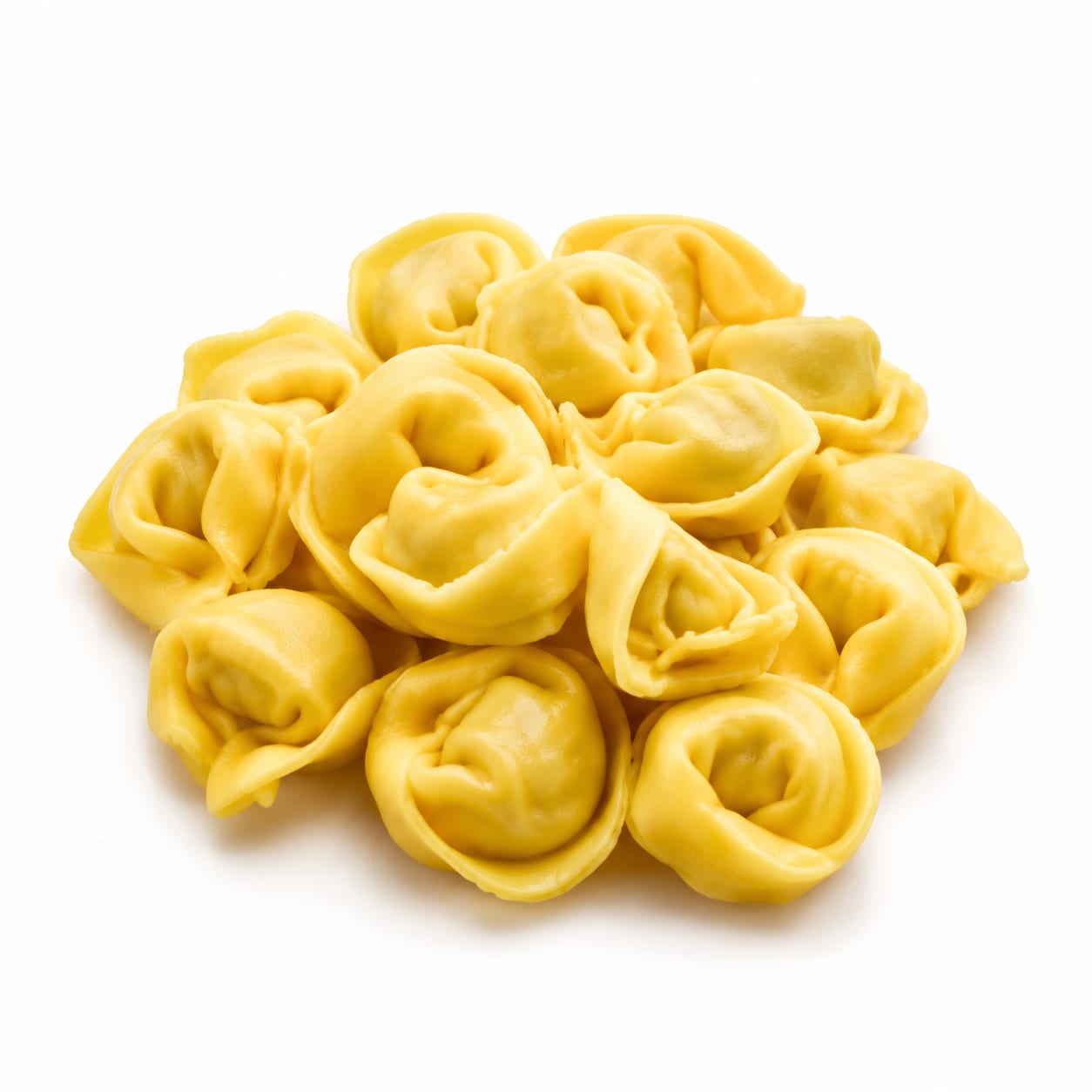
Tortellini
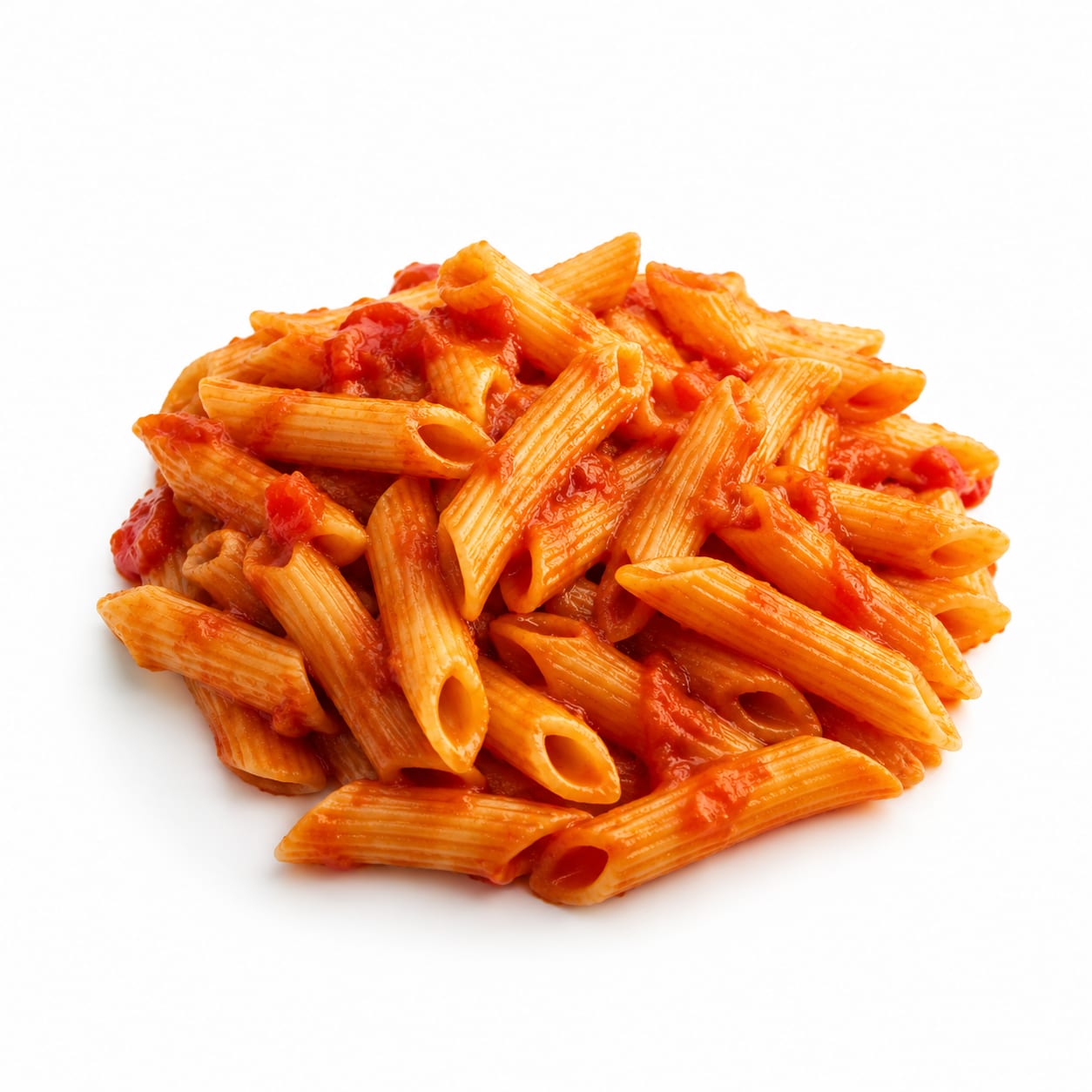
Penne
Penne is the leaner, more versatile everyday staple; Tortellini is a richer, more satisfying treat with higher protein but also more calories and sodium.
Penne scores higher due to lower calorie density, cleaner ingredients, and greater everyday versatility. Tortellini remains competitive for protein and satisfaction but loses ground on sodium, processing, and flexibility.
You're choosing between Tortellini's built-in flavor and protein boost versus Penne's lower calorie count, cleaner ingredient list, and sauce flexibility.
At a glance
Executive summary
Overall
It depends
Healthier
Penne
More practical
Penne
Daily use
Penne
Key comparison lenses
Calorie and portion control for weight management
Tortellini's filling significantly increases calorie density compared to plain Penne, making portion awareness critical
Protein quality and satiety comparison
Cheese or meat-filled Tortellini offers more protein but also more fat, creating a meaningful tradeoff against Penne's leaner profile
Sodium load and heart health implications
Filled pasta carries substantially more sodium from cheese and preserved fillings, a hidden concern for many eaters
Processing level and ingredient simplicity
Tortellini involves more processing steps and additives for the filling, while Penne is closer to a simple flour-and-water product
Meal versatility and sauce pairing flexibility
Penne adapts to nearly any sauce or cuisine, while Tortellini's built-in flavor limits pairing options
Best choice for
Tortellini
- Quick solo meals needing minimal sauce
- Higher protein without adding meat separately
- Comfort food cravings that feel indulgent
- Busy weeknights when you want flavor fast
Penne
- Weight loss or calorie-controlled eating
- Meal prep and batch cooking
- Heart-healthy or low-sodium diets
- Versatile family meals with varied sauces
Least suitable for
Tortellini
- Low-sodium diets
- Strict calorie counting
- Clean-eating or minimal-ingredient preferences
- Large-volume eating on a budget
Penne
- Meals where pasta is the standalone protein source
- Quick dishes with no sauce or seasoning on hand
- Situations craving rich, indulgent comfort food
Deep comparison
Dimension by dimension
Each lens scores both foods and breaks down who each option suits.
- Dimension 1 · Priority 92Penne
Calorie Density and Weight Management
Tortellini · 42Penne · 78Tortellini packs roughly 50-80% more calories per serving than Penne due to its cheese or meat filling.
Tradeoff
Tortellini feels more satisfying per bite, but you get noticeably less food for the same calorie budget.
Why it matters
If you're watching portions or trying to lose weight, Penne lets you eat a larger, more visually satisfying bowl.
Real-world impact
A typical Tortellini dinner can easily hit 500+ calories before sauce, while the same visual portion of Penne stays around 300-350.
Tortellini
- Smaller, richer meals where you eat less volume
- Active individuals with higher calorie needs
Better for
- Consistent calorie surplus risk if portions aren't measured
- Mindless eating leads to heavy calorie intake fast
Worse for
Penne
- Calorie-conscious eaters
- Anyone who prefers larger portion sizes
Better for
- May feel less satisfying without enough sauce or protein added
Worse for
- Dimension 2 · Priority 88Tortellini
Protein and Satiety
Tortellini · 72Penne · 38Cheese or meat-filled Tortellini delivers 2-3 times more protein than plain Penne per serving.
Tradeoff
That protein comes packaged with extra fat and sodium, not as a lean protein source.
Why it matters
Protein keeps you full longer and stabilizes blood sugar, making Tortellini surprisingly effective for satiety despite its calorie load.
Real-world impact
A bowl of cheese Tortellini might keep you full for 3-4 hours, while plain Penne with marinara leaves you hungry again in 2.
Tortellini
- Post-workout meals needing moderate protein
- Vegetarians getting protein from cheese filling
Better for
- Not a complete protein source despite higher amounts
- Saturated fat from cheese filling isn't ideal for heart health
Worse for
Penne
- Meals where you add your own lean protein like chicken or fish
Better for
- Nearly zero protein on its own, requiring supplementation
Worse for
- Dimension 3 · Priority 85Penne
Sodium and Heart Health
Tortellini · 30Penne · 70Tortellini's filling can contain 400-800mg of sodium per serving, while Penne typically has under 10mg before sauce.
Tradeoff
Penne starts nearly sodium-free, but what you add in sauce matters just as much.
Why it matters
Hidden sodium in filled pasta is a major blind spot for people managing blood pressure or heart risk.
Real-world impact
Two servings of Tortellini with sauce can easily exceed 1,500mg sodium — your entire daily recommended limit in one meal.
Tortellini
- Situations where you'd add less sauce since flavor is built-in
Better for
- Stealth sodium bomb that most people don't anticipate
- Compounds quickly with salty sauces like Alfredo or pesto
Worse for
Penne
- Hypertension management
- Low-sodium diet plans
- Full control over sodium through sauce choices
Better for
- Low sodium means nothing if you drown it in salty sauce
Worse for
- Dimension 4 · Priority 78Penne
Processing and Ingredient Simplicity
Tortellini · 35Penne · 75Penne is typically just durum wheat and water. Tortellini adds fillings with preservatives, stabilizers, and multiple cheese or meat components.
Tradeoff
More processing enables Tortellini's convenience and flavor but introduces additives you wouldn't use cooking from scratch.
Why it matters
If you're trying to eat fewer ultra-processed foods, Penne is clearly the simpler choice.
Real-world impact
Refrigerated Tortellini often contains modified food starch, sodium phosphate, and preservatives — ingredients absent from a box of Penne.
Tortellini
- Time-pressed cooks who want complex flavor without multiple ingredients
Better for
- Longer ingredient lists increase exposure to additives
- Harder to identify allergens across multiple filling components
Worse for
Penne
- Clean-eating approaches
- People avoiding preservatives and stabilizers
- Those with multiple food sensitivities
Better for
- Plain pasta alone is nutritionally incomplete and boring
Worse for
- Dimension 5 · Priority 75Penne
Versatility and Meal Prep
Tortellini · 45Penne · 85Penne works with virtually any sauce, protein, or vegetable. Tortellini's distinct flavor narrows your pairing options.
Tradeoff
Tortellini saves you from making a complex sauce, but Penne gives you creative freedom and better leftovers.
Why it matters
For weekly meal prep or feeding a family with different preferences, Penne's adaptability is a major practical advantage.
Real-world impact
Leftover Penne reheats beautifully in multiple dishes. Tortellini tends to dry out and lose its filling texture the next day.
Tortellini
- No-sauce meals with just olive oil and parmesan
- Pasta salads where the filling adds interest
Better for
- Clashes with strongly flavored or competing sauces
- Reheating degrades texture noticeably
Worse for
Penne
- Batch cooking and meal prep
- Families with diverse taste preferences
- Budget cooking with whatever sauce is on hand
Better for
- Requires more thought and ingredients to build a complete meal
Worse for
- Dimension 6 · Priority 72Tortellini
Blood Sugar Stability
Tortellini · 58Penne · 45Tortellini's protein and fat slow digestion, reducing the blood sugar spike compared to plain Penne.
Tradeoff
Neither is ideal for blood sugar control, but Tortellini's filling provides a slight buffer against the carb crash.
Why it matters
If you're prone to afternoon energy crashes after pasta lunches, the added fat and protein in Tortellini can soften the drop.
Real-world impact
Plain Penne with tomato sauce can spike blood sugar faster than Tortellini with the same sauce, leaving you sleepy 90 minutes later.
Tortellini
- Moderate blood sugar response without adding separate protein
- Sustained energy for a few hours after eating
Better for
- Still a high-carb food that requires portion control for diabetics
Worse for
Penne
- Paired with lean protein and vegetables for a balanced glycemic load
Better for
- Rapid blood sugar spike when eaten alone or with sugary sauces
Worse for
- Dimension 7 · Priority 68Penne
Cost and Budget Friendliness
Tortellini · 38Penne · 82Penne costs roughly half to a third of Tortellini per serving, especially dried versus refrigerated.
Tradeoff
Tortellini's higher price reflects its filling and refrigeration requirements, but the cost adds up fast for families.
Why it matters
For households feeding multiple people several times a week, the price difference becomes significant over a month.
Real-world impact
A family of four eating Tortellini twice a week could spend $15-20 more monthly than if they chose Penne with homemade sauce.
Tortellini
- Occasional meals where convenience justifies the premium
Better for
- Refrigerated Tortellini has a shorter shelf life, increasing waste risk
Worse for
Penne
- Weekly grocery budgets
- Bulk buying and pantry stocking
- Large families or frequent pasta nights
Better for
- Requires buying sauce ingredients separately, which can narrow the gap
Worse for
Timeline
Health impact over time
Short-term
Hours to days
Tortellini
- Higher satiety from protein and fat keeps you full longer
- Risk of feeling overly full or heavy due to calorie density
- Sodium may cause bloating or thirst after the meal
Penne
- Lighter feeling after eating, easier to control portions
- Blood sugar spike possible if eaten without protein or fiber
- Less immediate fullness may trigger snacking sooner
Long-term
Months to years
Tortellini
- Regular consumption increases sodium exposure, affecting blood pressure over time
- Higher saturated fat intake from cheese filling may impact cholesterol
- More processed ingredients add up with frequent consumption
Penne
- Easier to maintain healthy weight with consistent portion control
- Cleaner ingredient profile supports long-term clean-eating goals
- Requires conscious effort to add protein and vegetables for balanced nutrition
Risk profile
Safety & processing
Penne is about as simple as pasta gets — durum wheat and water. Tortellini's filling introduces preservatives like sodium phosphate, modified starches, and sometimes natural flavors that mask a longer ingredient list. If eating fewer additives matters to you, Penne is clearly the cleaner option.
Tortellini
Perishability and bacterial growth
mediumRefrigerated Tortellini has a short shelf life and can harbor Listeria or spoilage bacteria if not kept consistently cold or cooked thoroughly.
Allergen complexity
mediumFillings often contain multiple allergens — dairy, wheat, eggs, and sometimes nuts — making cross-reaction risk higher than with plain pasta.
Sodium phosphate and preservative sensitivity
lowSome individuals experience digestive discomfort from sodium phosphate or other stabilizers used in commercial Tortellini fillings.
Penne
Mycotoxin contamination in wheat
lowDried pasta can occasionally contain trace ochratoxin A from wheat storage, though regulatory limits keep this minimal.
Cross-contamination in facilities
lowMost dried Penne is produced in facilities handling eggs and other allergens, a concern for highly sensitive individuals.
Who wins for whom
Audience fit
Same foods, different winners depending on your goal.
children
TortelliniKids love the fun shape and cheesy filling, and the extra protein supports growth. Just watch the sodium on smaller bodies.
daily consumption
PennePenne's simplicity, lower sodium, and ingredient transparency make it a better everyday staple. Tortellini is better reserved for a few times per week at most.
diabetes
It dependsTortellini's protein and fat slow glucose absorption, but its sodium and calorie load are concerning. Penne with added lean protein and vegetables gives better overall control.
elderly
PenneLower sodium and easier digestion make Penne safer for aging cardiovascular systems. Tortellini's sodium and saturated fat are harder on older hearts.
muscle gain
TortelliniHigher protein content from cheese or meat filling supports muscle recovery better than Penne's near-zero protein, though you'd still want additional protein.
weight loss
PenneLower calorie density lets you eat satisfying portions while staying in a deficit. Tortellini's calories add up too quickly for consistent weight loss.
Your move
Decision guide
Choose Tortellini
- You want a satisfying one-pot meal with built-in protein and flavor
- Time is tight and you need dinner ready with minimal extra ingredients
- You're feeding kids who resist plain pasta without heavy saucing
- You're active and can afford the extra calories and sodium
Choose Penne
- You're managing weight, blood pressure, or sodium intake
- You meal prep and need pasta that reheats well across multiple dishes
- You prefer controlling exactly what goes into your sauce and protein
- You eat pasta frequently and want a cleaner everyday base
Either works if
- You pair pasta with plenty of vegetables regardless of type
- You only eat pasta occasionally and either choice fits your weekly budget
- You're cooking for one and portion control comes naturally
Avoid both if
- You have celiac disease or gluten intolerance and no gluten-free alternatives available
- You're following a strict low-carb or ketogenic eating plan
- You're highly sensitive to wheat or have confirmed wheat allergy
Final recommendation
Make Penne your everyday pasta and treat Tortellini as your richer, more indulgent option a couple of times a week. This gives you the clean ingredients and portion control of Penne most days, while still enjoying Tortellini's satisfying flavor when you want something more comforting. When you do choose Tortellini, go lighter on the sauce and skip the extra cheese to keep sodium reasonable.
Practical
Consumer tips
- 1
Check Tortellini labels — cheese-filled versions vary wildly in sodium, with some hitting 800mg per serving
- 2
Dried Tortellini exists and typically contains fewer preservatives than refrigerated varieties
- 3
Pair Penne with lean ground turkey or white beans to match Tortellini's protein without the saturated fat
- 4
Half-and-half bowls work great: mix equal parts Tortellini and Penne for balanced flavor and calories
- 5
Freeze leftover Tortellini within two days — it holds up better than refrigerating for later
- 6
Choose whole wheat Penne to add fiber that neither regular Penne nor Tortellini provide